The Andes

Peru: ex-Senderistas transferred to house arrest

Two imprisoned leaders of the Sendero Luminoso guerilla movement were released from military prison to house arrest by authorities in Peru, sparking outrage and debate in the country's media. Osmán Morote and Margot Liendo were arrested by anti-terrorist police in Lima in 1988. They completed their 25-year terms in 2013, but remained in detention as new charges were brought against them, concerning attacks in which some 150 were killed. The transfers from the detention facility at Callao Naval Base were ordered by the National Penal Chamber of Peru. Both Morote and Liendo were required to pay a bond of 10,000 soles ($3,100), and will be guarded at their homes in the Lima area by National Police agents. They have both declared a hunger strike in protest of the police presence and house arrest order, saying they should have absolute freedom after serving their terms. But President Martín Vizcarra called upon the judges to reverse their decision, and keep the pair behind bars while the new charges are pending against them. (Photo: Infobae)

The Andes

Peru: victory in protests over water price hike

All economic activities were suspended for several days in Peru's southern city of Moquegua as residents launched a civil strike to protest a planned 20% hike in water prices. The strike was relaxed when the central government sent a representative to meet with local and community leaders. Finally, the government agreed to invest more money in Moquegua's infrastructure, heading off the need for the hike. Authorities warned that the region's water system is at the brink of "collapse." But protesters pointed to the profligate use of water by the mining industry in Moquegua. Under pressure of the protests, authorities ordered the Aruntani mining company to immediately cease dumping of tailings and contaminated water in local creeks at its gold mine in Moquegua. After years of operation, the company was finally ordered to instate a water treatment program at the facility. (Photo: OEFA via Canal N)

Syria

Podcast: from Guernica to Syria

In Episode Eight of the CounterVortex podcast, Bill Weinberg notes the bitter historical irony: In April of 1937, the aerial bombardment of the Spanish town of Guernica by the Nazi Luftwaffe shocked the world. Today, what happened there is a near-daily occurrence in Syria (as well as Yemen and elsewhere around the world), and we are so inured to it that the “anti-war” people are actually on the side of the authors of aerial terror. During the Spanish Civil War, the left heroically opposed Generalissimo Francisco Franco’s drive to establish a fascist dictatorship with the aid of German military intervention. Today, it cravenly abets Bashar Assad’s drive to re-establish his fascist dictatorship with the aid of Russian military intervention. Even as Russia scrambles to block any investigation into the Douma chemical attack and other war crimes in Syria, “leftists” shamefully echo Russian propaganda denying any responsibility by Assad. Weinberg again urges that any legitimate anti-war position must begin with opposition to the genocidal regime of Bashar Assad, and with solidarity for the Syrian Revolution. Listen on SoundCloud. (Photo of Aleppo ruins from UNHCR)

North Africa

Western Sahara headed back towards war?

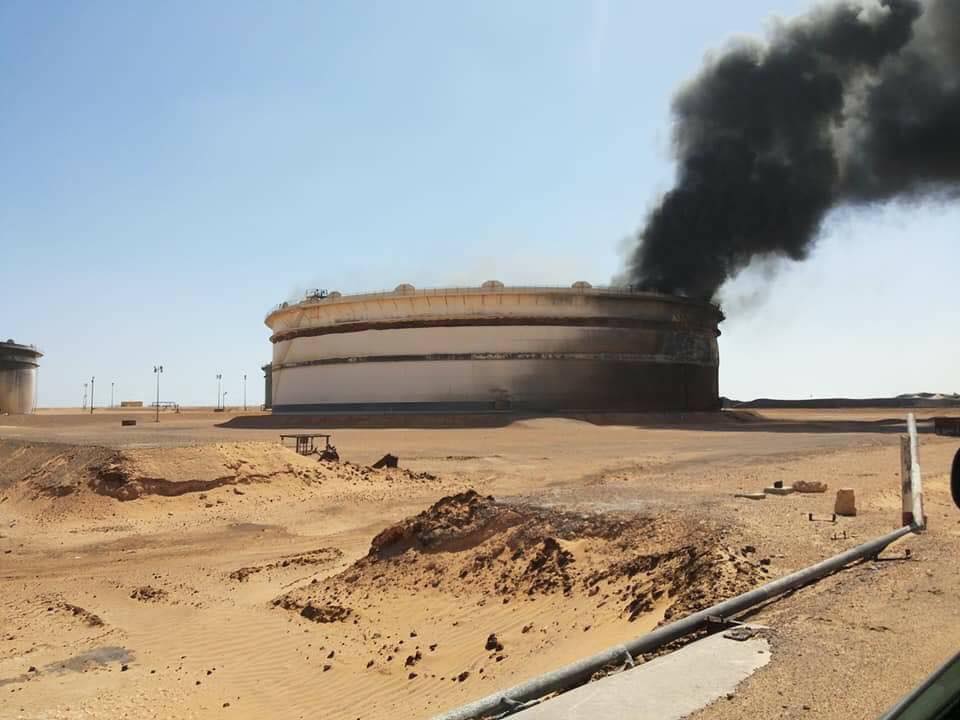
The UN Security Council extended the mandate of the peacekeeping force for Western Sahara (MINURSO) through the end of October 2018, while calling for Morocco and the Polisario Front to finally negotiate an end to the decades?old conflict. Western Sahara is claimed by Morocco, while the Polisario Front seeks independence for the territory. The territory has since the 1975-1991 war that followed its independence from Spain been divided by a series of sand berms and a "buffer zone." These separate the territory's Morocco-occupied west and a Polisario-controlled eastern strip. Recent months have seen growing tension between Morocco and Polisario over the borders of the buffer zone, with Polisario seeking to expand control into contested areas. (Photo: MINURSO via Yabiladi)

Central America

Nicaragua: ‘peace pilgrimage’ after protests

Tens of thousands from across Nicaragua marched on the capital Managua, including large delegations of campesinos from the countryside, in a "pilgrimage for peace" called by Archbishop Leopoldo Brenes following days of angry protests and repression that left some 50 dead. The Catholic Church agreed to mediate a dialogue between the government and opposition over the planned reform of the social security system that set off the protests. But the "pilgrimage" struck a political tone, with marchers calling for the resignation of President Daniel Ortega. (Photo: Nuevo Diario)

The Amazon

Colombia: ‘historic’ high court ruling on Amazon

In a decision being hailed as "historic," Colombia's Supreme Court of Jutsice ruled in favor of a group of 25 young people and children who brought suit against the state to demand it take measures to assure their right to inherit a healthy environment. They asserted that their future food security and access to water is threatened by continued deforestation in the Amazon and other ecological degradation. In its ruling, the court also noted Colombia's responsibilities on a global level to halt deforestation, as carbon dioxide releases from forest loss contribute to the greenhouse effect. The youth in the case were represented by lawyers from Colombia's Environmental Justice Network. (Photo: Contagio Radio)

The Andes

Colombia: protests over ‘catastrophic’ oil spill

A state of emergency has been declared in Barrancabermeja, the oil hub on Colombia’s RĂ­o Magdalena, following a rupture on a pipeline delivering crude to the city’s refinery. The spill at the Lizama 158 well, run by parastatal Ecopetrol, contaminated local waterways that flow into the Magdalena, and which local campesino communities depend on. The affected area includes habitat for jaguars and manatees. The Fracking-Free Colombia Alliance called it a “catastrophe of unequaled magnitude” in a long history of oil spills in the area, and said the impacts could last 30 years. Colombia’s attorney general has opened an investigation to determine if there is criminal liability in the spill. (Photo: Contagio Radio)

The Andes

Colombia rebuked over continuing rural violence

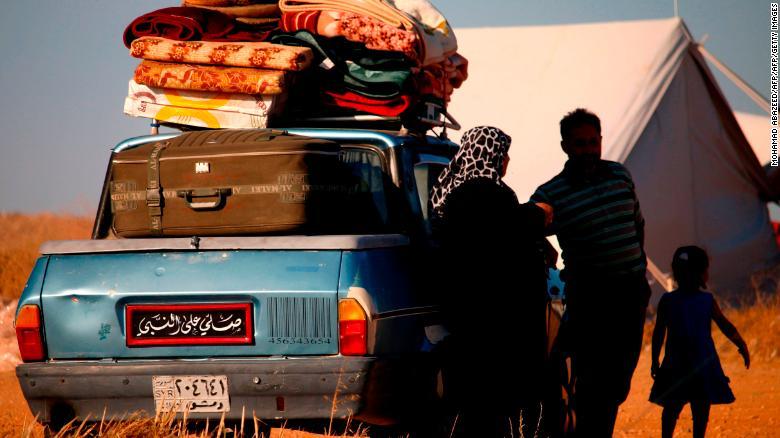
The Inter-American Commission on Human Rights issued a statement calling on the government of Colombia to "take urgent measures" to protect social leaders and human rights defenders in response to the wave of assassinations over recent months. The statement asserted that 22 rights defenders had been killed in Colombia in the first two months of the year, and over 100 more threatened with death. The assassinations come in an atmosphere of violence across much of the country's rural areas, with some 2,500 displaced in recent months. Despite government denials, community leaders insist resurgent paramilitary networks are behind the attacks. (Photo via Contagio Radio)

The Andes

Colombia: guerilla factions to end internecine war

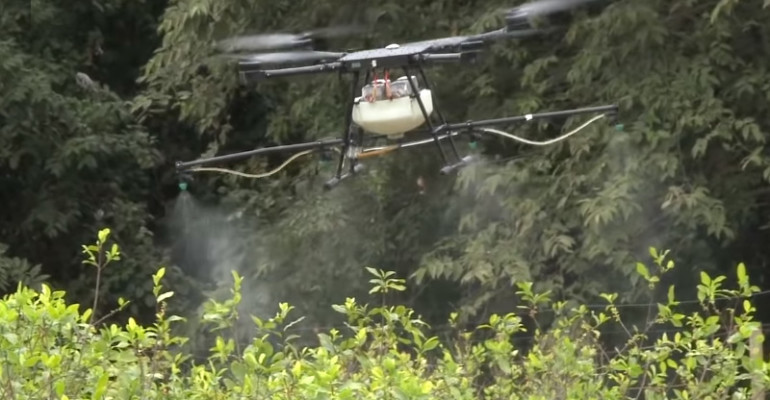
Colombia's two guerilla groups that remain in arms pledged to open a dialogue with each other to bring their internecine conflict to an end. Fighting broke out weeks ago between the National Liberation Army (ELN) and its smaller rival, the Popular Revolutionary Army (EPL). William Villamizar, governor of Norte de Santander department, has declared a state of emergency over the violence, which he said has displaced some 1,000 families. The fighting is said to have begun as the two groups vied to take control of coca-growing lands vacated by the demobilized FARC guerillas. (Photo: Colombia Reports)

Syria

Podcast: the anti-war left morphs into its opposite

In an in-depth interview for the Dobbstown podcast, CounterVortex editor Bill Weinberg traces the downward trajectory of the anti-war movement to the point that it now doesn’t protest when Trump (let alone Assad or Putin) bombs civilians, but does protest when Trump bombs warplanes that are used to bomb civilians. The poorly named “anti-war” left has morphed into its exact opposite: pro-war, pro-dictatorship, and even pro-genocide. Weinberg discusses his own political awakening in the Reagan cold war, and the American left’s descent to its current political and ideological nadir. He urges support for the actual social struggles in places like Syria, Libya, Crimea, etc., rather than viewing them as pawns on the geopolitical chessboard, as our imperialist enemies do. (Photo of Aleppo ruins from UNHCR)