




Hotel Occupato

SQUAT CALABRIA

SudanThe UN fact-finding mission for Sudan has produced a follow-up to its February investigation into atrocities by the Rapid Defense Forces (RSF) in El Fasher, finding at least three of the "material crimes" of genocide "overwhelmingly present." After a prolonged siege, the UAE-backed paramilitary army launched an October 2025 assault on El Fasher, which was the last major Darfur city where the Sudanese army and allied forces were in control. Since the February publication, the mission said it has received new information, especially on the abduction and mass rape of women and girls. It says survivors were raped by RSF forces in the presence of corpses, including of family members, and were targeted along ethnic lines. The mission also received new information on the high number of people—up to tens of thousands—who remain missing or unaccounted for. With the RSF planning a new assault on the North Kordofan capital, El Obeid, the mission said the same patterns are repeating, and called for the lessons of El Fasher not to be ignored. (Map: PCL)

Continue ReadingSQUAT CALABRIA 
The Andes
Chapare

Bolivia: regime threatens autonomous Chapare

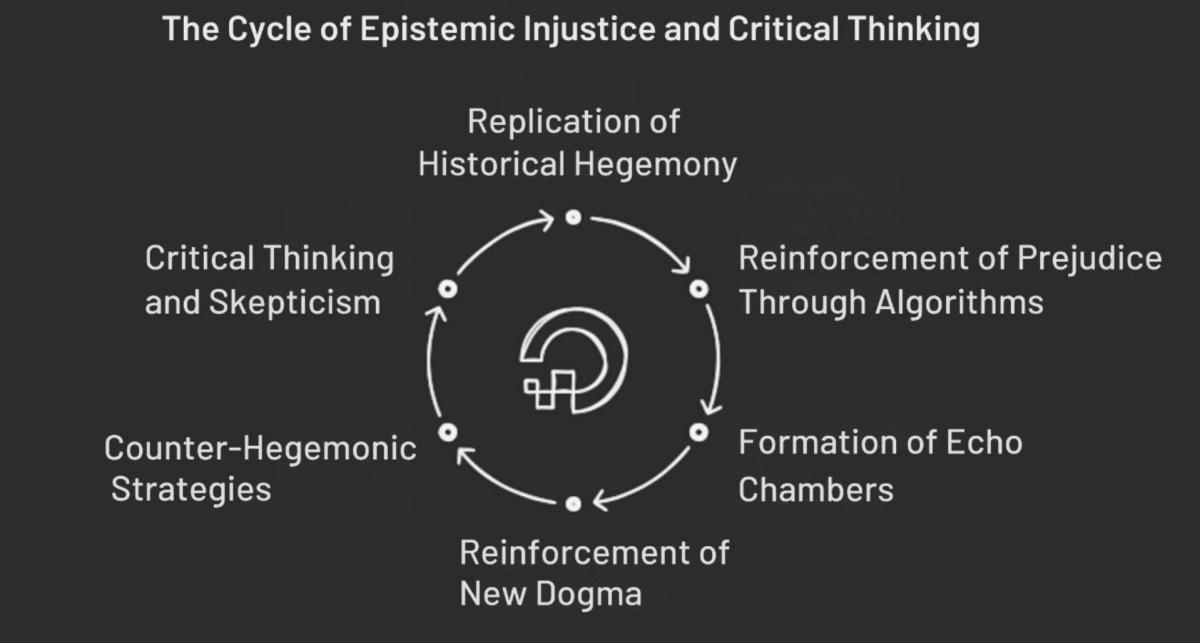
cycleAt the UN's Global Dialogue on AI Governance in Geneva, Nobel Peace Prize laureate Maria Ressa warned that artificial intelligence poses the threat of an "information Armageddon." Scholars of critical theory perceive that online culture reproduces a "cycle of epistemic injustice" by fostering "organized stupidity" that fuels extremism and authoritarianism. And the same technology now implements the grim material application of this degraded intellectual climate, with a UN Human Rights Council study especially accusing Palantir of being part of an "economy of genocide" through its enabling of Israel's AI-enhanced targeting in Gaza. Meanwhile, the pollution generated by the data centers that power AI is now "almost incomprehensible." Despite all this, UNESCO in Geneva glibly called for a "safe and inclusive AI that benefits all," and an openly boosteristic "AI for Good" confab was held alongside the Global Dialogue. The "anti-tech rebellion" against screens in school classrooms is a significant sign of hope, but the end of reading and death of literacy are already upon us. Moves toward greater regulation of AI are most significant as a catalyst for the conversation that needs to be had: how to launch an effective movement for abolition. In Episode 336 of the CounterVortex podcast, Bill Weinberg continues to make the case. (Image: CounterVortex, after JSCSR)