Iraq
ybs

Iraq: thousands displaced in new battle for Sinjar

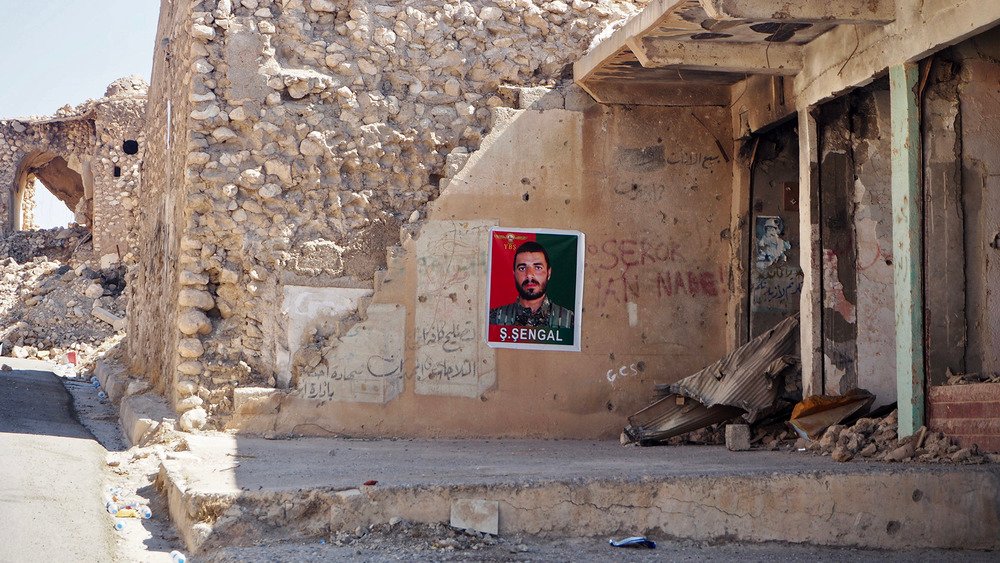
Clashes between the Iraqi military and a local Yazidi militia have forced more than 3,000 people to flee the northern town of Sinjar. Fighting erupted when the military launched an operation to clear the area of the Sinjar Resistance Units (YBS), a militia with ties to the Kurdistan Workers Party (PKK). Many of those displaced are Yazidis who survived the 2014 Islamic State genocide against the ethnicity. They are now distributed in camps across Iraq’s Kurdish region. In 2020, Baghdad and the Kurdistan Regional Government (KRG) signed a pact to restore their joint control to the autonomous Yazidi enclave, known as Ezidikhan. The deal has not been implemented until now, despite growing pressure from Turkey, which has carried out intermittent air-strikes on the Sinjar area. (Photo: A poster commemorating a slain YBS fighter on a bombed-out building in Sinjar. Credit: TNH)
Europe
Crimea

Tatars demand return of Crimea to Ukraine

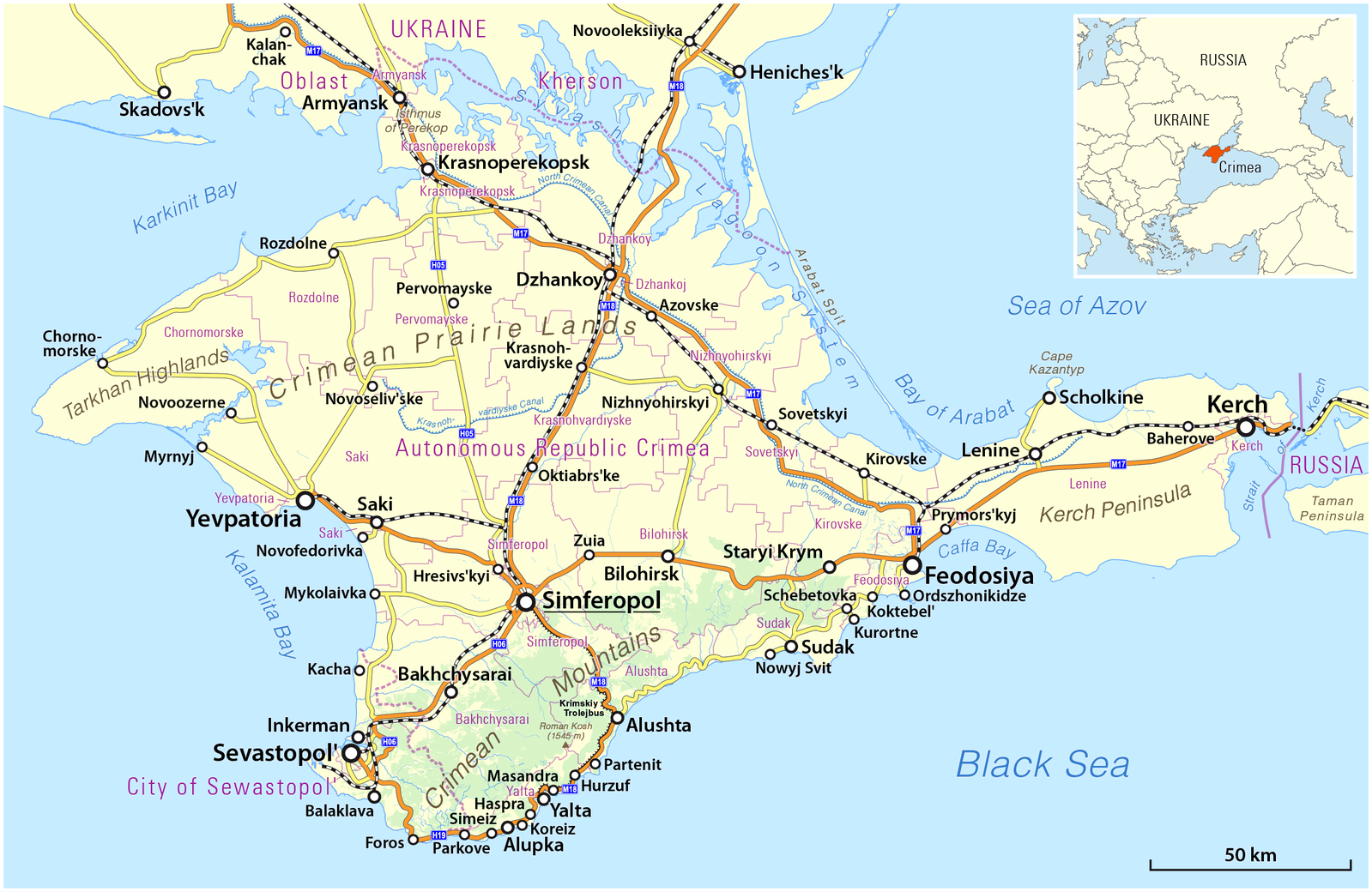
Crimean Tatar community leaders issued a demand that return of the Crimean Peninsula, unilaterally annexed by Russia in 2014, be a condition imposed by Kyiv in its talks with Moscow to end the war in Ukraine. The decision to adopt this demand was taken in a virtual meeting of the Mejlis—the traditional assembly of the Crimean Tatars, which has now been suppressed within Crimea by the Russian occupation forces. “The re-establishment of the territorial integrity of Ukraine within its internationally recognized borders, including the republic of autonomous Crimea and Sevastopol, should be an obligatory condition for official negotiations between Ukrainian representatives and the aggressor state,” said the chief of the Mejlis, Refat Chubarov. The online meeting of the Mejlis took place ahead of a new round of talks between Russia and Ukraine in Istanbul. (Map via Wikimedia Commons)

East Asia
Tiananmen

‘Great Leap Backward’ for press freedom in China

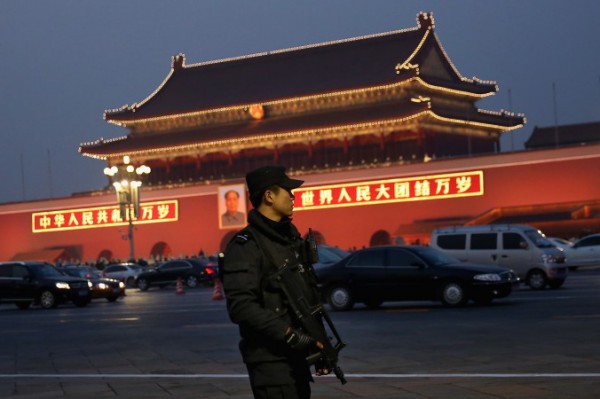
Reporters Without Borders issued a new report, The Great Leap Backwards of Journalism in China, revealing the extent of the regime’s campaign of repression against the right to information. At least 127 journalists (professional and non-professional) are currently detained by the regime. Simply reporting on a “sensitive” topic or publishing censored information can result in years of detention. The report especially examines the deterioration of press freedom in Hong Kong, which was once a world model but has now seen an increasing number of journalists arrested and prosecuted in the name of “national security.” (Photo: chinaworker.info)

Greater Middle East
drone

Turkish drones decisive in regional wars

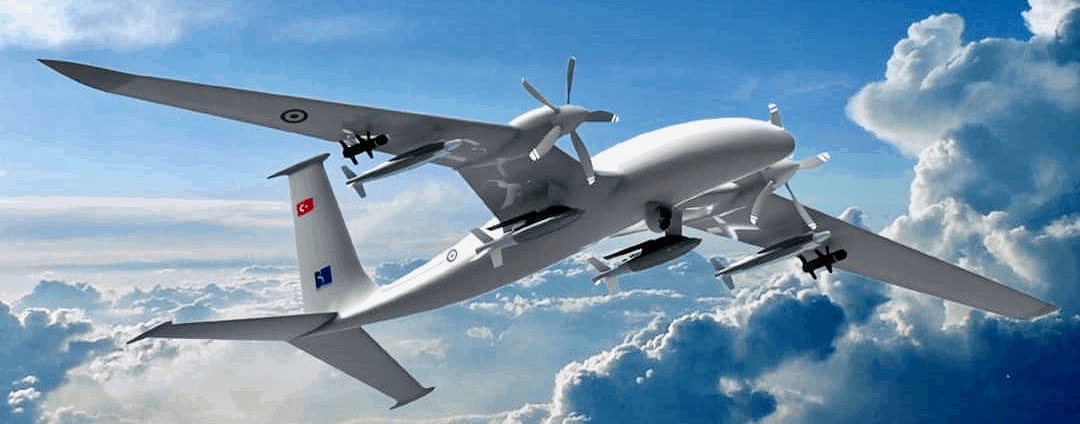
The Turkish military is unveiling a new upgraded “unmanned combat aerial vehicle,” the Bayraktar Akıncı, developed by private drone manufacturer Baykar Defense, which is owned by President Recep Tayyip Erdoğan’s son-in-law Selçuk Bayraktar. The Akıncı is a more advanced version of Turkey’s iconic Bayraktar TB2, able to fly higher and carry more missiles. The TB2 has been used by Ankara against Kurdish guerillas in northern Iraq, and against Syrian regime forces. Turkey has also provided the TB2 to various foreign militaries; it is held to have been decisive in Azerbaijan’s victory over Armenian forces in last year’s Nagorno-Karabakh war, as well as the Libyan government’s victory over the warlord Khalifa Haftar. Ukraine, having already tested an initial dispatchment of the drone, is now ordering 24 more for use in its war against Russian-backed separatists. (Photo: Wikipedia)

Iraq
kurdish march

Protest ongoing Turkish military intervention in Iraq, Syria

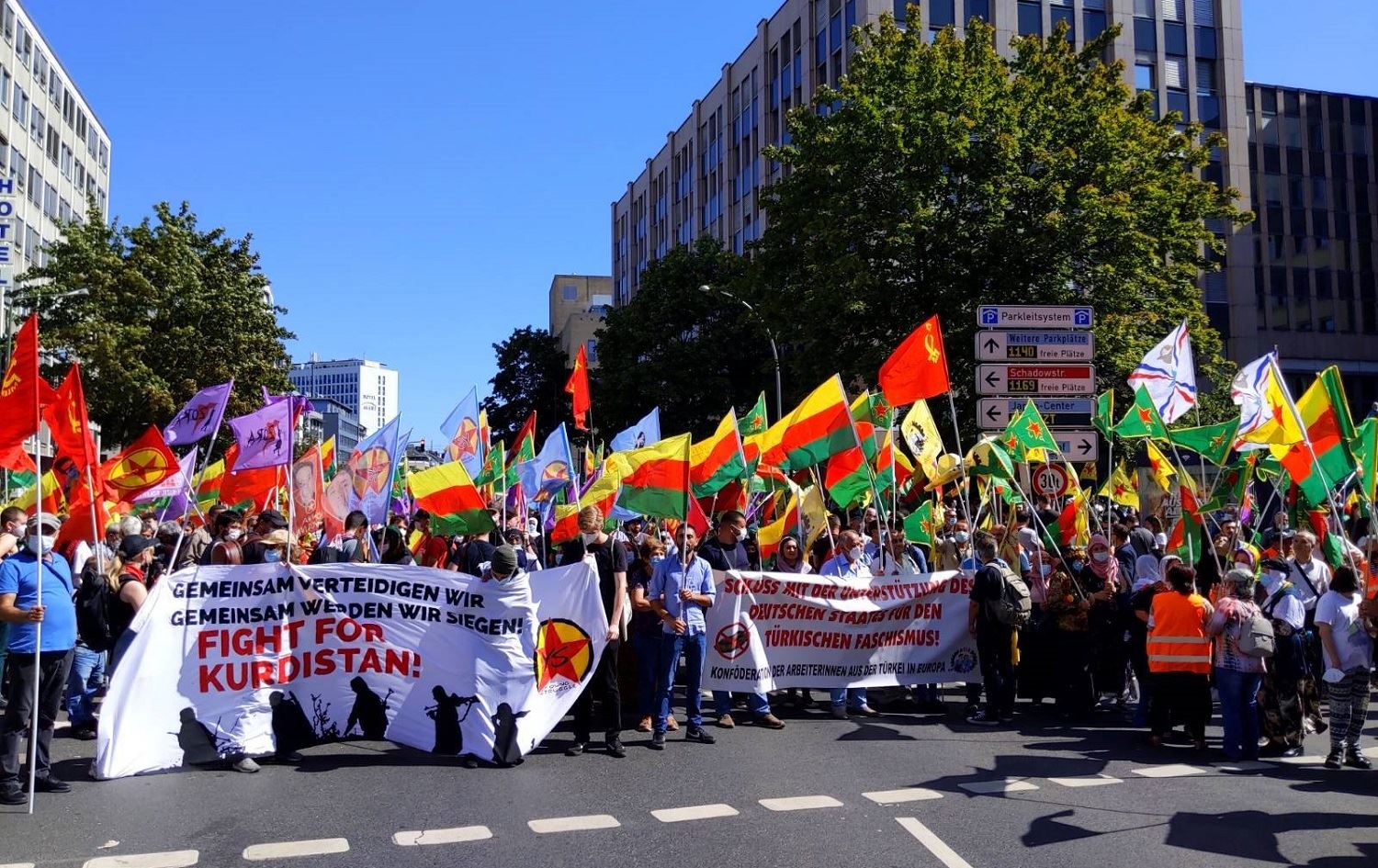
Kurdish rebels launched a mortar attack on a Turkish military position in northern Iraq, killing one soldier. The troops were stationed at the outpost as part of Ankara’s “Operation Claw-Lightning” to hunt down fighters of the Kurdistan Workers’ Party (PKK). Turkey’s Defense Ministry said its forces immediately retaliated, and three PKK fighters were “neutralized” (killed). The following day, thousands of Kurds marched in Dusseldorf, Germany, to protest ongoing Turkish military operations in Turkey’s eastern Kurdish region, in northern Iraq, and in Syria’s Rojava region. The demonstration was timed for the 37th anniversary of the start of the PKK’s armed struggle against the Turkish state. (Photo: Defend Kurdistan via Twitter)

Syria
syria refugees

Syria: Russia plays ‘political games’ with aid access

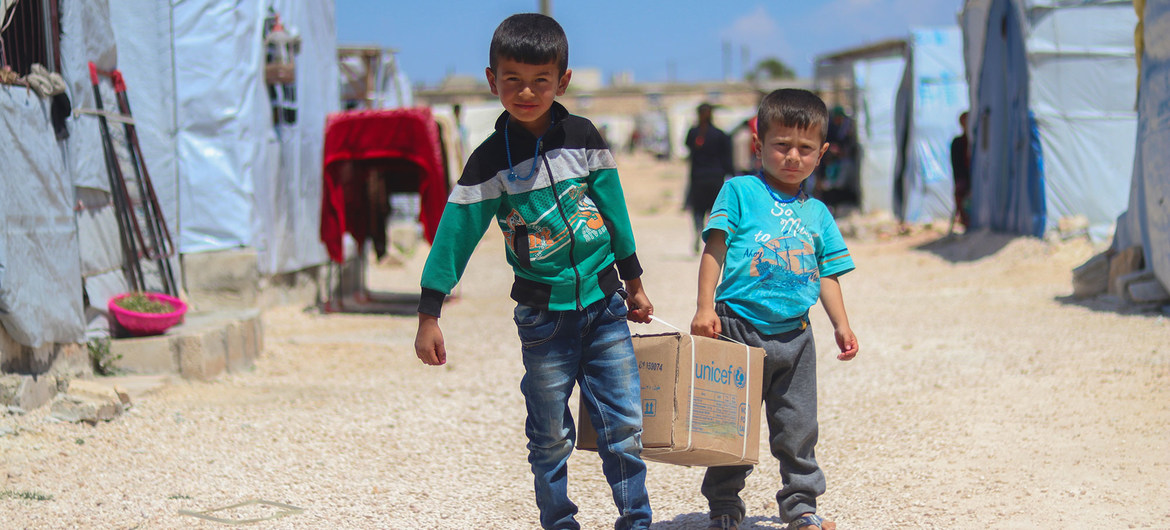
The UN Security Council unanimously voted to extend the sole humanitarian aid crossing into Syria—one day before it was set to close. The vote on the Bab al-Hawa crossing came after weeks of intense negotiations between Washington, which wants to expand the number of aid corridors into Syria, and Moscow, which had threatened to block continuation of the aid program altogether in the name of protecting Syrian sovereignty. Some 1,000 truckloads of aid pass through Bab al-Hawa each month—and humanitarian agencies say this is insufficient to address the scale of the disaster in Syria’s north. In 2014, the Security Council approved four border crossings for aid into Syria. But Russia has since used its veto to restrict aid access to the rebel-held north, leaving only Bab al-Hawa open. (Photo: UNICEF via UN News)

Syria
Atareb

Protest WHO board seat for Syrian regime

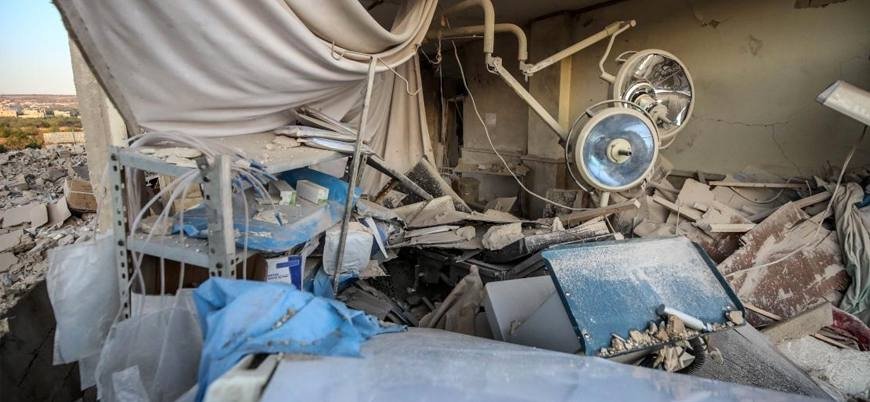
Doctors and healthcare workers held a demonstration outside a hospital in the Syrian city of Idlib, to protest the election of the Bashar Assad regime to the executive board of the World Health Organization (WHO)—the latest coup for normalization of the regime. “How can we trust WHO [when] one of its executive board members is the murderer who is killing my colleagues?” said Dr. Salem Abdan, head of health services for opposition-administered Idlib. Read a banner at the protest: “We reject that he who destroyed our hospitals be represented on the executive board.” Idlib province is part of a remaining rebel-held pocket in the northeast of the country, where Assad regime warplanes have for years been bombing hospitals and clinics. (Photo of bombed hospital in northern Syria via Daily Sabah)

Syria

Syria: controlled elections amid crisis —again

Thoroughly controlled elections were held in Syria, with predictable results. Regime officials declared Bashar Assad the winner with 95.1% of the vote. Assad ran against two nominal challengers, with another 49 candidates disqualified. State media promoted Assad relentlessly; his posters were displayed on walls and billboards throughout regime-controlled territory. Several million Syrians within the country could not vote as they are outside regime-held areas. In opposition-held Idlib province, hundreds held protests against the “fake” elections, carrying the Free Syria flag. In another sign of resurgent opposition even within regime-controlled territory, a group of leading tribal and social figures in Daraa governorate (where the revolution first broke out a decade ago) released a statement declaring their rejection of the elections as “illegitimate.” (Photo of Aleppo ruins from UNHCR)

Syria
qamishli

Syrian Kurdish militia fire on Arab protesters

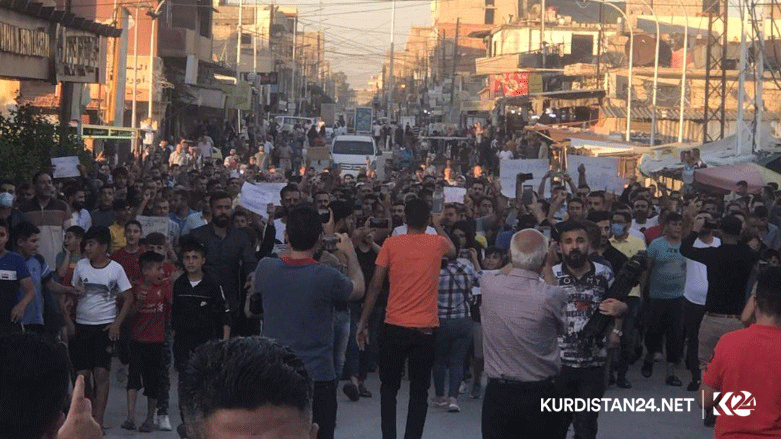
Five are reported dead after Kurdish militiamen opened fire on local Arab residents protesting against a hike in fuel prices imposed by the Kurdish-led Autonomous Administration in northern Syria. Protests were reported in several towns in al-Hasakah province, including Qamishli, al-Haddaja, al-Rashidiya and al-Haddadiya. The Autonomous Administration overturned the planned price hikes in response to the protests. However, the Syrian Democratic Forces, the military alliance supported by the Autonomous Administration, issued a statement warning that “protesting activities should not be turned into means to strike at peace and security,” and implying that the demonstrations had been stirred up by “outside propaganda.”  (Photo of Qamlishi protest: Ekrem Salih/Kurdistan24)

Afghanistan
Sayed ul-Shuhada

Afghanistan: schoolgirls massacred amid ‘peace’ talks

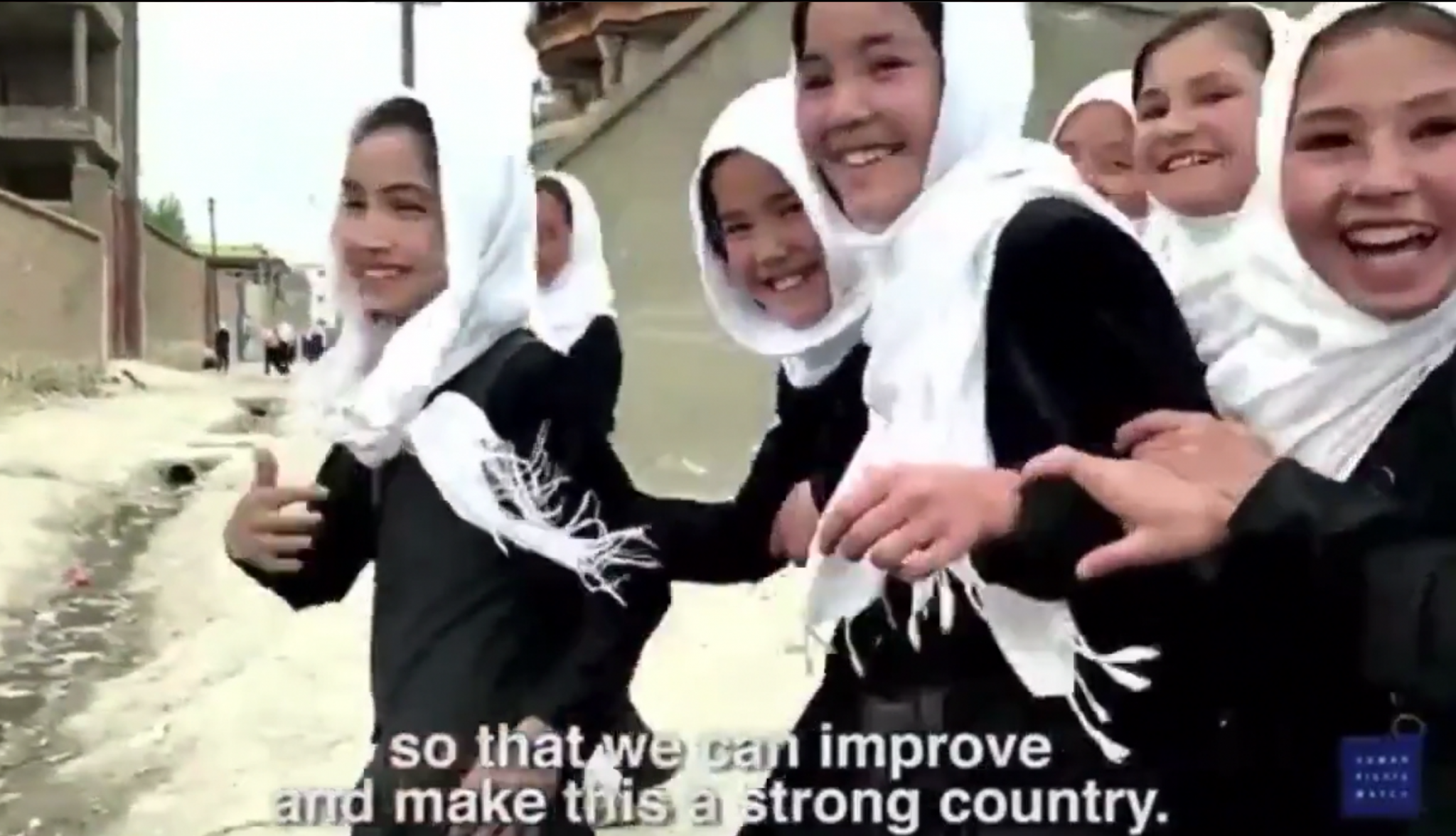
An attack on a high school in Afghanistan’s capital killed at least 50 and wounded dozens more—most of them girls who were leaving class. The school is in Kabul’s western Dasht-e-Barchi district, where many residents are of the Hazara ethnic minority, who were subject to genocide under Taliban rule in the 1990s. The students appear to have been doubly targeted as both girls and Hazaras—raising further questions for the status and security of women and ethnic minorities as the power-brokers race to declare “peace” in Afghanistan. (Photo of girls from the targeted school: HRW via Twitter)

Syria
qamishlo

Syria: Kurdish forces take Qamishli from regime

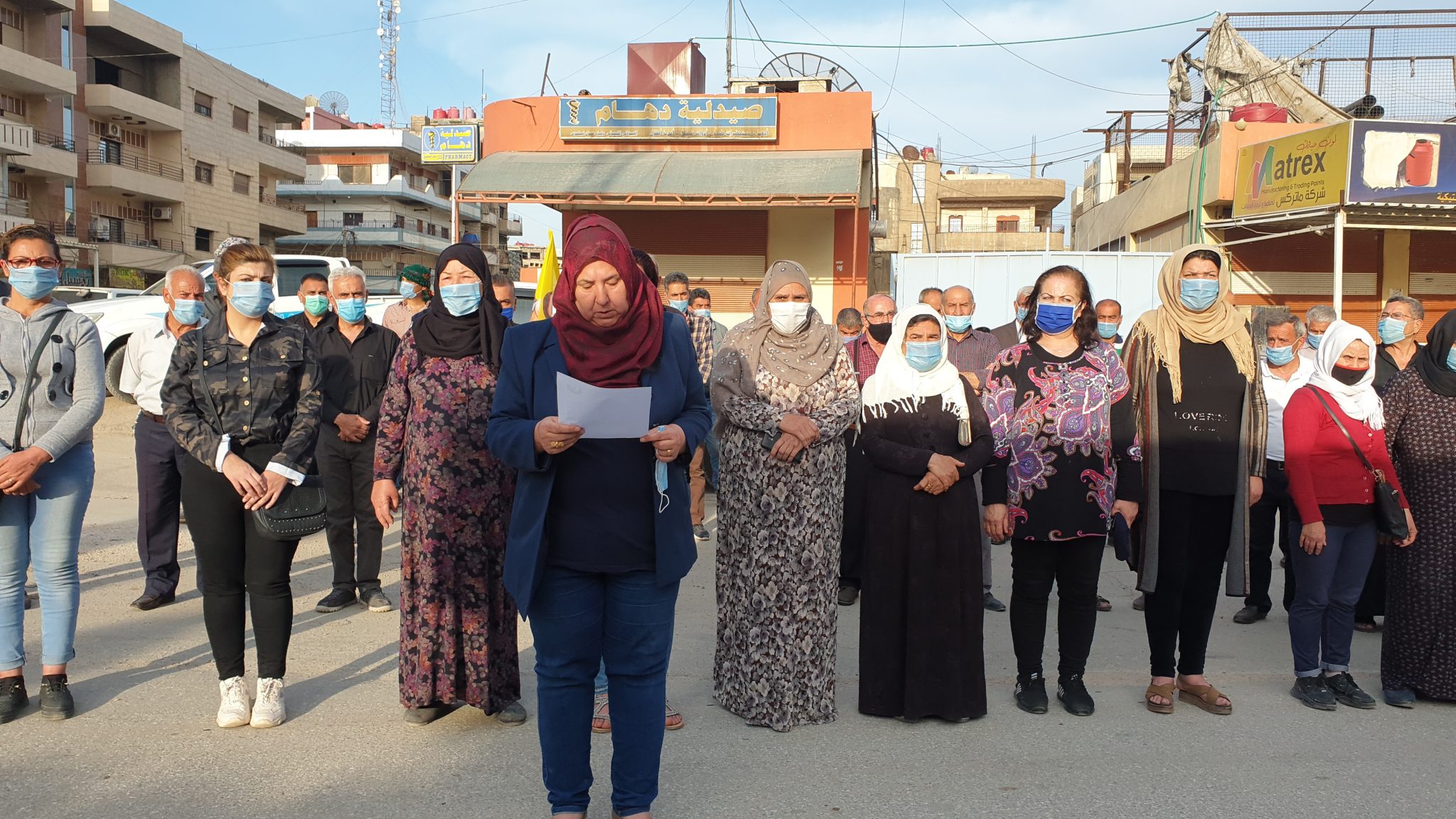
The local Kurdish Asayish militia announced that it has taken control of the last contested district of the northeast Syrian town of Qamishli from pro-regime forces. An Asayish statement said that after several days of fighting, al-Tay neighborhood is to be in their hands under terms of a truce with the pro-regime National Defense Forces (NDF), enforced by Russian troops and the Kurdish-led Syrian Democratic Forces (SDF). The Qamishlo District Council, an organ of the Rojava autonomous administration, issued its own statement, charging that NDF attacks on Asayish checkpoints were “evidence of their desire to inflame the discord among the components of the region…in particular the Kurdish and Arab.” (Photo of Qamishlo District Council reading statement: ANHA)

Syria
syria betrayed

Ten years after: the Syrian Revolution betrayed

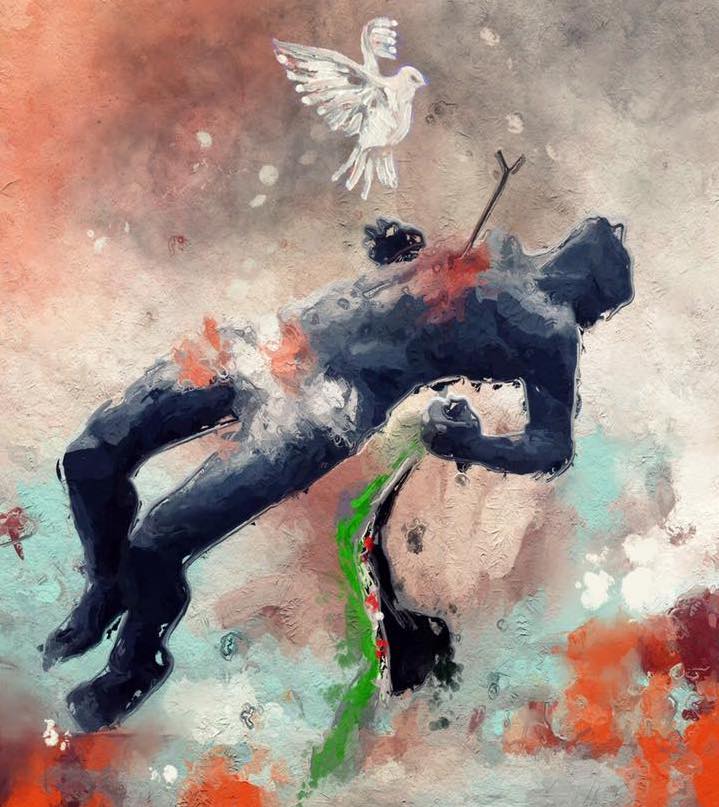
Ten years after the Syrian Revolution began with peaceful anti-regime protests, the UN Human Rights Commission released a report finding that actions by the Assad regime and its Russian allies over the course of the Syrian war have likely constituted “crimes against humanity, war crimes and other international crimes, including genocide.” The UN and human rights groups have issued such findings repeatedly—to little media coverage. The charge of genocide officially requires the world to act under the Genocide Convention. But the world is no longer even paying attention. (Image: Delawer Omar)