

North Africa
Tunisia

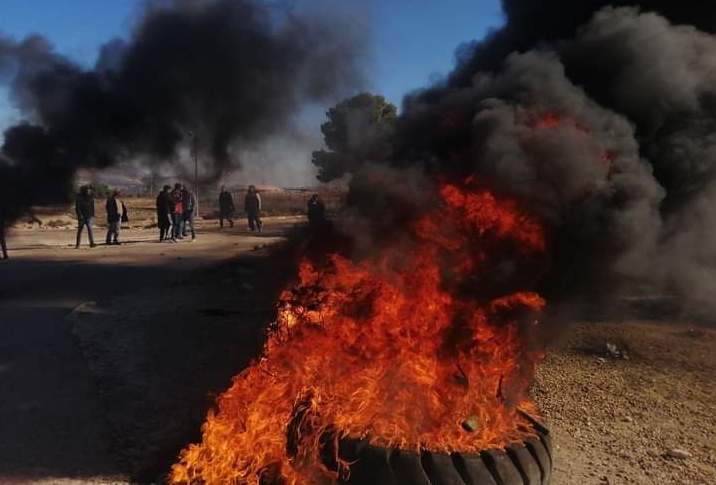
Youth revolt rocks Tunisia

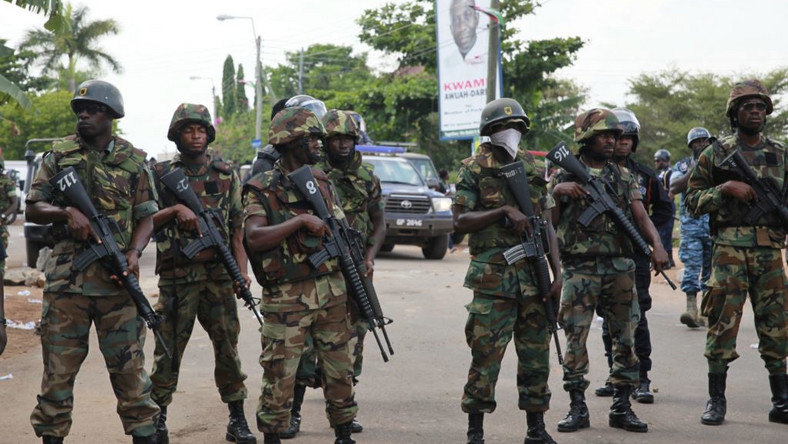
The army was ordered into the streets in Tunisia Jan. 18 following four days of angry protests by disaffected youth that have led to hundreds of arrests. Enraged over widespread unemployment, youth have erected roadblocks of burning tires, clashed with… Read moreYouth revolt rocks Tunisia

Greater Middle East

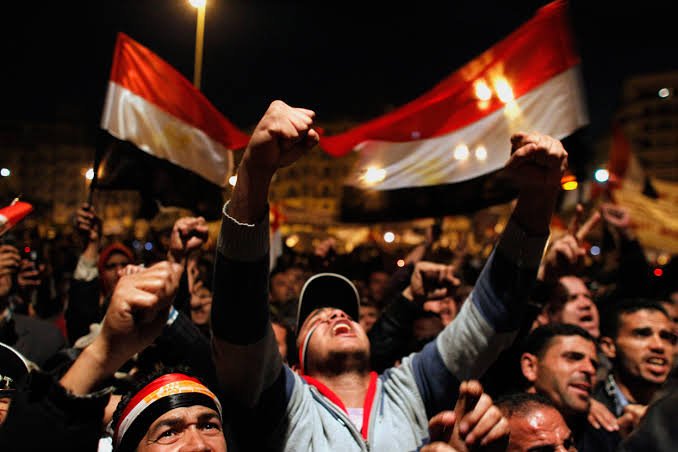
Egyptian revolution rebooted

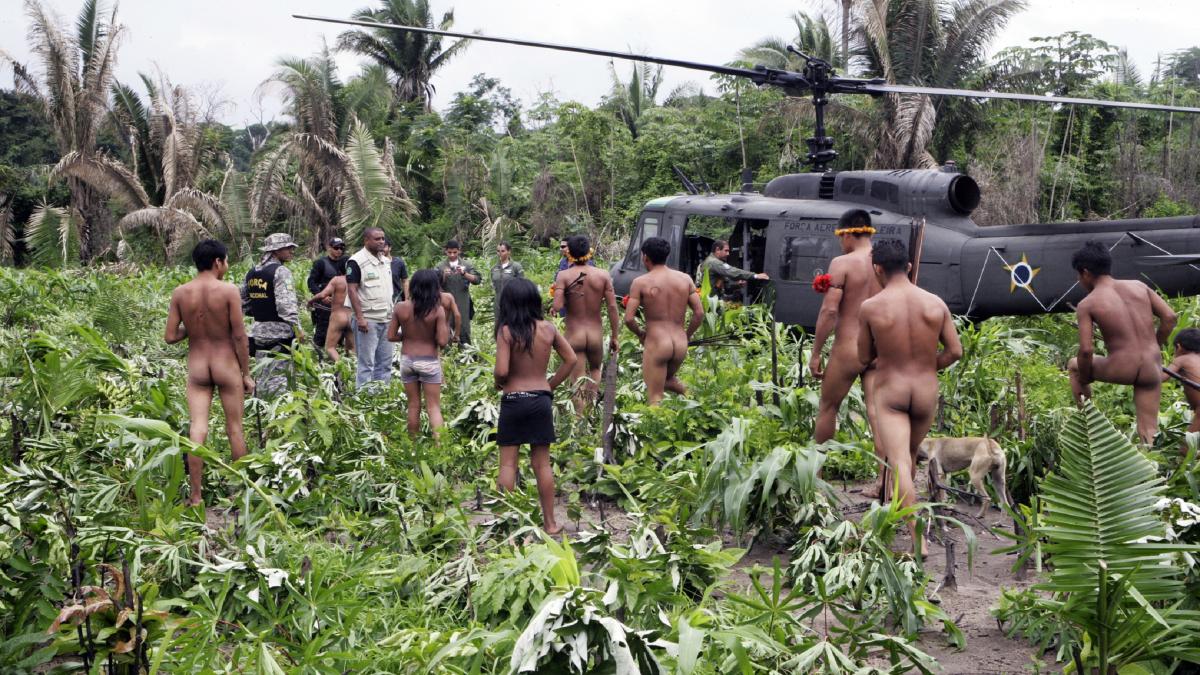
AwáA comprehensive global report on uncontacted indigenous peoples published by UK-based Survival International estimates that the world still holds at least 196 "uncontacted" or isolated indigenous peoples living in 10 countries in South America, Southeast Asia and the Pacific region. Nine out of 10 of these groups face the threat of unwanted contact by extractive industries, including logging, mining, and oil and gas drilling. It's estimated that a quarter are threatened by agribusiness, with a third terrorized by criminal gangs. Intrusions by missionaries are a problem for one in six groups. After contact, indigenous groups are often decimated by illnesses, mainly influenza, for which they have little immunity. Survival International found that unless governments and private companies act to protect them, half of these groups could be wiped out within 10 years. (Photo: Brazil's indigenous agency, FUNAI, makes contact with the Awá people in 2014. Credit: FUNAI via Mongabay)

Planet Watch

Podcast: Anti-austerity and the utopian moment

CounterVortexProtests against austerity and the lords of capital are erupting simultaneously in Iran, Tunisia, Sudan, Morocco, China, Peru, Honduras, Argentina and Ecuador, recalling the international protest wave of 2011. Such moments open windows of utopian possibility, but those windows inevitably seem to close as protest movements are manipulated by Great Power intrigues or derailed into ethnic or sectarian scapegoating. What can we do to keep the revolutionary flame alive, build solidarity across borders, and resist the exploitation and diversion of protest movements? Bill Weinberg explores this question on Episode One of the long-awaited CounterVortex podcast. You can listen on SoundCloud.

North Africa

Tunisian Jews scapegoated in anti-austerity revolt?

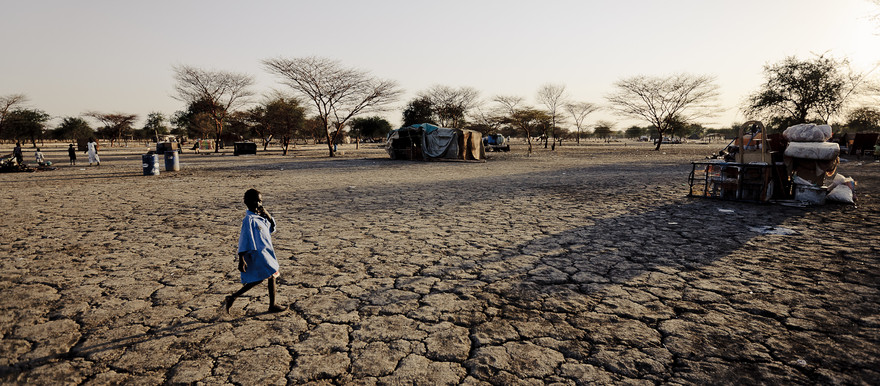
KordofanAt least 30 people were killed and dozens injured in armed clashes between members of the Hamar and Misseriya pastoralist groups in Sudan's West Kordofan state. ​​​​A Hamar militia that had been organized to protect against cattle rustlers was apparently ambushed by Misseriya gunmen in the locality of Abu Zabad, setting off the violence. Hamar leaders charge that state authorities and the paramilitary Rapid Support Forces (RSF) are protecting Misseriya bands that raid their lands with impunity. In Khartoum, the pro-democracy Resistance Committee is meanwhile calling for continued protests despite the new pact for a transition to civilian rule, saying that any deal must include provisions for transitional justice and reform of the security forces. (Photo: Tim Freccia/Enough Project via Dabanga)

North Africa

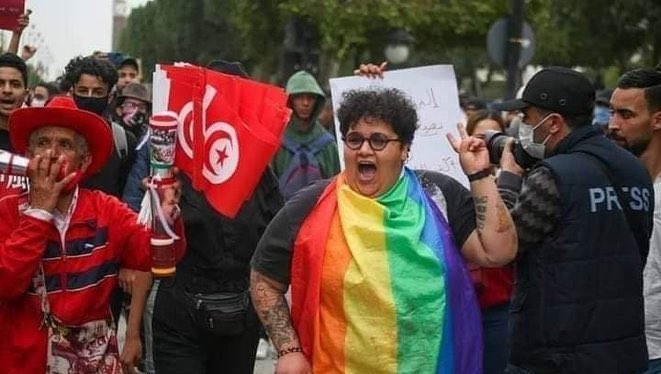
Anti-austerity protests rock Tunisia

TunisiaAt least one is reported dead as angry protests have spread across Tunisia in response to an austerity package imposed by the government under pressure from the International Monetary Fund. Under the new budget, which took effect Jan. 1, fuel prices are hiked, and new taxes imposed on housing, cars, phone calls, Internet services, and several other items. Hamma Hammami, leader of the opposition Popular Front, pledged to keep up the pressure, telling reporters: "We will stay on the street and we will increase the pace of the protests until the unjust financial law is dropped." (Photo: North Africa Post)

North Africa

Tunisia: one step forward, one step back

TunisiaTunisia's parliament voted to overturn a 1973 directive prohibiting marriage between a Muslim woman and a non-Muslim man—a victory for the country's transition to secular rule. But one day earlier, the parliament voted overwhelmingly to approve a controversial amnesty law pardoning thousands implicated in corruption and embezzlement under the former regime of Zine El-Abidine Ben Ali. The opposition bloc boycotted the vote, as protesters massed outside the parliament building, calling the step a move back toward dictatorship.

Watching the Shadows

Appeals court: military judge biased in 9-11 case

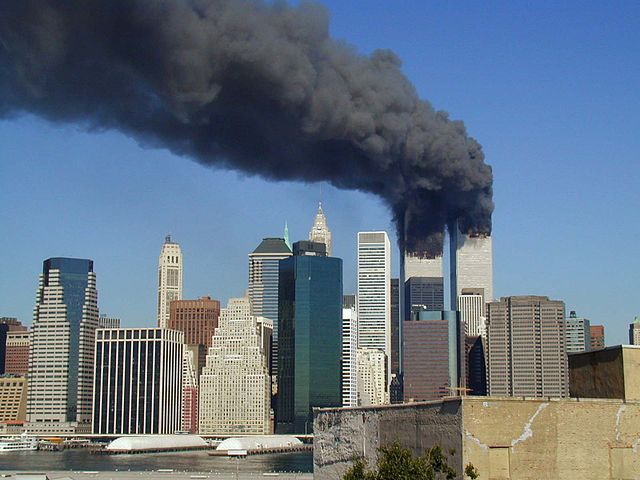
9-11A federal appeals court in Washington DC ruled  that the military judge hearing the case against the 9-11 defendants should have recused himself for making comments that revealed his bias in the matter. The case against the accused conspirators is still pending nearly a decade after it opened, beset by a long string of controversies and irregularities.

North Africa

Tunisian revolutionaries betray Syrian revolution?

TunisiaThe democratic transition in Tunisia since the 2011 uprising has been the one real success story of the Arab Revolution—and the Tunisian revolution was also the first that served to spark the subsequent wave. So Tunisia's pro-democracy forces have international responsibilities, seen as keepers of the flame. It is distressing to learn that the General Union of Tunisian Workers (UGTT), a pillar of the country's pro-democracy movement, sent a delegation to Damascus to meet with dictator Bashar Assad and express solidarity with his "war against terrorism."

North Africa

Thousands protest Tunisia corruption amnesty bill

Thousands of Tunisians marched to protest a bill that would grant amnesty to officials facing charges of corruption committed under the previous regime of Zine al-Abidine Ben Ali.