Africa
west africa

West Africa: dissidents detained, disappeared

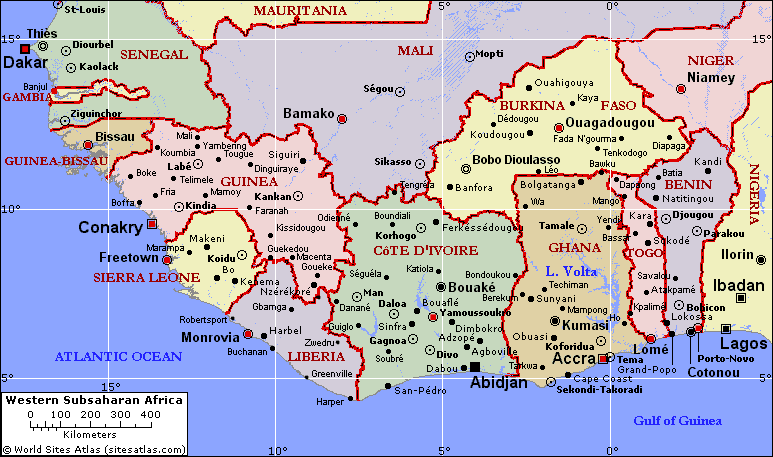
Amnesty International urged Malian authorities to immediately release dissident Youssouf Daba Diawara and 11 other arbitrarily detained opposition politicians. According to the statement, Mali’s junta has been arbitrarily holding these political figures solely for exercising their civil rights. Diawara was forced from his car by armed men in Bamako and taken to the Gendarmerie’s Criminal Investigations Brigade. He was charged with “opposition to legitimate authority” for participating in a protest against power cuts and inflation. The UN High Commissioner for Human Rights has also expressed concern over the “disappearance” of activists in neighboring Guinea. Both Mali and Guinea have been led by military juntas since coups d’etat in 2020 and 2021, respectively. (Map: World Sites Atlas)
Europe
demobilization

Russia’s ‘demobilization’ movement under attack

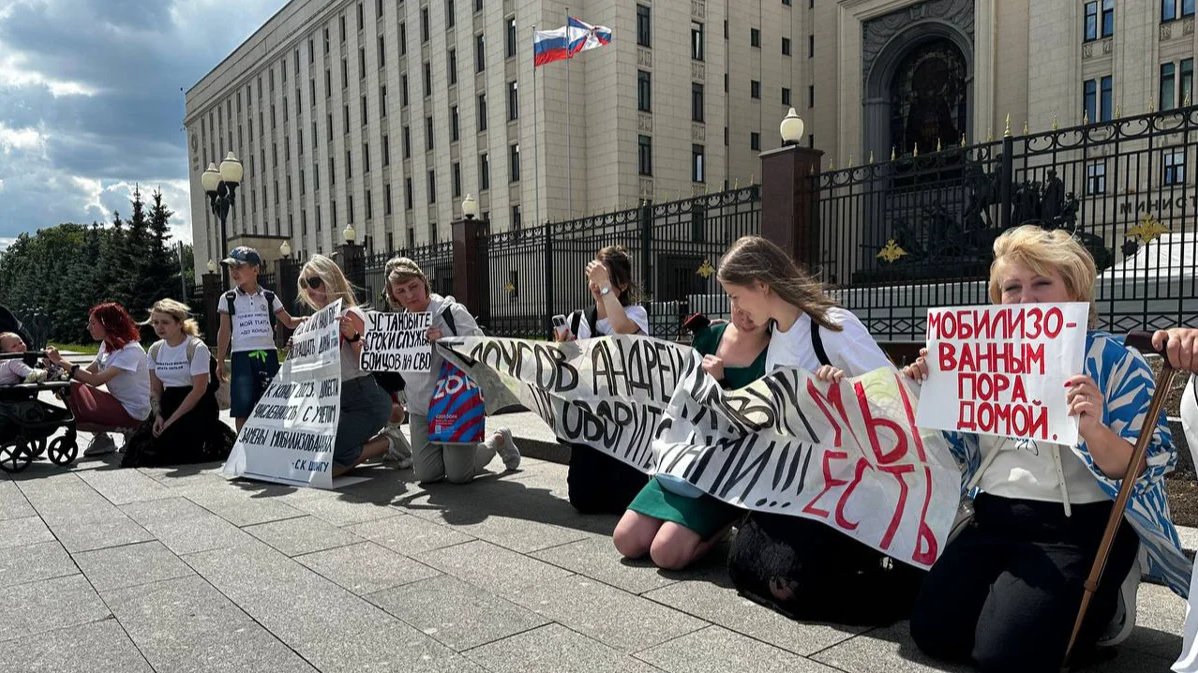
Russian citizens’ groups campaigning for “demobilization”—returning conscripts and reservists from the front in Ukraine—are increasingly finding themselves in the crosshairs of the authorities. Last month, The Way Home, the most prominent organization campaigning to bring Russia’s mobilized reservists home, was branded a “foreign agent” by the Justice Ministry, as was one of its most prominent leaders. The label, reminiscent of the “enemy of the people” designation of the Soviet era, imposes harsh constraints on activities and requires sources of funding to be disclosed. But protests by the kin of mobilized soldiers have continued outside the Defense Ministry in Moscow—despite the threat of repression. (Photo: PauliaMobility/Telegram via Novaya Gazeta Europe)

Mexico
Sheinbaum

Podcast: Mexico’s new presidenta and the human rights crisis

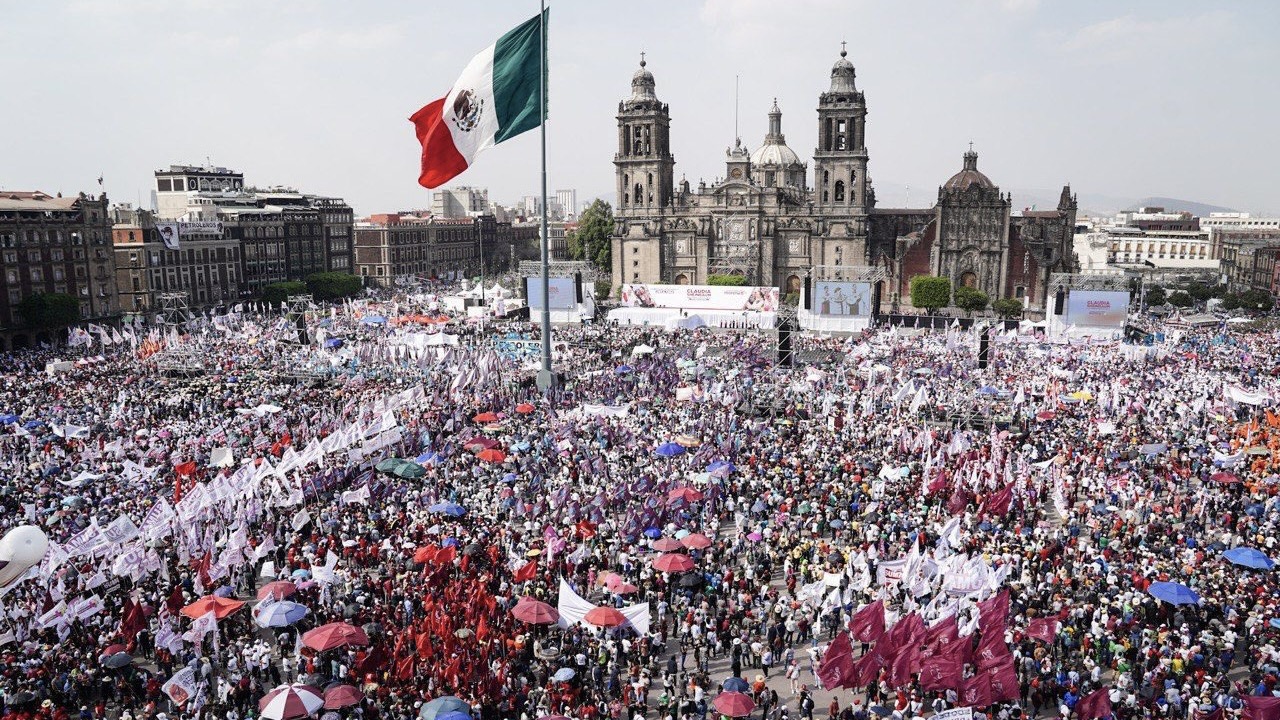
Mexico has made history with the election of its first woman president, former Mexico City mayor and environmental scientist Claudia Sheinbaum. But the ongoing human rights crisis that will obviously pose a grave challenge for Sheinbaum was dramatically exemplified by the record number of political assassinations that marred the elections. And she inherits a pending constitutional reform from her perceived political mentor, the incumbent populist Andrés Manuel López Obrador, which would further unleash the military to engage in internal law enforcement. Bill Weinberg explores in Episode 230 of the CounterVortex podcast. (Photo of Sheinbaum campaign rally in Mexico City via Twitter)

Mexico
Mexico

Mexican elections see record number of assassinations

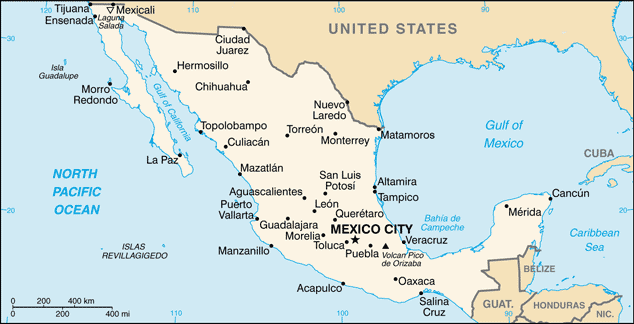
The results are in from Mexico’s presidential election and Claudia Sheinbaum of the ruling left-populist National Regeneration Movement (MORENA) has won by some 60%, handily defeating a rival backed by an alliance of the country’s more traditional political parties. But the ongoing human rights crisis in Mexico that will obviously pose a grave challenge for Sheinbaum was dramatically exemplified by the record number of political assassinations that marred the elections. (Map: PCL)

Africa

Podcast: a cannabis coup in the Congo?

The attempted coup d’etat in the Democratic Republic of the Congo may or may not have been assisted by the CIA, but one of the Americans arrested in the affair is named as a “cannabis entrepreneur“—pointing to the possibility of legal cannabis playing the same destructive role in Central Africa that bananas have played in Central America. Yet while corporate power sees a lucrative new cash crop, lives (and especially Black lives) are still being ruined by cannabis prohibition in the United States. In Episode 228 of the CounterVortex podcast, Bill Weinberg argues that the old anarchist slogan “Neither your war nor your peace” can be updated as “Neither your prohibition nor your legalization!” Listen on SoundCloud or via Patreon. (Map: CIA)

North America
Kent State

Podcast: Four dead in Ohio. And two in Mississippi.

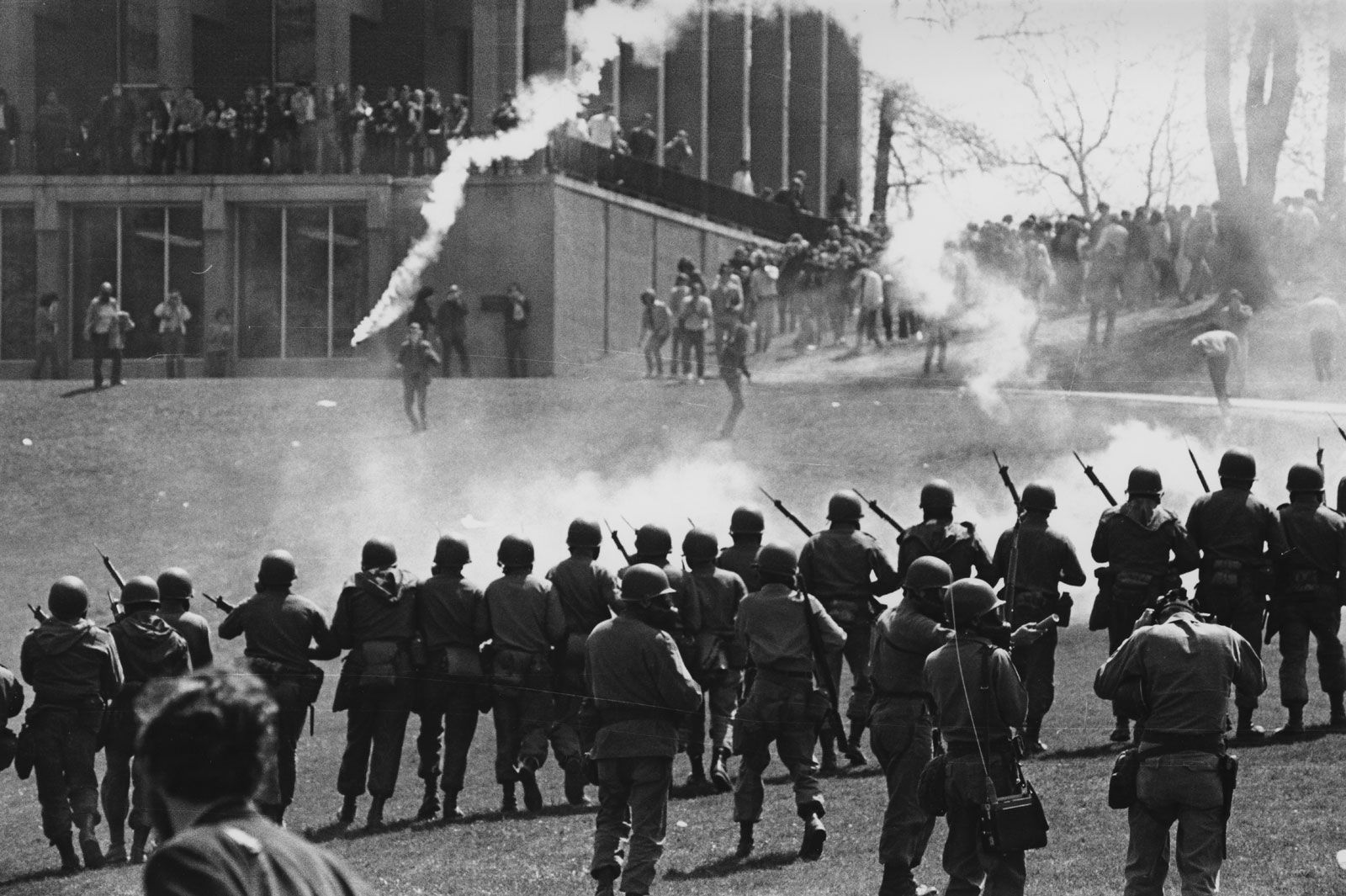
As the police crackdown on the Gaza protests continues coast-to-coastdrawing concern from Amnesty International—Bill Weinberg notes that this repression comes in the month marking the 54th anniversary of slayings of student protesters at Kent State University in Ohio and Jackson State University in Mississippi. With police now unleashing violence on student protesters in Paris, Amsterdam and elsewhere in Europe, as well as in Jordan and Lebanon, there is an unsettling sense of deja vu. In Episode 225 of the CounterVortex podcast, Weinberg warns that the world could be headed toward an historical moment that rhymes with May 1970. Listen on SoundCloud or via Patreon. (Photo: Kent State University Libraries via Britannica)

Greater Middle East
Egypt

Egypt: hold on presidency consolidated amid repression

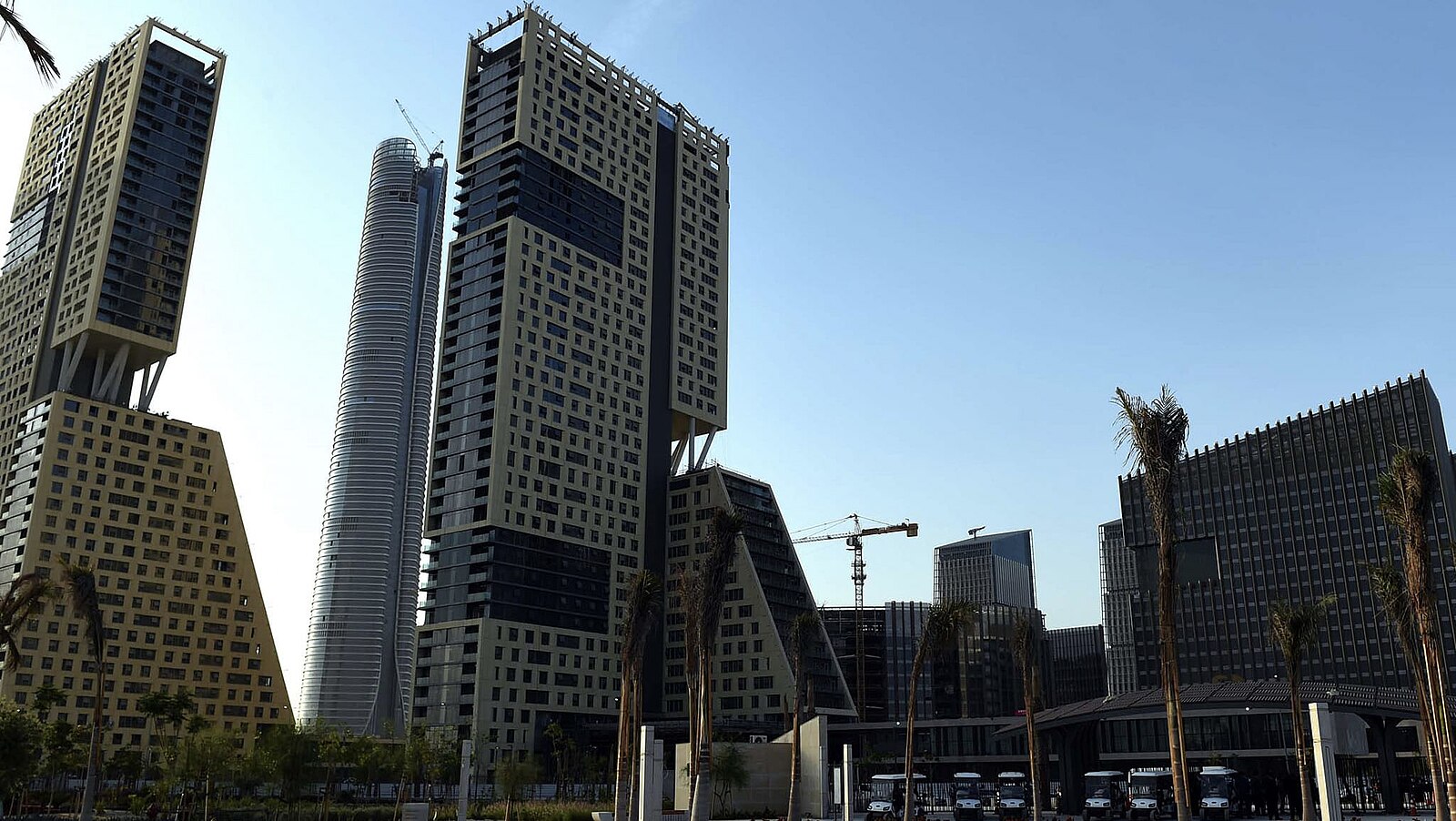
President Abdel-Fattah el-Sisi of Egypt was sworn in for a third term after being re-elected in a December vote in which he faced no serious challengers. El-Sissi won 89.6% of the vote, running against three virtually unknown opponents. First elected in 2014 (after coming to power in the previous year’s coup d’etat), then re-elected in 2018, el-Sisi was allowed a third term under constitutional amendments passed in a 2019 referendum. In addition to allowing a third run, the reform also extended his terms from four to six years. Another such reform allowing him to stay in office beyond 2030 has been broached. The election took place in an atmosphere of repression, with opposition candidates barred from running and even prosecuted. Hundreds of protesters and regime critics were arrested in the lead-up to the vote. (Photo: Abdelrhman 1990 via Wikimedia Commons)

Planet Watch
Daouda Diallo

Frontline fighters (and martyrs) for free speech

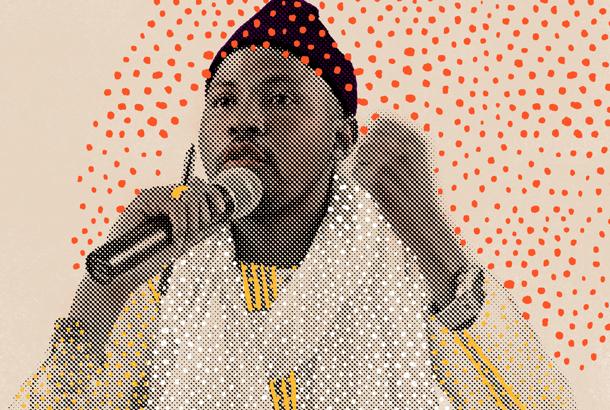
In Burma, the mutilated body of independent journalist Myat Thu Tan was found at the military base where he had been detained, after the camp was overrun by rebels of the pro-democratic resistance. In Kazakhstan, detained activist Aqylbek Muratbai is fighting extradition to Uzbekistan, where he had been speaking out against bloody repression faced by his Karakalpak ethnic minority. And in Burkina Faso, human rights defender Daouda Dialloremains missing months after he was “disappeared,” presumably at the hands of the ruling military junta. Yet neither the mainstream media nor “progressives” in the West pay heed to these cases—while the reactionary and Kremlin-coopted Julian Assange is a cause célèbre. In Episode 214 of the CounterVortex podcast, Bill Weinberg asks: Why is that? Listen on SoundCloud or via Patreon. (Image: CISC via OHCR)

Inner Asia
Karakalpakstan

Karakalpak activist detained in Kazakhstan

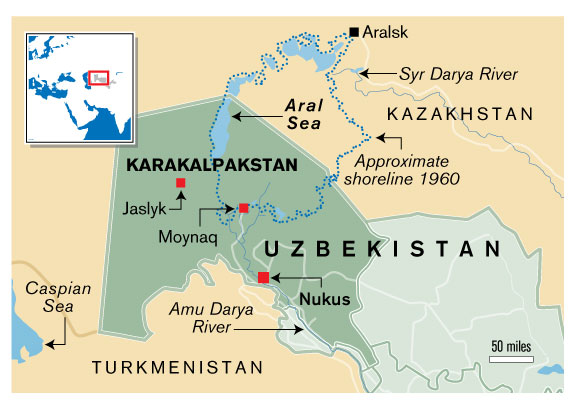
Police in Almaty, Kazakhstan, detained Aqylbek Muratbai, an activist who has been working to raise international awareness about the bloody crackdown on a mass protest in his native Karakalpakstan, an autonomous region of western Uzbekistan, last July. It is feared that Kazakh authorities intend to deport him to Uzbekistan, where he could face a severe prison sentence. (Map: Wikipedia)

East Asia
china labor

Wildcat labor actions spread in China

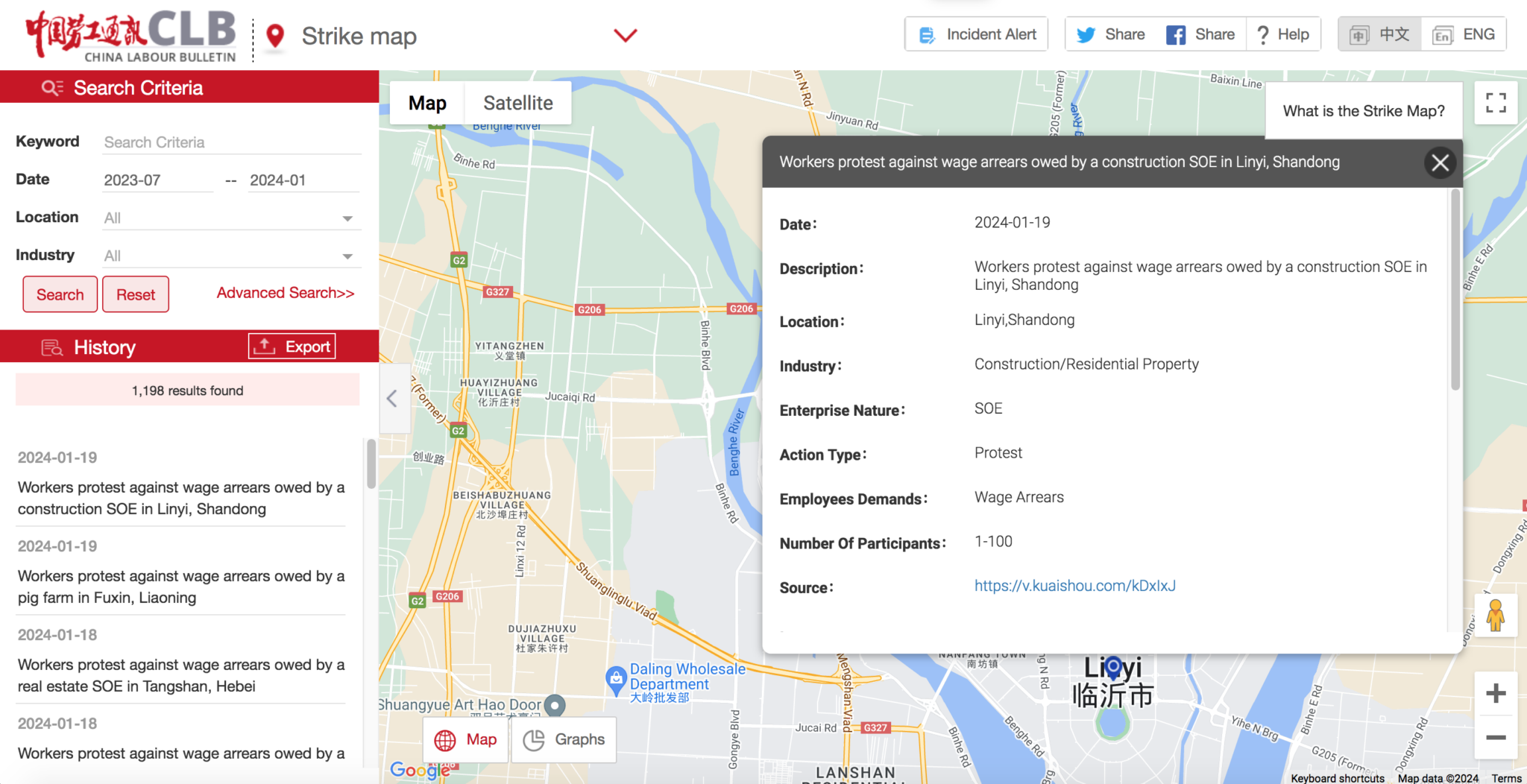
Although winning no coverage in English-language media, labor actions are spreading across China in the current economic downturn in the People’s Republic. This week, workers hung banners outside the headquarters of the Guilin No. 3 Construction Company in Guangxi province to demand payment of outstanding wages owed to hundreds of employees. On the same day, migrant workers in Jinan, Shandong province, raised banners in the city’s central business district demanding payment of backlogged wages by the China Railway Construction Corporation. By definition, such actions are not authorized by the state-controlled All-China Federation of Trade Unions (ACFTU). Numerous such recent actions were described at the symposium “Non-violent Resistance, High-Tech Totalitarianism and China’s Future,” held last weekend in Washington DC. (Image: China Labour Bulletin)

The Andes
Luis Flores Solís

Peru protests: one year later

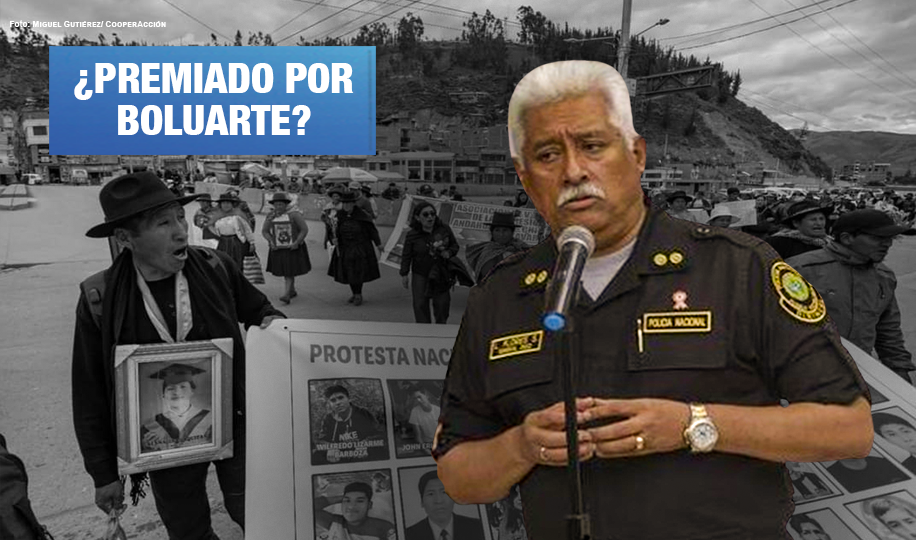
A year after the height of a protest wave that swept Peru, demanding the resignation of President Dina Boluarte, we finally see an initial step toward justice for the some 50 slain by security forces in the repression unleashed by her regime. Judicial Power, Peru’s justice department, ordered the “preventative detention” of an officer of the National Police, as he is investigated in the slaying of a Cuzco youth last January.  On the other hand, there is outrage that Luis Flores Solís, a National Police general and a former agent of the elite Special Intelligence Group, has been named as the new chief of the Counter-Terrorist Directorate (DIRCOTE)—despite the fact that he is under internal investigation by the police force in the killing of protesters in Andahuaylas. Meanwhile, Pedro Castillo, the president whose removal from power and replacement by Boluarte in December 2022 sparked the protest wave, remains imprisoned on pre-trial detention orders. But ex-dictator Alberto Fujimori, who was serving a 25-year term for corruption and human rights abuses, was released last month on order of the Constitutional Tribunal, Peru’s highest court. (Photo: Wayka)

The Andes
Quito police

‘State of armed conflict’ declared in Ecuador

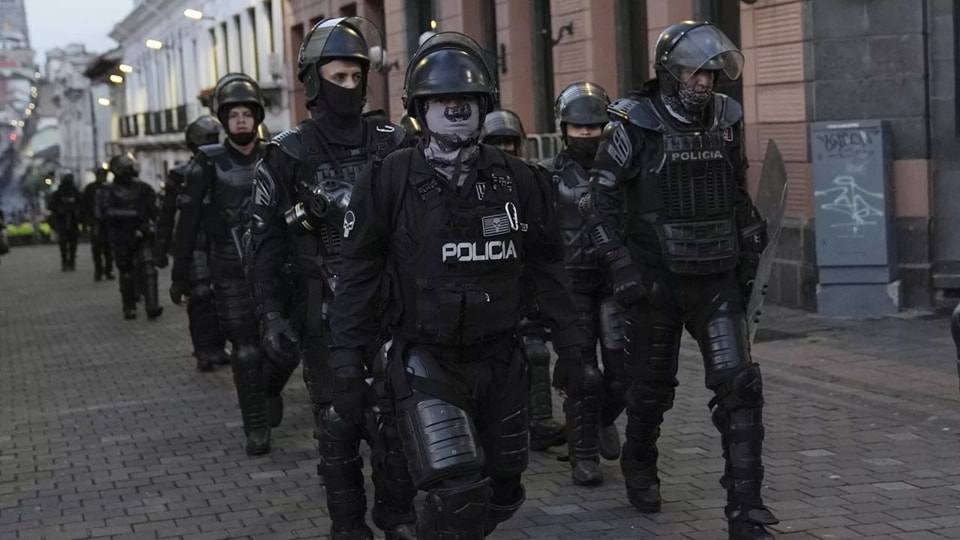
Ecuador’s President Daniel Noboa declared a 60-day state of emergency in the country after the escape of Adolfo Macías Villamar AKA “Fito,” leader of the Los Choneros narco-gang, from Littoral Penitentiary in Guayaquil. Macías had been serving a 34-year sentence since 2011 for drug trafficking, murder, and organized crime. As news broke of his disappearance, six other correctional facilities across the country exploded into riots. The situation escalated the following day, when hooded gunmen interrupted a live television broadcast in Guayaquil, taking reporters and staff hostage. Noboa responded by declaring a state of “internal armed conflict” in the country, ordering security forces to “neutralize” designated “terrorist organizations” and “non-state actors,” including Los Choneros, Los Lobos and Los Tigueronesnarco-gangs. (Photo: Indymedia Ecuador)