Greater Middle East

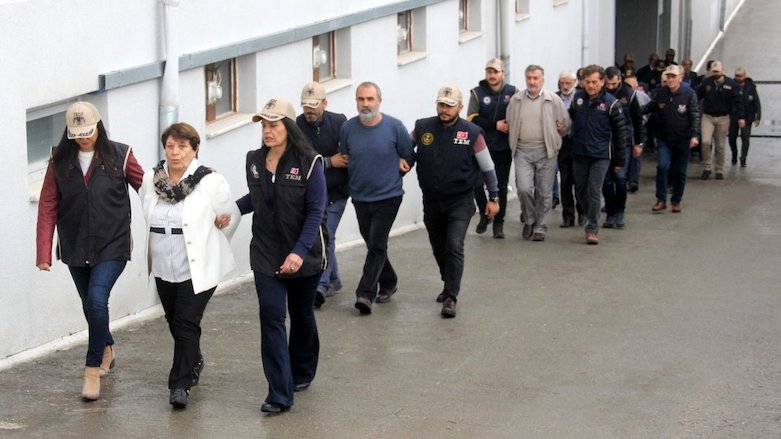
Turkey arrests Kurdish politicians on election eve

Turkish police conducted raids on 127 homes in Istanbul and arrested at least 53 people, including all candidates for the city council with the pro-Kurdish Peoples’ Democratic Party (HDP). The sweeps come less than 24 hours before nationwide local elections commence. In southern Sanliurfa province, police arrested 11 other HDP candidates and campaigners on supposed “terrorism-related” charges. Some 30 more HDP candidates and supporters were arrested in the cities of Adana, Van, and Igdir. The government accuses the HDP of links to outlawed Kurdish militants, and 10 lawmakers, 40 mayors and thousands of activists remain behind bars. Before the raids, President Recep Tayyip Erdogan repeated the accusation and called the party “terror lovers.”
Inner Asia

Podcast: Tibet and the struggle for cyberspace

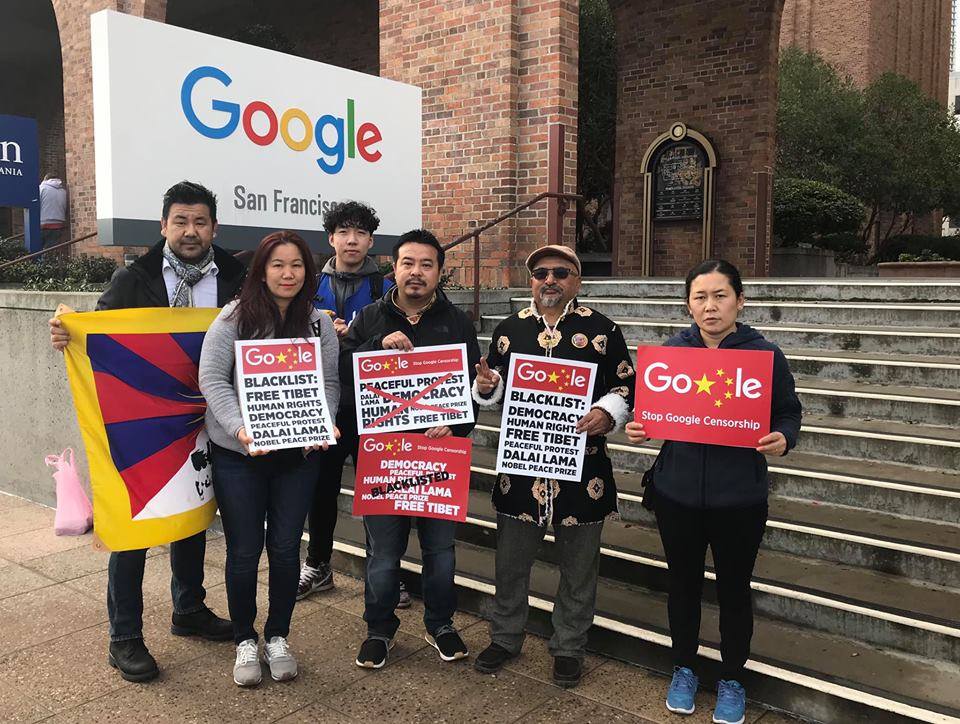
In Episode 28 of the CounterVortex podcast, Bill Weinberg notes with trepidation Google’s plans to develop a censored search engine for China, and thereby be allowed back through the Great Firewall to access the world's largest market. But the next and more sinister step is imposing China's draconian standards for control of information on all Internet users, worldwide. Harbingers of this are already seen in Facebook's censorship of the Tibetan struggle, and of the Kurdish struggle in Turkey, as well as initiatives to suppress footage of Israeli war crimes. While protesting such moves is imperative, the potential for such abuses in inherent to the technology—and this, ultimately, is a deeper and more complex problem that also demands a thoroughgoing critique. Listen on SoundCloud, and support our podcast via Patreon. (Photo: Students for a Free Tibet)

North Africa

Arab Revolution back on in Sudan, Algeria

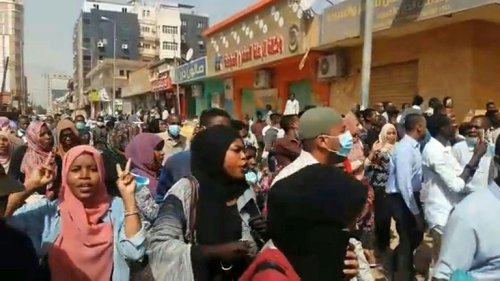
Tens of thousands of Algerians took to the streets to oppose plans by long-ruling President Abdelaziz Bouteflika to seek a fifth term in office. Police fired tear-gas at protesters in Algiers, and more than 50 officers were reported injured, with at least 45 people arrested. Sudan's President Omar al-Bashir has meanwhile declared a national state of emergency in response to ongoing protests across the country. Last week he dismissed his entire government and sacked all state governors, replacing them with high officials of the security forces. But protesters have continued to take to the streets and clash with police, in defiance of the state of emergency. (Photo via Sudan Tribune)

Mexico

Mexico: AMLO declares drug war ‘over’ —but is it?

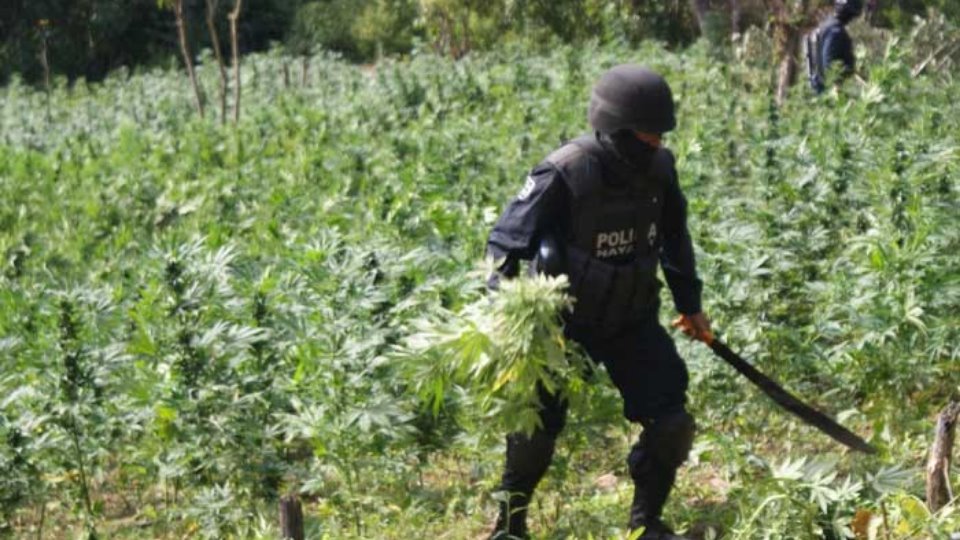
Already officially studying the possibility of cannabis legalization, Mexico's new populist President Andrés Manuel López Obrador has now announced a formal end to the "war on drugs" that has only seemed to fuel the narco-violence over the past 10 years. However, military troops are still being mobilized for narcotics enforcement from Chiapas to Chihuahua—including marijuana eradication. (Photo: Sexenio)

Mexico

Oil and unrest in Zimbabwe, Mexico

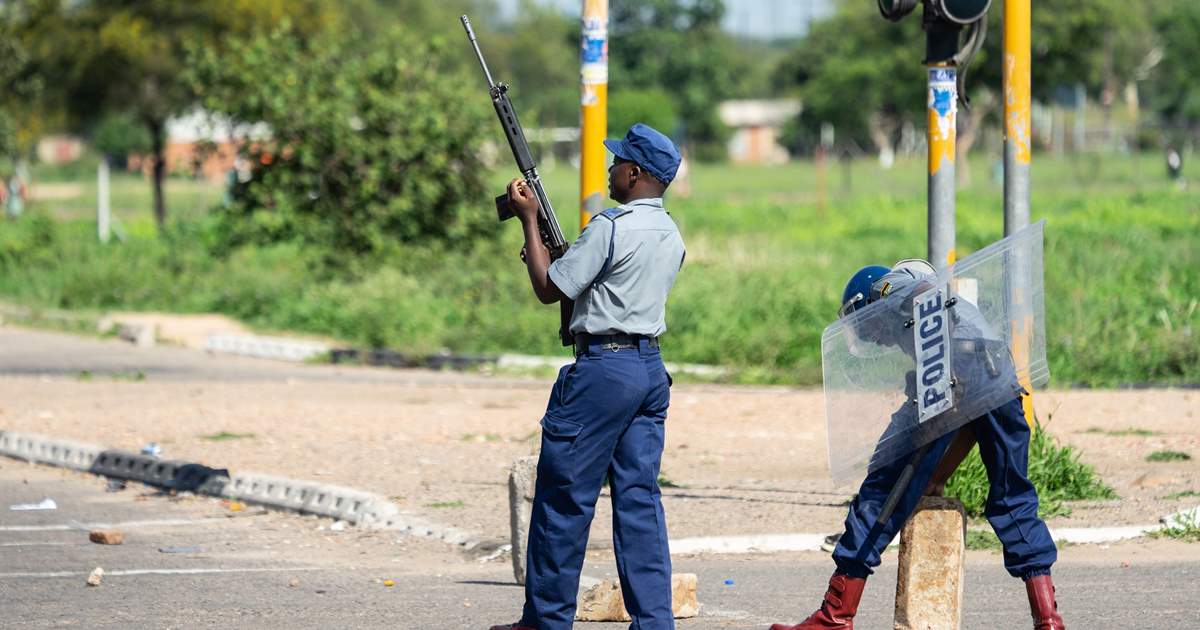
World oil prices remain depressed despite an uptick this month, driven by the Venezuela crisis and fear of US-China trade war. Yet this month also saw Zimbabwe explode into angry protests over fuel prices. The unrest was sparked when the government doubled prices, in an effort to crack down on “rampant” illegal trading. Simultaneously, long lines at gas stations are reported across Mexico—again due to a crackdown on illegal petrol trafficking. Despite all the talk in recent years about how low oil prices are now permanent (mirrored, of course, in the similar talk 10 years ago about how high prices were permanent), the crises in Zimbabwe and Mexico may be harbingers of a coming global shock. (Photo via Amnesty International)

Greater Middle East

Turkey: two years for signing peace petition

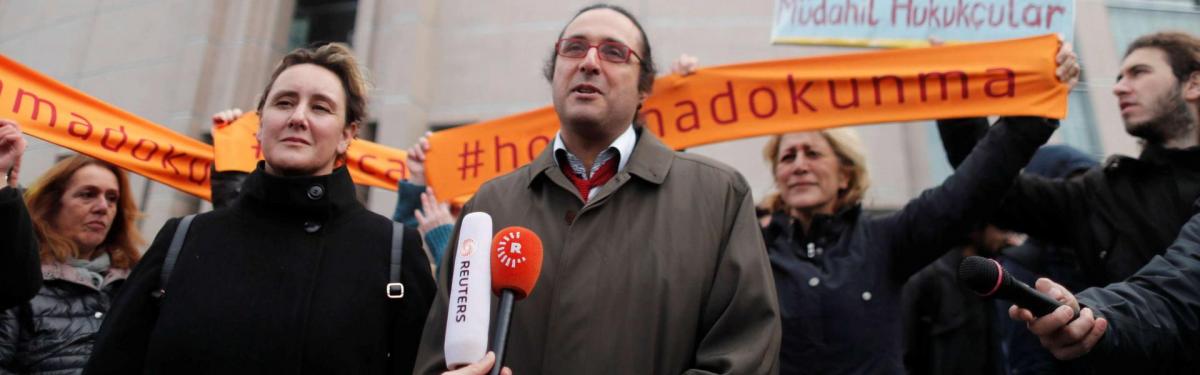
A Turkish court sentenced academic Müge Ayan to two years and one month in prison on charges of aiding a terrorist organization for signing a petition calling for a peaceful end to Turkey's decades-old conflict with Kurdish rebels. A former anthropology professor at ?stanbul’s Bilgi Univresity, Ayan is among the 1,128 of signatories of a petition which criticized heavy-handed tactics employed by the Turkish army in predominantly Kurdish cities in the country, including long curfews and the use of heavy weaponry, after a two-and-a-half year ceasefire between the state and the Kurdistan Workers’ Party broke down in 2015. (Photo: Ahval)

Watching the Shadows
Verizon

Podcast: fascism and the digital dystopia II

In Episode 25 of the CounterVortex podcast, Bill Weinberg protests that he has now been deprived of phone and Internet access by Verizon for more than two months, and discusses the greater social implications of this dilemma. Donald Trump, who is a fascist by any reasonable definition, has now shut down the federal government and is threatening to declare a national emergency in order to build his border wall. Lack of other net access at this critical moment has forced Weinberg to use a cell phone in order to have any voice as a writer and activist—while cellular technology is itself inherently abetting the descent into fascism. Not only does it create a totalizing propaganda environment, but it is degrading our attention spans, literacy and critical thinking skills. It also creates a totalizing surveillance environment that can ultimately be exploited by government as well as private interests. But we accept it in the name of "convenience" and the illusion of consumer "choice," and few even recognize technological "progress" (note: propaganda word) as something that needs to be resisted. This emerging dystopia combines the worst aspects of George Orwell's 1984 and Aldous Huxley's Brave New World: we are complicit in the extinguishing of our own freedom because we have been conditioned. Weinberg calls for practical action to slow (at least) the totalizing aspect of this dystopia: keeping alive space for the print world and the meat world, and demanding that Verizon and other service providers maintain landline infrastructure. Listen on SoundCloud, and support our podcast via Patreon. (Photo: IBEW)

Inner Asia
China prison

US companies profit from Uighur forced labor?

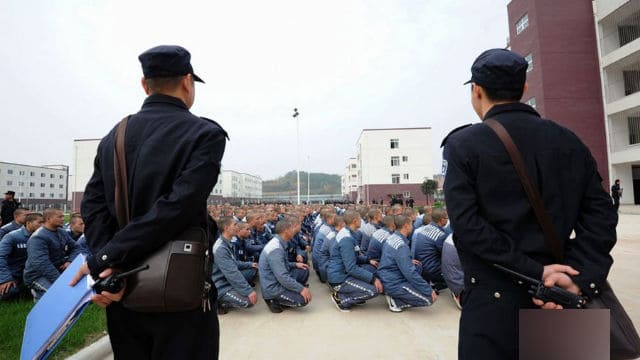
A top US sportswear company announced that it has dropped a Chinese supplier over concerns that its products were made by forced labor in detention camps in Xinjiang. Reports have mounted that the hundreds of thousands of ethnic Uighurs believed to be held in a fast-expanding system of detention camps are being put to forced labor for Chinese commercial interests. An Associated Press investigation tracked recent shipments from one such detention-camp factory, run by privately-owned Hetian Taida Apparel, to Badger Sportswear of North Carolina. After long denying that the camps exist, Chinese authorities now say they are "vocational training centers" aimed at reducing "extremism." (Photo via Bitter Winter)

Planet Watch
cannabis

Podcast: the dialectics of cannabis liberation

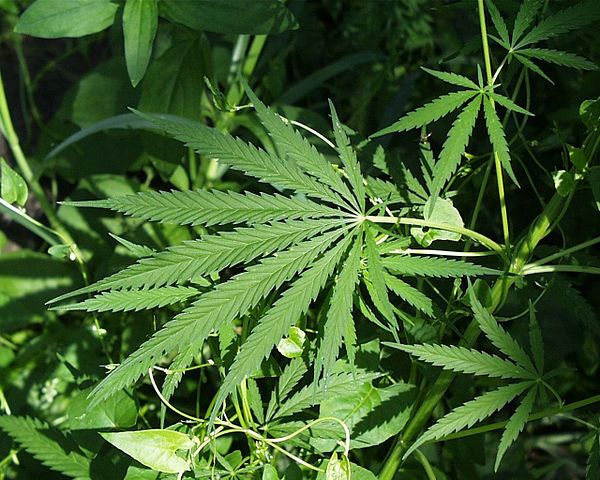
In Episode 24 of the CounterVortex podcast, Bill Weinberg notes the historic strides toward liberation of the cannabis plant in 2018, from the four corners of the Earth. Yet under capitalism, every advance also opens new contradictions. With the rise of “corporate cannabis,” traditional small growers in places like California’s Emerald Triangle stand to be pushed off the market as Central Valley agribusiness gets in on the act. Burdensome regulations and heavy taxation have kept some growers on the black market—and big police raids in the Emerald Triangle have continued even after “legalization.” High taxes on cannabis have also actually closed the legal space for California’s “compassionate care” providers—those who make free or discounted medical marijuana available to the ailing. There are concerns about the corporate privatization of ancient cannabis landraces long grown by small cultivators around the world. Meanwhile, even as overall cannabis arrests have dropped under more tolerant laws and enforcement policies in many states and localities, the racial disparity in those arrests that continue (e.g. for public use) is unabated. In a positive development, California has passed a “cannabis equity” law to address such concerns. But even the federal Farm Bill that just legalized industrial hemp and cannabinoids derived from it irrationally keeps cannabinoids derived from “marijuana” (high-THC strains) illegal. Weinberg calls for challenging the “marijuana” stigma, recognizing that cannabis liberation is an urgent question of human rights and racial justice, and adopting a stance of permanent struggle in fighting for it. Listen on SoundCloud, and support our podcast via Patreon. (Photo via Wikimedia Commons)

Iran

Iran: repression escalates against Ahwazi Arabs

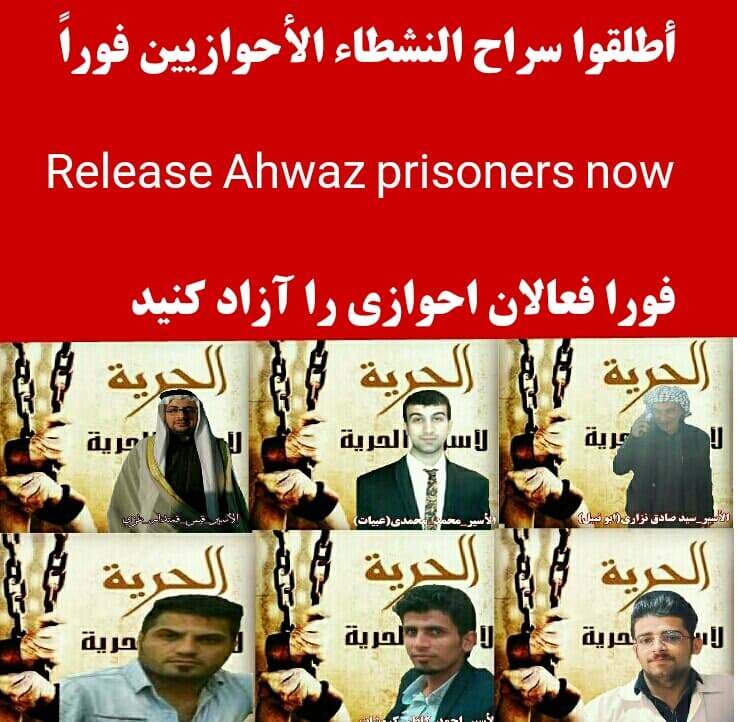
Iran's government has unleashed a wave of arrests in western Khuzestan province since the Sept. 22 deadly attack on a military parade in the city of Ahwaz, with sweeps targetting dissidents, journalists, intellectuals, human rights activists and members of the Ahwazi Arab minority generally. Some 1,000 Ahwazis have been detained in the weeks since the attack, with at least 600 still being detained. Many of the detained have been taken to unknown destinations, with their families denied any contact or even information on their whereabouts. Local rights groups report that security forces have raided activists' homes, and the detained include women and the elderly. Karim Dahimi, an Ahwazi human rights worker based in London, said that the Iranian government has been systematically detaining Ahwazi activists in clandestine torture facilities known as "black sites." Ahwazi Arabs in the international diaspora have been holding demonstrations at Iranian consulates demanding an end to the regime's anti-Arab racism and repression (Image: The Herald Report)

Inner Asia

China fast expanding detention camp system

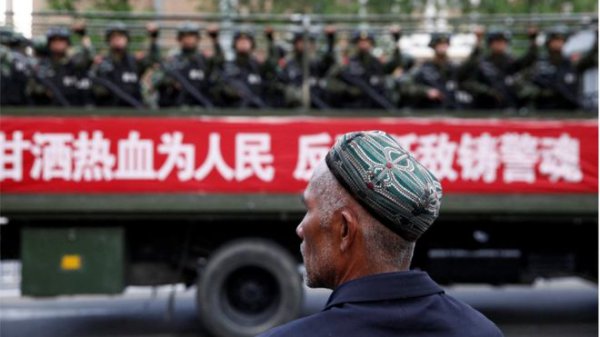
With China accused of detaining hundreds of thousands of Uighur Muslims without trial in its western province of Xinjiang, a BBC investigation analyzed satellite data to determine that the detention camp system in the region is rapidly expanding. Reviewing images from the European Space Agency's Sentinel satellite service, the BBC finds at least 40 such facilities across Xinjiang, half built within last two years—with a big thrust of construction just in the past six months. Among the largest is a "massive, highly secure compound" still being built at Dabancheng, about an hour's drive from the provincial capital, Urumqi. It is enclosed within a two kilometer-long exterior wall punctuated by 16 guard towers. (Photo via UNPO)

Greater Middle East

Saudi authorities admit: Khashoggi was killed

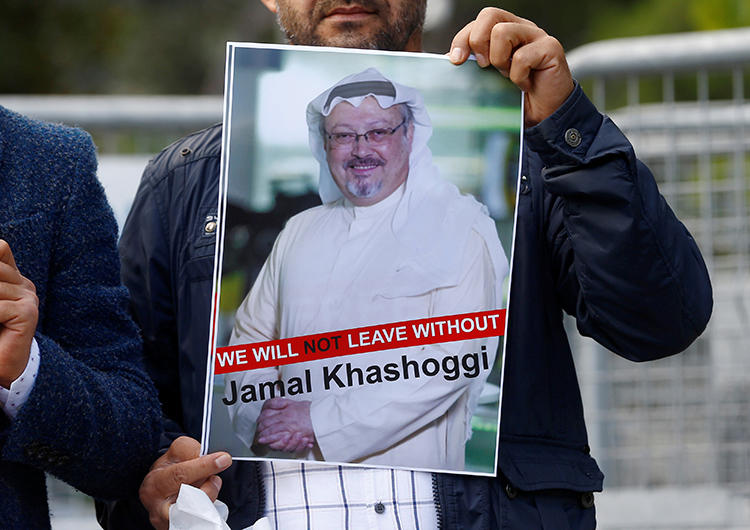
Saudi Arabia's attorney general confirmed that prominent journalist and Washington Post columnist Jamal Khashoggi died in the country's Istanbul consulate. A statement said that Khashoggi was killed after a fight inside the consulate, and that 18 Saudis are detained pending an investigation. Turkish officials believe Saudi agents killed and dismembered Khashoggi. His body has not been found. "Now the same government that lied to the world, claiming for weeks that it had no knowledge of Khashoggi's fate, expects us to believe he died in a fight," said the Committee to Protect Journalists. "This ridiculous assertion is further evidence of a cover-up. We need an international investigation and relentless pressure on Saudi Arabia from the Trump administration, if we ever hope to get to the truth." (Photo: CPJ)