South Asia

China expands Indian Ocean military footprint

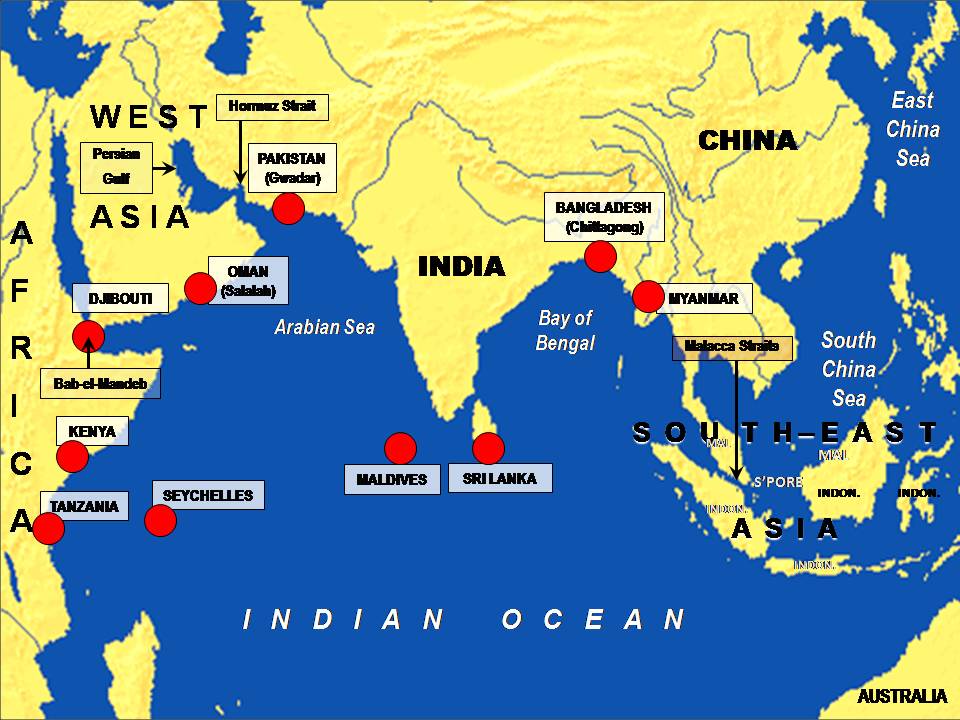
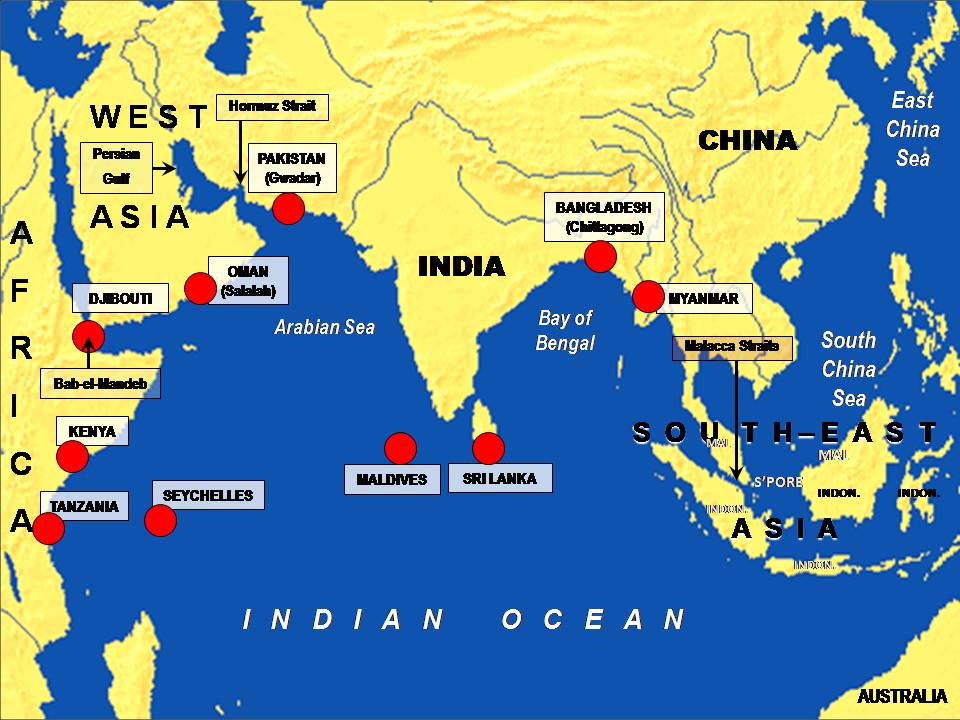
In addition to stationing troops on the disputed islands it claims in the South China Sea, Beijing is rapidly expanding its network of commercial ports across the Indian Ocean. This comes as China is sending warships into the Ocean with growing frequency, leading to fears that the commercial ports could presage military bases, The latest addition is the port of Hambantota in Sri Lanka, acquired in a debt swap deal—the Colombo government was forgiven $1 billion in debt to Beijing in exchange for the Hambantota facility. China has also gained access to facilities in Burma, Bangladesh, Pakistan, the Maldives, Seychelles and Oman as part of the maritime component of its Silk Road trade and infrastructure initiative. While the Silk Road is an ostensibly civilian project, China has also established its first foreign military base at Djibouti, leading Western wonks to warn that Beijing is seeking a "string of pearls" network of bases across the Indian Ocean.  (Map via CIMSEC)

East Asia
South China Sea

Brink looms closer in East Asia maritime theaters

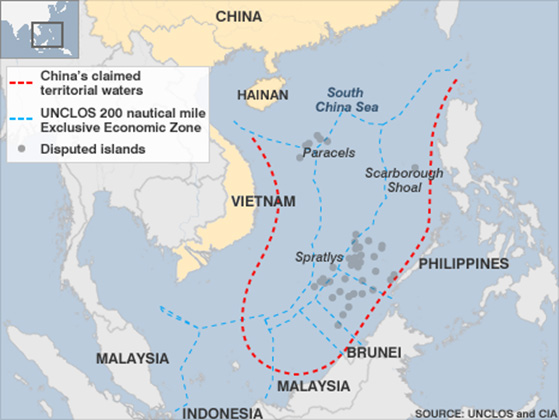
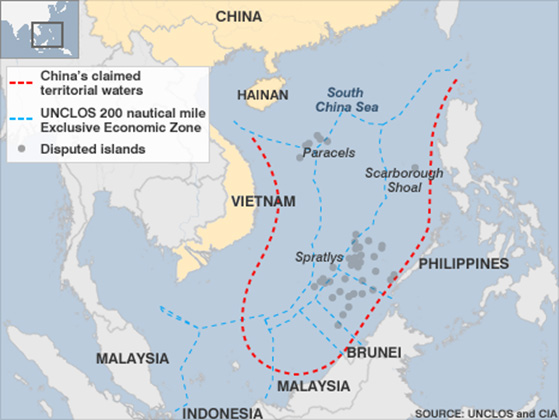
Japan has activated its first amphibious marine unit since World War II, which conducted practice drills to defend the disputed Senkaku Islands from an anticipated Chinese military seizure. Meanwhile, the USS Theodore Roosevelt aircraft carrier, with a group of Philippine generals onboard, entered disputed waters in the South China Sea, where China is building military defenses on islands claimed by the Philippines and Vietnam. Another carrier, the USS Carl Vinson, patrolled the contested waters last month, taking part in anti-submarine drills with Japanese forces and visiting Vietnam with its 5,000-strong crew—the largest such US military presence there since the Vietnam War ended in 1975. (Map via IDSA)

Southeast Asia

Philippine paradox: martial law, medical marijuana

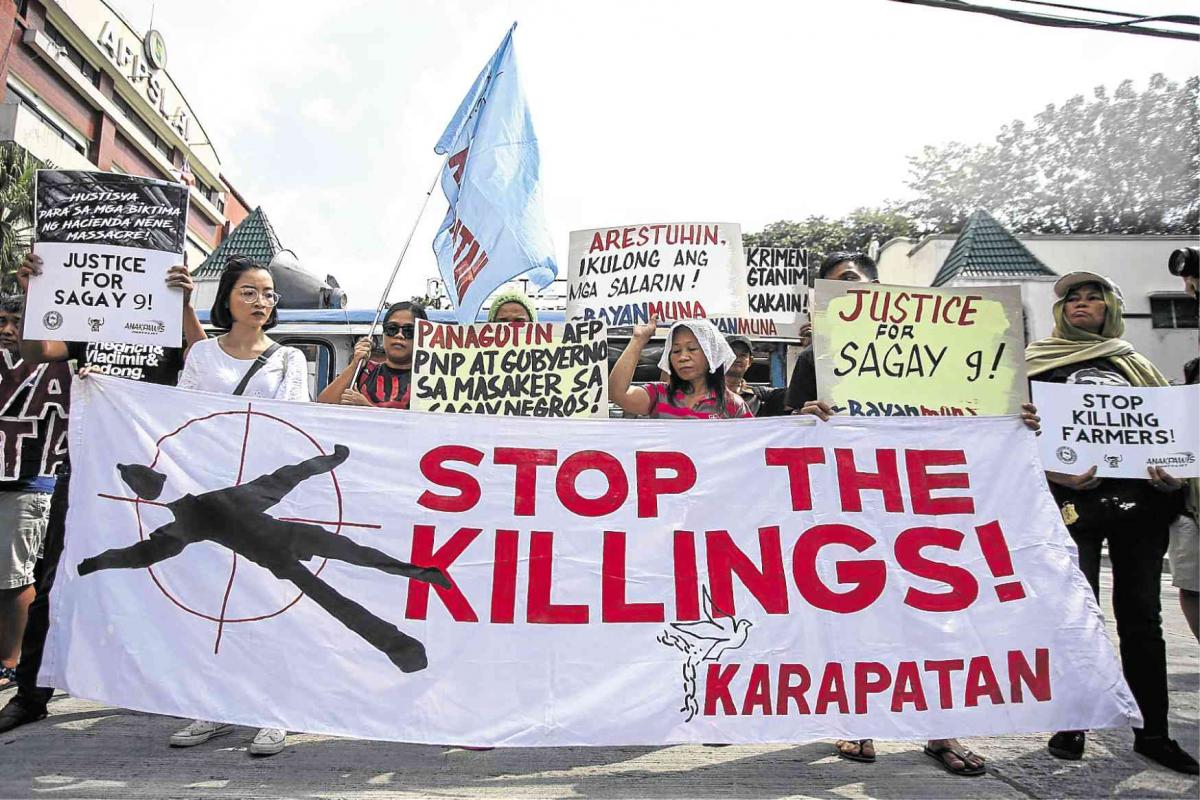
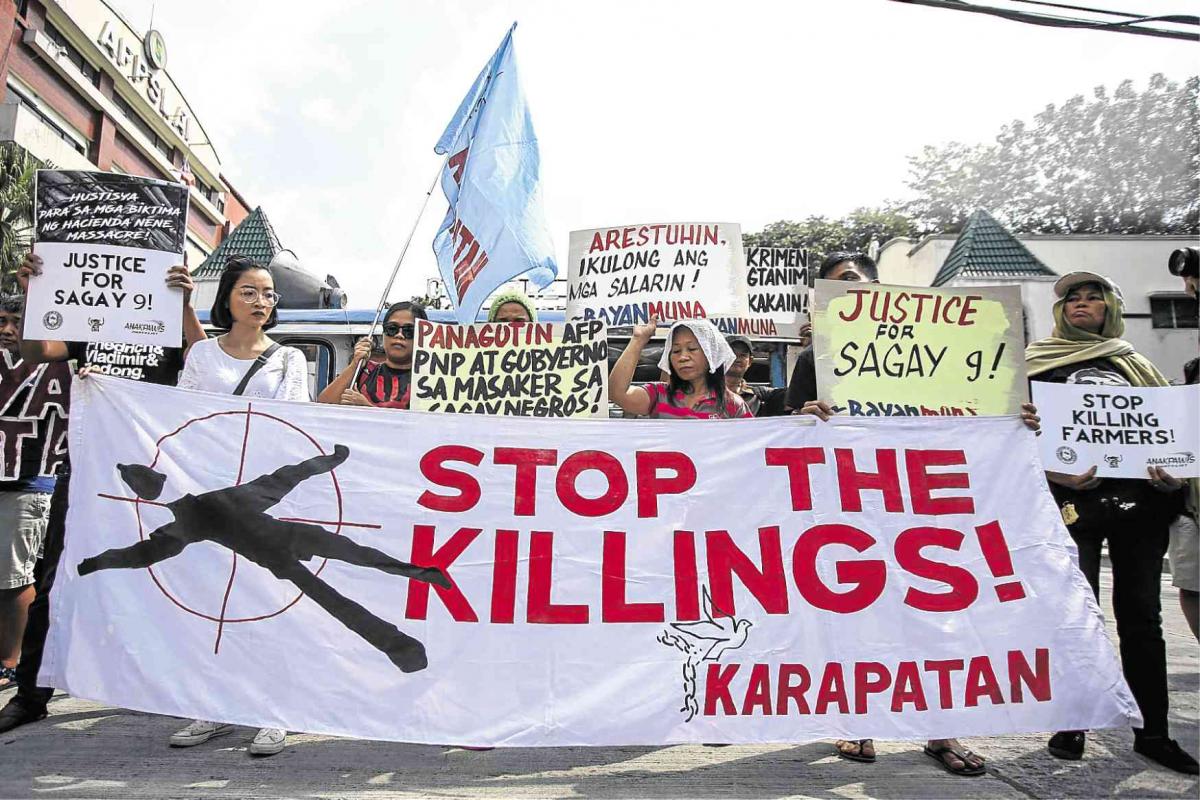
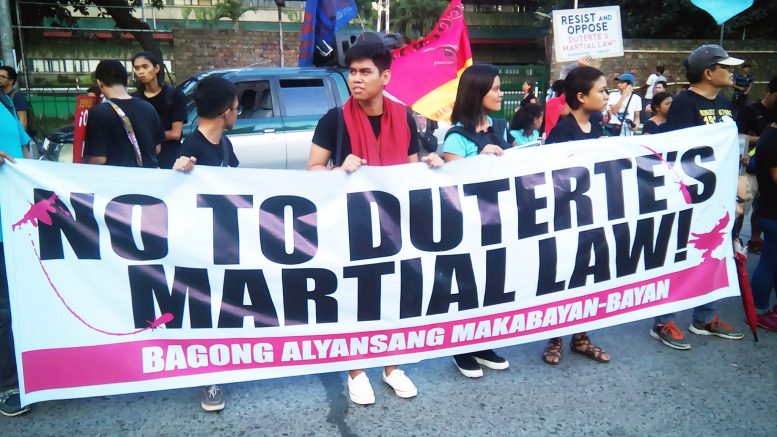
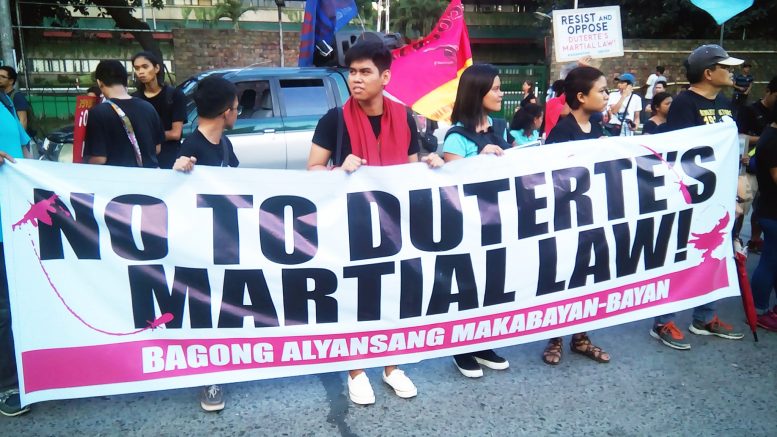
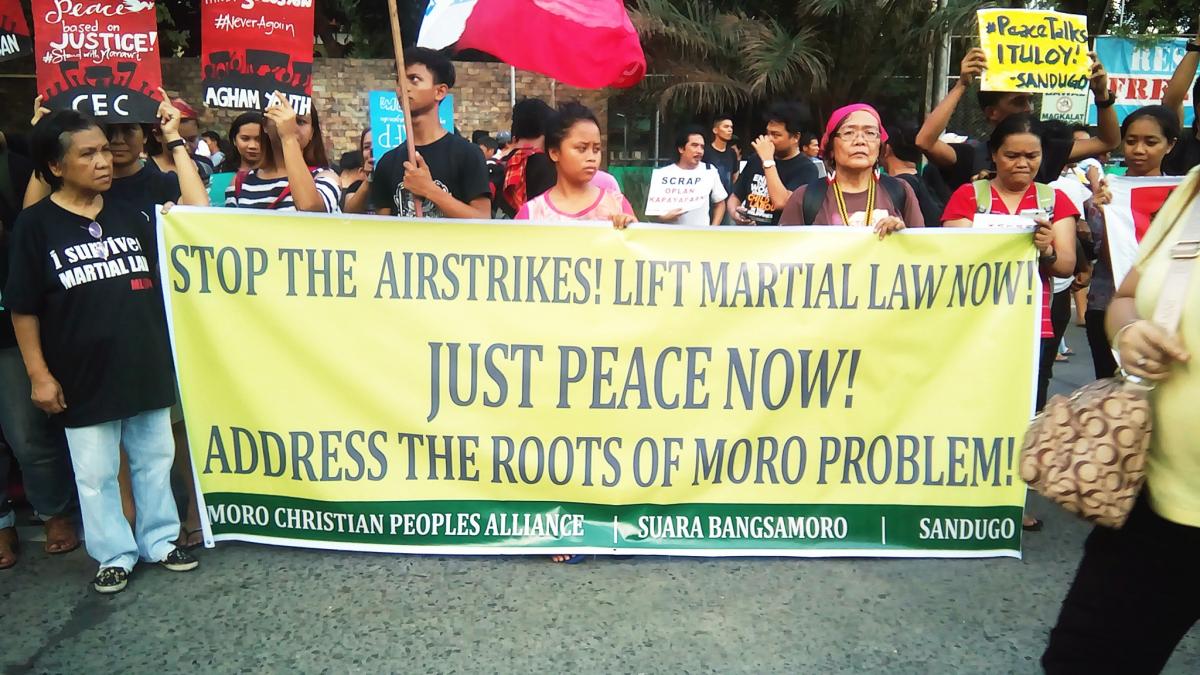
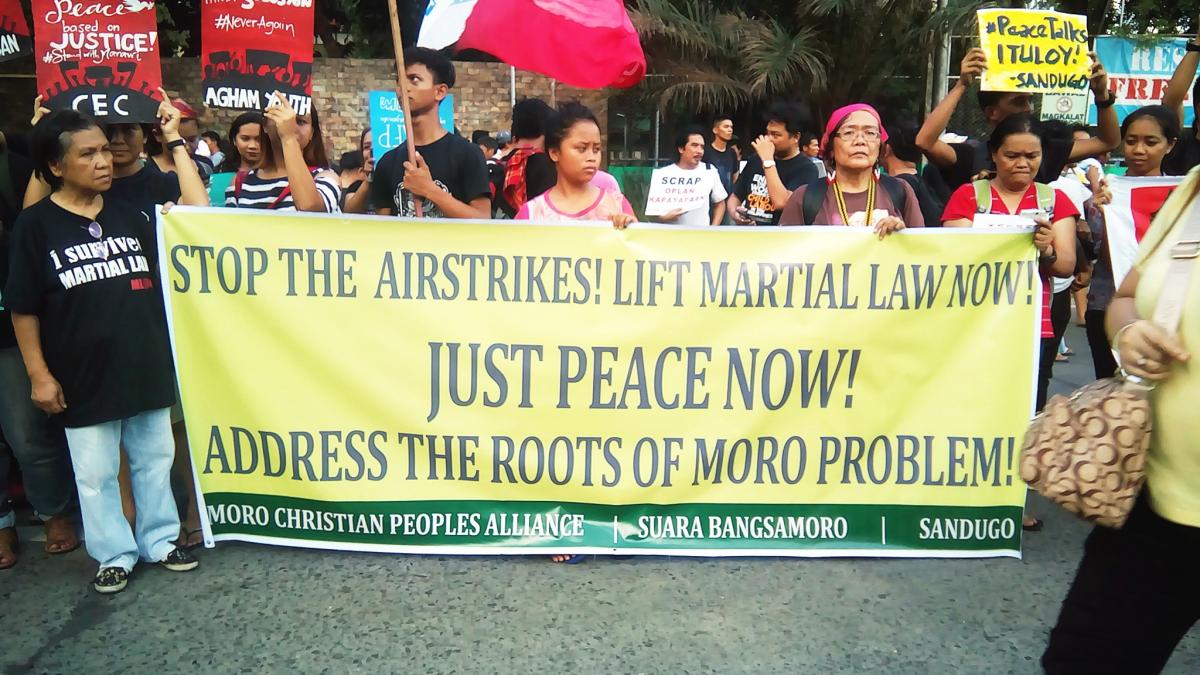
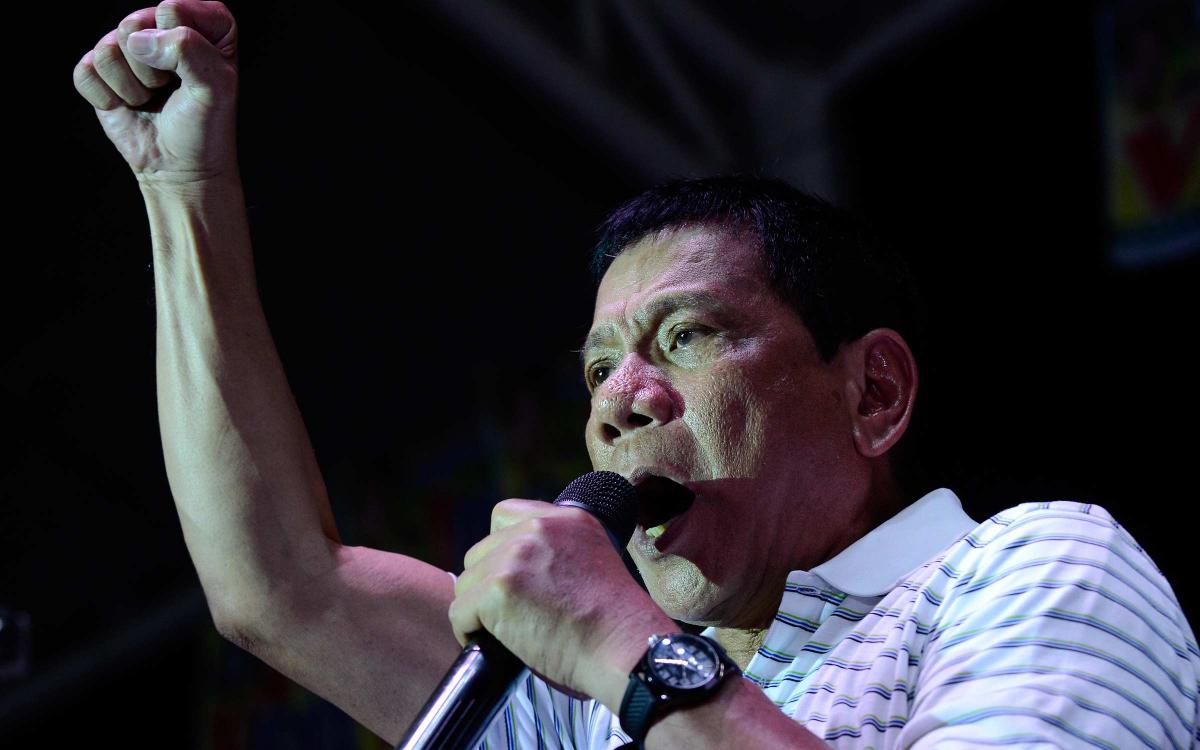
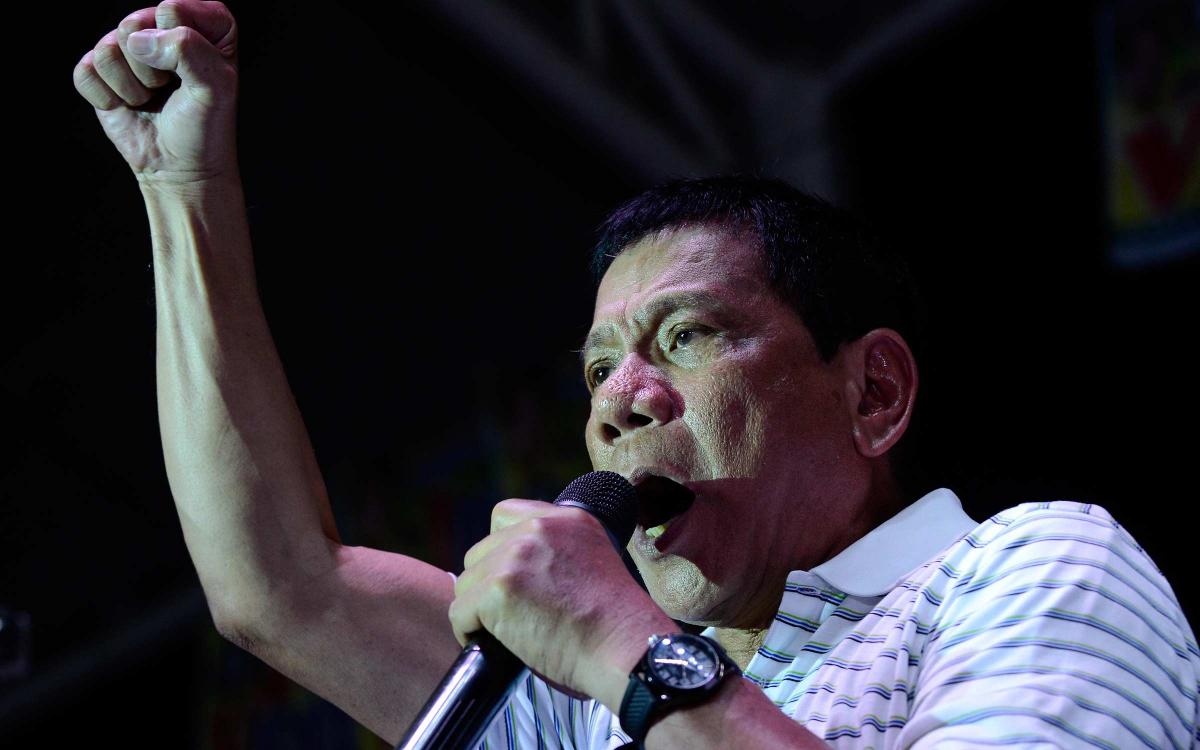
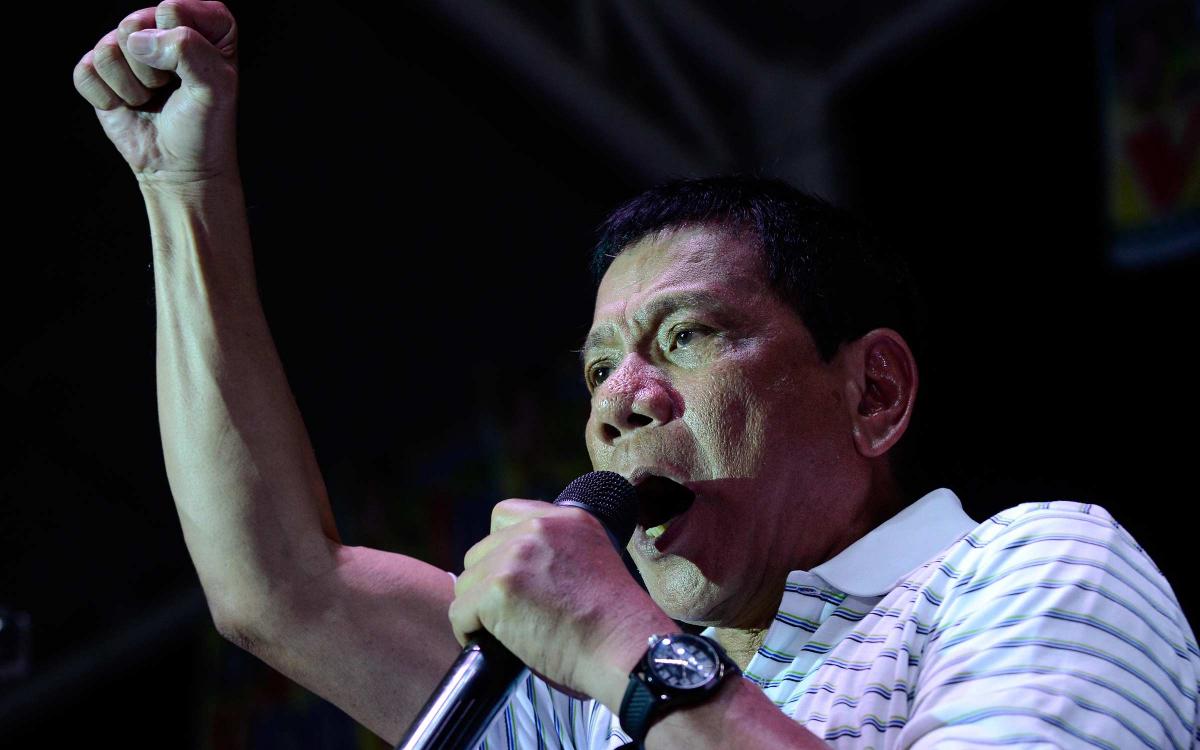
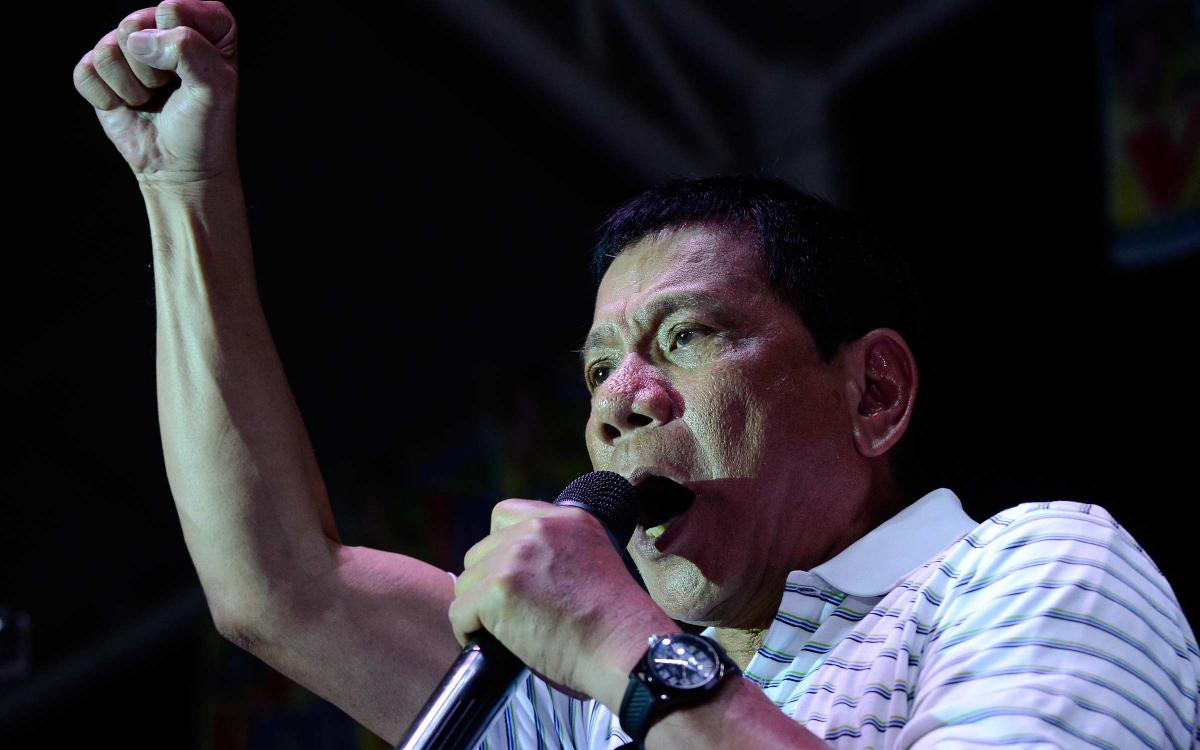
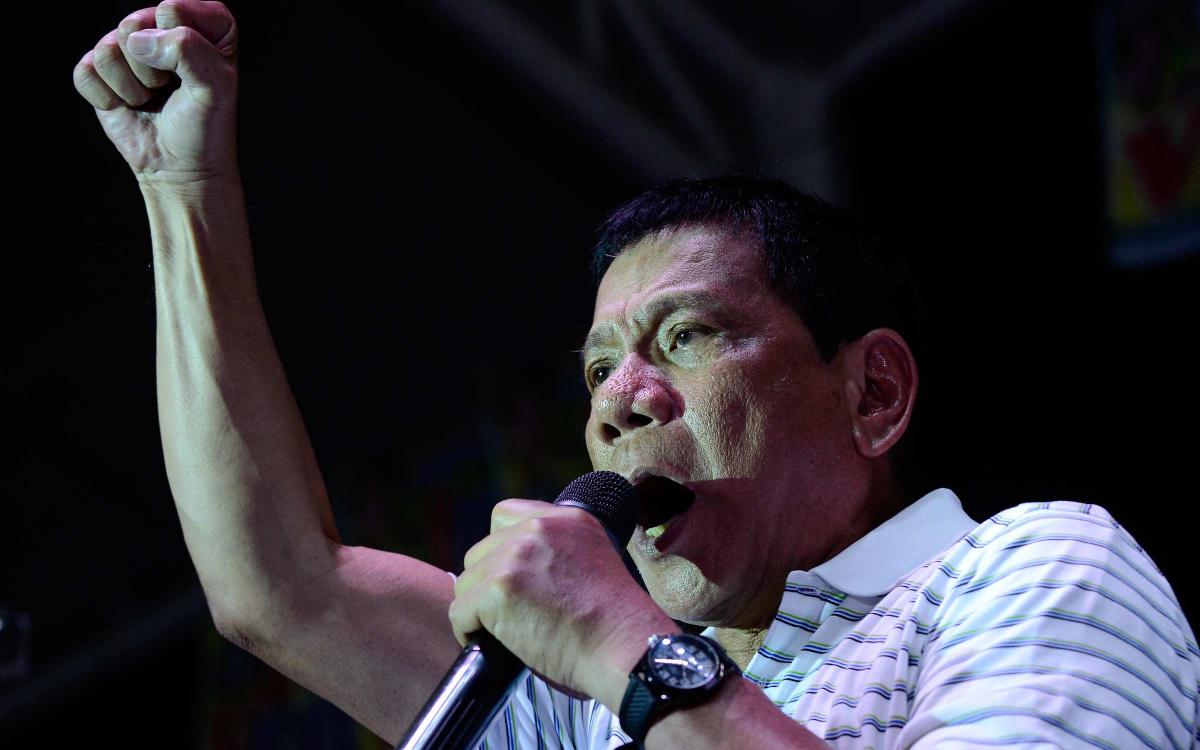
In flagrant violation of the Philippine constitution, President Rodrigo Duterte extended martial law in Mindanao for another year. Simultaneously, he announced a return of the National Police to drug enforcement after they were removed due to outrageous human rights abuses. But opposition lawmakers are trying to put the breaks on the militarization, and have even introduced a bill to legalize medical marijuana. (Photo: Anakpawis)

Southeast Asia

Duterte fudges police death toll to justify drug war

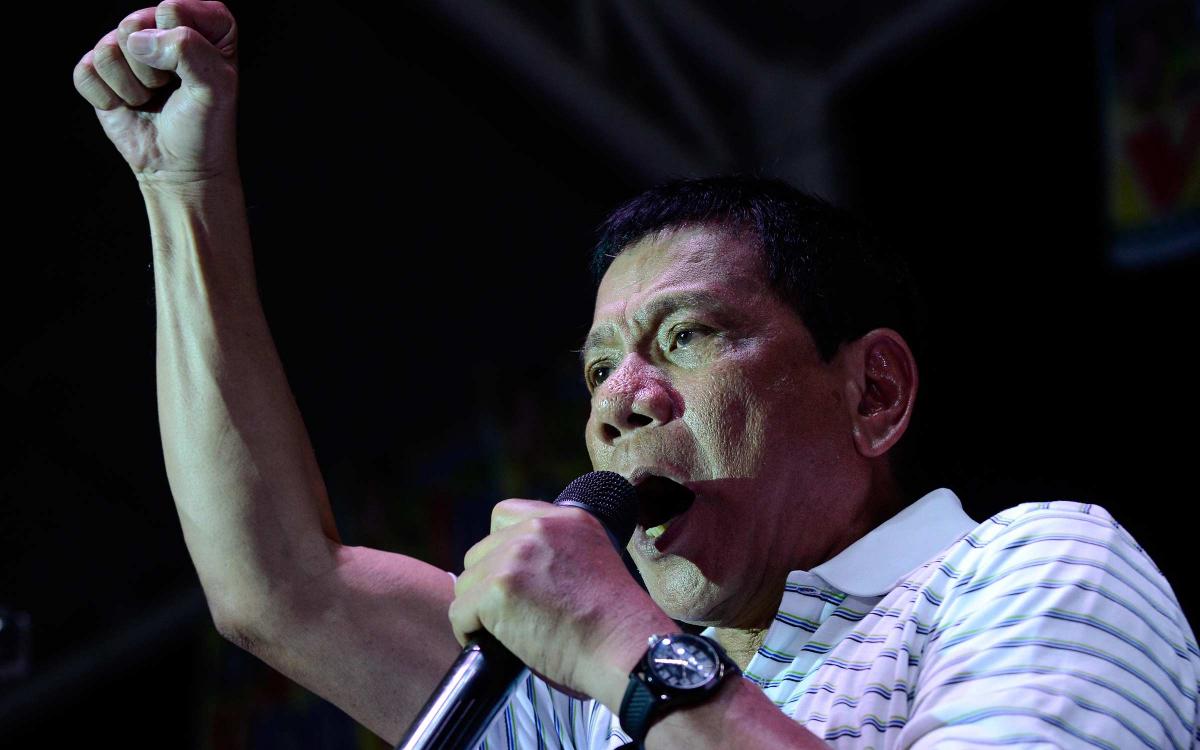
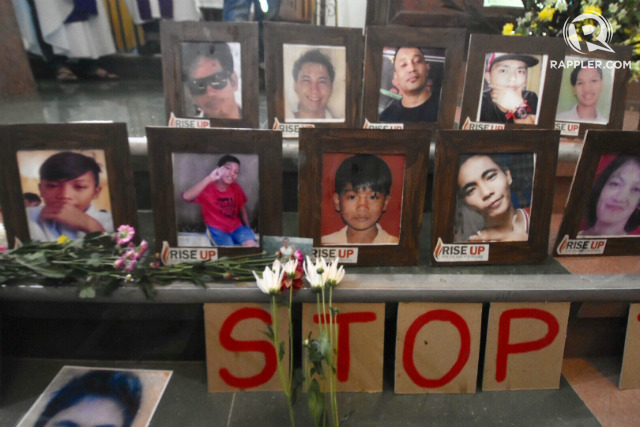
The Philippines' President Rodrigo Duterte—trying to justify sending the National Police back into drug enforcement after he was pressured to withdraw them by a public outcry over their slaying of innocent civilians—has been caught in a lie. He stated that 300 police officers have been killed in anti-drug operations since he took office in June 2016—this by way of providing a rationale for the police killing thousands of Filipinos in this same period. But official figures from the Philippine National Police put the number at 86. Even if one adds army troops killed batting Islamist militants in Mindanao, the number is only 250. (Photo: Anakpawis)

Southeast Asia

Duterte backtracks on drug war de-escalation —surprise!

Just weeks after the Philippines' Rodrigo Duterte won rare favorable headlines by pledging to pull the National Police out of his ultra-deadly "drug war," he's already threatening to send them back if the "drug problem becomes worse again." Not coincidentally, the threat comes just as Trump green-lighted Duterte's campaign of mass murder, meeting with him at the Manila ASEAN summit and issuing only praise—with not a peep about human rights. 

Southeast Asia

Duterte drug war de-escalation: how real?

Philippine President Rodrigo Duterte won rare favorable international headlines when he said he would pull his National Police force out of his brutal "war on drugs," which has now reached the point of mass murder. The move came after public outrage over the police slaying of an unarmed youth. But Amnesty International notes that he made such promises after a similar outrage a few months back—and nothing changed. 

Southeast Asia

Philippines: Duterte threatens to kill his own son

Philippine President Rodirgo Duterte—whose "war on drugs" has now reached the point of mass murder—was put on the hot spot when his own son was called to testify before a Senate hearing on drug corruption. He thundered that he had ordered the National Police to kill his son like any other drug suspect. And amid the relentless police killings, he gutted the country's official human rights office, reducing its budget to an insulting $20 a year.

Southeast Asia

Philippines: Duterte in bed with narco gangs?

Is it really possible that Philippine President Rodirgo Duterte—who has unleashed a "war on drugs" that has now reached the point of mass murder—is himself mixed up in the drug trade? With the Philippine Senate now launching multiple investigations into the drug-related violence, charges of involvement in the narco trade have reached some of Duterte's closest family members.

Southeast Asia

Duterte calls for genocide against drug users

National Police troops in the Philippines killed 32 people in a day of anti-drug operations in the working-class Manila suburb of Bucalan. In the resultant outcry, President Rodrigo Duterte expressed open enthusiasm for the bloodshed—and warned that it is just beginning. "There were 32 killed in Bulacan in a massive raid, that's good," Duterte boasted in a speech to his new newly formed anti-drug paramilitary force. "Let's kill another 32 every day. Maybe we can reduce what ails this country."

Southeast Asia

Duterte still defiant on draconian drug war

The Philippines' ultra-hardline President Rodrigo Duterte met in Manila with US Secretary of State Rex Tillerson, and came away gloating that the new administration in Washington is unconcerned with his blood-drenched "war on drugs," that has left perhaps 8,000 dead since he took office just over a year ago. Duterte sneered to reporters at a press conference after the Tillerson meeting: "Human rights—you go there and you might have a bomb dropped on your head." That's no joke coming from a regime already accused of killing journalists.

North America

Charlottesville and Barcelona: fearful symmetry

Trump's disparate reactions to the similar attacks in Charlottesville and Barcelona provide a study not only in double standards, but (worse) the president's actual embrace of racist terror. While saying there were "good people" on the side that was flying the Nazi flag and committed an act of terror in Virginia, he used the attack in Spain as an opportunity to unabashedly call for war crimes against Muslims.

Southeast Asia

US broaches air-strikes on ISIS in Philippines

On the heels of Secretary of State Rex Tillerson's Manila meeting with Philippines President Rodrigo Duterte, NBC News reports that the Pentagon is considering a plan for the US military to conduct air-strikes on ISIS targets in the archipelago nation. The account quotes two unnamed defense officials who told the network that "authority to strike ISIS targets…could be granted as part of an official military operation" likely to be named in the coming days. The strikes would probably be conducted by armed drones.