Palestine
Mansoura

Cyber-attack targets Gaza aid recipients

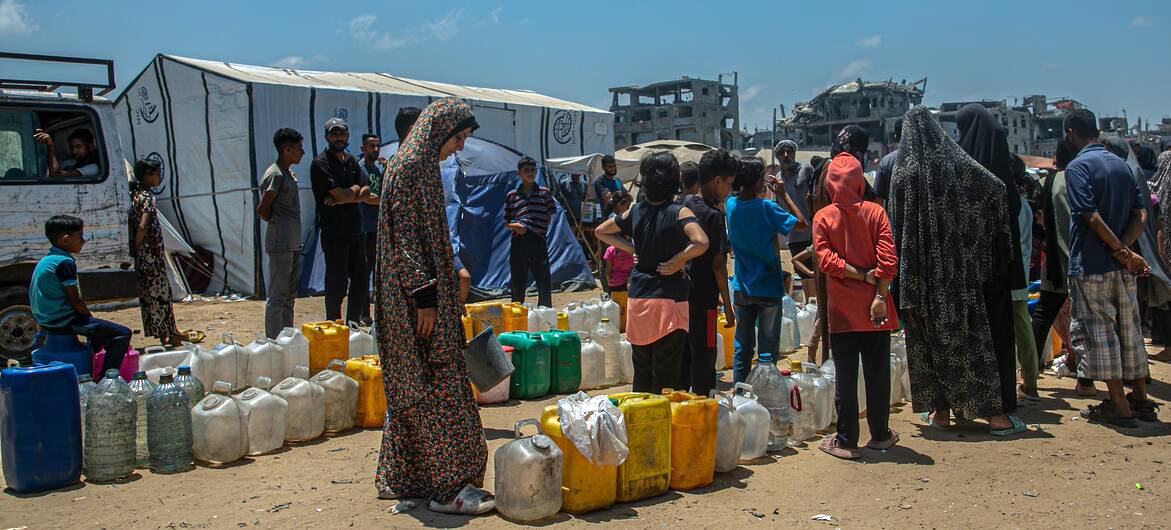
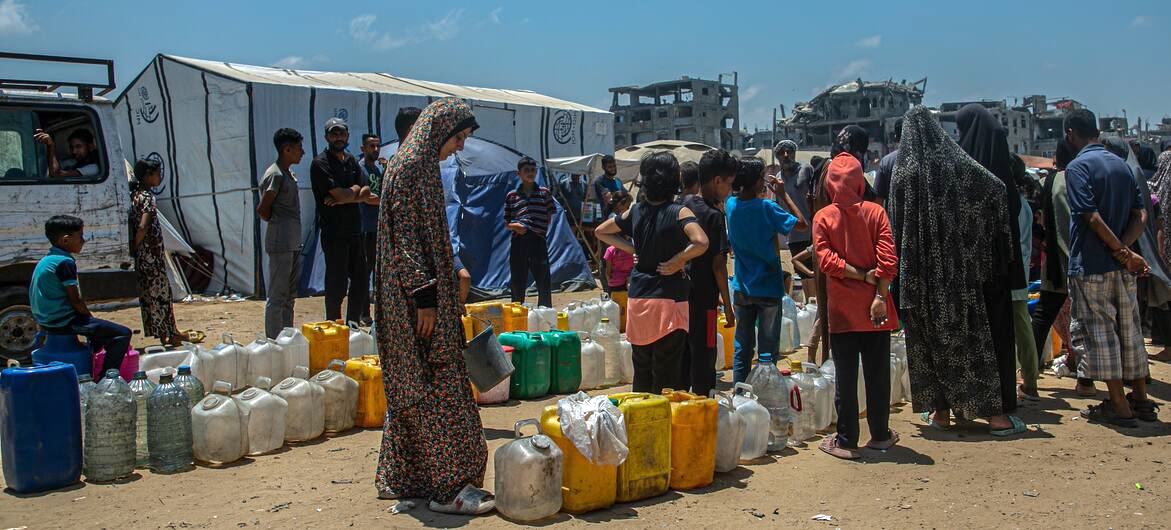
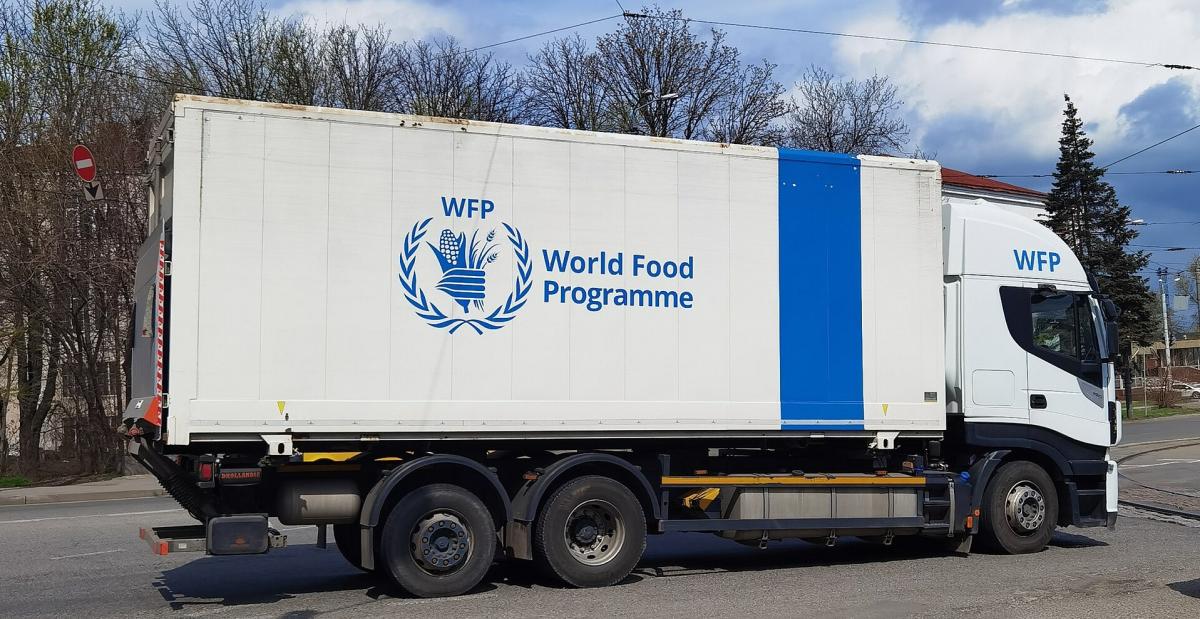
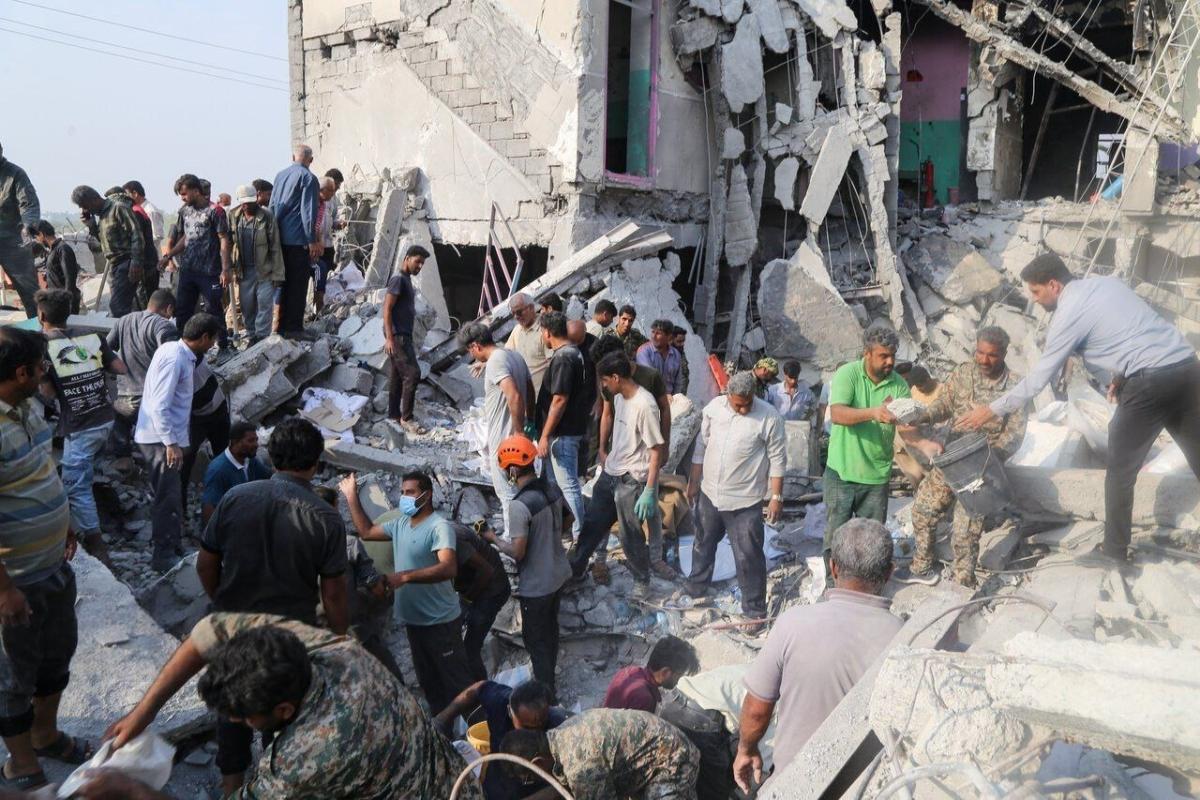
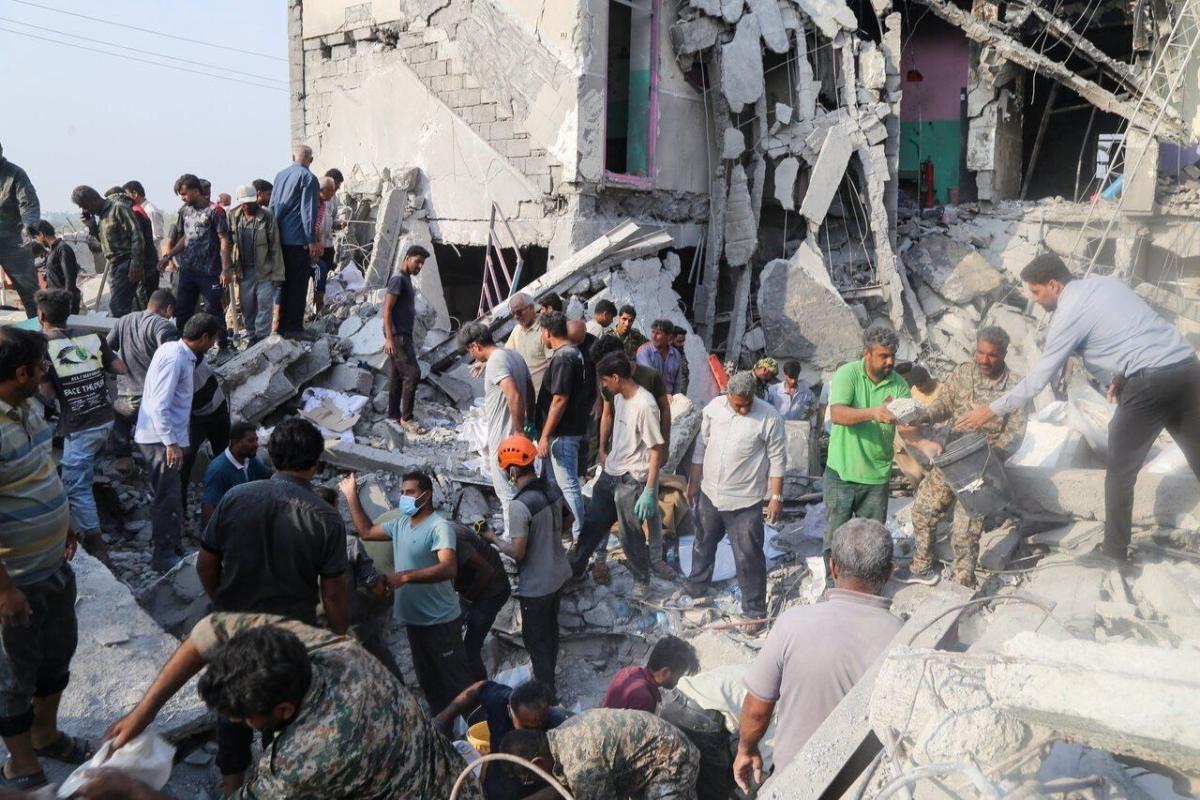
A cyber-attack targeting the World Food Program has exposed sensitive personal information belonging to some 600,000 households in Gaza, the UN’s food agency has confirmed, in what may be the largest-known breach of humanitarian beneficiary data to date. WFP is investigating a “security-related incident” in which “unauthorized actors” accessed personal information submitted by Palestinians in Gaza, the agency said in a statement sent to aid recipients via Telegram. The exposed information included names, ID and mobile numbers, and location data, the statement said. (Photo: Mohammed Nateel/UNICEF via UN News)

Palestine
Gaza

Israeli leaders reaffirm plans to ethnically cleanse Gaza

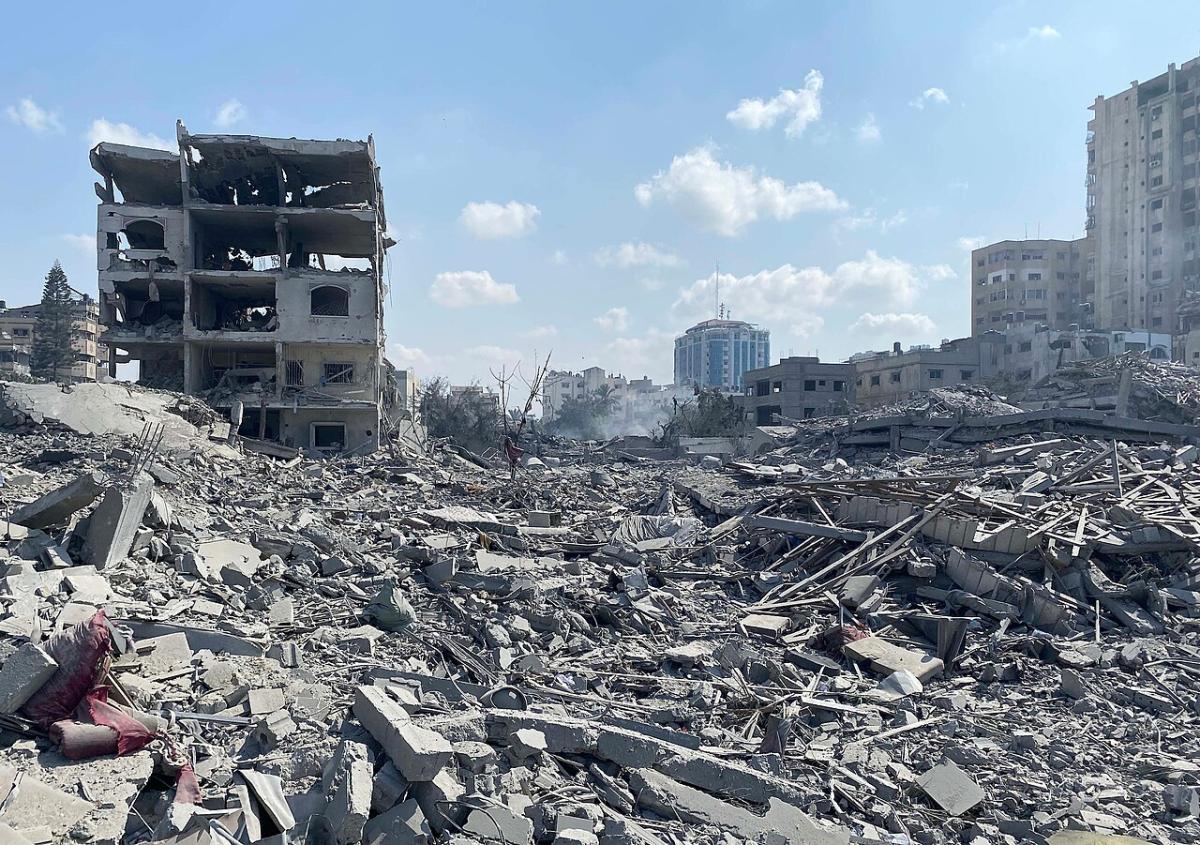
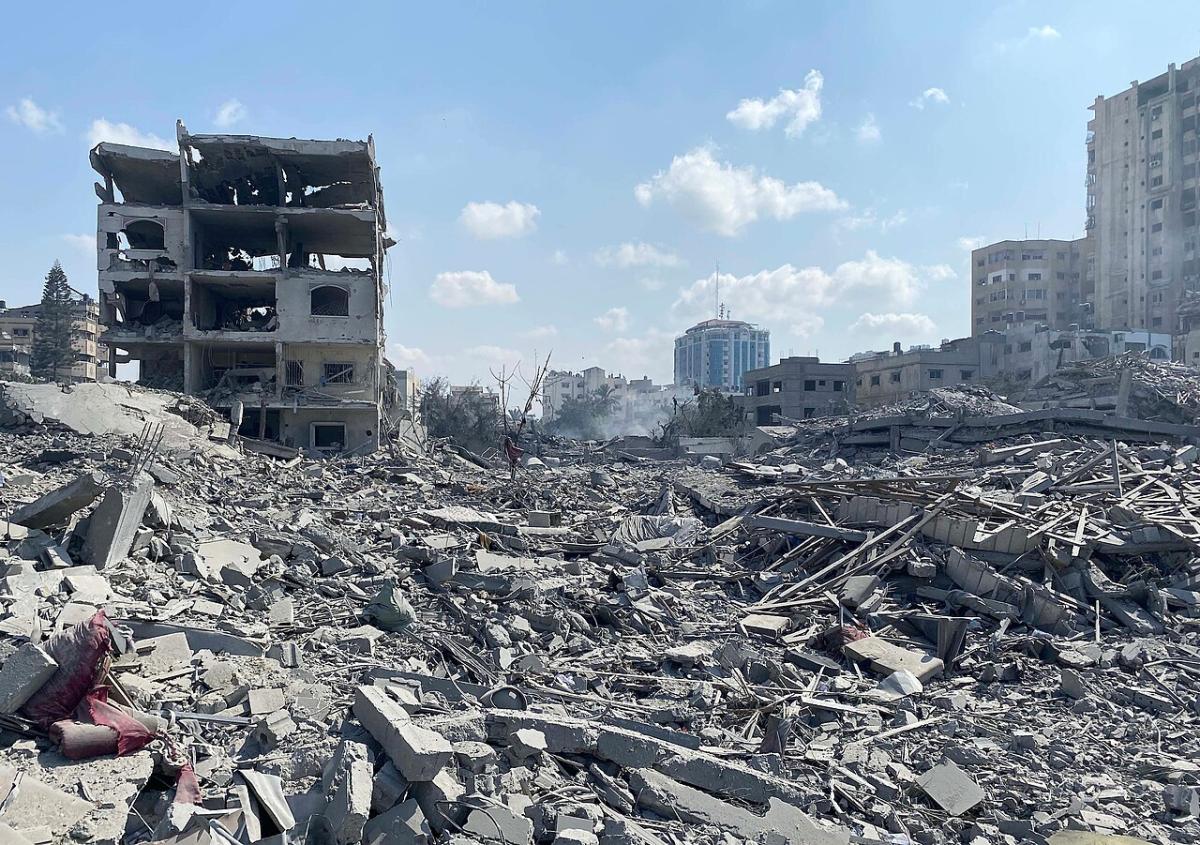
Israeli Prime Minister Benjamin Netanyahu said that he has ordered the Israeli military to take over 70% of the territory of the Gaza Strip, adding: “Let’s start with that.” Defense Minister Israel Katz meanwhile said the government is planning for large numbers of Palestinians to leave the enclave “at the right time and in the right manner”—which rights groups say amounts to ethnic cleansing. As global attention has shifted elsewhere, Israel has created its own facts on the ground by progressively inching forward the so-called “yellow line” demarcating its area of control. More than 60% of Gaza’s territory currently falls within this line, and the Israeli military regularly kills and injures Palestinians in the vicinity of the shifting boundary. (Photo: Jaber Jehad Badwan via Wikimedia Commons)

The Caribbean
Cuba

US charges Raúl Castro in 1996 plane shoot-down

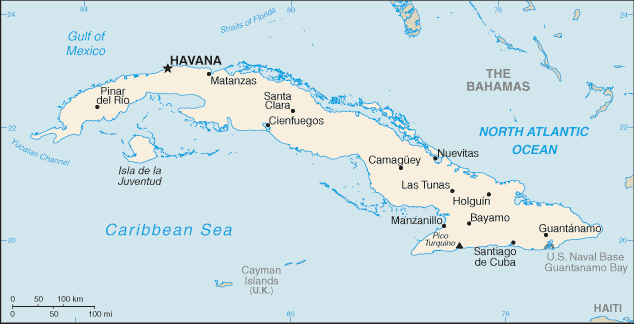
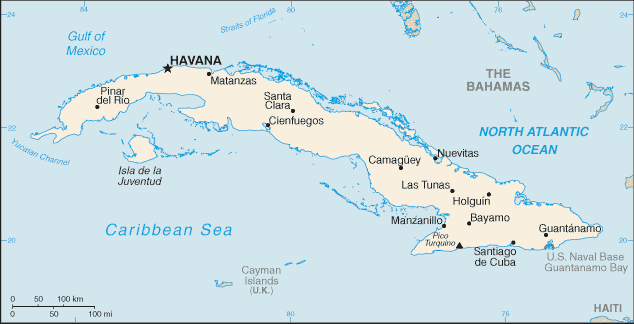
US federal prosecutors unsealed an indictment charging former Cuban leader Raúl Castro and five former Cuban military pilots in the 1996 shoot-down of two civilian planes flown by the Miami exile group Brothers to the Rescue, an attack that killed four people. An investigation by the International Civil Aviation Organization found that the planes were shot down over international waters, although this was disputed by Cuba. Castro, 94, headed Cuba’s armed forces at the time and later served as the island’s president. Cuba’s President Miguel Díaz-Canel called the charges “a political maneuver, devoid of any legal foundation.” (Map: Perry-Castañeda Library)

The Caribbean
Cuba

Cuba: UN issues urgent call for humanitarian aid

The United Nations called upon the international community to provide immediate support for Cuba amid a worsening humanitarian crisis compounded by the effects of Hurricane Melissa, which struck the country in October 2025. The UN resident coordinator in Cuba, Francisco Pichon, said the humanitarian situation has reached a critical point following the US oil blockade imposed in January. He added that the population remains in need of urgent humanitarian aid despite an oil shipment from Russia in late March that the US administration chose not to interfere with. (Photo: Виктор Пинчук via Wikimedia Commons)

Planet Watch
WFP

WFP: mass food insecurity if Middle East conflict continues

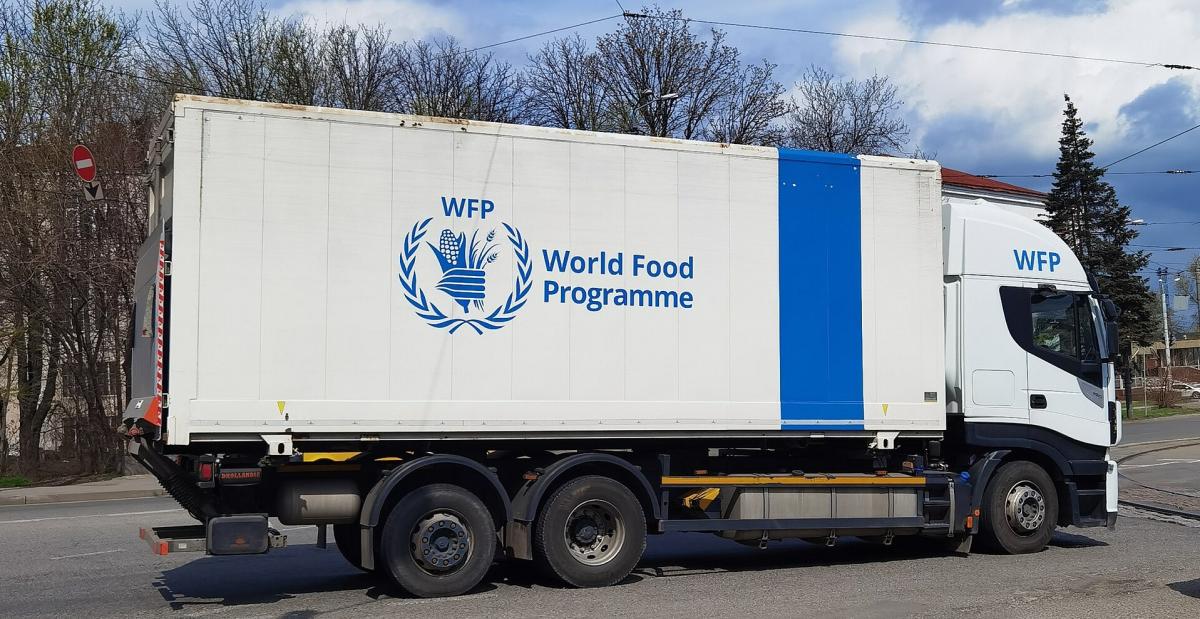
The World Food Programme (WFP) warned that the escalating hostilities in the Middle East could lead to record levels of food insecurity, and the largest disruption in the global economy and humanitarian efforts since the COVID-19 pandemic. Due to the heavy reliance of food and aid distribution on energy, the skyrocketing price of oil has placed heightened strain on already over-stretched aid supply lines. WFP chief operating officer Carl Skau said: “If this conflict continues, it will send shockwaves across the globe, and families who already cannot afford their next meal will be hit the hardest.” Skau urged the international community to mount an adequately funded humanitarian response. Sudan and Somalia were named as particularly vulnerable. (Photo: Alex Blokha via Wikimedia Commons)

Greater Middle East
Minab

UN demands civilian protection amid Middle East escalation

The United Nations urgently called for civilian protection amid growing violence and instability in the Middle East—and particularly in regard to the ongoing US and Israeli military operations against Iran. The UN urged a thorough investigation into a deadly strike on a girls’ school in Iran, and requested the disclosure of all relevant information. The attack in the southern coastal city of Minab reportedly killed 168 people. According to Iran’s Ministry of Education, the overwhelming majority of the slain were schoolgirls aged seven to 12. The strike came on the first day of coordinated US and Israeli airstrikes officially targeting Iranian infrastructure and military facilities. (Photo: Mehr via Wikimedia Commons)

Palestine
Gaza Strip

Amnesty International pressures EU on ‘Board of Peace’

EU foreign ministers must use their upcoming meeting with Nikolai Mladenov, director-general of the “Board of Peace” and “High Representative” for Gaza, to ensure that Palestinians’ rights are among the board’s highest priorities, Amnesty International urged in a statement—while assailing the legitimacy of new Trump-led body itself. “The ‘Board of Peace’ is a dangerous assault on international law, a mechanism designed to bypass the UN, weaken international justice institutions, and entrench the power dynamics that have long enabled Israel’s unlawful occupation, apartheid, and ongoing genocide in Gaza,” said Erika Guevara-Rosas, senior director for research and advocacy at Amnesty International. (Photo: WAFA via WikimediaCommons)

Europe
Paris

Arrests as French farmers protest EU-Mercosur trade deal

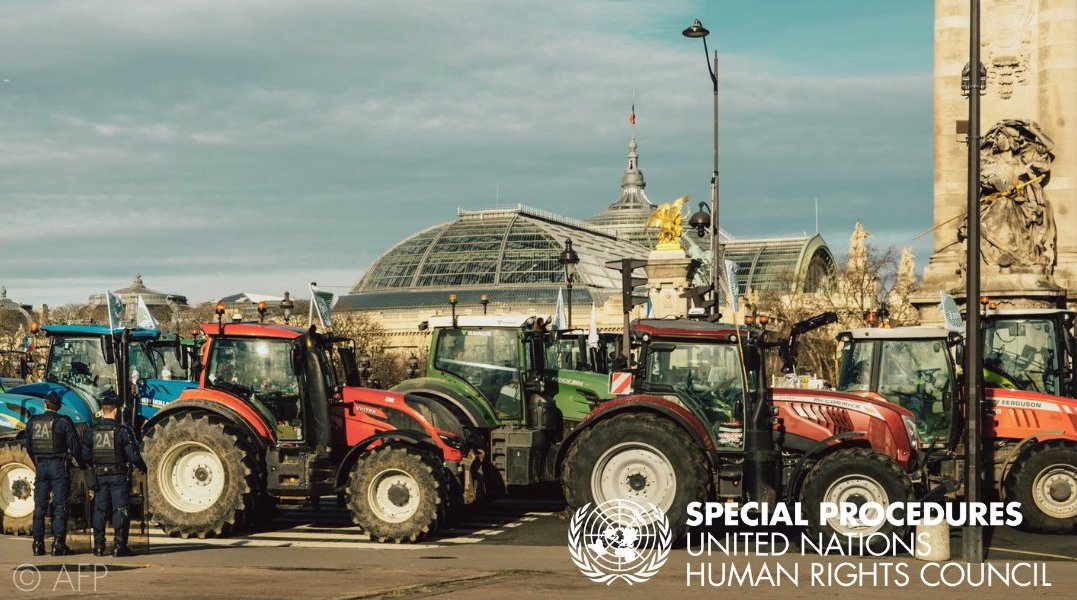
UN experts cautioned against the escalating use of arrests and criminal proceedings against agricultural trade union activity in France, after authorities detained 52 farmers during peaceful protests in Paris. Union leaders and members of the Confédération Paysanne held protests in opposition to the EU-Mercosur Deal, signed in December 2024 but still pending ratification, which would reduce tariffs and more deeply link the European market with the bloc of South American nations. Participants unfurled banners in offices of the Agriculture Ministry in protest of the agreement. Protesters included a large delegation from the French overseas regions of Guadeloupe, Martinique, French Guiana, Reunion and Mayotte, all of which have denounced unfair import costs imposed upon them by the government. Three key spokespersons were among those arrested. (Photo: UN Human Rights Council via Twitter)

Iran
Tehran

Protest wave spreads across Iran

On the third day of protests by Tehran bazaar merchants in response to the dire economic situation in Iran, the strike started to spread across the country. Shopkeepers in Isfahan, Ahvaz, Shiraz, Kermanshah and Najafabad closed their stalls and held protest gatherings, where they were joined by students who walked off university campuses. Security forces responded with multiple arrests and the use of live fire and tear-gas, with one student reported severely injured in Tehran. Protest slogans escalated beyond economic grievances, openly targeting clerical rule and Supreme Leader Ayatollah Ali Khamenei. A photo of a lone protester blocking a column of police motorcycles on a Tehran freeway has gone viral, drawing comparisons to the iconic “tank man” photo from Tiananmen Square in June 1989. (Photo via Twitter)

Africa
Fasher

Sudan: evidence of mass killings in El Fasher

Satellite imagery analysis reveals widespread evidence of systematic mass killings and body disposal by the Rapid Support Forces (RSF) in El Fasher, Sudan, following the paramilitary group’s capture of the North Darfur state capital in late October, according to a report released by Yale University researchers. The Yale School of Public Health’s Humanitarian Research Lab (HRL) identified at least 150 “clusters of objects consistent with human remains” in and around El-Fasher between Oct. 26, when the RSF claimed to have taken full control of El-Fasher, and Nov. 28. They identified the clusters as likely human remains, based on their size, the timing of their appearance, and proximity to reddish ground discoloration that later turned brown, consistent with blood oxidation. In some cases, the RSF’s own social media posts corroborated the presence of human remains at the locations. By late November, 38% of the identified body clusters were no longer visible in satellite imagery, suggesting systematic disposal operations, the researchers said. (Photo: Google/Airbus via JURIST)

Greater Middle East
Yemen

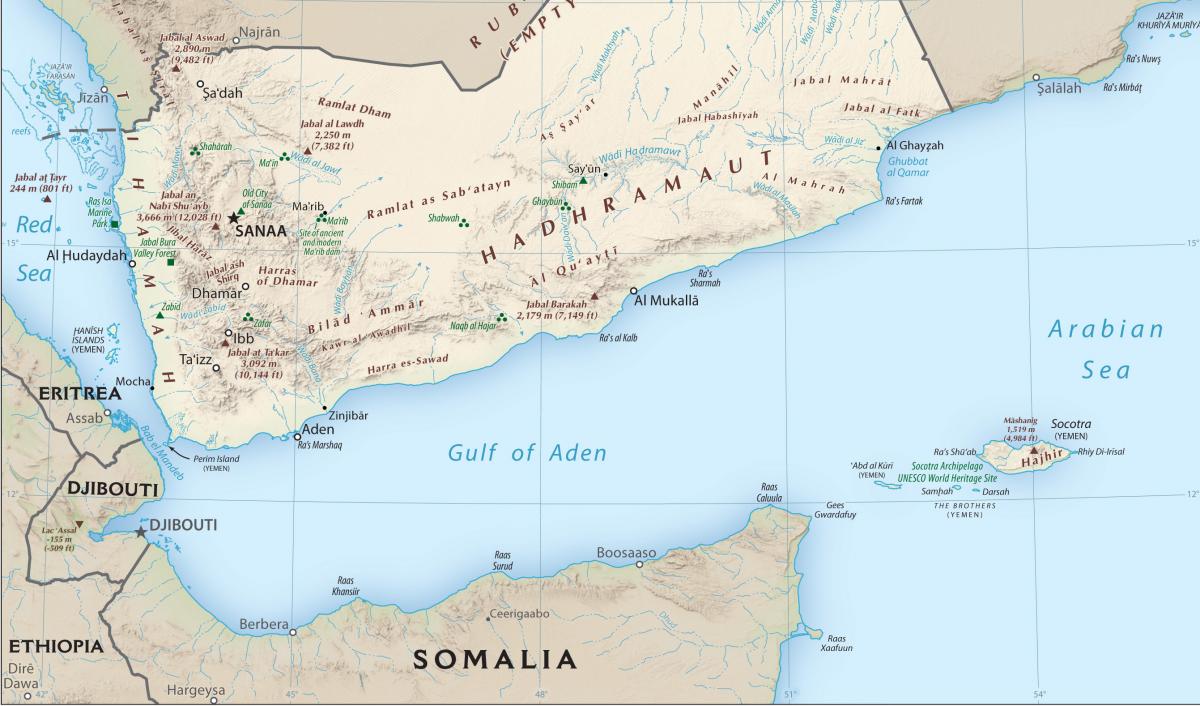
Yemen: UAE-backed southern separatist forces advance

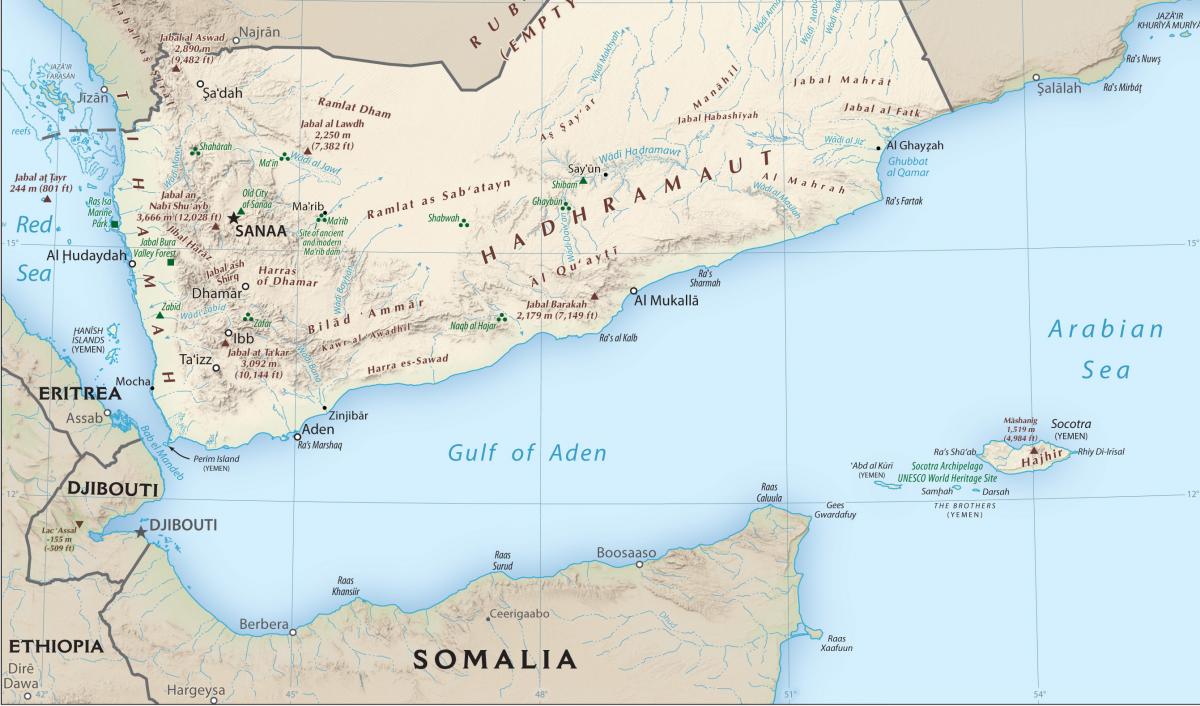
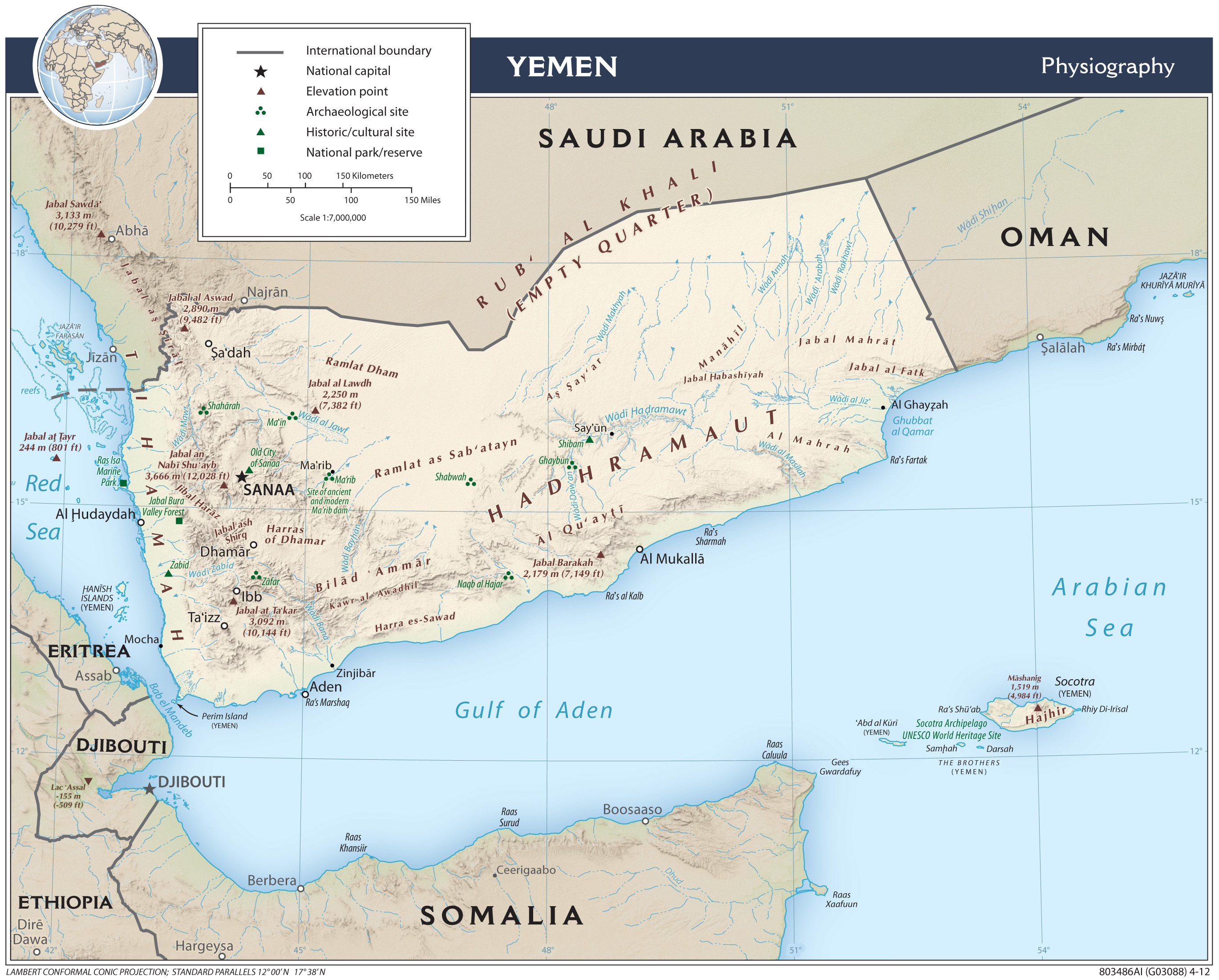
Yemen’s separatist Southern Transitional Council, which is said to be backed by the United Arab Emirates, has been rapidly advancing through large parts of the country’s south and east, in Hadramawt, al-Mahra and Shabwa provinces. They are taking over control from groups backed by Saudi Arabia, including the Hadramawt Tribal Alliance. While all forces involved are supposed to be on the same side in a broader anti-Houthi alliance, the move is yet another reminder that Yemen’s war is not over, and that it involves a variety of actors and local grievances. (Map of Yemen before 1990 unification via Wikipedia)

Africa
Sudan

Sudan: hollow truces, blood theft

In a move that will shock absolutely nobody following the war in Sudan, the Rapid Support Forces (RSF) declared a three-month unilateral humanitarian truce—and then promptly broke it with an attack on an army position in the West Kordofan town of Babanusa. RSF leader Hemedti billed the pause as a first step towards a political solution, but it looks like just another attempt to con mediators and journalists. As ever, those attempts have been drowned out by a stream of grim revelations, including reports that RSF fighters forcibly took blood from civilians fleeing El Fasher—prompting one commentator to label them “literal vampires.” A Doctors Without Borders update found that many of the 260,000 civilians still alive in El Fasher before the RSF takeover in October are now dead, detained, trapped, or unable to access lifesaving aid. (Map: PCL)