Greater Middle East
Golan Heights

Podcast: flashpoint Golan Heights

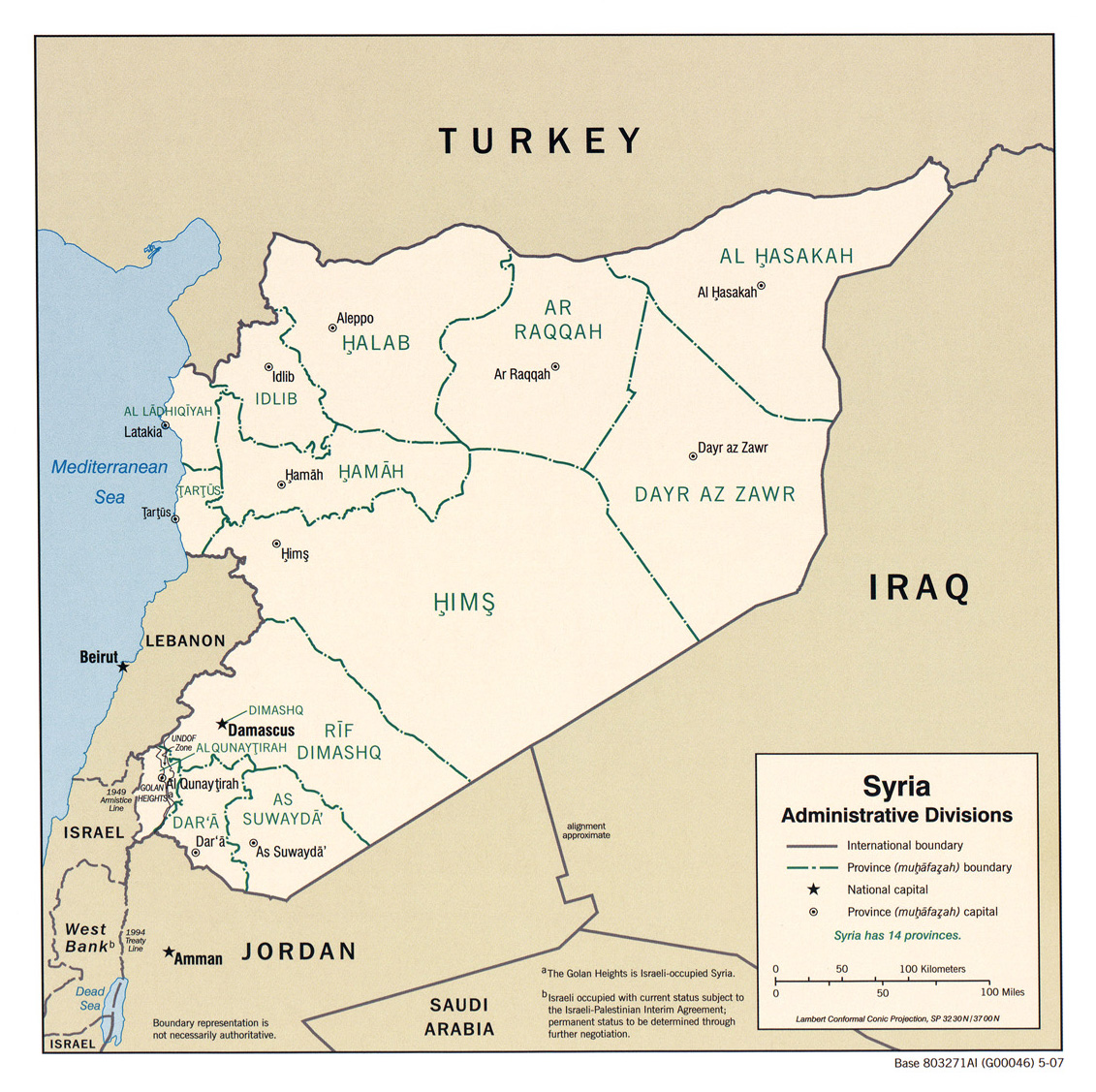
In Episode 237 of the CounterVortex podcast, Bill Weinberg provides some under-reported context for the international crisis that has quickly spiraled since last week’s deadly rocket strike on a Golan Heights village, and now threatens to escalate to the unthinkable. Under international law, the Golan is Syrian territory not Israeli. And the kids who were killed in the rocket strike were Druze not Jews. Most of the Druze residents of the Golan have refused Israeli citizenship and remain loyal to Syria. Only one country on Earth recognizes Israeli sovereignty over the Golan—the USA, thanks to Donald Trump. Israel has a complicated history with the Druze, going back well before the occupation of the Golan in 1967. But the origins of the current trajectory toward regional war in a massacre of Druze youth points again to how peoples on the ground are exploited as pawns and propaganda in the cynical Great Power game. Listen on SoundCloud or via Patreon. (Photo: Freedom’s Falcon via Wikimedia Commons)

Greater Middle East
Iran

Regional war looms closer after Golan rocket strike

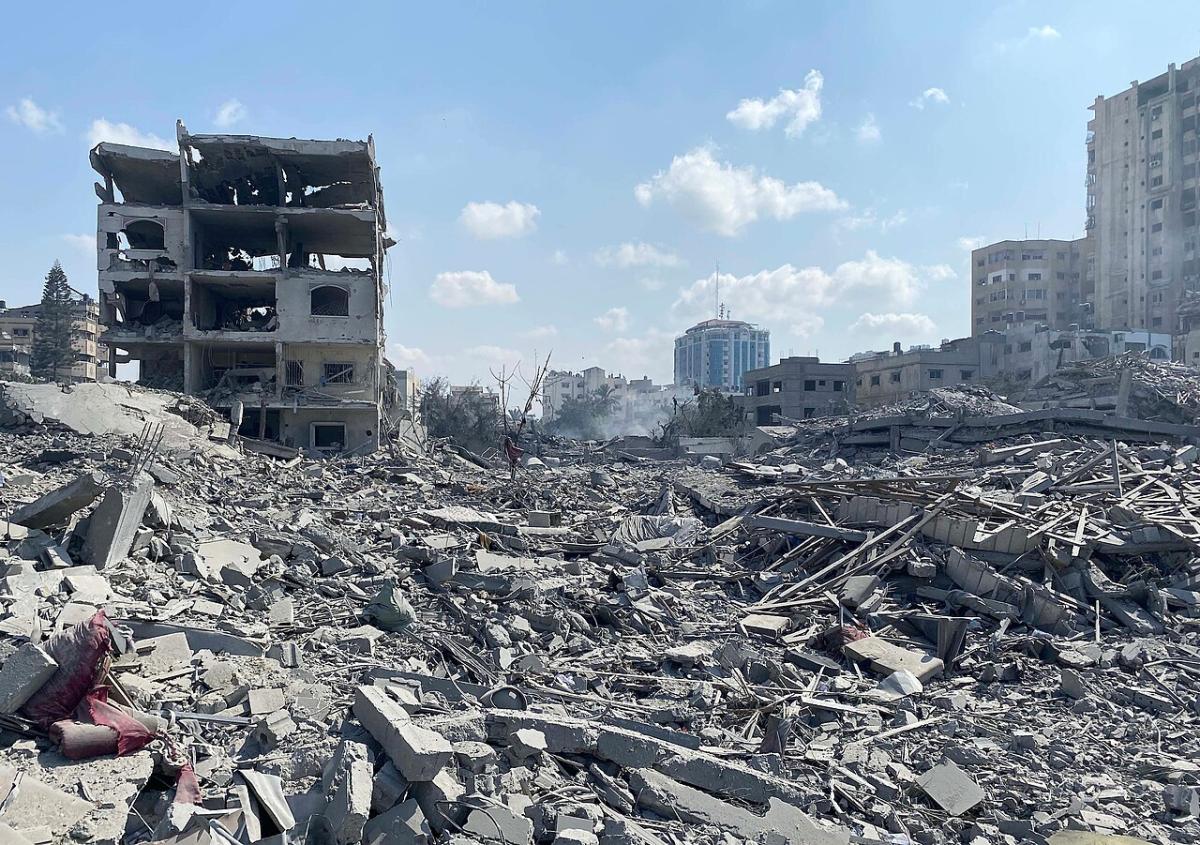
Israeli warplanes hit several targets in southern Lebanon, as diplomats worked frantically to prevent a regional war after a rocket strike that killed 12 youths in the Golan Heights. Israel is blaming Hezbollah for the rocket, which struck a football field in the Druze village of Majdal Shams. Hezbollah has denied responsibility, asserting that a projectile from Israel’s own Iron Dome missile defense system hit the village amid strikes on military targets elsewhere in the area by the Iran-backed Lebanese armed organization. Israel and Hezbollah have been trading strikes over the Lebanese border since Oct. 8, a day after the start of the war in Gaza. Israel has killed 527 people in Lebanon since then, according to an AFP tally, including at least 104 civilians. Israel says 23 of its civilians and 17 soldiers have been killed by Hezbollah rocket-fire over this period. (Image: Pixabay)

North America
Kent State

Podcast: Four dead in Ohio. And two in Mississippi.

As the police crackdown on the Gaza protests continues coast-to-coastdrawing concern from Amnesty International—Bill Weinberg notes that this repression comes in the month marking the 54th anniversary of slayings of student protesters at Kent State University in Ohio and Jackson State University in Mississippi. With police now unleashing violence on student protesters in Paris, Amsterdam and elsewhere in Europe, as well as in Jordan and Lebanon, there is an unsettling sense of deja vu. In Episode 225 of the CounterVortex podcast, Weinberg warns that the world could be headed toward an historical moment that rhymes with May 1970. Listen on SoundCloud or via Patreon. (Photo: Kent State University Libraries via Britannica)

Syria
Lesvos

Syrian refugees face illegal ‘push-backs’

The Cyprus spokesperson for the United Nations Refugee Agency, Emilia Strovolidou, has urged the country to stop forcibly pushing away Syrian refugee boats arriving from Lebanon, a practice that violates international human rights law and the principle of non-refoulement. Strovolidou accused Cyprus authorities of using “violent” tactics to “destabilize” boats in order to thwart refugees from arriving on the island’s shores. Meanwhile, Human Rights Watch says Lebanese authorities have “arbitrarily detained, tortured, and forcibly returned Syrians to Syria in recent months.” (Photo: Syrian refugees arriving in Lesvos, Greece. Greek authorities have also been accused of push-backs. Via Wikimedia Commons)

Iran
Hezbollah

Iran, Hezbollah threaten Argentina: Milei

The Argentine government of far-right President Javier Milei announced that it has placed its borders on alert due to potential infiltration of operatives linked to Iran and Hezbollah. There have long been concerns about a Hezbollah presence in the Triborder Region where Argentina, Brazil and Paraguay meet. But Interior Minister Patricia Bullrich in making the announcement this time emphasized a supposed threat from Bolivia. Following years of closer ties, including security cooperation, Bolivia and Iran signed a formal defense pact in July 2023. The deal was said to inlcude an Iranian pledge to provide Bolivia with drones for narcotics enforcement, but the terms were secretive, with both Argentina and the Bolivian opposition demanding clarity on the details. (Photo: Khamenei.ir via Wikimedia Commons)

Greater Middle East
Iran

Gaza: flashpoint for regional war? (redux)

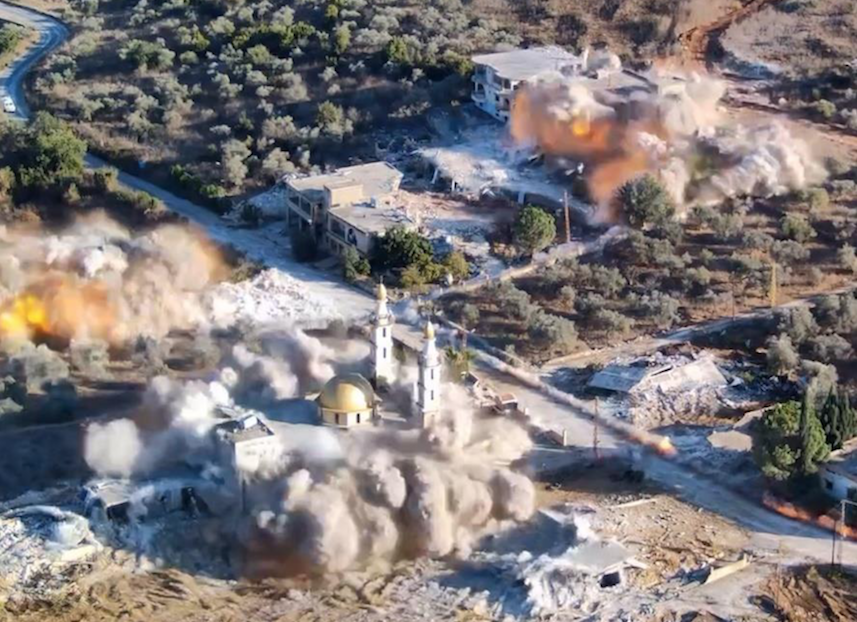
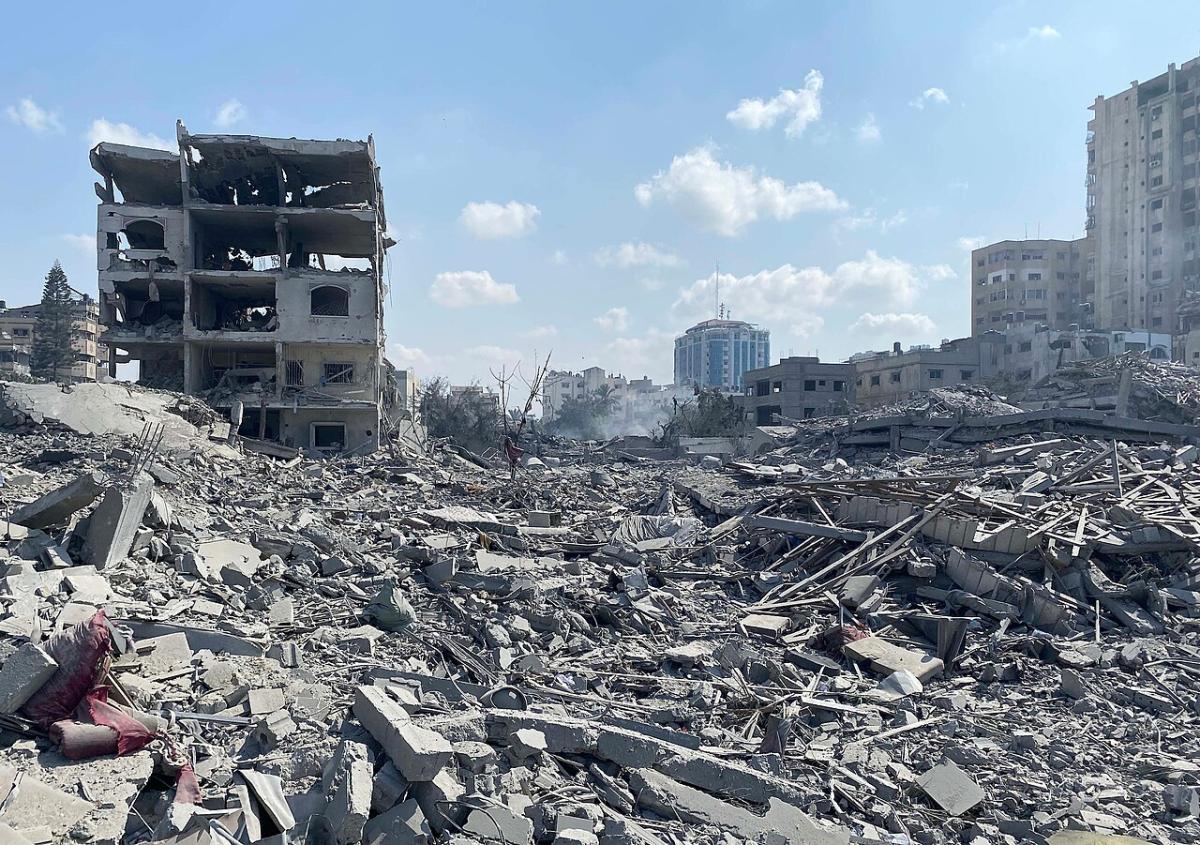
The Pentagon carried out air-strikes on Iran-backed militia forces in Iraq in retaliation for a drone attack on a US airbase in Erbil, while a senior commander of Iran’s Islamic Revolutionary Guards Corps was killed in a presumed Israeli strike in Syria. Israel continues to trade cross-border fire with Lebanon’s Hezbollah, while Yemen’s Houthi armed movement claimed responsibility for drone attacks targeting the Israeli port city of Eilat. Israeli Defense Minister Yoav Gallant said that Israel is now fighting on “seven fronts”—Gaza, the West Bank, Lebanon, Syria, Iraq, Iran and Yemen. (Image: Pixabay)

Palestine
Gaza

Israeli official broaches nuclear strike on Gaza

A member of the Israeli cabinet broached a nuclear strike on the Gaza Strip, making outraged headlines in the Arab world. Jerusalem Affairs & Heritage Minister Amichai Eliyahu of the ultra-nationalist Otzma Yehudit (Jewish Power) party said in a radio interview that there are “no non-combatants in Gaza,” and using a nuclear weapon on the Palestinian enclave is “one of the possibilities.” The comment was immediately repudiated by Prime Minister Benjamin Netanyahu, who issued a statement saying that Eliyahu has been suspended from cabinet meetings “until further notice.” Nonetheless, this comes as the death toll in nearly a month of Gaza bombardment approaches 10,000, with increasingly genocidal rhetoric voiced by Israeli officials up to and including Netanyahu. And despite a supposed relaxation of international tensions after Hezbollah leader Hassan Nasrallah’s highly anticipated speech was less bellicose than expected, the nuclear-powered (and presumably nuclear-armed) submarine USS Florida has arrived in the Middle East. The Ohio-class submarine is now operating under the command of the US Navy’s Fifth Fleet, which polices the Persian Gulf, Red Sea and Arabian Sea—a clear signal to Iran and its regional allies. (Photo: Maan News Agency)

Greater Middle East
Iran

Gaza: flashpoint for regional war?

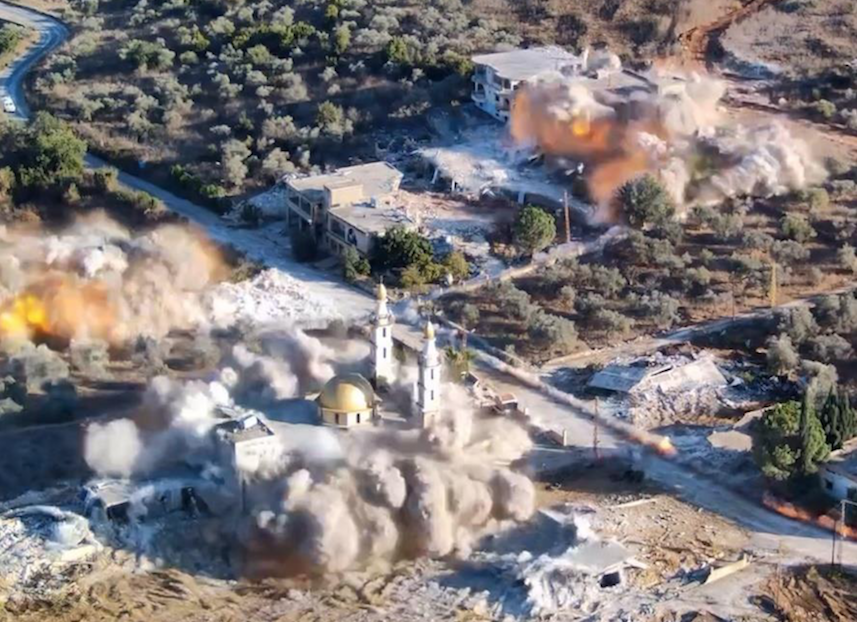
As Israel intensifies air-strikes in the Gaza Strip, a northern front appears to be opening in the war.  Civilians are fleeing both north Israel and south Lebanon as Israeli and Hezbollah forces exchange fire across the border. Following Israeli air-strikes on targets in Syria, drone attacks by presumed Iranian-backed forces hit US military bases and outposts in both Syria and Iraq. The US responded with air-strikes on Iranian Revolutionary Guards positions in eastern Syria. The Iranian military has announced that it will launch large-scale maneuvers, involving infantry, air and naval forces. (Image: Pixabay)

Palestine
settlement

Defiant Israel to expand West Bank settlements

Israel’s right-wing nationalist government announced new plans to approve the construction of thousands of new buildings in the occupied West Bank, despite pressure from both the USand EU to halt settlement expansion. Far-right Finance Minister Bezalel Smotrich, who has just been granted authority over approval of West Bank settlement construction in a cabinet decision, tweeted in explicitly annexationist language: “The construction boom in Judea and Samaria and all over our country continues.” The Palestinian Foreign Ministry called for US and international action to press the Israeli government to backtrack on the decision. (Photo of settlement outside Za’atara: Ralf Roletschek via Wikimedia Commons)

Syria
syrian refugees

Lebanon: halt ‘refoulement’ of Syrian refugees

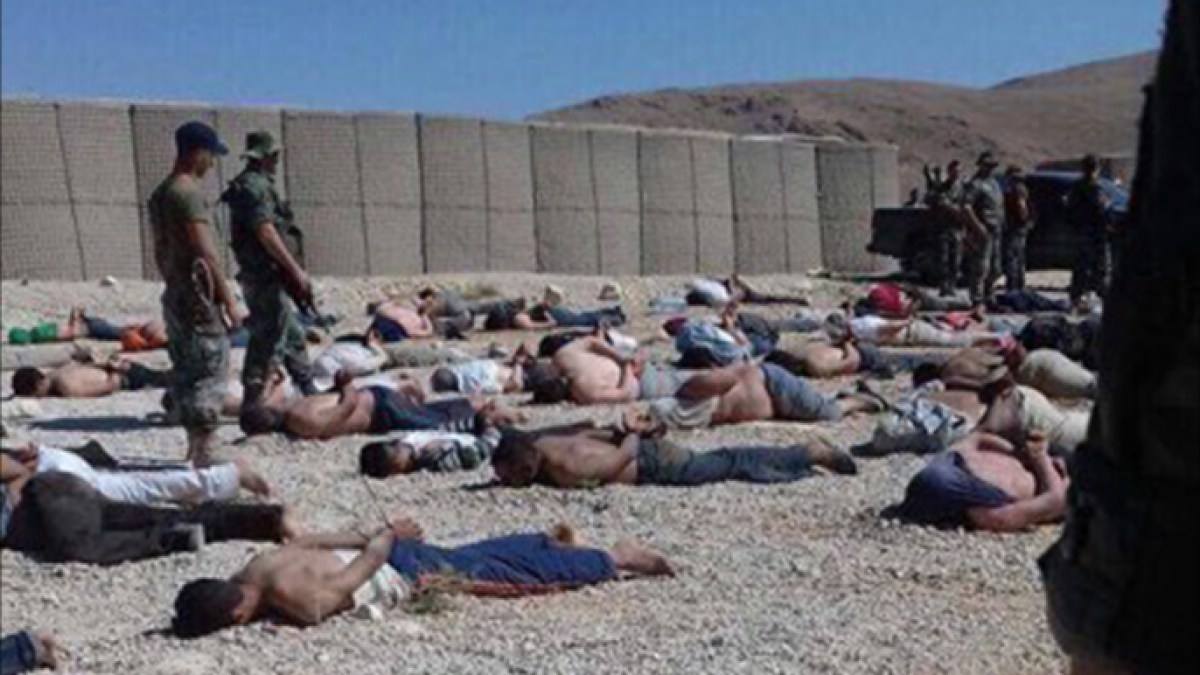
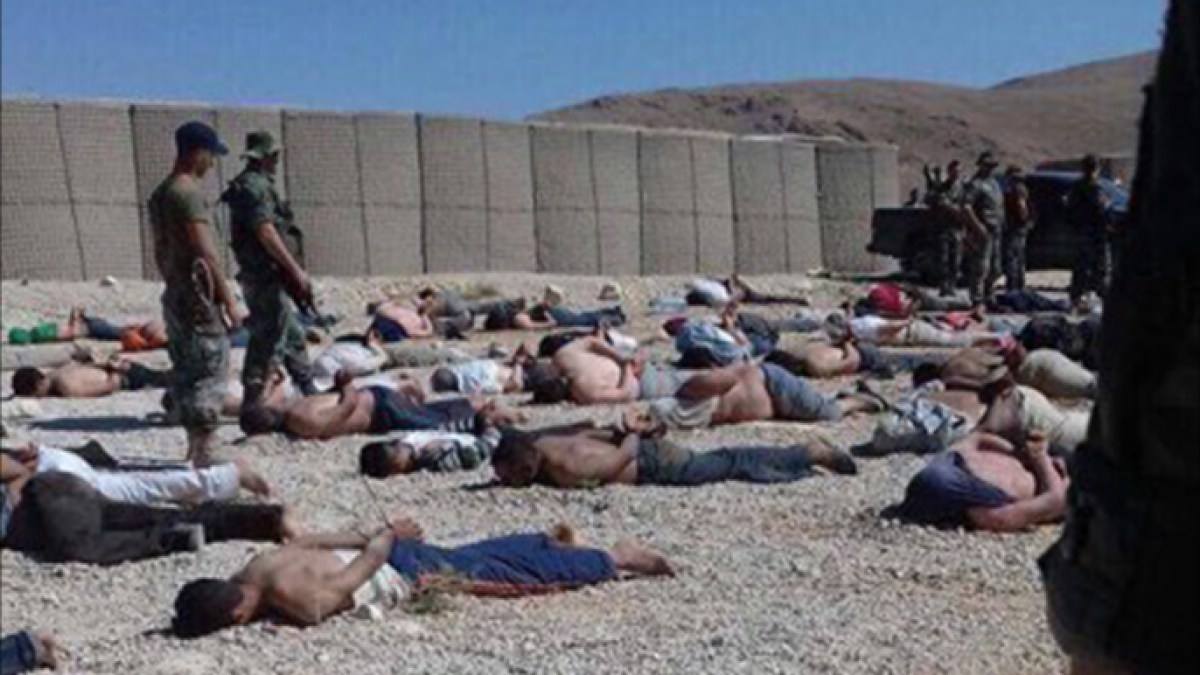
The Syrian Network for Human Rights (SNHR) joined with 20 other human rights organizations to issue a joint statement protesting Lebanon’s summary deportation of Syrian refugees. The rights organizations say the deportations violate the international law principle of non-refoulement, which protects individuals from being returned to a country where they may face torture, cruel or degrading treatment, or other irreparable harm. “The Lebanese Armed Forces have recently summarily deported hundreds of Syrians back to Syria, where they are at risk of persecution or torture,” the statement charges. “The deportations come amid an alarming surge in anti-refugee rhetoric in Lebanon and coercive measures intended to pressure refugees to return.” (Photo: EU Civil Protection & Humanitarian Aid via Flickr)

Syria
syria

Syria: regime ‘normalization’ —amid war and hunger

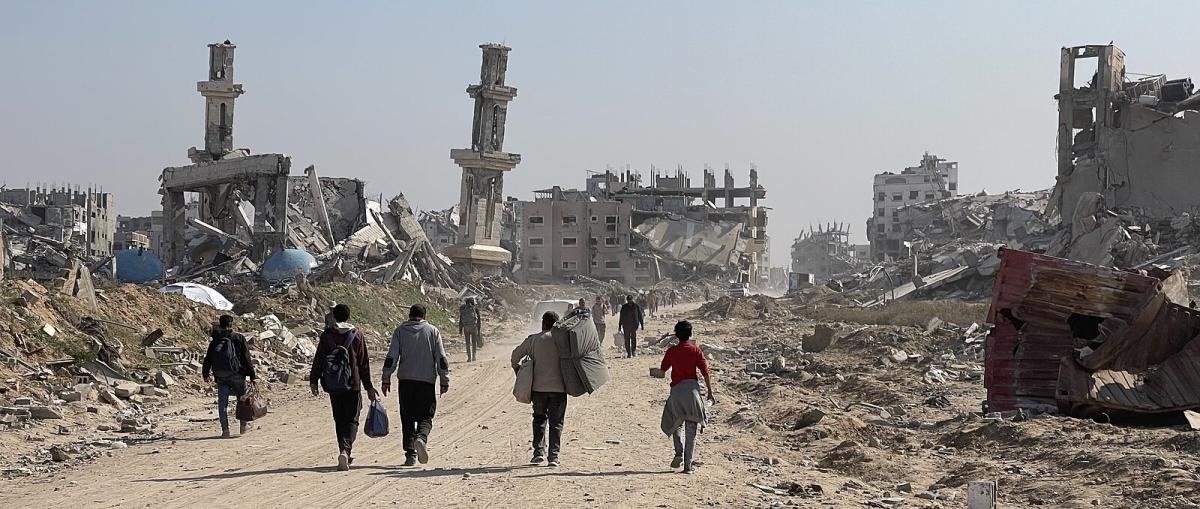
At a closed meeting in Cairo, Arab League foreign ministers approved a measure to readmit Syria after more than a decade of suspension—a critical victory for the normalization of Bashar Assad’s genocidal regime. This diplomatic coup, however, cannot mask the reality that Syria’s war is not over. Assad may have retaken most of the country, but various rebel and Kurdish forces still control much of the north. Civilians are still being killed in shelling and other violence. Even before earthquakes devastated large parts of northern Syria three months ago, continuing conflict and a debilitating economic crisis meant deepening hunger. Humanitarian needs in Syria were already at a record high. But amid mounting global crises, the UN-coordinated appeal for Syria in 2023 is only eight percent funded. And food prices are still rising, making it harder still for aid groups to meet the urgent and growing needs of millions of Syrians. (Photo: Giovanni Diffidenti/UNICEF via UN News)

Palestine
Jerusalem

Israel’s paramilitary plan advances

The Israeli cabinet authorized plans for a paramilitary “National Guard” sought by far-right National Security Minister Itamar Ben-Gvir to target violence and unrest in Palestinian communities within Israel. Prime Minister Benjamin Netanyahu’s office said that a committee comprised of Israel’s existing security forces is to determine the Guard’s responsibilities, and whether it will be subordinate to the Israel Police or take orders directly from Ben-Gvir, as he demands. Opposition leader Yair Lapid responded by calling the plan an “extremist fantasy of delusional people,” and slammed a decision to cut budgets from other ministries “to fund Ben-Gvir’s private militia.” (Photo: RJA1988 via Jurist)