Planet Watch
WFP

WFP: mass food insecurity if Middle East conflict continues

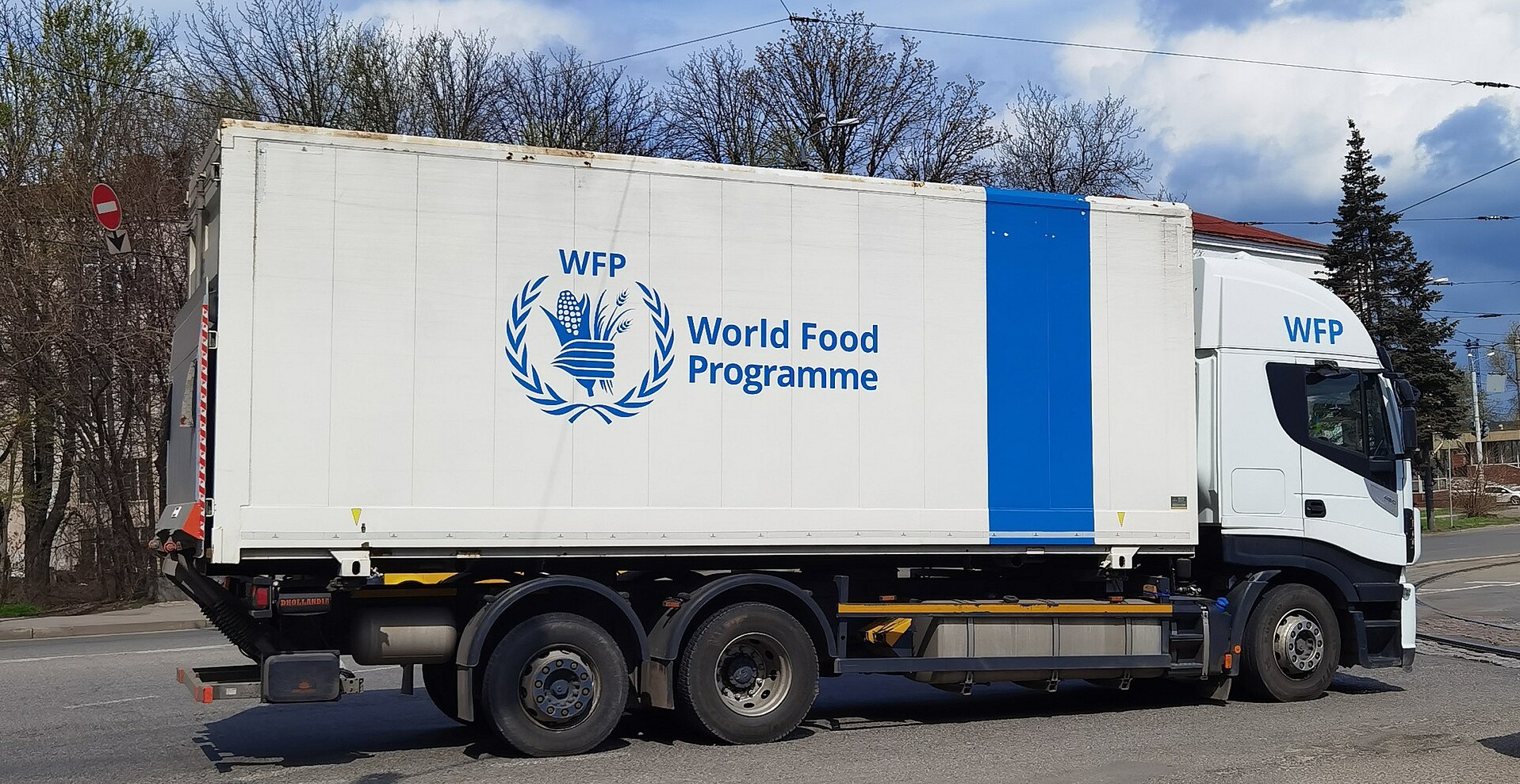
The World Food Programme (WFP) warned that the escalating hostilities in the Middle East could lead to record levels of food insecurity, and the largest disruption in the global economy and humanitarian efforts since the COVID-19 pandemic. Due to the heavy reliance of food and aid distribution on energy, the skyrocketing price of oil has placed heightened strain on already vulnerable aid supply lines. WFP chief operating officer Carl Skau said: “If this conflict continues, it will send shockwaves across the globe, and families who already cannot afford their next meal will be hit the hardest.” Skau urged the international community to mount an adequately funded humanitarian response. Sudan and Somalia were named as particularly vulnerable. (Photo: Alex Blokha via Wikimedia Commons)
Greater Middle East
Lebanon

UN sees potential Israeli ‘war crimes’ in Lebanon

The UN Human Rights Office stated that Israeli strikes on homes and civilian infrastructure in Lebanon may constitute war crimes. The statement came as Israel intensifies its military campaign on the territory of its northern neighbor amid the broader conflict spreading across the Middle East. Thameen Al-Kheetan, spokesperson for the UN High Commissioner for Human Rights, said that Israeli strikes in Lebanon have killed hundreds, including children, and destroyed homes and healthcare facilities, while Hezbollah rockets have injured civilians in Israel. Mass displacement has forced families into overcrowded areas, with access to healthcare, food and education severely disrupted. (Image via Flickr)

Iran
Iran protest

Podcast: neither MAGA-fascism nor Islamic Republic

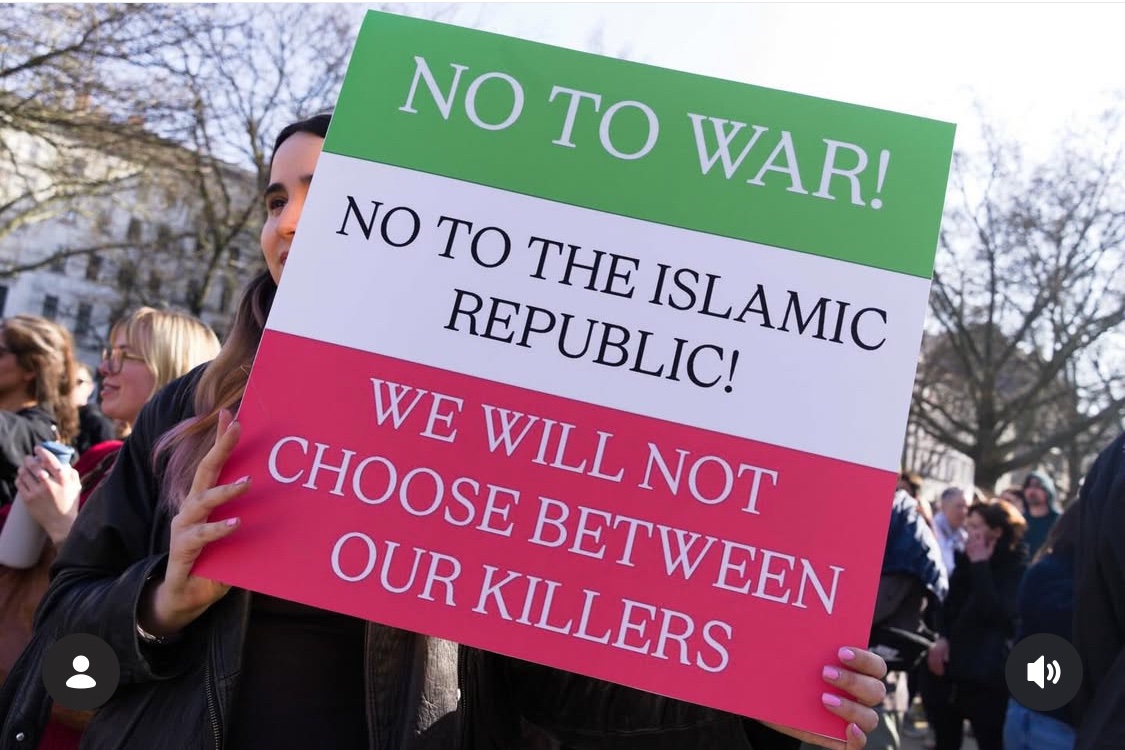
As Trump and Netanyahu rain death down on Iran, the ayatollah regime paints any would-be protesters as pawns of the “enemy” and promises deadly repression. This positions the civil opposition poorly for any resumption of the uprising that the regime drowned in blood mere weeks ago—and points to the paradoxical reality that Trump and the regime are de facto (at least) collaborators against the Iranian people. In Episode 318 of the CounterVortex podcast, Bill Weinberg repudiates both those who would rally around the reactionary and criminal regime in the name of opposing the US-Israeli aggression and those who would rally around Trump’s reckless and criminal war in the interest of opposing the regime. Instead, he offers statements from Iran’s anarchist and dissident-left opposition that continue to advance an uncompromising neither/nor position. (Photo of Berlin protest via Instagram)

Iran
Tehran

‘Black rain’ falls on Tehran amid US-Israeli strikes

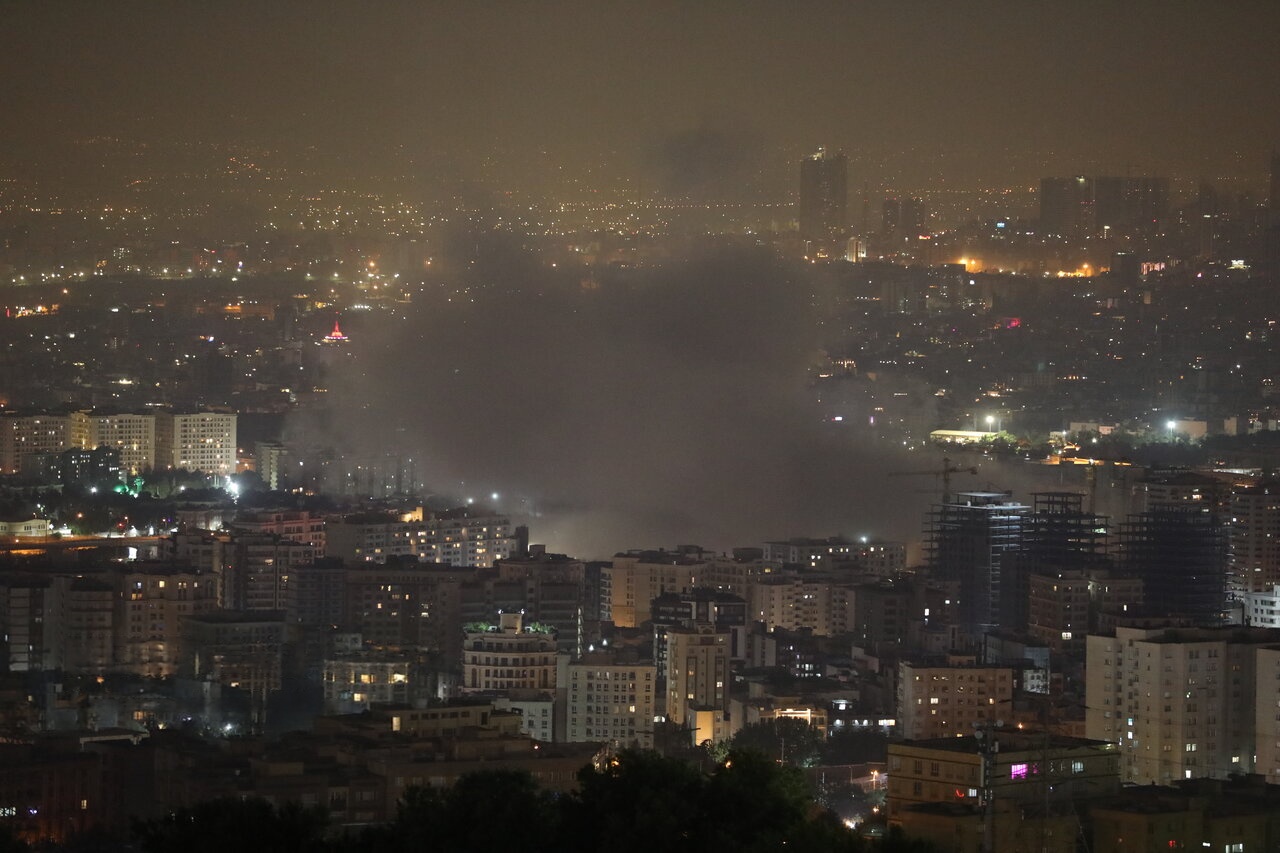
United Nations officials said that US and Israeli airstrikes on fuel depots in Tehran have released large amounts of toxic pollutants, producing acidic “black rain” across parts of the capital. Officials from the World Health Organization warned that the burning of depots has released hydrocarbons, sulphur oxides, and nitrogen compounds into the atmosphere. The released pollutants have caused darkened skies in Tehran, prompting authorities to adviseresidents to remain indoors due to respiratory risks and potential water contamination. (Photo: Mehr via Wikimedia Commons)

Greater Middle East
Minab

UN demands civilian protection amid Middle East escalation

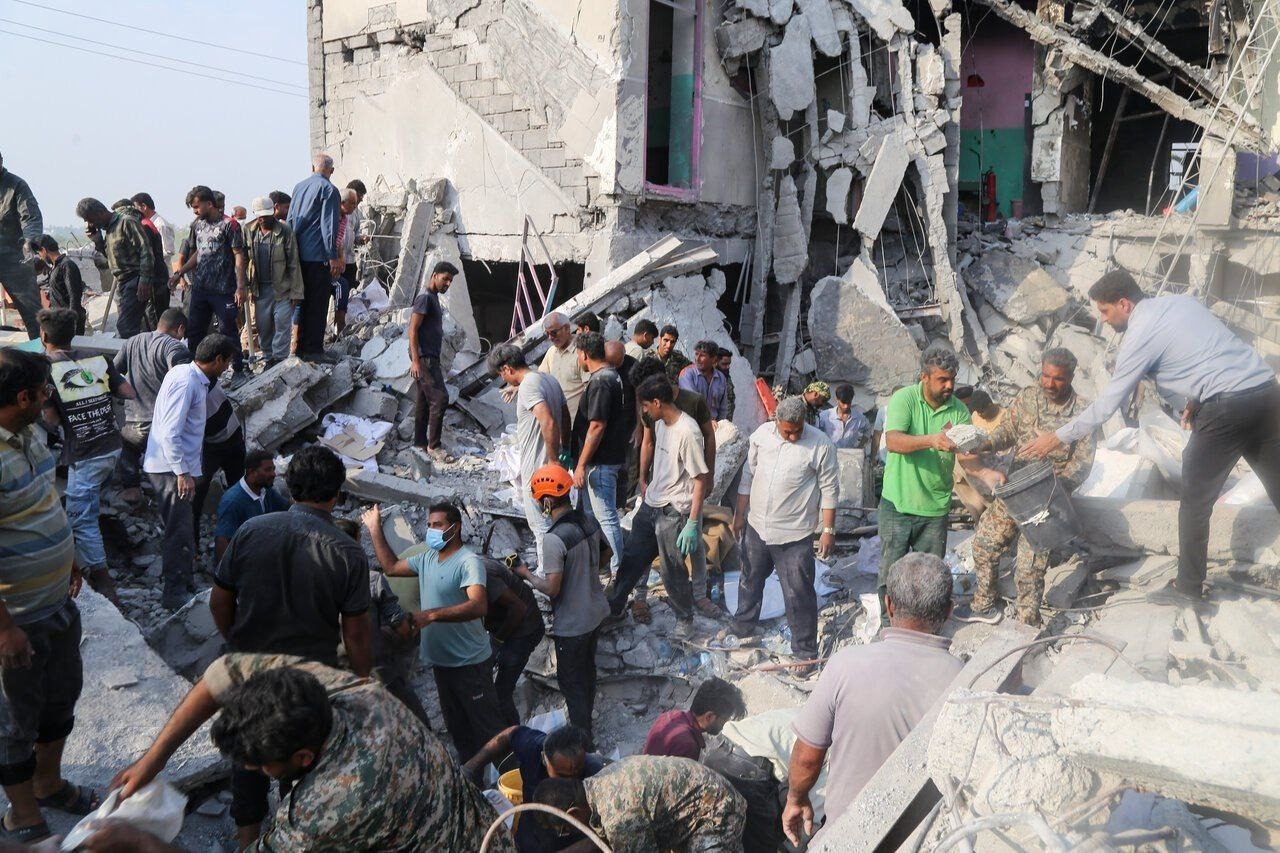
The United Nations urgently called for civilian protection amid growing violence and instability in the Middle East—and particularly in regard to the ongoing US and Israeli military operations against Iran. The UN urged a thorough investigation into a deadly strike on a girls’ school in Iran, and requested the disclosure of all relevant information. The attack in the southern coastal city of Minab reportedly killed 168 people. According to Iran’s Ministry of Education, the overwhelming majority of the slain were schoolgirls aged seven to 12. The strike came on the first day of coordinated US and Israeli airstrikes officially targeting Iranian infrastructure and military facilities. (Photo: Mehr via Wikimedia Commons)

Planet Watch
Rakhine

Deadly strikes on hospitals: the new norm?

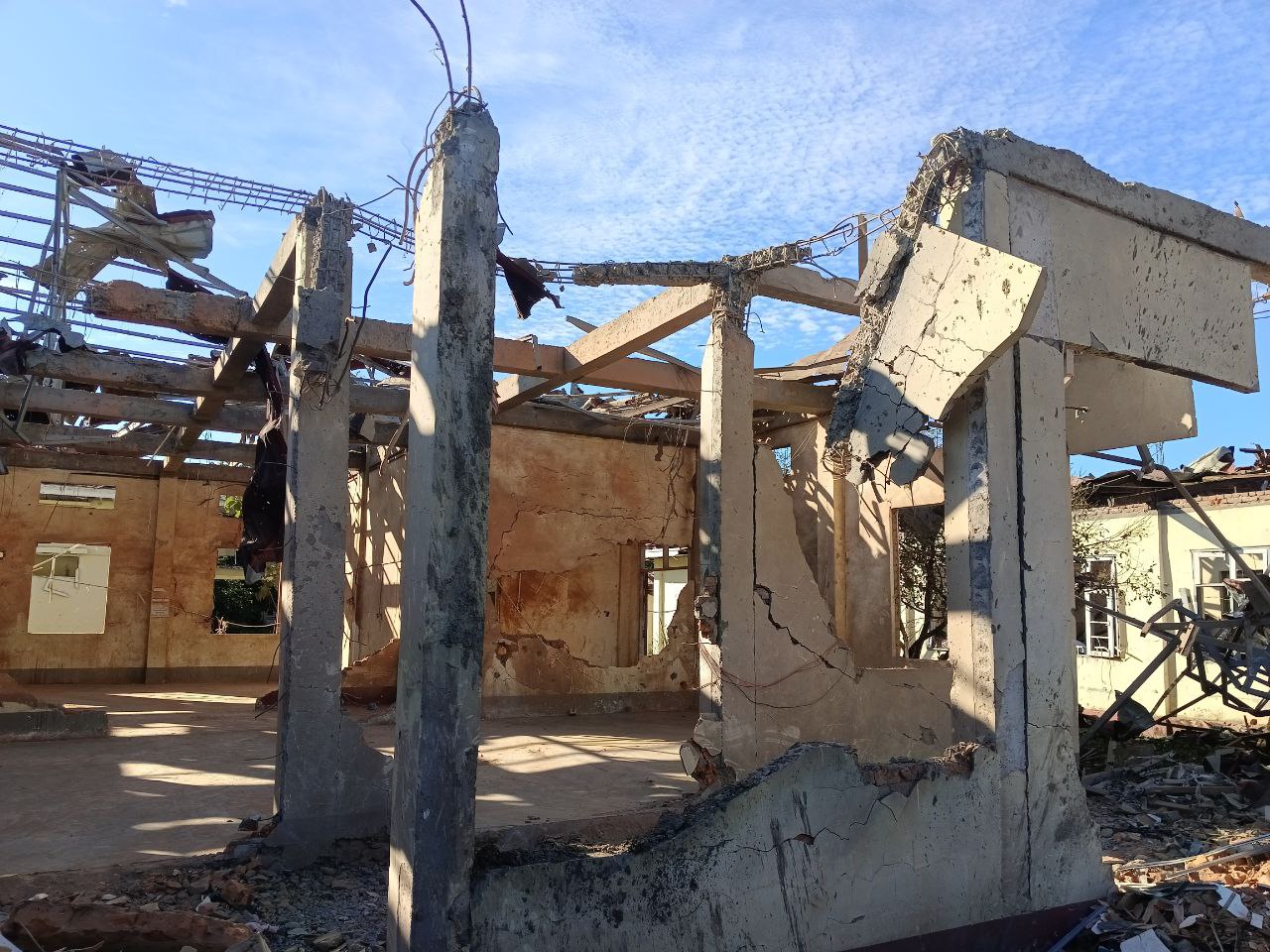
On World Humanitarian Day in August, World Health Organization director-general Tedros Adhanom Ghebreyesus released a statement calling attention to intensifying attacks on healthcare workers and facilities, which constitute war crimes under international humanitarian law. “We must stop this becoming the norm,” he wrote. The events of the past weeks suggest such attacks are now already the norm. In Sudan, the WHO reported that over 100 people, including 63 children, were killed when drone strikes attributed to the Rapid Support Forces hit a kindergarten and nearby hospital in South Kordofan. In Burma’s Rakhine state, a military airstrike destroyed the Mrauk-U general hospital, killing at least 31 people and wounding dozens more. It was the 67th attack on a healthcare facility in Burma this year, according to the WHO. Attacks on healthcare facilities killed a record 3,600 people in 2024, mainly in Gaza, Ukraine, Lebanon, Burma and Sudan. This year is on course to surpass that toll. In Gaza alone, at least 917 people were killed by Israeli attacks on healthcare facilities between Oct. 7. 2023 and June of this year. (Photo: Myanmar Now)

Greater Middle East
Gaza Strip

Gaza and Lebanon: the ceasefires that aren’t

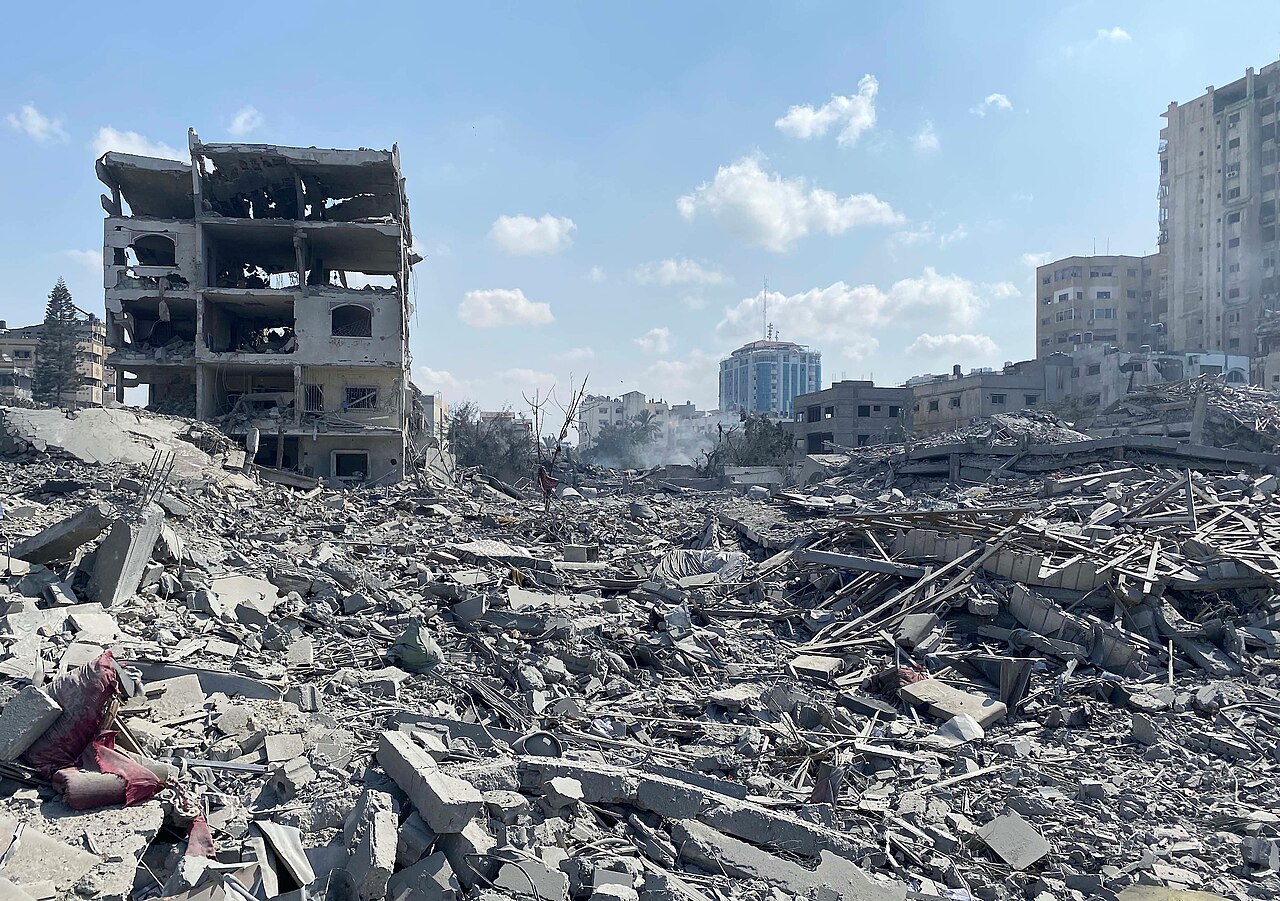
The word “ceasefire” seems like a misnomer for the situation in the Gaza Strip since Israel and Hamas agreed to a deal that was supposed to end two years of war a month ago. The Israeli military is still deployed in over 50% of the territory and continues to shell and fire on Palestinians, killing more than 240 and injuring over 600 since Oct. 11. Aid is also still entering the enclave at a trickle—far from the levels needed to address a hunger crisis caused by months of Israeli-enforced deprivation. A UN resolution creating an international stabilization force for Gaza—a key part of the 20-point US peace plan—may face delays over disagreements about its mandate and the timetable for Israel’s withdrawal from the territory. Observers point out that the situation is beginning to resemble south Lebanon, where Israel has continued to occupy land and carry out attacks despite a ceasefire agreement that went into effect at the end of November last year. In recent weeks, Israel has carried out near-daily attacks in south Lebanon. (Photo: WAFA via WikimediaCommons)

Greater Middle East
Lebanon

Amnesty sees potential Israeli war crimes in Lebanon

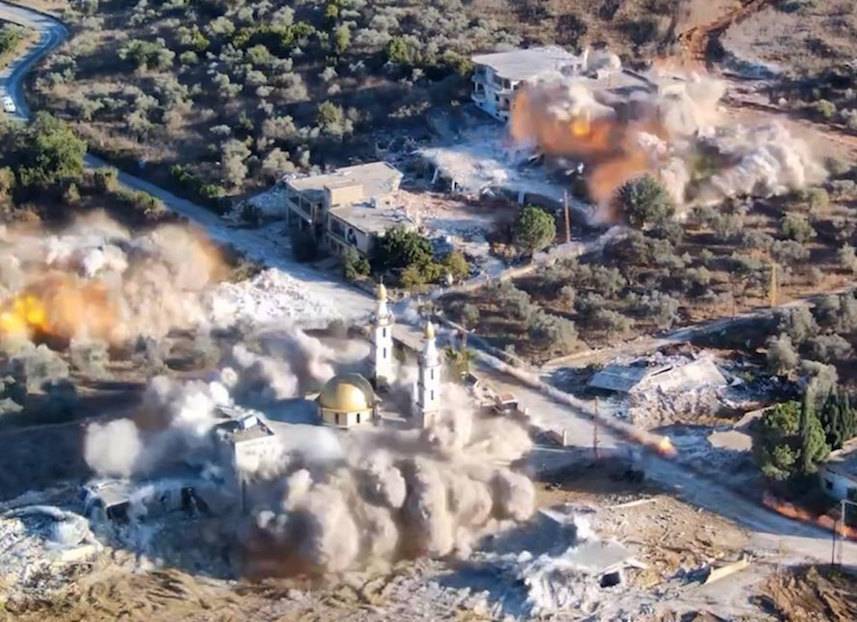
The Israeli military’s extensive destruction of civilian property and agricultural land across southern Lebanon must be investigated as war crimes, Amnesty International said in a new research briefing. The report, entitled “Nowhere to Return: Israel’s Extensive Destruction of Southern Lebanon,” documents the demolition of more than 10,000 civilian structures between October 2024 and January 2025. Amnesty concluded that the destruction, often carried out with manually laid explosives and bulldozers while Israeli forces were in control of the areas, occurred outside active combat and without the “imperative military necessity” required under international humanitarian law. (Photo via Amnesty International)

Greater Middle East
Roumieh

Syrian refugees in Lebanon face detention, torture

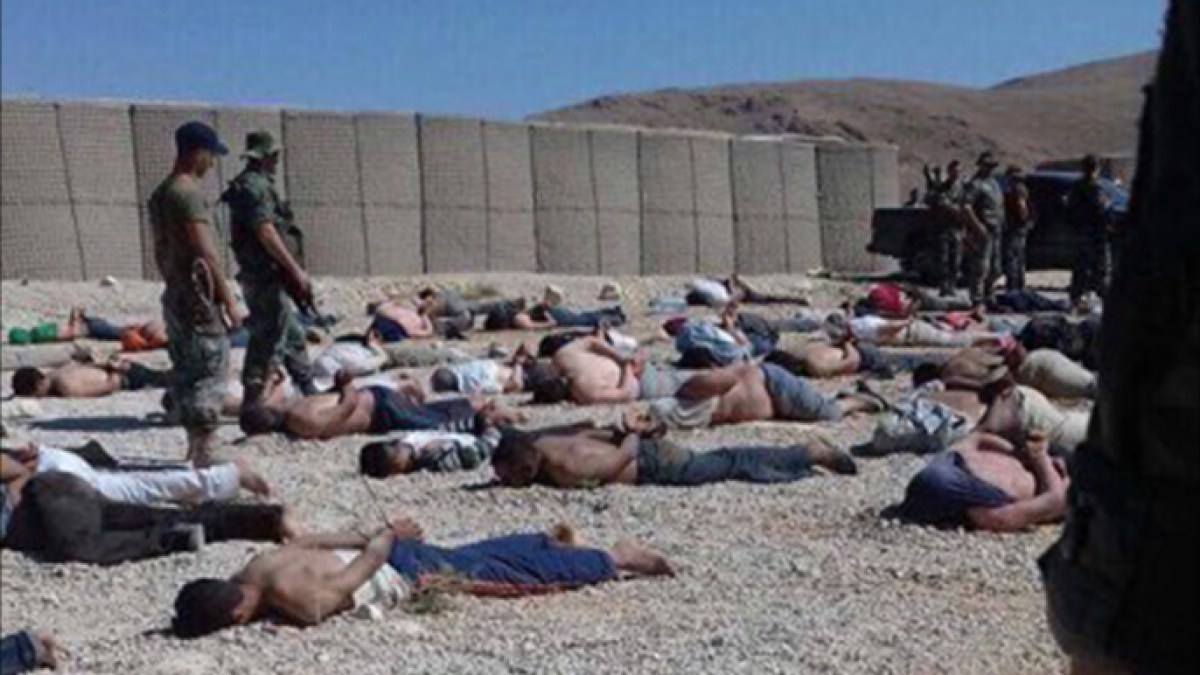
The DC-based Syrian Emergency Task Force condemned the unlawful detention, torture and abuse of Syrian refugees in Lebanon, which it says has resulted in at least 40 deaths. Since 2014, Hezbollah and complicit Lebanese forces have arrested hundreds of Syrian refugees—particularly supporters of the Syrian Revolution—and sentenced them in unfair military trials, despite repatriation efforts by Syria’s new government. Many are tried before Lebanon’s Military Court for belonging to “terrorist groups”—a reference to rebels fighting the former dictatorship of Bashar Assad, in Syria not Lebanon. (Photo via Facebook)

Syria
Massoudiyeh

Syrian Alawites flee to Lebanon, with little aid to meet them

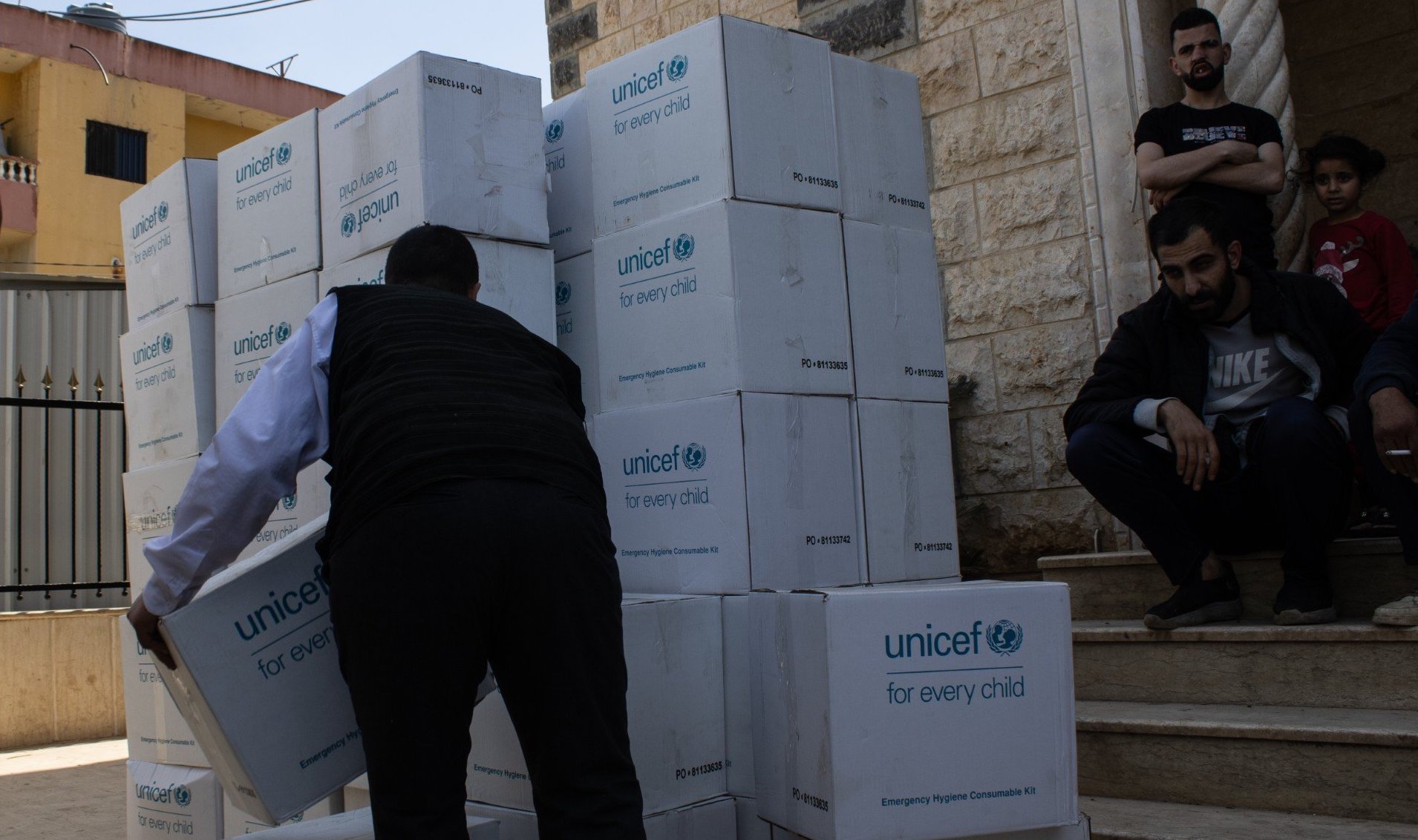
Nearly 40,000 people have fled Syria’s sectarian violence for neighboring Lebanon over the past three months. With many fearful of returning anytime soon, their arrival adds a new layer to Lebanon’s protracted humanitarian crisis at a moment when aid groups are badly underfunded and overstretched. Most of the new arrivals are Alawites, a religious minority targeted in a wave of killings in March that saw forces aligned with the new Syrian government carry out retaliatory massacres in Alawite-majority areas. This came after groups loyal to the former regime of Bashar al-Assad attacked security forces. Assad is an Alawite and Syria’s coastal province of Latakia, where the attack too place, was his stronghold of support. (Photo: Aid boxes arrive at the Massoudiyeh mosque. Credit: Hanna Davis/TNH)

Syria
Roumieh

Demand release of Syrian political prisoners in Lebanon

Detained Syrians held in harsh conditions in Lebanon are demanding their release, asserting that the fall of the Bashar Assad dictatorship invalidates the terrorism-related charges against them, which were originally made due to their support for the opposition or affiliation with the rebel Free Syrian Army. Since the revolution began in 2011, hundreds of Syrian refugees have been detained in Lebanon, sometimes in relation to their supposed membership in armed groups, but often arbitrarily. Syrian inmates at Roumieh prison, east of Beirut, managed to get a message out to the new transitional government in Damascus earlier this year, appealing for intervention on their behalf. Interim President Ahmad al-Sharaa raised the issue of “prisoners of conscience” in Lebanon during negotiations with the Lebanese government in February. But there has been no action since then—despite the fact that nearly 100 prisoners went on hunger strike to press the issue. Amnesty International has documented torture and other abuses at Roumieh, with Syrians being particularly targeted. (Photo via Facebook)

Palestine
Gaza

OHCHR protests Israel’s Gaza evacuation orders

The Office of the United Nations High Commissioner for Human Rights (OHCHR) expressedconcern over the legality of Israeli evacuation orders under international humanitarian law, citing fears over the permanent displacement of Palestinians from the Gaza Strip. According to the OHCHR, while Israel “can lawfully order the temporary evacuations of civilians in certain areas under strict conditions,” the nature and scope of such orders raises concerns over whether the Israeli leadership has intentions of forcibly transferring civilians out of Gaza, breaching the Fourth Geneva Convention and the Rome Statute. Since resuming hostilities last month, Israel has issued 21 “evacuation orders.” The most recent such order covers almost all of Rafah, the Strip’s southernmost governorate, and has been followed by a large-scale ground operation in the area. Tens of thousands of Palestinians were already reportedly trapped in Rafah, with no way out and no access to humanitarian aid. (Photo: Jaber Jehad Badwan via Wikimedia Commons)