Palestine
settlement

Annexation agenda escalates West Bank conflict

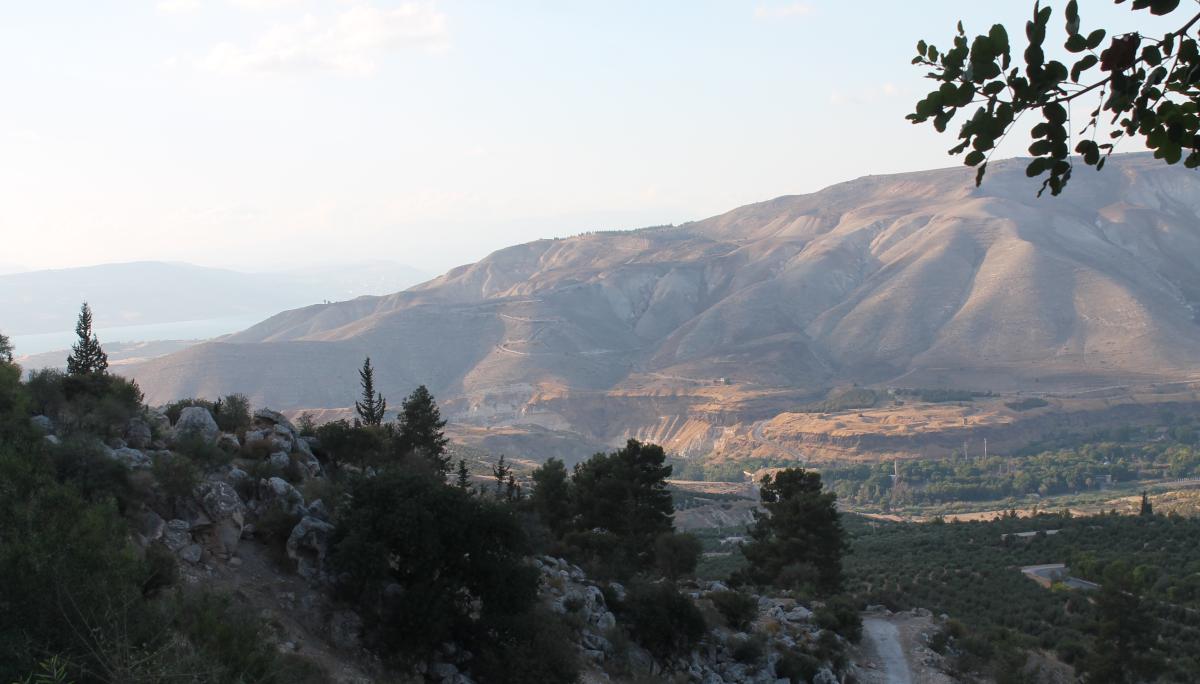
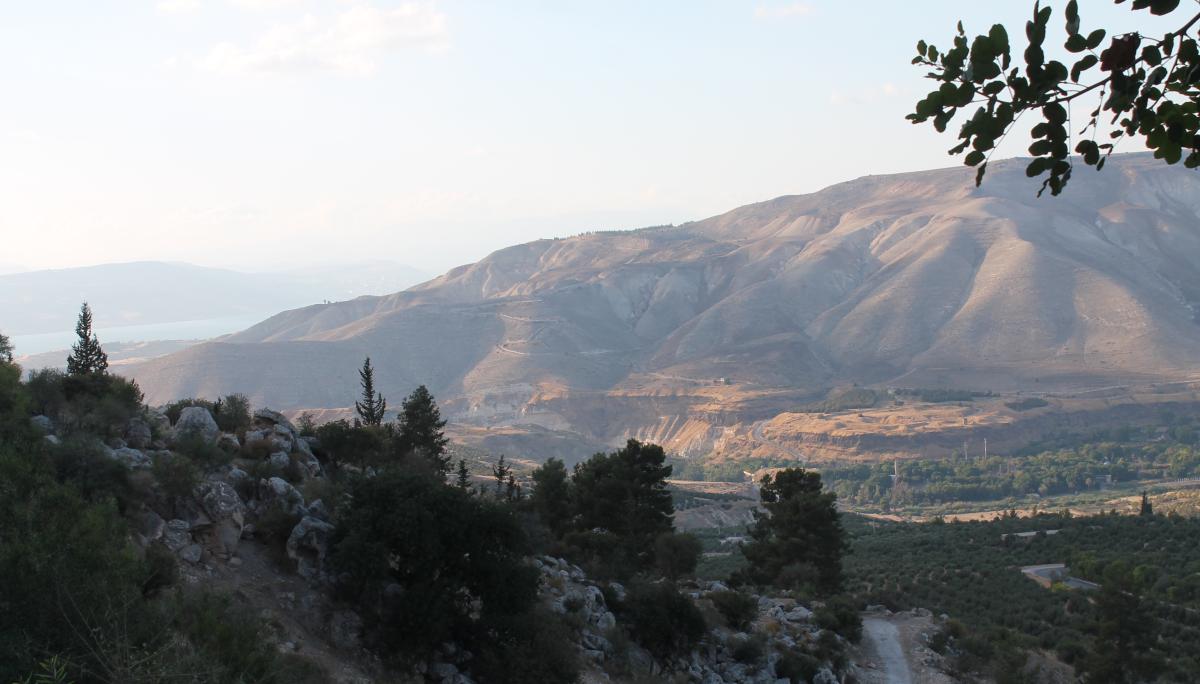
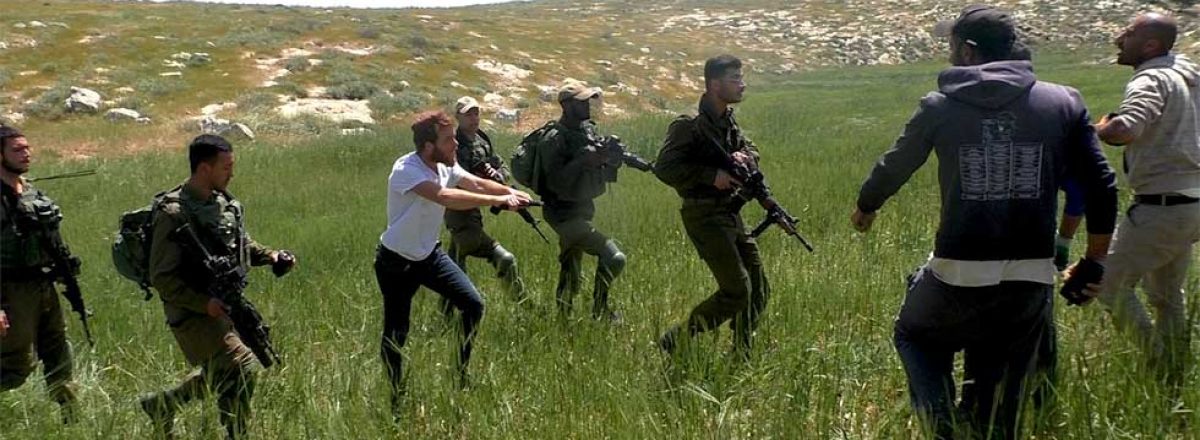
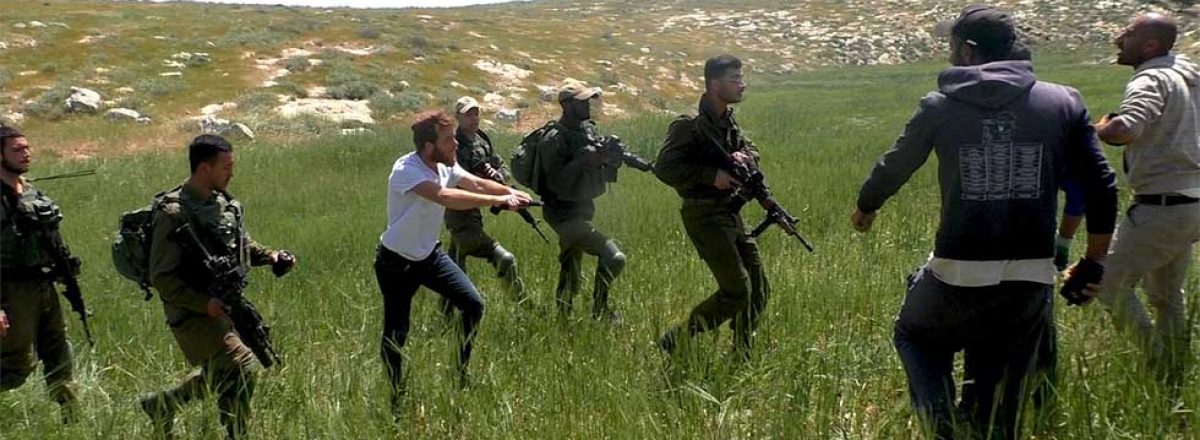
The Israel Defense Forces killed four Palestinians in an air-strike on the village of Siir, in Jenindistrict of the occupied West Bank. The Palestinian Red Crescent reported that Israeli forces “prevented our teams from reaching the bombing site,” declaring it a “closed military zone.” Two days later, an IDF drone strike near the village of Aqaba in the Jordan Valley left two dead. The IDF again reportedly prevented ambulances from reaching the site. Two days after that, fire-fights erupted in Jenin as Palestinian Authority security forces responded to the theft of military equipment. A PA statement said “a group of outlaws opened fire on the headquarters of the security services” and stole two vehicles. Despite the designation of “outlaws,” the vehicles were reportedly paraded through the streets by a band flying the flags of Islamic Jihad and Hamas. Sen. Tom Cotton (R-AR) has meanwhile introduced legislation to bar use of the term “West Bank” by the US government in favor of the official Israeli designation “Judea & Samaria.” (Photo: delayed gratification via New Jewish Resistance)

South Asia
Kurram

Pakistan: truce follows weeks of sectarian clashes

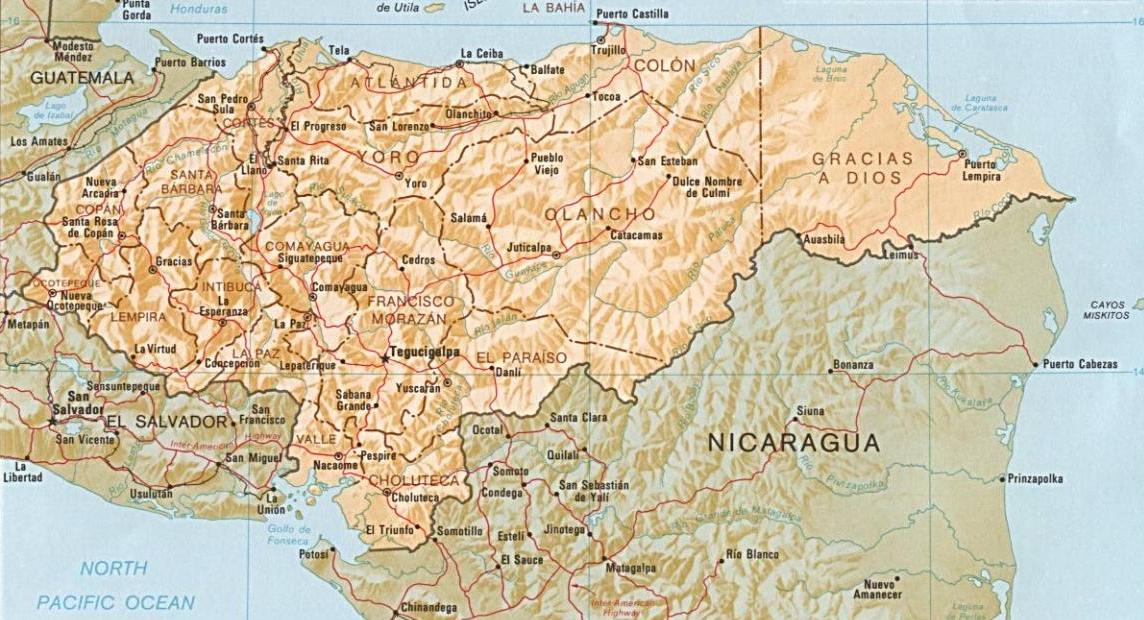
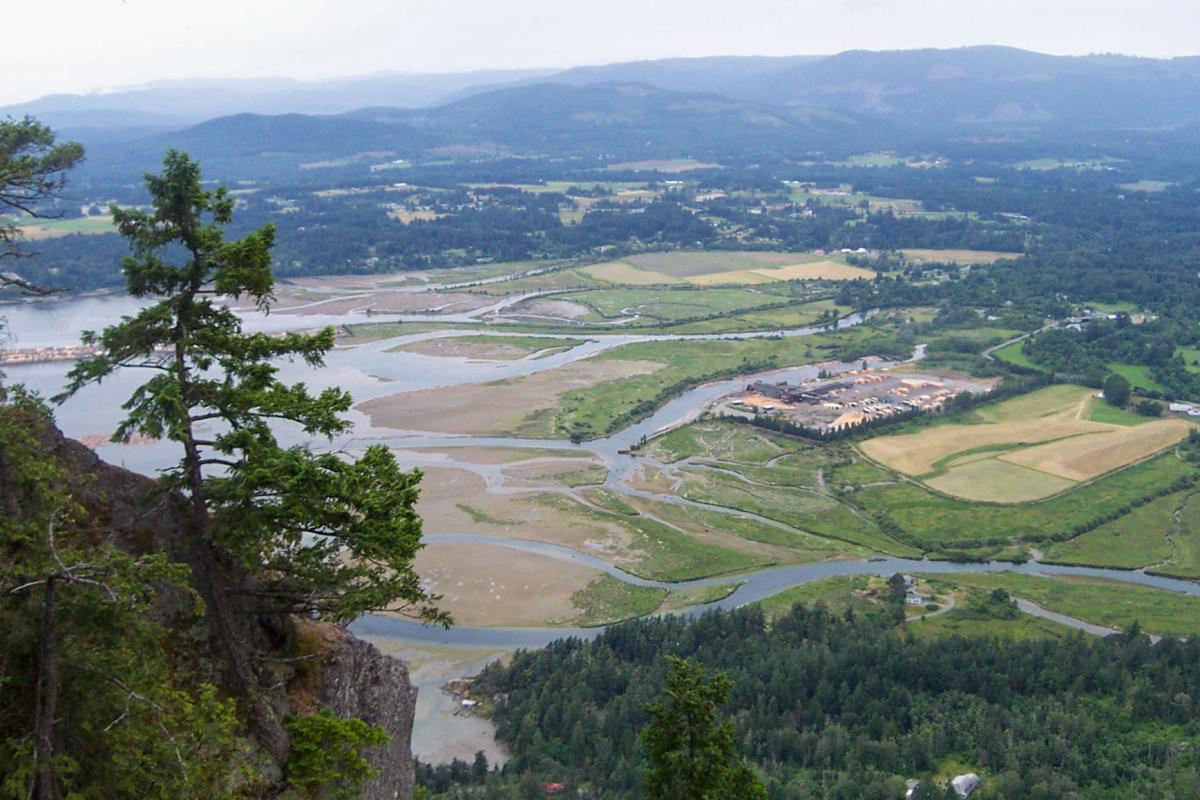
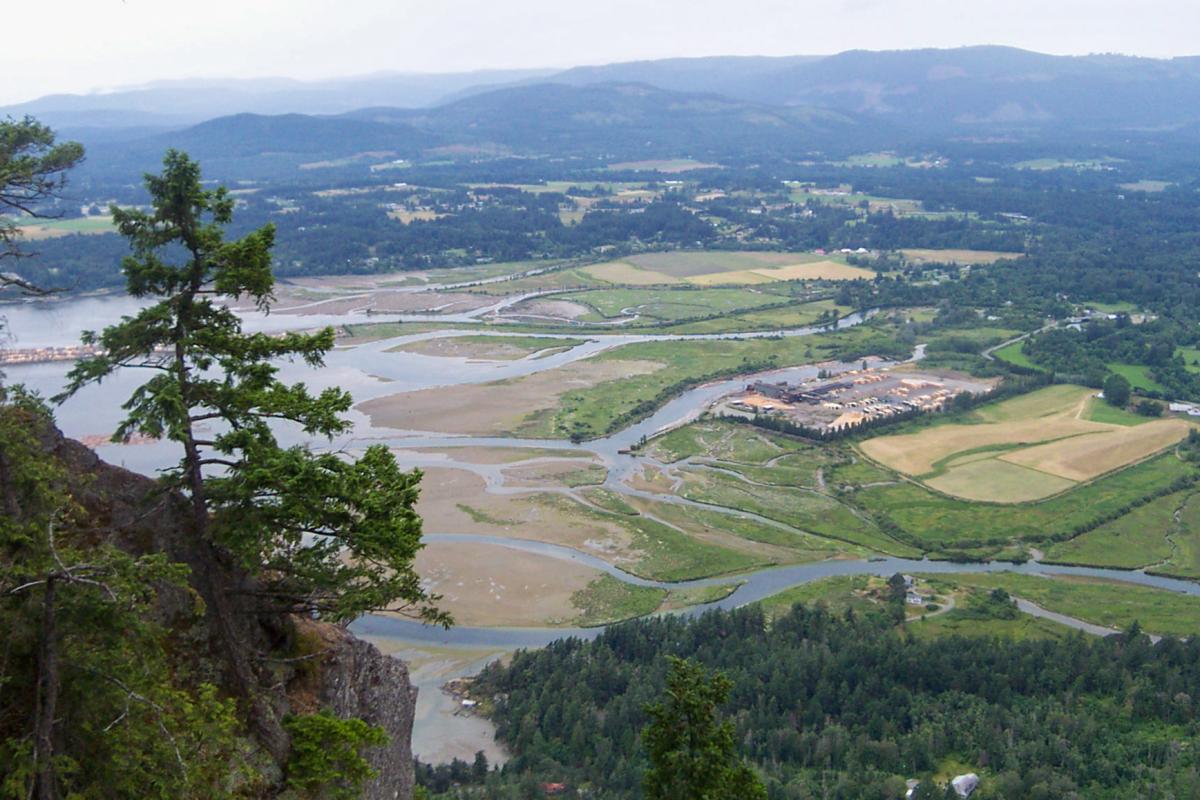
A ceasefire agreement was reached between two warring tribes in Pakistan’s restive Khyber Pakhtunkhwa province following weeks of clashes that left 130 people dead in Kurram district, along the border with Afghanistan. A Grand Jirga of tribal leaders was called to mediate the truce. The violence exploded when a convoy of Shi’ite pilgrims traveling to a shrine in Peshawar was ambushed by armed assailants, killing at least 42. The ensuing clashes pitted members of the mostly Shi’ite Bagan tribe against their Sunni neighbors, the Alizai, with shops and homes ransacked and whole villages displaced. A land dispute between the two tribes had also caused clashes that led to 50 fatalities in September, and ended when some 100,000 local residents marched for peace. (Map: USAID via ReliefWeb)

South Asia
Northeast India

India: new eruption of violence in Manipur

The state of Manipur in remote northeastern India has again erupted in protest, after the bodies of six women and children from the majority Meitei community were recovered. Meitei leaders say the victims were kidnapped and murdered by members of the Kuki minority. The demonstrations, which saw protesters torch the homes and offices of government officials, have led to several arrests. A proposed change to land-tenure law in the state in favor of the Meitei last summer set off months of protests, violence, and a communications shutdown. (Map via TFI Post)

Planet Watch
Azerbaijan

Global carbon emissions hit record high in 2024

Global carbon emissions from fossil fuels have hit a record high in 2024, with still no sign that they’ve peaked, according to a “carbon budget” assessment by the UK-based Global Carbon Project. Researchers found that burning of oil, gas and coal emitted 41.2 billion tons of carbon dioxide into the atmosphere in 2024, a 0.8% increase over 2023. When added to emissions generated by land-use changes such as deforestation, a total of 45.8 billion tons of CO2 was emitted in 2024. At this rate, the researchers see a 50% chance that global warming will exceed the 1.5 Celsius warming target set by the Paris Agreement within six years. The findings come as the UN climate talks open in Azerbaijan, where the parties are ostensibly negotiating ways to meet the Paris targets. But the leaders of the biggest carbon emitters—those nations responsible for 70% of 2023 emissions—did not bother to attend the gathering. (Photo of Azerbaijan oilfields: Indigoprime via Wikimedia Commons)

East Asia
Guangdong

Nuclear power and the struggle in Guangdong

In Episode 240 of the CounterVortex podcast, Bill Weinberg discusses China’s hubristic plans for massive expansion of its nuclear power sector—and notes that some of the new plants are slated for the southern province of Guangdong, which in recent years has seen repeated outbursts of protest over land-grabs and industrial pollution as well as wildcat labor actions (and was, in fact, the site of a nuclear accident in 2021). China’s expropriated peasant class has been left behind by the breakneck industrialization of the past decades, and may prove a source of resistance to the new thrust of nuclear development that would further accelerate it—despite the current crackdown on dissent. Listen on SoundCloud or via Patreon. (Map via ResearchGate)

North America
Line 3

Podcast: Tim Walz and the struggle in Minnesota

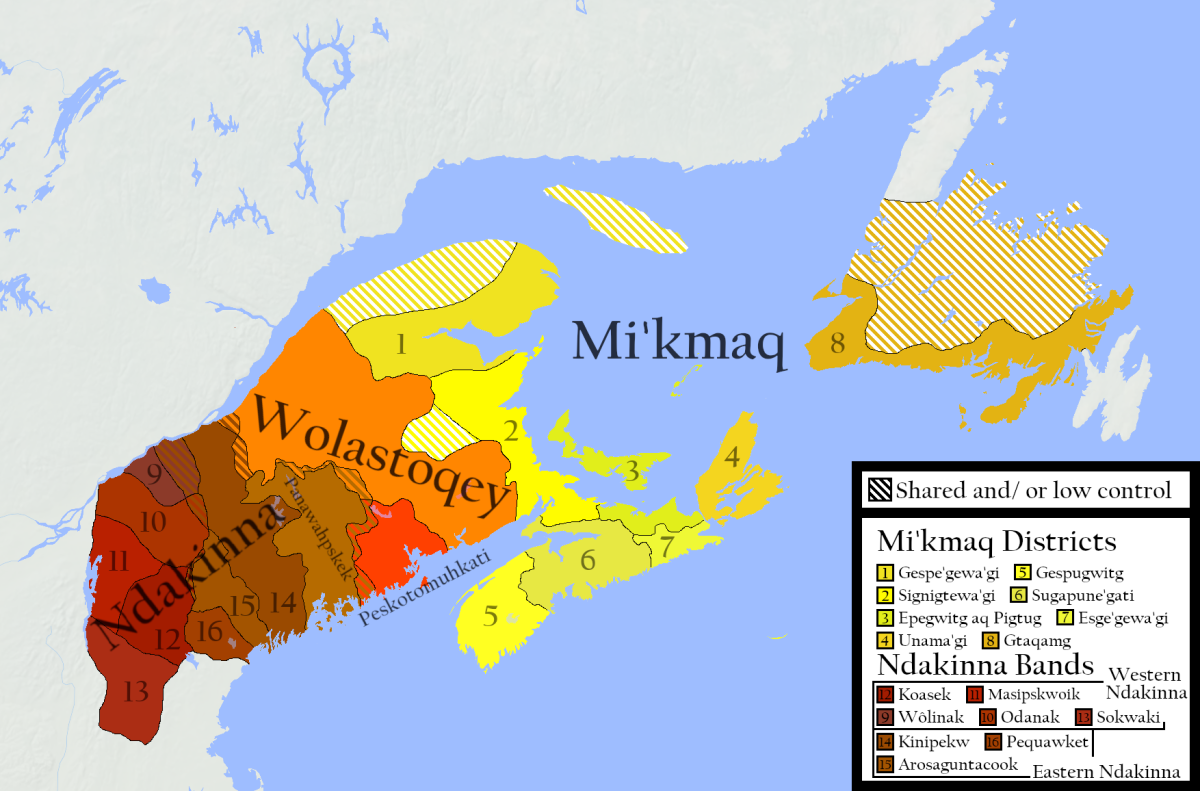
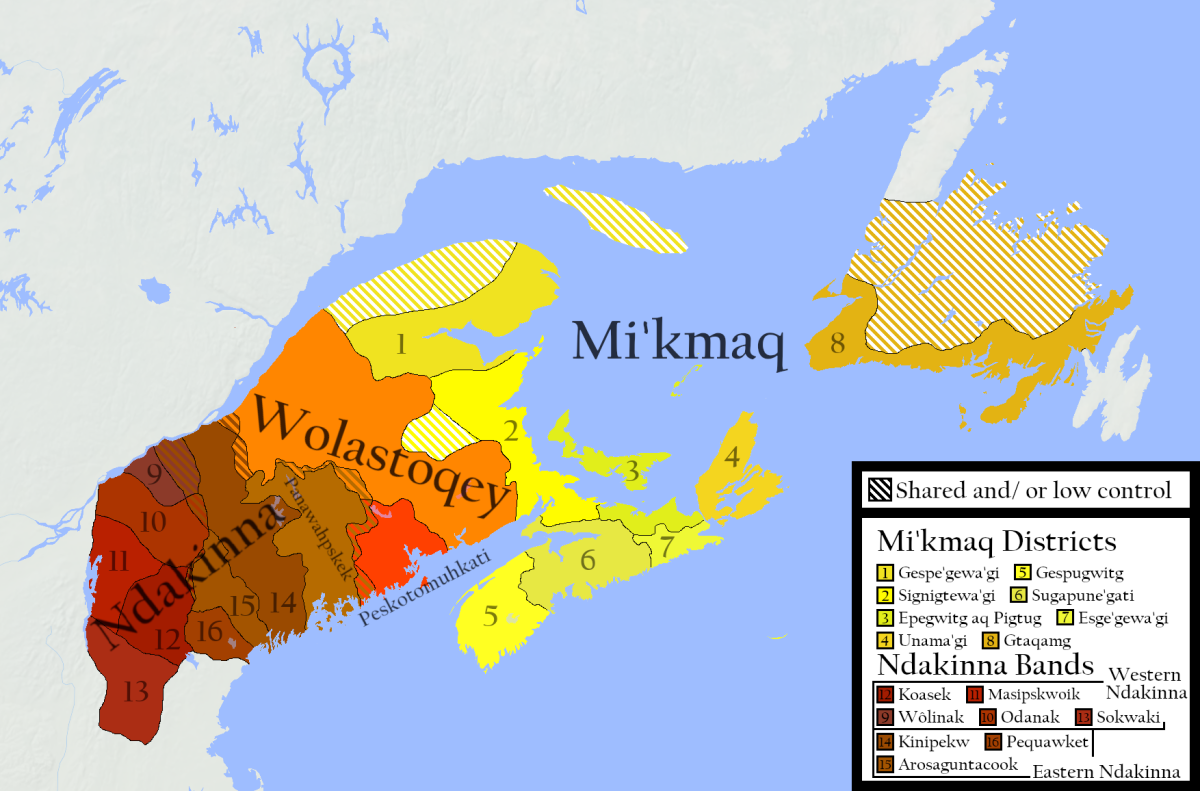
In Episode 238 of the CounterVortex podcast, Bill Weinberg takes stock of the Democratic ticket’s new vice presidential candidate Tim Walz and the role he played as Minnesota governor in two of the major activist struggles in the North Star State over the past years—the 2020 Black Lives Matter uprising, which began in Minneapolis; and the fight against Line 3, which delivers Canadian shale oil to US markets, and imperils the ancestral lands of the Anishinaabe indigenous people. Listen on SoundCloud or via Patreon. (Photo: Stop Line 3)

Watching the Shadows
Bialystok

From Baghdad to Bialystok —to Pico-Robertson

In Episode 232 of the CounterVortex podcast, Bill Weinberg examines the politics of the ugly dust-up between pro-Palestinian protesters and local Jewish residents in the Los Angeles neighborhood of Pico-Robertson—and notes the anniversary of June 1941 anti-Jewish pogroms in Bialystok, Poland, and Baghdad, Iraq. Propagandistic and distorted portrayals of the LA protest as mere arbitrary anti-Semitism ignore the fact that the targeted synagogue was hosting a real estate event promoting sale of lands to create “Anglo neighborhoods” in Israel, and probably in the occupied West Bank (which would be a clear violation of international law). On the other hand, insensitivity to (or ignorance of) the historical context(and contemporary context) that makes an angry protest outside a synagogue an inevitably problematic “optic” only abets the propaganda. Listen on SoundCloud or via Patreon. (Photo: The Great Synagogue of Bialystok before it was destroyed by the Nazis in 1941. Via Jewish Historical Institute)

Mexico
Michoacán

‘Blood avocados’ in the news amid Michoacán violence

The US Department of Agriculture suspended inspections of avocados in the Mexican state of Michoacán due to security concerns, halting the top source of US imports. The move was taken after two agents of the USDA’s Animal & Plant Health Inspection Service (APHIS) were accosted during a protest in the town of Paracho, beaten and briefly detained. Michoacán is Mexico’s heartland of avocado production, but the trade has been notoriously co-opted by the local warring drug cartels to launder narco-profits, leading to charges of “blood avocados” in the violence-torn state. (Map: Google)

Africa

Podcast: a cannabis coup in the Congo?

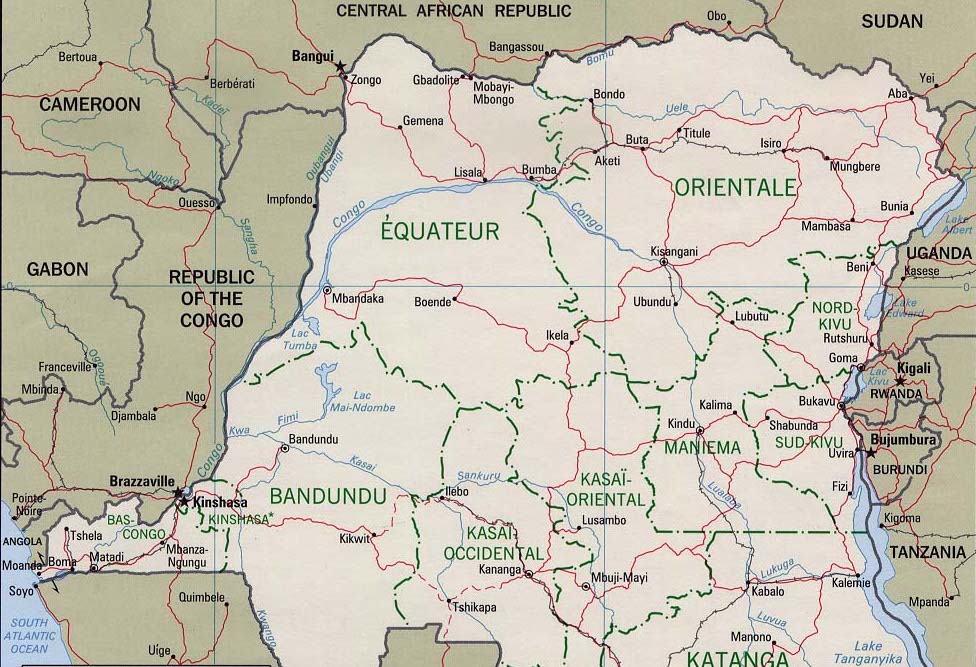
The attempted coup d’etat in the Democratic Republic of the Congo may or may not have been assisted by the CIA, but one of the Americans arrested in the affair is named as a “cannabis entrepreneur“—pointing to the possibility of legal cannabis playing the same destructive role in Central Africa that bananas have played in Central America. Yet while corporate power sees a lucrative new cash crop, lives (and especially Black lives) are still being ruined by cannabis prohibition in the United States. In Episode 228 of the CounterVortex podcast, Bill Weinberg argues that the old anarchist slogan “Neither your war nor your peace” can be updated as “Neither your prohibition nor your legalization!” Listen on SoundCloud or via Patreon. (Map: CIA)

Planet Watch
UNDROP

World peasant movements mobilize for UNDROP

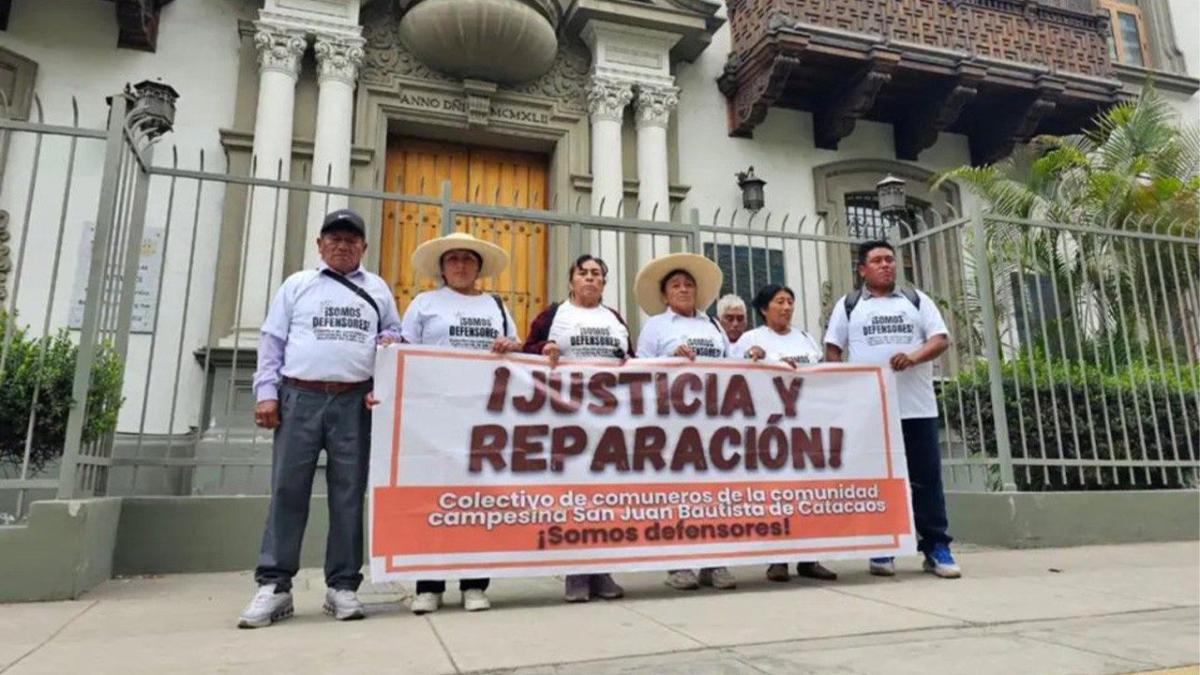
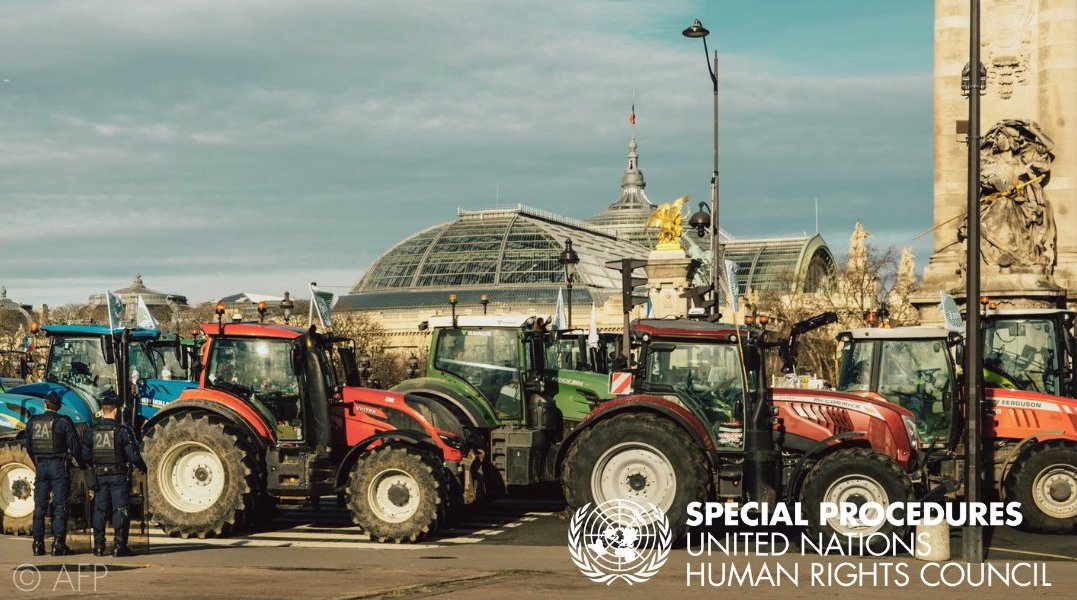
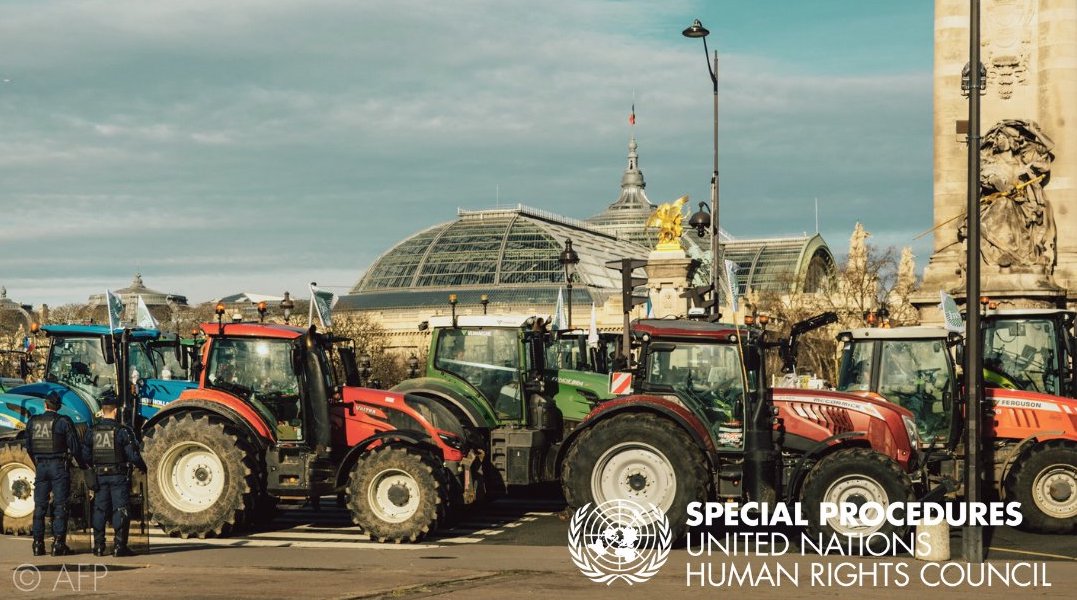
The world organization for land-rooted peasant farmers, Vía Campesina, launched an international campaign for full approval of the UN Declaration on the Rights of Peasants & Other People Working in Rural Areas (UNDROP), and for implementation of policies in line with its principles. Several events were held around the world marking the International Day of Peasant Struggle. El Salvador was one of the first countries to commit to ratifying UNDROP after it was adopted by the UN Human Rights Council in 2018. However, Vía Campesina affiliates in the Central American nation accused the government of pursuing policies contrary to its spirit, noting that in the years since then, there has been a reduction in cultivated areas of maize and beans, with a loss of at least 10,000 hectares of maize. (Image: Vía Campesina)

Iraq
Kirkuk

Oil, ethnicity at issue in Kirkuk land dispute

Residents of a disputed neighborhood in Iraq’s northern city of Kirkuk staged a sit-in to protest eviction orders and criminal charges filed against them by a state-owned oil company. Hundreds of Kurdish families who were pushed out of Kirkuk during Saddam Hussein’s Arabization campaign returned to the city following the fall of his regime in 2003. With their former homes now occupied by Arab families, many took up residence in a residential complex in Arafa neighborhood, previously inhabited by functionaries of Saddam’s Baath party. Now, the North Oil Company is claiming ownership of the residential complex, and ordering the Kurdish families to vacate. Arrest orders have been issued against residents who have refused to comply. In the background lie ongoing tensions between Baghdad and the Kurdistan Regional Government over control of the Kirkuk oil-fields. (Photo: Rudaw)

The Amazon
Secoya

Ecuador: court orders return of Siekopai homeland

In what is being hailed as an historic decision, an appeals court in Ecuador ordered the return of a 42,360-hectare expanse of the Amazon rainforest to the Siekopai indigenous people, generations after they were driven from the territory by the military. The Provincial Court of Sucumbios ruled that the Siekopai retain indigenous title to their ancestral homeland, known as Pë’këya, which lies along the border with Peru in remote country. The lands were seized by Ecuador’s army during the war with Peru in 1941, and remained a military-controlled zone until being incorporated into Cuyabeno Wildlife Reserve in 1979. Ecuador’s Ministry of Environment has been given 45 days to deliver a property title to the Siekopai Nation, and make public apologies for the usurpation of their homeland. (Photo: Amazon Frontlines)