

Greater Middle East
P1000128

mosque128

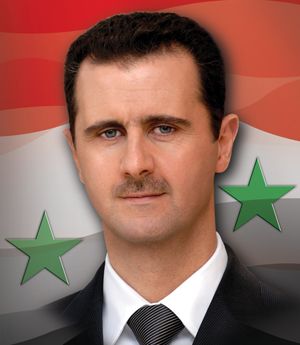
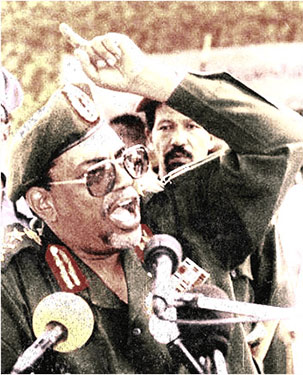
Bashar AssadOmar BashirSeeking to legitimize his regime now that he's reconquered most of Syria (with massive Russian military help), Bashar Assad has just welcomed the first Arab League leader to Damascus since the war began in 2011—none other than President Omar Bashir of Sudan, who is wanted by the International Criminal Court for crimes against humanity and genocide in Darfur. The Assad regime's official news agency SANA said the two dictators discussed the "situations and crises faced by many Arab countries," stressing the need to build "new principles for inter-Arab relations based on the respect of the sovereignty of countries and non-interference in internal affairs." The Assad regime is itself now credibly accused of genocide, with a mass extermination of detainees amply documented, not to mention serial use of chemical weapons and massive bombardment of civilian populations. Assad and his generals may yet face war crimes charges before the ICC. (Photos: Pinterest, BashirWatch)
Iraq
P1000085 1

mosque3

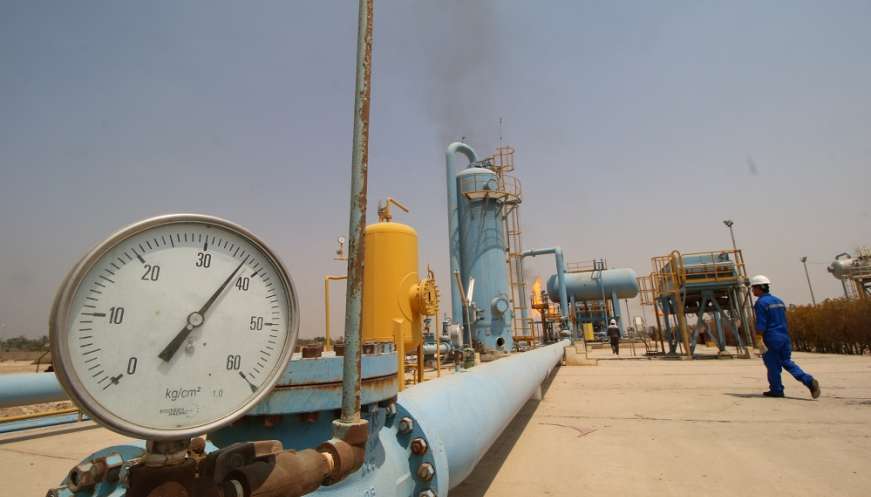
KRG pipelineThe export of oil from northern Iraq's contested enclave of Kirkuk is to resume under a deal struck between Baghdad and the Kurdistan Regional Government (KRG), Iraq's Ministry of Oil announced. With Baghdad's Kirkuk-Ceyhan pipeline disabled during fighting with ISIS, the so-called KRG pipeline is currently the only method of delivering Kirkuk oil to foreign markets other than through Iran. That route has now also been cut off by the resumption of US sanctions against the Islamic Republic. But Baghdad and the KRG have long been at odds over terms, and the situation was worsened with the central government's seizure last year of Kirkuk and its oil-fields, which had been in Kurdish hands since the KRG routed ISIS from the enclave in 2014. US National Security Advisor John Bolton welcomed the agreement between Baghdad and the KRG as a "promising first step to return to 2017 levels." The KRG pipeline is jointly owned by the Erbil-based KRG, BP and Russia's Rosneft. (Photo via Iraqi News Agency)

Greater Middle East
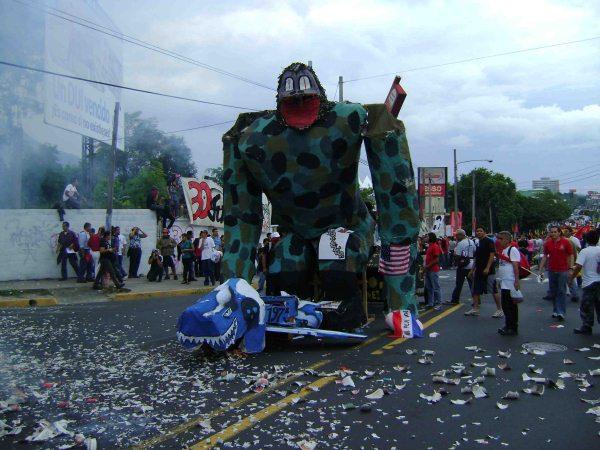
yanqui gorila

GOR

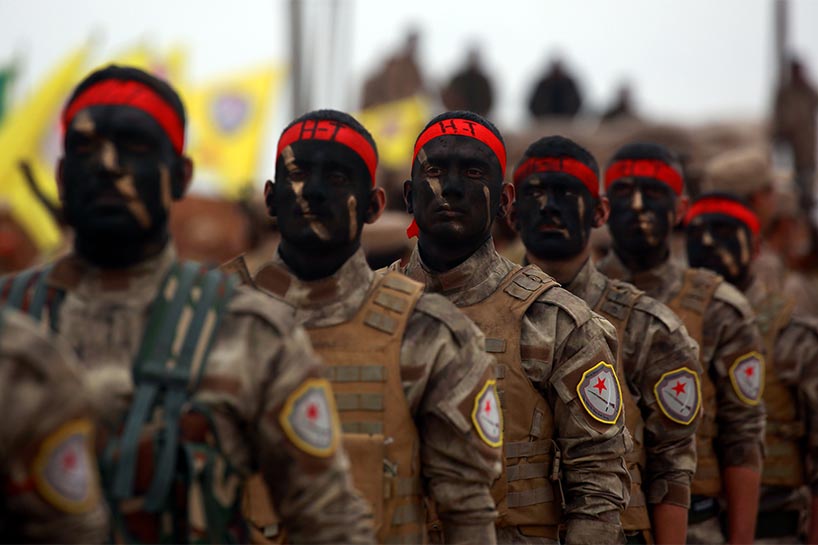
SDFThe US-backed, Kurdish-led Syrian Democratic Forces (SDF) announced that they have temporarily halted their campaign against ISIS after they were bombarded for the second time in four days by Turkish forces. With Turkish President Recep Tayyip Erdoğan promising to "wipe out" the Kurdish YPG militia, calling them "terrorists," his forces in northern Syria attacked YPG positions east of the Euphrates River. The YPG, or People's Protection Units, constitute the central pillar of the US-backed SDF, which Washington continues to support with some 2,000 embedded troops. At least 10 YPG fighters were reported killed in the Turkish shelling of territory in the Kurdish autonomous canton of Kobani. The SDF said in a statement: "Turkish attacks in the north and ISIS attacks in the south against our troops had forced us to stop our current operation temporarily against ISIS in its last pocket… We call upon the international community to condemn the Turkish provocations." The statement claimed that YPG fighters responded to the shelling with artillery and machine-gun fire, destroying a Turkish military vehicle and border post. (Image of SDF fighters via Rudaw)

Greater Middle East
P1000553 copia copy

madre

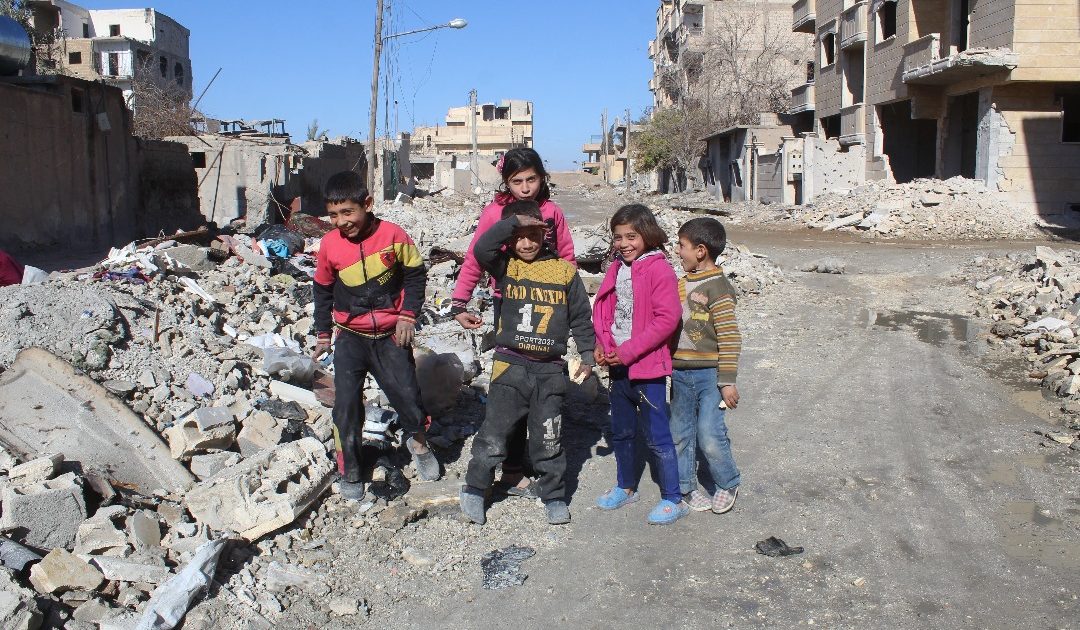
RaqqaThe US-led Coalition's ongoing failure to admit to, let alone adequately investigate, the shocking scale of civilian deaths and destruction it caused in Raqqa is a "slap in the face" for survivors trying to rebuild their lives and their city, said Amnesty International a year after the offensive to oust ISIS. In October 2017, following a fierce four-month battle, the Syrian Democratic Forces (SDF)—the Coalition's Kurdish-led partners on the ground—announced victory over ISIS, which had used civilians as human shields and committed other war crimes in besieged Raqqa. Winning the battle came at a terrible price—almost 80% of the city was destroyed and many hundreds of civilians lay dead, the majority killed by Coalition bombardment. In a September 2018 letter to Amnesty, the Pentagon made clear it accepts no liability for civilian casualties. The Coalition does not plan to compensate survivors and relatives of those killed in Raqqa, and refuses to provide further information about the circumstances behind strikes that killed and maimed civilians. (Photo: SDF)

Iraq

Iran bombs Iraqi Kurdistan

Iran launched a cross-border air attack on Kurdish rebel positions in Iraq—the first time Tehran has used aircraft against Kurdish guerillas.

Greater Middle East
logomartyrs2

FFR

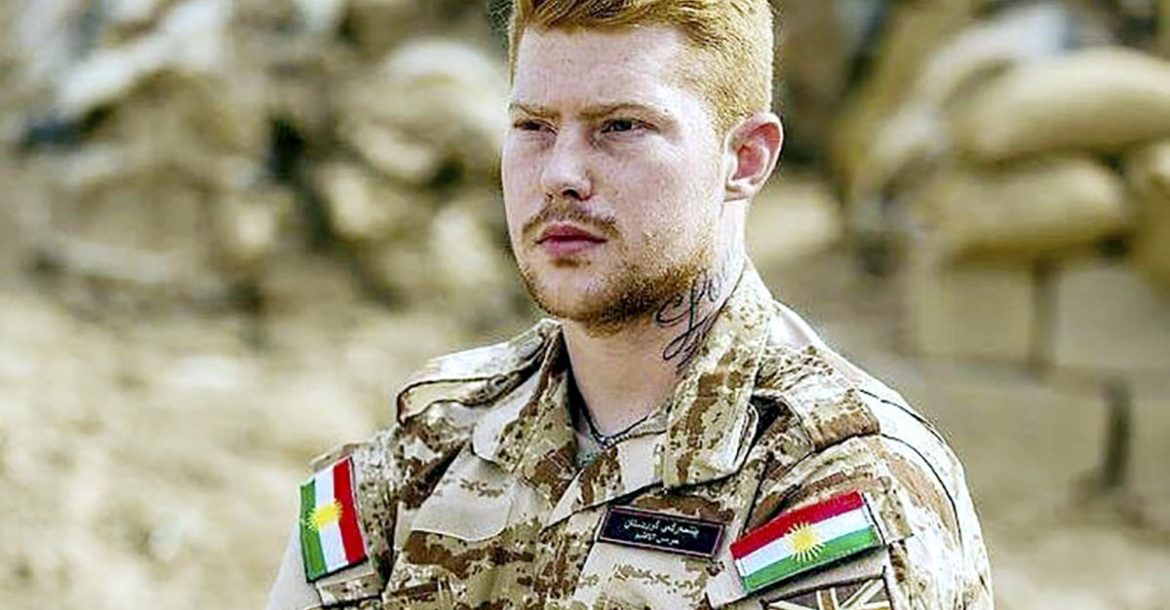
joe robinsonA Turkish court sentenced a former British soldier to seven-and-a-half years for alleged links to Syria's Kurdish YPG militia, considered a "terrorist" group by Ankara. Joe Robinson of Leeds was arrested in Turkey last year after he apparently posted photos of himself in camouflage, posing beside fighters of the People's Protection Units (YPG) in Syria. The Afghanistan veteran was among many volunteers who joined the YPG's campaign against ISIS. A court in Turkey's western city of Aydin sentenced the 25-year-old for "membership in a terrorist organization." Robinson is currently on bail and planning an appeal. His Bulgarian fiancée Mira Rojkan, arrested along with him, was sentenced to two years for "terrorist propaganda." (Photo via Defense Post)

Greater Middle East
IFClogo

IFC

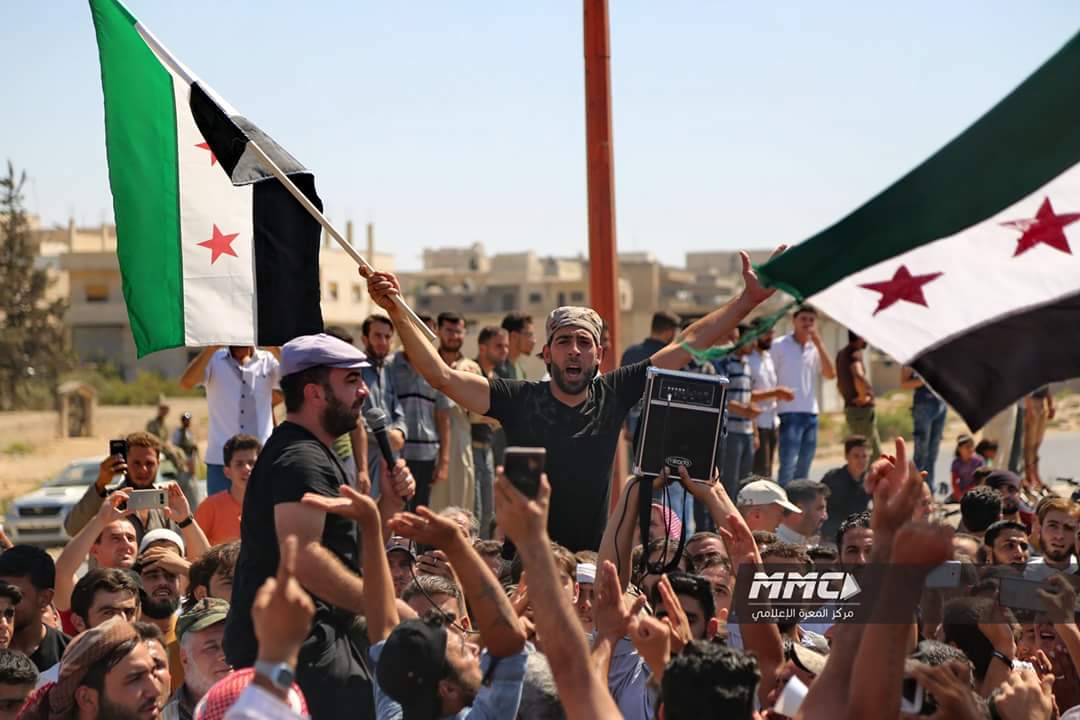
Idlib protestAs the Assad regime and its Russian backers prepare an offensive to take Idlib, the last area of opposition control in Syria, the people of the northern province have been holding demonstrations, organized by the civil resistance, waving the Free Syria flag and calling on the world to act to prevent the impending massacre there. But dozens of Kurdish fighters who had fought in the Syrian Democratic Forces (SDF), in the US-backed campaign against ISIS, are now reported to have joined the regime offensive on Idlib. The SDF's civilian wing, the Syrian Democratic Council, has sent a delegation to Damascus to open talks on coming to accommodations with the Assad regime. Despite these overtures, the regime continues to reject any recognition of the Kurdish autonomous zone of Rojava. The Rojava Kurds have had to make very hard decisions. Despite their leftist politics, they allied with US imperialism against ISIS. They now appear to be closing ranks with the Assad regime—because Turkey, which wants to crush them, is backing the Free Syrian Army. Kurds and Arabs have been pitted against each other by the Great Powers. But just as the Kurds are likely to be betrayed by the US in a carve-up deal with Turkey now that ISIS is effectively defeated, they may similarly be betrayed by Assad once the FSA is defeated. (Photo: EA Worldview)

Greater Middle East
fire7jpeg 0

FIRE7

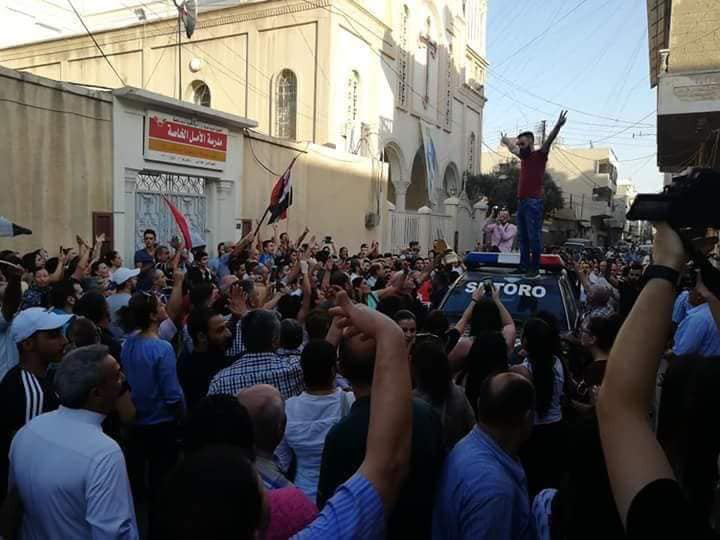
Assyrian protestA disturbing report from the Assyrian Policy Institute provides details on an incident in the northern Syrian town of Qamishli in which Kurdish militia fighters supposedly opened fire during a protest by local Assyrian Christians. The incident began when militia forces attempted to carry out an order by Rojava regional authorities to close Assyrian parochial schools in the town following their refusal to accept a new curriculum that school administrators said emphasized Kurdish nationalism. It ended when militiamen fired in the air to disperse the protesters who gathered at the scene. (Image: Assyrian Policy Institute) 

Iraq
fire3

FIRE3

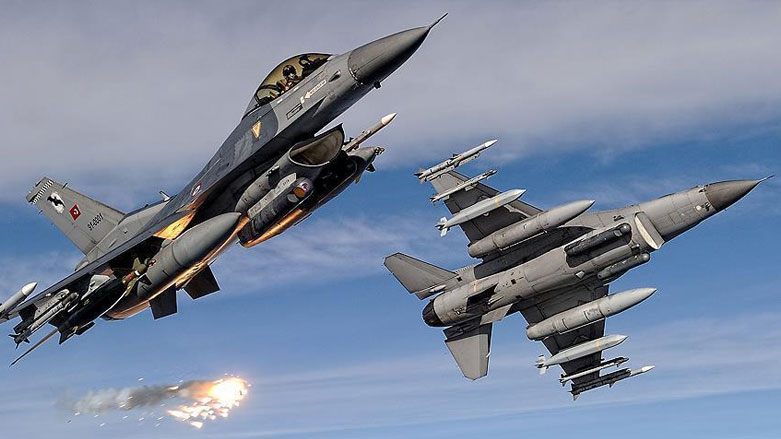
Turkish jetsAuthorities in Ezidikhan, the self-declared Yazidi autonomous homeland in northern Iraq, issued a statement protesting a Turkish air-raid on their territory. The attack was apparently a targeted assassination of Yazidi leader Zeki Şengali, who is a representative of the Union of Communities in Kurdistan (KCK), the international body in the political orbit of the Kurdistan Workers Party (PKK). Four members of the Yazidi territorial militia, the Sinjar Protection Units (YBS), were also killed in the attack, and a home destroyed. The raid actually took place as Iraqi Prime Minister Haider al-Abadi was on an official trip to Turkey, sparking outrage from some Iraqi officials. (Photo: Kurdistan 24)

Greater Middle East
GUSH

Israelis protest Gaza aggression

RaqqaThe US State Department harshly condemned the Syrian regime over thousands of death notices it has released in recent weeks, saying they confirm suspicions of mass detentions, torture and murder. The State Department said that over 117,000 are believed to have been detained or forcibly disappeared in Syria since the conflict began in 2011, "the vast majority" by the regime. Amnesty International meanwhile issued a statement protesting the US-led Coalition’s "flurry of responses" rejecting the findings of its recent report on devastation wrought by the aerial bombardment of Raqqa last year, revealing "how deeply in denial the Coalition leadership is about its failure to protect civilians caught in conflict." (Photo: SDF)

Greater Middle East
athens3 0

Greek youth fight back

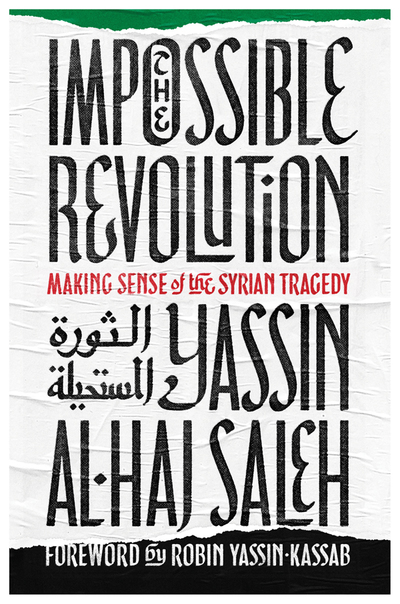
Impossible RevolutionThis book is a necessary corrective to the dominant perception—left, right and center—that the opposition in Syria are all jihadists and dictator Bashar Assad the best bet for "stability." Long a left-wing dissident in Assad's Syria, Saleh is a veteran of the dictator's prisons. Here, he traces the origins of the Syrian revolution to agony caused by the regime's "economic liberalization" (socialist phrases aside), describes the initially unarmed opposition's popular-democratic nature, and discusses the struggle to keep the Free Syrian Army accountable to this grassroots base after it became clear a military dimension to the revolution was necessary. He makes the case that the Assad regime can be termed "fascist" even by the most rigorous definition, and has been making good on its pledge to "burn the country" before ceding power. (Image: Haymarket Books)

Greater Middle East
resize

Photo: GJEC

Syria fighterWith the fall of Syria's southern province of Daraa to Assad regime forces, only Idlib in the north remains as a last pocket of opposition control. The besieged rebel forces there are anticipating a final offensive by Assad and his Russian backers. But a complicating factor is that Turkey is occupying areas of Idlib, which means an offensive there threatens international escalation. Speaking to reporters before heading for a summit of emerging market countries in South Africa, Turkey's Recep Tayyip Erdogan said he would speak there with Vladimir Putin about how to resolve "the issue of Idlib." This points to a possible carve-up deal, in which the bulk of Syria falls under Assad with Russian protection, Idlib remains under rebel control with Turkish protection, and the northeastern Rojava region will remain a Kurdish autonomous zone under US protection. (Photo: Syria News)