The Andes
Ecuador

Rights abuses seen in US-Ecuador joint operations

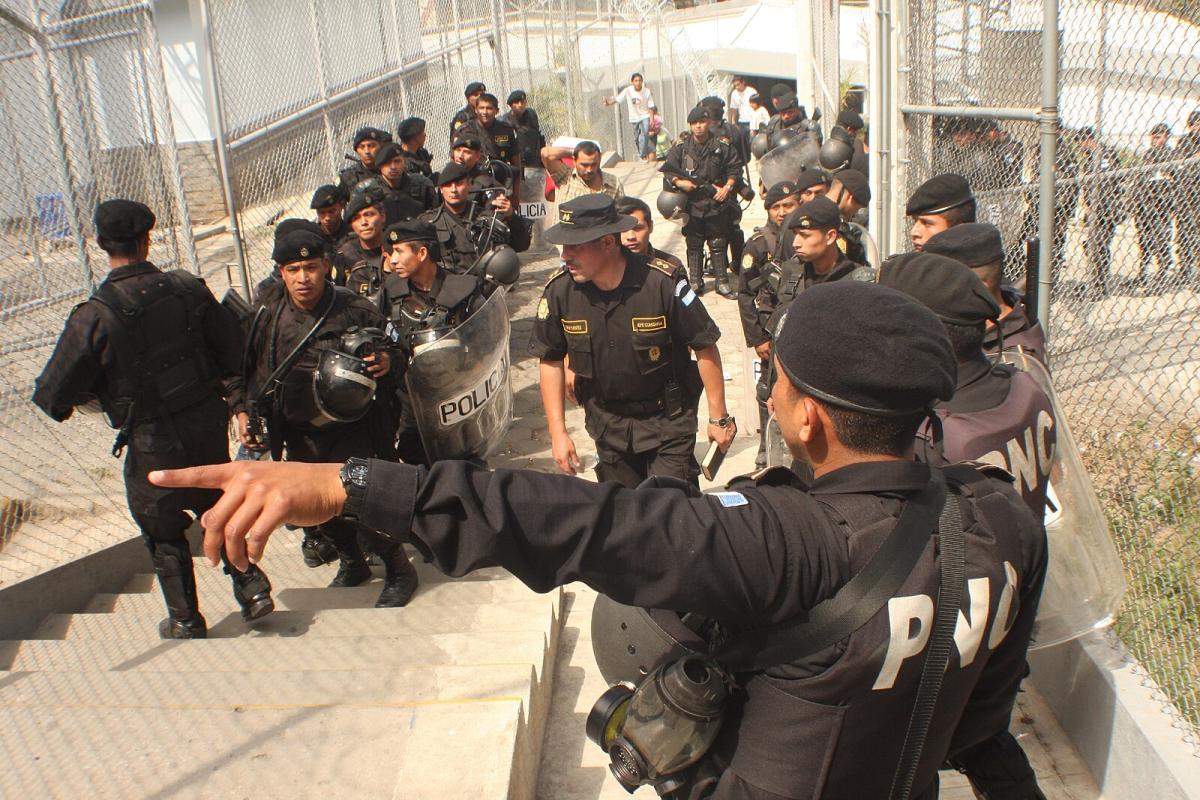
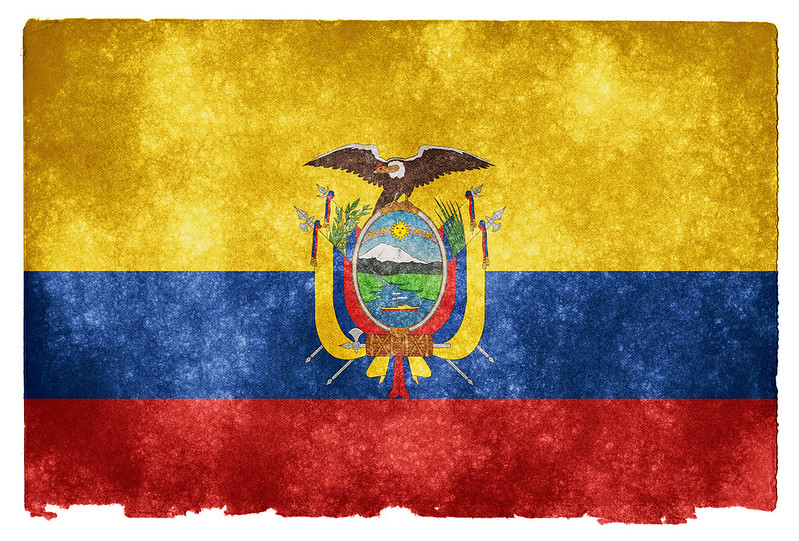
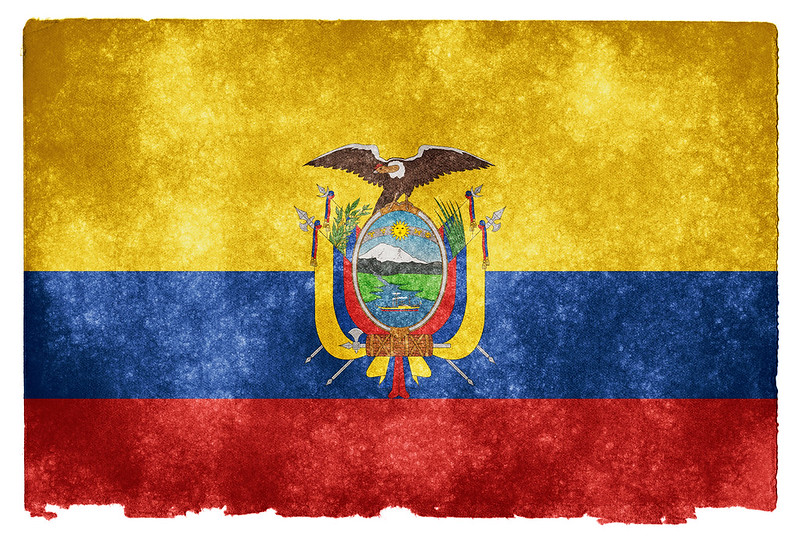
Human Rights Watch released a report detailing four attacks on Ecuadorian persons, properties and vessels that they attribute to an intensified counter-narcotics campaign led by the US with the partnership of the Ecuadorian government. The first attack took place in March on the farming community of San Martín, Sucumbíos province, and was confirmed by the US government as a partnered military operation. The remaining three incidents took place at sea, off Ecuador’s Pacific coast. They are the January disappearance of the Fiorella, an Ecuadorian fishing vessel, and March drone attacks on two other fishing vessels, La Negra Francisco Duarte II and the Don Maca. The US has denied responsibility in these maritime strikes. (Image: Nicolas Raymond via Flickr)

The Andes
Cuzco

US pushes ‘Donroe Doctrine’ at Cuzco defense summit

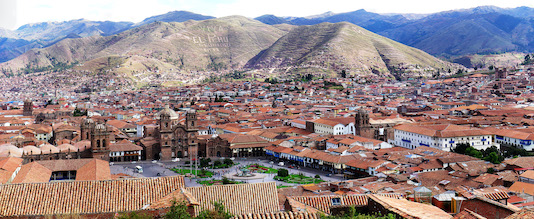
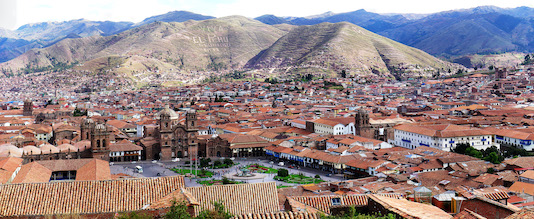
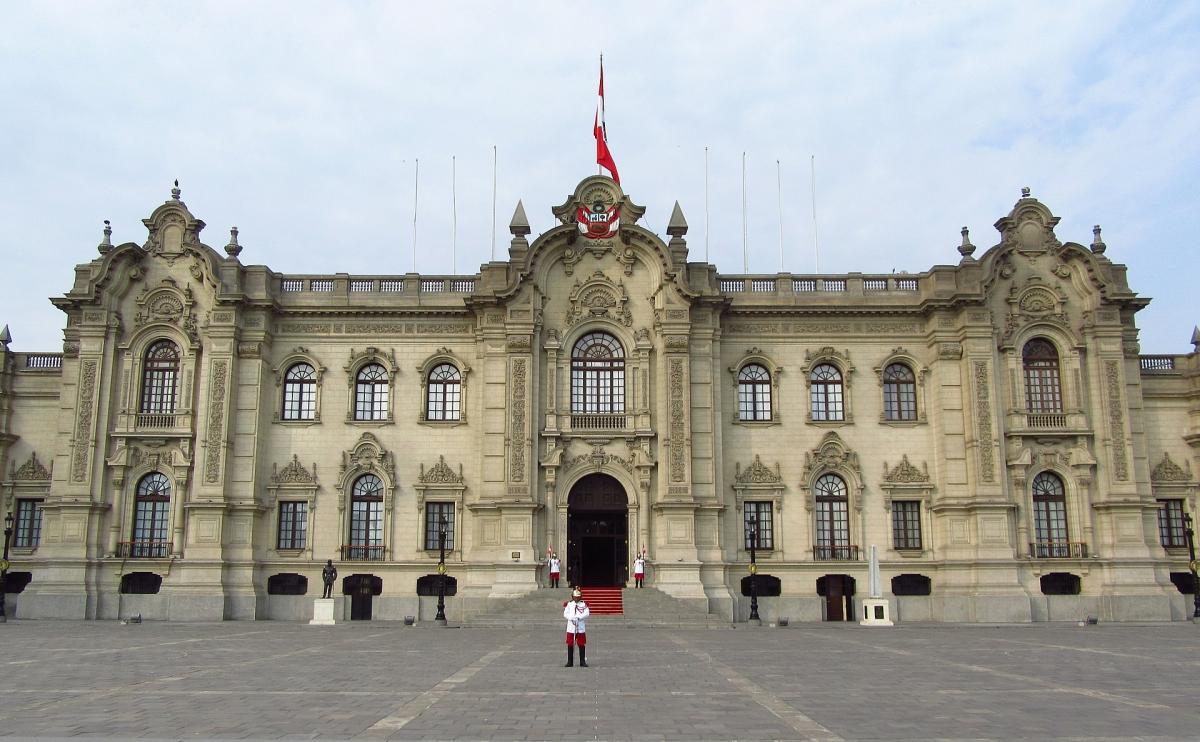
Representatives from over 30 countries gathered in the Peruvian city of Cuzco for the Conference of Defense Ministers of the Americas, where top Pentagon official Elbridge Colby used the occasion to defend the “Donroe Doctrine.” As at other regional security summits, including the “Shield of the Americas” conference held in Florida in March, Trump officials cast drug trafficking and irregular migration as threats to US security, urged regional governments to increase military spending, and called for deeper security collaboration with Washington. An increasing number of the right-wing governments in attendance have embraced closer military ties with the United States through joint strikes and new military bases—even as militarized policies fail to curb organized crime and violence in countries like Ecuador, a key testing ground for the administration’s renewed war on “narcoterrorism.” (Photo: Martin St-Amant via Wikimedia Commons)
The Andes
Colombia

Colombia: growing toll from armed conflict

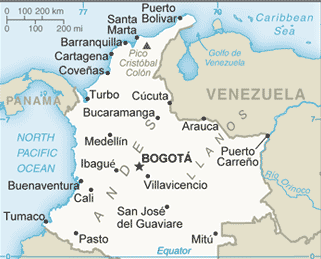
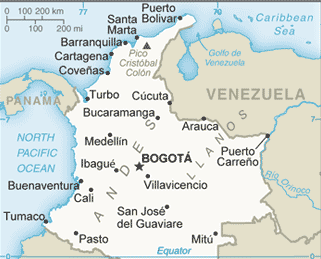
In its latest annual report, the International Committee of the Red Cross (ICRC) found that the armed conflict in Colombia saw the “worst humanitarian consequences” of the past decade in 2025. The number of people killed or injured by explosive devices rose by 34% to 965, overwhelmingly non-combatants. The number of individual disappearances doubled to 308. Violations of international humanitarian law documented by the ICRC reached 845 cases, while figures for displacement and “confinement” doubled. According to the Comprehensive Victim Support & Reparation Unit (UARIV), at least 235,619 people were displaced individually in 2025, while 87,069 were displaced in mass displacement events, and 176,730 remained “confined” in communities under siege by armed actors. (Map: PCL)

The Caribbean
Coast Guard

Identifying victims of the US boat strikes

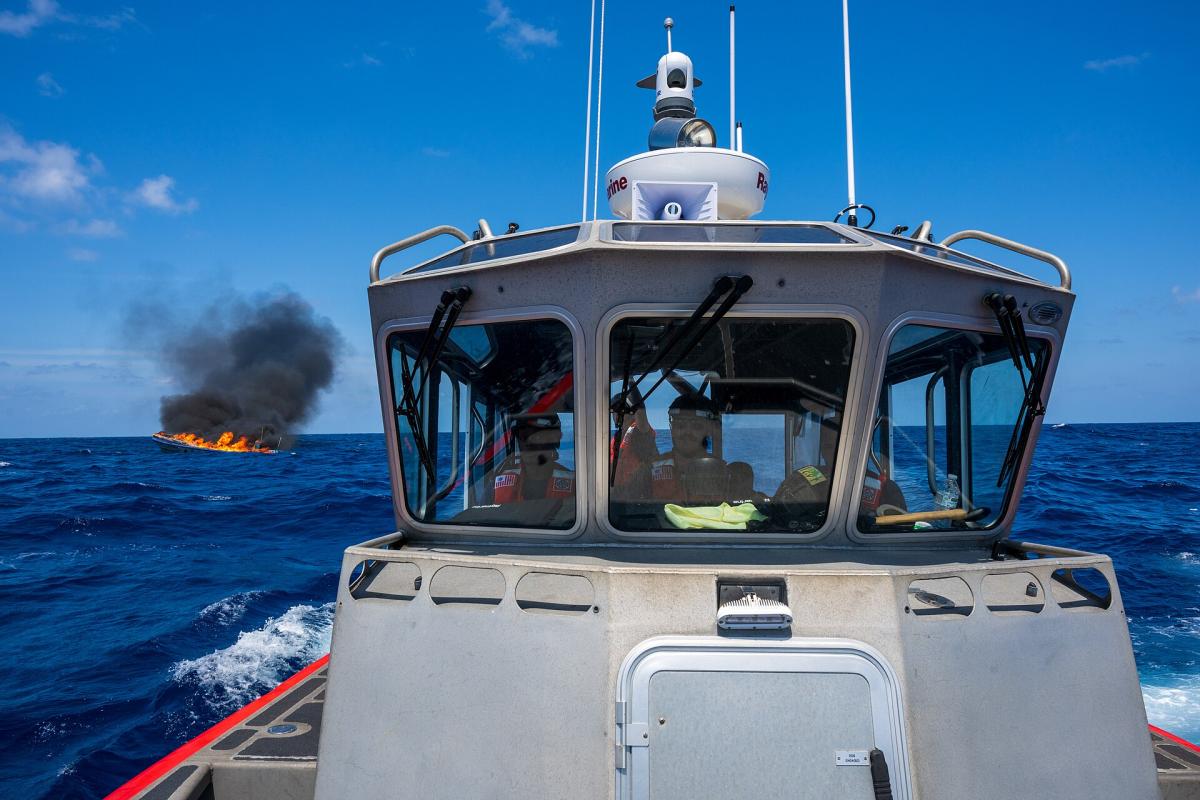
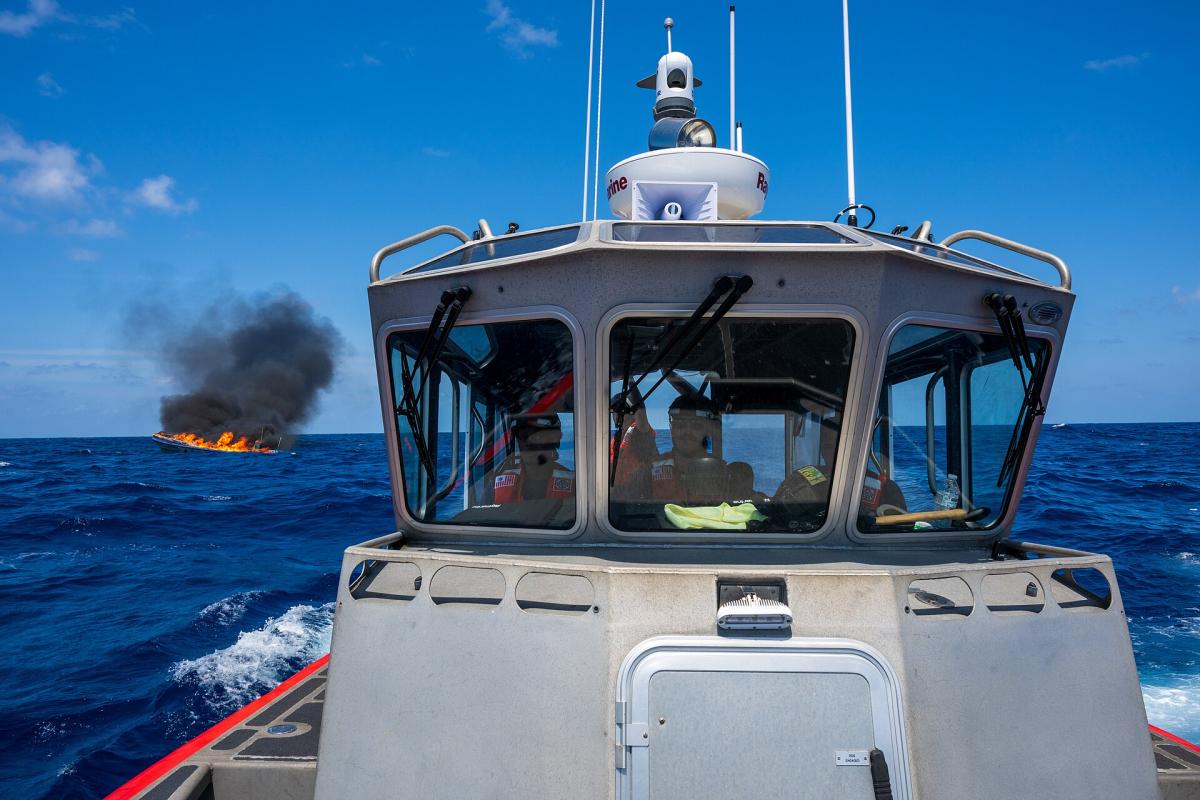
Nearly 200 people have been killed since the US started bombing boats supposedly believed to be carrying drugs in the Caribbean and Eastern Pacific last September—and the figure keeps rising. The strikes have caused an international outcry over the violation of international human rights law, but there has been little information about the victims themselves. A months-long cross-border investigation coordinated by the Latin American Center for Investigative Journalism (CLIP) has now managed to piece together the details of over 20 of the young men believed to have been killed, plus three survivors. They were overwhelmingly poor fishermen and small boat operators without criminal records. They came from economically vulnerable coastal communities, including in Colombia, Venezuela, Saint Lucia, Trinidad & Tobago and Ecuador. The investigation identified each of the boats targeted and noted that their home governments have failed so far to investigate the attacks. (US Coast Guard via Wikimedia Commons)
Watching the Shadows
deportees

Trump admin has transferred 17,400 to ‘third countries’

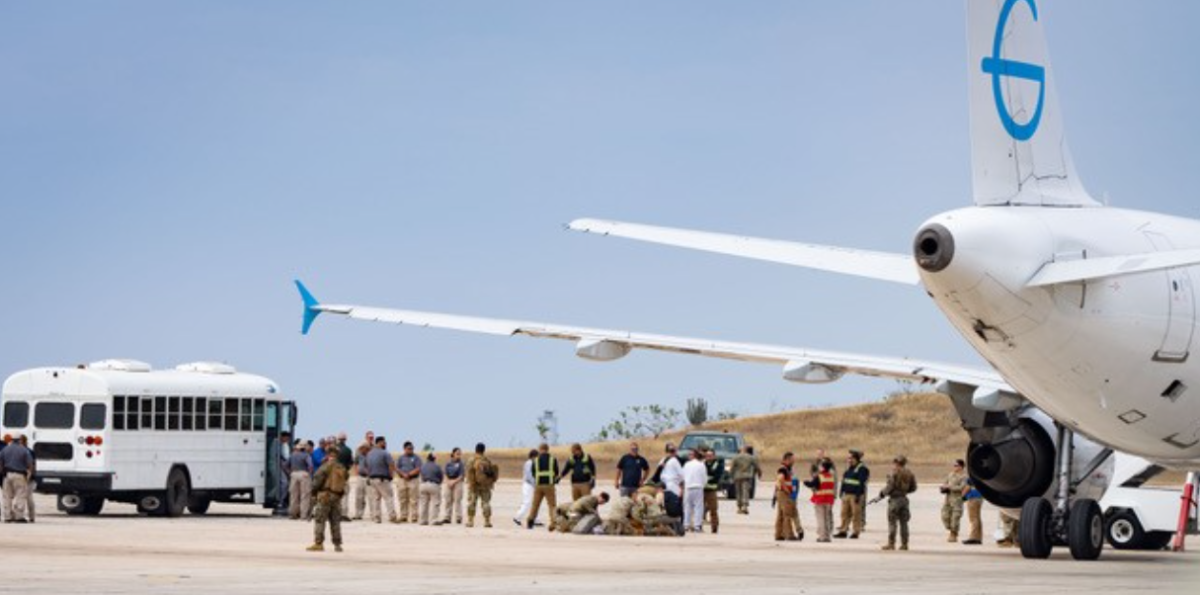
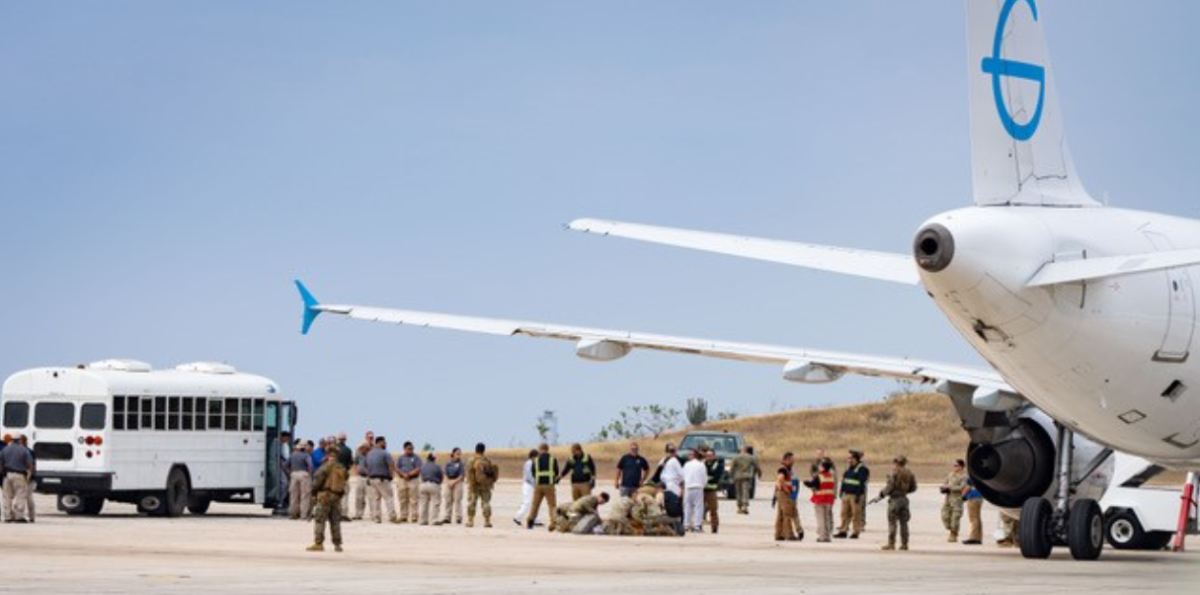
The Trump administration has built a network of third-country transfer agreements with more than 30 governments and used them to remove over 17,400 people, in some cases in defiance of federal court orders and after individuals had won their release through habeas corpus, according to data released by Human Rights First and Refugees International. The organizations report that the administration in April re-arrested and forcibly transferred to third countries people who had previously been granted withholding of removal by US immigration judges and had prevailed on habeas petitions challenging the legality of their detention. The report documents an attempted transfer of individuals to Libya last year in violation of a court order then in effect. (Photo: Venezuelan deportees in Honduras. Credit: ICE via Wikimedia Commons)

The Andes
Lima

Peru: US arms deal behind cabinet shake-up

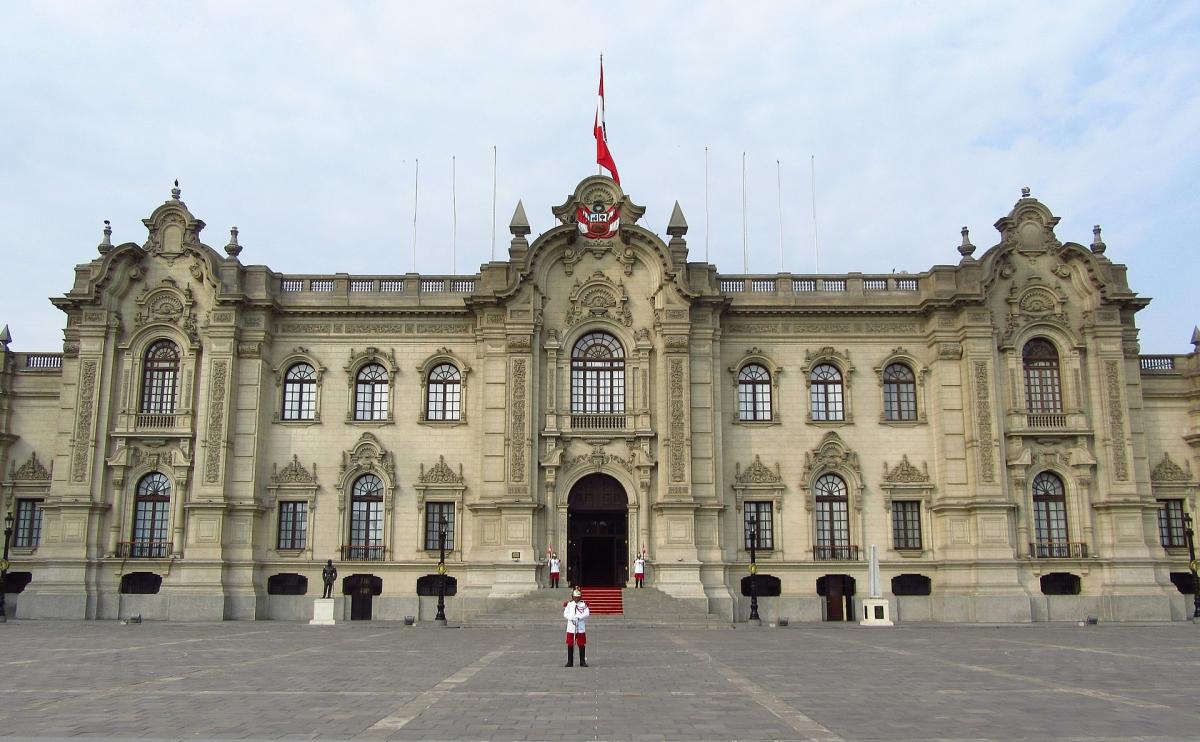
Peru’s government made a $462 million payment to US defense contractor Lockheed Martin for purchase of 12 ‌F-16 fighter jets, the first installment in a controversial multi-billion-dollar deal that triggered the resignation of two top ministers. In stepping down, Defense Minister Carlos Díaz and Foreign Minister Hugo de Zela cited their opposition to interim President José Balcázar’s attempt to delay the deal. The payment came days after a $2 billion contract for the F-16s was signed by an official in Peru’s Air Force—over the head of Balcázar, who was informed of finalization of the deal only after the fact. (Photo: Wikipedia)

Mexico
Chihuahua

CIA operation in northern Mexico revealed

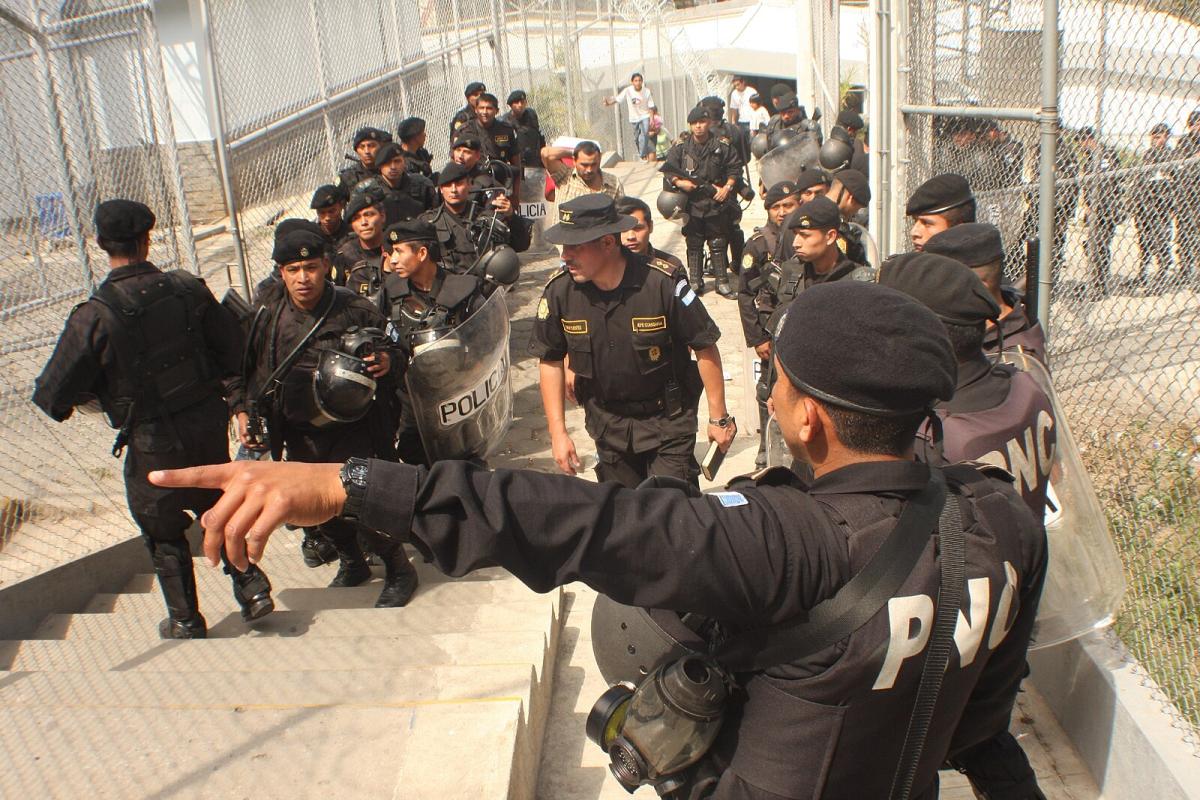
Two US embassy “instructors” killed when the vehicle carrying them plummeted down a mountain ravine in northern Mexico’s Chihuahua state were actually CIA officers, according to a Washington Post report. The revelation contradicts initial claims by Chihuahua Attorney General Cesar Jauregui denying that there was “any involvement of any foreign agent” in the raid on a methamphetamine lab raid in the remote southwestern corner of the state. The names of the two US personnel have not been revealed, but Chihuahua State Investigations Agency (AEI) director Pedro Román Oseguera Cervantes and one of his agents were also killed in the crash that took place during the operation. President Claudia Sheinbaum said after the revelation of apparent CIA involvement that she is considering sanctions against the government of Chihuahua, asserting that any security collaboration with the US must be approved by Mexico’s federal government. (Photo: AEI via CBS News)

Southern Cone
Ushuaia

Argentina: Milei offers Trump part of Tierra del Fuego?

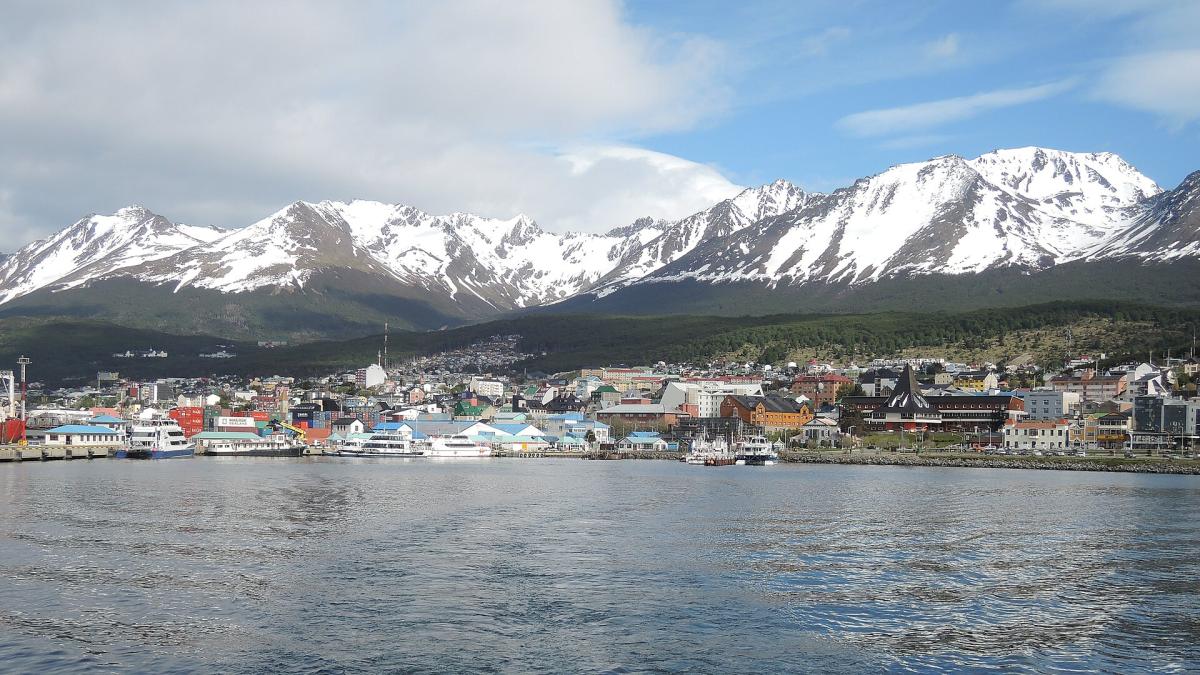
In a move sparking outrage from the country’s opposition, Argentina’s central government under President Javier Milei has taken control of the port of Ushuaia—the country’s southernmost seaport and a key gateway to Antarctica. Milei’s move places operation and administration of the port under his executive control for one year—over the objections of the Tierra del Fuego provincial government. The takeover came just days before a US Air Force jet landed at Ushuaia, bringing in a delegation of US lawmakers from the House of Representatives’ Energy & Commerce Committee. Milei, in power since December 2023, has already received two heads of the US Southern Command in Ushuaia. Both visited the Ushuaia Integrated Naval Base, which Argentina has been building since 2022. While Milei insists the base will be under full Argentine control, the country’s opposition press is full of speculation that on the sidelines of the Davos summit, Milei offered the base and all of Ushuaia to the US in exchange for an invitation to join the “Board of Peace” being touted by Trump as an alternative to the United Nations. (Photo: Wikipedia)

The Caribbean
USS Gerald Ford

Amnesty International condemns Trump’s attack on Venezuela

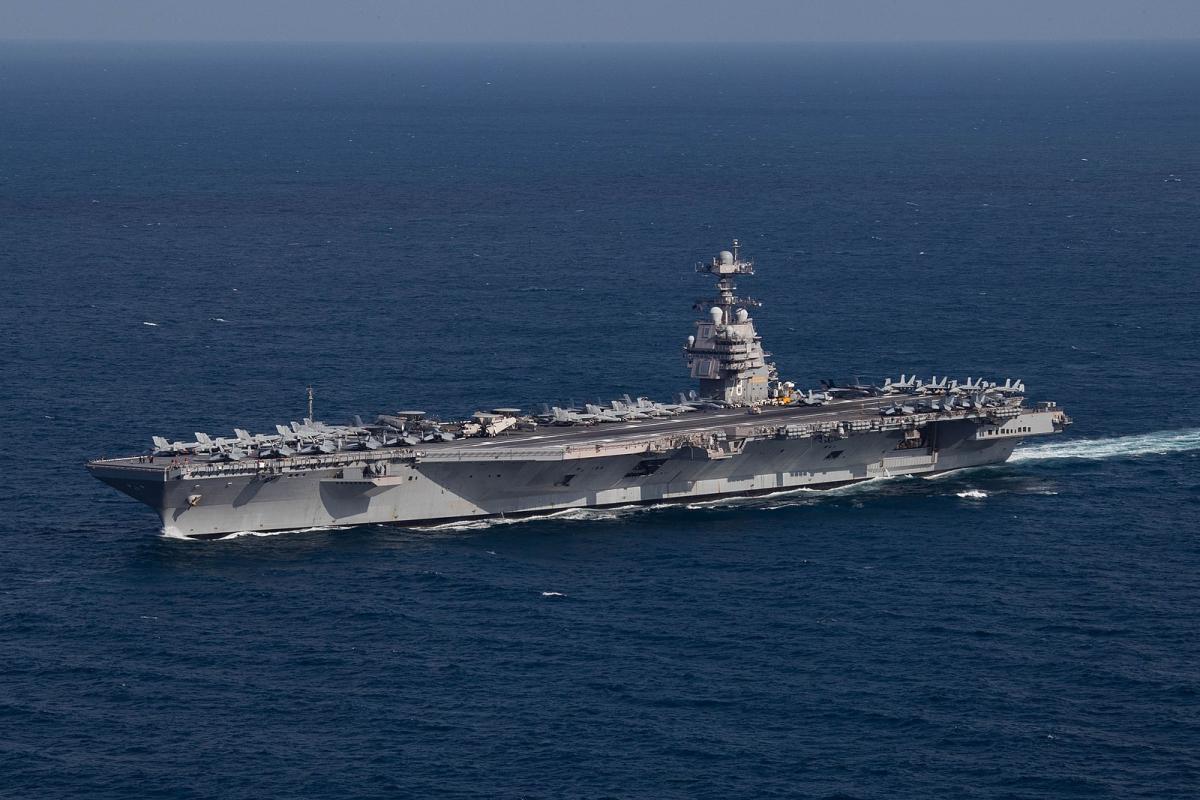
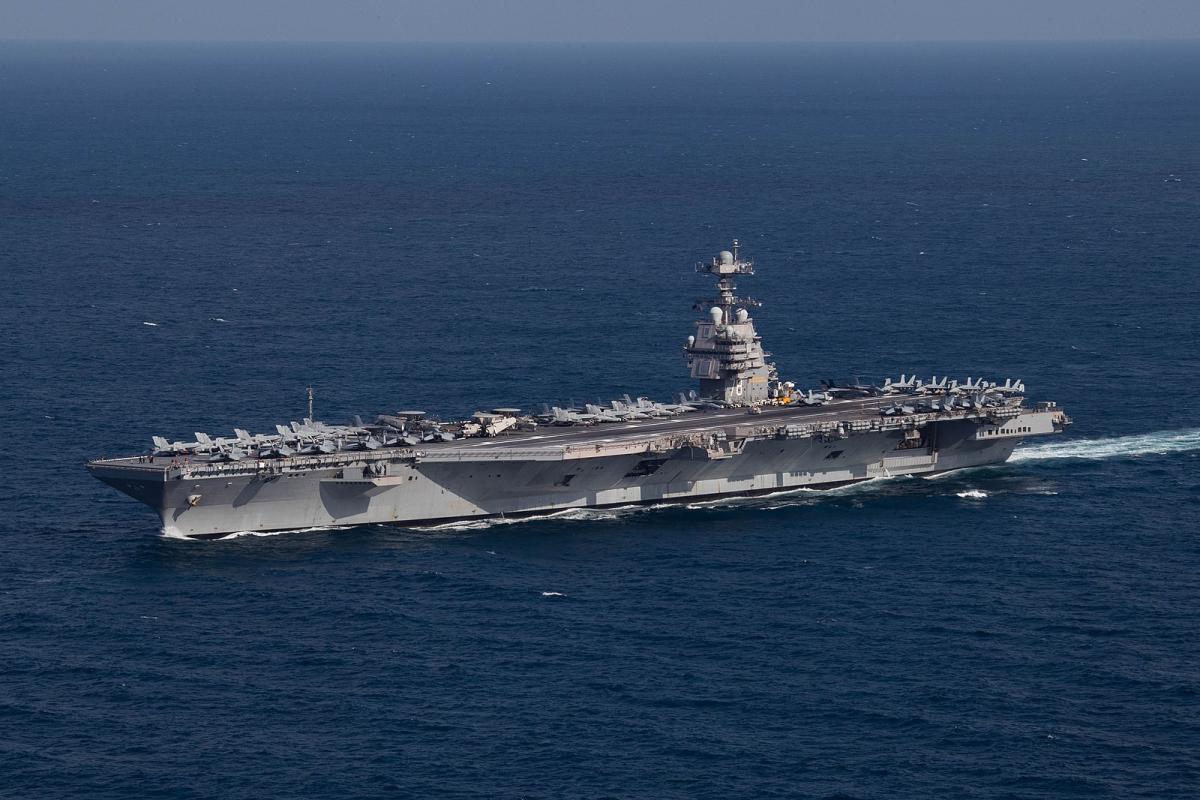
Amnesty International condemned both the January attack by the US military on Venezuela and the abuses committed by the ousted Maduro government. Amnesty said that the US capture of President Nicolás Maduro was an unlawful use of force and violated multiple articles of the UN Charter. Acknowledging the long legacy of grave abuses by the Maduro regime, Amnesty’s secretary general Agnès Callamard said: “Crimes against humanity do not end with Maduro’s removal… The fate and whereabouts of many people subjected to enforced disappearance remain unresolved. The state machinery responsible for those crimes is still firmly in place, now supported by the US authorities’ involvement… The US administration’s actions currently make the prospect of any potential justice proceedings concerning Nicolás Maduro much more challenging and complex.” (Photo: USS Gerald R. Ford. Credit: US Navy via Wikimedia Commons)

The Andes
Venezuela

Trump instates ’emergency’ measure on Venezuelan oil

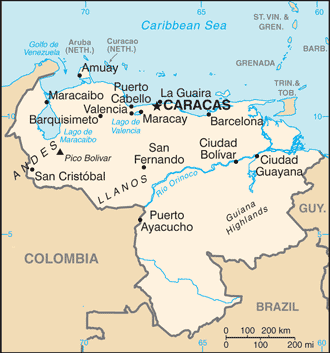
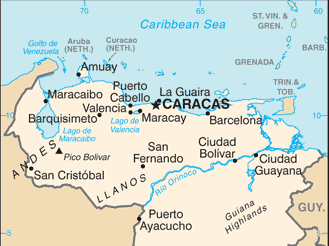
President Trump issued an executive order declaring a “national emergency” to block judicial processes from being instituted against Venezuelan oil funds held in the US, on the basis that it would “materially harm the national security and foreign policy of the United States.” This order follows statements from Trump that US oil companies will invest billions in Venezuela, with his Energy Secretary Chris Wright saying that the US will control and market Venezuela’s oil “indefinitely.” However, the CEO of ExxonMobil, Darren Woods, expressed concern about conditions in Venezuela, saying that the country is currently “un-investable.” Trump respondedangrily that he was “inclined” to keep ExxonMobil out of Venezuela. Companies including ExxonMobil and ConocoPhillips say that Venezuela owes them billions of dollars over lost investments. Trump’s executive order could hinder these companies from recovering their claims. (Map: Perry-Castañeda Library)

Watching the Shadows
Aegis

‘Donroe Doctrine’ threatens hemisphere

As Nicolás Maduro appeared in federal court in New York, Trump made explicit military threats against Colombia, Mexico, Cuba and Greenland—prompting protests from those countries’ leaders. In defense of his bellicosity, Trump invoked the notion of Latin America as a US influence sphere that was articulated in his recent National Security Strategy, calling it the “Donroe Doctrine.” (Photo: US Navy via Latin America Reports)

The Andes
Venezuela

Trump announces plan to ‘run’ Venezuela

Trump announced that the US would “run” Venezuela, following a strike on the country that led to the capture and transfer to the US of President Nicolás Maduro and his wife, First Lady Cilia Flores. In a press conference at his Mar-a-Lago estate, Trump emphasized the recent decline of Venezuela’s oil industry, stating that US oil companies would spend billions to repair the country’s infrastructure and bring in foreign exchange. Claiming to be acting in the interest of bringing “peace, liberty and justice for the great people of Venezuela,” he added that the US would be prepared to “stage a second and larger attack” if necessary. Maduro’s vice president Delcy Rodriguez, now sworn in as interim president, has offered no indication of acquiescence in Trump’s plans. (Map: Perry-Castañeda Library)