Mexico
Culiacán

Mexico: march for peace in violence-torn Culiacán

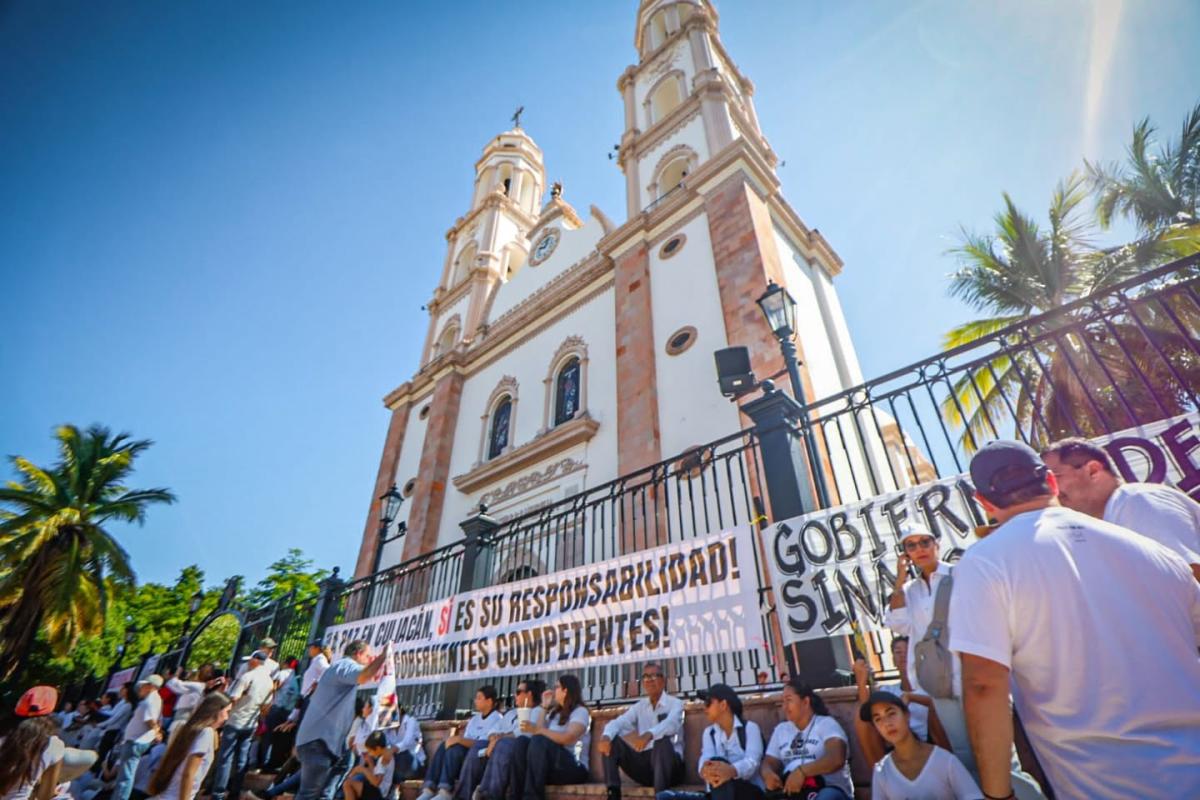
Civil society organizations in the Mexican city of Culiacán, capital of Sinaloa state, held a march for social peace that brought tens of thousands to the streets, with ongoing public vigils over the following days. Held under the slogan “Ya basta, queremos paz” (Enough already, we want peace), the mobilization was called to mark one year since an outbreak of violence in the city as rival factions of the Sinaloa Cartel vied for supremacy. The death toll in Sinaloa over the past year is said to exceed 1,800, with local activists counting another 2,800 disappeared. (Photo: Trasciende Noticias via Facebook)

Mexico
Mexico

Mexican elections see record number of assassinations

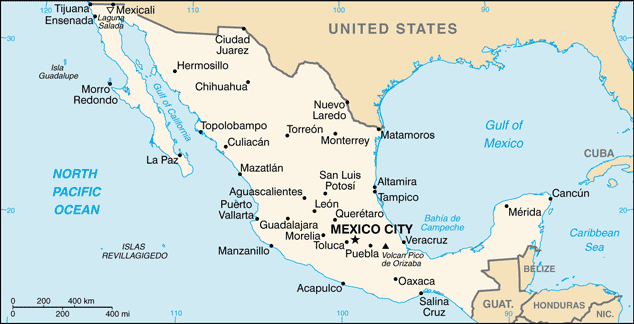
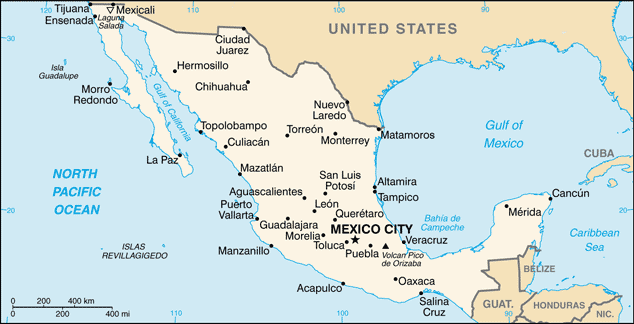
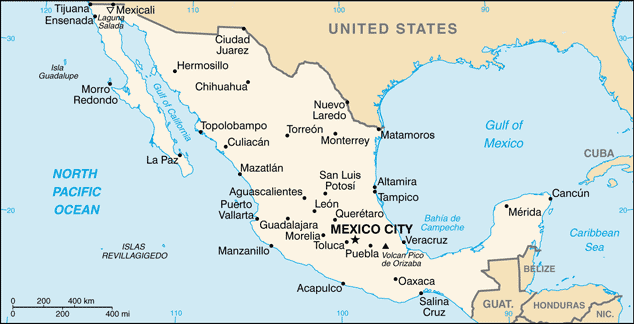
The results are in from Mexico’s presidential election and Claudia Sheinbaum of the ruling left-populist National Regeneration Movement (MORENA) has won by some 60%, handily defeating a rival backed by an alliance of the country’s more traditional political parties. But the ongoing human rights crisis in Mexico that will obviously pose a grave challenge for Sheinbaum was dramatically exemplified by the record number of political assassinations that marred the elections. (Map: PCL)

Mexico
narcotanks

Corporate cannabis targets bleeding Mexico

There is a discomforting sense that Mexico is perpetually on the eve of cannabis legalization, as the country’s Congress wins a six-month extension from the Supreme Court to pass a law freeing the herb. But foreign capital is already eyeing Mexico’s emergent legal cannabis sector—even amid a terrifying escalation in the bloody cartel wars. When authorities attempted to arrest the son of “Chapo” Guzmán in Culiacán, the troops were surrounded by Cartel gunmen riding in trucks mounted with big machine-guns, and even what appeared to be improvised armored vehicles. The younger Guzmán escaped, and the Sinaloa Cartel proved it has the firepower to effectively challenge the state—at least on its home turf. (Photo via The Drive)

Mexico

Mexico: double assassination of indigenous leaders

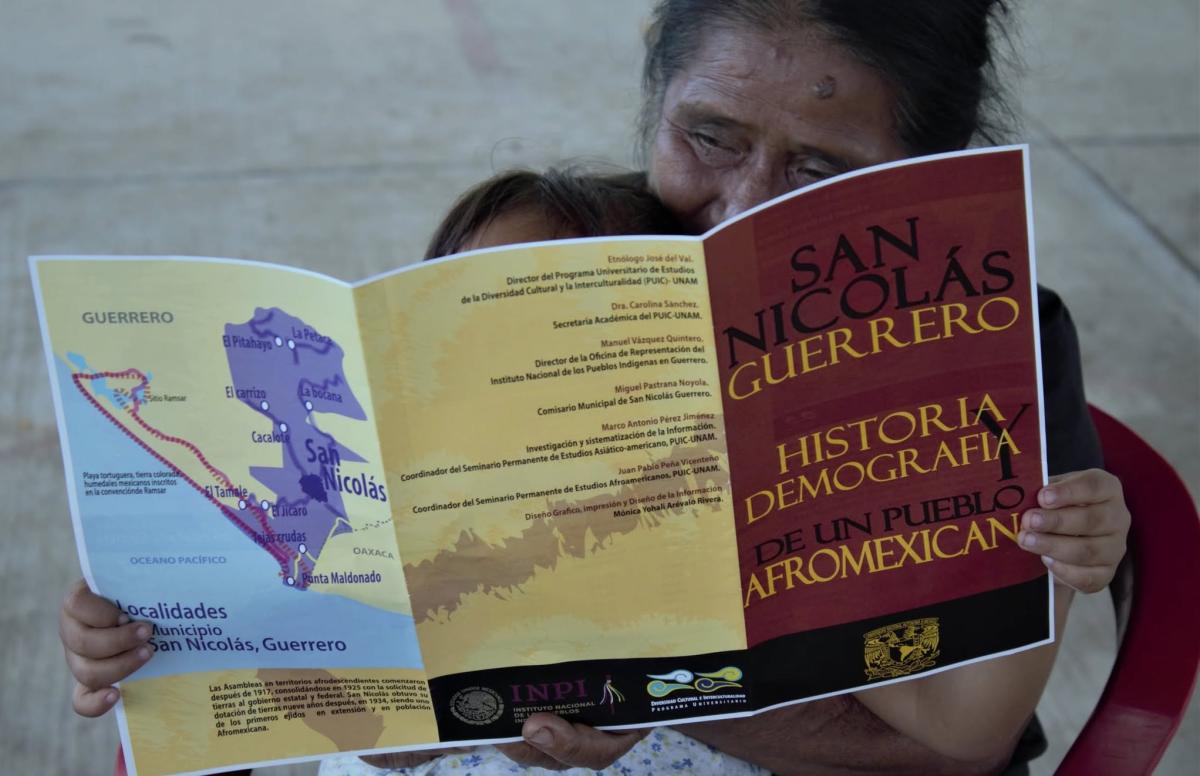
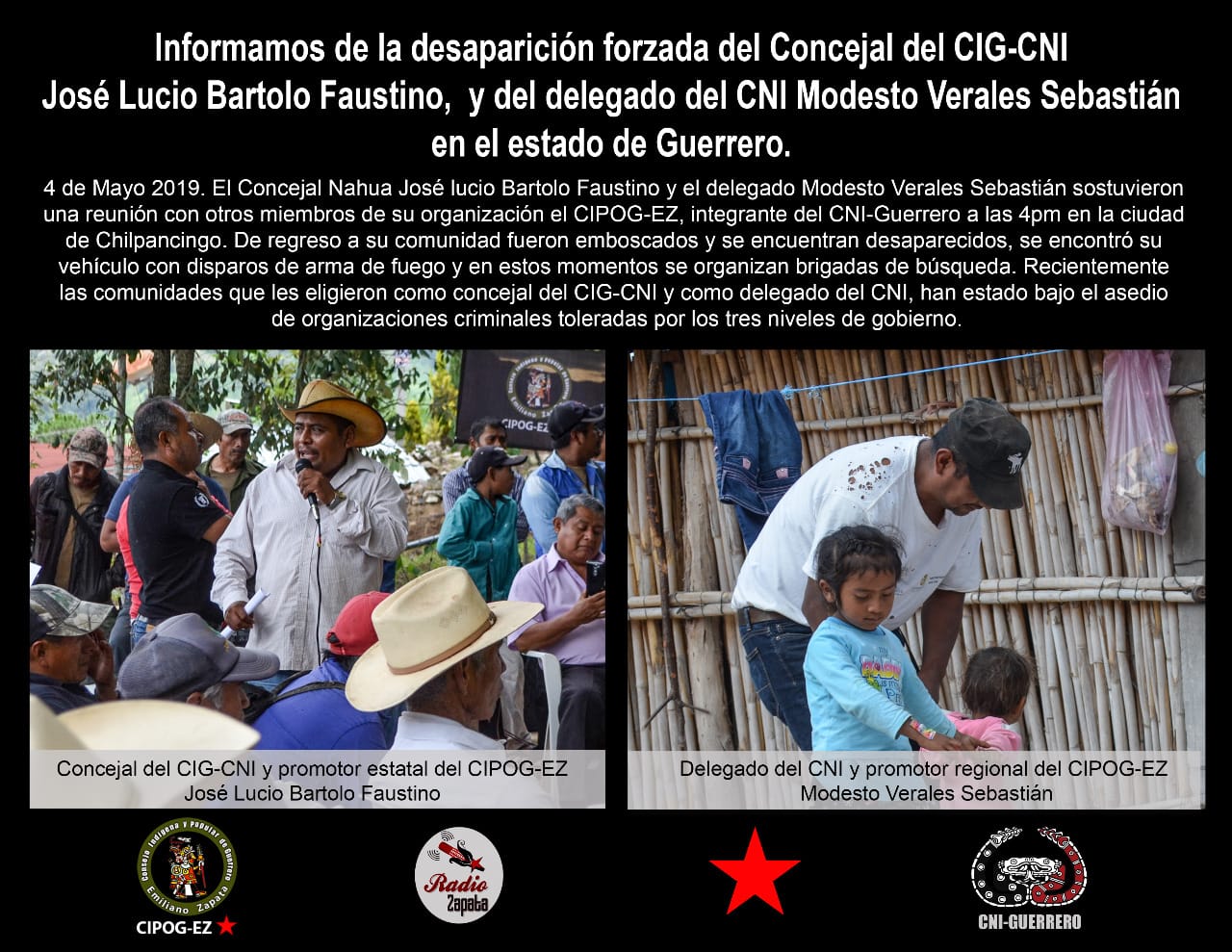
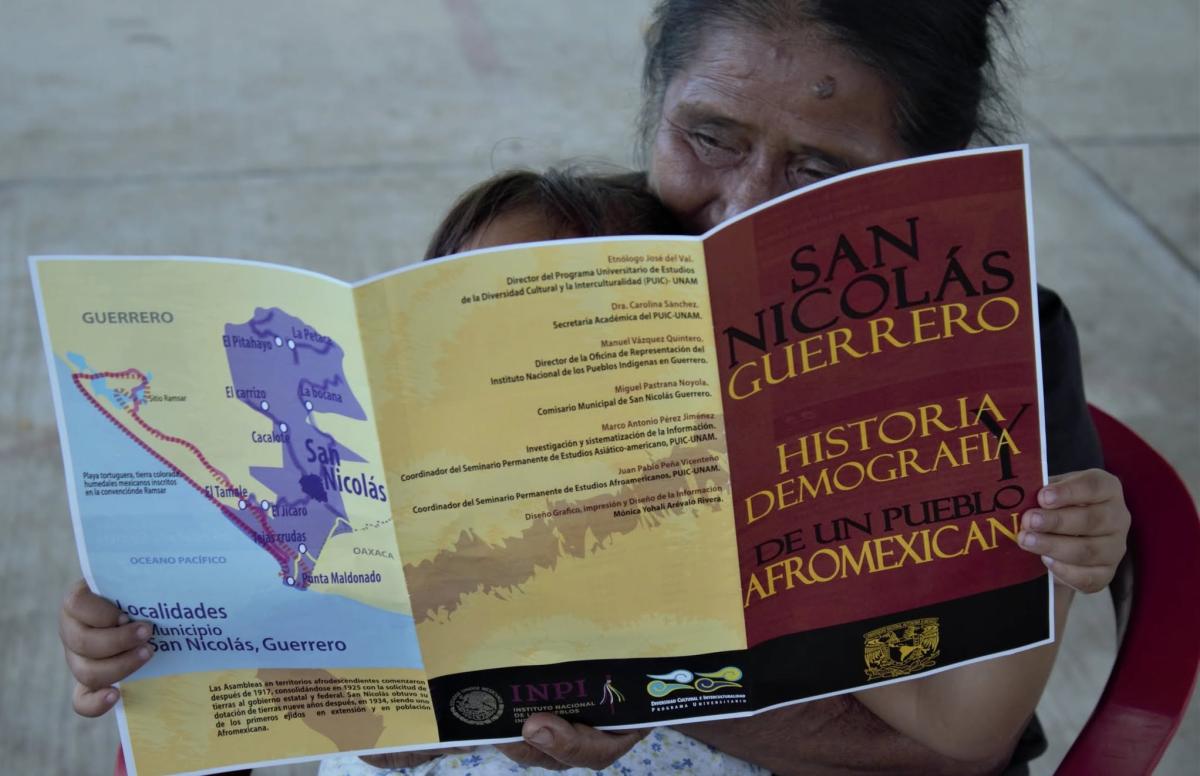
The Emiliano Zapata Popular and Indigenous Council of Guerrero (CIPOG-EZ) is calling upon the United Nations to investigate following the assassination of two leaders of the organization. The bodies of José Lucio Bartolo Faustino and Modesto Verales Sebastián were found in the town of Chilapa de Alvarez, where they had days earlier been abducted on a road by unknown gunmen. Both were leaders of the Nahua indigenous community in Chilapa municipality, had served as representatives to the National Indigenous Congress (CNI), and had promoted the 2017 presidential candidacy of María de Jesús Patricio Martínez, known as “Marichuy,” a Nahua woman who won the support of both the CNI and Mexico’s Zapatista rebels. Both were abducted when they were returning to their communities in outlying villages of Chilapa municipality from a meeting of indigenous leaders in the Guerrero state capital, Chilpancingo. (Image: Somos el Medio)

Mexico
Mexico army

Mexico remilitarizes drug enforcement

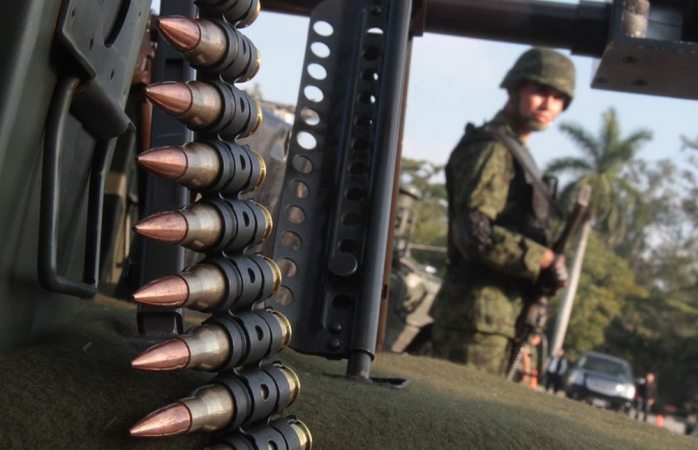
Despite his boast to have “ended” the drug war and pledge to explore cannabis legalization, Mexico’s new populist president is seeking to create a special anti-drug “National Guard” drawing from the military and police forces. Use of the military in drug enforcement was already shot down by the Supreme Court, but President Andrés Manuel López Obrador is going around the judiciary by changing the constitution. This plan is moving rapidly ahead—and meanwhile the military is still being sent against campesino cannabis growers and small traffickers.

Mexico

Mexico: AMLO declares drug war ‘over’ —but is it?

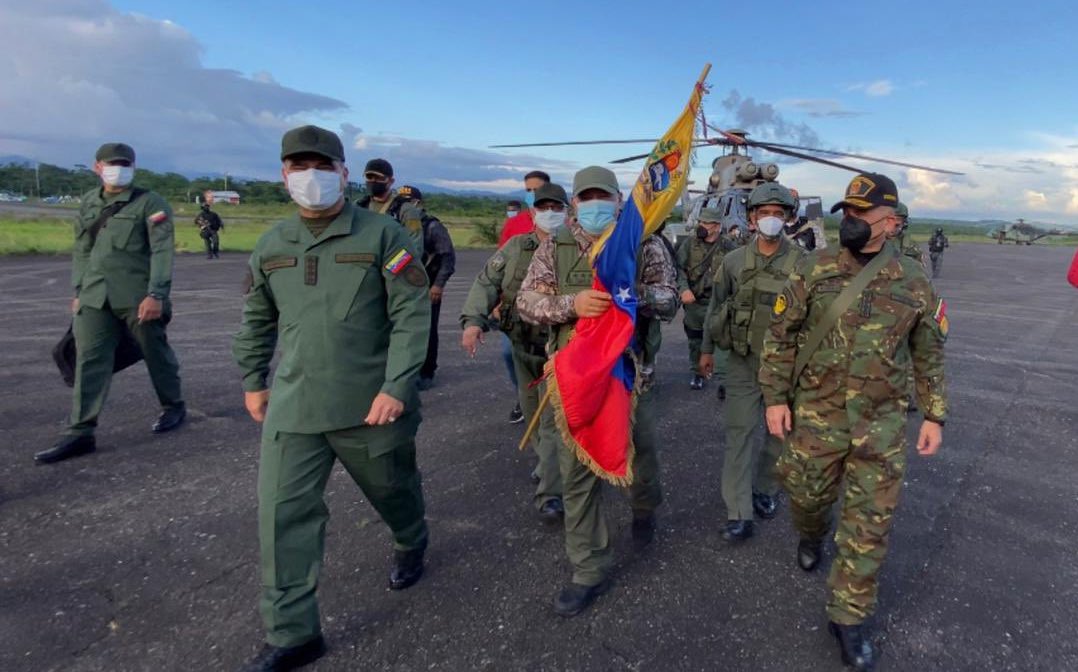
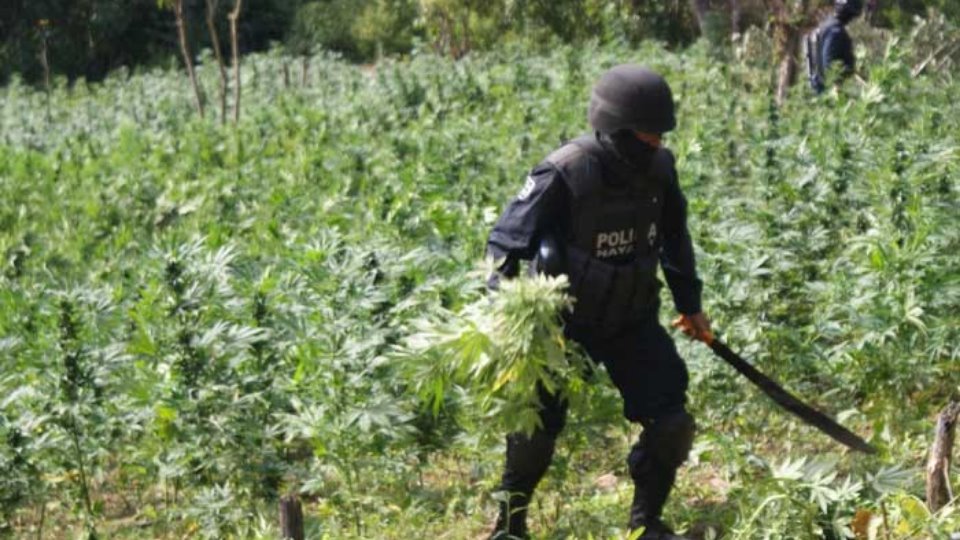
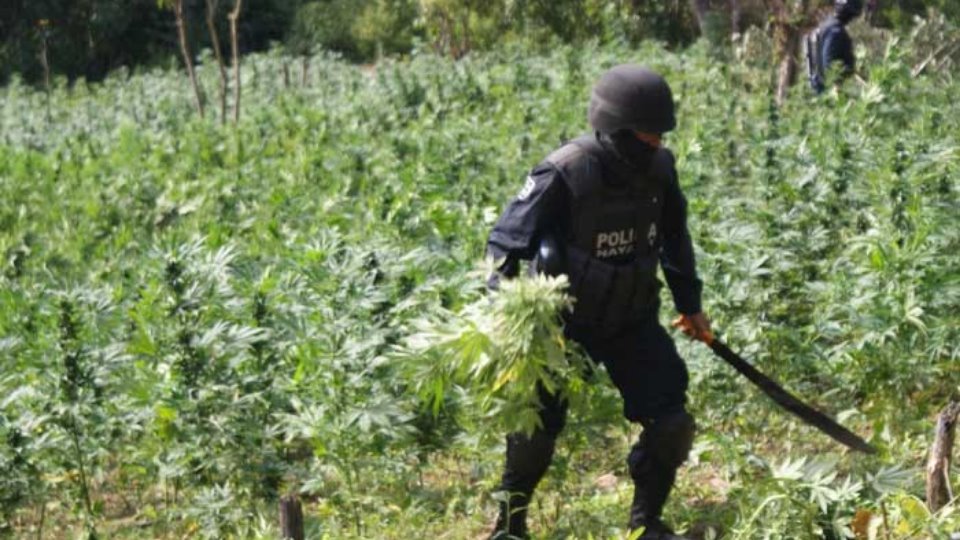
Already officially studying the possibility of cannabis legalization, Mexico's new populist President Andrés Manuel López Obrador has now announced a formal end to the "war on drugs" that has only seemed to fuel the narco-violence over the past 10 years. However, military troops are still being mobilized for narcotics enforcement from Chiapas to Chihuahua—including marijuana eradication. (Photo: Sexenio)

Mexico
Mexico

Mexican police crisis in prelude to power transition

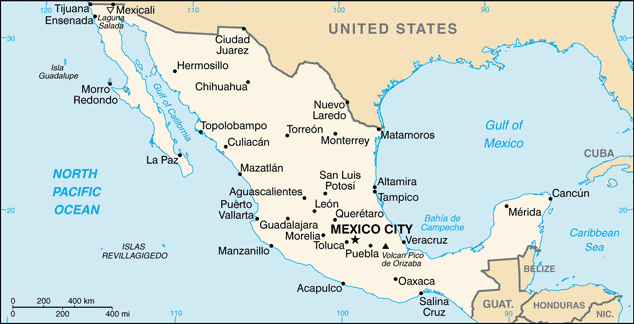
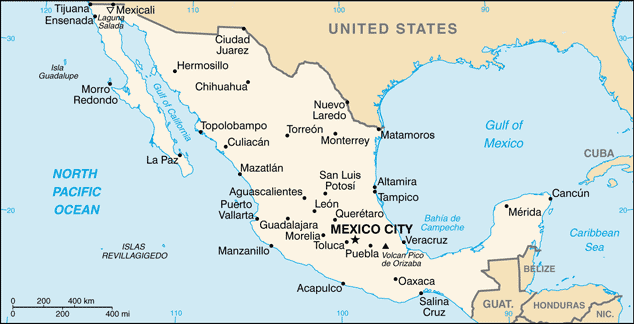
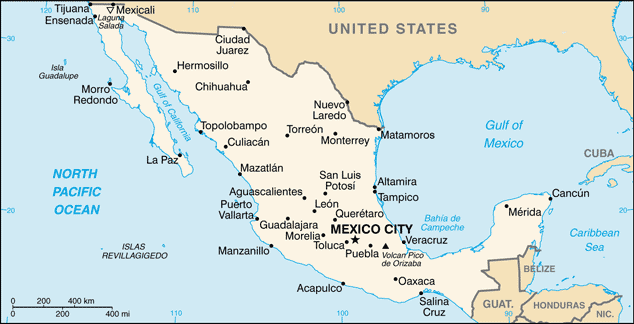
Mexican federal police and the military have taken over policing duties in Acapulco, after the entire municipal force was disarmed due to suspected co-optation by criminal gangs. But the federal forces are also accused of endemic corruption and brutality. The country's National Human Rights Commission just accused military troops in Puebla of extrajudicial executions of suspected fuel thieves in a bloody incident in Puebla that left 10 dead. Meanwhile, a new Internal Security Law vastly expands the powers of federal troops operating in a domestic security capacity against the drug trade, and frees them from public oversight. Mexico's left-populist president-elect Andrés Manuel López Obrador is scheduled to take office Dec. 1 amid an escalating human rights crisis in the country. (Map: CIA)

Mexico

Horrific prison massacre as Kelly does Mexico

On his trip to Mexico, US Homeland Security Secretary John Kelly toured Guerrero state to witness opium eradication operations. That very night, a riot broke out at the prison in the state's biggest city, violence-torn Acapulco. The explosion of violence ended with at least 28 inmates dead—many of them mutilated and several beheaded.

Mexico

Mexico: spyware turned on rights investigators

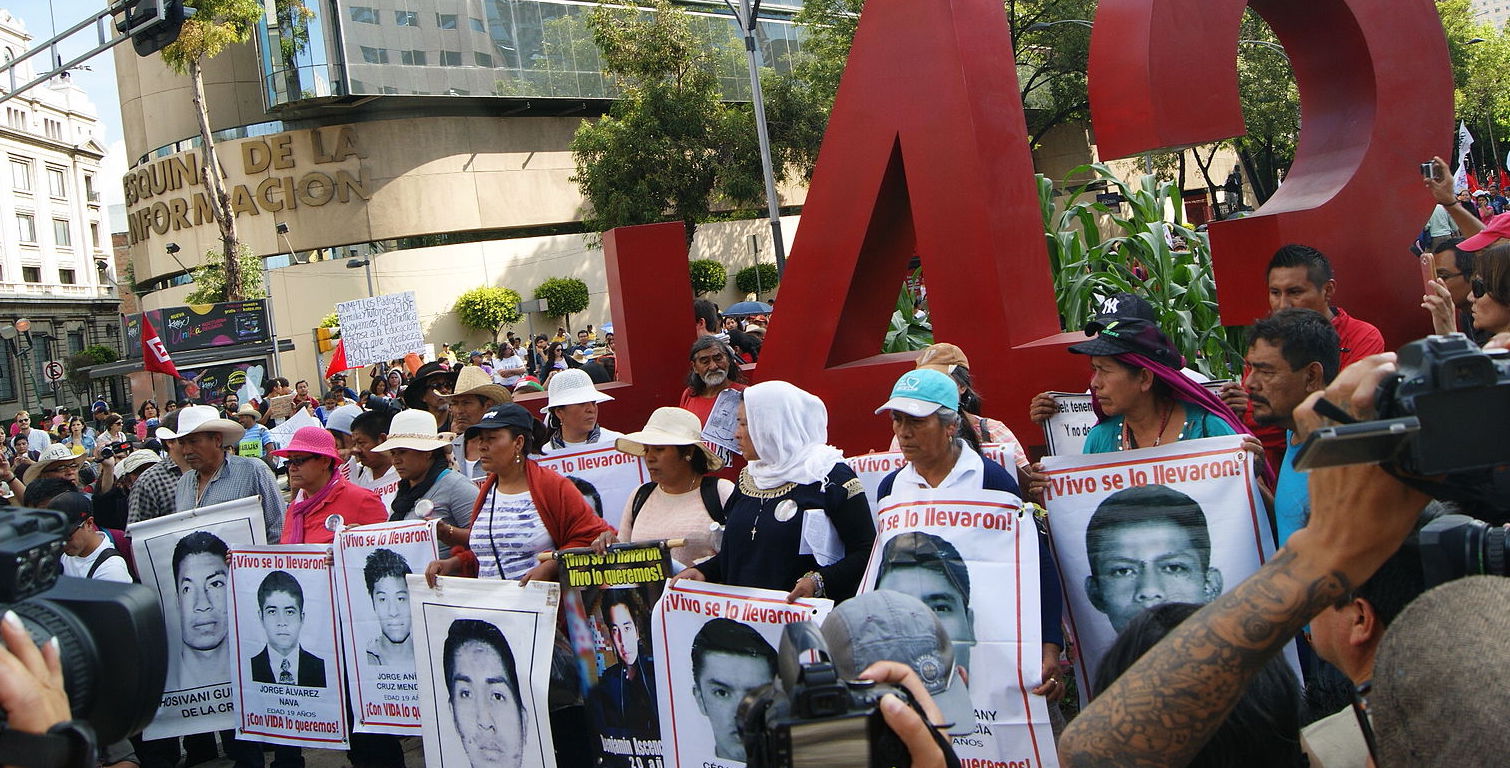
Spyware supplied to Mexico officially to track narco-traffickers and terrorists was instead used against human rights investigators looking into the case of 43 "disappeared" college students. Amid the new scandal, the families of the disappeared continue to wait for justice. There has been one arrest in the case, and the remains of only two of the missing students identified.

Mexico

Mexico second most dangerous country on Earth?

A new study finding that Mexico is now the most dangerous country on Earth after war-torn Syria is rejected by the government, but even the military wants out of "drug war."

Mexico

Mexico: fugitive narco-governors snared

Javier Duarte, the ex-governor of Mexico's Veracruz state, was detained by Interpol in Guatemala—the latest in a string of fugitive Mexican ex-governors to be arrested abroad.