Palestine
Gaza

UN human rights chief: Gaza faces ‘darkest moment’

United Nations High Commissioner for Human Rights Volker Türk warned that “the darkest moment of the Gaza conflict is unfolding in the north of the Strip.” Calling for urgent action by the international community, Türk stated: “Unimaginably, the situation is getting worse by the day. The Israeli Government’s…practices in northern Gaza risk emptying the area of all Palestinians. We are facing what could amount to…crimes against humanity.” Türk asserted that under the Geneva Convention, member states have “an obligation to act when a serious violation of international humanitarian law has been committed.” (Photo: badwanart0/Pixabay via Jurist)

Palestine
anti-semitism

Anti-Semitism versus anti-Zionism: beyond parsing III

In Episode 248 of the CounterVortex podcast, Bill Weinberg examines the New York Times coverage of the ugly turn in the pro-Palestine protests at Columbia University, and warns against the targeting of Jews in the guise of a misguided supposed “anti-Zionism.” The ongoing genocide in Gaza urgently demands protest, but just as urgently demands tactically and analytically astute protest that does not play into the cynical weaponization of the accusation of anti-Semitism by Zionist propaganda. Listen on SoundCloud or via Patreon. (Image via frgdr Blog. Hebrew lettering in background spells names of places in Europe where Jews were exterminated.)

Africa
iswap

ISIS franchise claims Nigeria massacre

At least 81 people were killed in an attack by militants on the village of Mafa, in Nigeria’s northeastern Yobe state. A statement listing grievances against the village was left at the scene in the name of Islamic State West Africa Province (ISWAP), a Boko Haram splinter group. The attack appears to have been in revenge for villagers alerting the military to the insurgents’ presence in the area—which lies on a smuggling route to ISWAP bases in the Lake Chad region. (Photo: ISS Africa)

Watching the Shadows
computer smash

Podcast: rage against the technocracy II

Amid global protests over the genocide in Gaza, the hypertrophy of digital technology and its colonization of every sphere of human existence continue to advance, portending the ultimate eclipse of human culture and real life, the death of literacy, and the hegemony of saturation propaganda. While the Arab Revolution of 2011 was facilitated through social media, those same platforms are today being used as conduits for propaganda and disinformation lubricating the reconsolidation of dictatorships. This is all about to get much worse—with propaganda especially getting exponentially more sophisticated—through the advent of artificial intelligence. What is urgently mandated—ultimately, even to be able to effectively oppose genocides and dictatorships—is a revolution of everyday life, reclaiming human reality from digital totalitarianism. The uprising in El Salvador against the mandatory imposition of Bitcoin as legal tender in 2021 still stands as a glimmer of hope, pointing to the potentiality of this kind of revolution—even if the aspiring autocrat Nayib Bukele, who made Bitcoin a national currency, put down the uprising and is now consolidating an authoritarian regime. Bill Weinberg rants against the digital Borg in Episode 242 of the CounterVortex podcast. Listen on SoundCloud or via Patreon. (Image: Earth First! Newswire)

Africa
Burkina Faso

Russian fighters leave Burkina Faso for Kursk front

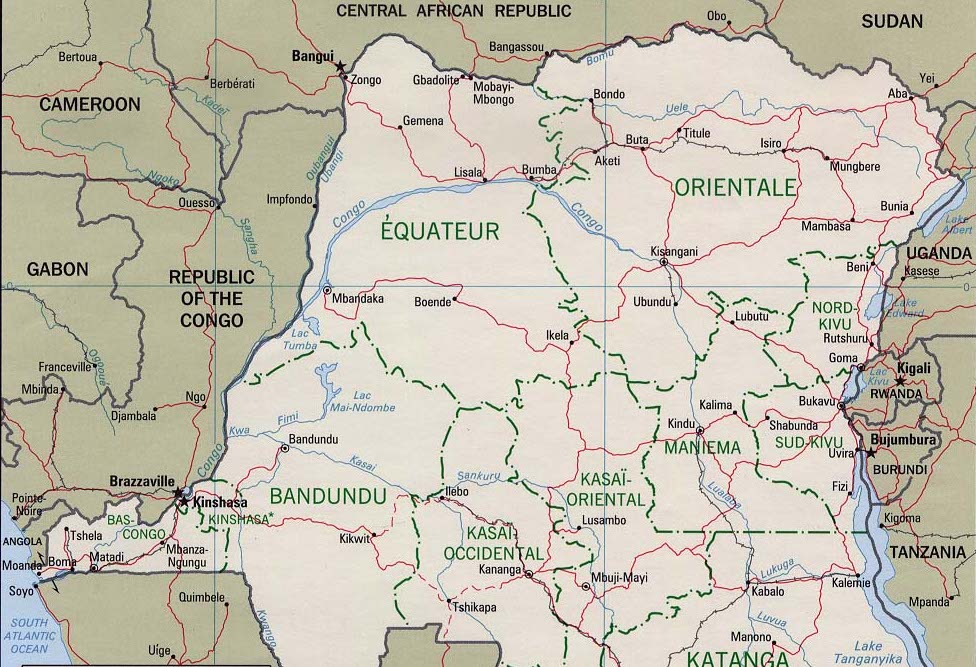
Russia is withdrawing 100 of its paramilitary troops from Burkina Faso to assist in the war with Ukraine, reports indicate. The troops are part of a contingent of some 300 fighters from the Medvedi or Bear Brigade—one of the Russian private military companies operating in West Africa—who arrived in Burkina Faso in May to support the country’s ruling military junta. In a statement, the group said its forces would return home to support Russia’s defense of Kursk oblast against Ukraine’s recent cross-border offensive. There are fears the pull-out could embolden jihadist insurgents in Burkina Faso, who recently killed up to 300 people in one of the biggest attacks in years. (Map: Perry-Castañeda Library)

Watching the Shadows
anti-semitism

Anti-Semitism versus anti-Zionism: beyond parsing II

With anti-Semitic and Islamophobic violence in the US both rising since Israel began its campaign of genocide in Gaza, it is incumbent upon Palestine solidarity activists not to play into this dynamic by engaging in rhetoric and tactics that demonize Jews as the “other.” Cynical weaponization of the accusation of anti-Semitism by Zionist propaganda increases rather than decreases our responsibility to be clear about recognizing and opposing actual anti-Semitism. Alas, in cases from Chicago to Seattle to Philadelphia to Washington DC, activists have failed to make this critical distinction—not only providing propaganda ammo to Israel’s supporters, but displaying a paradoxical point of convergence with the MAGA right. In Episode 241 of the CounterVortex podcast, Bill Weinberg rises to the odious task of calling them out. Listen on SoundCloud or via Patreon. (Image via frgdr Blog. Hebrew lettering in background spells names of places in Europe where Jews were exterminated.)

Palestine
Jit

Settler pogrom in West Bank village

Dozens of Israeli settlers, many of them masked, attacked the Palestinian village of Jit, outside the West Bank town of Nablus, hurling stones and Molotov cocktails. The group of over 100 assailants put at least four houses and six vehicles to the torch, and apparently killed one resident. The Palestinian Authority health ministry said Rashid Sedda, 22, was killed by gunfire from the settlers and another resident was seriously wounded in what it called an act of “organized state terrorism.” (Photo: Wikipedia)

The Amazon
Mashco Piro

Peru: ‘uncontacted’ tribe attacks loggers

Peru’s reclusive Mashco Piro people used bows and arrows to attack loggers encroaching on their territory in the Amazon, according to a regional indigenous organization. FENAMAD, representing 39 indigenous communities in Cuzco and Madre de Dios regions, said that it believes illegal logging was taking place on Mashco Piro territory and that one logger was injured in the attack. Days before the incident occurred, photos emerged of some 50 members of the isolated tribe apparently searching for food on a river beach—which advocacy group Survival International said is evidence that logging concessions are “dangerously close” to its territory. (Photo: Survival International)

Greater Middle East
Iran

Regional war looms closer after Golan rocket strike

Israeli warplanes hit several targets in southern Lebanon, as diplomats worked frantically to prevent a regional war after a rocket strike that killed 12 youths in the Golan Heights. Israel is blaming Hezbollah for the rocket, which struck a football field in the Druze village of Majdal Shams. Hezbollah has denied responsibility, asserting that a projectile from Israel’s own Iron Dome missile defense system hit the village amid strikes on military targets elsewhere in the area by the Iran-backed Lebanese armed organization. Israel and Hezbollah have been trading strikes over the Lebanese border since Oct. 8, a day after the start of the war in Gaza. Israel has killed 527 people in Lebanon since then, according to an AFP tally, including at least 104 civilians. Israel says 23 of its civilians and 17 soldiers have been killed by Hezbollah rocket-fire over this period. (Image: Pixabay)

Africa
El Fasher

UN: over 10 million internally displaced in Sudan

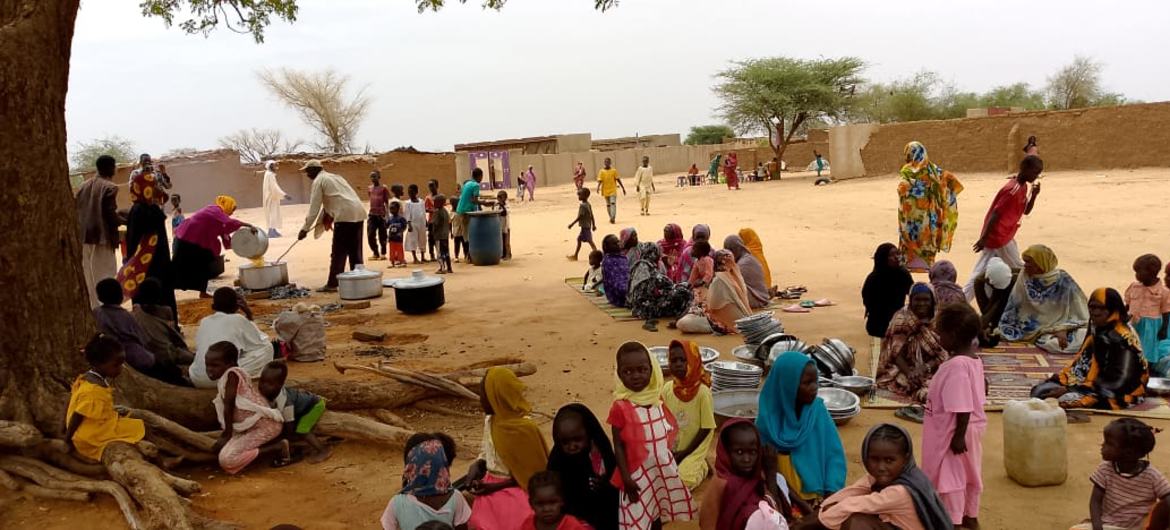
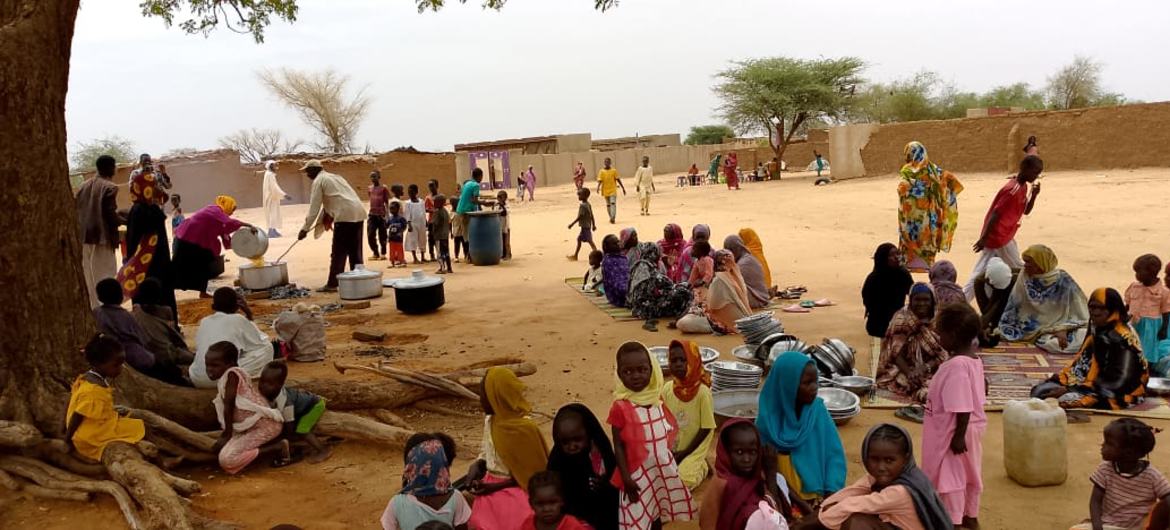
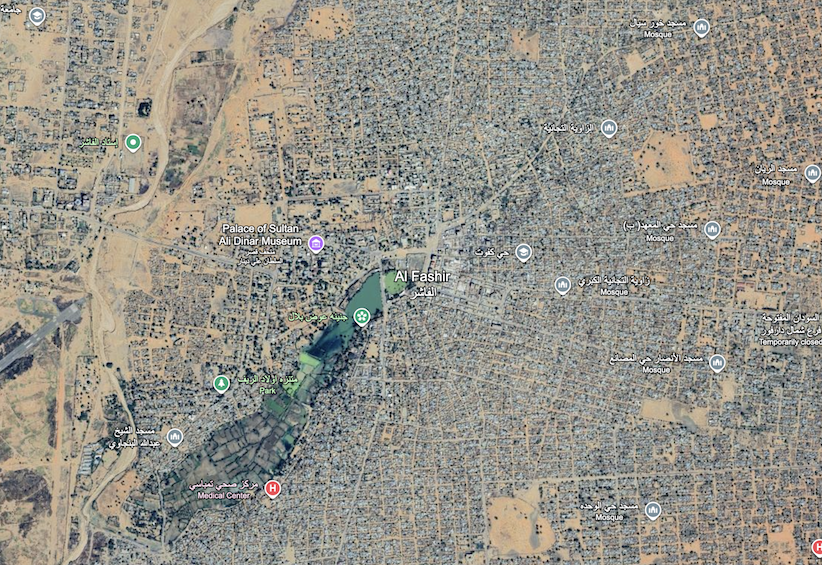
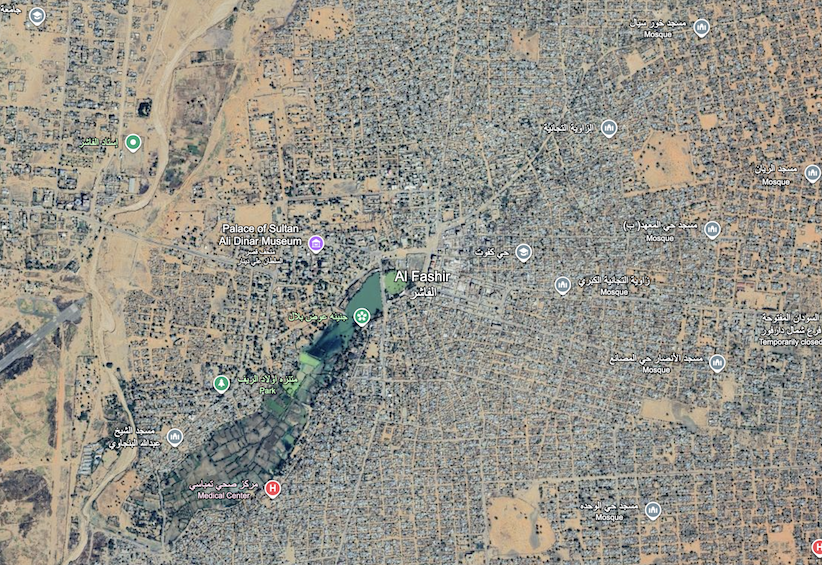
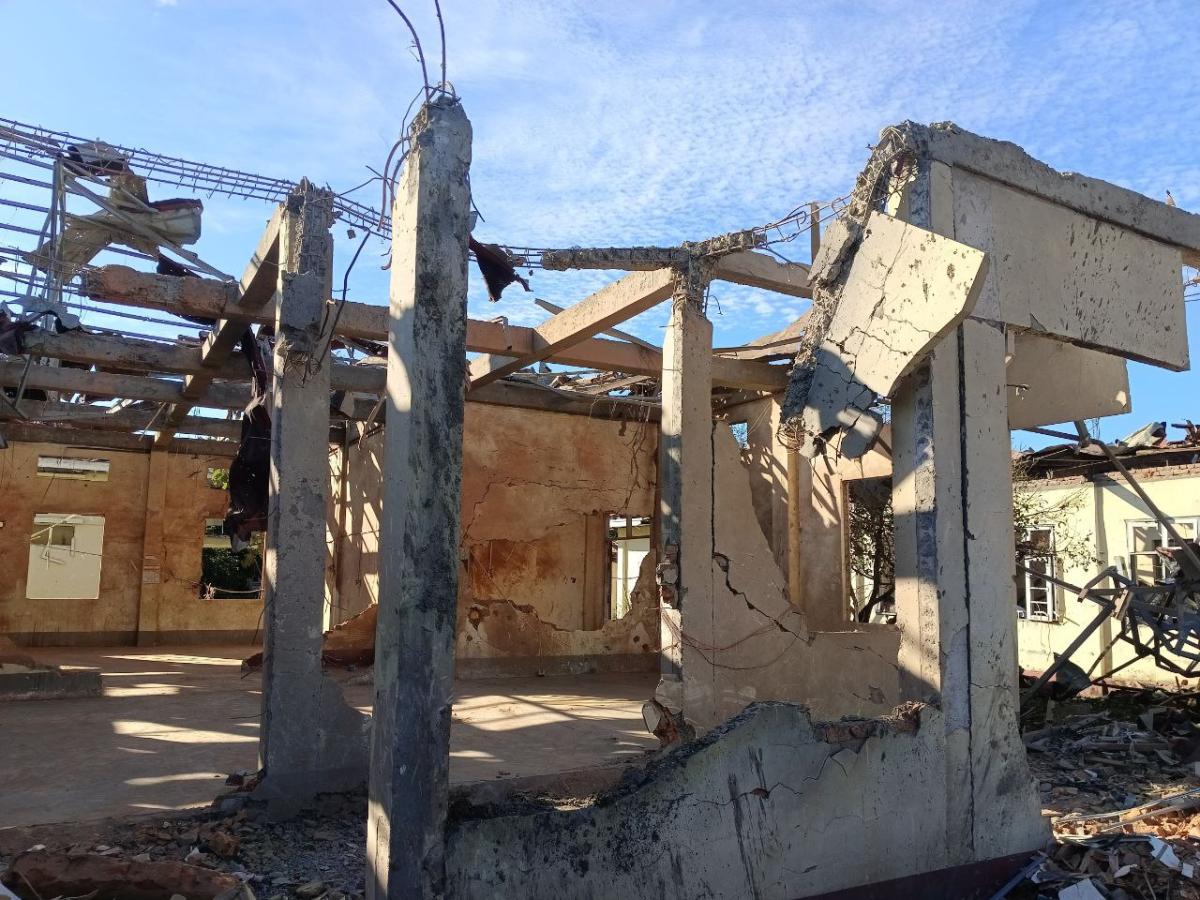
The UN International Organization for Migration (IOM) reported that more than 10 million Sudanese, over 20% of the population, have been displaced from their homes. An estimated 7,794,480 people have been internally displaced since the current Sudan conflict began in April 2023, while a further 2,238,671 have crossed borders into neighboring countries such as Chad, South Sudan and Egypt. Some half of the displaced are from the especially conflicted western region of Darfur. In a statement last month, the IOM warned of an extreme risk of famine in Sudan. (Photo: Roman Deckert via Wikimedia Commons)