Syria
ssnyc

Syria: reject ‘normalization’ of Assad regime

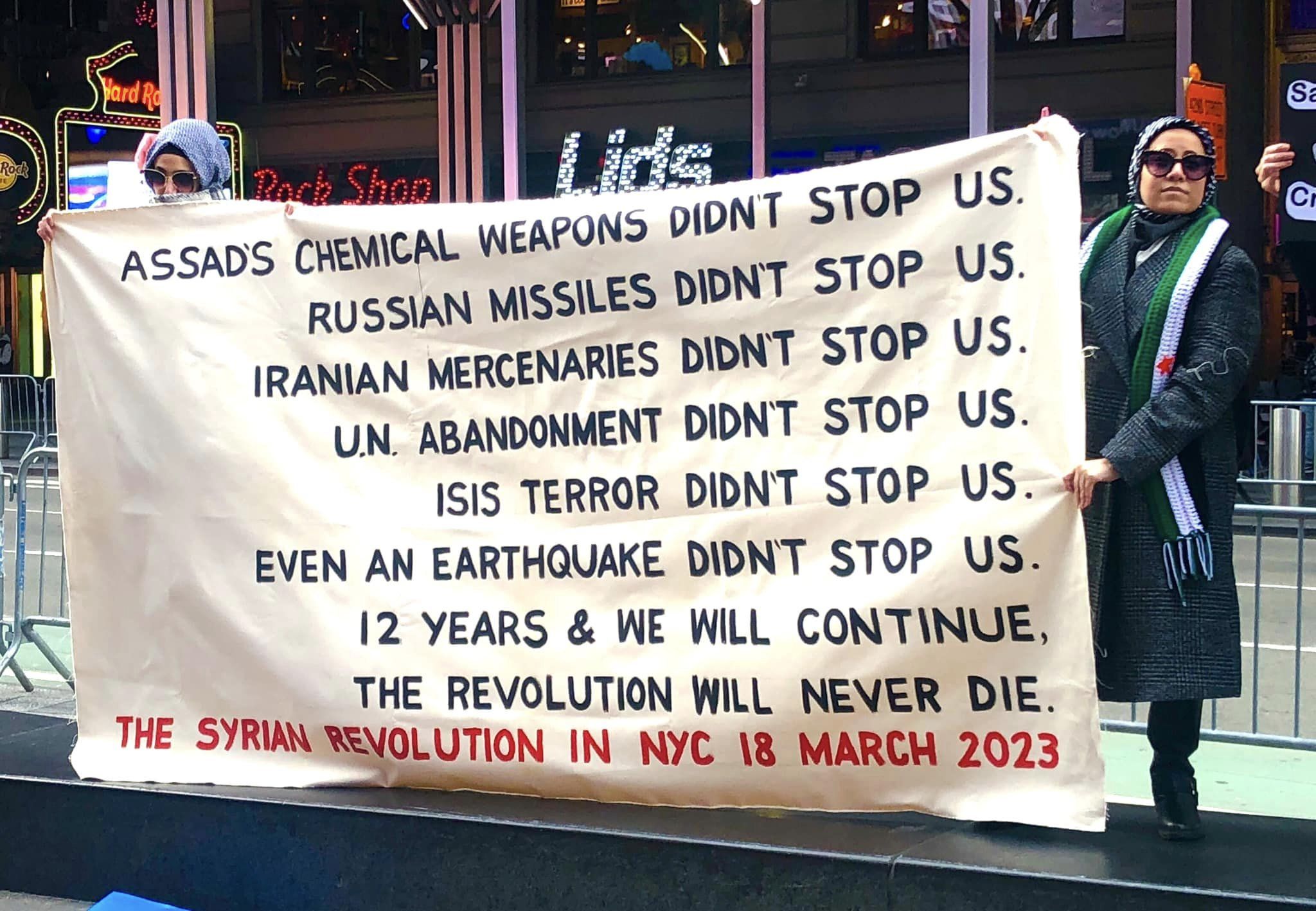
Syrian dictator Bashar Assad arrived in the United Arab Emirates for an official visit—another advance in the attempt to normalize his genocidal regime. The trip was accompanied by more pomp than Assad’s visit to the UAE last year, his first to an Arab state since the Syrian revolution began in March 2011. The UAE trip follows a visit to Oman last month. Days before the UAE visit, Assad was in Moscow for a meeting with Vladimir Putin at the Kremlin. In addition to voicing support for Putin’s war in Ukraine, Assad told Russia state media that he welcomes any expansion of Moscow’s military bases in Syria. Meanwhile, opposition activists held a demonstration in Idlib, within Syria’s diminished pocket of rebel control, marking the 12th anniversary of the revolution. Thousands gathered under the Free Syria flag in the city’s center, to proclaim that the revolution survives and to oppose normalization of the regime. (Photo: Syrian Revolution commemoration in Times Square, NYC. Via Syria Solidarity NYC)

Greater Middle East
Daraya

Podcast: Libya and Syria, 12 years later

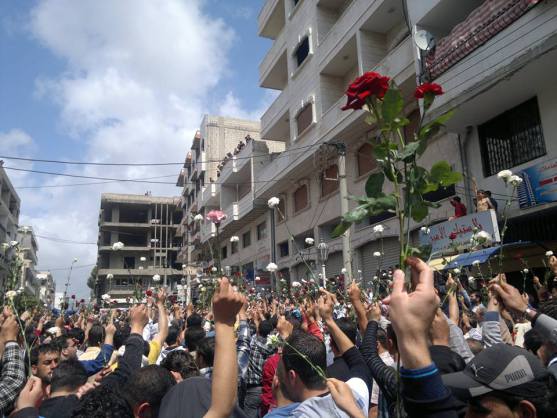
In Episode 165 of the CounterVortex podcast, Bill Weinberg notes the simultaneous 12th anniversary of the start of both the NATO intervention in Libya and the Syrian revolution. The NATO intervention was at root a bid to to control the political trajectory of the Arab Revolution, and bring about a Thermidor in which Western-backed technocrats would be ascendant. The Syrian people seized back the initiative with their popular uprising against the Bashar Assad dictatorship. But, following the precedent set in Libya, the Great Powers have intervened, seeking to impose their own order—over the heads of the Syrian people. This time, however, the principal interventionist power has not been the West seeking to coopt the revolution, but Russia seeking to prop up the genocidal ancien régime. Listen on SoundCloudor via Patreon. (Photo: Daraya, 2011 via Leila’s Blog)

Europe
ICC

ICC issues arrest warrant for Putin

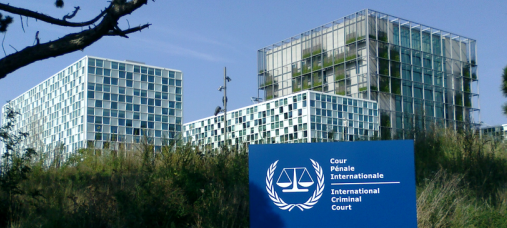
The International Criminal Court (ICC) is seeking the arrest of Russian President Vladimir Putin in connection with the forced deportation of Ukrainian children. The ICC Pre-Trial Chamber also issued a warrant for Maria Lvova-Belova, the Russian Commissioner for Children’s Rights. Both stand accused of the war crimes of unlawful deportation and transfer of children from occupied territories of Ukraine into Russia. While Ukraine is not a party to the Rome Statute, which established the ICC, the country accepted ICC jurisdiction for purposes of “identifying, prosecuting, and judging the perpetrators and accomplices of acts committed in the Territory of Ukraine since 20 February 2014.” (Photo: OSeveno/WikiMedia)

Southeast Asia
Burma

Burma: continued junta atrocities emerge

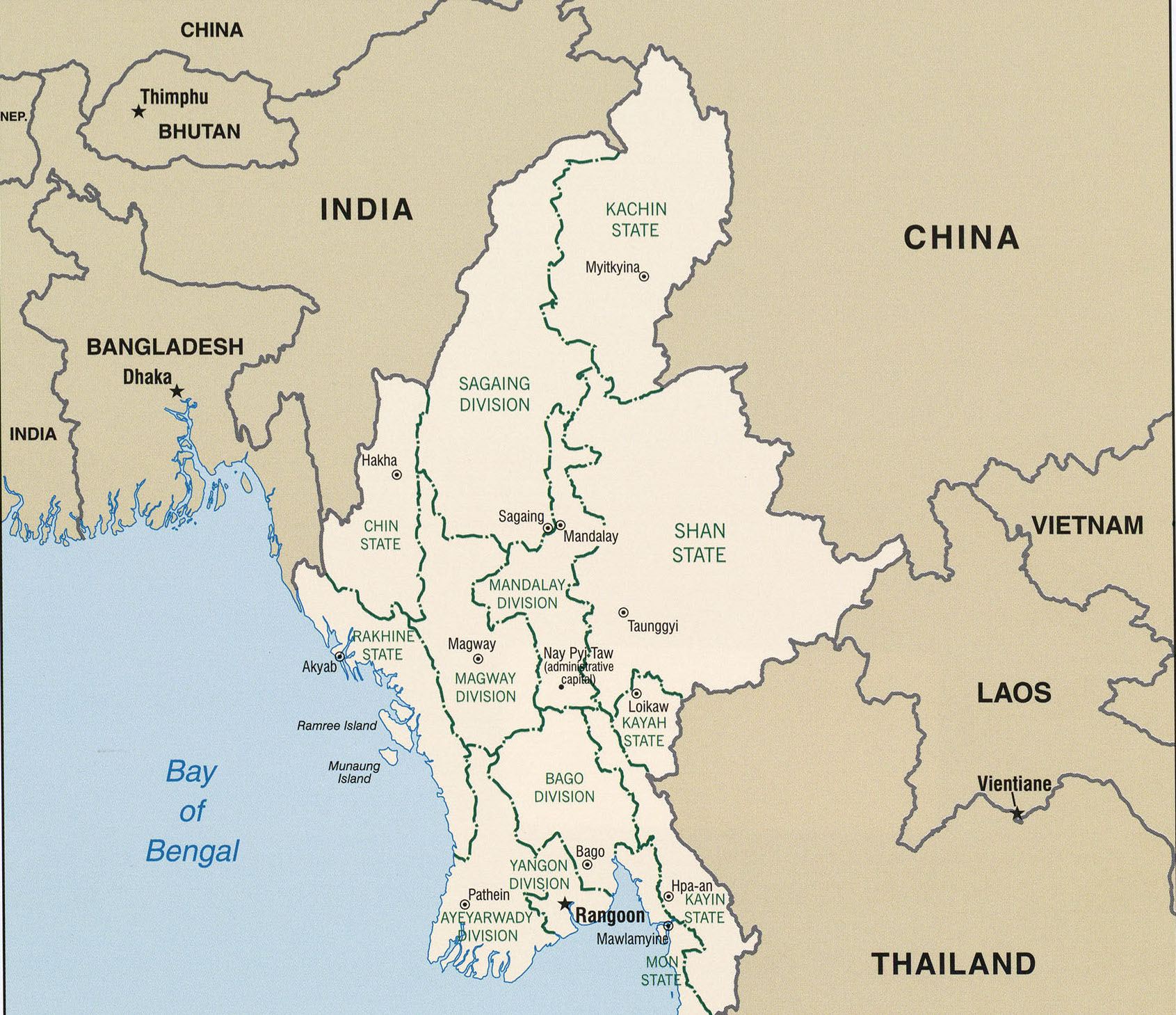
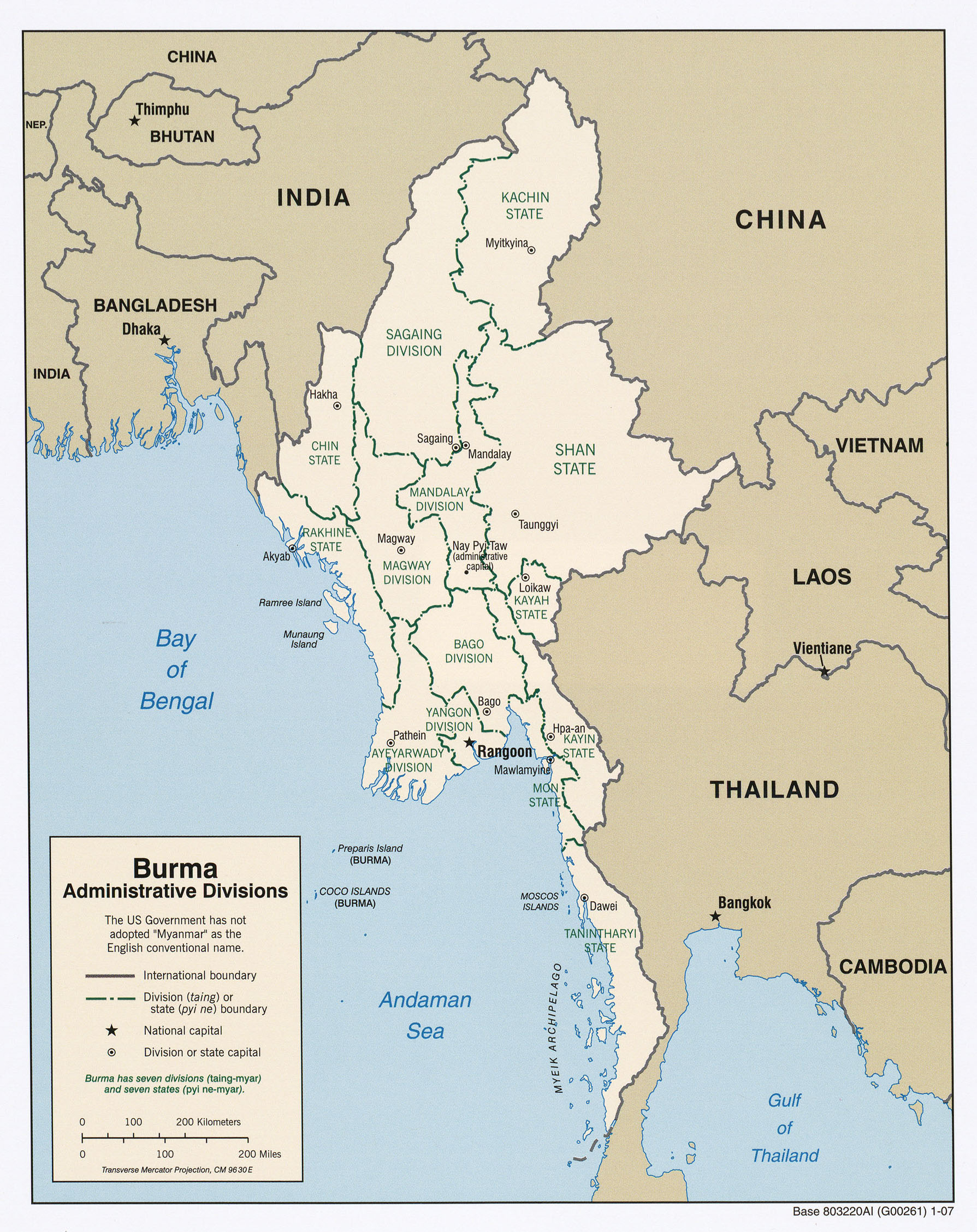
The Burmese military tortured and killed at least 17 civilians after beheading and dismembering five captured resistance fighters earlier this month. The incidents took place at two villages in Sagaing region, and were reported by the besieged opposition media. A UN Human Rights Office report finds that some 80% of townships across Burma have experienced armed clashes since the February 2021 coup, with nearly 3,000 people killed by security forces and almost 40,000 homes destroyed. (Map: PCL)

Syria
Idlib displaced

Unnatural disaster in Syria’s northwest

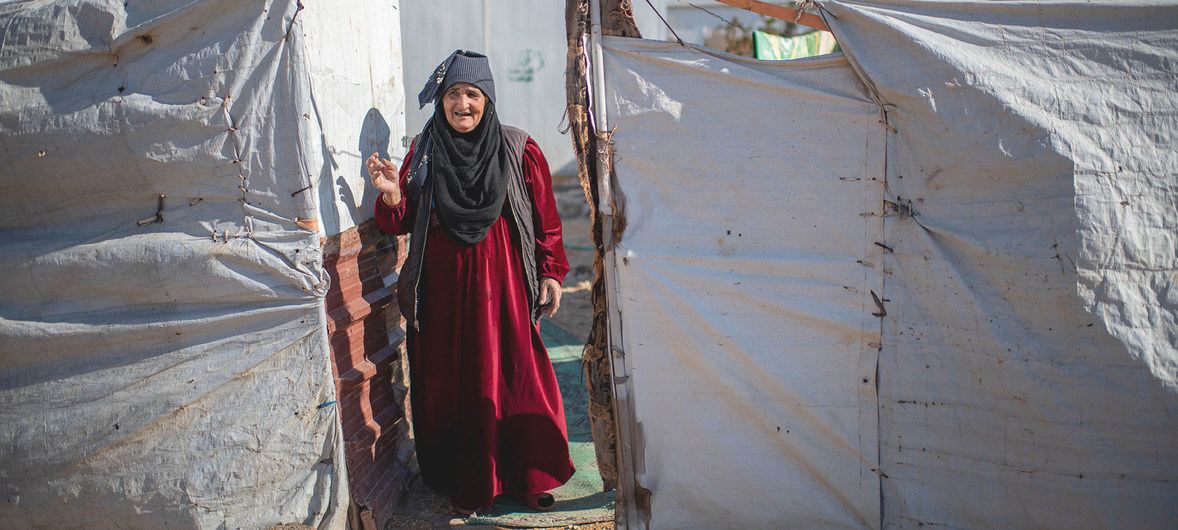
In the wake of the devastating earthquake that has killed some 15,000 in Turkey and Syria, the contested political situation in the latter country is raising particular dilemmas. Aid agencies warn of “catastrophic” implications for Syria’s rebel-controlled northwest, where millions of displaced and vulnerable people were already in precarious straits and relying on humanitarian support before the quake. At least half of the estimated 2,000 dead in Syria are in the rebel-controlled area. Due to Russian influence at the UN on behalf of the Bashar Assad regime, humanitarian access is already limited to one border crossing—Bab al-Hawa. And Moscow and Damascus have been pressuring to close that one as well. (Photo: UNHCR)

Africa
Fulani

Podcast: West Africa’s forgotten wars

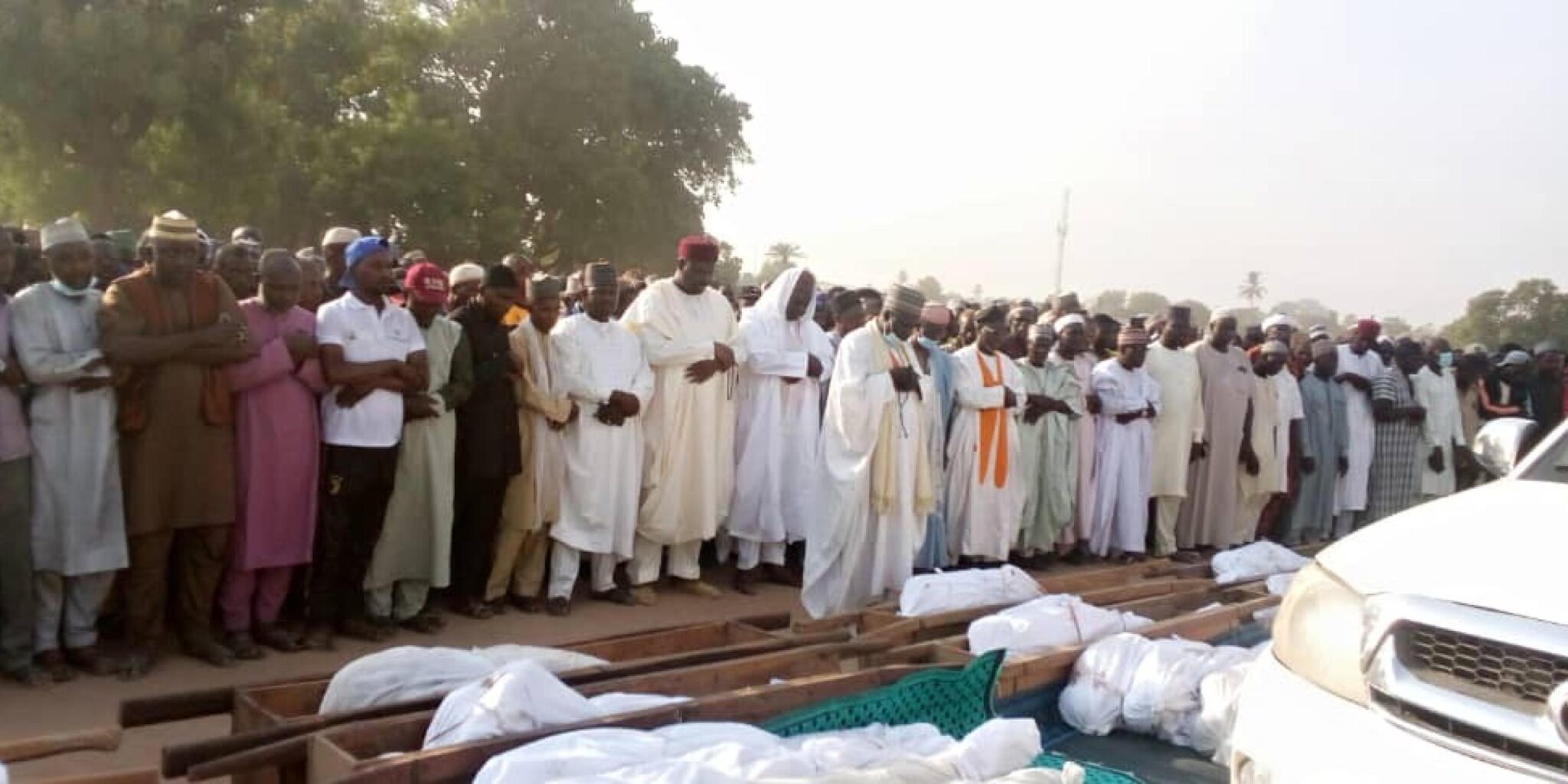
In Episode 161 of the CounterVortex podcast, Bill Weinberg provides an overview of the under-reported conflicts in West Africa, where government forces and allied paramilitary groups battle multiple jihadist insurgencies affiliated either with ISIS or al-Qaeda on a franchise model. Horrific massacres have been committed by both sides, but the Western media have only recently started to take note because of the geopolitical angle that has emerged: both Mali and Burkina Faso have cut long-standing security ties with France, the former colonial power, and brought in mercenaries from Russia’s Wagner Group. In both countries, the pastoralist Fulani people have been stigmatized as “terrorists” and targeted for extra-judicial execution and even massacre—a potentially pre-genocidal situation. But government air-strikes on Fulani communities in Nigeria have received no coverage in the Western media, because of the lack of any geopolitical rivalry there; Nigeria remains firmly in the Anglo-American camp. Listen on SoundCloud or via Patreon. (Photo: Sahara Reporters)

Africa

Massacres mount in eastern DRC

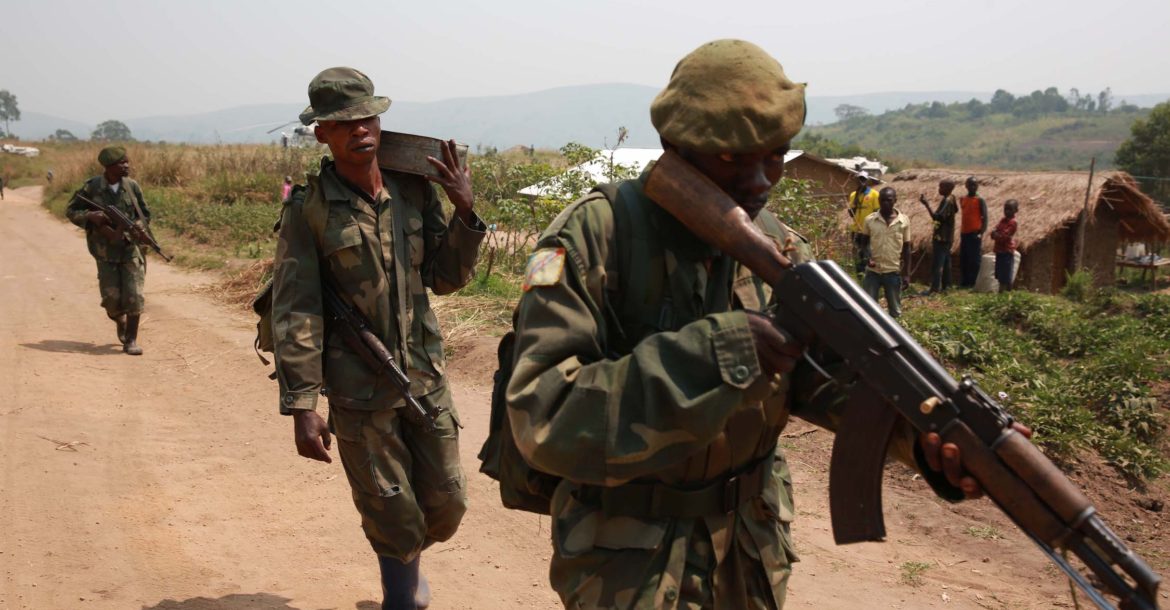
Fighters from the ISIS-aligned Allied Democratic Forces (ADF) and the CODECO ethnic miitia have each carried out multiple massacres of villagers in Ituri and North Kivu provinces of the eastern Democratic Republic of Congo over the past weeks. The M23 rebel group, said to be backed by Rwanda, has meanwhile captured new territory in North Kivu, further closing the ring around Goma, the largest city in the DRC’s east. Regional tensions rose after Rwanda fired on a Congolese fighter jet, claiming it had breached its airspace. Kinshasa denied the accusation and called the shooting “an act of war.” (Map: CIA)

The Amazon
yanomami

Lula accuses Bolsonaro of ‘genocide’ of Yanomami

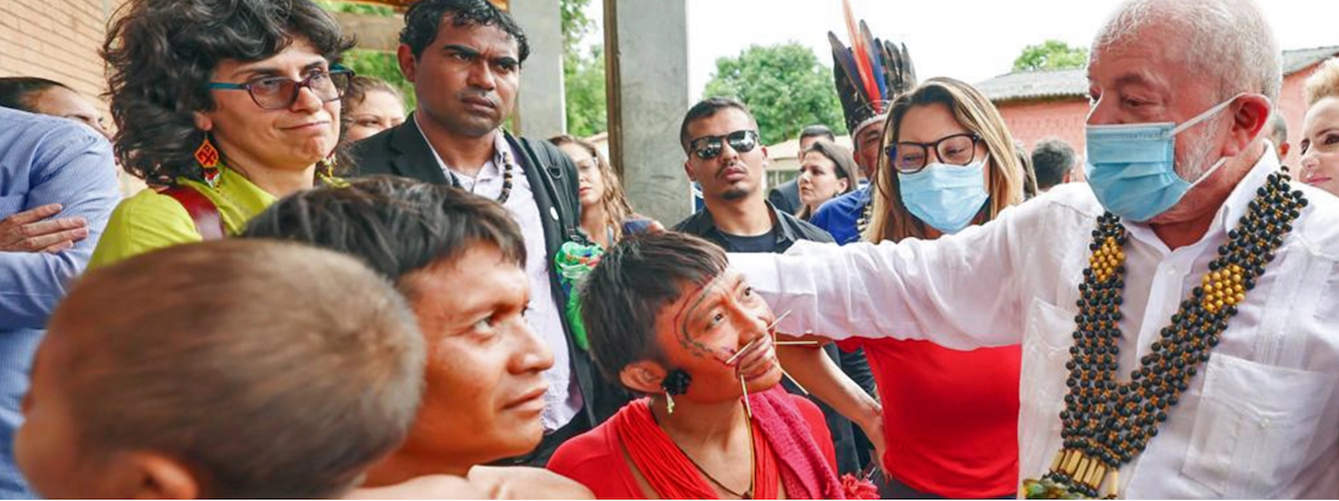
Brazil’s government declared a public health emergency for the Yanomami indigenous people, now plagued by rising death rates from curable diseases and malnutrition. President Luiz Inácio “Lula” da Silva flew to the remote Yanomami territory in Roraima state after horrifying photographs emerged of emaciated Yanomami children and adults. After his visit, Lula tweeted: “More than a humanitarian crisis, what I saw in Roraima was genocide: a premeditated crime against the Yanomami, committed by a government insensitive to suffering.” This was a reference to the previous far-right government of Jair Bolsonaro, under whose presidency gold miners and illegal loggers flooded into Yanomami territory, bringing disease and destroying the forest that the people depends on for sustenance. Interior Minister Flávio Dino said he will order an investigation into “strong indications” the Yanomami had suffered crimes including genocide–meaning the deliberate attempt to partially or completely destroy an ethnic, national, racial or religious group. (Photo: Mongabay)

Greater Middle East
Palestine

From Palestine to Iran: free the land

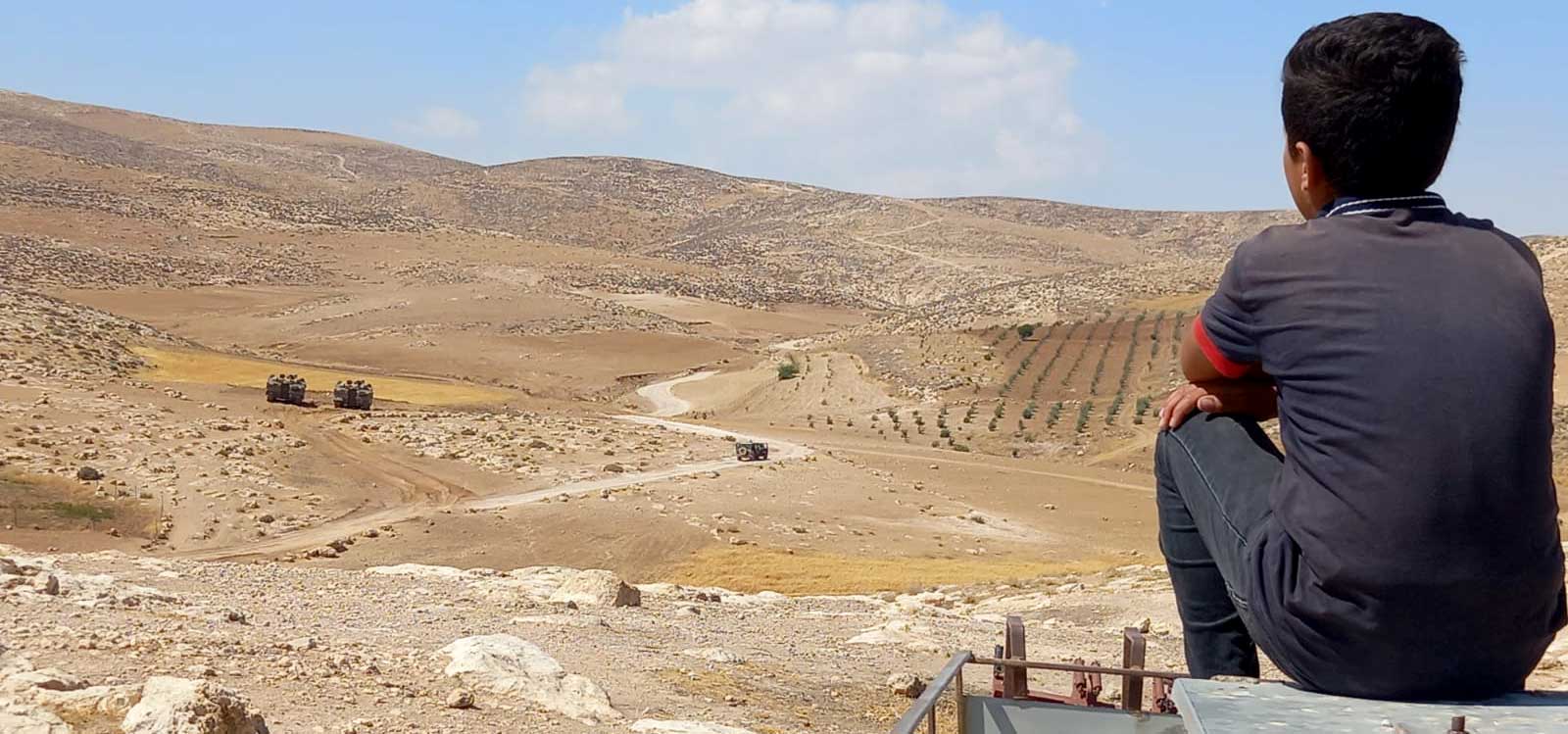
In Episode 160 of the CounterVortex podcast, Bill Weinberg notes hideous ironies in the current horrific headlines. Russia was excluded from the official commemorations of Holocaust Day at Auschwitz-Birkenau as it pursues its war of aggression and extermination in Ukraine in the perverse name of “de-nazification.” But Israeli flags were of course displayed at the commemoration—even as Israel escalates toward a genocidal solution to the Palestinian question. The fundamental contradiction driving the conflict is the expropriation of the Palestinian people of their lands, and the denial of their self-determination by Israel. The emergence of an explicitly anti-Zionist bloc in the protests against the new far-right government in Israel is a sign of hope. The US, however, is undertaking its biggest joint military exercises ever with the new Israeli regime, despite Biden’s supposed rejection of its extremist policies of settlement expansion and annexation—viewing the Jewish State as a strategic ally against the Islamic Republic of Iran. Meanwhile, the oppressive regime in Iran treats minority peoples such as the Kurds, Baluch, Ahwazi and Baha’i much as Israel treats the Palestinians. Listen on SoundCloud or via Patreon. (Photo: B’Tselem)

The Andes
Juliaca

‘Genocidal’ massacre of protesters in Peru

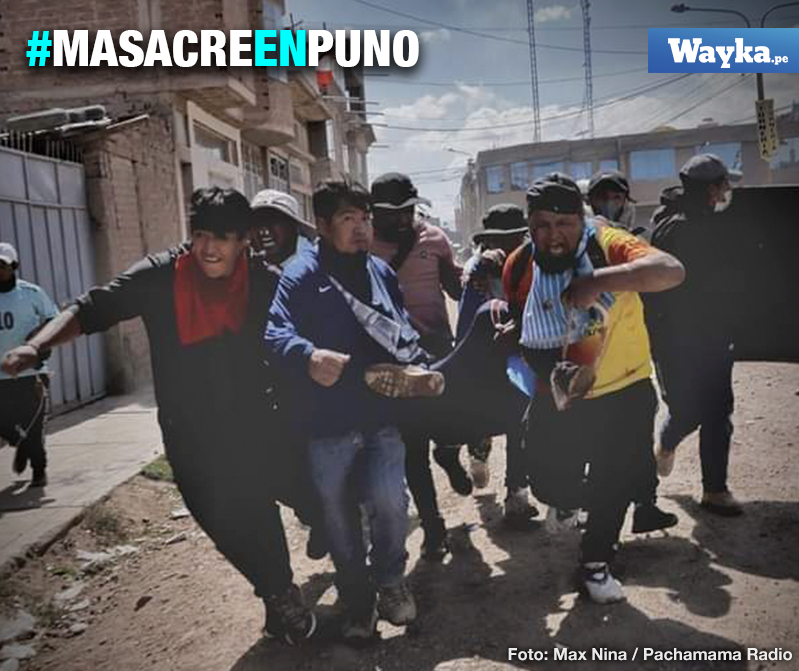
The prosecutor general’s office in Peru, the Fiscalía, opened a preliminary investigation into President Dina Boluarte and five of her current and fomer cabinet members for possible acts of “genocide” in the repression of the mass protests sparked by the ouster of president Pedro Castillo last month. The announcement came a day after 17 were killed, including two teenagers, as protesters attempted to occupy the local airport in Juliaca, Puno region. The total death toll in the unrest since Castillo’s ouster now stands at 47. Peru’s southern regions of Puno, Cuzco, Arequipa and Madre de Dios have been almost entirely cut off by roadblocks since the protests remobilized with the new year. The giant Antapaccay copper mine in Cuzco region, operated by the Swiss multinational Glencore, is also under occupation by protesters, who set company vehicles on fire and clashed with police sent to remove them. (Photo: Max Nina/Pachamama Radio via Wayka)

Iraq
Sinjar

The Yezidis, ‘esotericism’ and the global struggle

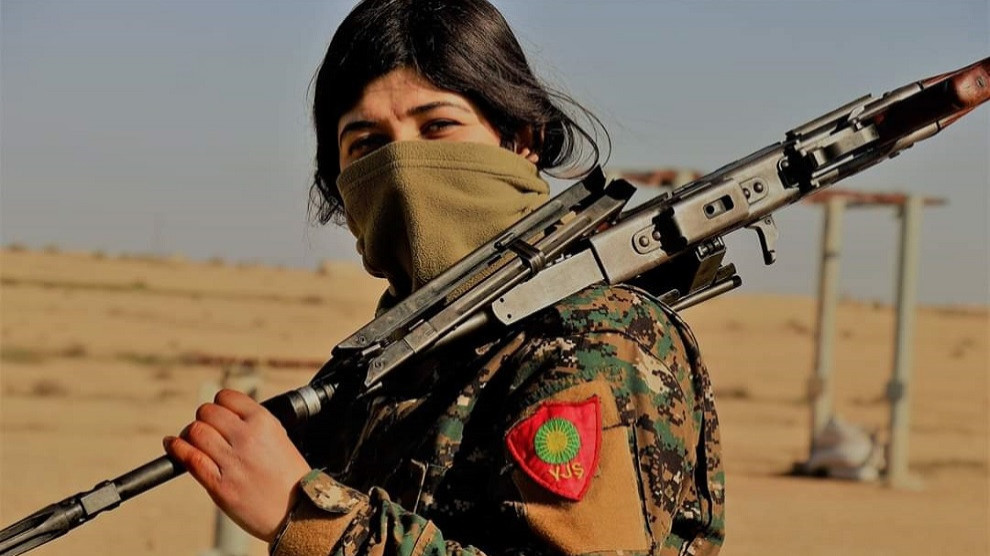
In Episode 156 of the CounterVortex podcast, Bill Weinberg discusses Peter Lamborn Wilson‘s last book, Peacock Angel: The Esoteric Tradition of the Yezidis. One of the persecuted minorities of Iraq, the Yezidis are related to the indigenous Gnostics of the Middle East such as the Mandeans. But Wilson interprets the “esoteric” tradition of the Yezidis as an antinomian form of Adawiyya sufism with roots in pre-Islamic “paganism.” Melek Taus, the Peacock Angel, the divine being revered by the Yezidis as Lord of This World, is foremost among a pantheon that ultimately traces back to the Indo-European gods. Wilson conceives this as a conscious resistance to authoritarianism, orthodoxy and monotheism—which has won the Yezidis harsh persecution over the centuries. They were targeted for genocide along with the Armenians by Ottoman authorities in World War I—and more recently at the hands of ISIS. They are still fighting for cultural survival and facing the threat of extinction today. Weinberg elaborates on the paradox of militant mysticism and what it means for the contemporary world, with examples of “heretical” Gnostic sects from the Balkan labyrinth. Listen on SoundCloud or via Patreon. (Photo via Kurdistan Source)

The Amazon
Loreto

‘Law of Genocide’ introduced in Peru

In the midst of the political crisis gripping Peru, reactionary elements in the country’s Congress have launched an initiative to repeal the 2006 law establishing reserves to protect isolated indigenous peoples in the Amazon rainforest. AIDESEP, Peru’s trans-Amazonian indigenous alliance, is calling Law Project 3518/2022 the “Law of PIACI Genocide”—a reference to the Spanish acronym for Indigenous Peoples in Isolation or Initial Contact. The AIDESEP statement also charges that the congressional Commission on Decentralization & Regionalization submitted the bill without first seeking clearance from the Commission on Andean & Amazonian Peoples, which holds authority in the matter. AIDESEP believes that the PIACI population in Peru is roughly 7,500 people—5,200 in isolation and 2,300 in a process of initial contact, mostly in the regions of Loreto and Madre de Dios. But a new alliance in support of oil, timber and other extractive industries, the Coordinator for the Development of Loreto, asserts that their existence is “not proven.” (Photo of Loreto rainforest via Pixabay)