Mexico
Mexico

Mexican elections see record number of assassinations

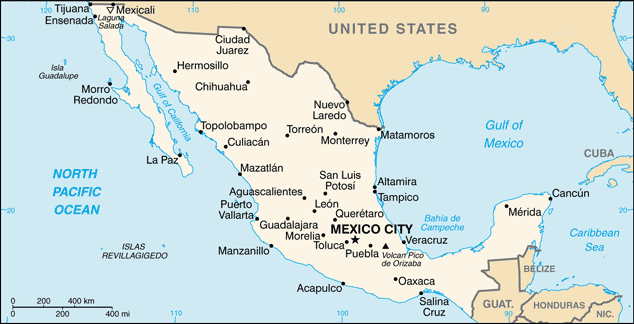
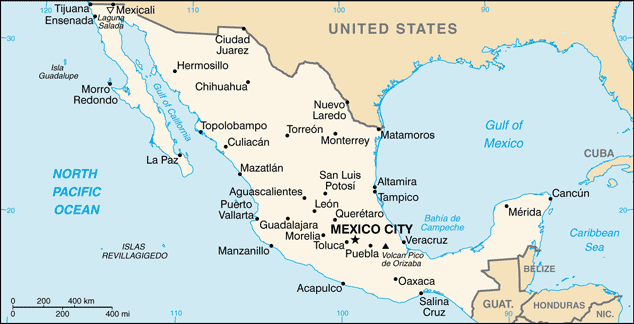
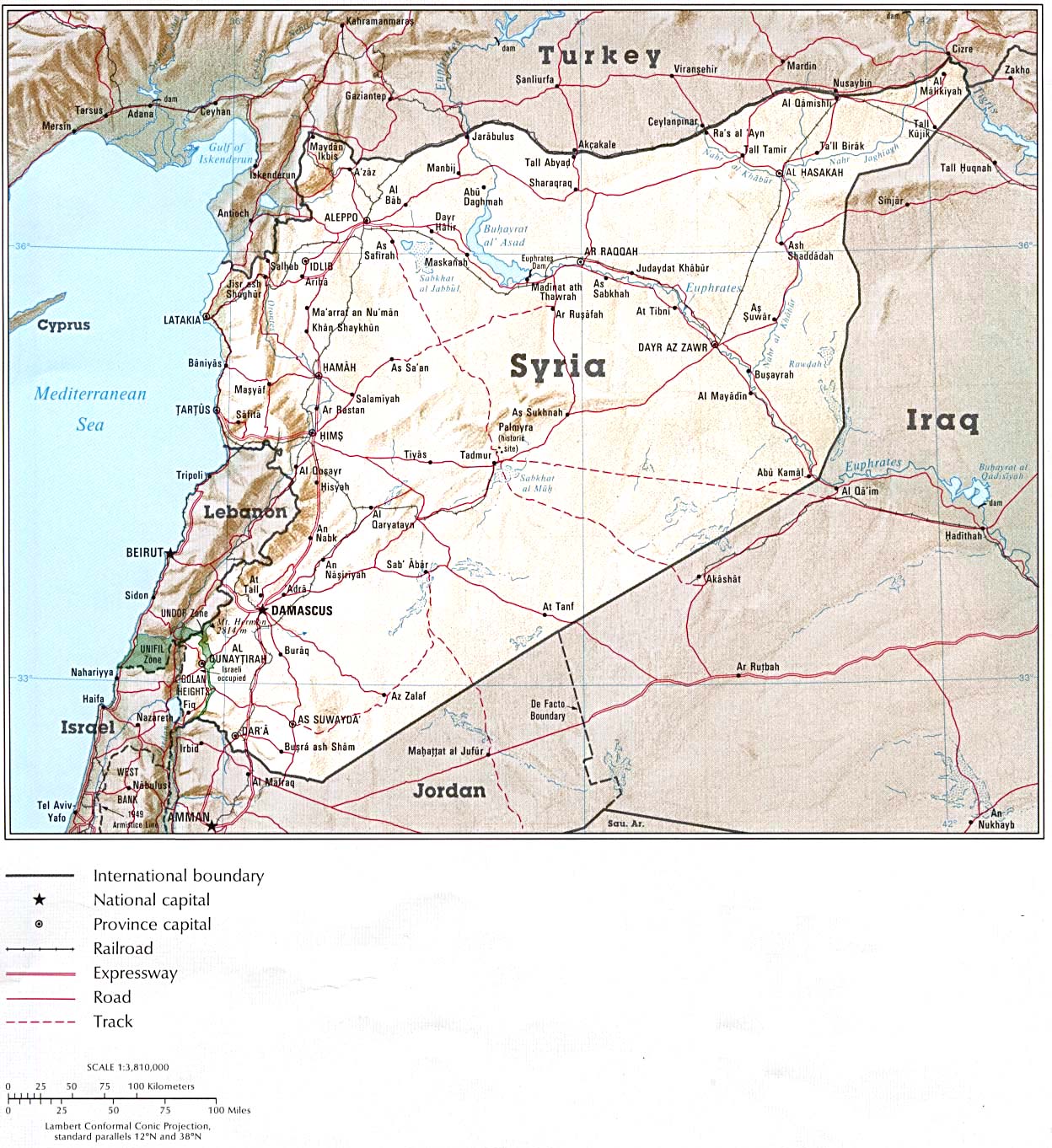
The results are in from Mexico’s presidential election and Claudia Sheinbaum of the ruling left-populist National Regeneration Movement (MORENA) has won by some 60%, handily defeating a rival backed by an alliance of the country’s more traditional political parties. But the ongoing human rights crisis in Mexico that will obviously pose a grave challenge for Sheinbaum was dramatically exemplified by the record number of political assassinations that marred the elections. (Map: PCL)

Iraq
omfaad

Iraq: harsh backlash hits sexual, cultural dissidents

Iraq’s parliament has passed a law criminalizing same-sex relations, with a punishment of 10 to 15 years in prison. An earlier draft of the law had proposed the death penalty. The new law also includes prison terms for those who “promote homosexuality” or “intentionally” act “effeminate.” Just as the law was being passed, Iraqi TikTok star Om Fahad was shot dead outside her home in Baghdad. Om Fahad, whose real name was Ghufran Sawadi, won nearly half a million followers for sharing videos of herself dancing to pop music. In February 2023, she had been sentenced to six months in prison after a court found that her videos contained “indecent speech that undermines modesty and public morality.” (Image via Instagram)

Central America
roe

El Salvador: warning for post-Roe US

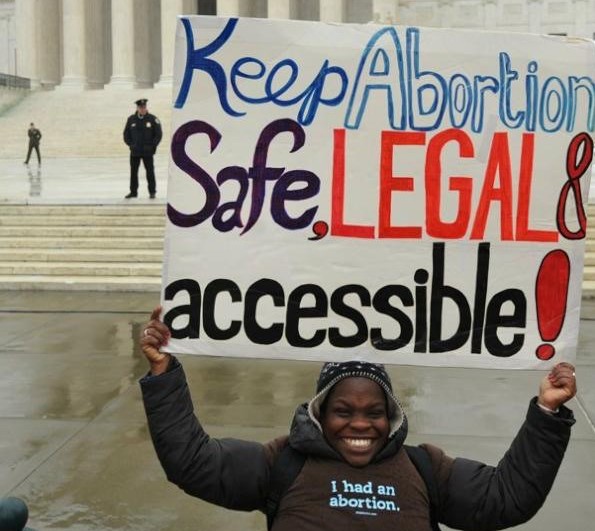
The US Supreme Court decision overturning Roe v. Wade comes six weeks after a court in El Salvador sentenced a woman to 30 years in prison after she suffered an obstetric emergency that resulted in termination of her pregnancy, according to a local advocacy group that was assisting in her defense. The Citizen Group for the Decriminalization of Abortion (ACDATEE) denounced the sentence and said it would appeal the conviction. The woman, identified only as “Esme,” was held in pre-trial detention for two years following her arrest when she sought medical care at a hospital. She already had a seven-year-old daughter. (Photo: Debra Sweet/WikiMedia via Jurist)

Mexico
madres

Mothers of the disappeared march in Mexico

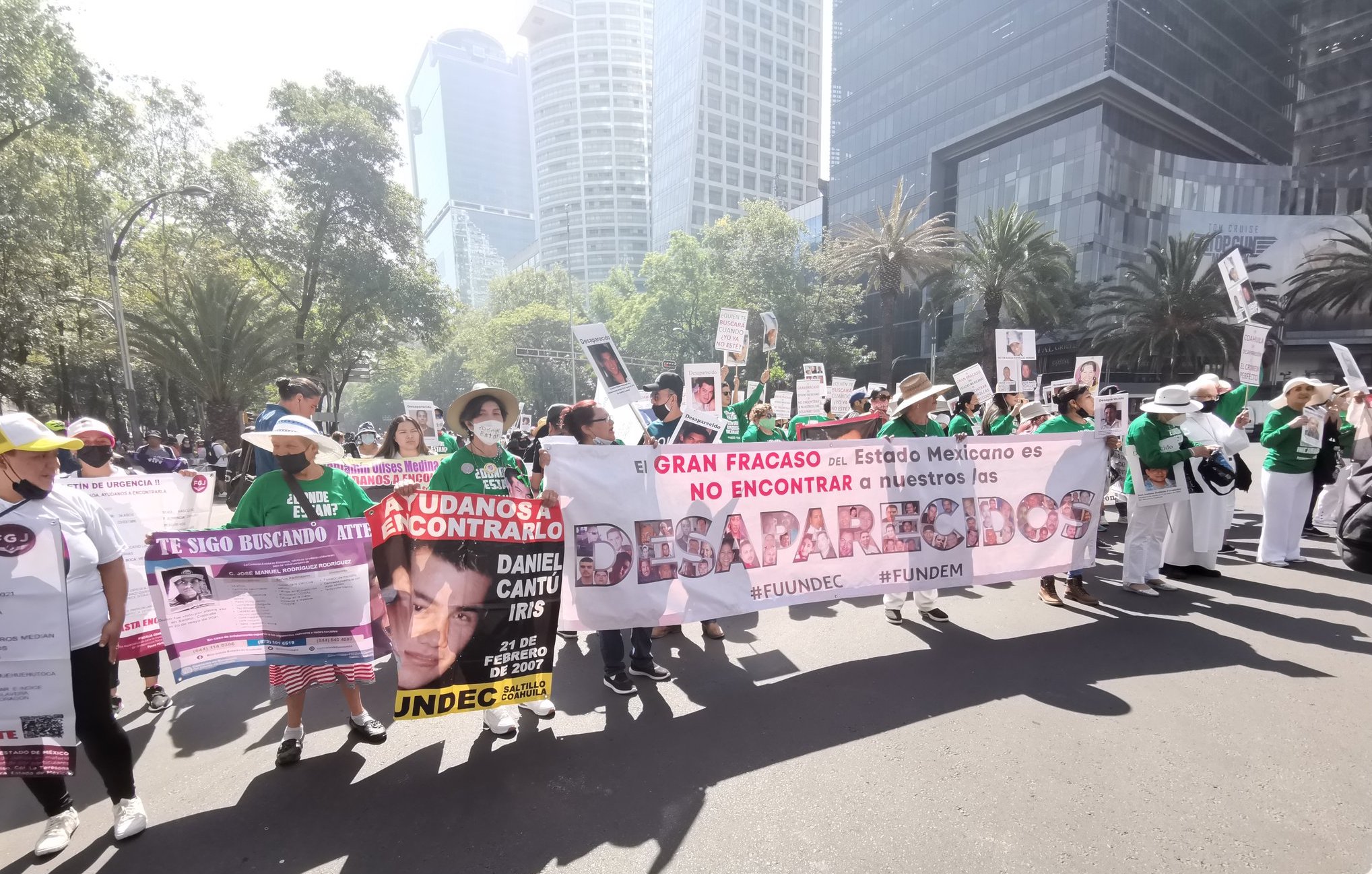
On Mexico’s Day of the Mother, thousands of mothers and other family members of the disappeared held a March for National Dignity in the capital, calling for action on their missing loved ones. The march, which filled the main avenues of Mexico City, was organized by a coalition of 60 regional collectives of survivors of the disappeared from around the country. In the days before the march, a group camped out at the National Palace, demanding a dialogue with President Andrés Manuel López Obrador. (Photo via Twitter)

Mexico
narco-fosa

Mexico approaches 100,000 ‘disappeared’

A year-end report by Mexico’s government registered a figure of 95,000 missing persons nationwide, with an estimated 52,000 unidentified bodies buried in mass graves. The report by the Comisión Nacional de Búsqueda de Personas (National Missing Persons Search Commission) found that the great majority of the disappearances have taken place since 2007, when Mexico began a military crackdown on the drug cartels. Alejandro Encinas, the assistant interior secretary for human rights, said that there are 9,400 unidentified bodies in cold-storage rooms in the country, and pledged to form a National Center for Human Identification tasked with forensic work on these remains. He admitted to a “forensic crisis that has lead to a situation where we don’t have the ability to guarantee the identification of people and return [of remains] to their families.” (Photo via openDemocracy)

Inner Asia
Kyrgyzstan women's march

Women’s Day march attacked in Mexico, Kyrgyzstan

Police in Kyrgyzstan detained dozens of women’s rights activists—shortly after the International Women’s Day march was attacked by masked men. That same day, the women’s march in Mexico City was set upon by anti-abortion protesters, overwhelmingly men, some of whom gave the Nazi salute. There were scuffles between the two groups, and some marchers hurled Molotov cocktails over police lines toward the presidential palace. The following day, tens of thousands of women across Mexico walked off their jobs in protest of the government’s lack of action regarding the ongoing wave of femicide. (Photo via Twitter)

Africa
Mozambique displaced

ISIS behind Mozambique insurgency?

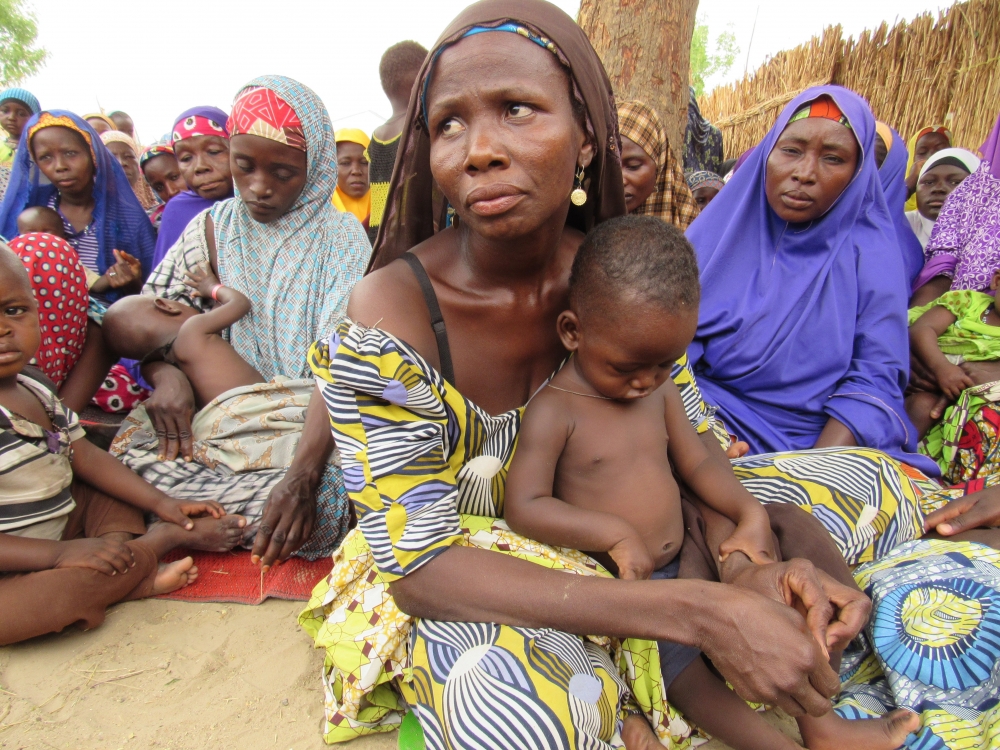
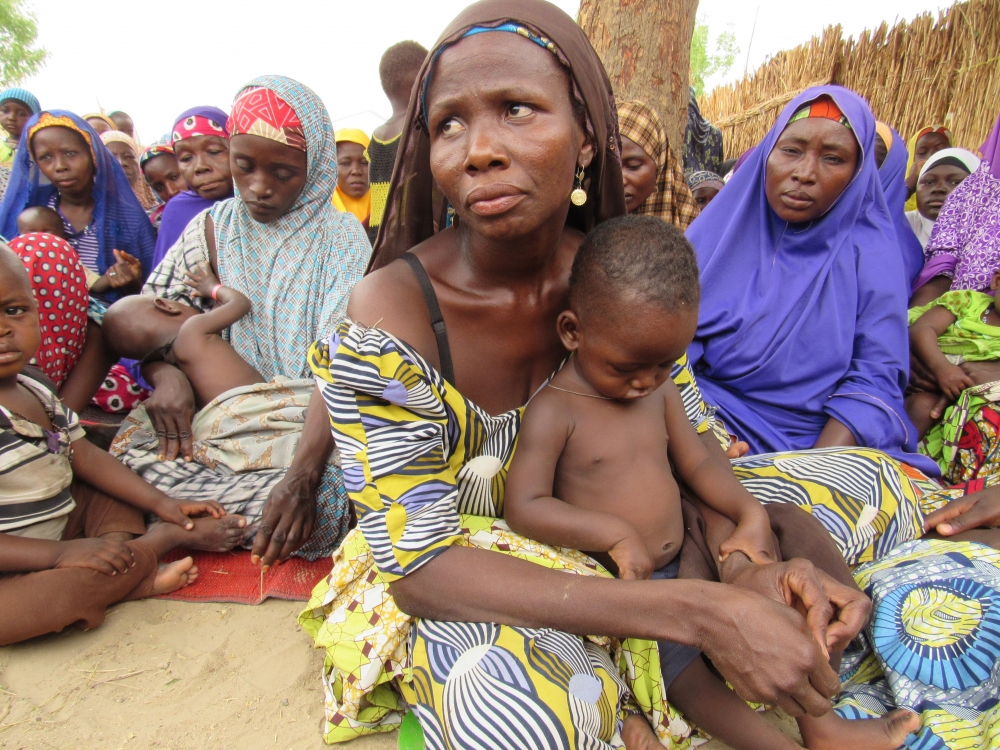
The UN refugee agency is boosting its response in Mozambique’s northern Cabo Delgado province, where a recent escalation of violence has forced thousands to flee for their lives. At least 100,000 people are now displaced throughout the province. There has been a dramatic increase of brutal attacks by armed groups, with recent weeks being the most volatile period since the outbreak began in October 2017. Bands of gunmen have been targeting local villages and terrorizing the populace. Those fleeing report random killings, maiming and torture, torched homes and shops, and crops burned in the fields. There have been reports of beheadings, kidnappings and disappearances of women and children. Several of the attacks have been claimed in the name of the Islamic State. (Photo: UNHCR)

Africa
minusma

Insurgency mounts on Mali-Burkina borderlands

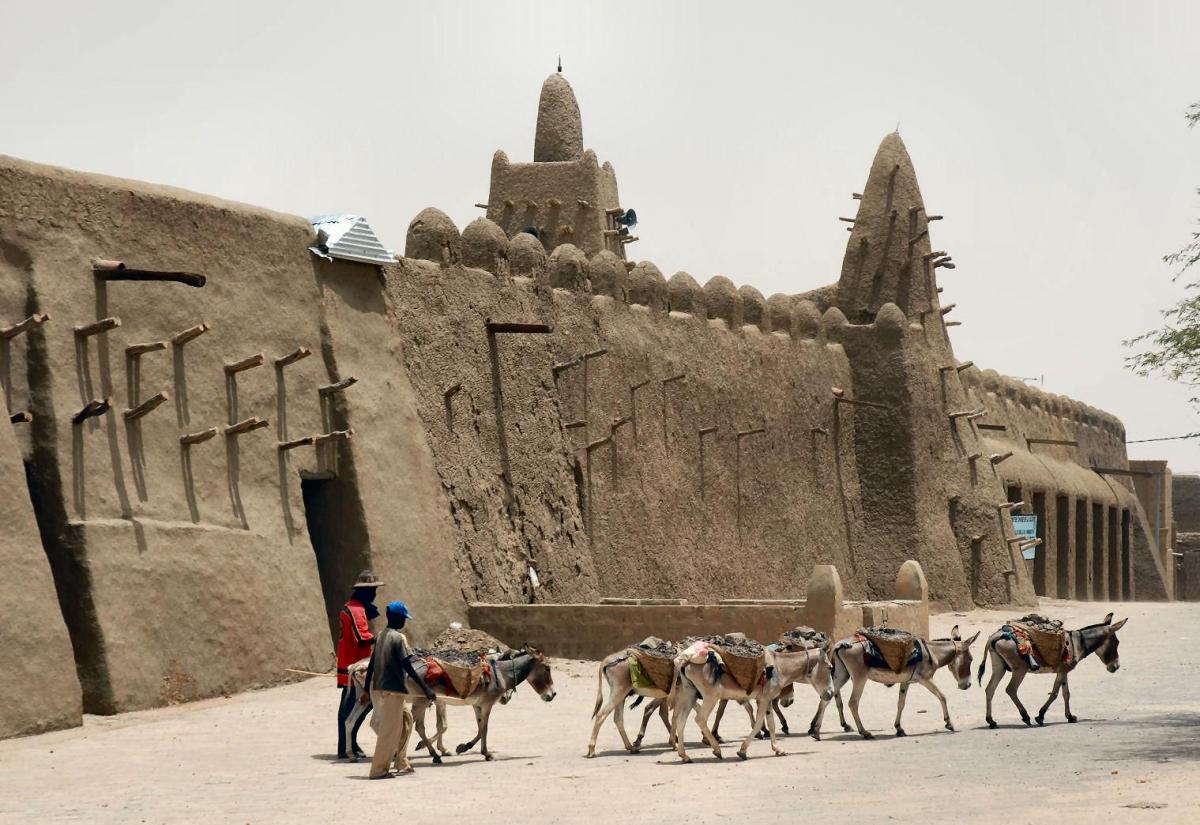
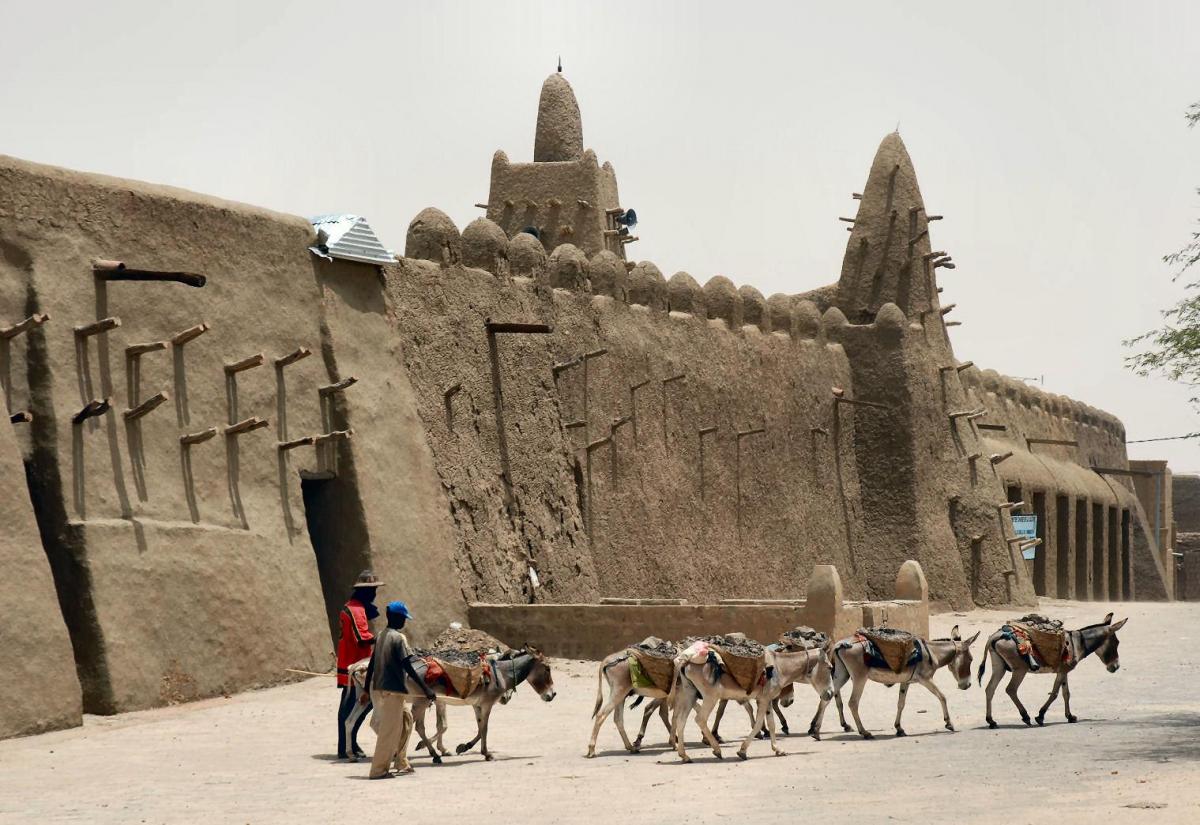
At least 25 Malian soldiers are dead and more than 60 others missing after two assaults on bases in central Mali, near the border with Burkina Faso. Jihadist forces simultaneously targeted a Malian army base and a G5 Sahel force camp. The G5 Sahel group includes Mali, Burkina Faso, Niger, Chad and Mauritania, and receives logistical support from the UN Stabilization Mission in Mali (MINUSMA). Malian officials say the insurgents used “heavy weapons” in the assaults, and that at least 15 militants were killed. Local reports indicate the militants were able to briefly hold the bases and capture large amounts of weapons and equipment. Mali has now launched a joint operation with Burkina Faso and French forces in the region to hunt down the militants. (Photo:  UN News)

Mexico

Mexico: AMLO declares drug war ‘over’ —but is it?

Already officially studying the possibility of cannabis legalization, Mexico's new populist President Andrés Manuel López Obrador has now announced a formal end to the "war on drugs" that has only seemed to fuel the narco-violence over the past 10 years. However, military troops are still being mobilized for narcotics enforcement from Chiapas to Chihuahua—including marijuana eradication. (Photo: Sexenio)

Iraq

Wave of femicide in Iraq, vocal women targeted

Four prominent Iraqi women had been assassinated over the past weeks, including Tara Fares, a model and social media star, and Souad al-Ali, a feminist and leader of the recent popular protests in Basra. Other outspoken women are receiving threats and have been forced to flee the country—including Yanar Mohammed, leader of the Organization of Women's Freedom in Iraq. Prime Minister Haider al-Abadi has ordered an investigation into the killings, but Mohammed is skeptical, saying, "The police are collaborating with the murderers and covering up. for them. We never get the exact story." (Image via Gulf News)

The Andes

Peru: protests win resignation of high officials

The day after thousands of Peruvians filled the streets of Lima in a March Against Corruption, Duberli Rodriguez stepped down from his posts as head of the country's justice department, Poder Judicial, and president of the Supreme Court. Orlando Velasquez, president of the National Council of the Magistrature, also resigned. The justice minister, Salvador Heresi, had already been sacked by President Martín Vizcarra days earlier, amid a widening scandal concerning the perverting of the court system. The outrage was sparked when national media outlets aired a series of telephone recordings involving an extensive network of judges, businessmen and local authorities describing illegal deals. (Photo: Diario Uno)

The Andes

‘Gasolinazo’ protests rock Peru

Hundreds marched on Peru's Congress building, in a rally that ended in clashes with the riot police in Lima's central Plaza San Martín, and a police car set on fire. The "Shut Down Congress" (Cierren el Congreso) mobilization was called to protest both economic austerity and official corruption, and came amid new revelations of vote-buying. It was the second such march since May 31, which saw a similar mobilization in downtown Lima. The press has dubbed the protest wave the "gasolinazo," as the high price of petrol (despite depressed global oil prices) is a key grievance. (Photo: @dbedoya08 via Debate)