

Africa
Somalia

Podcast: Somalia in the Great Game

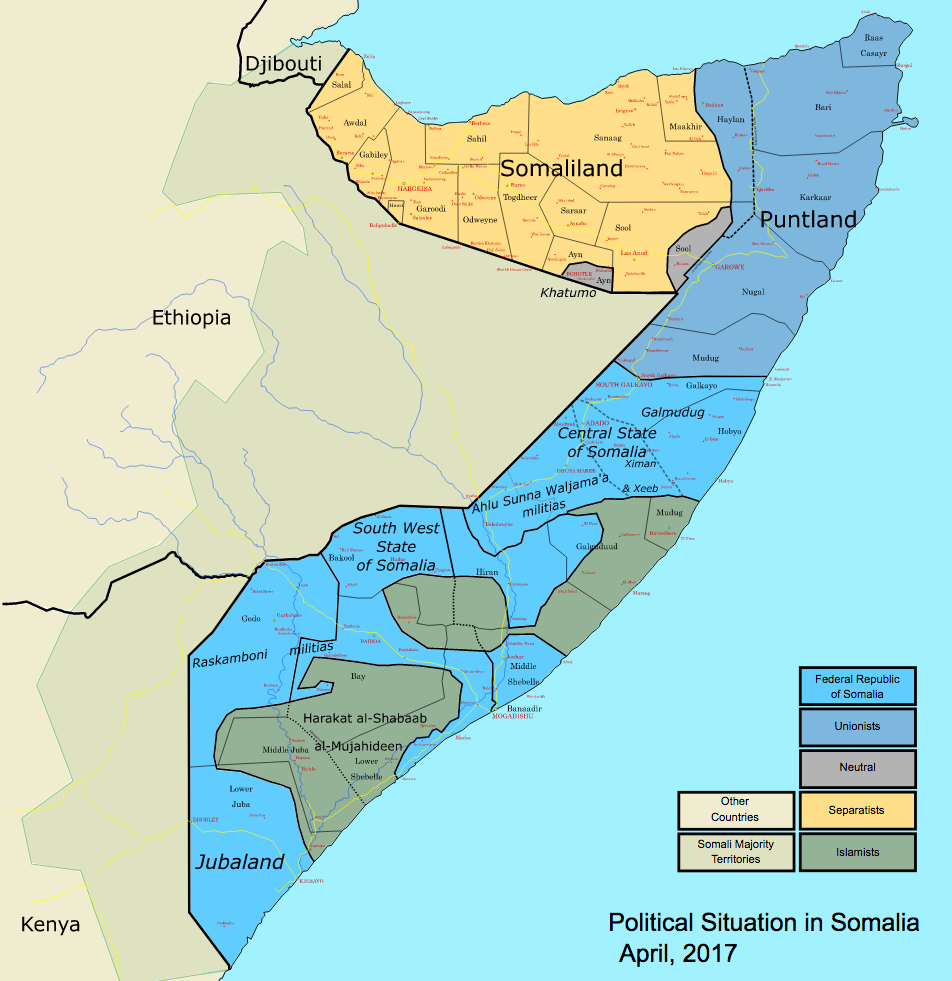
In Episode 122 of the CounterVortex podcast, Bill Weinberg examines the ongoing conflict in Somalia in light of both climate change and Great Power politics. Despite a pseudo-withdrawal of US forces, the Pentagon continues drone strikes against the Shaabab insurgents—as the Horn of Africa faces it worst drought in a generation, with millions on the brink of extreme hunger and possible starvation. A paradox of the situation is that “government-controlled” Somalia (the southern third of the country) is not controlled by any government, but wracked by insurgency. In contrast, the unrecognized de facto independent state of Somaliland in the north is a bastion of comparative stability and even social progress. Reports of Russian designs on Somaliland as a potential site for a naval base threaten to draw it into the imperial contest for control of the strategic Horn. Progressives in the West can demand international recognition for an independent and non-aligned Somaliland. We can also loan solidarity to the Sufi resistance now fighting both the Shaabab and the “recognized” Mogadishu quasi-government. Most importantly, we can support the secular and pro-democratic voices of civil society that are standing up for human rights and basic freedoms at great risk to themselves, and in spite fo everything. Listen on SoundCloud or via Patreon. (Map via Wikimedia Commons)
Africa
Mali

‘False flag’ plot behind Mali mass grave?

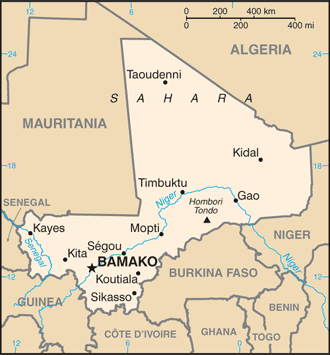
The junta in Mali is accusing France of spying after the French military used a drone to film footage that Paris says shows Russian mercenaries burying bodies in a mass grave near a military base. The French government says the bodies were buried outside the base at Gossi, Tombouctou region, in a scheme to falsely accuse its departing forces of leaving behind mass graves. Video from the drone was released after pixelated images appeared on social media of corpses being buried, with text accusing France of atrocities in Mali. France claims the bodies were brought to Gossi from Hombori, a town to the south, where Malian troops and Russian mercenaries have been carrying out an operation against jihadi insurgents. The junta acknowledges that numerous militants were killed in the operation. (Map: PCL)

Europe
mariupol

Ukraine: Russian chemical attack on Mariupol claimed

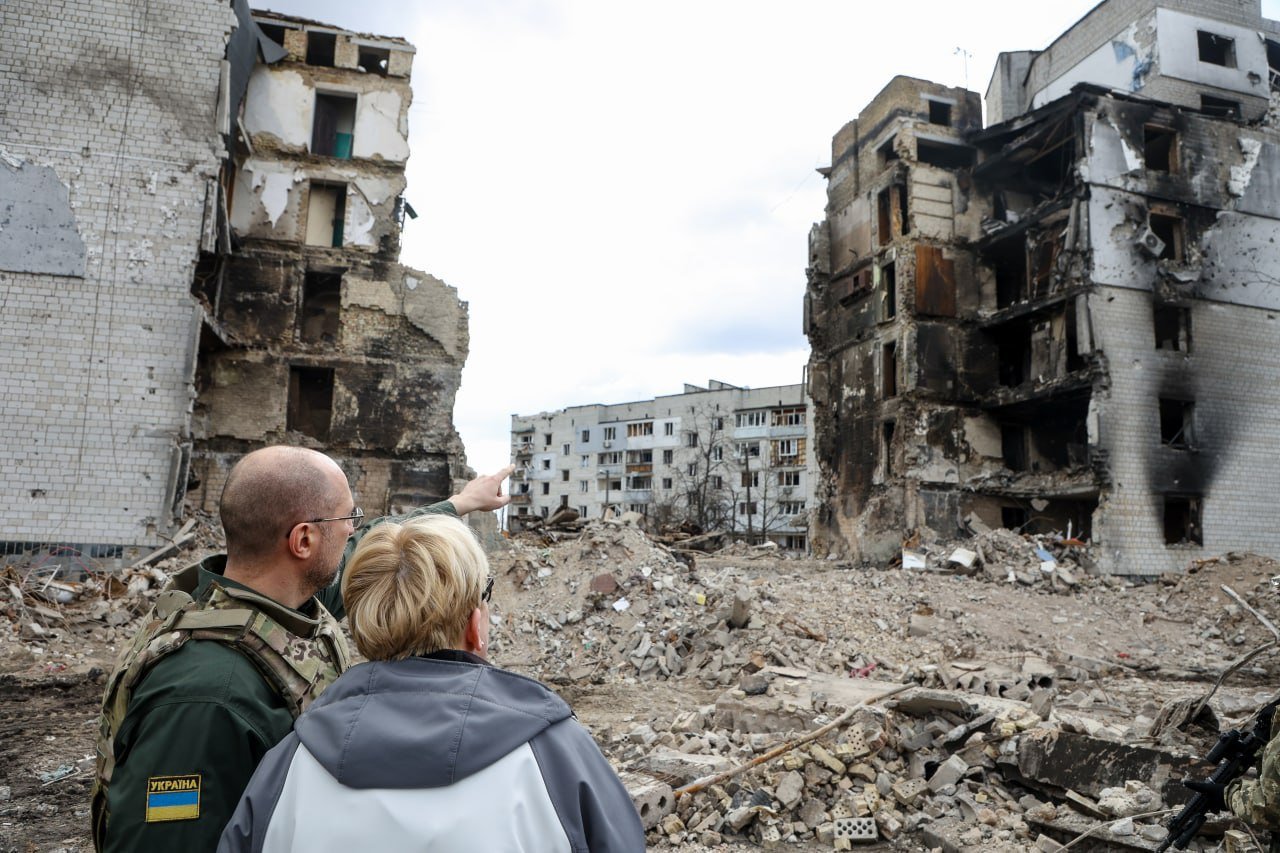
Ukrainian officials are accusing Russian forces of having used chemical weapons on the besieged Azov Sea port city of Mariupol, causing troops and civilians alike to develop respiratory symptoms. The claim first emerged from the Azov Battalion, a unit of the Ukrainian National Guard involved in the defense of the city, which said a substance believed to be sarin gas was sprayed from a drone. The fact that this report emerges from the Azov Battalion, with its notorious far-right proclivities, will doubtless provide an excuse for those predisposed in favor of Russia to dismiss the claims. However, that same day, a far-right militia commander on the Russian side had openly threatened to use chemical weapons on defenders of Mariupol. Immediately dismissing an atrocity claim at Mariupol—or assuming it was a “false flag” by Ukrainian forces against their own people—amid the destruction of the city by Russia’s war machine is perverse and dishonest on its face. (Photo via Twitter)

Iraq

Cycle of sectarian reprisals in Iraq

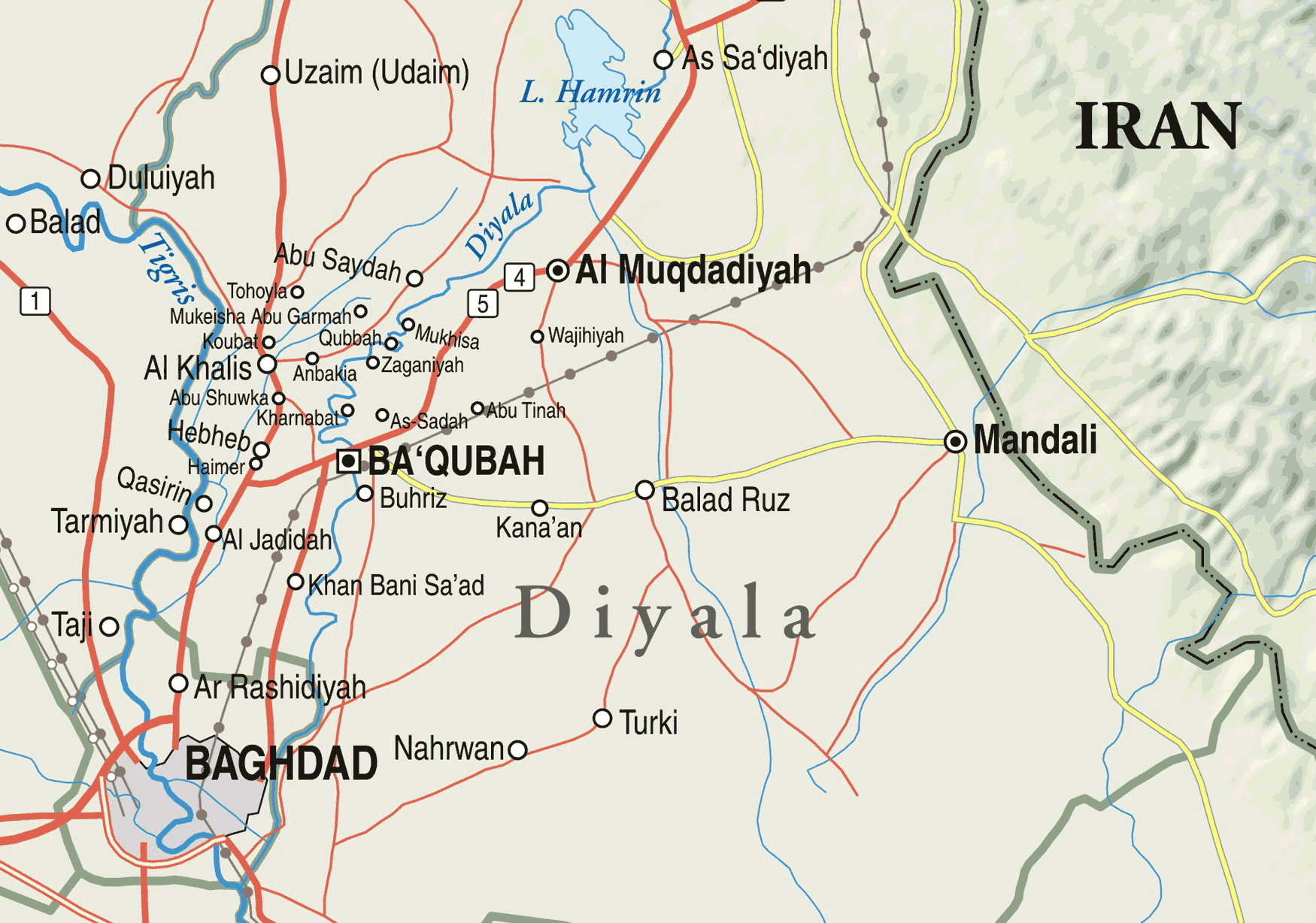
A cycle of attacks and counter-attacks in eastern Iraq raises concerns about a return of deadly sectarian violence in the country. Gunmen killed 15 people in the largely Shi’ite village of al-Rashad, Diyala governorate. The attack was blamed on remnants of the so-called Islamic State. Revenge attacks shortly followed on a nearby Sunni village, Nahr al-Imam, including the burning of crops and homes, forcing some residents to flee. The reprisal attacks were said to have included the participation of members of the Popular Mobilization Forces (PMF)—a network of Shi’ite militias now formally under the command of the official state security forces. Baghdad sent troops and delegations to the region, but tensions remain high. (Map: MapSof.net)

Greater Middle East
drone

Turkish drones decisive in regional wars

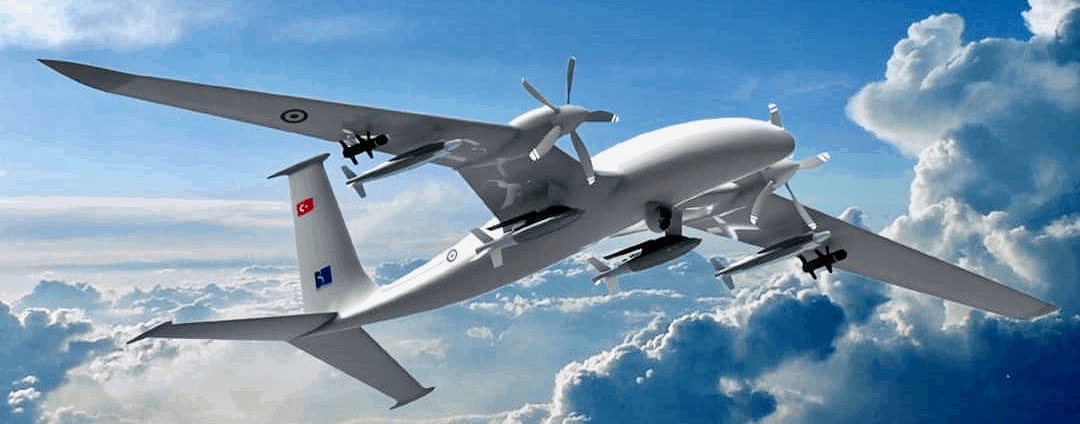
The Turkish military is unveiling a new upgraded “unmanned combat aerial vehicle,” the Bayraktar Akıncı, developed by private drone manufacturer Baykar Defense, which is owned by President Recep Tayyip Erdoğan’s son-in-law Selçuk Bayraktar. The Akıncı is a more advanced version of Turkey’s iconic Bayraktar TB2, able to fly higher and carry more missiles. The TB2 has been used by Ankara against Kurdish guerillas in northern Iraq, and against Syrian regime forces. Turkey has also provided the TB2 to various foreign militaries; it is held to have been decisive in Azerbaijan’s victory over Armenian forces in last year’s Nagorno-Karabakh war, as well as the Libyan government’s victory over the warlord Khalifa Haftar. Ukraine, having already tested an initial dispatchment of the drone, is now ordering 24 more for use in its war against Russian-backed separatists. (Photo: Wikipedia)

Afghanistan
afghanistan

Pakistan backing Taliban takeover in Afghanistan?

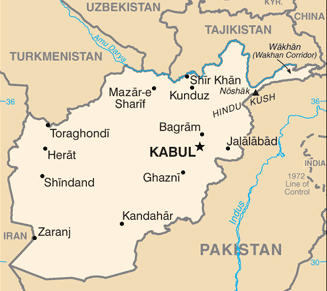
The Taliban announced that they have taken the Panjshir Valley from the incipient National Resistance Front of Afghanistan (NRFA). In an audio statement from an undisclosed location, NRFA leader Ahamd Masoud pledged to carry on the fight, and called upon Afghans to launch a national uprising against the Taliban. Another NRFA leader, Fahmi Dashti, was reported killed in the battle for the Valley. News sources in India claimed he met his death in a targeted drone strike launched by Pakistan. (Map: Perry-Castañeda Library)

Afghanistan
ISIS-K

US collaborates with Taliban against ISIS: it’s official

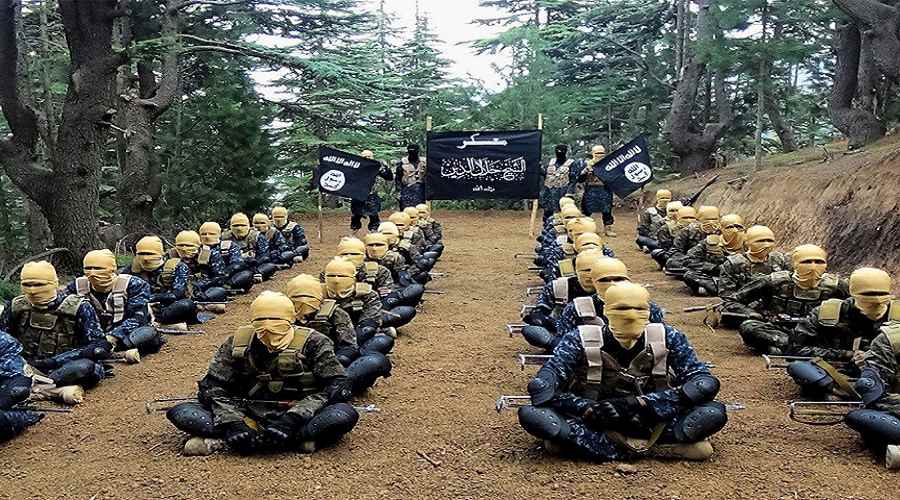
At least 12 US service members were killed in a combined bomb attack and armed assault at a gate to the Kabul airport, where throngs fleeing the Taliban were desperately crowding. Up to 100 Afghan civilians were also killed, including children. US Central Command chief Gen. Frank McKenzie told a press briefing at the Pentagon that the US is coordinating with the Taliban in the effort to maintain “security” in Kabul, saying: “They’ve been useful to work with.” It was also revealed that days earlier CIA director William J. Burns met face-to-face in Kabul with the top Taliban leader Abdul Ghani Baradar. The “secret” meeting was reported in the Washington Post. (Photo via Future Center)

Palestine
Daraa

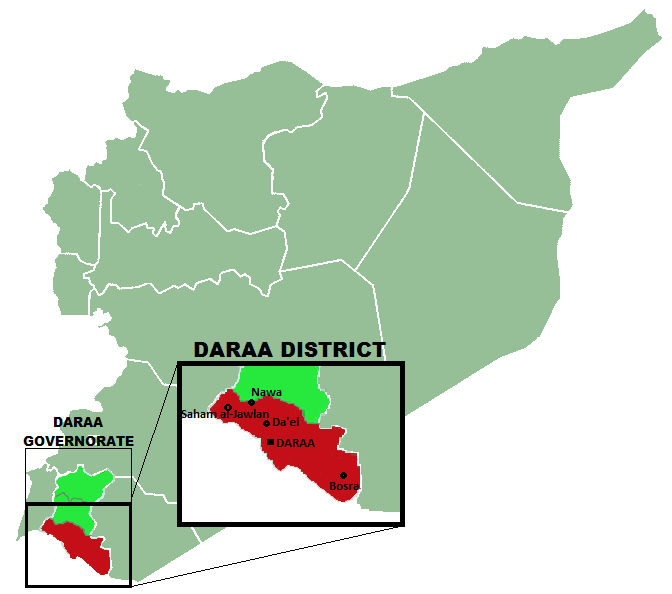
Syria: southern ceasefire breaking down

Fighting has erupted again in the southern Syrian town of Daraa, where an opposition-controlled neighborhood is resisting pressure to disarm. Assad regime forces placed the area, Daraa al-Balad, under military siege in late June, and escalated to intermittent shelling of the enclave. A new ceasefire was brokered by pro-regime Russian forces, under which the opposition would begin the process of disarming but maintain some autonomy within the area. However, the ceasefire broke down almost immediately—allegedly due to violations by Iran-backed militias fighting for the regime. Shelling of the neighborhood has since resumed. The UN relief agency UNRWA has especially expressed concern for the some 3,000 Palestinian refugees living in a camp within the besieged area. UNRWA reports that water and electricity are completely cut off inside the camp. (Map: Wikimedia Commons)

Greater Middle East
Iran

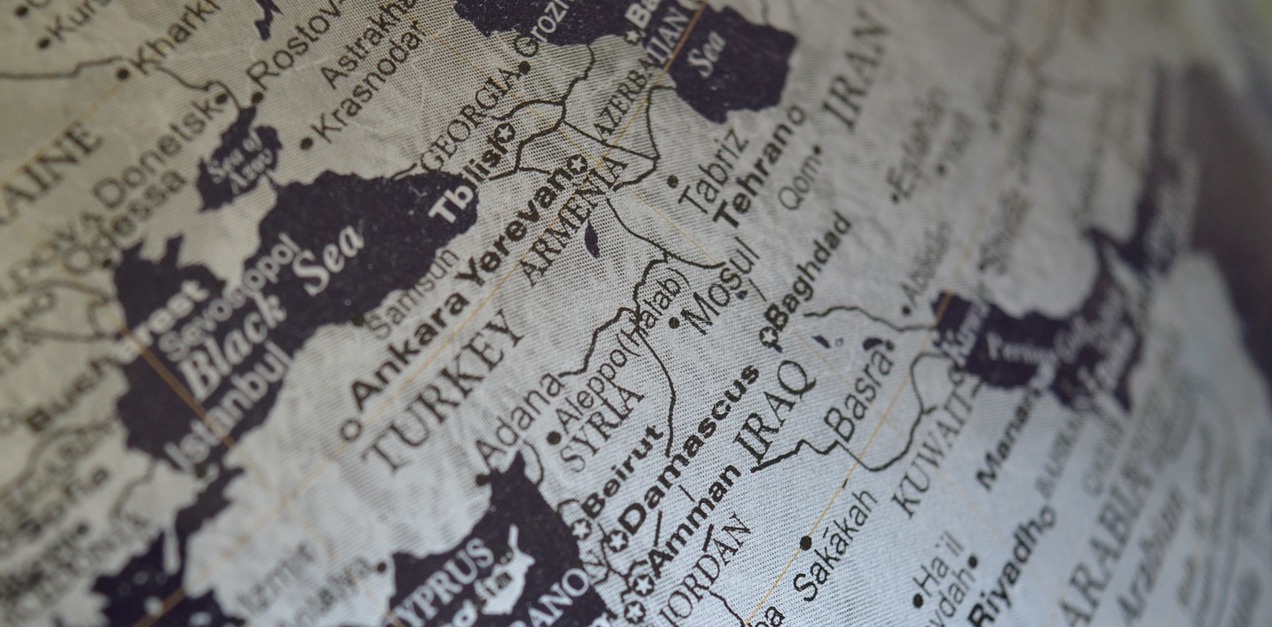
Biden’s air-strikes bode poorly for Iran nuke deal

US warplanes carried out strikes on Iran-backed militias in Syria and Iraq. The Pentagon said the targets were arms depots in the border area used by the militias Kataib Hezbollah and Kataib Sayyid al-Shuhada, which have carried out attacks against US personnel in Iraq for years. The militias have vowed to avenge the air-strikes. The strikes followed talks in Vienna on the Iran nuclear deal, including US re-entry, lifting of sanctions, and an Iranian return to compliance with limits on uranium enrichment. The discussions adjourned over a week ago, with Iranian officials saying a deal could be reached in the next round. However, since then, both Tehran and Washington have taken tougher public positions. (Image: Pixabay)

Africa
Dirkou

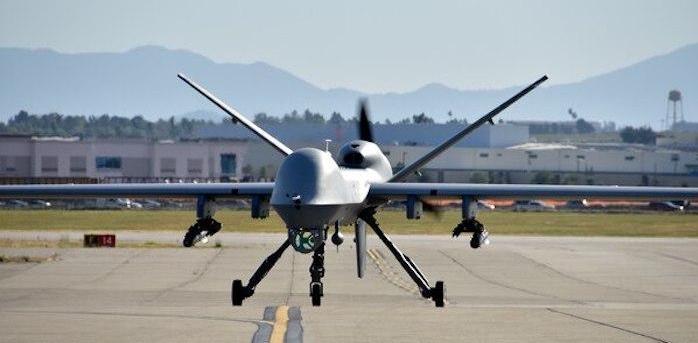
US steps up drone ops as Sahel violence flares

In the latest outbreak of fast-escalating violence across Africa’s Sahel, gunmen in Niger killed at least 58 people when they intercepted a convoy of four commercial transport vehicles carrying local civilians from a weekly market, and attacked nearby villages. The passengers were summarily executed, and homes and granaries put to the torch in the villages. The attacks took place in the Tillabéri region, near the flashpoint “tri-border area” where Niger, Mali and Burkina Faso come together. Militant groups linked to ISIS and al-Qaeda cross between all three countries. The CIA is stepping up drone surveillance flights from a base it has established at Dirkou, in Niger’s Agadez region. MQ-9 Reapers are stationed at the base, and armed strikes on militant targets are said to be under consideration pending a review by the Biden administration. (Photo: Airman Michelle Ulber via Israel Defense)

Greater Middle East
yemen

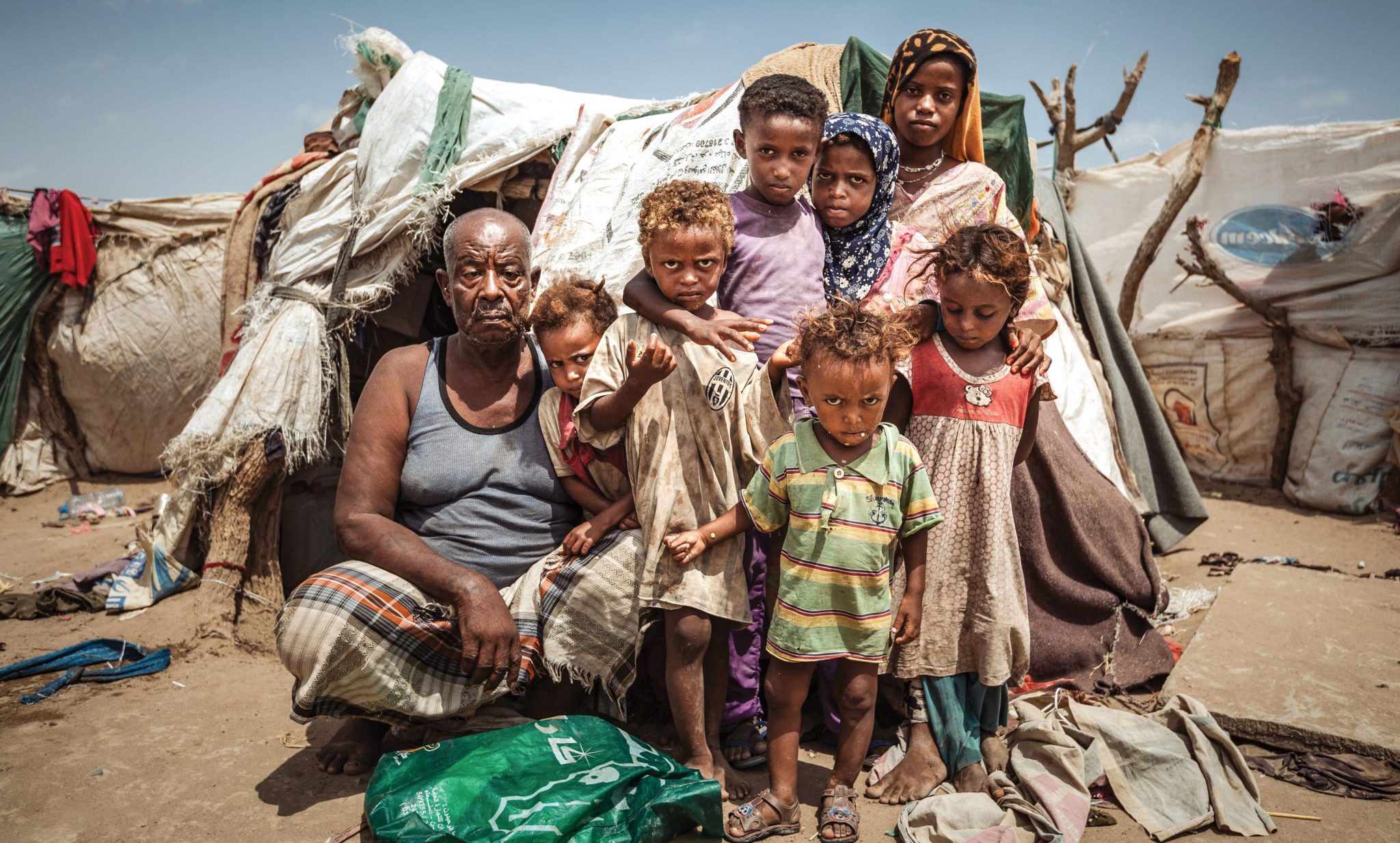
Biden pledges end to US support for Yemen war —almost

President Joe Biden announced the United States will end support for the Saudi-led military campaign in Yemen that has deepened suffering in the Arabian Peninsula’s poorest country. “This war has to end,” Biden told diplomats in his first visit to the State Department as president, saying the conflict has created a “humanitarian and strategic catastrophe.” Biden pledged an end to “relevant” US arms sales, while giving no immediate details on what that would mean. However, National Security Adviser Jake Sullivan was quick to add that an end to US support for the Saudi war against the Houthi rebels will not affect US operations against al-Qaeda in the Arabian Peninsula (AQAP). (Photo: OCHA)

Africa
Somalia

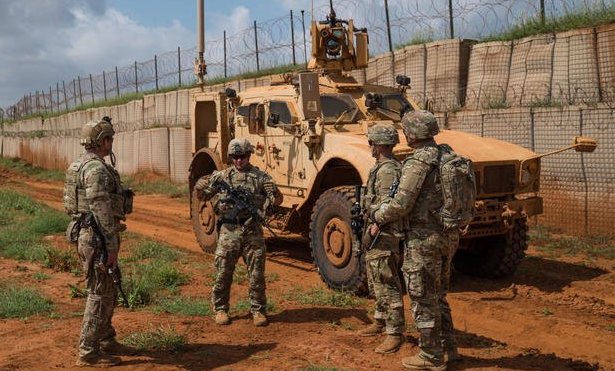
Trump announces (pseudo-) withdrawal from Somalia

President Trump has ordered the withdrawal of nearly all the approximately 700 US troops in Somalia by mid-January. But the troops are not coming back to the US—they will be stationed just outside Somalia’s borders, in Kenya and Djibouti, ready to go back in as circumstances mandate. Air-strikes and drone warfare are to continue. Also remaining in Somalia will be a team of Pentagon advisors and a significant force of private contractors from the DC-based firm Bancroft Global, working with a US-trained elite commando unit to fight al-Shabaab and ISIS insurgents. (Photo: Nick Kibbey/US Air Force via Military Times)