North Africa

Environmental protester shuts Libyan oil-field

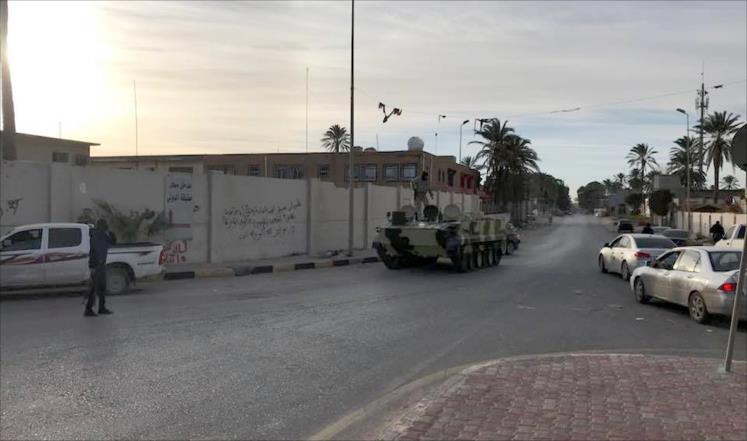
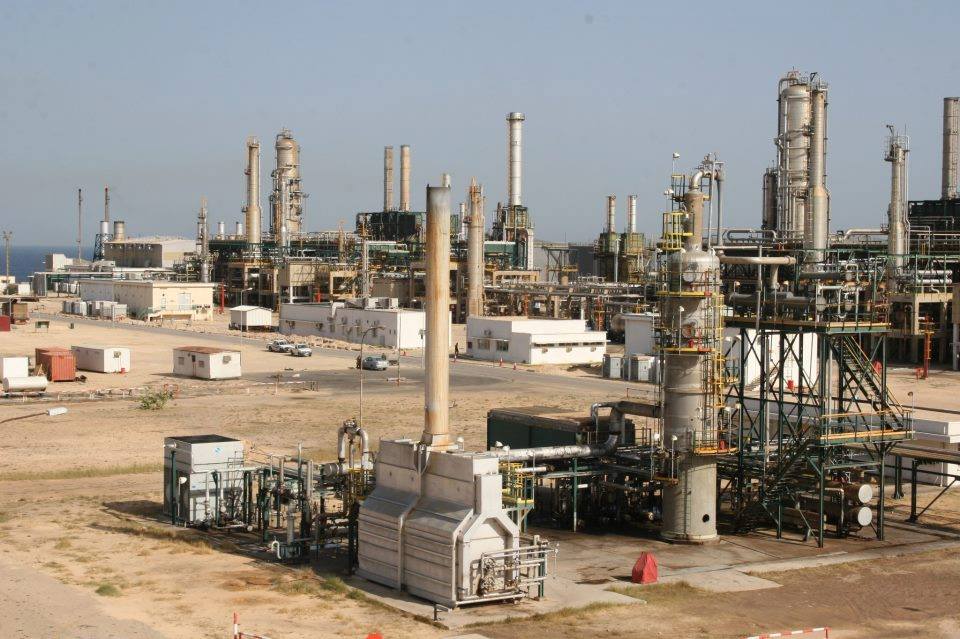
The company operating Libya's biggest oilfield, Sharara, announced that it had been shut down after a citizen closed the pipeline that pumps the field's oil. The field is run by a joint venture between Libya's National Oil Corporation and several multinationals. The individual claimed the pipeline caused environmental damage to his lands, and had also closed the pipeline last year to press his demands for a clean-up. With this latest closure, Libya's oil output dropped to a six-month low of 750,000 barrels per day. National Oil Corporation chairman Mustafa Sanallah described those who shut down oil-fields as "terrorists." (Photo: Libya Observer)

Syria

Russian Cossacks fight in Syria?

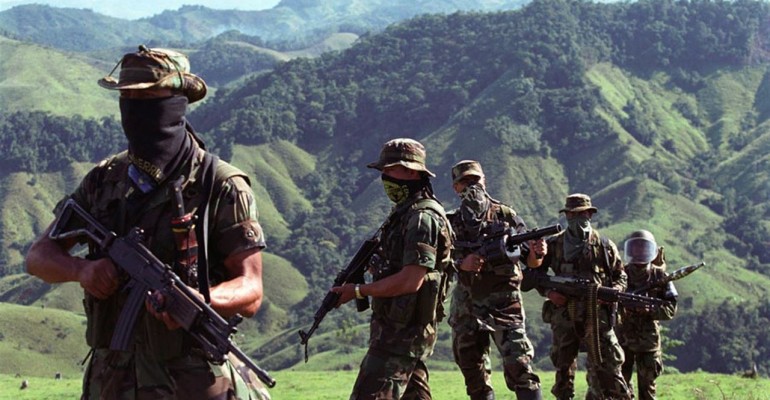
Mystery continues to surround the US air-strikes on Syria’s Deir ez-Zor governorate, which Damascus called a “brutal massacre” of pro-regime troops. While the Kremlin denies that its troops were involved in the incident, survivors are said to be receiving medical treatment at Defense Ministry hospitals in Moscow and St. Petersburg. And the Kaliningrad-based Baltic Cossack paramilitary group issued a statement claiming its members were among those who “died for the Fatherland, the Cossacks and the Orthodox faith” in Deir ez-Zor. One of the slain was named by the group as a veteran of the war in Ukraine. (Image: Voices from Russia)

Africa

Harsh repression as bread riots rock Sudan

Sudanese authorities carried out mass arrests and confiscated newspapers as protests exploded over rising bread prices and severe economic austerity. One student was killed amid demonstrations in Geneina, capital of West Darfur state. Protests were also reported from the cities of Nyala, al-Damazin and the capital Khartoum. The unrest broke out as bakeries doubled the price of bread following a government decision to increase the price of flour nearly fourfold. The decision was part of a package of austerity measures issued under the country's 2018 budget, seeking to address the spiralling inflation rate.

Planet Watch

Arctic oil scramble in offing after GOP tax bill

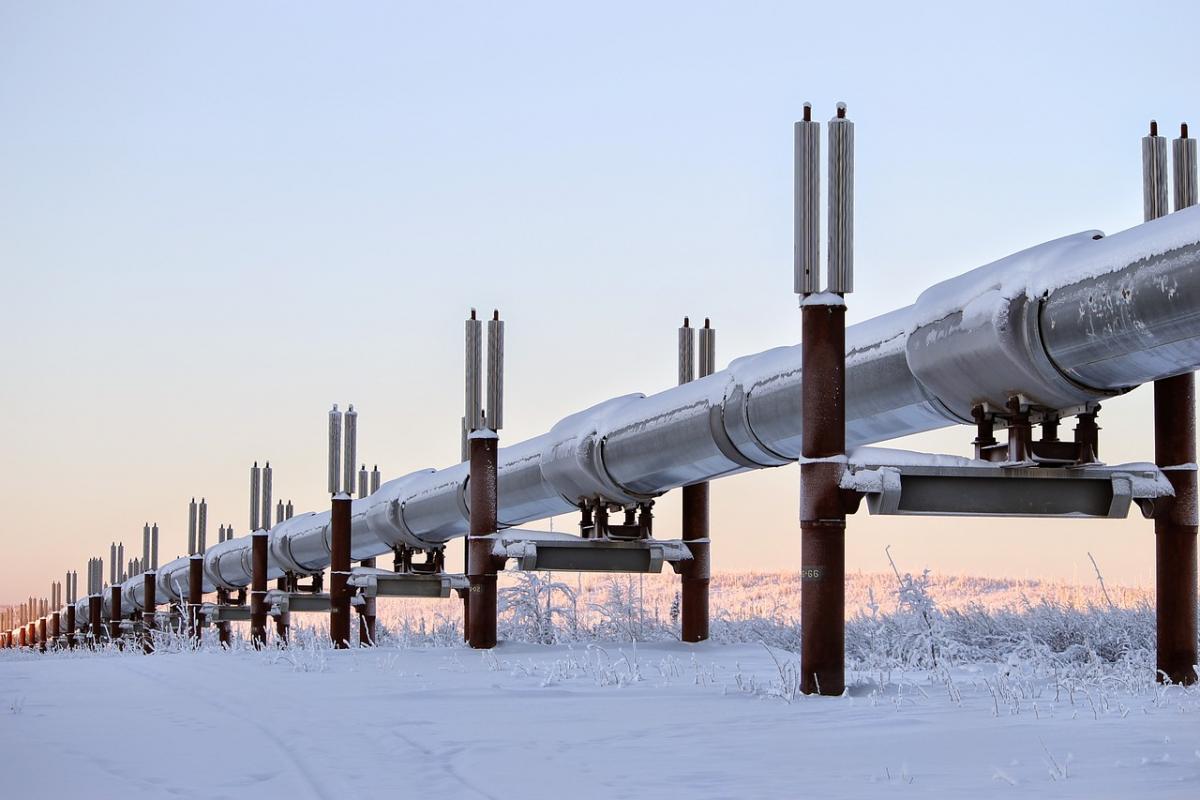
As a part of the Republican tax overhaul bill, Congress voted  to open Alaska's Arctic National Wildlife Refuge (ANWR) to oil and natural gas drilling, after more than four decades of contestation on the matter. Drilling is still years away at best, due to depressed oil prices, a lengthy review process, and likely legal challenges. But oil companies are already arguing over who will have rights to the reserve—while Native Alaskan communities that depend on its critical caribou habitat see impending cultural extermination. (Photo: FWS)

Planet Watch

Oil prices surge: vindication is tedious

We've been told for the past several years now that the depressed oil prices were permanent, thanks to fracking and the surge in US domestic production. Now prices are rising again, due to a convergence of crises in major producers: escalating tensions among the Gulf states, labor unrest in Nigeria, deepening instability in Venezuela. The US was able to contain the price spike after the ISIS irruption in 2014 by boosting its own production. This trick isn't going to work forever.

The Andes

Bolivia hosts ‘Gas OPEC’ summit —amid dissension

The summit of the Gas Exporting Countries Forum (GECF) opened in the Bolivian city of Santa Cruz—central hub of the country's hydrocarbon-rich eastern lowlands. President Evo Morales took the opportunity to boast of his "nationalization" of Bolivia's hydrocarbon resources. But in addition to pressure from his populist base for greater state control over the hydrocarbons, Morales faces ecologist and indigenist dissidents who reject continued reliance on an extractivist model altogether.

Iraq

Iraqi forces take Kirkuk, lower Kurdistan flag

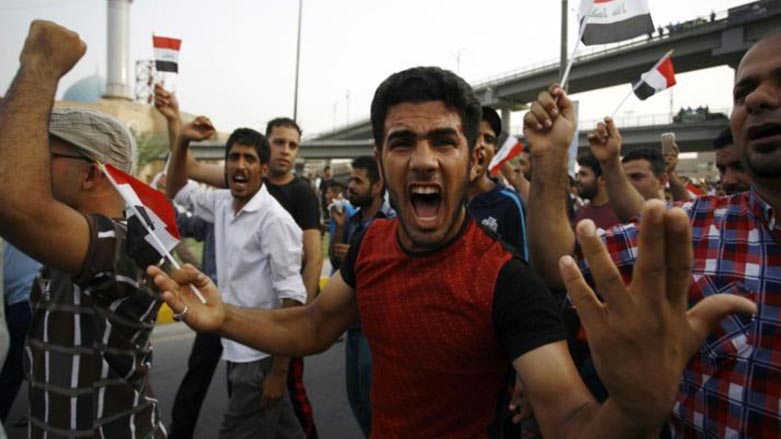
Iraqi government forces, including elite troops of the US-trained Counter Terrorism Service and irregulars of the Shi'ite militia Hashd al-Shaabi, have taken the disputed city of Kirkuk, and its nearby military bases and oilfields. Prime Minister Haider al-Abadi ordered Iraqi forces take down the Kurdistan flag in the city, and hoist only the Iraqi national flag. Thousands of Kurdish civilians have fled the city, heading toward  territory within the official borders of the Kurdistan Region.

The Amazon

China wins contract for Amazon mega-project

Peru's Transport and Communications Ministry signed a contract with Chinese state-owned engineering giant SinoHydro to build the Hidrovía Amazónica, a mega-project aimed at turning the major rivers of the Amazon into arteries for delivering the resources of the rainforest basin to foreign markets. The government claims to have carried out a "prior consultation" with impacted communities along the rivers, having won 40 agreements to proceed with work.

Africa

Ruling for Ghana in Ivory Coast boundary dispute

The International Tribunal for the Law of the Sea ruled in favor of Ghana in a lengthy maritime dispute with Ivory Coast. The case, which was brought to the international body by Ghana in 2014, was an attempt to clarify the boundary between the two countries, as both countries were vying for control of offshore oil leases in the contested area.

The Andes

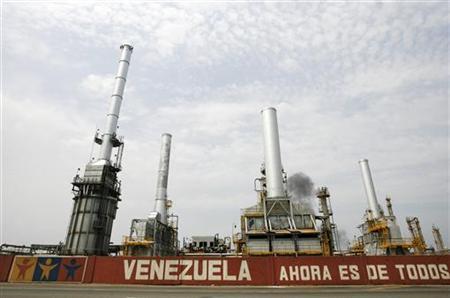
Venezuela drops petro-dollar: how meaningful?

Venezuela, under growing pressure from US sanctions, has told oil traders that it is dropping petro-dollars for petro-euros and petro-yuans. Despite the instinct to cheer the decline of US world domination, will this make any real difference—either to Venezuela, still dependent on oil exports in a world of depressed prices, or to Planet Earth, facing biosphere collapse as a result of burning hydrocarbons?

Iraq

Kirkuk at question in Kurdish independence vote

Baghdad and Iraq's Kurdistan Region are at odds over the referendum on Kurdish indpendence to be held this month. A particular sticking point is the inclusion of oil-rich Kirkuk in the vote—not within the Kurdistan Regional Government's formal borders, but under its de facto control since Kurdish forces occupied the city with the collapse of the Iraqi army during the ISIS offensive of June 2014.

Planet Watch

Control of oil at issue in NAFTA re-negotiation

As "NAFTA 2.0" negotiations open, a provision that essentially locks in Canada's current levels of oil exports to the US is drawing opposition from unlikely allies across the Canadian political spectrum but winning staunch support in the country's petroleum industry.