


The Andes
Colombia: guerillas free captives
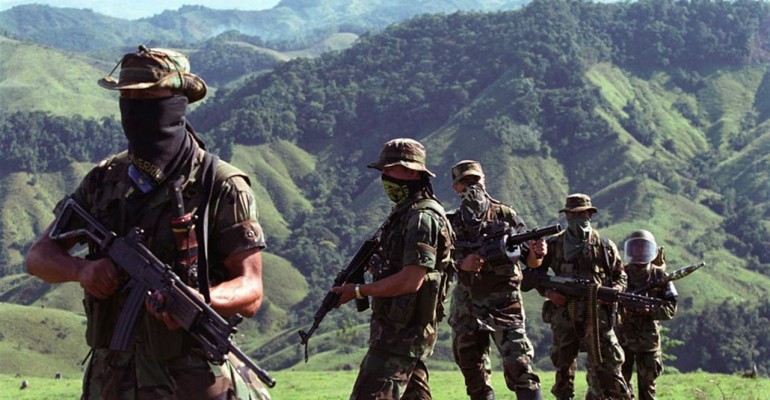
After tense negotiations, the Red Cross transported to safety two Colombian National Police agents taken captive by the FARC guerillas in Cauca department last month.
After tense negotiations, the Red Cross transported to safety two Colombian National Police agents taken captive by the FARC guerillas in Cauca department last month.
A Nasa indigenous leader was assassinated in an ambush by FARC guerillas at the village of Jámbalo, Cauca department, just as the rebels announced an end to their ceasefire.
Colombia’s FARC rebels announced the immediate end of a two-month unilateral ceasefire and renewed its call for a bilateral truce to hold peace talks with the government.
An “Indigenous and Popular Peace Proposal” has been issued to bring demands for territorial autonomy to the talks between the Colombian government and FARC rebels.
The UN representative for indigenous rights, James Anaya, called on the Colombian government Aug. 9 to advance in dialogues with the indigenous movement in southwestern Cauca department that has been calling for the military to leave its territory. In a message… Read moreColombia: UN calls for dialogue with indigenous movement
 Under pressure to address the ongoing wave of targeted assassinations in Colombia, President Iván Duque for the first time spoke before the National Commission to Guarantee Security, formed by the previous government to address continuing violence in the country—which has only worsened since he took office last year. Duque said 4,000 people are now under the government's protection program for threatened citizens. But his office implied that the narco trade is entirely behind the growing violence. Interior Minister Nancy Patricia Gutiérrez told the meeting: "This great problem is derived from the 200,000 hectares of illicit crops that we have in Colombia." However, it is clear that the narco economy is but part of a greater nexus of forces that fuel the relentless terror—all related to protecting rural land empires and intimidating the peasantry. (Photo via Contagio Radio)
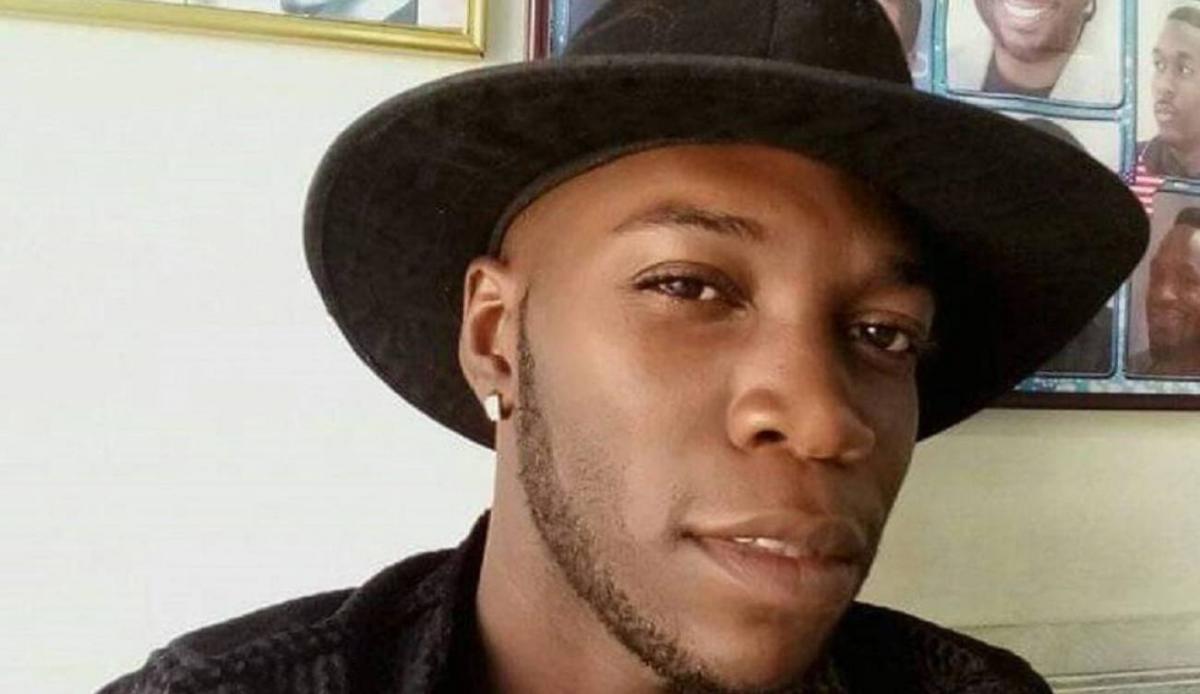 Gilberto Valencia, a young Afro-Colombian cultural worker, became 2019's first casualty of political violence in Colombia, when a gunman opened fire on a New Years party he was attending in his village in Cauca region. As the death toll from around the country mounted over the following weeks, the UN Mission to Colombia warned President Iván Duque that he must address "the issue of the assassinations of social leaders and human rights defenders." Colombia's official rights watchdog, the Defensoría del Pueblo, acknowledges that there was an assassination on average every two days in the country last year—a total of 172, and a rise of more than 35% over 2017. (Photo via Caracol Radio)

Thousands of Colombians took to the streets July 6 to protest the mounting wave of assassinations of social leaders in the country. The protests and vigils were largely ignored by the country’s political leaders, who have come under international pressure for their failure to respond to the wholesale killing that has claimed the lives of 311 community leaders since 2016. Days after the mobilization, the Inter-American Commission of Human Rights issued yet another call for the Colombian government to take urgent measures to call a halt to the ongoing attacks. Opposition leaders charge that the assassinations are a "systematic" campaign, and that authorities must break up resurgent paramilitary networks rather than just arresting individual sicarios (assassins). (Photo via Contagio Radio)
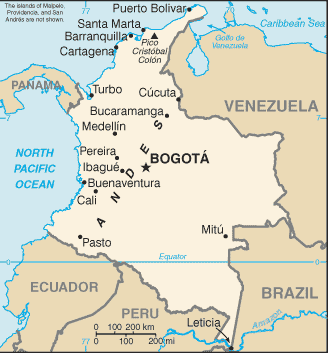 Colombia's peace process continues to advance, with institutional mechanisms for a post-war order falling into place. But violence in the countryside across Colombia remains at an alarming level, as social leaders are targeted for assassination by paramilitary factions. The ELN guerilla organization—which, unlike the FARC, remains in arms—released a statement noting that January had seen an assassination every day across the country, and charged that rightist paramilitary networks are carrying out a "systematic genocide."
Four armed men attacked the cabildo (town hall) in the indigenous reserve of Pioyá in Colombia's Cauca department, killing Eider Campo Hurtado, a young activist with local media collective Pelsxhab Stéreo. Pioyá's Indigenous Guard mobilized in response to the attack, and apprehended four men said to be members of a renegade FARC faction that has refused to lay down arms and abide by the peace accords. The four are being held by Pioyá indigenous authorities; it is unclear if they will be turned over to state security forces.