


The Andes
Peru: land, water conflicts grow in Cajamarca
A campesino family in Cajamarca may face a four-year prison term for defending their lands in an ownership dispute with the US-backed Yanacocha mining company.
A campesino family in Cajamarca may face a four-year prison term for defending their lands in an ownership dispute with the US-backed Yanacocha mining company.
Campesino leaders from Cajamarca will travel to Washington DC to testify before the Inter-American Human Rights Commission about abuses related to the Conga mine project.
Campesinos in Cajamarca are organizing round-the-clock vigilance at the proposed site of the Conga gold mine, skeptical of official assurances that the project is suspended.
Human Rights Watch urged Peru’s President Ollanta Humala to take steps to prevent the unlawful killing of peasant protesters, noting growing incidents of deadly force.
Campesinos in Peru’s Cajamarca region pledge to block operations of Newmont Mining company that they say are preparatory to the controversial Conga gold mine project.
An employee of the controversial Yanacocha gold mine in Peru’s Cajamarca region was arrested for the slaying of a local campesino leader who opposed the mine’s expansion.
In an interview with Dow Jones last week, Richard O’Brien, CEO of Colorado-based Newmont Mining Corp. acknowledged that the conditions do not exist to move ahead with the $5 billion Conga gold and copper project in Cajamarca, Peru. O’Brien said there… Read morePeru: Newmont Mining to abandon Conga project?
In a turn-around in the conflict over the proposed Conga gold mine in Cajamarca, Peru, right-wing fujimorista congressman from the region, Joaquín Ramírez Gamarra, has come out publicly for shelving the project in the interests of social peace. “The suspension of the… Read morePeru: endgame in Cajamarca struggle?
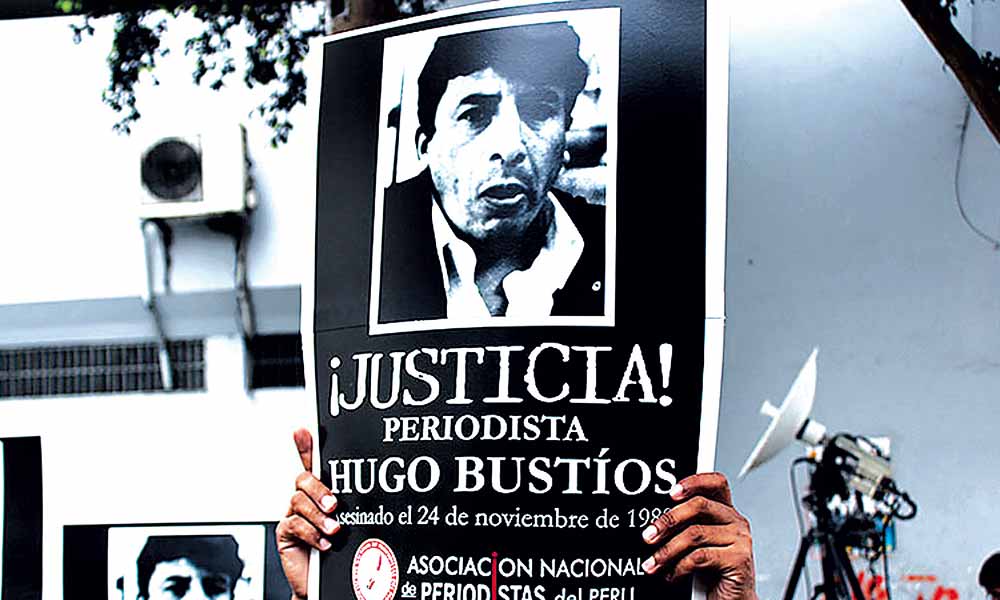 Peru's Supreme Court revoked the pardon of ex-dictator Alberto Fujimori, ordering him back to prison. His supporters in Congress are drafting a law to make the pardon permanent, but this is on dubious constitutional grounds and violates international human rights treaties. Meanwhile, survivors of the Fujimori-era "dirty war" continue to seek justice for the crimes of that period. One campaign is to block right-wing candidate Daniel Urresti, accused in the assassination of journalist Hugo Bustíos, from running for mayor of Lima. (Photo: Diario Uno)

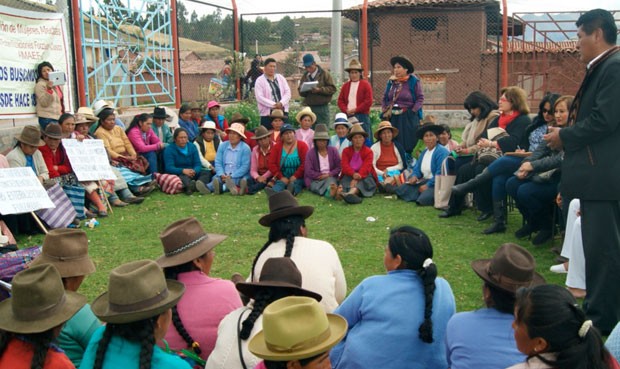 Peru's top public prosecutor Luis Landa Burgos ordered that new charges be brought against ex-dictator Alberto Fujimori over the forcible sterilization of thousands of indigenous and peasant women during his time in power in the 1990s. Three of his former ministers are also to face charges, as well as his ex-health director. Landa said he has an archive of testimony from survivors including Inés Condori, an indigenous woman from Cuzco region who was the first to speak out about the forced sterilization she underwent in 1995. Fujimori, already convicted on other rights abuses and corruption charges, was released from prison following a presidential pardon in December. Landa is now evaluating the legality of the pardon in light of new criminal charges that have been brought. (Photo of sterilization survivors in community meeting from La República via CNDH)
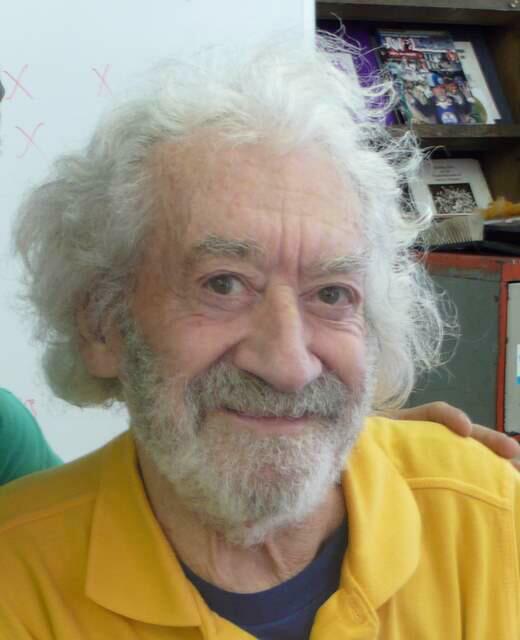
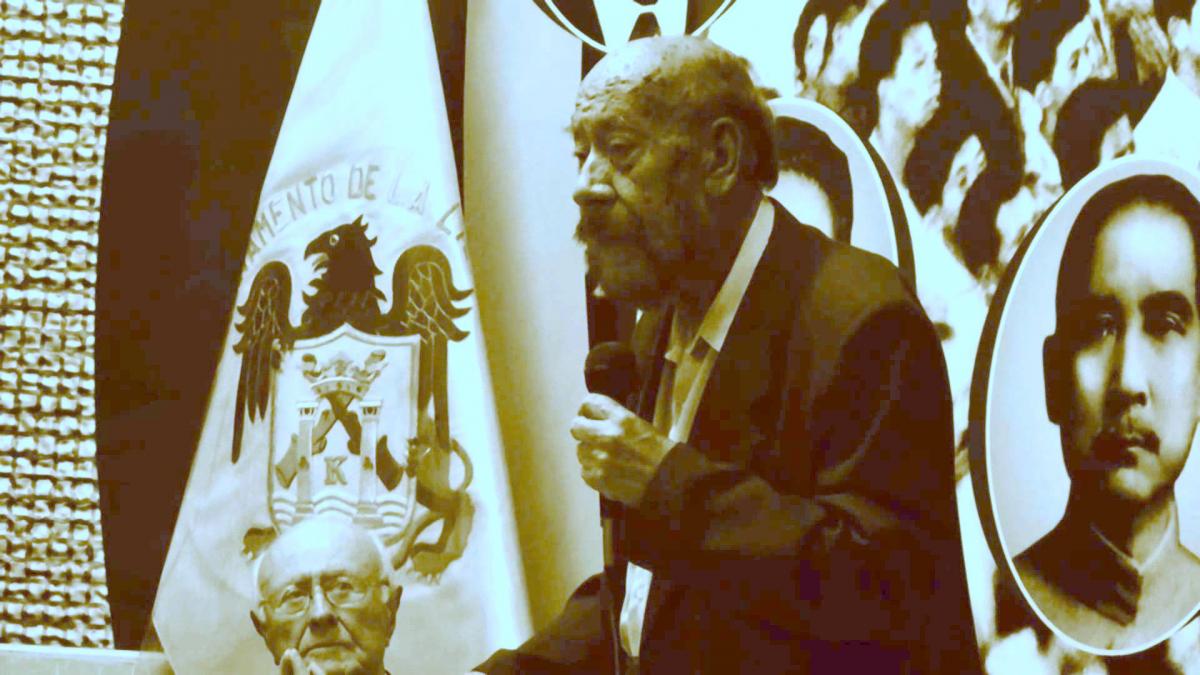 Genaro Ledesma, a campesino leader and later congressmember who was one of the most respected figures on Peru's political left, died April 1 at the age of 86. He was first elected to Congress in 1963 while imprisoned in connection with peasant protests in his home province of Cerro de Pasco. He was again imprisoned and exiled under later military dictatorships, but returned to Peru with the restoration of democracy in 1979 to help draft the country's new constitution. Ledesma served in the Senate from 1980 to 1990, and continued to work for unity of Peru's democratic left in the polarized years of the Sendero Luminoso insurgency and Alberto Fujimori dictatorship. (Photo via Facebook)