


Tag: Brazil

mosque160
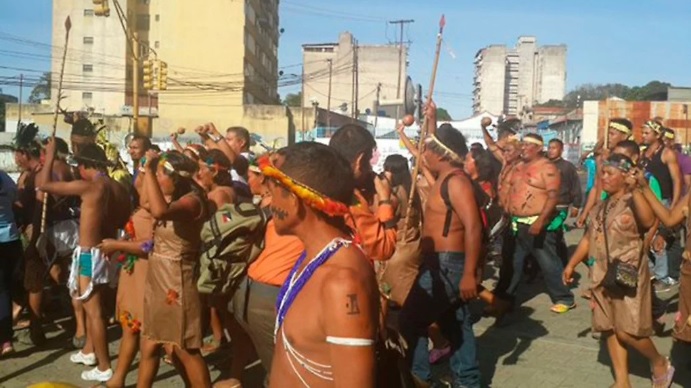 Trump, the great enthusiast for dictators, suddenly develops a touching concern with democracy in Venezuela, grasping at the opportunity for long-sought regime change. Predictably overlooked in the world media's Manichean view of the crisis are voices of Venezuela's dissident left that takes a neither/nor position opposed to both the regime and the right-wing leadership of the opposition. Also unheard are voices of indigenous dissent and resistance. In an episode that received little coverage, December saw protests in the remote Orinoco Basin after a leader of the Pemón indigenous people was killed in a confrontation with elite Military Counterintelligence troops. The military operation was ostensibly aimed at clearing the region of illegal mining—while the Pemón themselves had been protesting the mining. The indigenous leaders view the militarization of the region as intended to make way for corporate exploitation under the Orinoco Mineral Arc plan. (Photo: EcoPolitica Venezuela)
mosque121
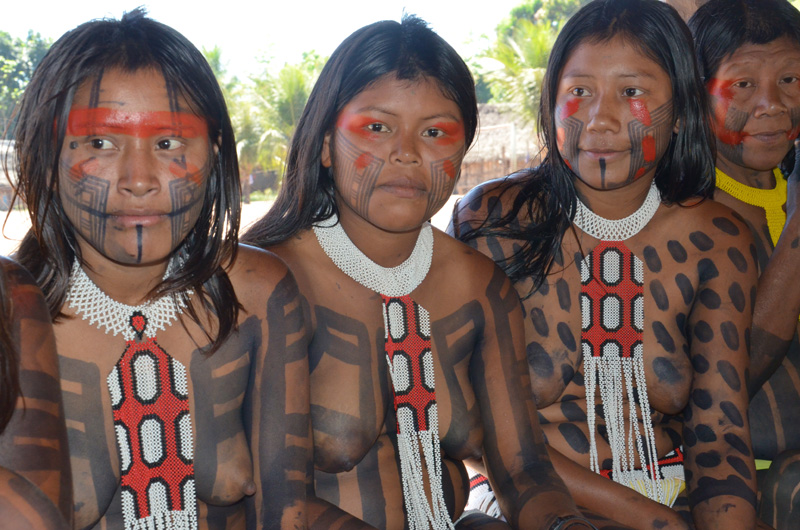 On his first day in office, President Jair Bolsonaro issued a measure taking away responsibility for indigenous land demarcation from the indigenous affairs agency, FUNAI, and handing it over to the Agriculture Ministry. In the same decree, Bolsonaro shifted authority over regularization of quilombos (Afro-Brazilian collective lands) from the agrarian reform institute, INCRA, to the Agriculture Ministry. The measure greatly weakens FUNAI, taking away its most important function. In practice, key areas of indigenous and quilombo policy will now be in the hands of agribusiness advocates—a long-time demand of the Bancada Ruralista (agribusiness lobby) in Congress. Bolsonaro is openly calling for abolition of Brazil's large indigenous reserves, a move with grave implications for the Amazon rainforest and global climate. (Photo: Kayapo women in Brazilian Amazon, via FUNAI)


neda
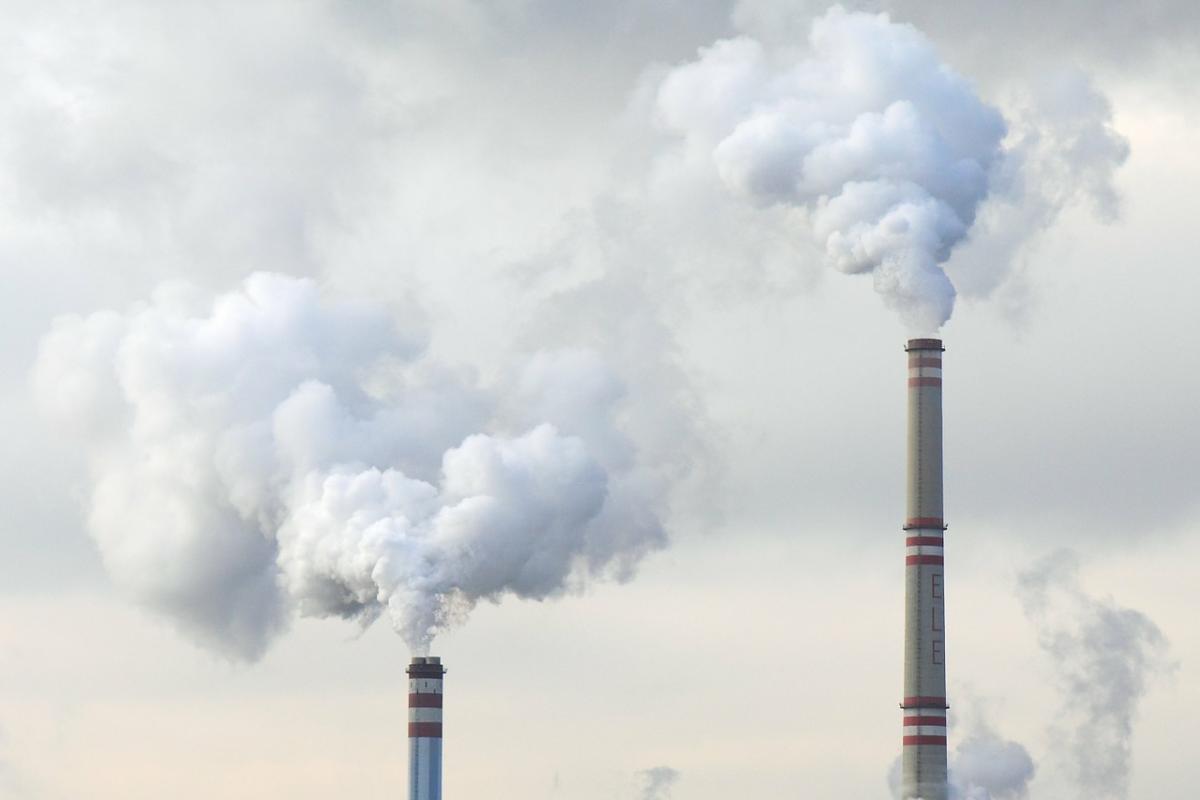 UN Special Rapporteur on human rights and the environment David Boyd issued an urgent call for accelerated action to combat climate change. The statement comes after the Intergovernmental Panel on Climate Change (IPCC) released a report on the impacts of global warming of 2°C—the increase permitted under the Paris Accord. Boyd said that climate change is "one of the greatest threats to human rights" and will have devastating effects on the "rights to life, health, food, housing, and water, as well as the right to a healthy environment." In order to meet human rights obligations, Boyd called on counties to exceed their Paris Agreement obligations. If the temperature increase is allowed to increase to 2.0°C, it would result in "human rights violations upon millions of people." (Photo via Jurist)
Iranian Students 006
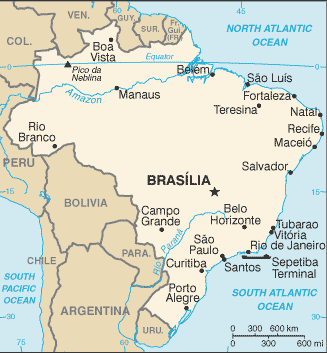 For the second year in a row, Brazil has witnessed a deadly prison riot on the first day of the year. A death toll of nine is reported from the central state of Goias. One inmate was decapitated. The violence began New Year's Day afternoon at the rural penitentiary in the outskirts of the state capital, Goiania. Rival criminal factions clashed, broke the barriers of the compound and escaped.