


Mexico
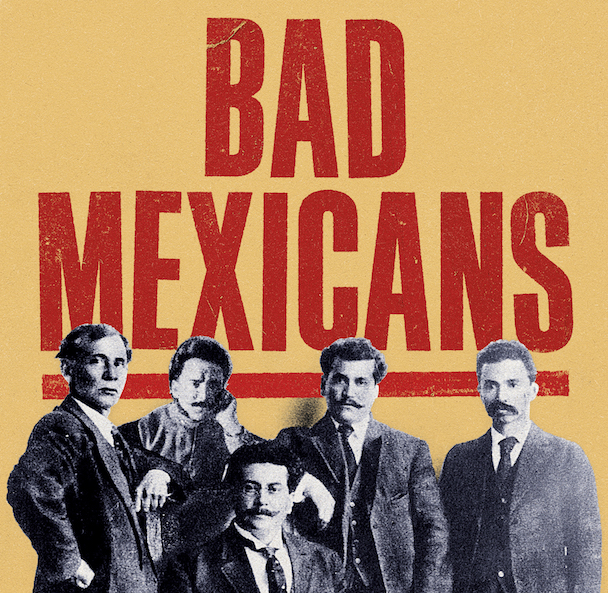
Bad Mexicans

Podcast: Magonismo hits the mainstream

In Episode 162 of the CounterVortex podcast, Bill Weinberg reviews Bad Mexicans: Race, Empire, and Revolution in the Borderlands by Kelly Lytle Hernández. It is definitely a very hopeful sign that a briskly selling book from a mainstream publisher not only concerns anarchists, but actually treats them with seriousness and presents them as the good guys—even heroes. The eponymous “bad Mexicans” of the sarcastic title are the Magonistas—followers of the notorious Magón brothers, early progenitors of the Mexican Revolution of 1910-1920, who first raised a cry for the overthrow of the decades-long, ultra-oppressive dictatorship of Porfirio Díaz. “Bad Mexicans” was the epithet used by both Mexican and US authorities for this network of subversives who organized on both sides of the border. Listen on SoundCloud or via Patreon.
South Asia
underground asia

Book review: Underground Asia

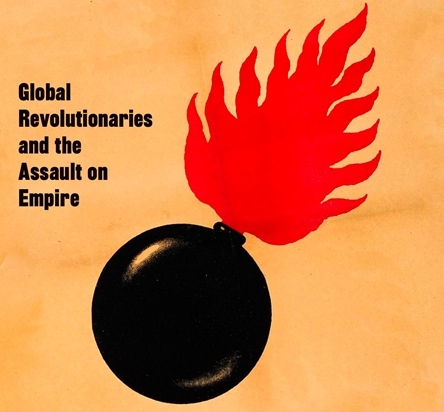
A dauntingly detailed book from Harvard University Press on the roots of Asia’s anti-colonial movements documents the early influence of anarchism, and how it was ultimately displaced by nationalisms of different stripes—from the Moscow-aligned Leninist nationalism of Ho Chi Minh, to the fascist-inspired Hindutva movement that effectively rules India today. The early vision of a universalist, libertarian anti-colonialism evokes a tantalizing sense of what might have been. A timely book for a moment of re-emerging popular rebellion, from the militant farmer protests in India to the pro-democracy upsurges in Thailand, Burma and Hong Kong. (Image: Harvard University Press)

Syria

Book review: Impossible Revolution

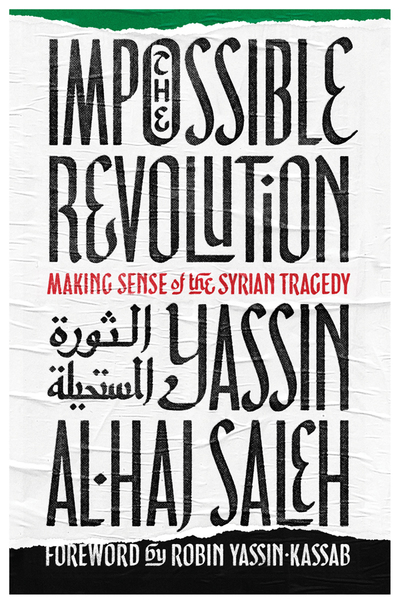
This book is a necessary corrective to the dominant perception—left, right and center—that the opposition in Syria are all jihadists and dictator Bashar Assad the best bet for “stability.” Long a left-wing dissident in Assad’s Syria, Saleh is a veteran of the dictator’s prisons. Here, he traces the origins of the Syrian revolution to agony caused by the regime’s “economic liberalization” (socialist phrases aside), describes the initially unarmed opposition’s popular-democratic nature, and discusses the struggle to keep the Free Syrian Army accountable to this grassroots base after it became clear a military dimension to the revolution was necessary. He makes the case that the Assad regime can be termed “fascist” even by the most rigorous definition, and has been making good on its pledge to “burn the country” before ceding power. (Image: Haymarket Books)

Greater Middle East
athens3 0

Greek youth fight back

This book is a necessary corrective to the dominant perception—left, right and center—that the opposition in Syria are all jihadists and dictator Bashar Assad the best bet for "stability." Long a left-wing dissident in Assad's Syria, Saleh is a veteran of the dictator's prisons. Here, he traces the origins of the Syrian revolution to agony caused by the regime's "economic liberalization" (socialist phrases aside), describes the initially unarmed opposition's popular-democratic nature, and discusses the struggle to keep the Free Syrian Army accountable to this grassroots base after it became clear a military dimension to the revolution was necessary. He makes the case that the Assad regime can be termed "fascist" even by the most rigorous definition, and has been making good on its pledge to "burn the country" before ceding power. (Image: Haymarket Books)