East Asia
East Turkistan

Podcast: the politics of separatism in China
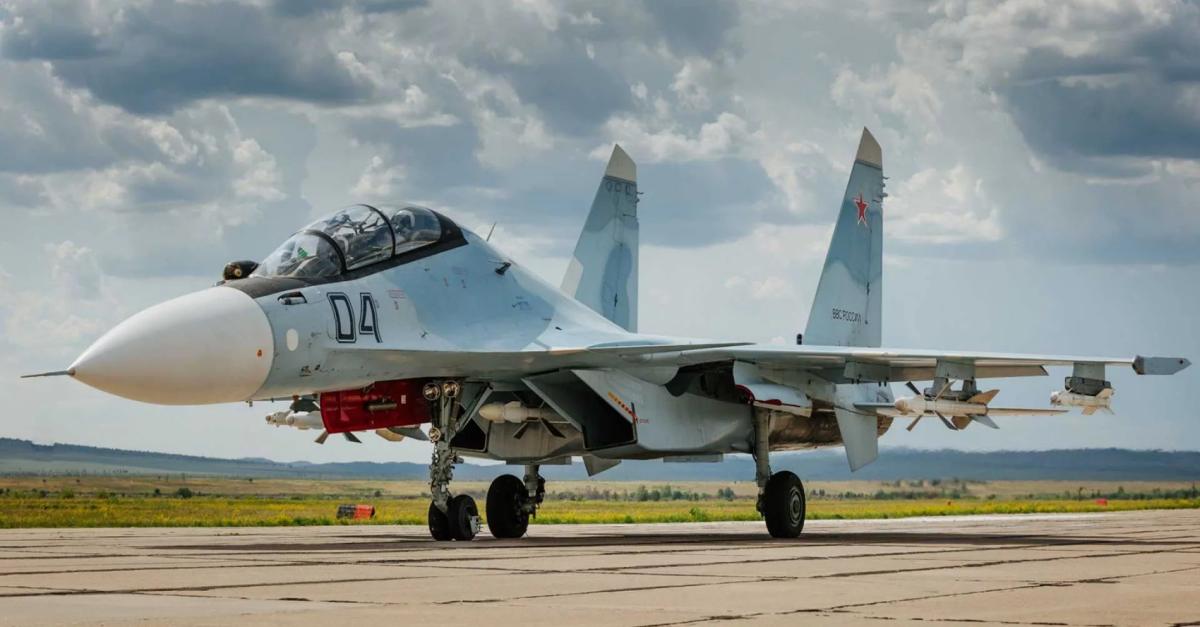
warplaneFollowing his visit to Moscow for the Victory Day celebrations earlier this month, Burmese junta leader Min Aung Hlaing thanked Russia for the fighter jets and helicopters it has provided his military government. The junta, which came to power in the February 2021 coup, is currently facing an insurgency by a number of armed ethnic and opposition groups across Burma. Rights groups accuse the Tatmadaw, as the Burmese military is known, of routinely targeting civilian populations and infrastructure in its aerial attacks. While in Moscow, Min Aung Hlaing also met for the first time with Chinese leader Xi Jinping, another key patron of his regime (Photo: Russia MoD via The Irrawaddy)
Greater Middle East
yemen

Yemen: now a three-way war —or four?

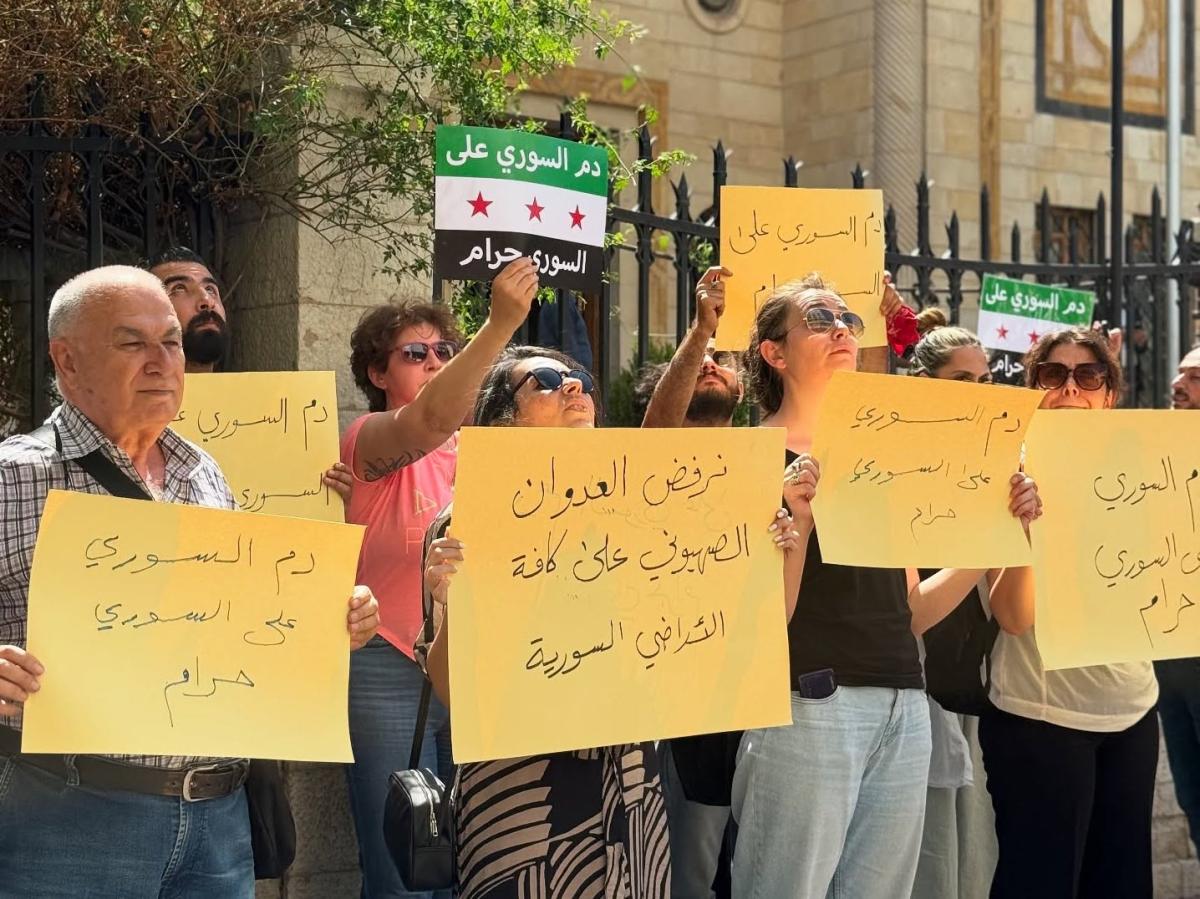
DamascusThe investigation by the Syrian transition government into the March violence against the Alawites in Latakia province has been submitted—but the full findings have not been made public, and it apparently exonerates the government of involvement. Meanwhile southern Suwayda province has seen a perhaps even deadlier eruption of violence—this time pitting Druze against Bedouin, with the role of the government similarly the source of much contestation (and fodder for Internet partisans). And a Damascus protest against the violence and for co-existence was attacked by goons. Amid all this, Israel is militarily intervening, the government looks to Turkey for military aid, and both the US and Russia still have forces on the ground—treating the country as a Great Power chessboard. In Episode 288 of the CounterVortex podcast, Bill Weinberg argues that the Syrian Revolution is poised on a razor's edge, ready to descend into ethno-sectarian war and authoritarianism unless political space can be kept open for the secular-democratic civil resistance that began the revolution 14 years ago. (Image: Banners read "Syrians must not shed Syrian blood" and "We reject Israeli aggression against Syria." Credit: The Syria Campaign via Facebook)

South Asia
Kashmir

Militarization as Delhi prepares to dismantle Kashmir

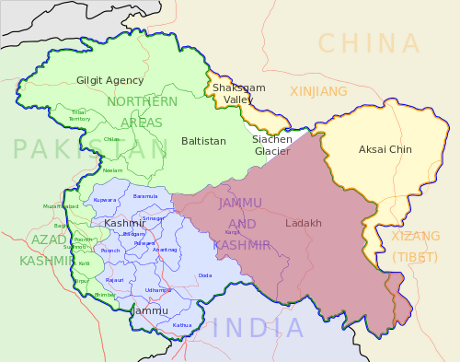
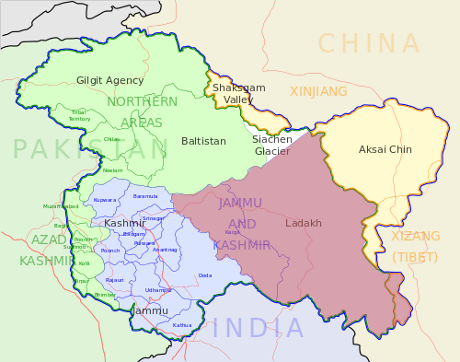
KashmirIndia's government has flooded the northern state of Jammu & Kashmir with troops and cut off internet access upon announcing the revocation of its constitutionally protected autonomy, and plans to divide the disputed territory into two new political entities with reduced power. Article 370 of India's constitution grants Jammu & Kashmir a high degree of autonomy, a concession to the demands of the territory's Muslim majority, many of whom favor independence or union with Pakistan. In addition to abrogating Article 370, Delhi announced plans for a bill to divide India-controlled Kashmir into two "union territories," which have less powers of self-government than states. A reduced Jammu & Kashmir Union territory would continue, at least, to have a legislature. But it would be separated from the Buddhist-majority region of Ladakh, which is to become its own union territory, without a legislature. Complicating matters further is that the populace of Ladakh itself is divided along sectarian and regional lines. News of the plan to separate Ladakh from Jammu & Kashmir was met with jubilation in the principal Buddhist town of Leh, but with foreboding in Kargil, an enclave within Ladakh inhabited by Ismaili Muslims.  (Map via Wikipedia)

Inner Asia
East Turkistan

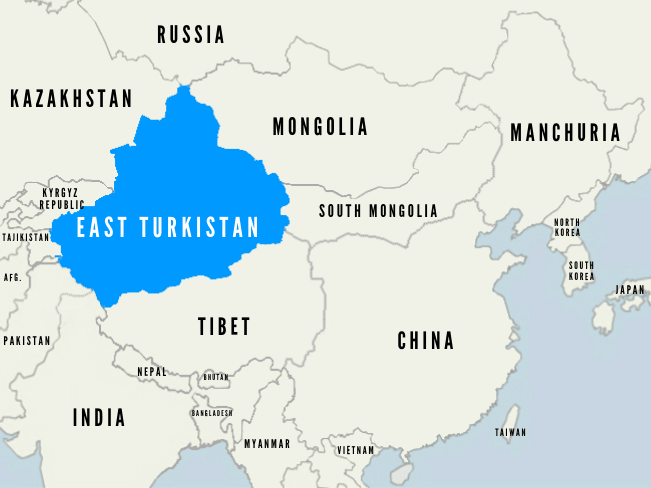
China’s rulers fear balkanization —with reason?

warplaneFollowing his visit to Moscow for the Victory Day celebrations earlier this month, Burmese junta leader Min Aung Hlaing thanked Russia for the fighter jets and helicopters it has provided his military government. The junta, which came to power in the February 2021 coup, is currently facing an insurgency by a number of armed ethnic and opposition groups across Burma. Rights groups accuse the Tatmadaw, as the Burmese military is known, of routinely targeting civilian populations and infrastructure in its aerial attacks. While in Moscow, Min Aung Hlaing also met for the first time with Chinese leader Xi Jinping, another key patron of his regime (Photo: Russia MoD via The Irrawaddy)
Greater Middle East

UAE-Saudi plan to divide Yemen seen

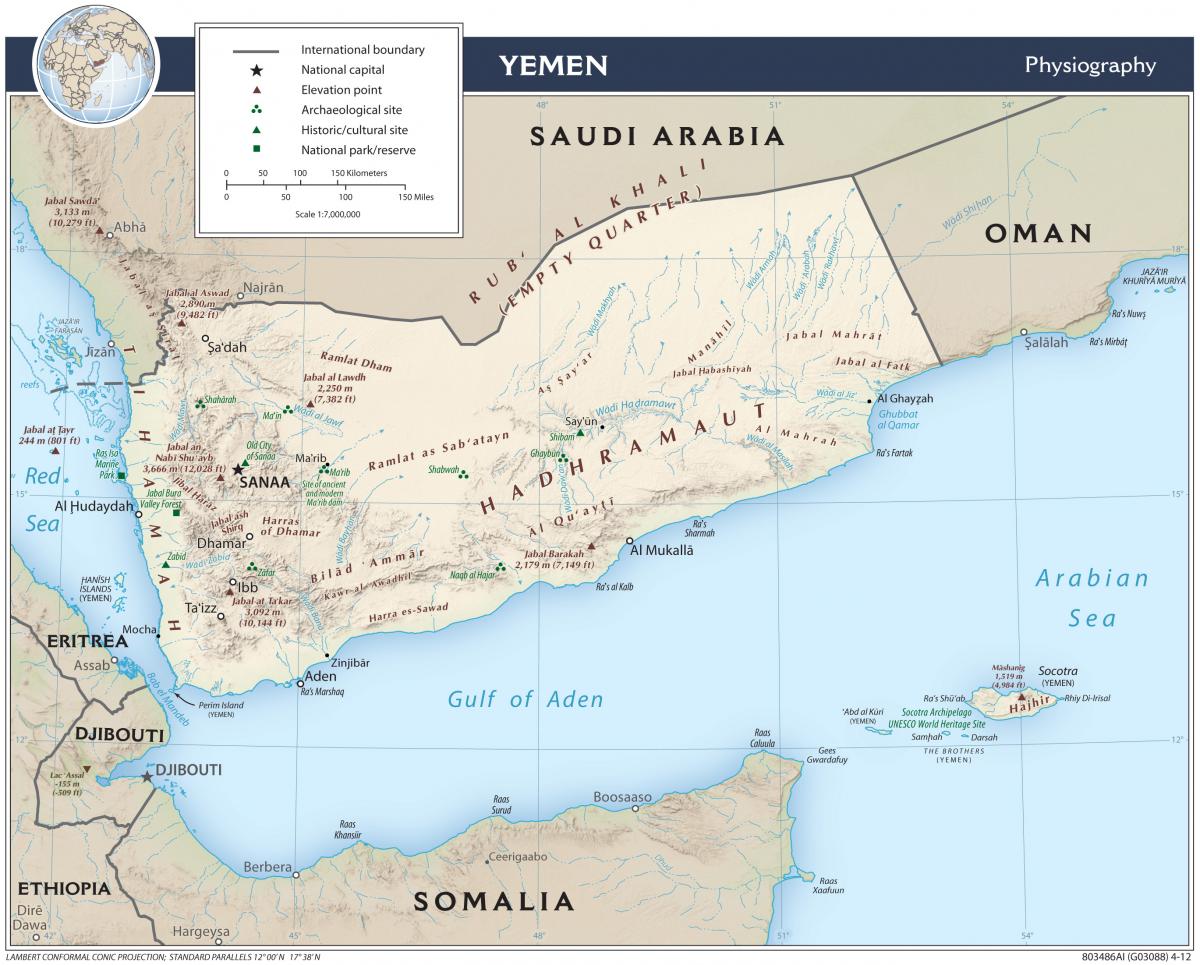
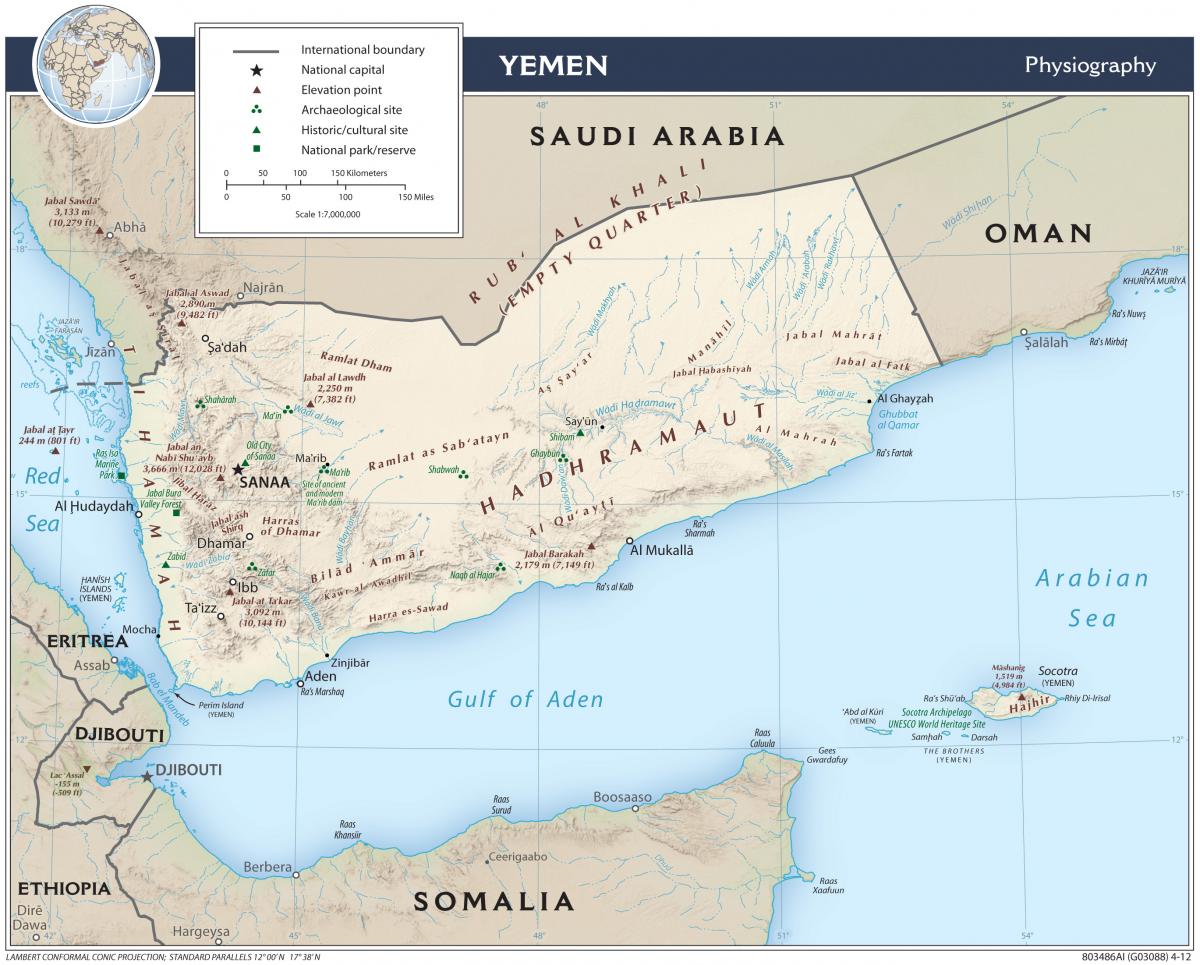
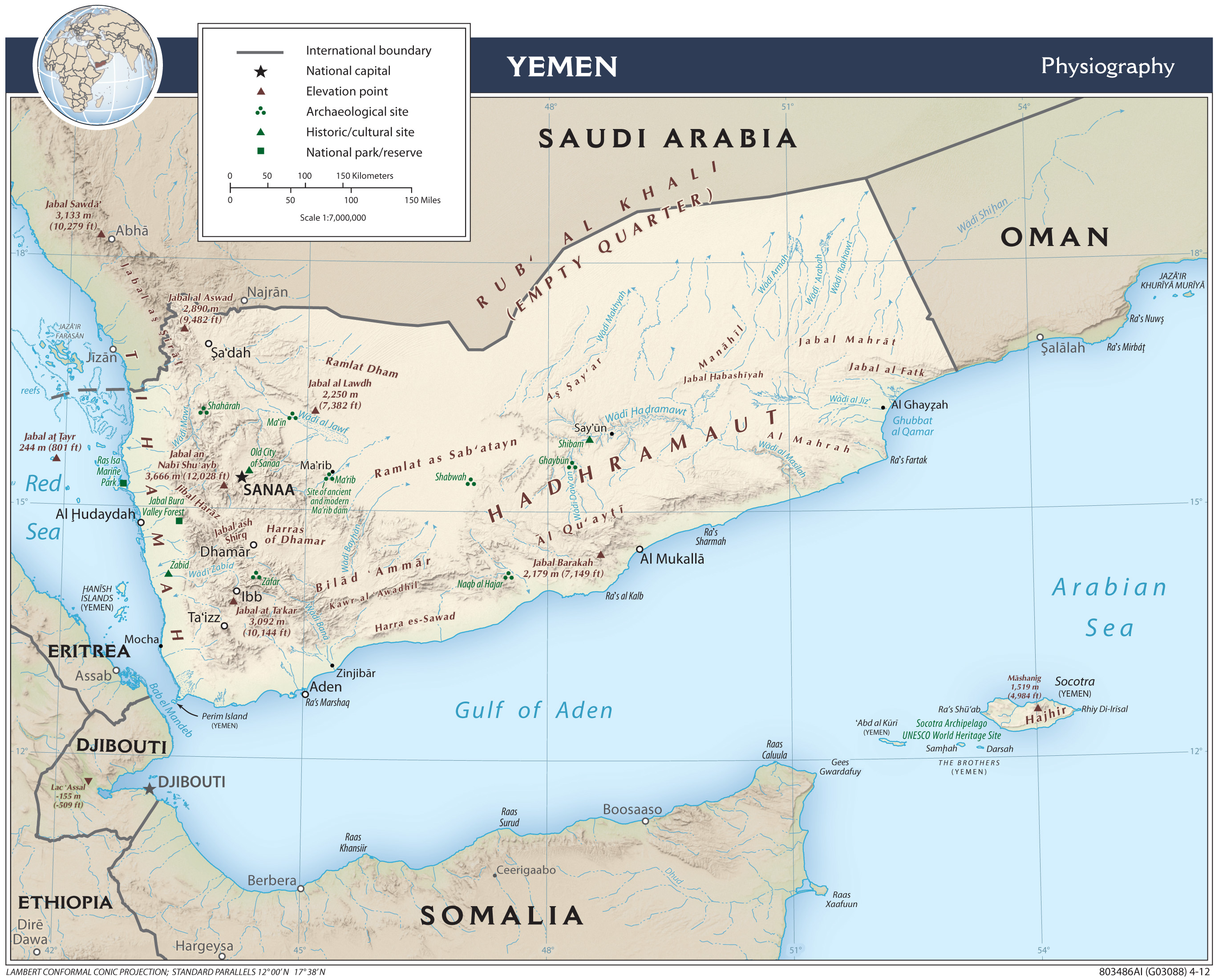
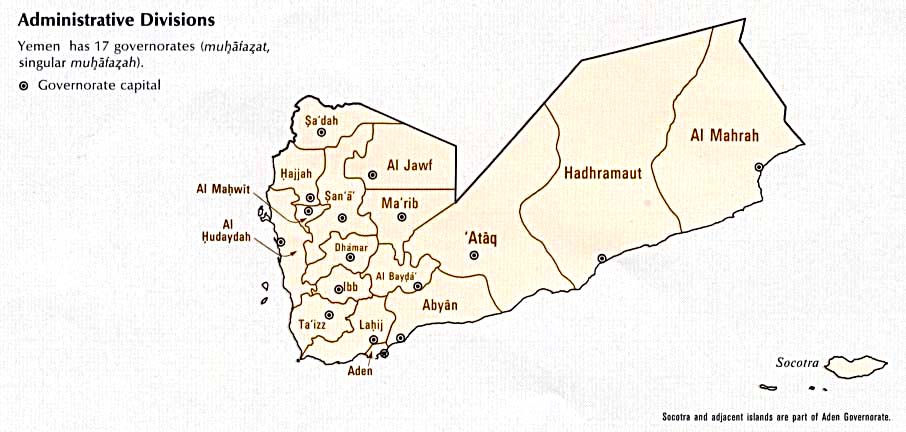
YemenA crisis over the Yemeni island of Socotra was resolved as the United Arab Emirates agreed to withdraw and turn control over to Saudi forces, which will in turn restore full Yemeni rule. The island is a UNESCO World Heritage Site for its unique flora and fauna, hailed as the "Galapagos of the Indian Ocean." Emirati forces seized Socotra at the start of the month, and raised their flag over the airport and other strategic points—sparking angry protests from residents. Socotra's governor condemned the move as an "occupation" and "a flagrant violation of Yemeni sovereignty." Even after the de-escalation, suspicions remain. Yemen's ambassador to UNESCO, Ahmad al-Sayyad, accused Saudi Arabia and the UAE of "a hidden inclination to divide Yemen." (Map via University of Texas)

Greater Middle East

Will US betray Rojava Kurds —or NATO ally Turkey?

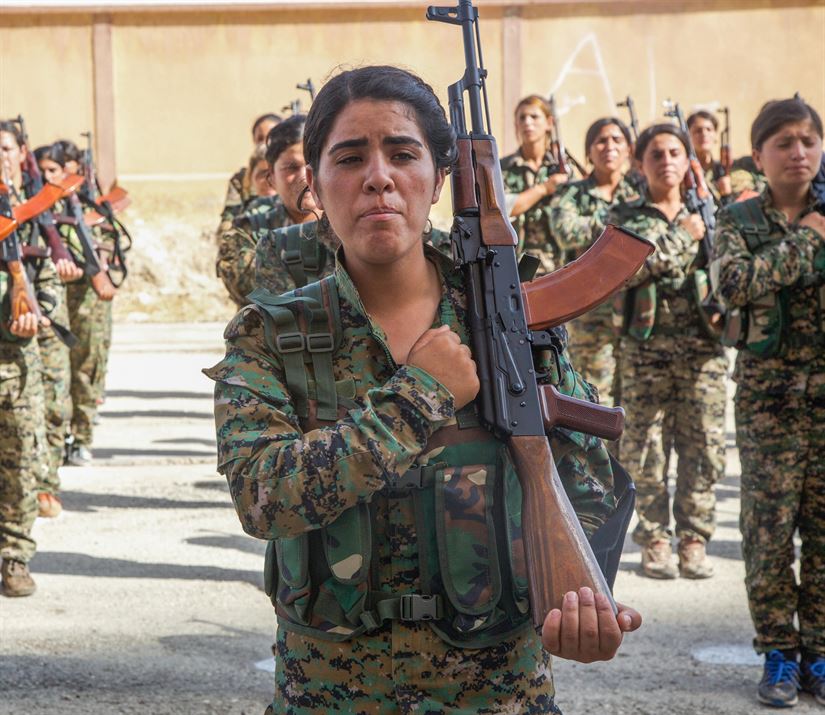
SDFThe Kurdish question in northern Syria has really put US imperialism in a bind—its most effective anti-ISIS allies on the ground are the Kurdish-led Syrian Democratic Forces (SDF), regarded as "terrorists" by longtime NATO ally Turkey. Now, just weeks after the White House announced it would be demanding back the weapons it has supplied to the SDF to fight ISIS, comes the news that the Pentagon intends to train SDF fighters as a special force to control the northern border zone. Ankara reacted angrily, threatening to attack SDF-held territory. If it comes to open war between Turkey and the SDF, the US will have to stop equivocating and throw its lot in with either one or the other. (Photo: SDF fighters via CentCom)

Greater Middle East

Assad bashes Rojava Kurds as ‘traitors’

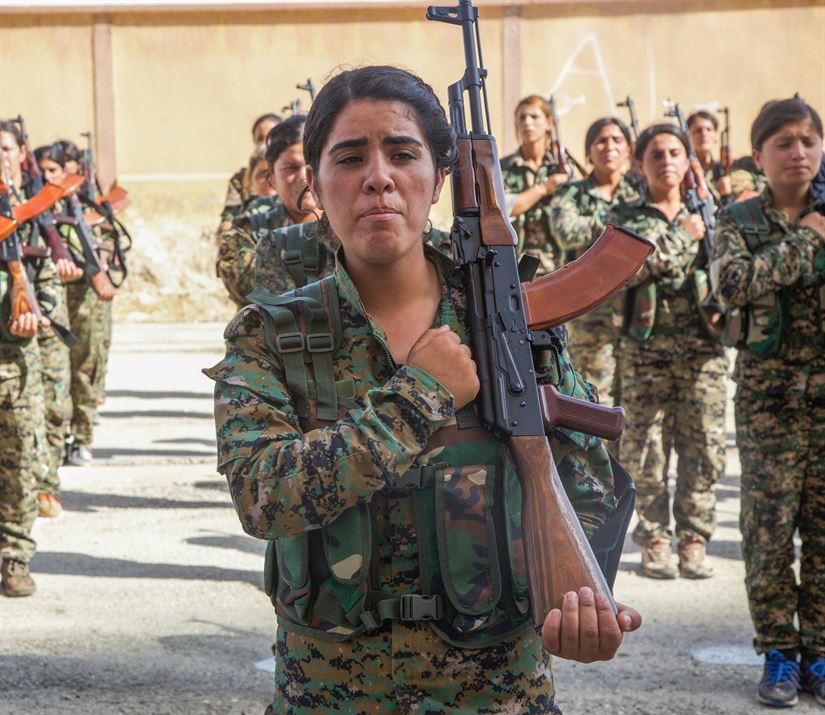
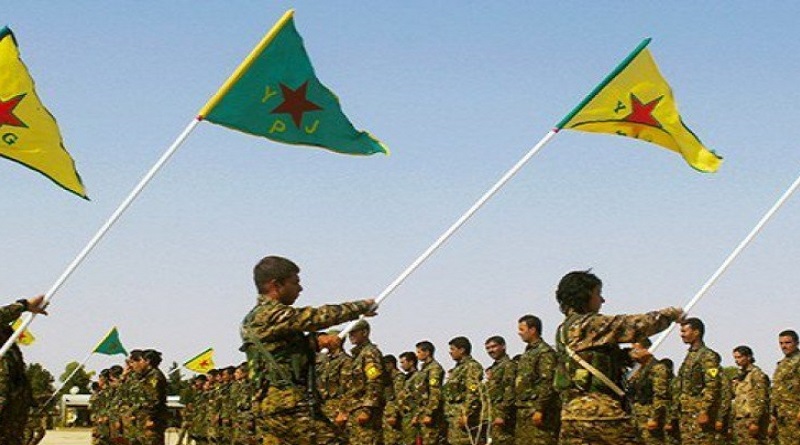
YPGThe Rojava Kurds, repeatedly accused of collaborating with Bashar Assad, have now been dissed by the dictator as "traitors" for accepting aid from the United States. But the White House says this aid is coming to an end now that ISIS is largely defeated in northern Syria. And the rebel opposition, including the Free Syrian Army, remain intransigent in refusing to recognize Kurdish autonomy—seeming to share in the Arab nationalist assumptions of the dictatorship they oppose. Having outlived their usefulness in the fight against ISIS, the Kurds could find themselves once again isolated and without allies. (Photo: Redspark)

Iraq

Baghdad and Kurdistan at odds on independence

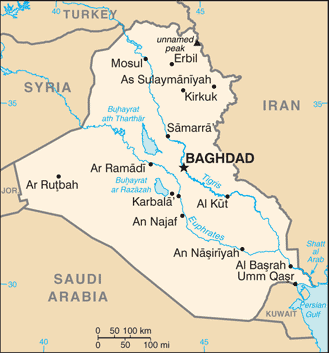
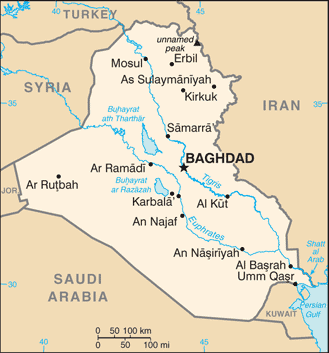
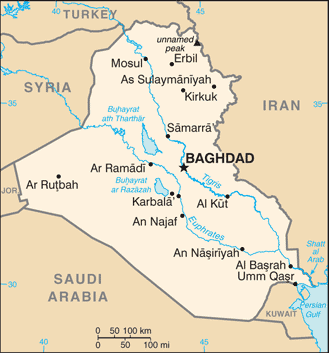
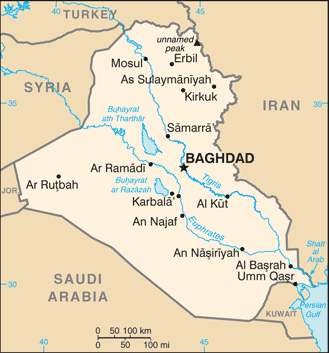
IraqAs results come in from the Kurdistan Regional Government's referendum on independence from Iraq, Baghdad is rejecting the vote as illegitimate and refusing all talks on the matter. Turkey has threatened to seal the KRG's borders. One deadly clash was reported between Kurdish Peshmerga and a Turkmen militia at a town contested between Baghdad and the KRG.

Iraq

Kirkuk at question in Kurdish independence vote

IraqBaghdad and Iraq's Kurdistan Region are at odds over the referendum on Kurdish indpendence to be held this month. A particular sticking point is the inclusion of oil-rich Kirkuk in the vote—not within the Kurdistan Regional Government's formal borders, but under its de facto control since Kurdish forces occupied the city with the collapse of the Iraqi army during the ISIS offensive of June 2014.

Iraq

Syria: will fall of Raqqa widen war?

With the Syrian Kurds now facing open war from both Turkey and the Assad regime, the imminent taking of Raqqa portends a multi-sided scramble for former ISIS territory.

Iraq

Iraq: Kurdistan to vote on independence

Authorities in Iraq's autonomous Kurdish region announced that a referendum on independence will be held in September—drawing immediate harsh criticism from Baghdad.