Africa
Niger

Niger: jihadis score deadly blow against junta

Authorities in Niger declared three days of national mourning after an ambush on security forces near the village of Tassia resulted in the deaths of at least 20 soldiers and one civilian. Tassia lies in the western Tillabéri region bordering Mali and Burkina Faso, long a stronghold of jihadist​ insurgents. The incident highlights the growing challenges facing the ruling junta one year after it came to power in a July 2023 coup, overthrowing the civilian government led by Mohamed Bazoum. (Map: PCL)

Africa
Mali

War crimes seen in Mali conflict

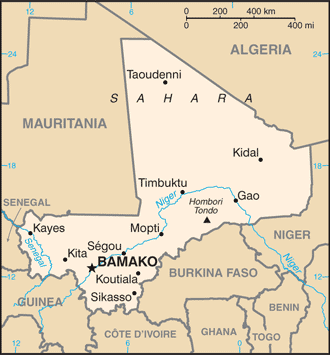
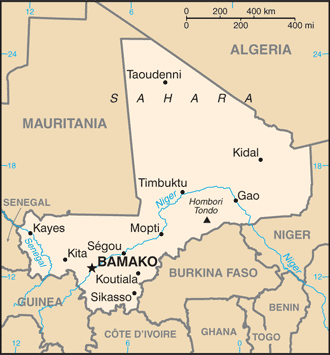
An Islamist armed group linked to al-Qaeda killed at least 32 civilians, including three children, and set fire to over 350 homes in central Mali in January, forcing about 2,000 villagers to flee, Human Rights Watch reports. Earlier in January, a Bambara ethnic militia formed to oppose the jihadists killed at least 13 civilians, including two children, abducted 24 other civilians, and looted property and livestock in central Mali. These attacks, which HRW said are apparent war crimes, occurred amid a cycle of reprisal killings and communal violence in central Mali, pitting the Dogon and Bambara against the Fulani. (Map: PCL)

Africa
Sahel

Sahel states defect from ECOWAS

Niger, Mali and Burkina Faso announced they are withdrawing from the Economic Community of West African States (ECOWAS), issuing a joint statement saying they had taken a “sovereign decision” to abandon the regional bloc of which they were founding members in 1975. The statement charges that ECOWAS has “drifted from the ideals of its founding fathers and the spirit of Pan-Africanism,” and is now “under the influence of foreign powers.” All three countries are led by military juntas after undergoing coups d’etat, which resulted in their suspension from the bloc. All three countries have also moved closer under their respective military regimes to Russia, whose Wagner Group mercenary force is backing up a new Malian government offensive against Tuareg separatist rebels. (Map: Wikivoyage)

Africa
Mali

Mali: air-strikes on Tuareg rebels reported

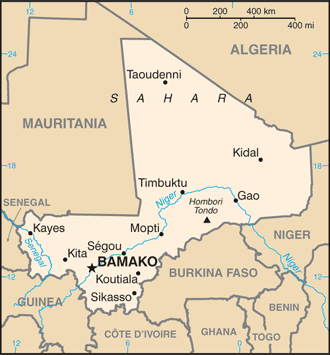
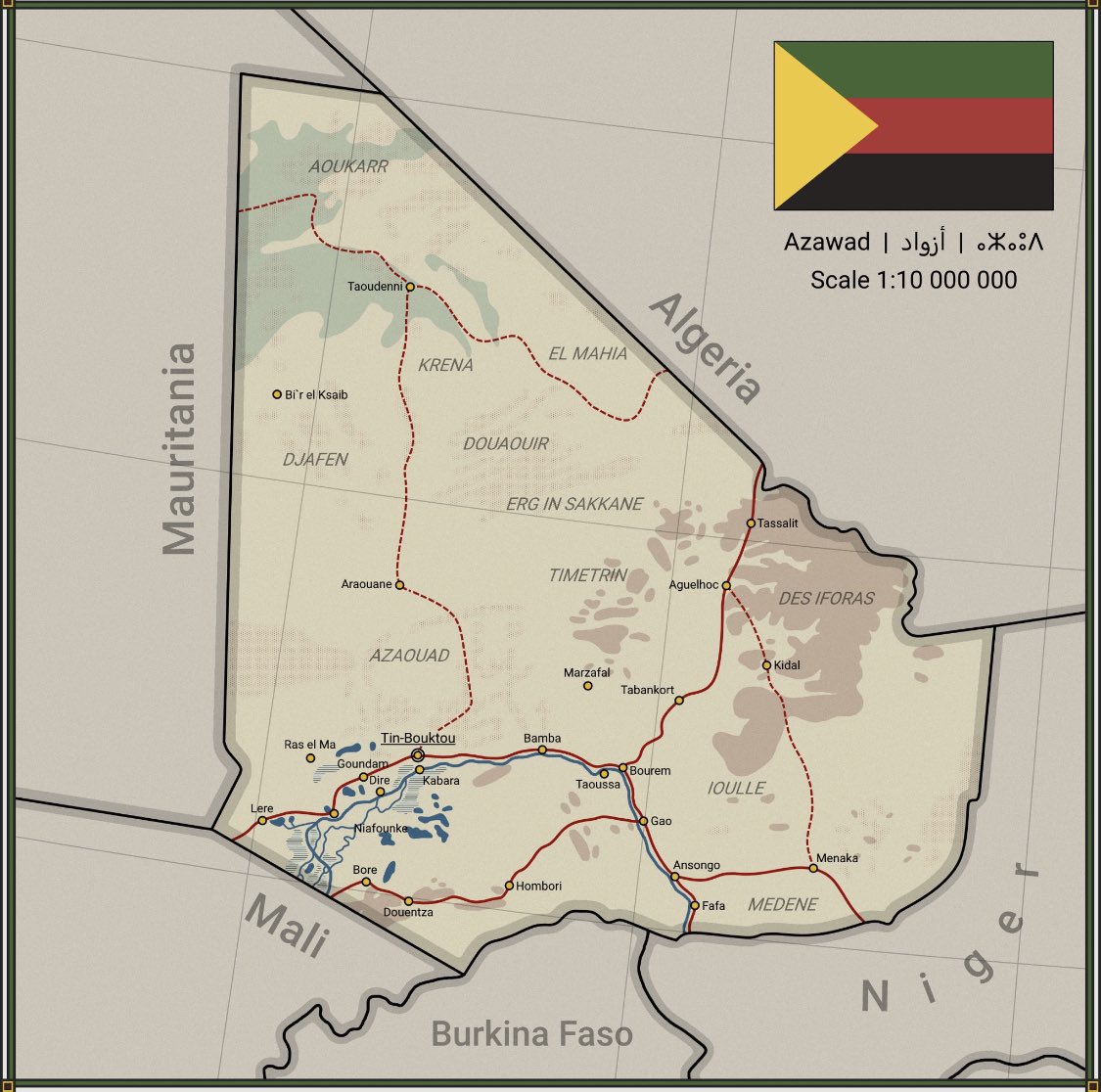
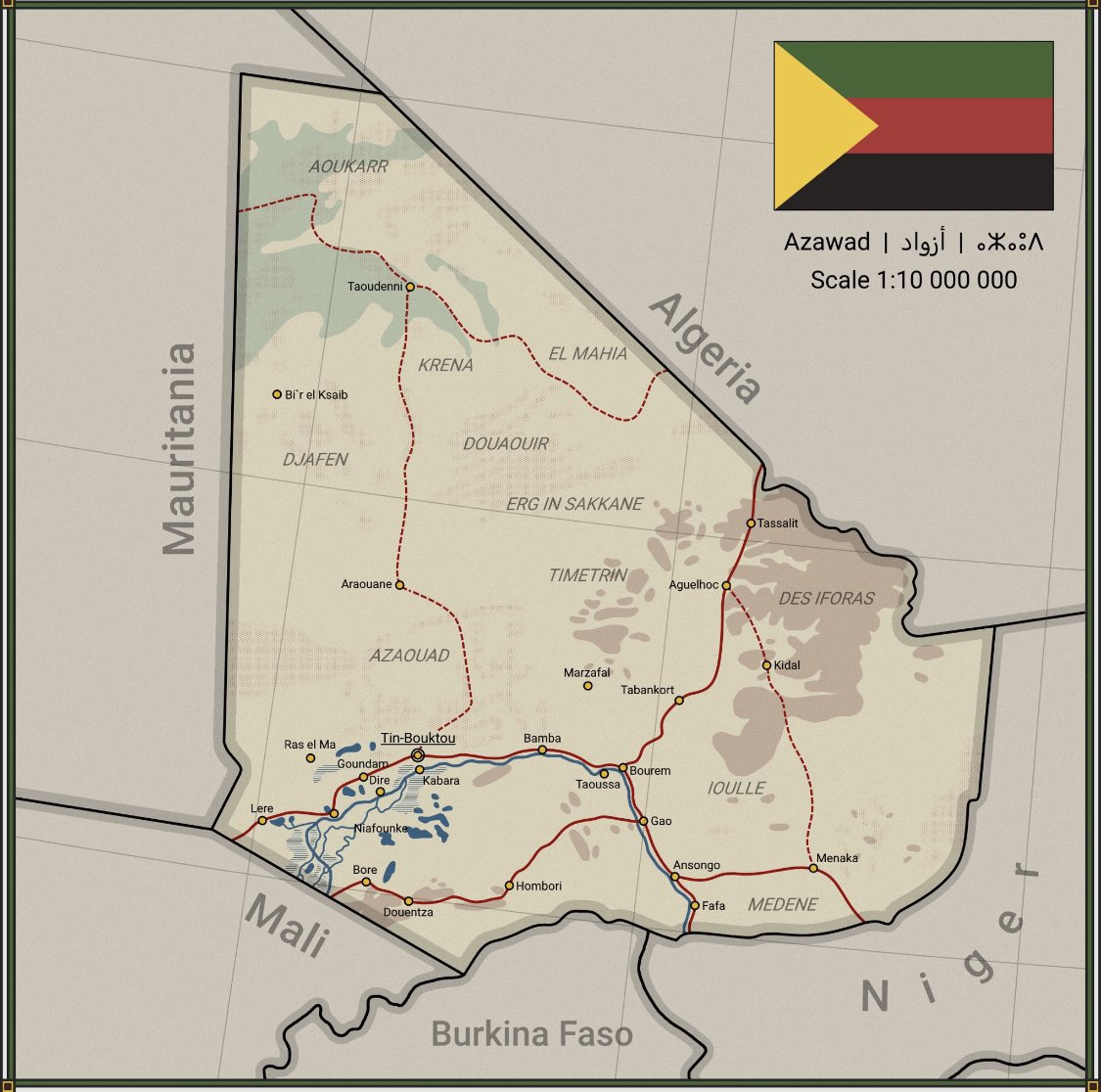
Mali’s military reportedly carried out air-strikes against Tuareg militants in the desert north—an escalation that risks opening up another conflict front in the country, which is already embroiled in a long counterinsurgency war with jihadist rebels. The accusation was made by the Coordinating Body of Azawad Movements (CMA), a coalition of Tuareg rebel groups that signed a peace deal with the Malian government in 2015. The government claims to have struck jihadist positions in the Kidal region, but the CMA rebels charge that they were targeted. Two weeks earlier, the CMA also accused Malian forces and Russian Wagner Groupmercenaries of attacking its followers in the Timbuktu region. (Map: PCL)

Africa
ivory coast

French forces out of Burkina Faso, into Ivory Coast

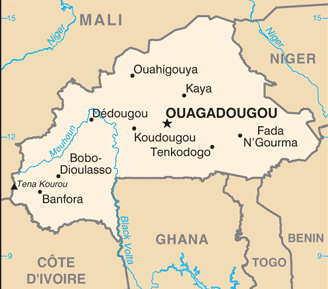
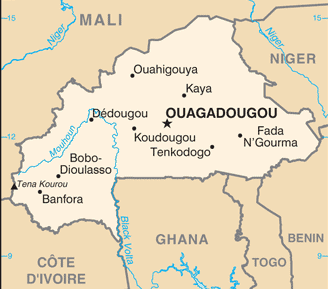
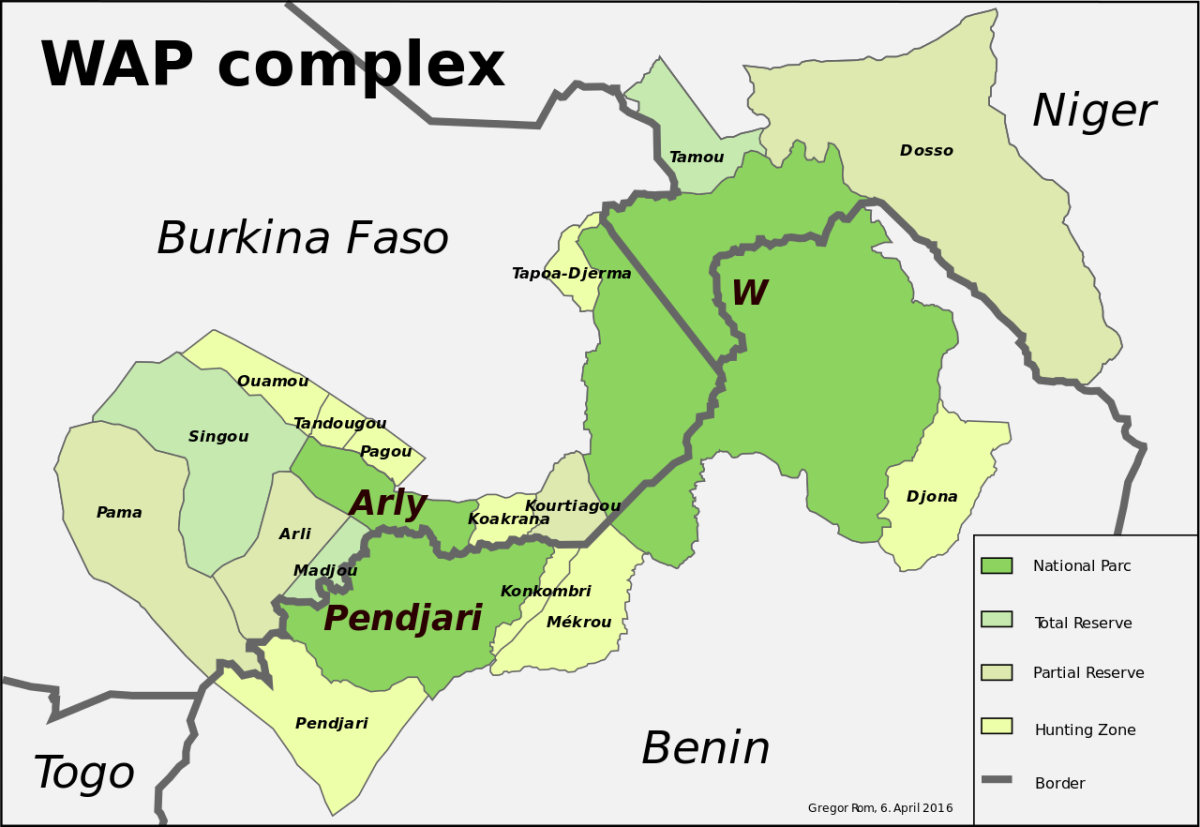
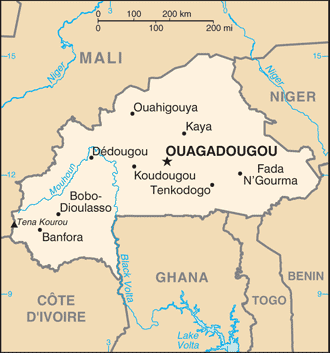
France has officially ended its operations in Burkina Faso a month after the ruling junta there terminated a military accord that allowed the former colonial power to fight jihadists. French forces remain in the greater region, however. The move came as French Defense Minister Sebastien Lecornu visited Côte d’Ivoire, pledging to boost military support as jihadist attacks hit coastal West African states. (Map: Perry-Castañeda Library Map Collection)

Africa
Fulani

Podcast: West Africa’s forgotten wars

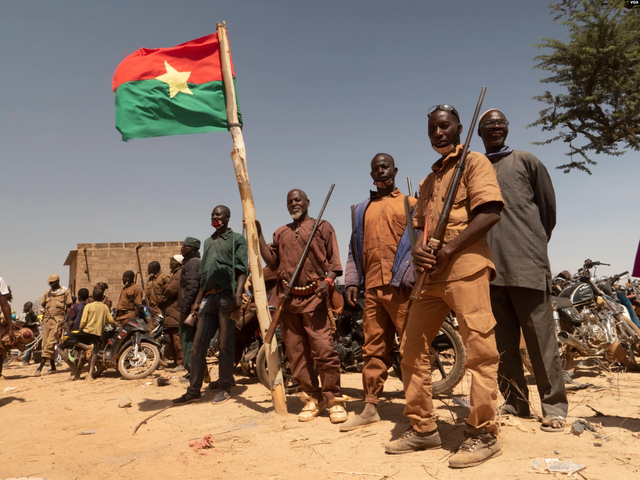
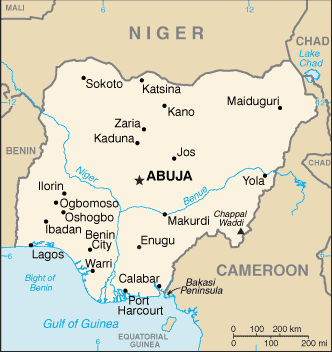
In Episode 161 of the CounterVortex podcast, Bill Weinberg provides an overview of the under-reported conflicts in West Africa, where government forces and allied paramilitary groups battle multiple jihadist insurgencies affiliated either with ISIS or al-Qaeda on a franchise model. Horrific massacres have been committed by both sides, but the Western media have only recently started to take note because of the geopolitical angle that has emerged: both Mali and Burkina Faso have cut long-standing security ties with France, the former colonial power, and brought in mercenaries from Russia’s Wagner Group. In both countries, the pastoralist Fulani people have been stigmatized as “terrorists” and targeted for extra-judicial execution and even massacre—a potentially pre-genocidal situation. But government air-strikes on Fulani communities in Nigeria have received no coverage in the Western media, because of the lack of any geopolitical rivalry there; Nigeria remains firmly in the Anglo-American camp. Listen on SoundCloud or via Patreon. (Photo: Sahara Reporters)

Africa
Somalia

Somalia: US raids on ISIS stronghold

A US special forces raid in Somalia ordered by President Joe Biden killed a key regional ISIS leader, Bilal al-Sudani, the Pentagon said in a statement. Sudani apparently died in a gun-battle after US troops descended on a cave complex in a mountainous area of northern Somalia. The statement did not specify the location of the raid, but the announcement followed reports in Somali media describing a US drone strike on a stronghold of the self-declared Islamic State-Somalia in the Cal Miskaad mountains of the autonomous northern region of Puntland. The raid came as the US military has been stepping up attacks on the Qaeda-aligned Shabaab rebels in central Somalia, in conjunction with Somali government and African Union forces. (Map via Wikimedia Commons)

Africa
Togo

Qaeda franchise claims deadly assault in Togo

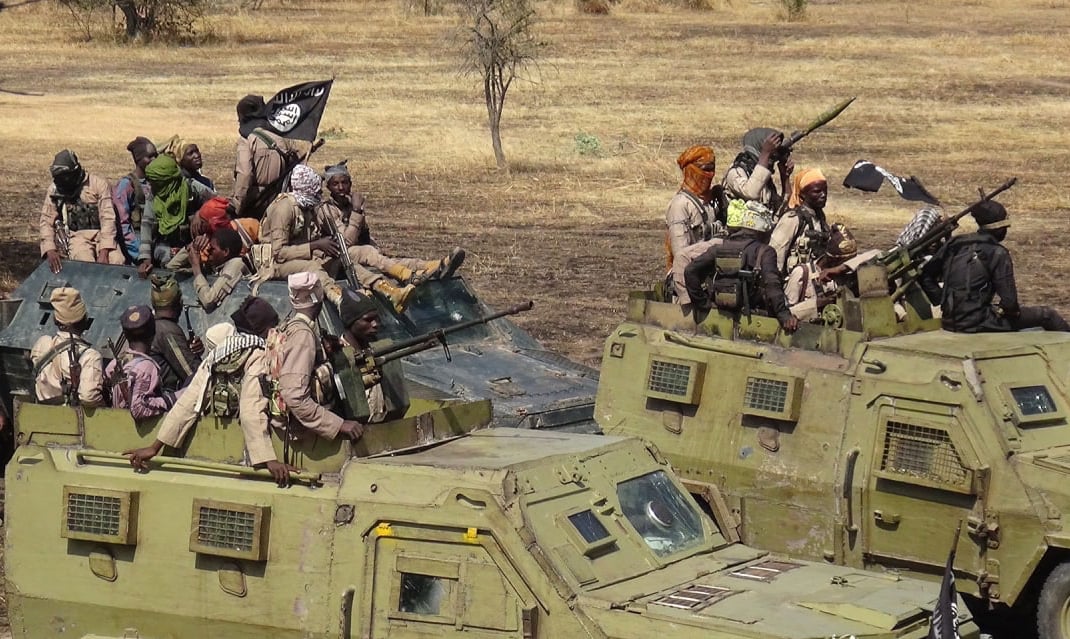
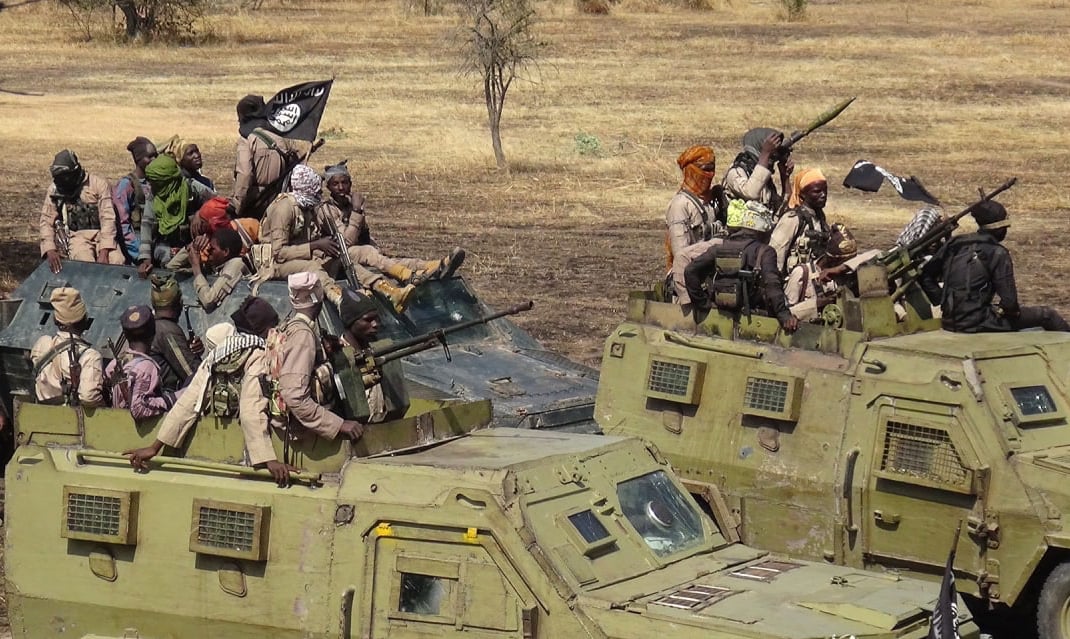
The Group for Support of Islam & Muslims (JNIM by its Arabic rendering), al-Qaeda’s West African franchise, claimed credit for an assault on Togolese forces that left at least 17 soldiers dead near the border with Burkina Faso. Togolese media reported that fighters in large columns of vehicles mounted with heavy machine-guns raided a military outpost at Tiwoli village, in northern Savanes region. This is the second such claim of responsibility for an attack within Togo by JNIM in the last two weeks, and the third this year. The attacks are raising fears of insurgency spreading from conflict-torn Burkina Faso into West Africa’s littoral states. (Map: Togo Department of Health)

Africa
Somalia

Somalia: clan militia takes on al-Shabab

The jihadist group al-Shabab is facing a local clan-based rebellion in central Somalia—one the embattled Mogadishu government hopes might spread throughout its zones of control. As resistance to the insurgent group has grown, lawmakers and clan elders have been backing the self-organized militia in pitched battles against al-Shabab. The militia—known as Ma’awisley, a reference to the traditional sarong worn in Somalia’s rural areas—is strongest in Middle Shabelle, Hiran and Galmudug regions of Hirshabelle and Central states. (Map via Wikimedia Commons)

Africa
Mali

Mali massacre: jihadism or ethnic war?

Scores of Malians demonstrated in the town of Bankass, in central Mopti region, to demand state protection after more than 130 civilians were killed by presumed jihadist militants in three villages over the past days. The massacres in the localities are said to have been carried out by the Katiba Macina, a militant group led by Fulani preacher Amadou Kouffa. The gunmen burned huts and stole cattle in addition to killing villagers. The Katiba Macina is apparently an offshoot of the Qaeda-aligned Group for Support of Islam & Muslims (JNIM). However, in Mopti region, traditionally known to the Fulani as Macina, the violence appears to have taken on an ethnic cast. In March 2019, more than 160 Fulani civilians were massacred at the village of Ogossagou. Fulani were also targeted in an April 2022 massacre attributed to Russian mercenaries from the Wagner Group. (Map: PCL)Afri

Africa
west africa

West Africa jihadist insurgency reaches Togo

At least eight Togolese soldiers were killed in an assault on a military base in the north of the West African country—marking the first fatal attack in Togo by the jihadist rebel militias waging an insurgency across the wider region. Some 60 gunmen on motorcycles attacked the base at Kpinkankandi, near the border with Burkina Faso. According to locals, the battle over the base raged most of the night before the assailants retreated. No group has claimed responsibility for the raid, but suspicion has fallen on the Group for Support of Islam & Muslims (JNIM), a Qaeda-aligned faction active in Burkina Faso. (Map: World Sites Atlas)

Africa
Somalia

Podcast: Somalia in the Great Game

In Episode 122 of the CounterVortex podcast, Bill Weinberg examines the ongoing conflict in Somalia in light of both climate change and Great Power politics. Despite a pseudo-withdrawal of US forces, the Pentagon continues drone strikes against the Shaabab insurgents—as the Horn of Africa faces it worst drought in a generation, with millions on the brink of extreme hunger and possible starvation. A paradox of the situation is that “government-controlled” Somalia (the southern third of the country) is not controlled by any government, but wracked by insurgency. In contrast, the unrecognized de facto independent state of Somaliland in the north is a bastion of comparative stability and even social progress. Reports of Russian designs on Somaliland as a potential site for a naval base threaten to draw it into the imperial contest for control of the strategic Horn. Progressives in the West can demand international recognition for an independent and non-aligned Somaliland. We can also loan solidarity to the Sufi resistance now fighting both the Shaabab and the “recognized” Mogadishu quasi-government. Most importantly, we can support the secular and pro-democratic voices of civil society that are standing up for human rights and basic freedoms at great risk to themselves, and in spite fo everything. Listen on SoundCloud or via Patreon. (Map via Wikimedia Commons)