


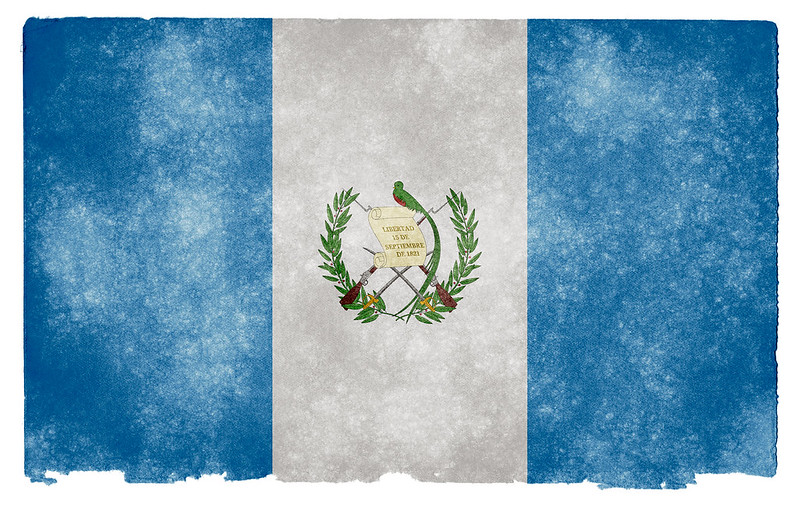
Guatemalan President Bernardo Arévalo declared a 30-day nationwide “state of siege” on Jan. 19 following a spree of gang violence that left nine police officers dead in the nation’s capital. The declaration was made unilaterally and currently awaits congressional approval. However, it will remain in place until a decision is reached.
The recent killings are believed to be gang retaliation for state authorities retaking gang-controlled areas of three maximum-security prisons. The facilities had been taken over in a series of riots that saw over 40 guards taken hostage. The riots were apparently a response to incarcerated gang members losing certain privileges in prison. No deaths or injuries have been reported from the retaking of the prisons.
The Guatemalan Constitution holds that a state of siege can be declared when ordinary civil powers are not sufficient to respond to internal disorder, and can thus temporarily suspend certain constitutional rights.
Since taking office, the Arévalo government has cracked down on gangs, or maras, operating in Guatemala. The two most notable of these gangs are MS-13 and Barrio 18, both of which which the US and Guatemalan governments have designated as “terrorist organizations.” Guatemala has said that it will not negotiate with the maras.
El Salvador’s President Nayib Bukele declared a similar state of emergency in 2022 in response to gang violence. In April 2025, US President Donald Trump praised Bukele and the nation’s justice system as “tough on crime.” However, human rights organizations have criticized El Salvador’s police practices and judicial system.
National Civil Police director David Boteo advised Guatemalans to stay home when possible, and the Ministry of Education has cancelled classes across the country.
From JURIST, Jan. 19. Used with permission.
See our last reports on the maras and the prison crisis in Central America.


Guatemala ends siege —but keeps military-police crackdown
President Bernardo Arévalo ended the nationwide state of siege in Guatemala on Feb. 16, while maintaining joint military and police operations to combat organized crime and gangs. The move comes days before expiration of a 30-day emergency period imposed in response to deadly prison riots and attacks that left 11 National Civil Police officers dead. (Jurist)