


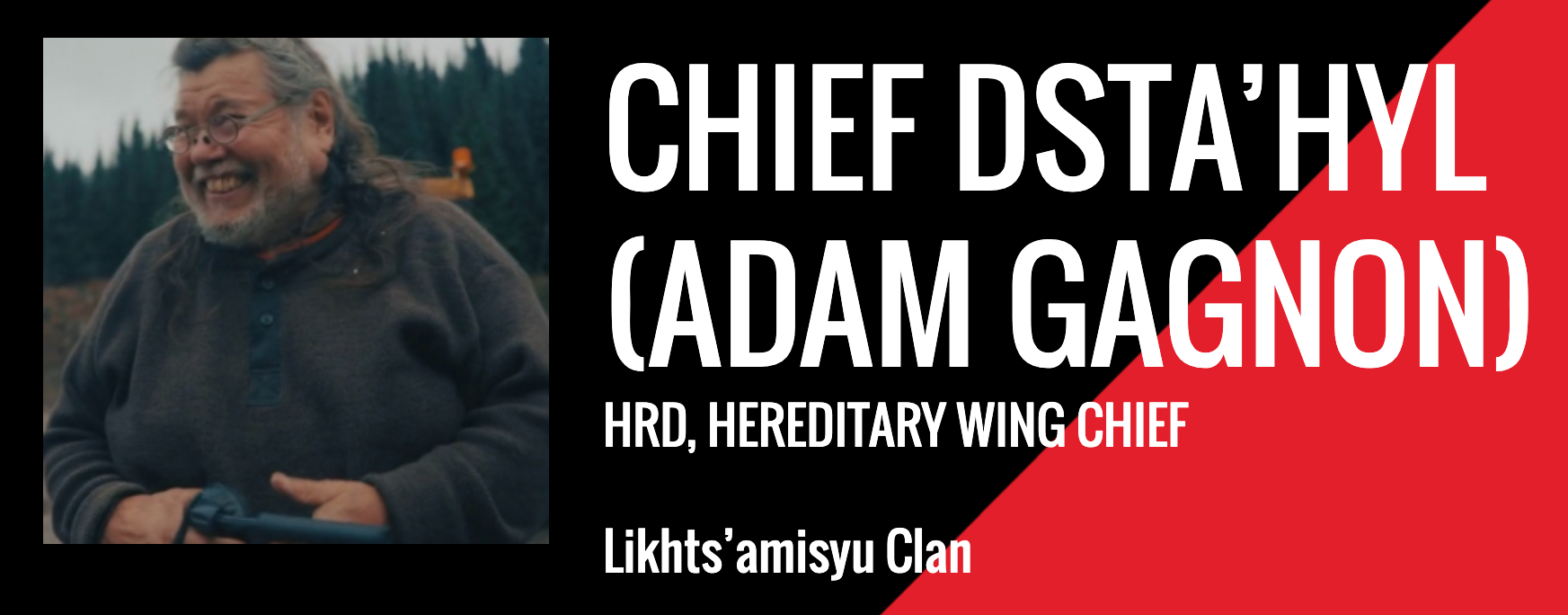
The Court of Appeal for British Columbia unanimously upheld the criminal contempt conviction against Chief Dsta’hyl (Adam Gagnon) on April 28. He was found in breach of a court injunction by protesting against a pipeline project in the territories of the Wet’suwet’enFirst Nation.
At issue in the appeal was whether Chief Dsta’hyl could make a defense on the ground that he was acting in accordance with a co-existing Indigenous legal order. Chief Justice Leonard Merchand, writing for the three-judge panel, held that the court would recognize the defense if violating a court injunction was a last resort. However, as the defendant could have challenged the injunction, the court found that violating the injunction was not necessary to uphold the Wet’suwet’en law of trespass.
In his concluding remark, Chief Justice Merchand wrote:
Indigenous law has been denied, supressed [sic], and at times outlawed, for over a century in Canada. Canadian law has a role to play in undoing that harm and is learning to make space for Indigenous legal orders in various ways. But that work does not include allowing parties, Indigenous or non-Indigenous, to breach court orders.
In 2019, the British Columbia Supreme Court issued an injunction banning protests in the construction area of the Coastal GasLink pipeline project. Defying the injunction, Chief Dsta’hyl organized a blockade in an attempt to halt the construction in 2021. At trial, he contended that the protests were necessary to uphold the traditional Wet’suwet’en law of trespass and fulfill his duties as a chief to preserve and protect their yintah (territory). The trial judge rejected the defense, holding that it was an impermissible “collateral attack” on the injunction.
When the trial judge found Chief Dsta’hyl guilty of contempt, Amnesty International declaredhim Canada’s first prisoner of conscience. The group contended that the 60 days of house arrest were an unjustified criminal penalty for his work to protect Indigenous rights and the environment. In 2023, the group also published a report, accusing the Royal Canadian Mounted Police of conducting arbitrary arrests, harassment, intimidation and unlawful surveillance of the Wet’suwet’en and their allies that were incompatible with the right to freedom of peaceful assembly.
Nationwide protests erupted in 2020 against the pipeline project. While Coastal Gaslink claimed that it had reached agreements with 20 elected First Nation councils, the Wet’suwet’en maintained that the Hereditary Chiefs who retained authority in the region had not agreed to the construction. According to Indigenous lawyers Kate Gunn and Bruce McIvor, the elected band councils only had the decision-making authority on reserve lands under the federal Indian Act. The project, also situated in the traditional unceded territories of the Wet’suwet’en beyond the reserve lands, was said to have violated the right to free, prior and informed consent of the Wet’suwet’en.
From JURIST, April 30. Used with permission. Internal links added.
See our last report on the Indigenous struggle in British Columbia.
Image: Front Line Defenders

