Africa
Burkina Faso

Russian fighters leave Burkina Faso for Kursk front

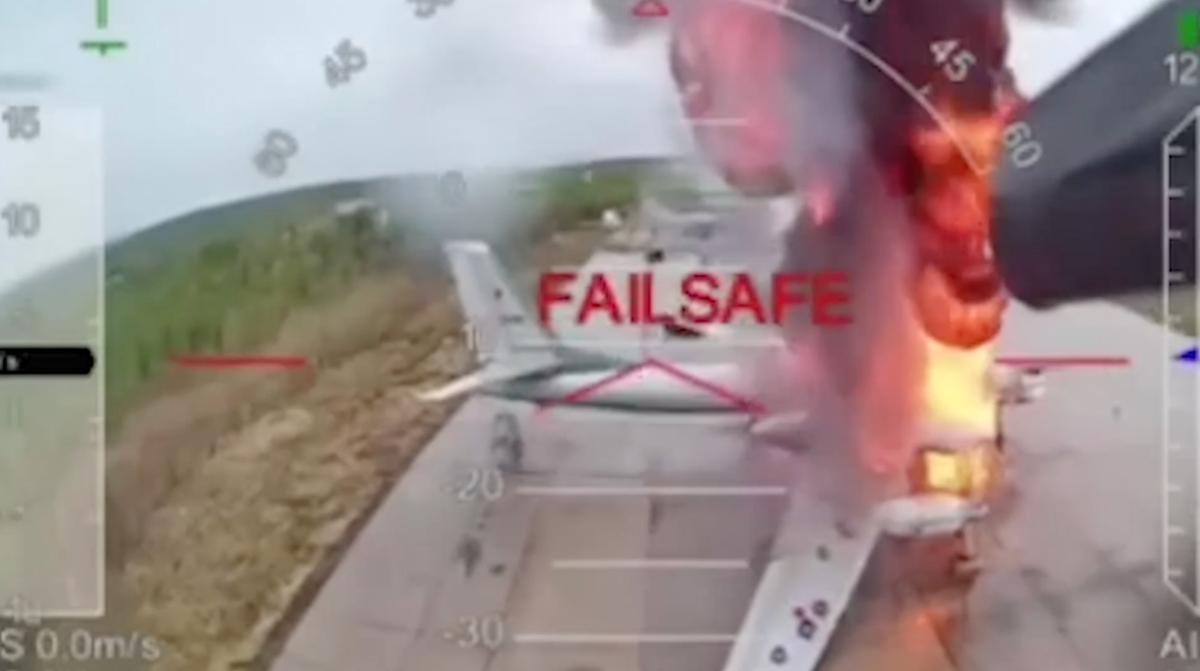
Russia is withdrawing 100 of its paramilitary troops from Burkina Faso to assist in the war with Ukraine, reports indicate. The troops are part of a contingent of some 300 fighters from the Medvedi or Bear Brigade—one of the Russian private military companies operating in West Africa—who arrived in Burkina Faso in May to support the country’s ruling military junta. In a statement, the group said its forces would return home to support Russia’s defense of Kursk oblast against Ukraine’s recent cross-border offensive. There are fears the pull-out could embolden jihadist insurgents in Burkina Faso, who recently killed up to 300 people in one of the biggest attacks in years. (Map: Perry-Castañeda Library)

Europe
Belarus

Belarus broaches nuclear strike

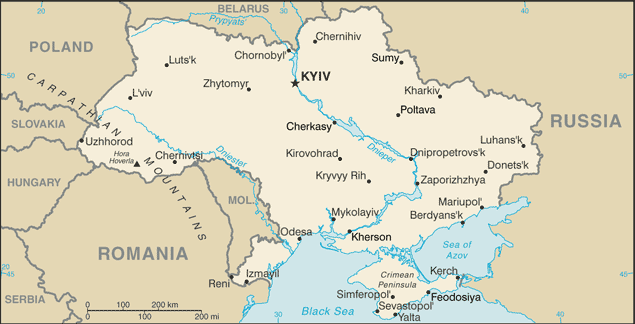
Belarusian President Alexander Lukashenko charges that Kyiv has stationed more than 120,000 soldiers along Ukraine’s border with Belarus, and says that he is deploying military formations along his own country’s entire border with Ukraine in response. In an interview with Rossiya TV, Lukashenko accused Ukraine of attempting to provoke a nuclear strike from Russia, which has warheads deployed in Belarus. “The worry is that escalation on Ukraine’s part is an attempt to force Russia to take asymmetric actions,” Lukasheno said. “Let’s consider the usage of nuclear weapons. I am confident that Ukraine would be pleased if Russia or we utilized tactical nuclear weapons there. That would bring them joy.” (Map: PCL)

Europe
Urengoy-Pomary-Uzhgorod pipeline

Pipeline goad of Ukraine’s Kursk incursion?

One day into their unprecedented cross-border incursion into Russia’s Kursk oblast, Ukrainian forces captured the Sudzha gas metering station—a key node of the last remaining Russian pipeline still sending gas to Europe through Ukraine. The Urengoy-Pomary-Uzhgorod pipeline, built by the Soviets in the 1980s, sends natural gas from Siberian fields through Ukraine to Slovakia, the Czech Repubic, Hungary and Austria. Despite the capture of the Sudzha station, Gazprom hasn’t halted the flow of gas through the station—nor has Ukraine shut the pipeline over the past two and a half years of war, apparently due to pressure from Europe. EU sanctions have only gradually started to affect Russia’s massive hydrocarbons sector. (Image: Soviet postage stamp celebrating the Urengoy-Uzhgorod pipeline. Via Wikipedia)

East Asia
Nagasaki

Gaza at issue in Nagasaki commemoration

The US ambassador to Japan did not attend this year’s official commemoration of the atomic bombing of Nagasaki in protest of the city’s failure to invite Israel. Ambassador Rahm Emanuel said the event had been “politicized” by Nagasaki’s decision to exclude the Jewish state. Five other G7 countries and the EU likewise boycotted the ceremony. The municipal government in Hiroshima refused to pay heed to public calls to exclude Israel over the Gaza bombardment, and invited Israeli officials to its event as usual. Russia and Belarus were exuded from both commemorations for a third consecutive year. (Photo: Pop Japan)

Syria
Kuweires

Is Ukraine backing Syrian insurgents?

Ukrainian special forces under command of Kyiv’s Main Intelligence Directorate (HUR) carried out an operation against Russian forces in Syria, according to a video released by the agency. First reported by the Kyiv Post, the raid by the “Khimik” elite unit is said to have targeted Kuweires airbase outside Aleppo, which is used by both Russian and Assad regime forces. Drone strikes followed by a ground attack are said to have destroyed a Russian “electronic warfare complex” at the base, along with other “military objects.” The report said the operation was conducted in cooperation with Syrian “insurgents,” although it didn’t make clear which faction. The strike was reportedly carried out the day after a meeting at the Kremlin between Russian President Vladimir Putin and his Syrian counterpart Bashar al-Assad. In May 2023, HUR chief Lt. Gen. Kyrylo Budanov promised to “destroy Russian war criminals anywhere in the world they may be.” (Image via Kyiv Post)

Africa
jihadis

Is Ukraine backing Mali insurgents?

Mali announced that it has cut diplomatic relations with Ukraine, after a Kyiv military official boasted of having aided an insurgent attack in the country’s north that left scores of government troops and Russian mercenaries dead. Andrii Yusov, spokesman for Ukraine’s GUR military intelligence agency, said on social media that “the rebels received necessary information, and not just information, which enabled a successful military operation against Russian war criminals.” While not saying whether Ukrainian military personnel were involved in the fighting or were present in the country, Yusov cryptically added that the GUR “won’t discuss the details at the moment, but there will be more to come.” Malian official Col. Abdoulaye Maiga said Yusov’s comments “admitted Ukraine’s involvement in a cowardly, treacherous and barbaric attack by armed terrorist groups.” (Photo: FIDES)

Watching the Shadows
antifa

Podcast: sleepwalking into fascism

With Trump gaining momentum since surviving an assassination attempt, and the Democrats demoralized and in disarray, the forces of MAGA-fascism seem poised to retake the White House—and, with Project 2025, are this time armed with the organizational wherewithal to effectively instate their program. Meanwhile, the radical left, which by rights should be the most intransigent source of anti-fascist resistance, is actually in danger of being coopted by Trumpism in a new Red-Brown alliance, lured by perceived “isolationism” and a shared antipathy to the “liberal order.” In Episode 235 of the CounterVortex podcast, Bill Weinberg desperately scours the American political landscape—as well as historical precedents such as Italy in the 1920s—for glimmers of hope. Listen on SoundCloud or via Patreon. (Photo via CEPR)

Europe
BALTOPS24

Baltic brinkmanship amid NATO war games

Sweden’s armed forces charged that a Russian SU-24 fighter plane violated the country’s airspace just east of the island of Gotland in the Baltic Sea, calling the act “unacceptable.” Just days before the incident, Sweden and other NATO allies were conducting naval exercises in the area as part of the annual Baltic Operations drill (BALTOPS). Amid the exercise, the Finnish military reported a similar airspace violation by four Russian warplanes over the Gulf of Finland. This was the first time Sweden and Finland had taken part in BALTOPS. (Photo: NATO)

Europe
demobilization

Russia’s ‘demobilization’ movement under attack

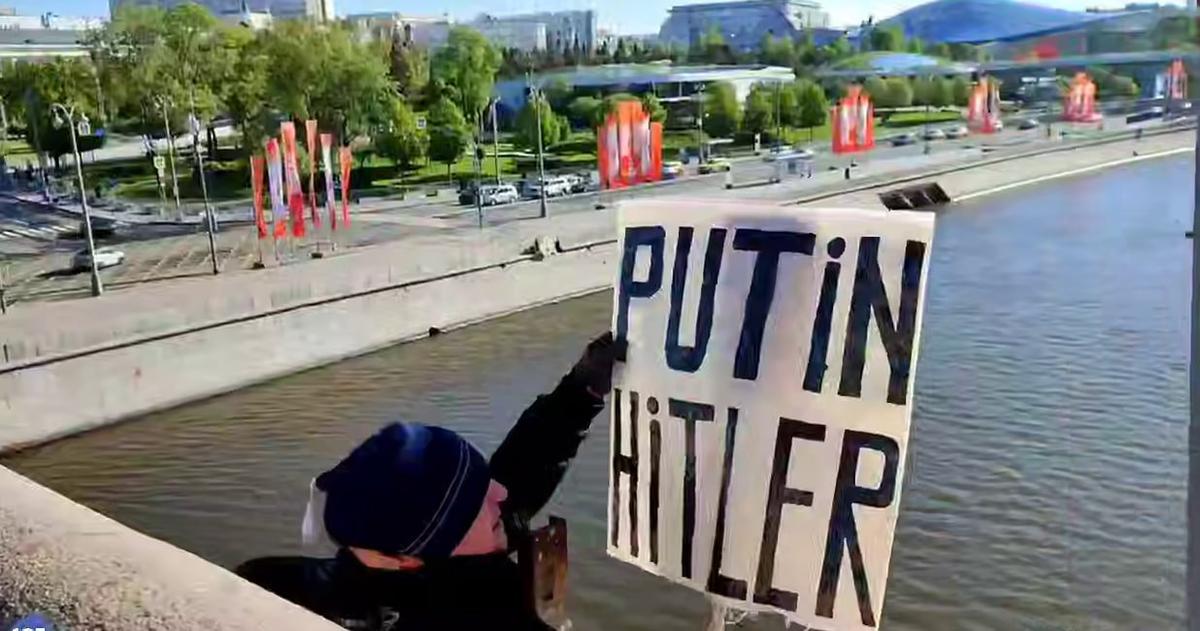
Russian citizens’ groups campaigning for “demobilization”—returning conscripts and reservists from the front in Ukraine—are increasingly finding themselves in the crosshairs of the authorities. Last month, The Way Home, the most prominent organization campaigning to bring Russia’s mobilized reservists home, was branded a “foreign agent” by the Justice Ministry, as was one of its most prominent leaders. The label, reminiscent of the “enemy of the people” designation of the Soviet era, imposes harsh constraints on activities and requires sources of funding to be disclosed. But protests by the kin of mobilized soldiers have continued outside the Defense Ministry in Moscow—despite the threat of repression. (Photo: PauliaMobility/Telegram via Novaya Gazeta Europe)

South Asia
AJK

Uprising in Pakistan-controlled Kashmir

Three protesters were killed and six injured as Pakistani security forces fired on crowds during angry street demonstrations in Muzaffarabad, capital of Azad Jammu & Kashmir (AJK). The paramilitary Rangers were mobilized to Muzaffarabad after a police officer was killed amid protests over high food, fuel and electricity prices. A “wheel-jam and shutter-down” strike had been called by the Jammu Kashmir Joint Awami Action Committee (JAAC), but was called off as Islamabad agreed to a Rs 23 billion ($86 million) subsidy for the region. The new deadly violence erupted just as the Rangers were starting to withdraw from Muzaffarabad. A curfew remains in place in the city. (Photo of vigil for slain protesters via Twitter)

Planet Watch
air pollution

Lower emissions from US power grid (at least)

The US Department of Energy released its preliminary estimate for the nation’s carbon emissions in the previous year. While falling far short of the kind of drop needed to meet the Paris Agreement goals, a dip in emissions was recorded—almost entirely due to changes in the electric power sector. US carbon emissions have been trending downward since 2007, when they peaked at about six gigatonnes. The COVID-19 pandemic produced a dramatic drop in emissions in 2020, bringing the yearly total to below five gigatonnes for the first time since before 1990, when DoE monitoring began. Carbon releases rose after the return to “normalcy“; 2023 marked the first post-pandemic decline. The drop is largely due to the phase-out of coal-burning power plants. However, electricity generation remains the second source of emissions, behind transportation. (Photo: Ralf Vetterle, Pixabay)