Africa
Kereinik

Sudan: 150 killed in new Darfur massacre

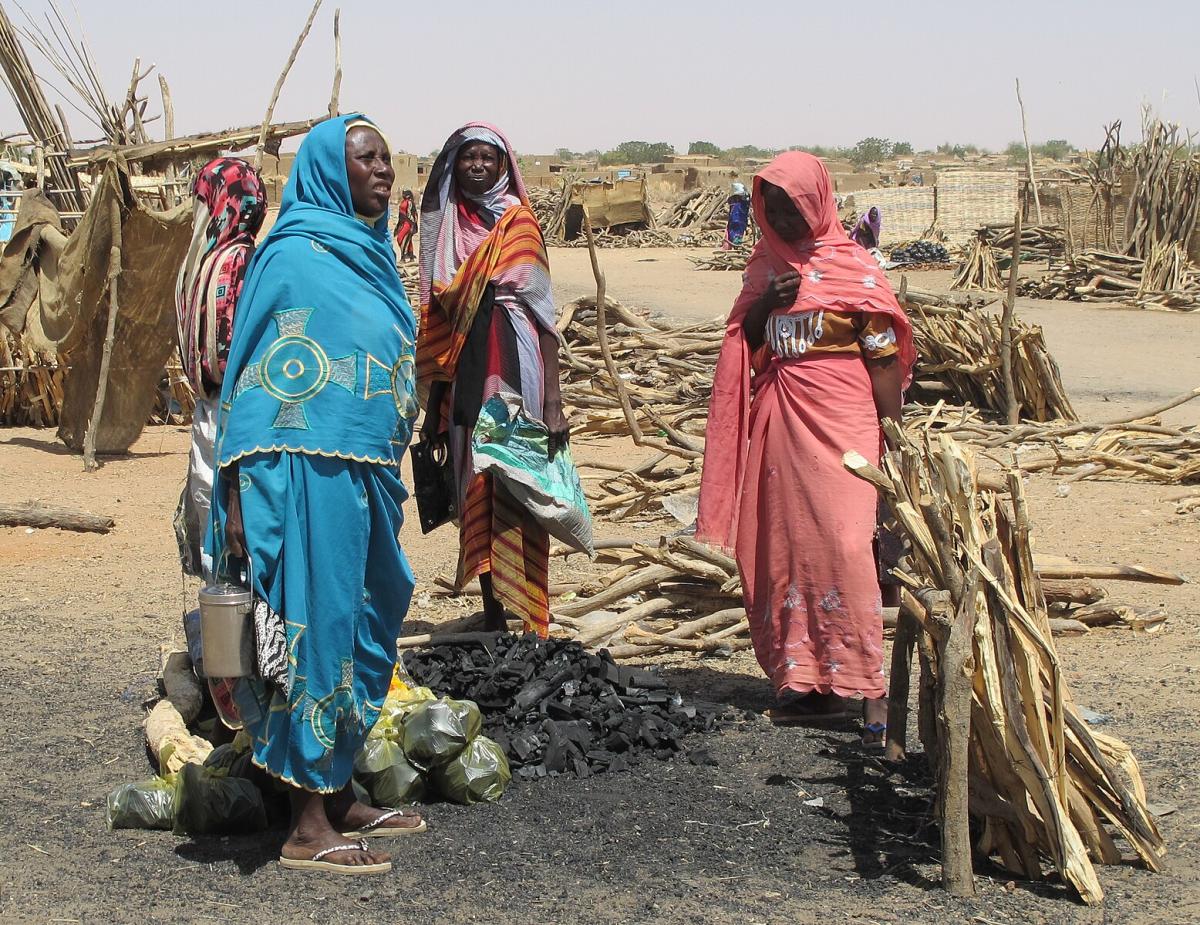
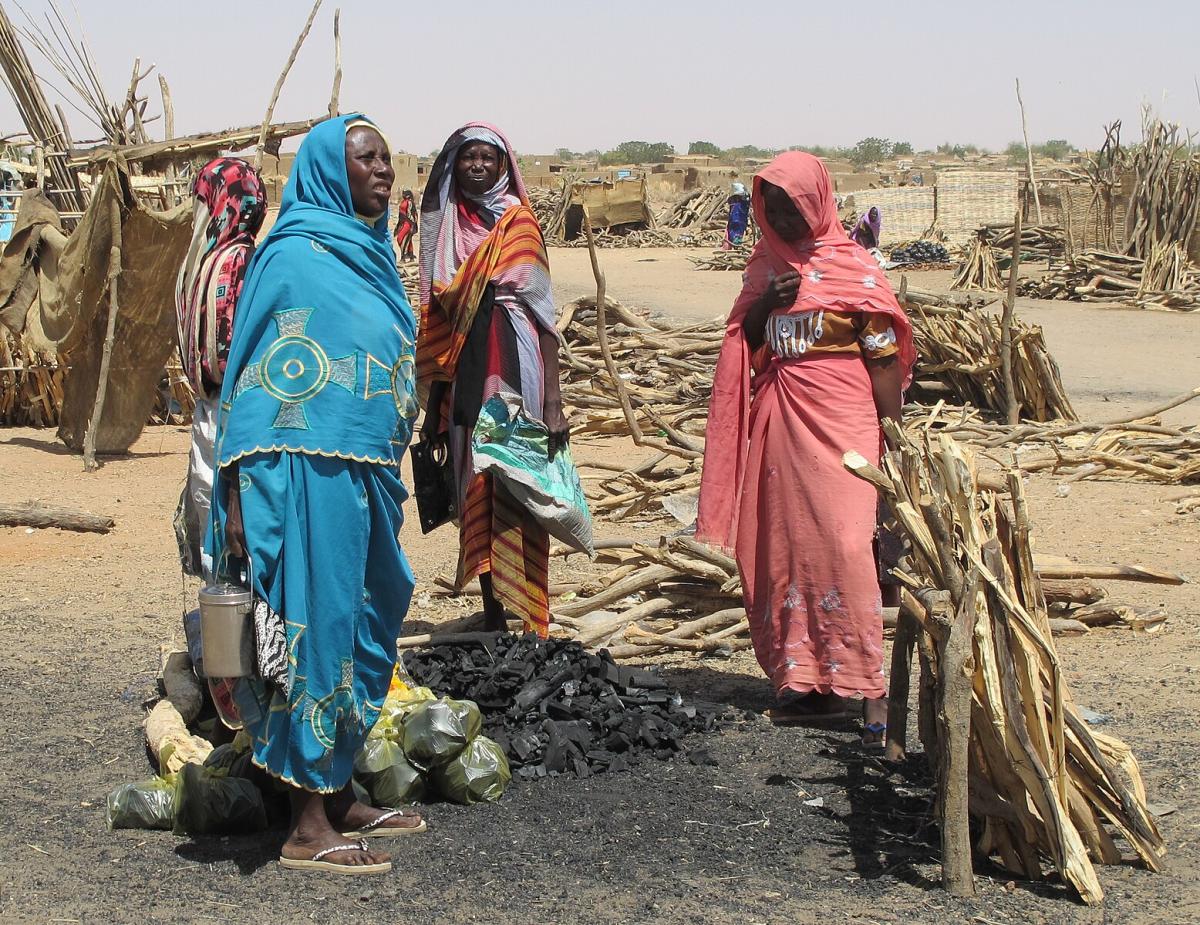
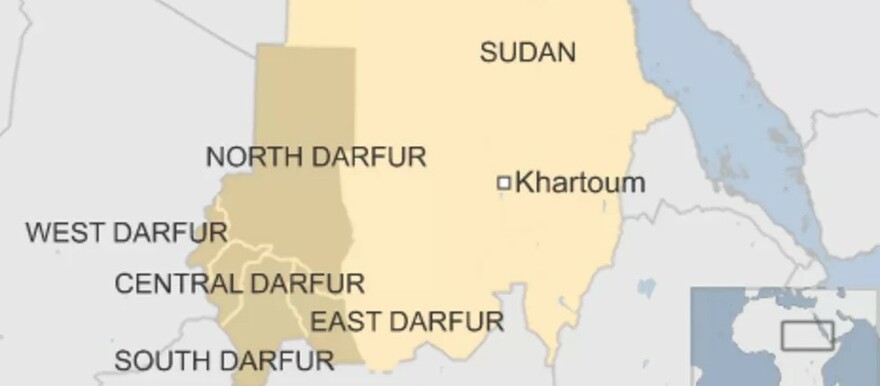
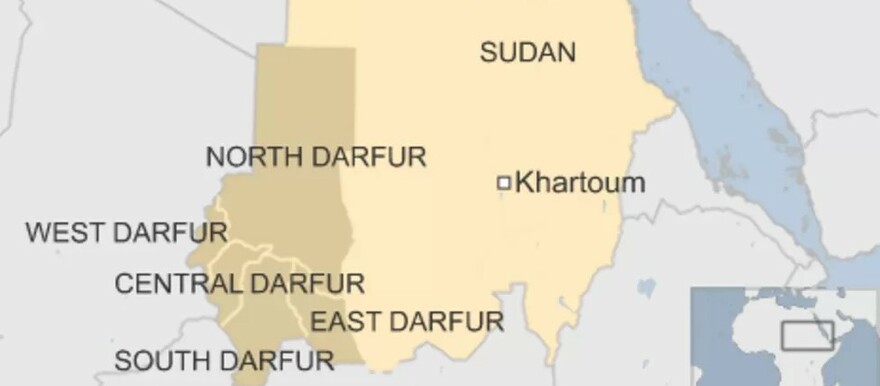
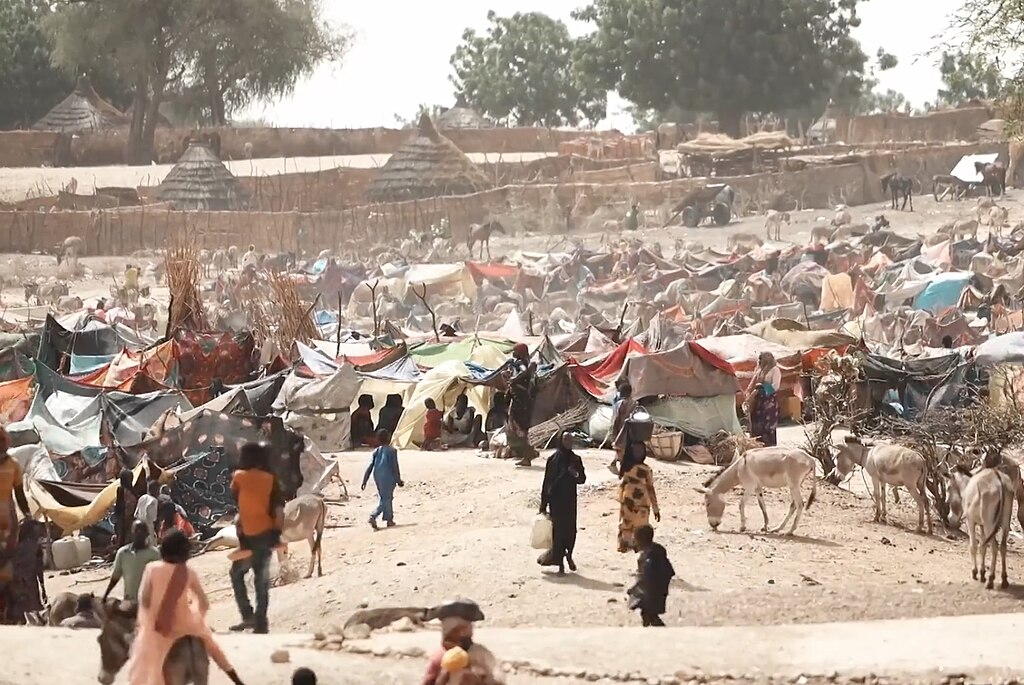
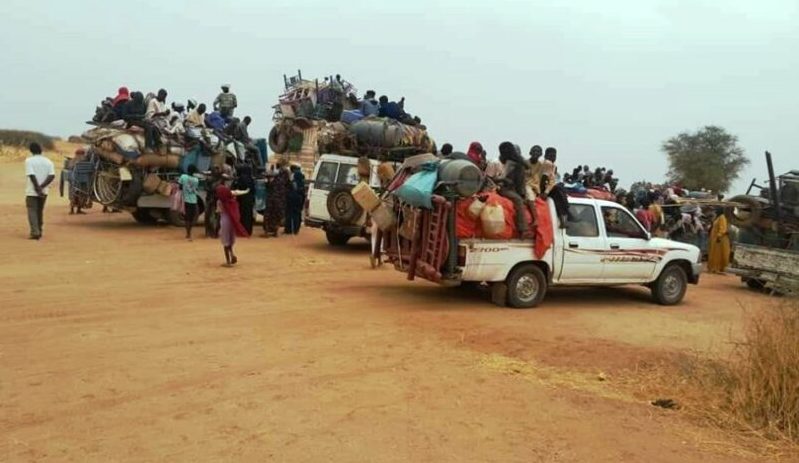
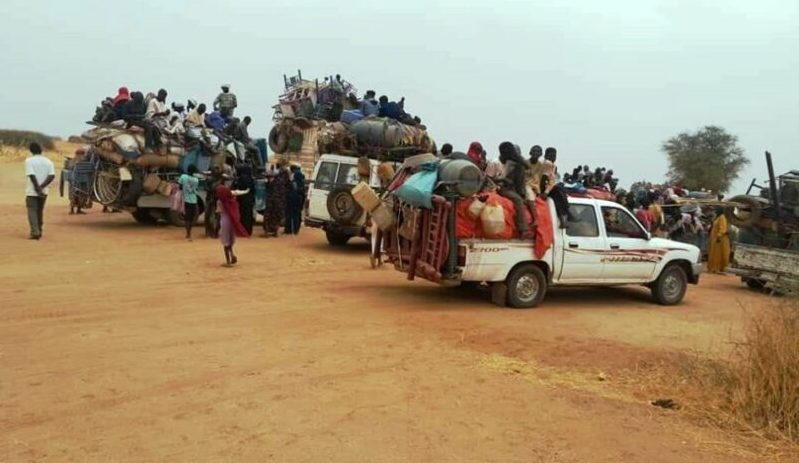
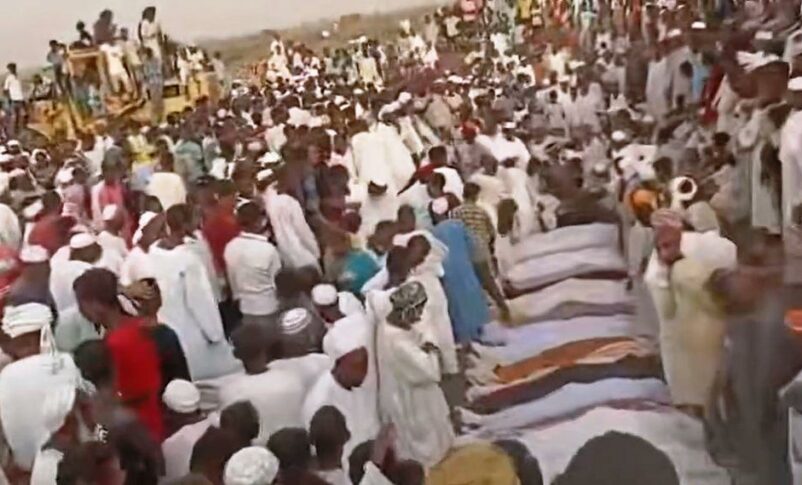
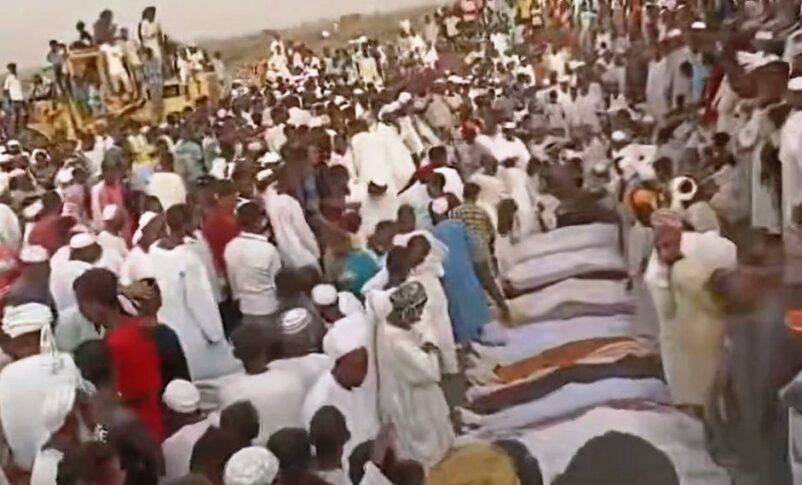
At least 150 were killed as paramilitary troops attacked a village in Sudan’s conflicted Darfur region. Fighters from the Rapid Support Forces, many riding motorbikes or driving vehicles mounted with machine-guns, swept in on the village of Kereinik, torching houses and shops and firing on residents. More than 80,000 families fled their homes to seek refuge at the army headquarters in the village center. Hostilities between the Arab-dominated RSF and Masalit villagers began days earlier, after two Arab herders were reportedly killed by former rebel fighters. The fighting has since spread to the nearby town of Geneina, capital of West Darfur state. Sudan’s central government is said to be sending in military reinforcements and warplanes to contain the situation. (Photo: Sudan Tribune)

Africa
khartoum

Sudan: civil resistance rejects ‘power-sharing’ deal

Sudan’s ousted Prime Minister Abdalla Hamdok, who had been placed under house arrest with last month’s military coup, appeared on TV to sign a new power-sharing agreement with putsch leader Gen. Abdel Fattah al-Burhan. But the deal officially restoring Hamdok as prime minister was immediately rejected by the pro-democracy movement in the streets. Just after the announcement, security forces in Khartoum fired tear-gas at protesters marching toward the presidential palace to demand the military’s complete withdrawal from politics. “The future of the country will be determined by the young people on the ground,” said Siddiq Abu-Fawwaz of the Forces for Freedom & Change coalition. (Photo via Twitter)

Africa
Sudan

Counter-revolutionary coup in Sudan

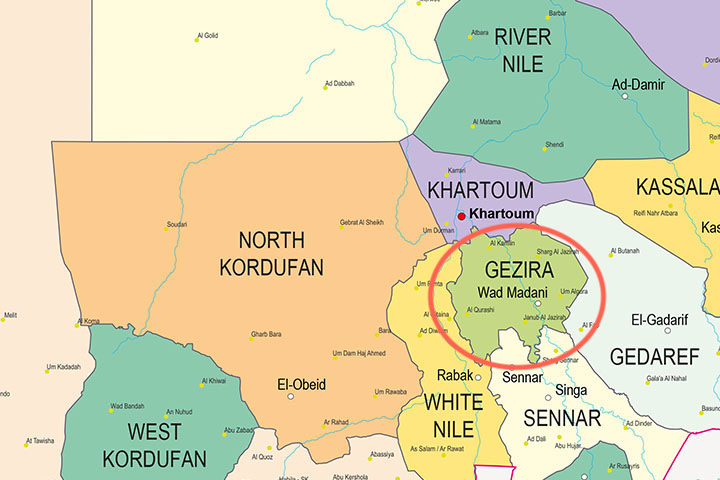
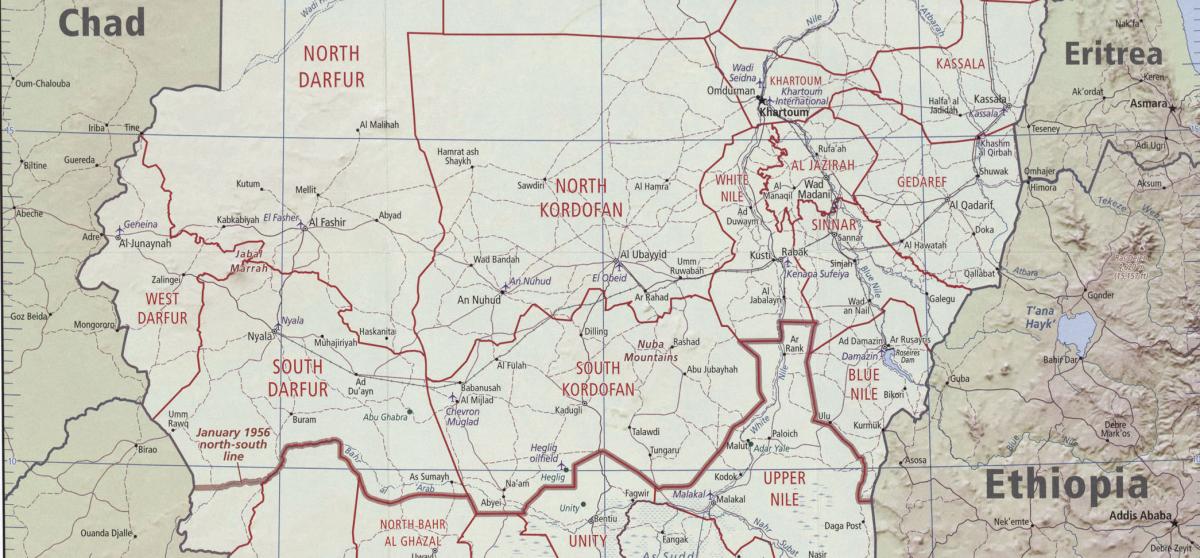
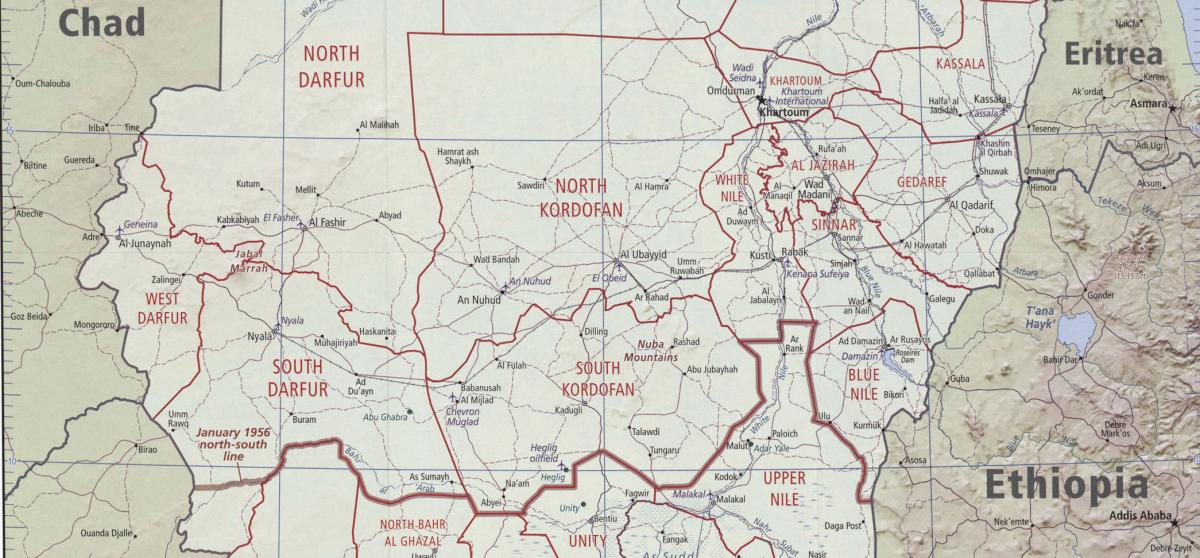
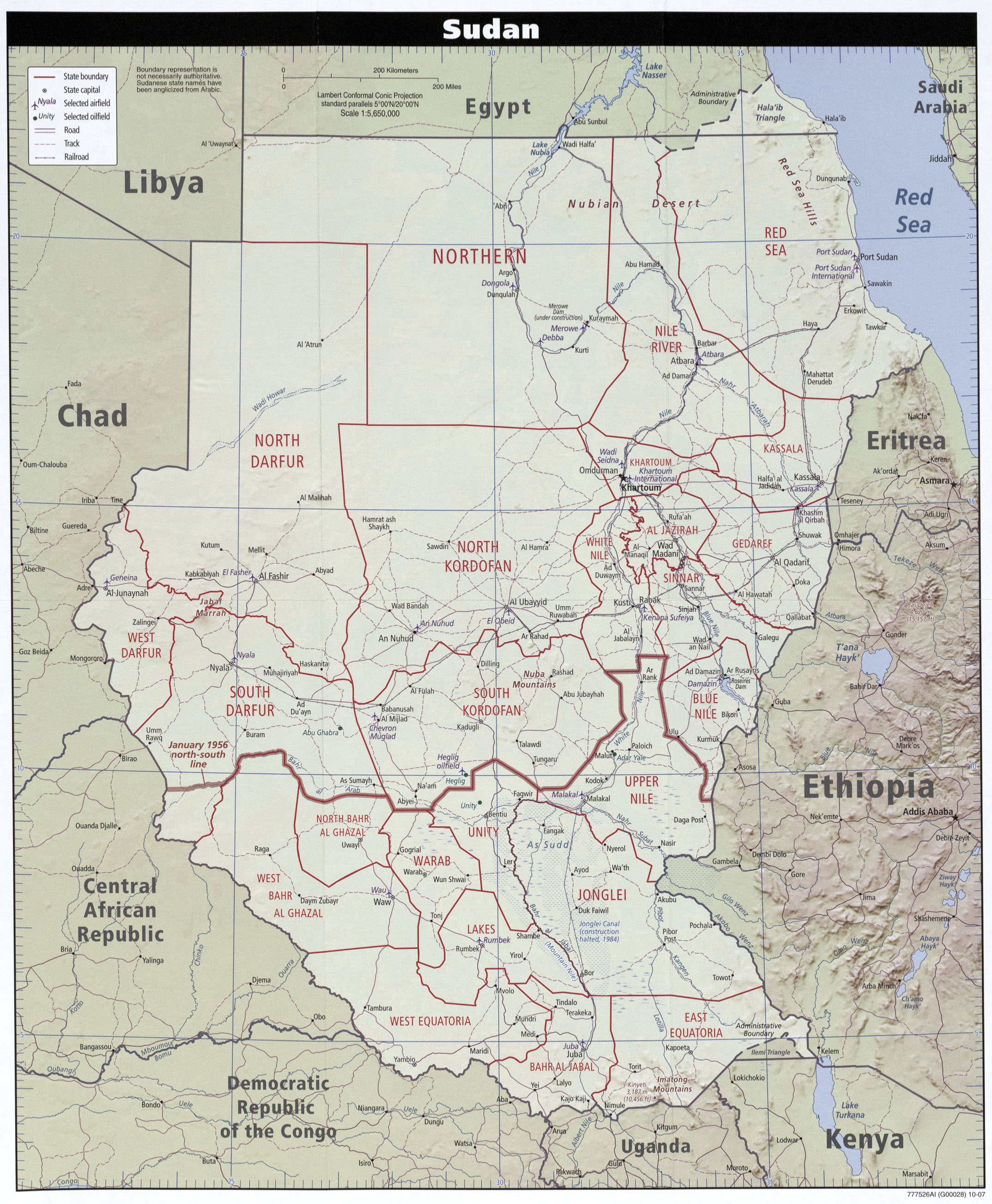
Sudan’s interim prime minister Abdalla Hamdok and his senior officials were arrested as the military seized full power in a coup d’etat and imposed a state of emergency. The two principal pro-democracy formations, the Forces for Freedom & Change and Sudanese Professionals Association, have called for a popular mobilization to overturn the coup, and thousands have answered the call, filling the streets of Khartoum, Omdurman and other cities. Troops fired on protesters outside the army headquarters in Khartoum, killing at least three and injuring more than 80. The paramilitary Rapid Support Forces have also been mobilized. The military head of the now officially dissolved joint civilian-military Transitional Sovereign Council, Lt Gen Abdel Fattah al-Burhan, is apparently behind the coup and in control. The putsch follows days of rival demonstrations in Khartoum, with pro-democracy protesters demanding full civilian rule and pro-army counter-demonstrators demanding that the military take complete control. (Map: Perry-Castañeda Library Map Collection)

Africa
beja

Sudan: ethnic protesters paralyze oil port

Sudan is at the brink of a nationwide fuel shortage as Beja ethnic protesters in the country’s east have for weeks blocked roads and oil arteries—including the critical pipeline that pumps crude from South Sudan to the Port Sudan terminal on the Red Sea, and a second that brings imported petroleum products from the terminal into the country. The High Council of Beja Nazirs & Independent Chieftains is demanding cancellation of the 2020 Juba Peace Agreement, asserting that the Beja people were excluded from the negotiations. Shortages of fuel have sparked large counter-protests against the blockades. (Photo via Dabanga)

Africa
Sudan

Sudan: Omar Bashir plots comeback?

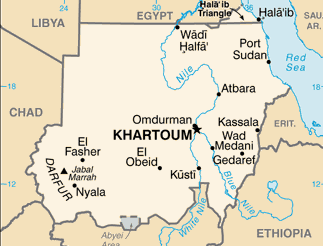
A failed coup by army officers allegedly linked to ousted long-ruling strongman Omar al-Bashir underscored the fragility of Sudan’s transition to civilian rule. Some 20 officers were arrested in the coup attempt. Military leaders from the country’s power-sharing government, the Sovereign Council, blamed their civilian counterparts for neglecting public welfare and opening the door to the coup plotters. Civilian cabinet minister Khalid Omer Yousif called the officers’ comments “astonishing” and “a direct threat to the transition.” Bashir, overthrown in 2019 after nearly 30 years in power, is presently in prison in Khartoum, where he faces multiple trials. He continues to be wanted on genocide charges by the International Criminal Court. (Map: Perry-Castañeda Library Map Collection)

Africa
el Geneina

Hundred killed in new Darfur violence —again

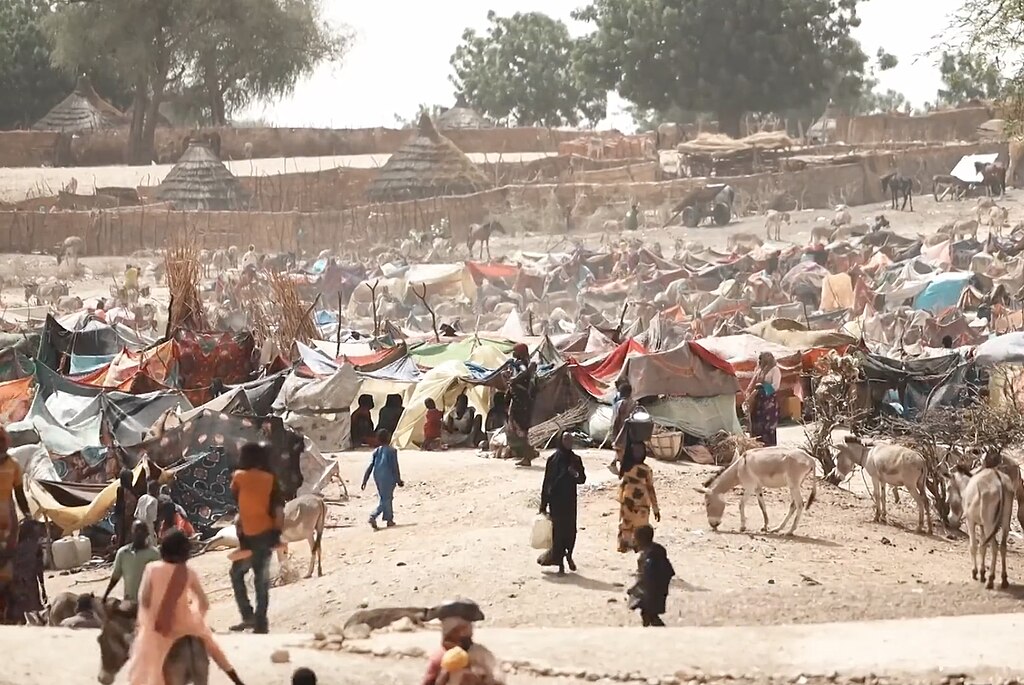
Hundreds of armed militants launched repeated attacks on Abu Zar displaced persons camp outside El Geneina, capital of Sudan’s West Darfur state. The waves of attacks by presumed Arab militias on mostly Masalit camp residents claimed at least 100 lives and uprooted thousands, some across the border into neighboring Chad. Aid groups have suspended their operations, while a state of emergency has been declared across West Darfur. A similar series of attacks on camps around El Geneina in January left over 150 dead. Many accuse militias of stepping up attacks following the December withdrawal of a UN-African Union peacekeeping mission after 13 years on the ground in Darfur region. (Photo: Philip Kleinfeld/TNH)

Africa
Sudan

Sudan: ‘peace’ with Israel, war with Ethiopia?

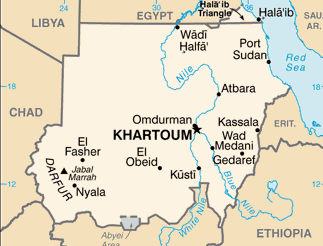
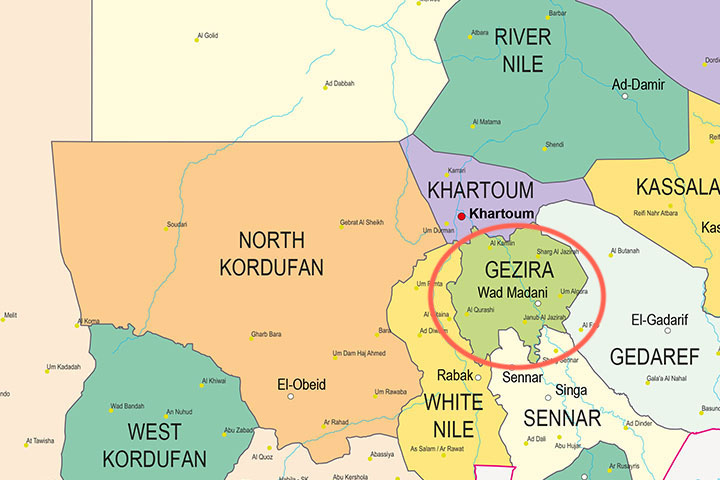
In a victory for the Trump White House, Sudan officially signed on to the so-called “Abraham Accords,” agreeing to normalization of diplomatic ties with Israel. Justice Minister Nasredeen Abdulbari signed the document in the presence of US Treasury Secretary Steven Mnuchin. But leaders of Sudan’s pro-democracy coalition, the Forces of Freedom & Change, have formed an opposition front against the agreement, saying the Sudanese people are not obligated to accept it. Meanwhile, there are alarming signs that the war in Ethiopia is spilling into Sudanese territory. The Sudanese army reported repulsing Ethiopian forces from the contested Grand Fashaga enclave on the border between the two countries. The Grand Fashaga, in Sudan’s breadbasket Gedaref state, is adjacent to Ethiopia’s conflicted Tigray region, and has seen an influx of refugees from the fighting across the border. (Map: Perry-Castañeda Library Map Collection)

Africa
ethiopia

Renewed war in Ethiopia draws in Eritrea

The already horrific conflict in Ethiopia’s northern Tigray state seems set to escalate after Prime Minister Abiy Ahmed announced that a three-day ultimatum for local forces to surrender had expired, clearing the way for a government offensive on the regional capital Mekele. At least 20,000 refugees have fled to Sudan amid air-strikes and mounting reports of atrocities on both sides. Neighboring Eritrea has also apparently entered the conflict—ironically on the side of the Ethiopian government, long its bitter enemy. The state government of the Tigray People’s Liberation Front (TPLF) accuses Eritrea of sending tanks and thousands of troops over the border to support Ethiopian federal forces. Although this is denied by Eritrea, Tigray state forces have fired rockets into the Eritrean capital, Asmara. Mekele has also fired rockets at the airports in Bahir Dar and Gondar in Ethiopia’s Amhara state, whose local forces have joined the conflict on the side of the central government. (Map: Perry-Castañeda Library)

Africa
sudan workers

Solidarity with striking Sudan sugar workers

Over a thousand workers at Kenana Sugar Company in Sudan are starting their second month on strike to demand basic trade union rights, increased wages to offset the spiralling cost of living, the removal of figures associated with the old regime from company management, and reinstatement of 34 workers sacked for taking part in the uprising against dictator Omar el-Bashir. Other demands include improvements to health services in the company town, and investment in education for workers’ children. According to Sudan Labour Bulletin, the strike is now the longest in Sudan’s history as an independent republic. Sudanese activists say that solidarity is urgently needed, warning that “the government may be contemplating the option of breaking up the workers’ strike by the force of arms.” (Photo via MENA Solidarity Network)

Africa
GERD

Trump wades into Egypt-Ethiopia fight over Nile

Reportedly at the direct instigation of President Donald Trump, the US State Department ordered a suspension of aid to Ethiopia over its move to begin capturing water behind a controversial new mega-dam on the Blue Nile that is opposed by Egypt and Sudan. A State Department spokesperson said the decision to “temporarily pause” some aid to Addis Ababa “reflects our concern about Ethiopia’s unilateral decision to begin to fill the dam before an agreement and all necessary dam safety measures were in place.” The freeze could affect as much as $100 million in aid. The reservoir behind the Grand Ethiopian Renaissance Dam (GERD) began filling in July, over the protests of Egypt and Sudan, which rely on the Nile for nearly all of their water needs. (Photo: Water Power & Dam Construction)

Africa
Sudan rebels

Troops to Darfur as war re-escalates

The Sudanese government is sending more forces to the restive Darfur region, following a new escalation in violence there. Prime Minister Abdalla Hamdok said the troops are to protect people during the farming season. Dozens have been killed and several villages destroyed in Darfur over the past weeks, even as the UN Security Council discusses an “exit strategy” for the peacekeeping force. Ironically, efforts to instate the peace implementation process in Darfur may have contributed to the new surge in violence. With government encouragement, those displaced by the conflict finally started returning home in time for this year’s planting season. But this has led to new disputes between returnees and people who took over their lands in the intervening years. (Photo: Libya Observer)

Africa
Sudan

Sudan reforms harsh Islamist legal code

After more than 30 years of Islamist rule, Sudan’s interim Sovereignty Council has unveiled a sweeping reform of the sharia-based legal code. The revisions aim to bring Sudan’s laws in line with the Constitutional Declaration that established the country’s transitional government a year ago, and included guarantees for basic rights and freedoms. Most significantly, the amendments abolish the crime of “apostasy”—meaning conversion from Islam, which had carried the death penalty and was widely used to target political opposition. (Map: Perry-Castañeda Library Map Collection)