

Afghanistan
ground zero

Podcast: 9-11 and the GWOT at 20

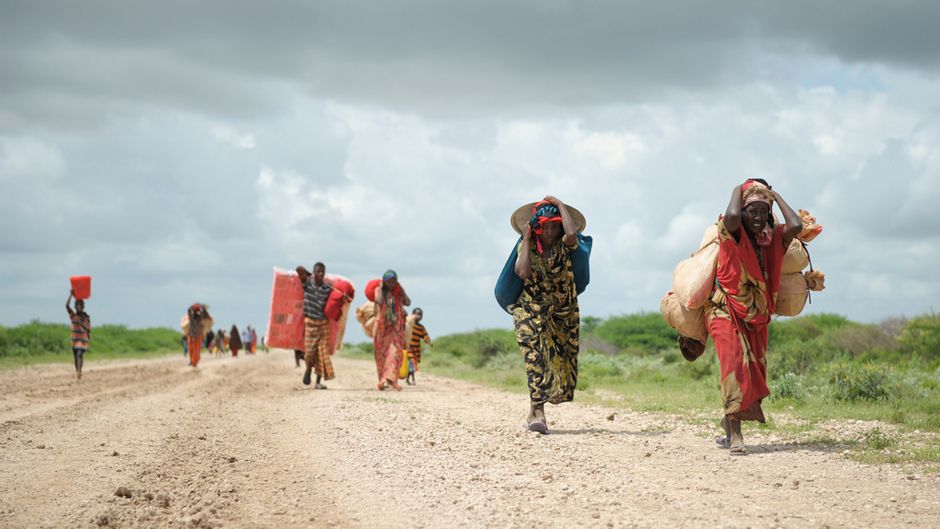
In Episode 88 of the CounterVortex podcast, Bill Weinberg revisits his predictions from 20 years ago and from a month ago about what the world would look like on the 20th anniversary of 9-11. The attack, and Dubya Bush’s Global War on Terrorism, did not lead to a wave of new attacks within the US, as the jihad has proved more concerned with the struggle within Islam. But this has meant an invisible catastrophe for the Muslim world. The ongoing wars in Afghanistan, Iraq, Syria and Yemen get at least some international media attention. There are many more nearly forgotten wars and genocides: the serial massacres in Pakistan, the insurgency in Egypt’s Sinai Peninsula, the Boko Haram war in Nigeria that is now spilling into Cameroon, the mounting massacres in the Sahel nations. Even the insurgency in Somalia, where the US has had a military footprint, wins little coverage—despite the fact that it is spilling into Kenya. The insurgency in Mozambique has now prompted an African-led multinational military intervention. The insurgency on the Philippine island of Mindanao has been met with air-strikes. All waged by entities claiming loyalty to either al-Qaeda or ISIS. The new imperial doctrine appears to be that this violence is acceptable as long as it is not visited upon the West. Listen on SoundCloud or via Patreon. (Photo: CounterVortex)

Africa
Djibouti

Djibouti: Horn of Africa’s next domino?

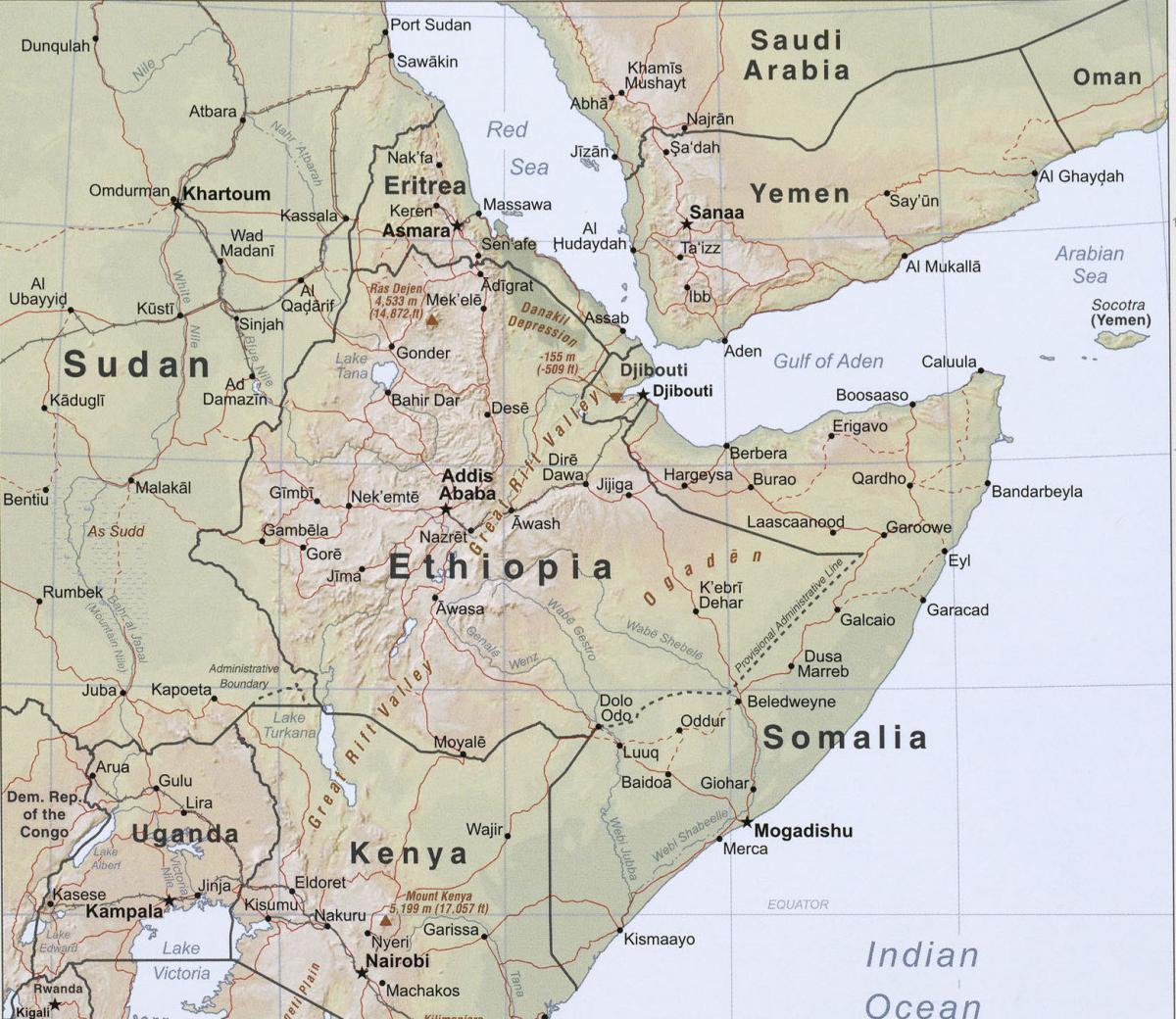
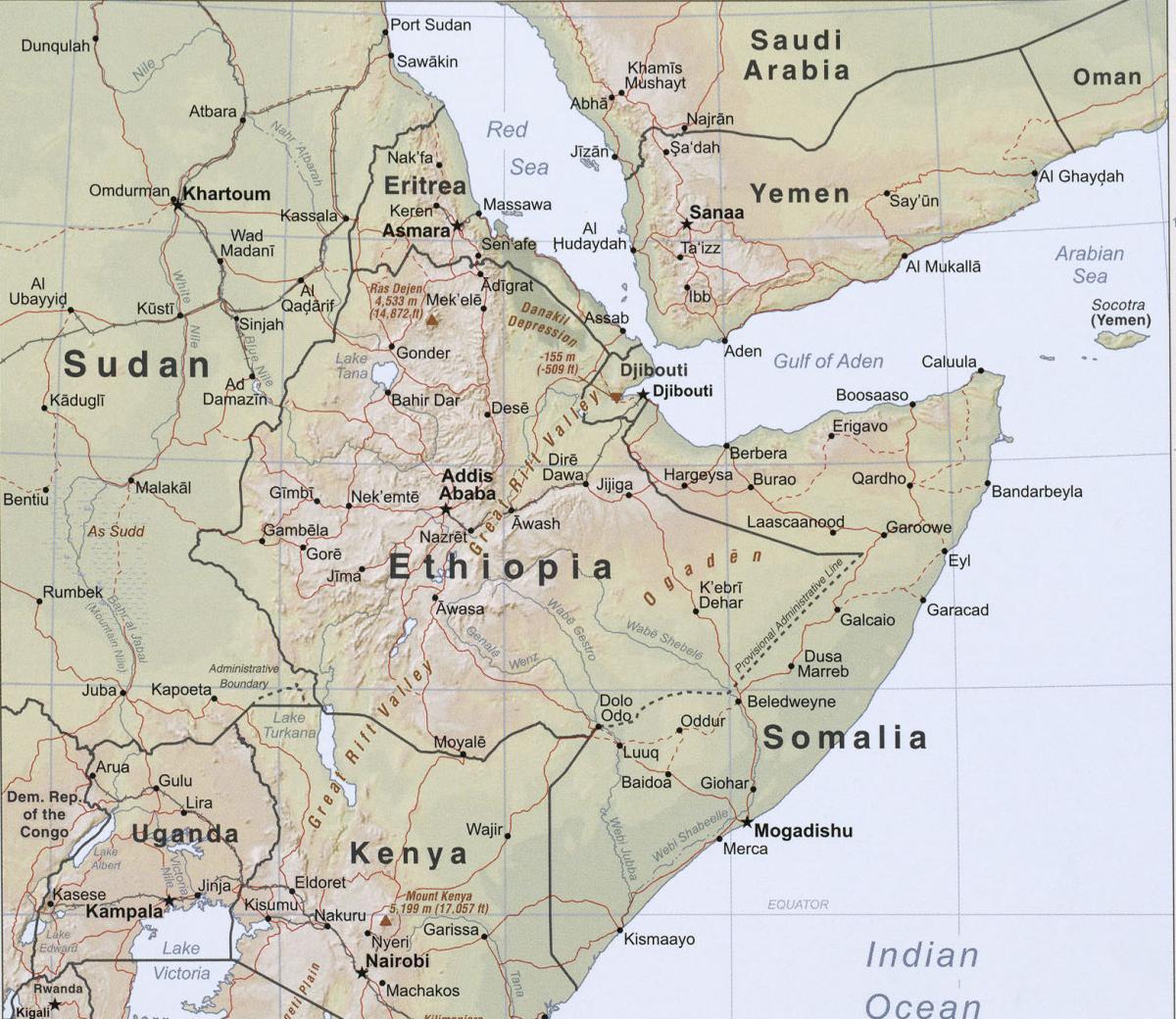
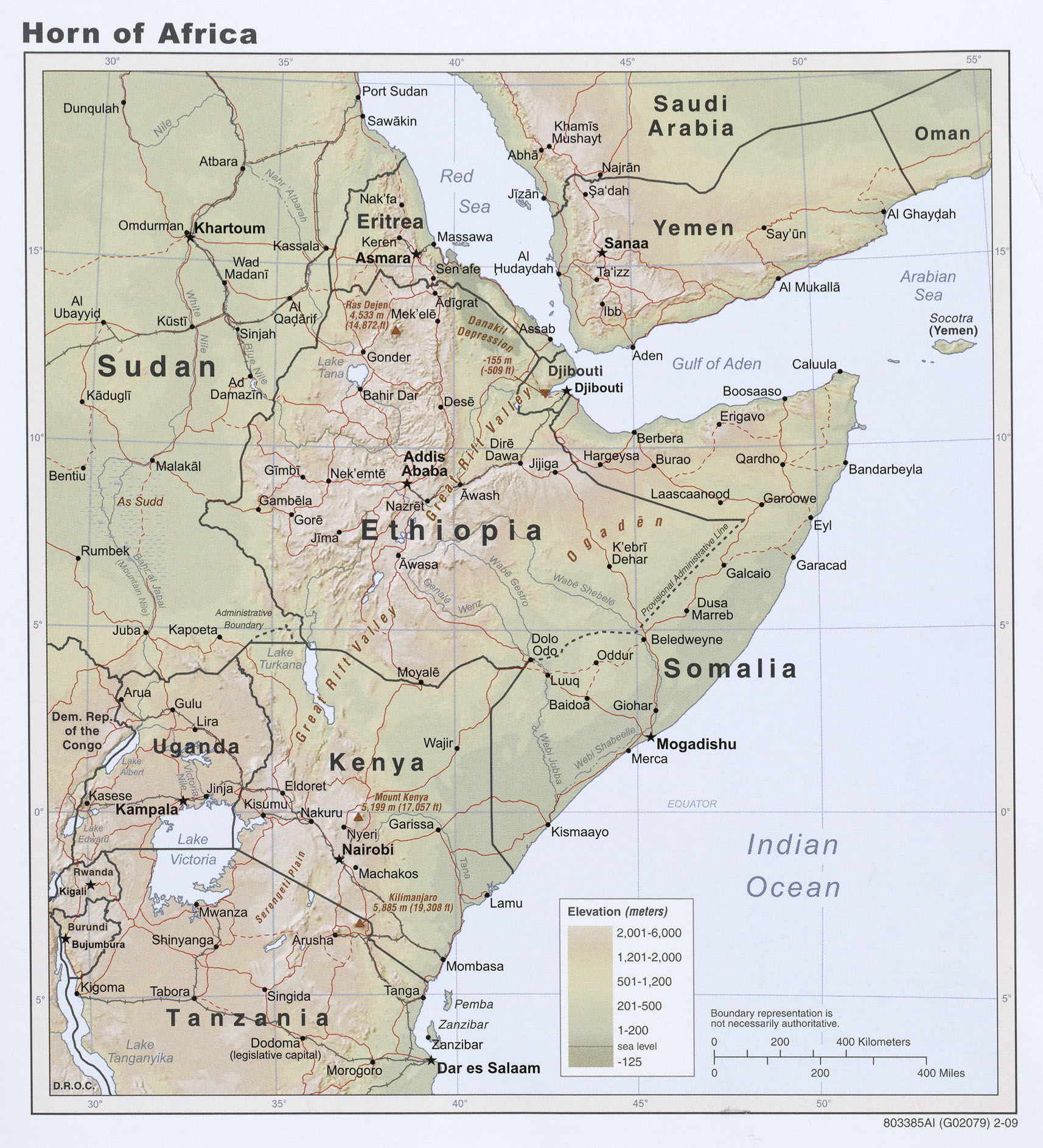
At least three people are dead following an outbreak of inter-communal violence in Djibouti. Fighting erupted in several areas between members of the Afar ethnic group, which straddles Djibouti’s borders with Ethiopia and Eritrea, and the Issa, the country’s other main ethnicity, which is a sub-group of the Somali people and straddles the borders with Ethiopia and Somalia. Issa protesters blocked the rail line and road connecting Djibouti’s port to Ethiopia, a key artery for the landlocked Horn of Africa giant. The violence came in response to a deadly attack on Somali Issa civilians four days earlier within Ethiopia. Fighters from Ethiopia’s Afar region raided the town of Gedamaytu (also known as Gabraiisa) in neighboring Somali region, reportedly killing hundreds of residents. The two regions have long been at odds over three contested kebeles (districts) on their shared border, which are predominately inhabited by Issa but located within the regional boundaries of Afar. (Map: ISS Africa)

Africa
Jubaland

Breakaway regions at issue in Somalia-Kenya rift

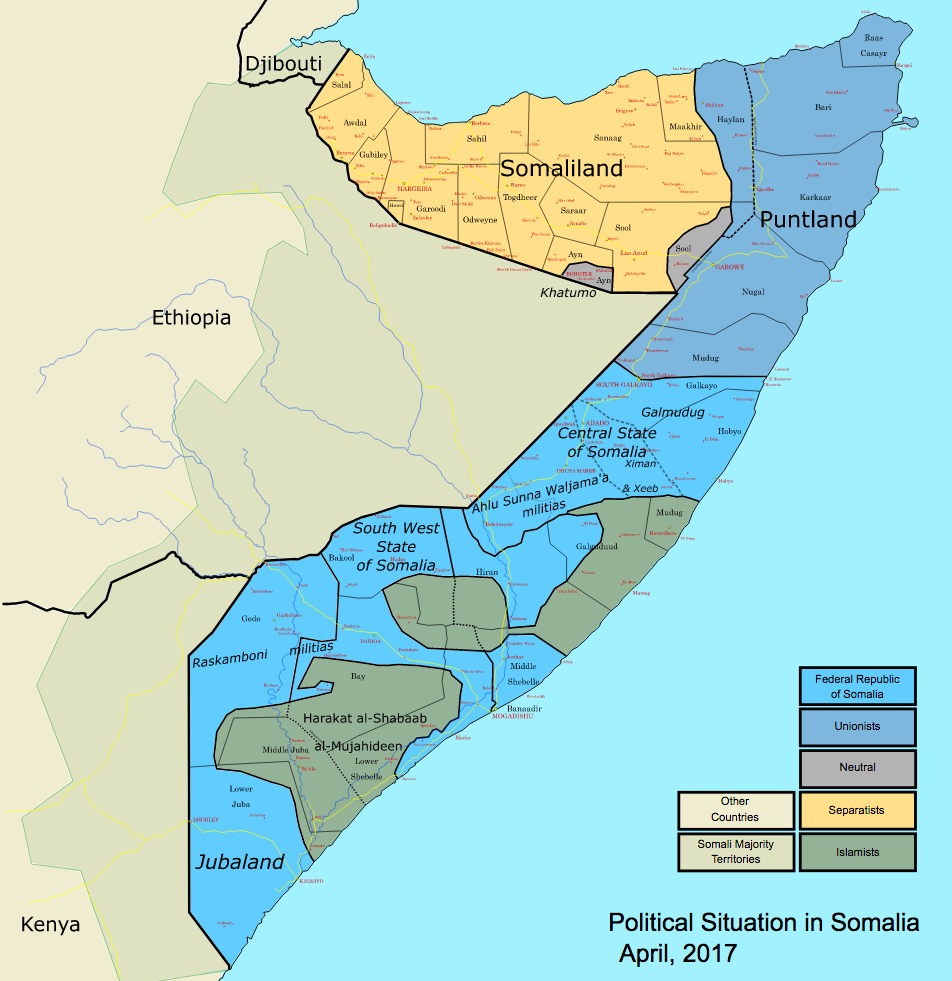
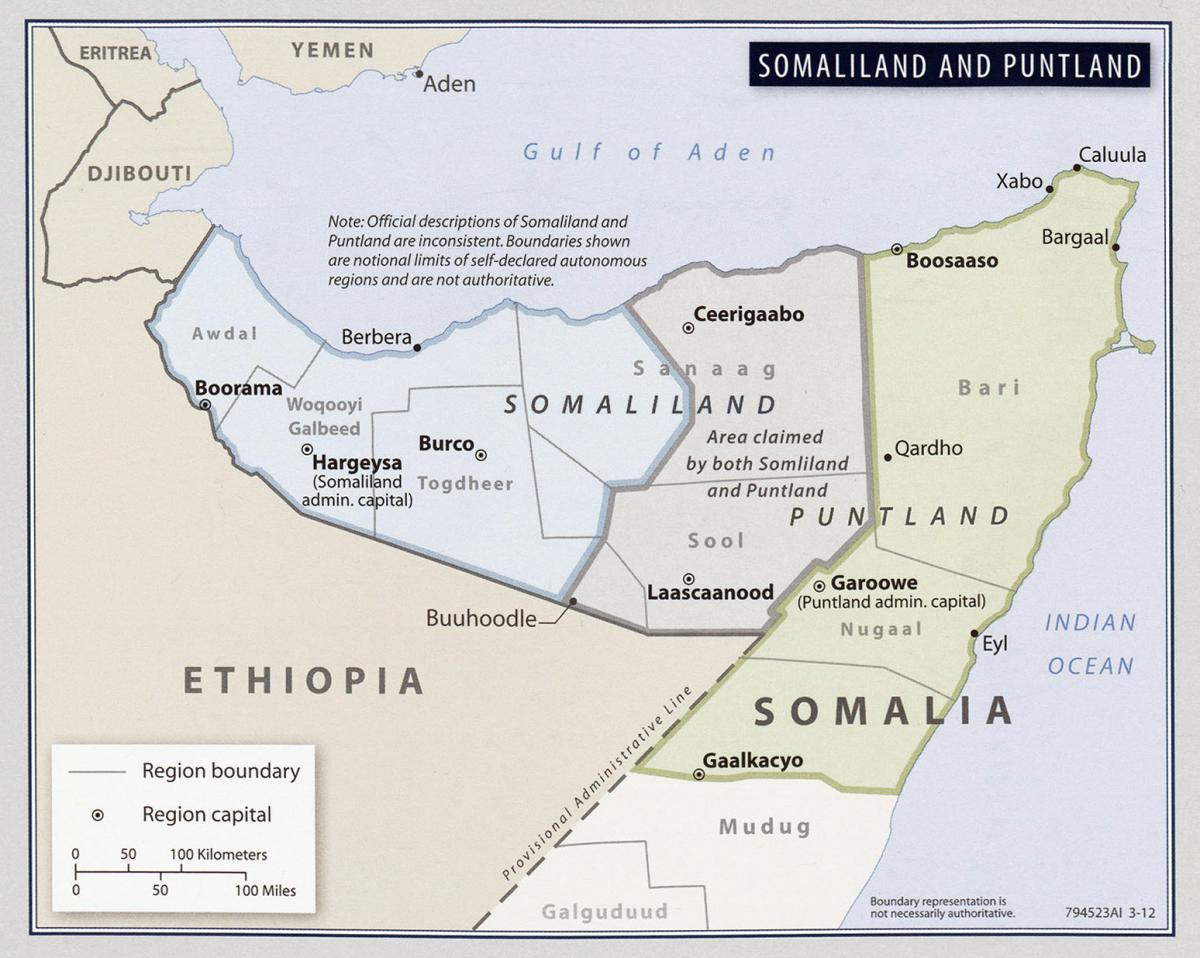
Somalia severed diplomatic ties with neighboring Kenya, accusing it of violating Somali sovereignty and meddling in its internal affairs. Although the statement cited no specific grievances, it came exactly as Kenyan President Uhuru Kenyatta was hosting in Nairobi the president of Somaliland, a breakaway region in Somalia’s northwest that declared independence in 1991. Kenyatta and Somaliland’s President Musa Bihi Abdi signed a pact on increased security and economic cooperation—which is clearly viewed by Mogadishu as a step toward formal recognition. Two weeks earlier, Somalia ordered the expulsion of Kenya’s ambassador, accusing Nairobi of interfering in the electoral process in Jubaland, an autonomous region along the Kenyan border. Kenya maintains a military force of some 3,500 troops in Jubaland, where elections last year solidified the rule of the incumbent regional president, Ahmed Madobe, who is harshly at odds with Mogadishu. (Map: African Executive)

Africa
Somaliland

Russia seeks naval base in Sudan —and Somaliland?

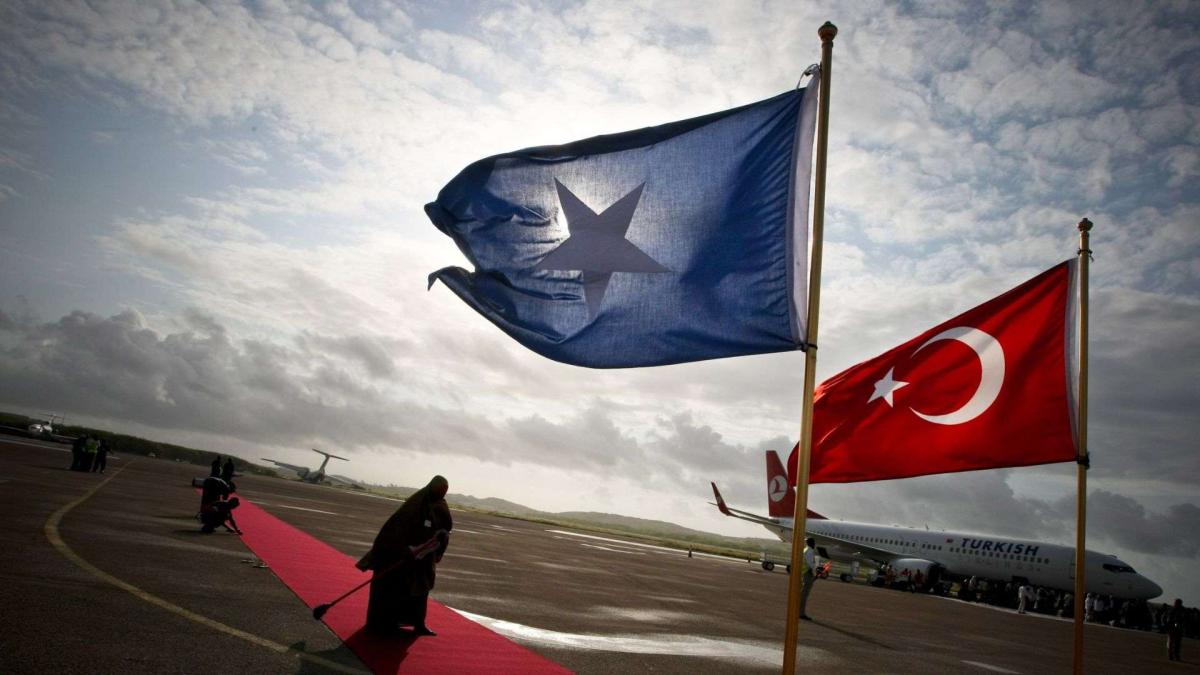
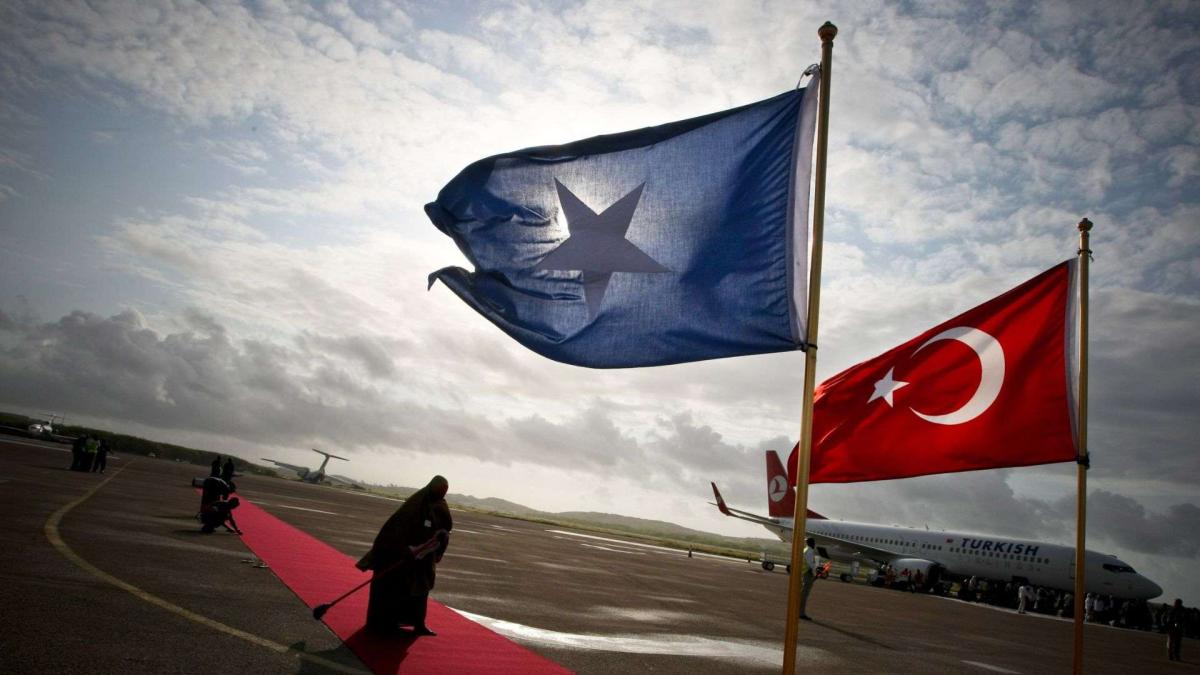
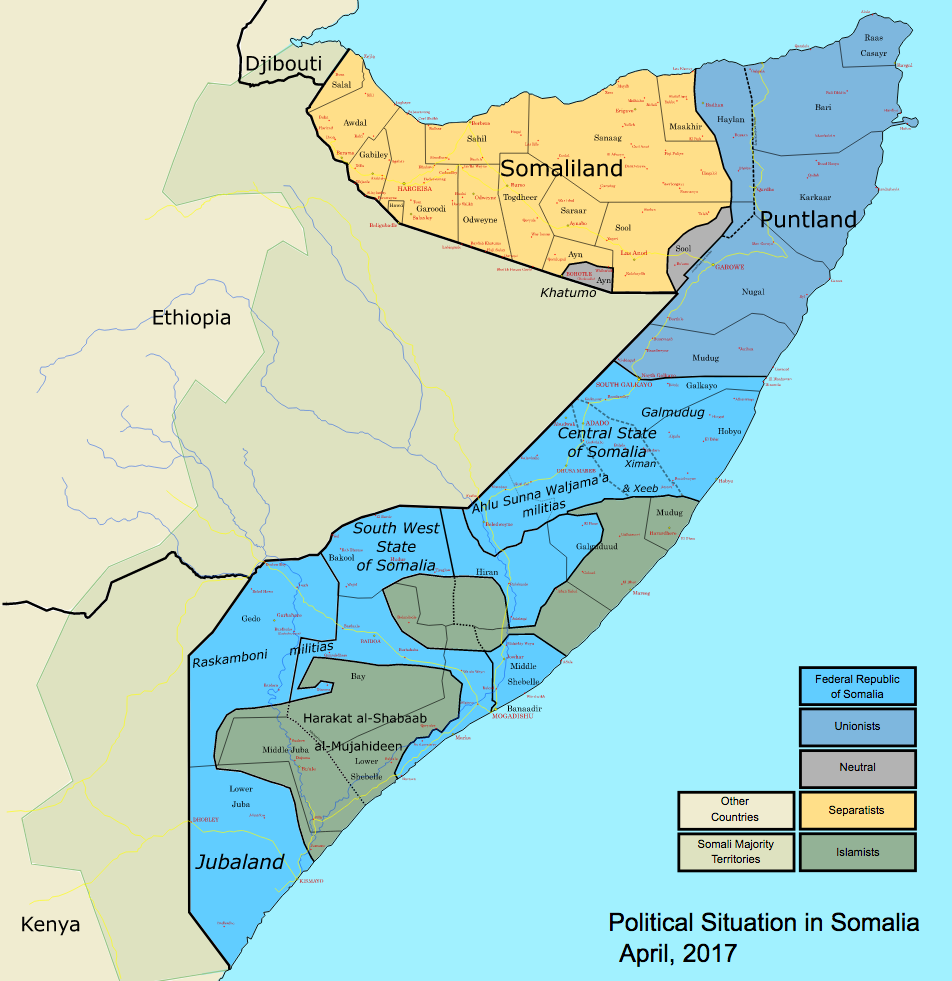
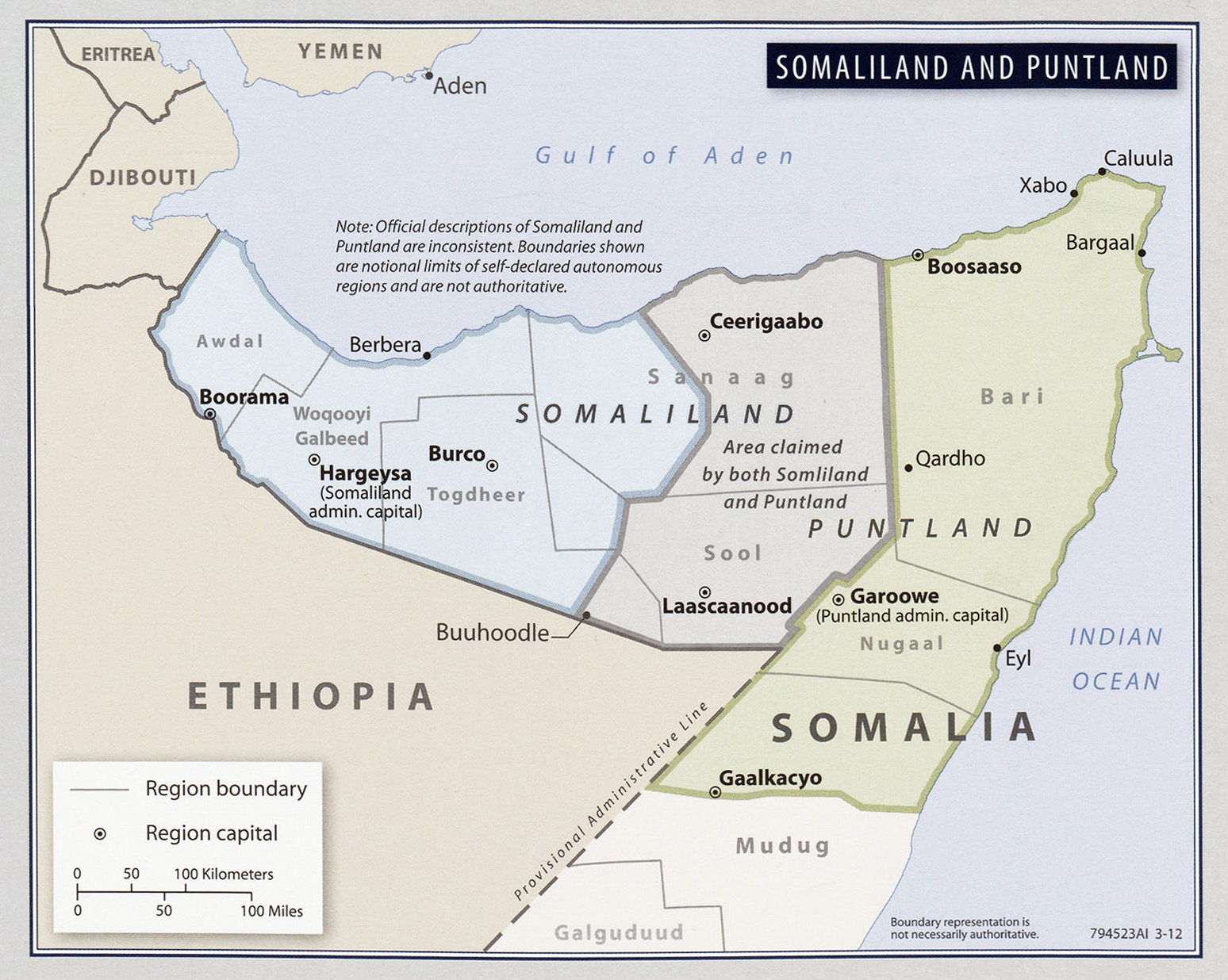
Just after Russia finalized plans to establish a naval base on the Red Sea in Sudan, Moscow’s UN ambassador for the first time weighed in diplomatically on the dispute between Somalia and the separatist enclave of Somaliland, urging both sides to find a compromise solution. The move sparked speculation within the region that Russia is seeking a second naval facility at Somaliland’s port of Berbera, on the Gulf of Aden which guards the southern mouth of the Red Sea. This would allow Russia to establish a counter-presence to US, French and Chinese bases in Djibouti, just across the land border to the northwest, as well as Turkish military forces in Somalia proper to the south. (Map: Somalia Country Profile)

Africa
Somalia

Trump announces (pseudo-) withdrawal from Somalia

President Trump has ordered the withdrawal of nearly all the approximately 700 US troops in Somalia by mid-January. But the troops are not coming back to the US—they will be stationed just outside Somalia’s borders, in Kenya and Djibouti, ready to go back in as circumstances mandate. Air-strikes and drone warfare are to continue. Also remaining in Somalia will be a team of Pentagon advisors and a significant force of private contractors from the DC-based firm Bancroft Global, working with a US-trained elite commando unit to fight al-Shabaab and ISIS insurgents. (Photo: Nick Kibbey/US Air Force via Military Times)

Africa
Almas Elman

Somali rights activist killed in Mogadishu

Almas Elman, a prominent Somali rights activist, was killed in Mogadishu, struck by a bullet while riding in a car. She was apparently heading to the airport after attending a meeting at the Elman Peace Centre, which was founded by her mother Fartuun Adan in 1990. Elman came from a long line of activists. She was the sister of aid worker Ilwad Elman who was recently short-listed for the Nobel Peace Prize. Her father was the respected Somali activist Elman Ali Ahmed, who was himself assassinated in Mogadishu in 1996. In recent years, the Elman Peace Centre has documented rights abuses in Somalia by government troops, Islamist insurgents, Ethiopian occupation forces, rival clan militias, (Photo: RTN-TV via OkayAfrica)

Africa

US air-strikes target Shabaab ‘encampment’

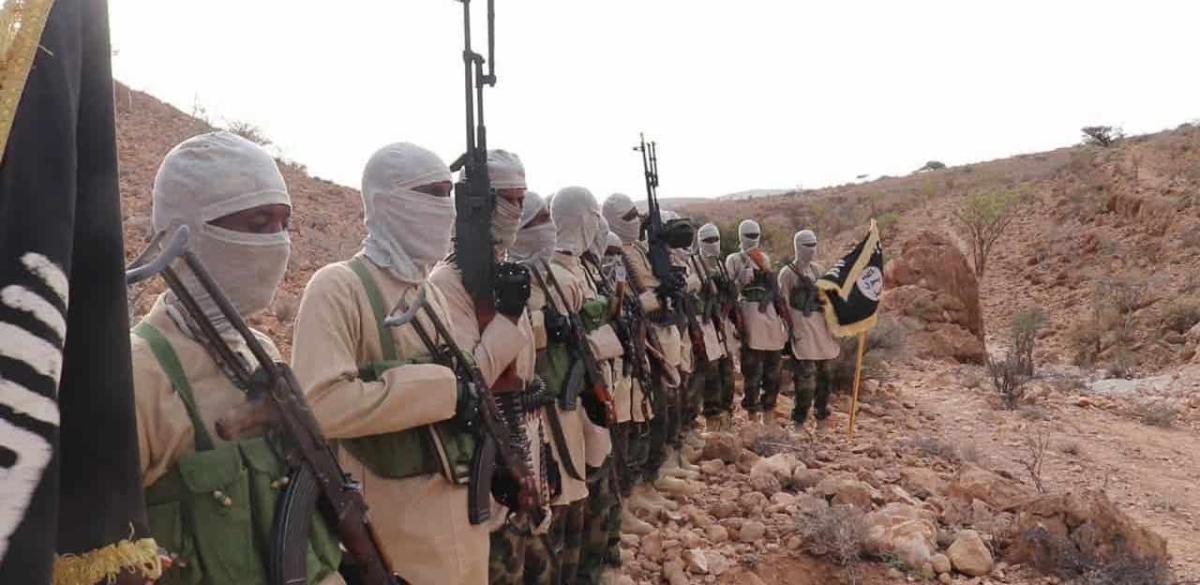
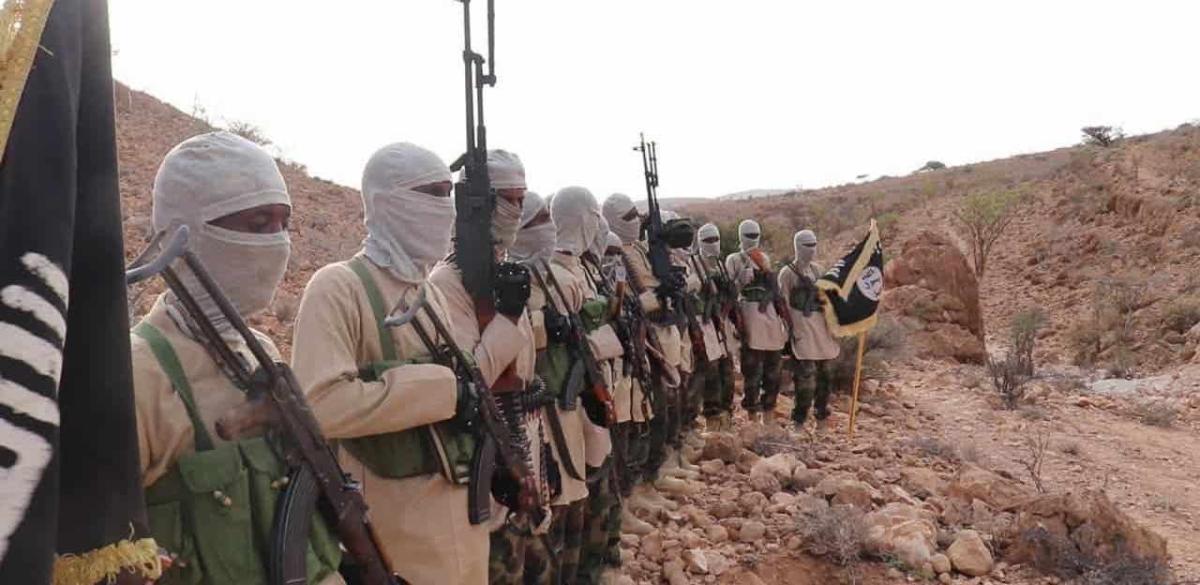
More than 60 were killed in US air-strikes that targeted "a known al-Shabaab encampment" near southern Somalia's Gandarshe town. US Africa Command asserted that no civilians were killed and that the strikes were launched to "prevent terrorists from using remote areas as a safe haven to plot, direct, inspire, and recruit for future attacks." These were the deadliest air attacks in Somalia since November 2017 when the US said it killed 100 militants. The targeting of Shabaab increased after March 2017, when the Trump administration loosened restrictions on the US military to use force against the insurgent army. The US military has now struck Shabaab targets 45 times in 2018, compared with 31 times last year. The US has a huge military base in neighboring Djibouti, from where it launches air-raids on the militants. (Image: Lockheed Martin)

Syria

Twins of genocide schmooze in Damascus

Omar BashirSeeking to legitimize his regime now that he’s reconquered most of Syria (with massive Russian military help), Bashar Assad has just welcomed the first Arab League leader to Damascus since the war began in 2011—none other than President Omar Bashir of Sudan, who is wanted by the International Criminal Court for crimes against humanity and genocide in Darfur. The Assad regime’s official news agency SANA said the two dictators discussed the “situations and crises faced by many Arab countries,” stressing the need to build “new principles for inter-Arab relations based on the respect of the sovereignty of countries and non-interference in internal affairs.” The Assad regime is itself now credibly accused of genocide, with a mass extermination of detainees amply documented, not to mention serial use of chemical weapons and massive bombardment of civilian populations. Assad and his generals may yet face war crimes charges before the ICC. (Photos: Pinterest, BashirWatch)

Africa

Ethiopia in peace pact wth Oromo Liberation Front

Following peace talks hosted by Eritrea, the government of Ethiopia announced a peace deal with the Oromo Liberation Front rebels. The deal guarantees rebel leaders the right to participate in Ethiopia's political process in exchange for laying down arms. The OLF has long been backed by Eritrea, and the pact comes one month after a formal end was declared to the two-decade state of war between Ethiopia and Eritrea, with Ethiopia ceding its claim to the contested border town of Badme. This points to a softening of positions under Ethiopia's new prime minister, Abiy Ahmed. The Badme deal was also said to have been quietly brokered by the United Arab Emirates, which has emerged as politically isolated Eritrea's most significant foreign patron, part of an apparent design to encircle Yemen. (Photo: Yassin Juma) 

North America

SCOTUS overturns injunction on travel ban

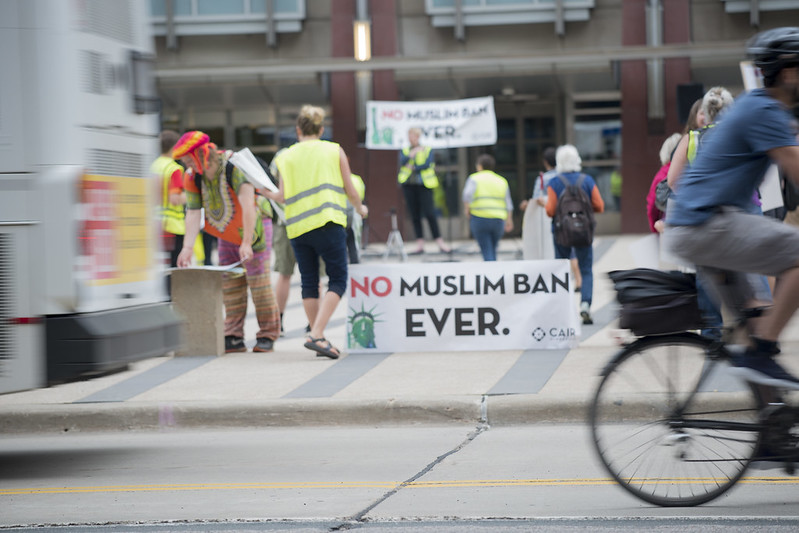
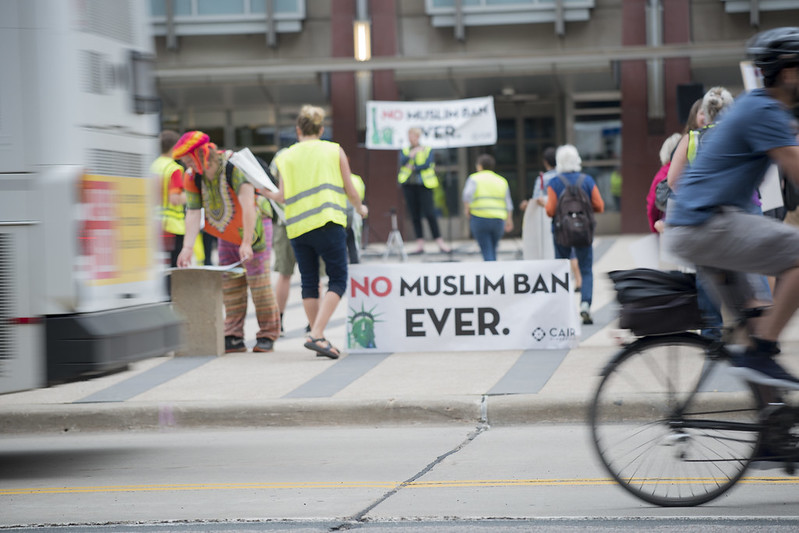
The US Supreme Court ruled 5-to-4 in Trump v. Hawaii that President Donald Trump's proclamation restricting entry from particular Muslim-majority countries was "squarely within the scope of presidential authority" under the Immigration and Nationality Act. The court also found that plaintiffs challenging the proclamation were unlikely to succeed on their claim that the ban violates the Establishment Clause of the First Amendment. The ruling overturns a preliminary injunction issued by the Ninth Circuit Court of Appeals, which blocked the policy from taking effect. The Supreme Court remanded the case back to the lower courts for "further proceedings." (Photo of protest at Foley Square, Manhattan, by Syria Solidarity NYC)

Africa
Somaliland

Somaliland at issue in UAE-Mogadishu rift

The United Arab Emirates announced that it is ending its military training program in Somalia, as the governments of Abu Dhabi and Mogadishu trade charges back and forth. Tensions between the two governments have been on the rise over Emirati plans to build a military base in Somaliland, the self-declared republic that is effectively independent from Mogadishu. The UAE has trained hundreds of troops since 2014 for the weak and fractious Mogadishu government. But Mogadishu sees establishment of a foreign base at Somaliland's port of Berbera as a move toward recognition of the breakaway republic, calling it a "clear violation of international law." (Map: Somalia Country Profile)

Africa

Social progress in ‘unrecognized’ Somaliland

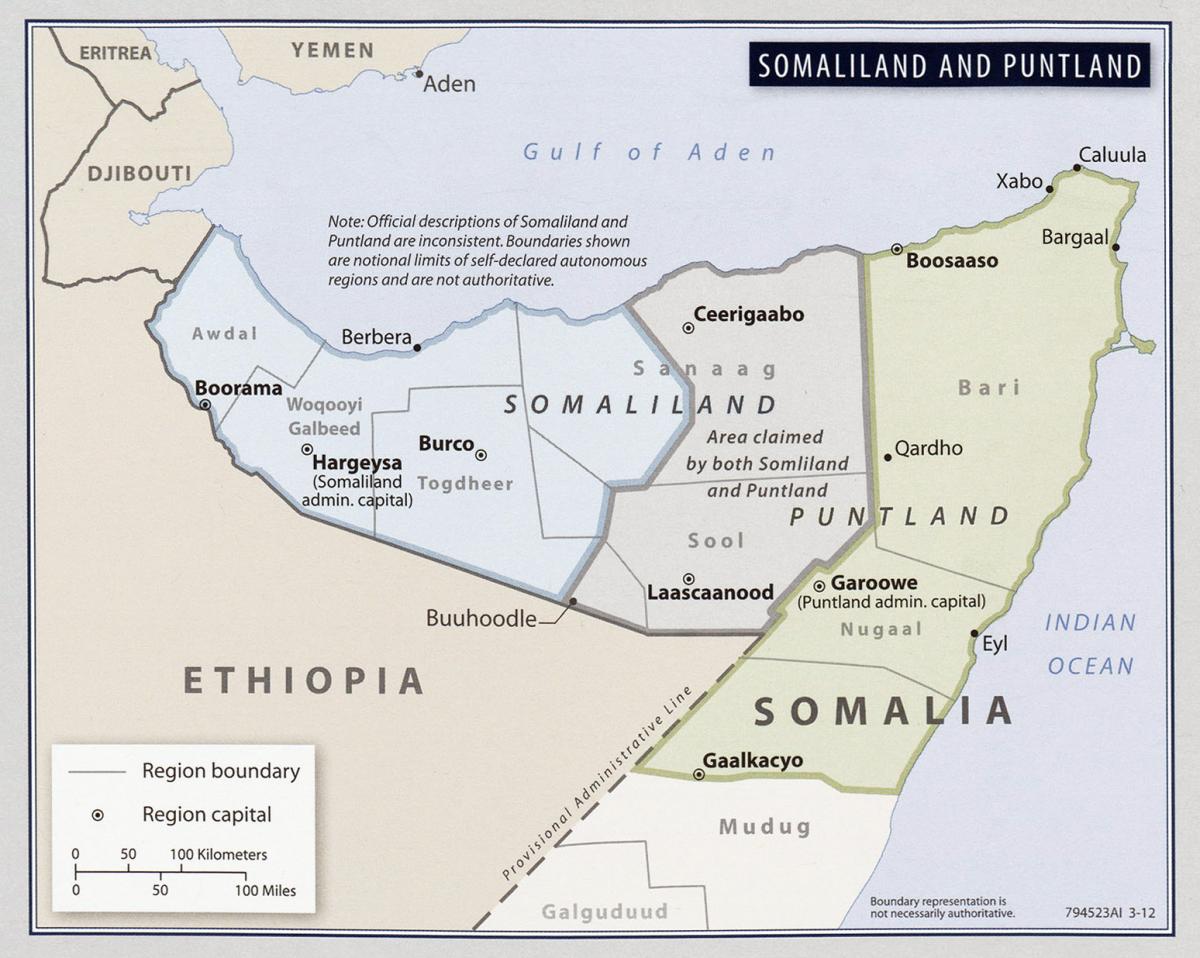
The unrecognized but de facto independent republic of Somaliland made rare headlines when its parliament voted to instate criminal penalties for rape—actually a groundbreaking move in the region. The "official" government of Somalia still has no law against rape. And while Somaliland just elected a new president by popular vote, Somalila's president was chosen by parliament. Regular elections are impossible in Somalia due to the fact that the government has no effective control of its own territory—despite military support of an Ethiopia-led "peacekeeping" force.