

Guinea-Bissau: narco-plot behind latest African coup?
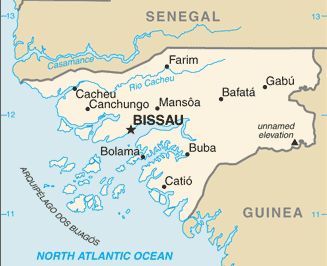
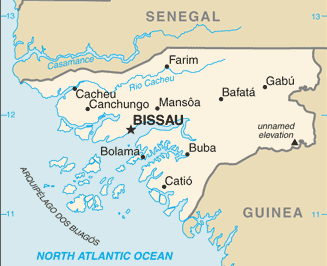
BissauUN Secretary-General António Guterres condemned the military coup in Guinea-Bissau that took place just days after national elections, saying that it gravely violates constitutional order and democratic principles. The African Union similarly condemned the coup, while the West African regional bloc ECOWAS suspended Guinea-Bissau until there is a full restoration of constitutional order. This latest military takeover reflects a pattern of instability in Guinea-Bissau since the country gained independence from Portugal in 1974, and follows a long string of coups or coup attempts. Guinea-Bissau also ranks first among African countries in the cocaine trade, a reality that looms ever larger over national politics. In his inaugural speech, transitional president Maj-Gen. Horta Nta Na Man justified the military takeover as necessary to thwart a plot by "narco-traffickers" to destabilize the country. Government efforts to crack down on the narco trade are believed to have prompted previous coups d'etat in Guinea-Bissau. (Map: PCL)
France admits legacy of colonial violence in Cameroon

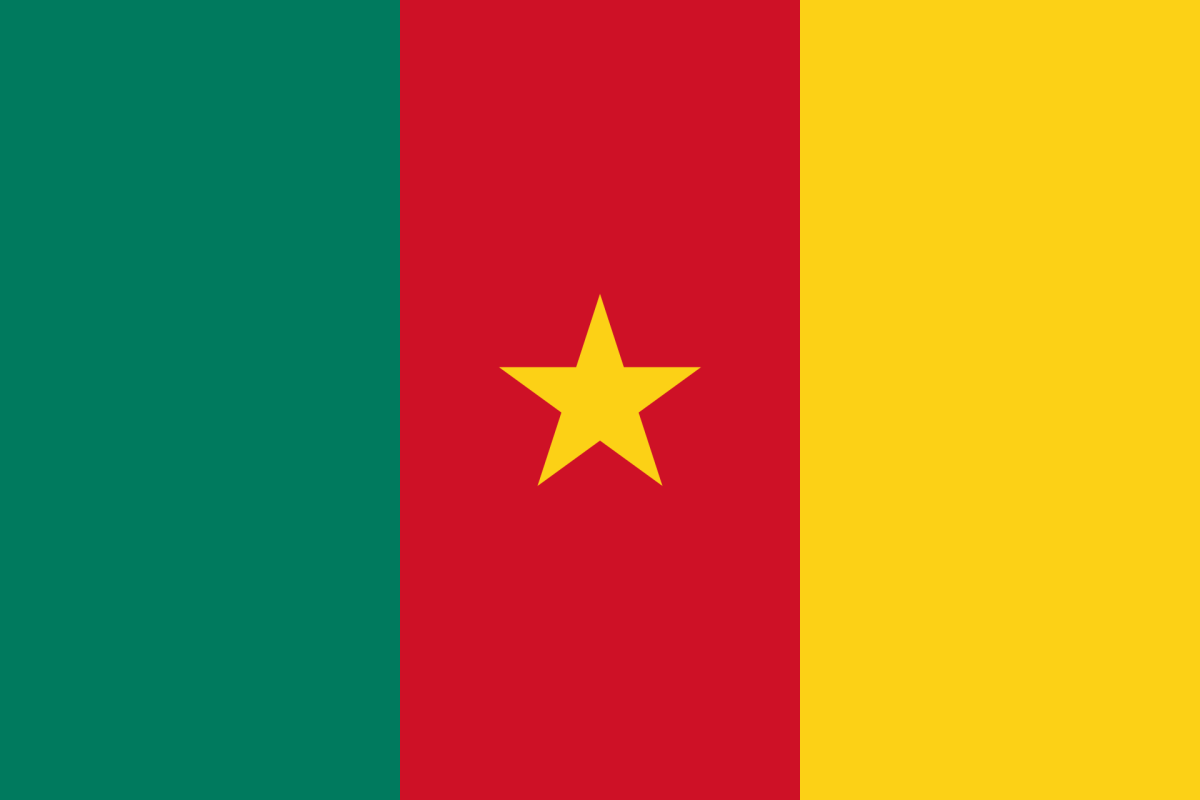
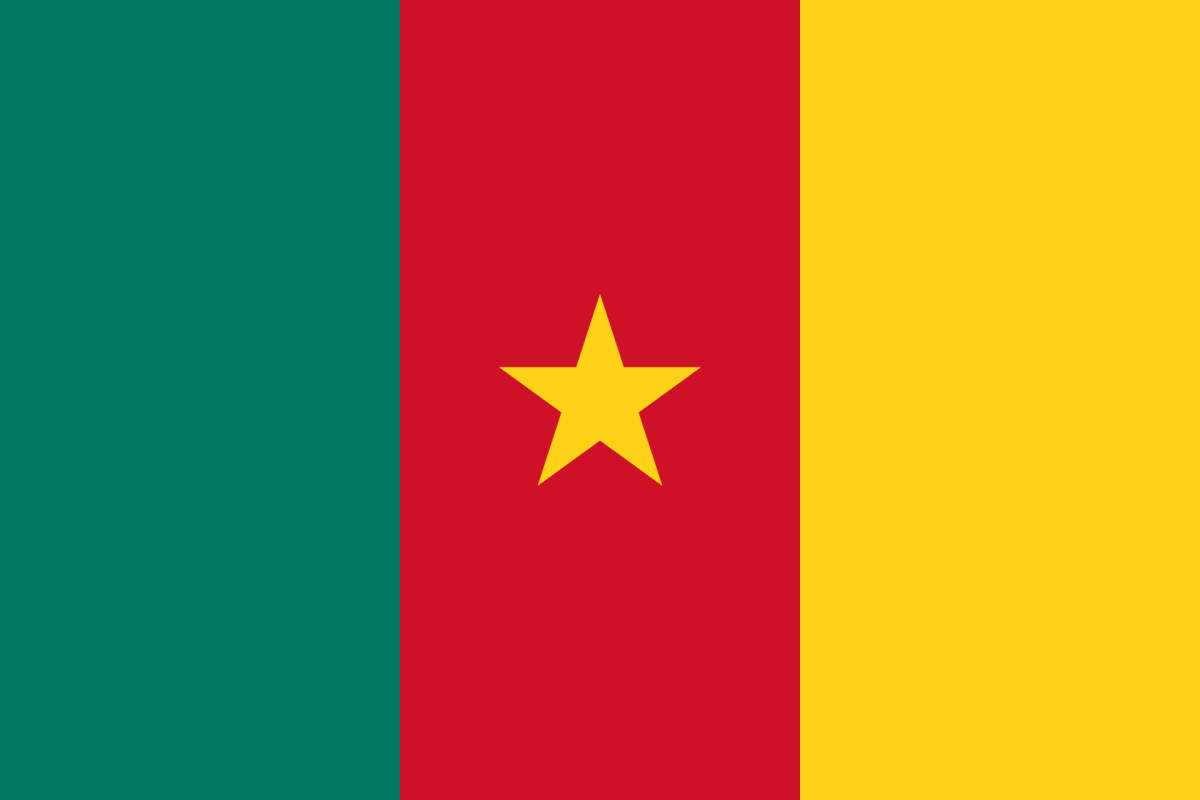
CameroonFrench President Emmanuel Macron sent a letter to Cameroonian President Paul Biya, in which he officially acknowledged his country's use of repressive violence before, during and after Cameroon's war of independence. Macron stated that the historians of the Franco-Cameroonian Commission studied the war that began in 1956, finding that colonial authorities and the French army carried out a campaign of attacks against the Cameroonian populace. He added that the war continued after Cameroonian independence in 1960, with France supporting state repression in a post-independence power struggle that lasted through 1971. This comes in sharp contrast to France’s previous denial of its atrocities during the Cameroon war, despite established historical consensus. Macron has also acknowledged French responsibility in the Rwandan Genocide and war crimes during the Algerian War, making this most recent acknowledgment the latest chapter in a careful and calculated move toward admission of France’s violent colonial and neo-colonia history in Africa. (Image: Wikipedia)

France withdraws last troops in Senegal

SenegalFrance officially transferred control of its last military installations in Senegal to local authorities in a ceremony, bringing to an end the permanent deployment of French troops in the country since Senegal gained independence in 1960. The withdrawal of over 350 troops marks the completion of a process initiated in March, when France began handing over multiple military sites. Unlike in other West African countries, where French forces were expelled amid political tumult, the withdrawal from Senegal was peaceful and coordinated, reflecting France's broader re-orientation away from its traditional "Françafrique" military footprint. (Image: Wikimedia Commons)

Syria

Trump proclamation instates new travel ban

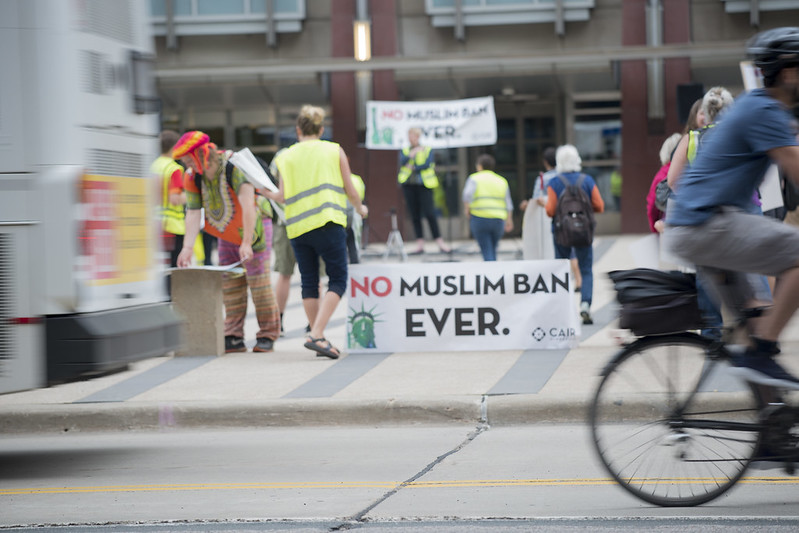
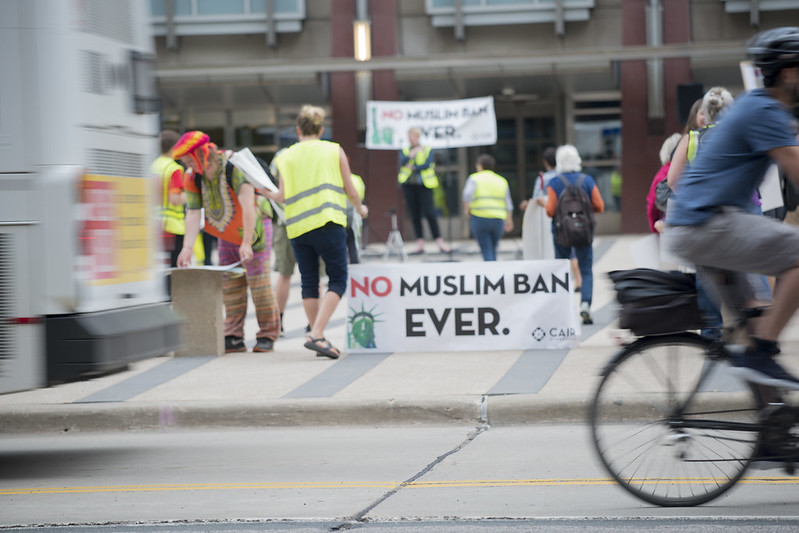
travel banPresident Donald Trump issued a proclamation implementing a nearly full travel ban on nationals from a dozen countries, severely restricting potential entry into the United States. The proclamation is based on an executive order issued on Trump's first day in office that laid the foundation for the administration to enact extensive immigration controls. Commentators have harshly criticized the ban, pointing out that it disproportionately affects Muslim-majority and African countries. Amnesty International's secretary general Agnes Callamard lambasted Trump for the action, calling it "discriminatory, racist and downright cruel." The restrictions bear a striking resemblance to Trump's 2017 travel ban, which blocked travel to the United States from seven Muslim-majority countries. (Photo: Minneapolis protest of 2018 Supreme Court decision upholding Trump's first travel ban. Credit: Fibonacci Blue/Flickr)

Hague Group demands UN action on Gaza ‘genocide’

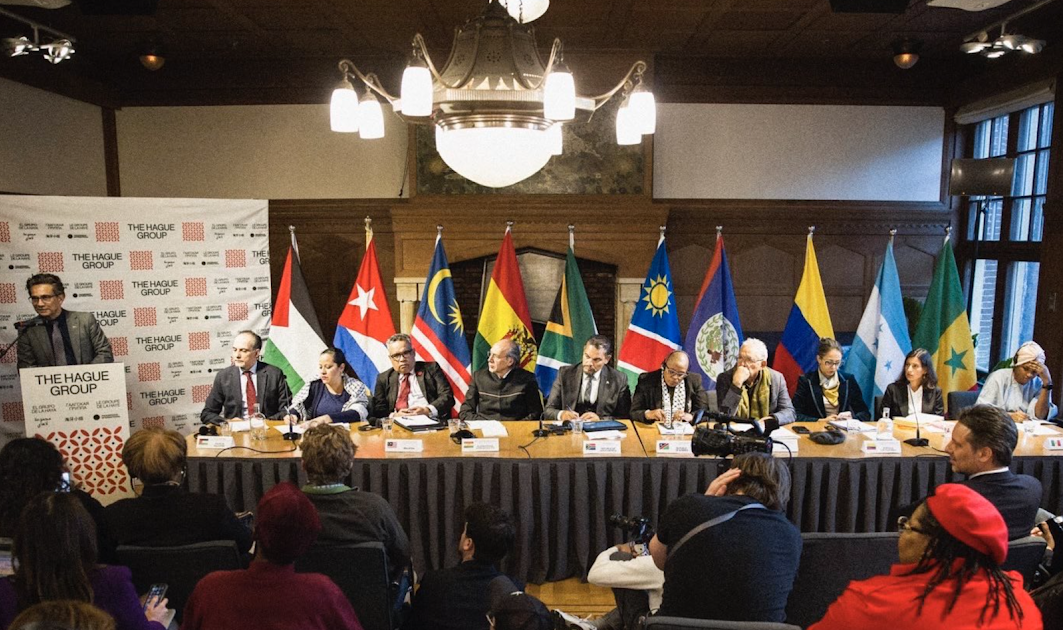
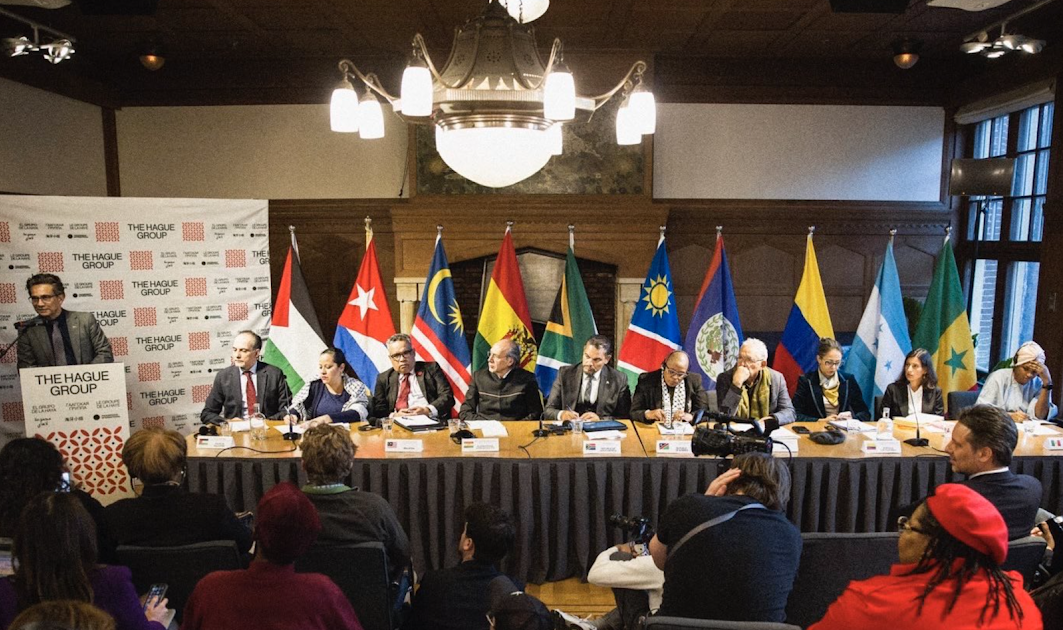
Hauge GroupA coalition of independent UN human rights experts called on additional states to join the Hague Group, warning that the credibility of the international legal system is at risk due to inaction over Israel's ongoing violations in the occupied Palestinian territories. ​Earlier this year, delegates from nine nations (including South Africa, Malaysia, Colombia and Bolivia) formed the Hague Group, responding to the failure of the broader international community to halt Israel's military actions and crimes against Palestinians in the occupied territories, including that of "genocide." (Photo: Hague Group)

Senegal PM broaches ejecting French military

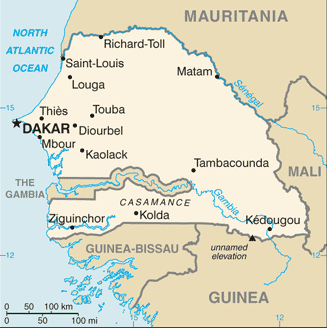
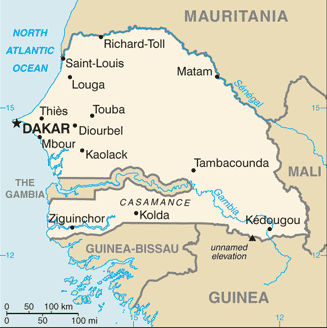
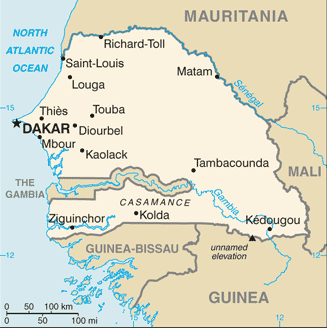
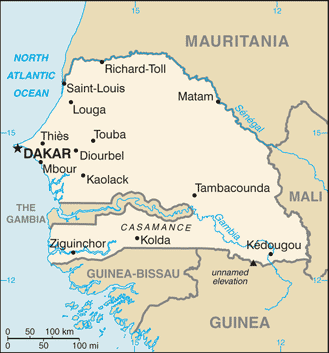
SenegalThe new prime minister of Senegal, Ousmane Sonko, announced the possibility of closing French military bases in the West African country in a national address. During his speech at Cheikh Anta Diop University in Dakar, Sonko expressed his concerns about the French role throughout the West African region. He stated: "More than 60 years after our independence we must question the reasons why the French army still benefits from several military bases in our country, and the impact of this presence on our national sovereignty and our strategic autonomy." (Map: PCL Map Collection)

Syria

Seek World Court ruling on Syria torture claims

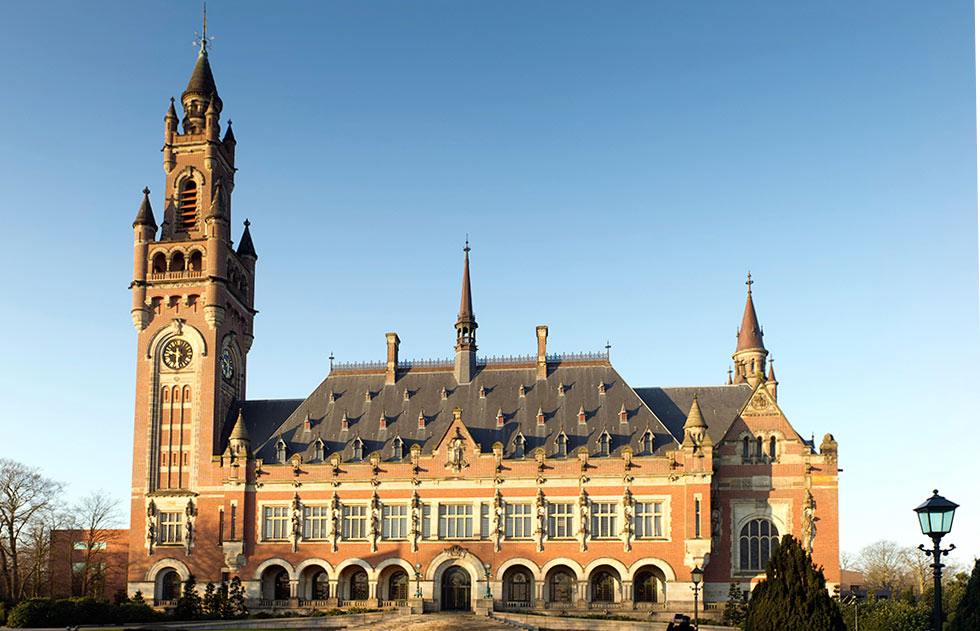
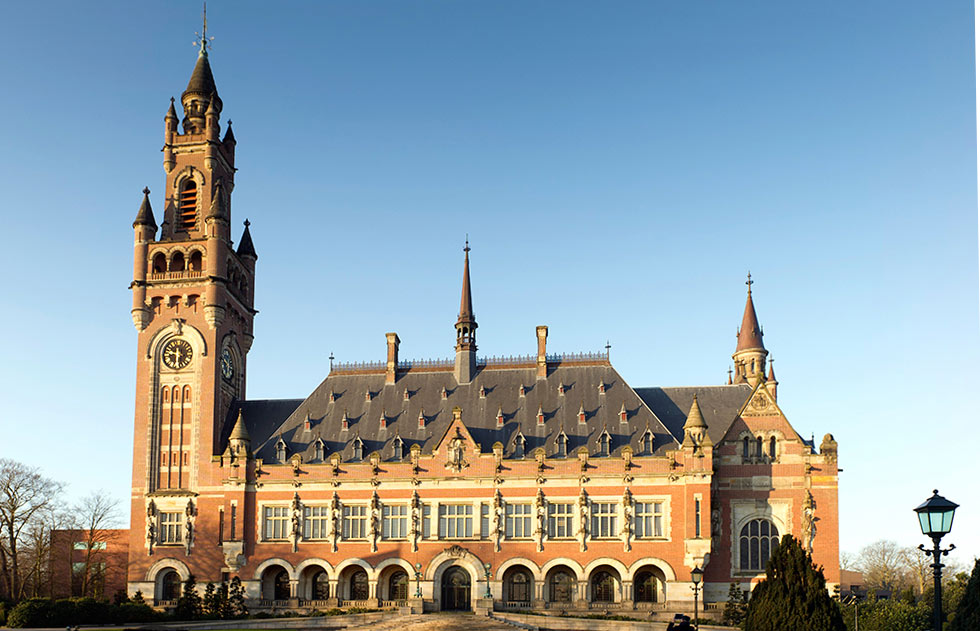
ICJThe Netherlands and Canada jointly submitted a case against Syria to the International Court of Justice (ICJ), accusing the Damascus regime of committing numerous violations of international law, including torture, since the start of the country's civil conflict in 2011. The primary objective of the application is ICJ action compelling Syria to desist from any future use of torture. If the ICJ finds that it holds authority to rule on the matter, it will mark the first instance of an international court judging Syrian torture allegations. (Photo: ICJ)

Africa

Fulani herders massacred in Mali

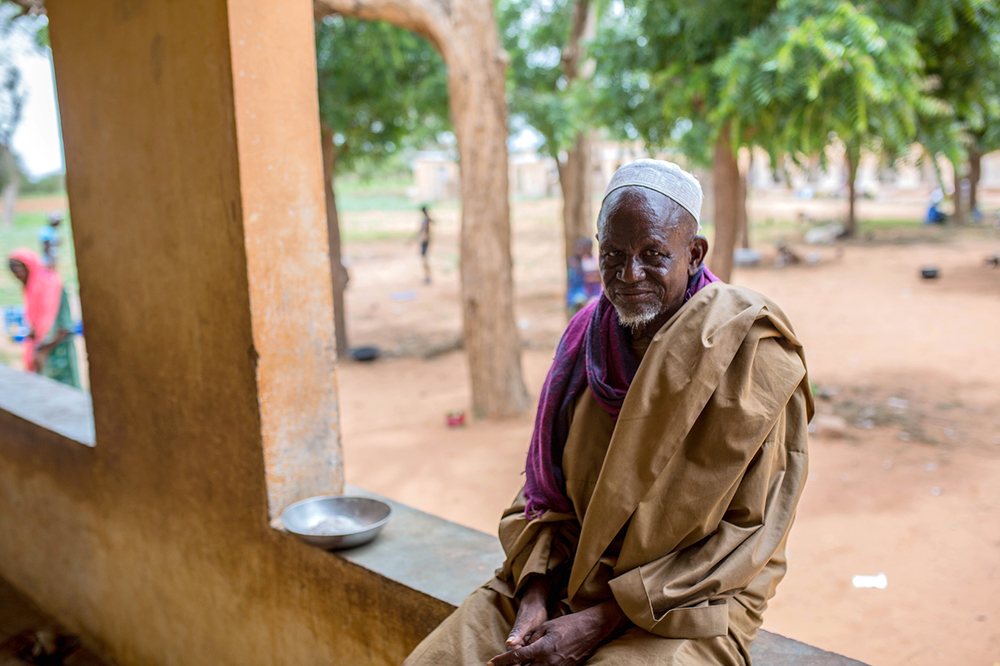
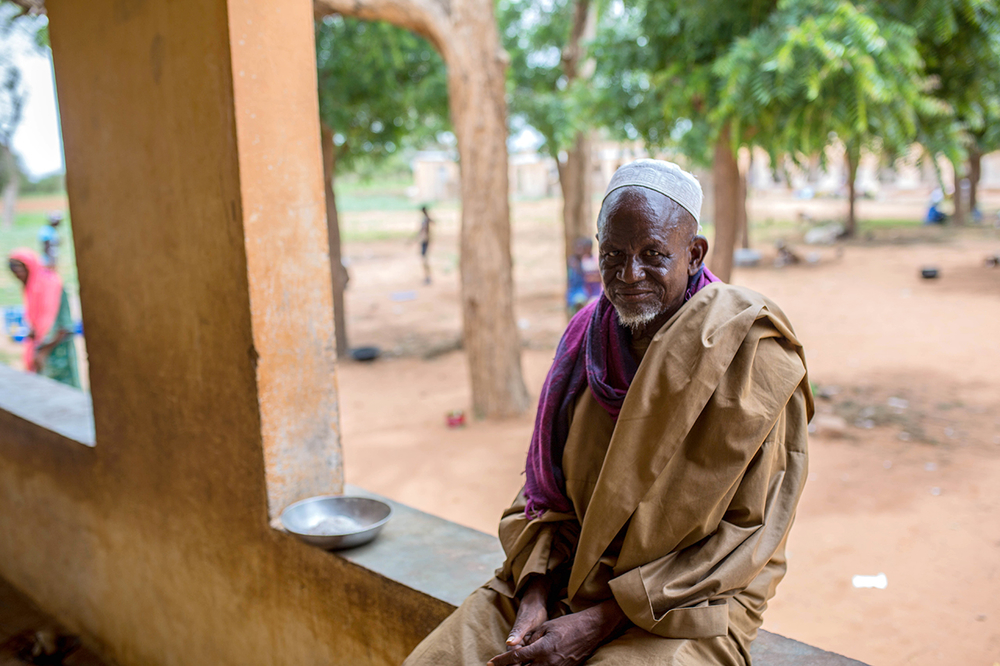
FulaniA village of semi-nomadic Fulani herders was attacked  in Mali New Years Day, with at least 33 residents slain and several homes set aflame. Survivors said the attackers were traditional Dogon hunters, known as dozos. The army was rushed to Koulogon village in central Mopti region to control the situation. But the perpetrators may have been assisted by the armed forces. Dogon residents of the area have formed a self-defense militia, known as Dana Amassagou, to prevent incursions by jihadists from Mali's conflicted north into the country's central region. The militia is said to have received weapons and training from the official armed forces. However, driven by conflicts over access to land and shrinking water resources, the militia has apparently been attacking local Fulani villages. Hundreds were killed in clashes between Dogon and Fulani last year, and a Senegalese rapid reaction force under UN command was deployed to Mopti in response to the violence. (Photo of Fulani elder via IRIN)

The Andes

Bolivia’s African king speaks for coca growers

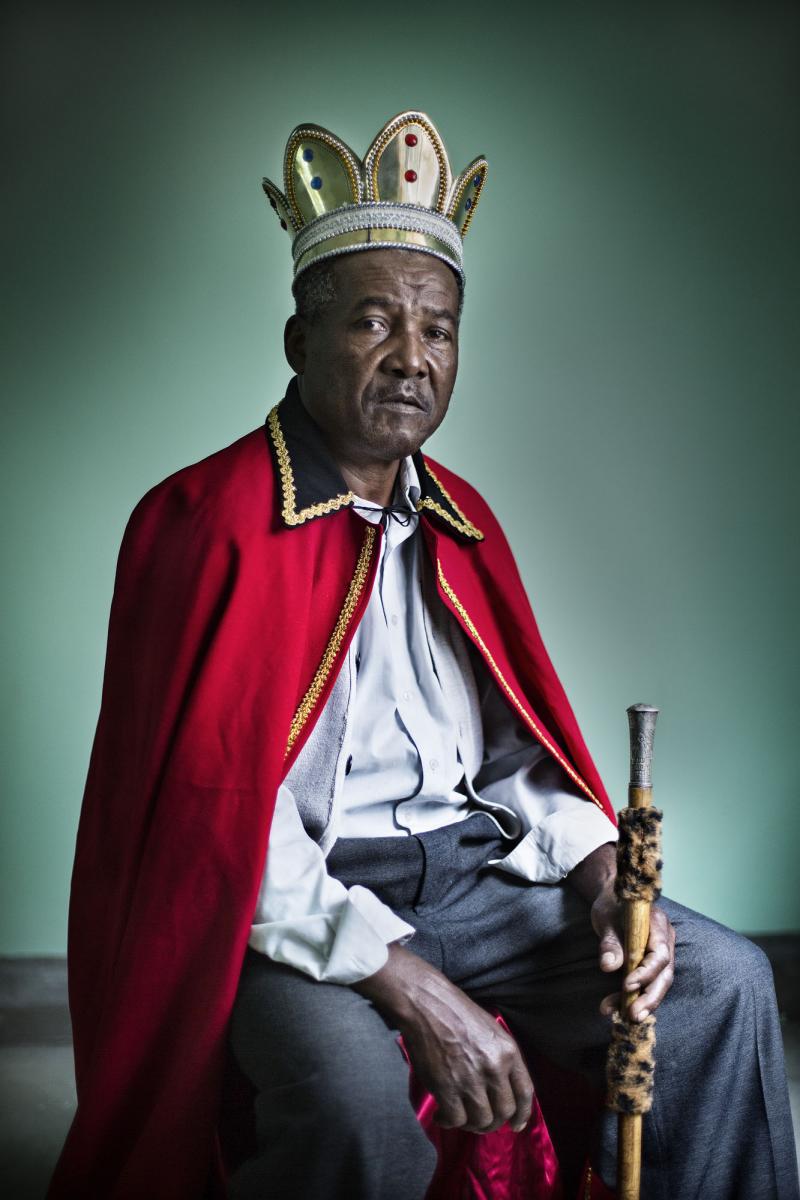
Afro-BoliviaThe "King of the Afro-Bolivians," Julio I, is said to be South America's last reigning monarch, although he lives as a peasant cocalero in the Yungas region on the Andean slopes north of La Paz. The descendants of slaves brought in by the Spanish to work haciendas and silver mines, the Afro-Bolivians today have constitutionally protected autonomy. They have joined with their indigenous Aymara neighbors to demand greater rights for the coca-producing high jungle zone. Julio, of Kikongo royal blood, was crowned in a ceremony recognized by the Bolivian state in 2007. Last month marked 10 years of his official reign. (Photo: Casa Real Afroboliviana)