
Africa
Mali

Mali insurgents rout Russian mercenaries

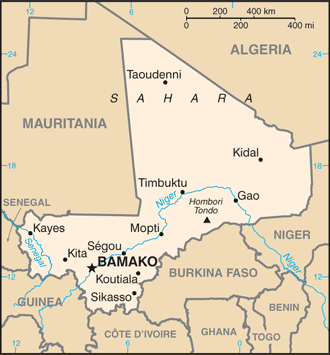
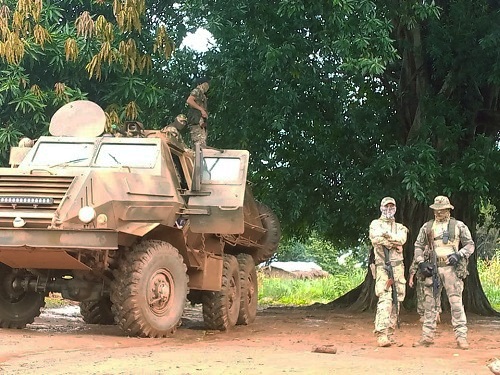
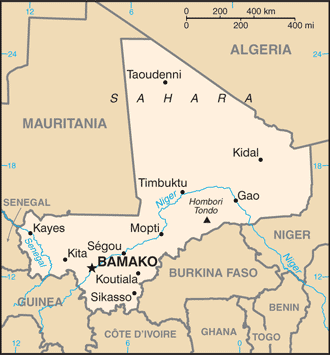
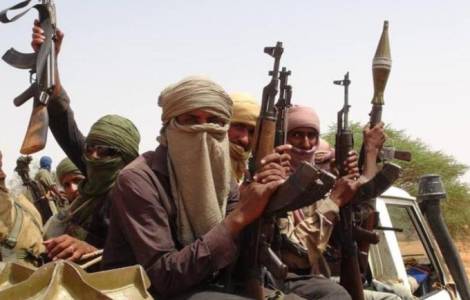
A commander of Russia’s paramilitary Africa Corps was killed along with some 50 of his fighters in an insurgent ambush amid a sandstorm in northern Mali. The attack, in Tinzaouatène district along the Algerian border, is said to be the biggest loss ever for Russian forces in Africa. However, it is unclear who carried it out, as two mutually hostile groups have claimed responsibility. “Our forces decisively obliterated these enemy columns,” said a statement by the Permanent Strategic Cadre for Peace, Security & Development (CSP-PSD), an alliance of Tuareg rebel groups fighting for independence in Mali’s north. But a separate statement by Jamaat Nusrat al-Islam wal-Muslimin (JNIM), an al-Qaeda affiliate, also claimed sole responsibility for the attack. The Malian regime and Russian mercenaries have been fighting both groups in the region. (Map: PCL)

Watching the Shadows
antifa

Podcast: sleepwalking into fascism

With Trump gaining momentum since surviving an assassination attempt, and the Democrats demoralized and in disarray, the forces of MAGA-fascism seem poised to retake the White House—and, with Project 2025, are this time armed with the organizational wherewithal to effectively instate their program. Meanwhile, the radical left, which by rights should be the most intransigent source of anti-fascist resistance, is actually in danger of being coopted by Trumpism in a new Red-Brown alliance, lured by perceived “isolationism” and a shared antipathy to the “liberal order.” In Episode 235 of the CounterVortex podcast, Bill Weinberg desperately scours the American political landscape—as well as historical precedents such as Italy in the 1920s—for glimmers of hope. Listen on SoundCloud or via Patreon. (Photo via CEPR)

Africa
west africa

Uranium at issue in Great Game for West Africa

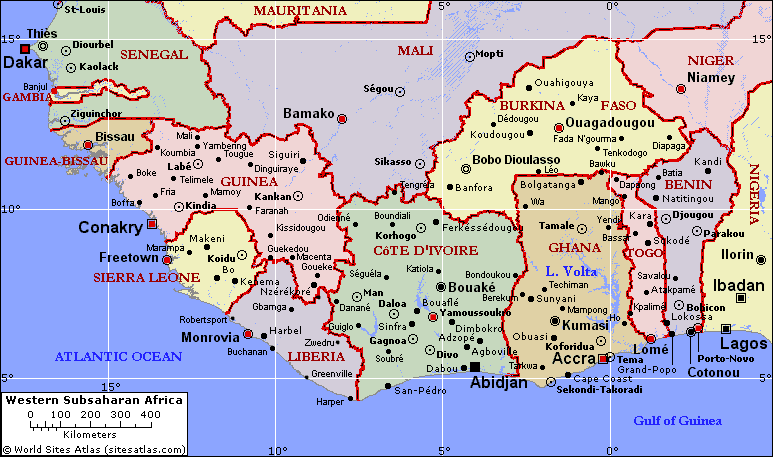
The ruling junta in Niger revoked the operating license of French nuclear fuel producer Orano at one of the world’s largest uranium mines. Russian companies have meanwhile indicated interest in picking up the lease for the giant Imouraren mine. However, exports are stalled by closure of the border with Benin, the vital sea corridor for landlocked Niger, as tensions mount between the two countries. The uranium dispute comes as French and US troops have been forced to withdraw from Niger, and Russian forces have moved in. The Pentagon’s AFRICOM commander Gen. Michael Langley has acknowledged that the US is seeking to establish new bases in neighboring West African countries, including Benin. (Map: World Sites Atlas)

Europe
BALTOPS24

Baltic brinkmanship amid NATO war games

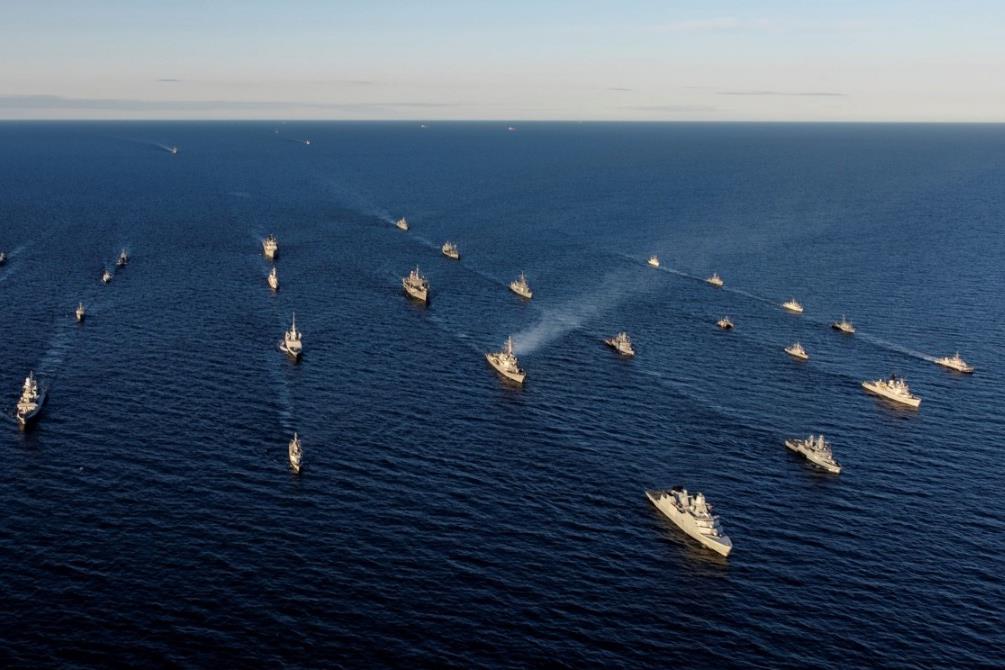
Sweden’s armed forces charged that a Russian SU-24 fighter plane violated the country’s airspace just east of the island of Gotland in the Baltic Sea, calling the act “unacceptable.” Just days before the incident, Sweden and other NATO allies were conducting naval exercises in the area as part of the annual Baltic Operations drill (BALTOPS). Amid the exercise, the Finnish military reported a similar airspace violation by four Russian warplanes over the Gulf of Finland. This was the first time Sweden and Finland had taken part in BALTOPS. (Photo: NATO)

Europe
demobilization

Russia’s ‘demobilization’ movement under attack

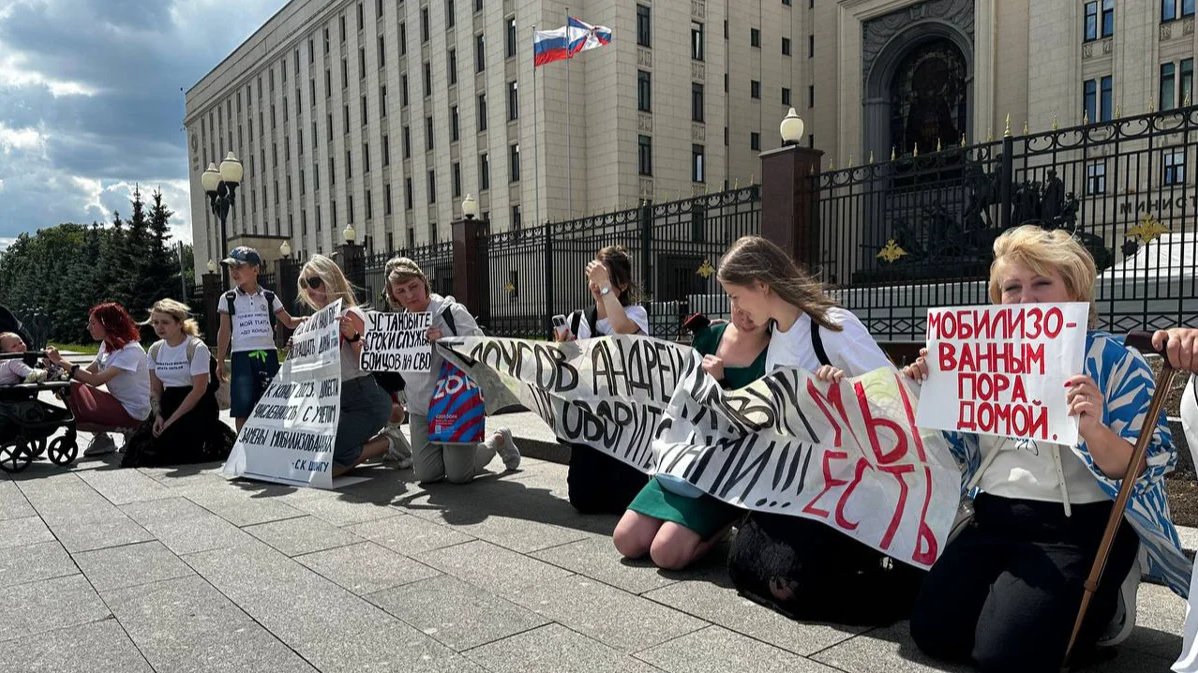
Russian citizens’ groups campaigning for “demobilization”—returning conscripts and reservists from the front in Ukraine—are increasingly finding themselves in the crosshairs of the authorities. Last month, The Way Home, the most prominent organization campaigning to bring Russia’s mobilized reservists home, was branded a “foreign agent” by the Justice Ministry, as was one of its most prominent leaders. The label, reminiscent of the “enemy of the people” designation of the Soviet era, imposes harsh constraints on activities and requires sources of funding to be disclosed. But protests by the kin of mobilized soldiers have continued outside the Defense Ministry in Moscow—despite the threat of repression. (Photo: PauliaMobility/Telegram via Novaya Gazeta Europe)

Planet Watch
air pollution

Lower emissions from US power grid (at least)

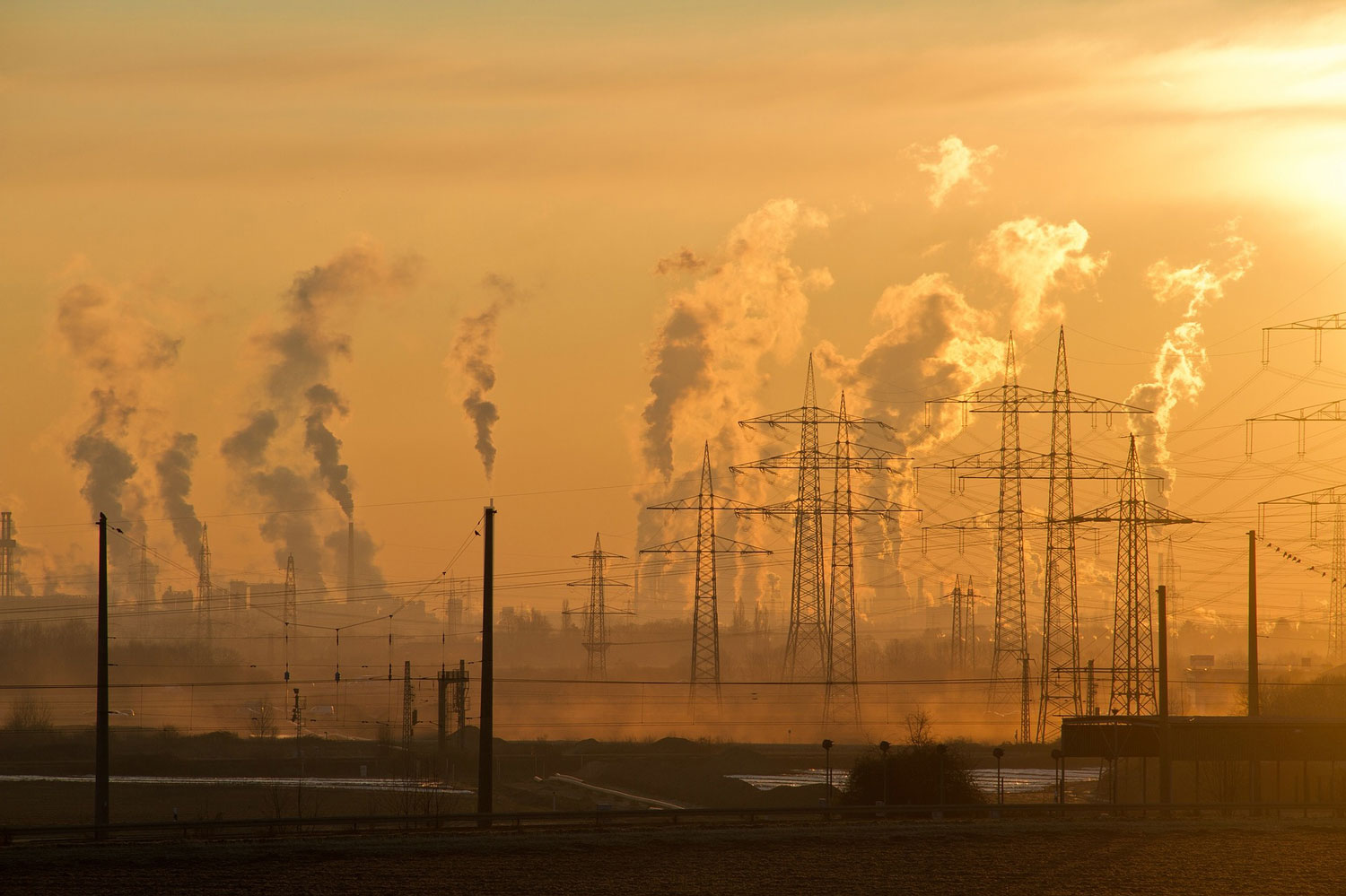
The US Department of Energy released its preliminary estimate for the nation’s carbon emissions in the previous year. While falling far short of the kind of drop needed to meet the Paris Agreement goals, a dip in emissions was recorded—almost entirely due to changes in the electric power sector. US carbon emissions have been trending downward since 2007, when they peaked at about six gigatonnes. The COVID-19 pandemic produced a dramatic drop in emissions in 2020, bringing the yearly total to below five gigatonnes for the first time since before 1990, when DoE monitoring began. Carbon releases rose after the return to “normalcy“; 2023 marked the first post-pandemic decline. The drop is largely due to the phase-out of coal-burning power plants. However, electricity generation remains the second source of emissions, behind transportation. (Photo: Ralf Vetterle, Pixabay)

North Africa
Khalifa Haftar

War crimes suits against Libya’s Haftar dismissed

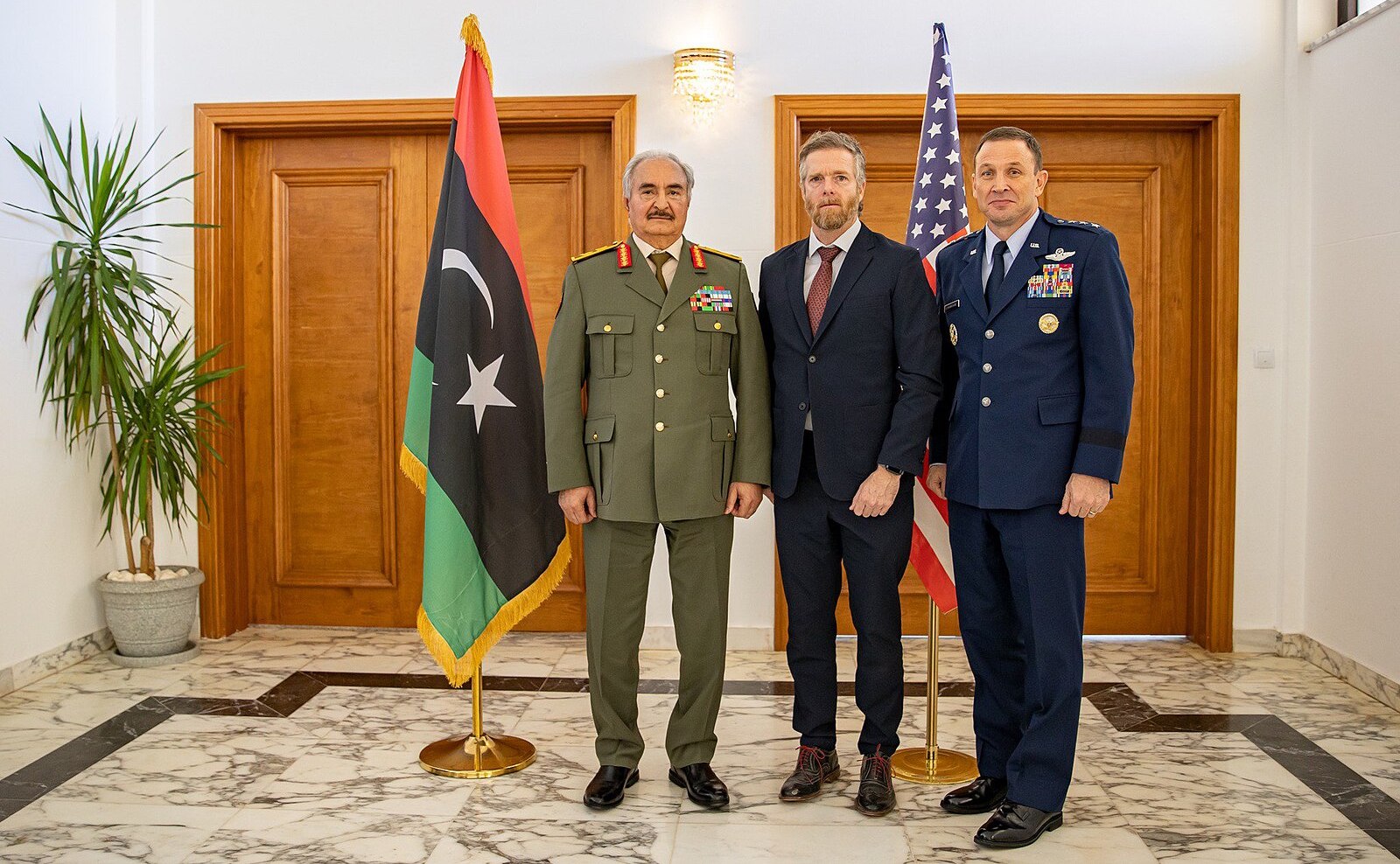
A US judge dismissed a group of civil lawsuits accusing Libyan military leader Khalifa Haftar of war crimes. District Judge Leonie Brinkema said she had no jurisdiction to preside over a case concerning crimes committed in Libya—even though Haftar has US citizenship and lived for more than 20 years in the DC suburbs of northern Virginia. In the suits, first filed in 2019 under the Torture Victim Protection Act, the plaintiffs charged that family members were killed in bombardments conducted by Haftar’s forces on civilian areas of Tripoli that year. Plaintiffs noted that Haftar’s extensive properties in Virginia could have been used to compensate the survivors. The head of the Libyan-American Alliance, Issam Omeish, expressed his regret over the court’s decision, calling it a setback in the groups’ work seeking justice and accountability for rights abuses in Libya’s civil war. (Photo: Haftar with US embassy Chargé d’Affaires Leslie Ordeman and USAF Lt. Gen. John Lamontagne, January 2023. Via Wikimedia Commons)

Watching the Shadows
Krasnogorsk

Podcast: conspiracy theory and the Moscow terror

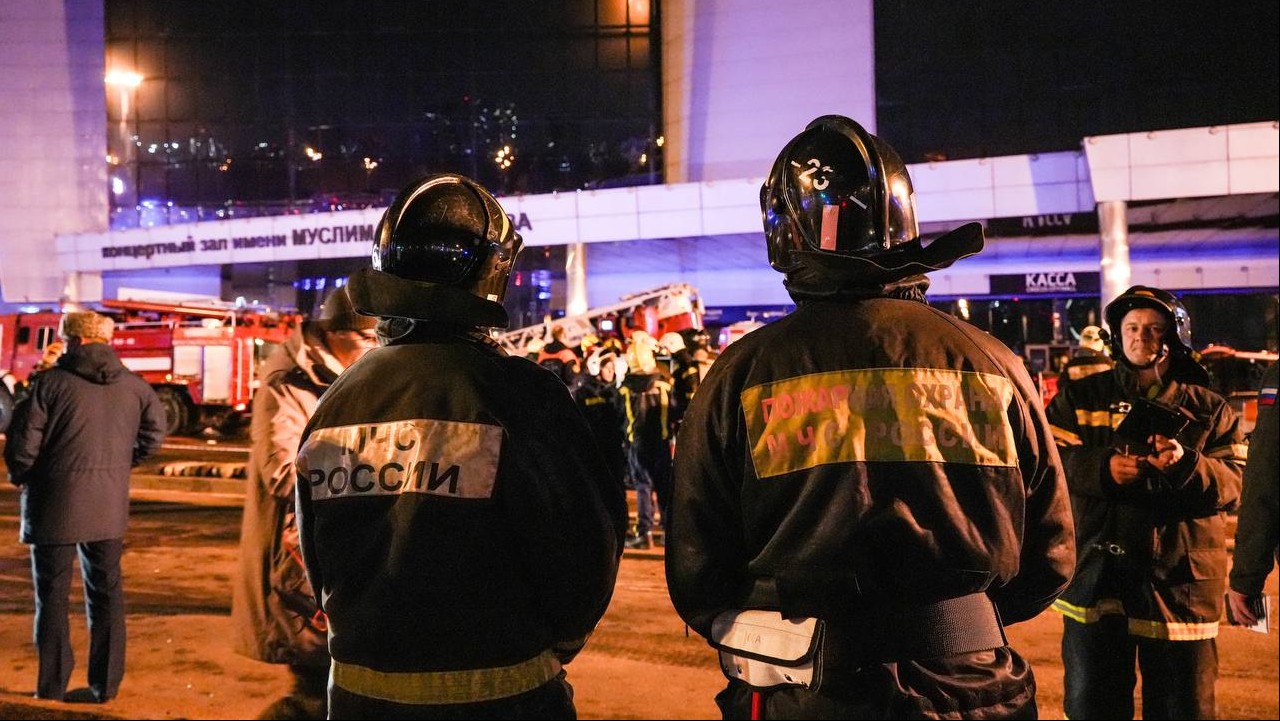
The deadly terror attack in a concert hall outside Moscow was immediately claimed by ISIS-K, the Islamic State network’s Afghanistan franchise. But just as quickly, the Russian and Ukrainian intelligence services accused each other of being behind it—the latter saying it was organized as a “provocation” to expand Moscow’s war in Ukraine. Putin’s rise to power, including his recent rise to outright autocratic power, as well as his various military adventures, have indeed been lubricated every step of the way by terror attacks. But who was actually behind the Crocus City Center attack may not really matter overmuch. If 9-11 was a “Reichstag Fire” for the hyper-interventionist aims of Dubya Bush, that analogy may prove to apply even more closely to the concert hall carnage serving the war aims and totalitarian domestic agenda of Vladimir Putin. Bill Weinberg discusses in Episode 219 of the CounterVortex podcast. Listen on SoundCloud or via Patreon. (Photo: governor of Moscow Oblast via Wikimedia Commons)

Watching the Shadows
Crocus

Moscow terror: ISIS, Ukraine or ‘false flag’?

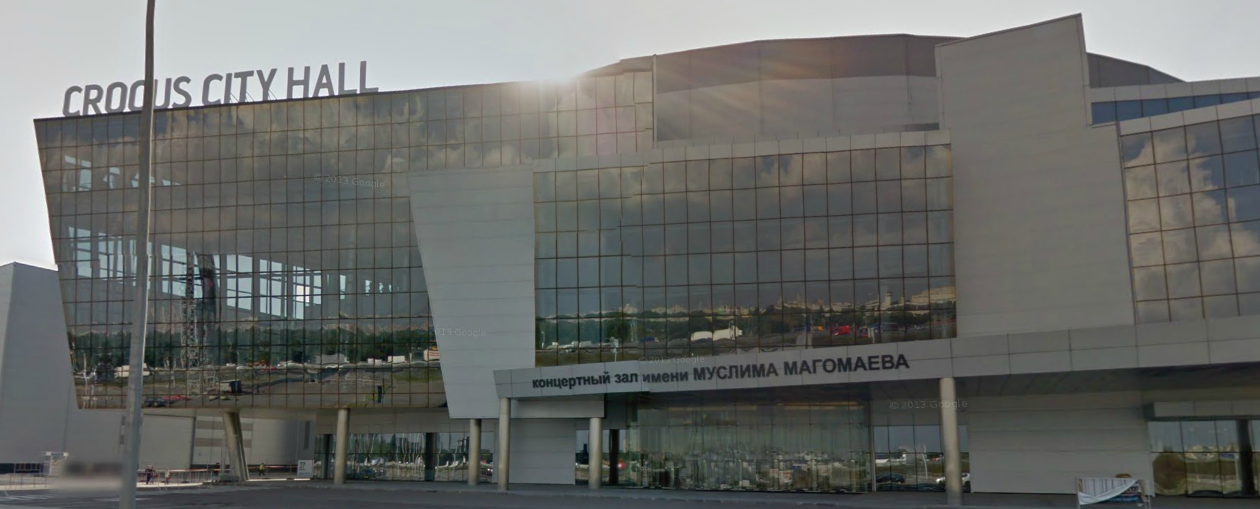
A group of armed men opened fire at a concert hall in a Moscow suburb, killing at least 133 people and injuring scores more. ISIS-K, the Islamic State network’s Afghanistan franchise, quickly took credit for the attack. But just as quickly, the Russian and Ukrainian intelligence services accused each other of being behind it—the latter saying it was organized as a “provocation” to expand Moscow’s war in Ukraine. Putin’s rise to power, including his recent rise to outright autocratic power, as well as his various military adventures, have indeed been lubricated every step of the way by terror attacks. But who was actually behind the Crocus City Center attack does not really matter overmuch. Just as 9-11—whoever was behind it—served the hyper-interventionist aims of Dubya Bush and his administration, we may be reasonably certain that the concert hall carnage will serve the war aims and totalitarian domestic agenda of Vladimir Putin. (Image: Wikipedia)

Planet Watch
Daouda Diallo

Frontline fighters (and martyrs) for free speech

In Burma, the mutilated body of independent journalist Myat Thu Tan was found at the military base where he had been detained, after the camp was overrun by rebels of the pro-democratic resistance. In Kazakhstan, detained activist Aqylbek Muratbai is fighting extradition to Uzbekistan, where he had been speaking out against bloody repression faced by his Karakalpak ethnic minority. And in Burkina Faso, human rights defender Daouda Dialloremains missing months after he was “disappeared,” presumably at the hands of the ruling military junta. Yet neither the mainstream media nor “progressives” in the West pay heed to these cases—while the reactionary and Kremlin-coopted Julian Assange is a cause célèbre. In Episode 214 of the CounterVortex podcast, Bill Weinberg asks: Why is that? Listen on SoundCloud or via Patreon. (Image: CISC via OHCR)

Africa
Wagner

Russia creates new Africa Corps

Following the death of Wagner Group leader Yevgeny Prigozhin, the Russian ministries of defense and foreign affairs quickly moved to reassure African client states that business as usual would continue—meaning that Moscow’s unofficial boots on the ground would keep operating in these countries. Now reports indicate a transformation, with Wagner’s estimated force of 5,000 troops—deployed from the Sahel to Libya to Sudan—to be brought under Defense Ministry command as a new Africa Corps. (Photo: Russian mercenaries in the Central African Republic. Credit: Corbeau News Centrafrique via Wikipedia)

Africa
Sahel

Sahel states defect from ECOWAS

Niger, Mali and Burkina Faso announced they are withdrawing from the Economic Community of West African States (ECOWAS), issuing a joint statement saying they had taken a “sovereign decision” to abandon the regional bloc of which they were founding members in 1975. The statement charges that ECOWAS has “drifted from the ideals of its founding fathers and the spirit of Pan-Africanism,” and is now “under the influence of foreign powers.” All three countries are led by military juntas after undergoing coups d’etat, which resulted in their suspension from the bloc. All three countries have also moved closer under their respective military regimes to Russia, whose Wagner Group mercenary force is backing up a new Malian government offensive against Tuareg separatist rebels. (Map: Wikivoyage)