

Europe
Ukraine

Podcast: Ukraine between East and West
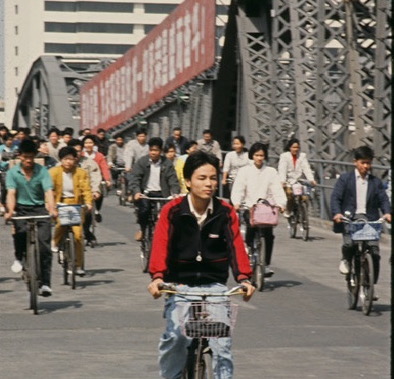
GuangzhouLegendary transportation activist George Bliss will be presenting a slideshow and hosting a discussion of his 1991 trip to China at the Museum of Reclaimed Urban Space (MoRUS) in New York City on Friday Dec. 9. What would NYC be like if we got rid of cars and everybody rode bikes? In 1991, Bliss and filmmaker Ted White visited Guangzhou, China (then pop. six million). Only one in a thousand owned cars. Bikes cost about $50. There was no theft because cheap attended bike-parking was everywhere. Riding en masse was fun, and traffic flowed safely and efficiently with almost no red lights. The term "critical mass"—first applied to this phenomenon by Bliss in White's film Return of the Scorcher—soon became a rallying cry in the global bike movement. While that China is long gone, its legacy points to the city we could yet have, even half a world away. (Photo: George Bliss)
Iraq
Iraq

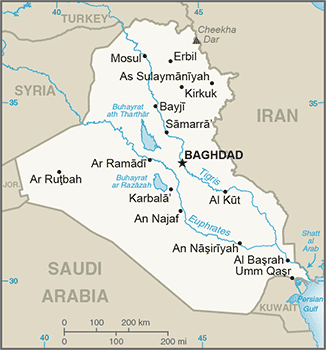
China scores major energy deal in Iraq

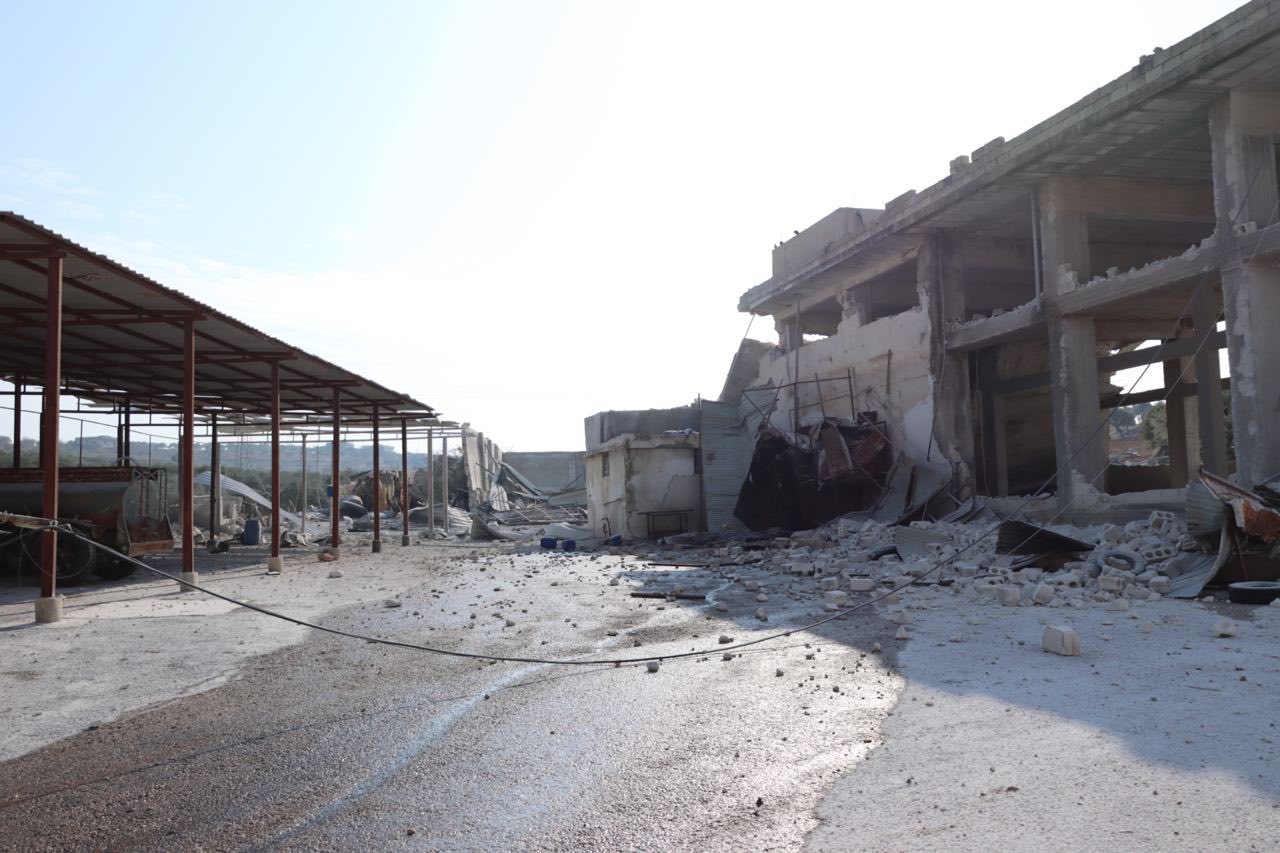
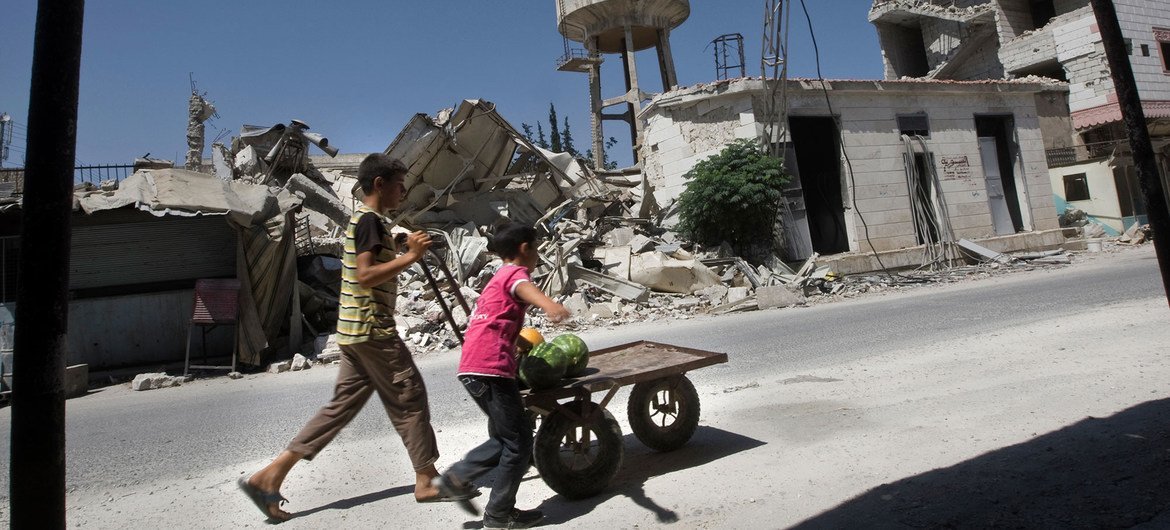
SyriaAt a closed meeting in Cairo, Arab League foreign ministers approved a measure to readmit Syria after more than a decade of suspension—a critical victory for the normalization of Bashar Assad's genocidal regime. This diplomatic coup, however, cannot mask the reality that Syria's war is not over. Assad may have retaken most of the country, but various rebel and Kurdish forces still control much of the north. Civilians are still being killed in shelling and other violence. Even before earthquakes devastated large parts of northern Syria three months ago, continuing conflict and a debilitating economic crisis meant deepening hunger. Humanitarian needs in Syria were already at a record high. But amid mounting global crises, the UN-coordinated appeal for Syria in 2023 is only eight percent funded. And food prices are still rising, making it harder still for aid groups to meet the urgent and growing needs of millions of Syrians. (Photo: Giovanni Diffidenti/UNICEF via UN News)

Central America

Honduras transition in the New Cold War

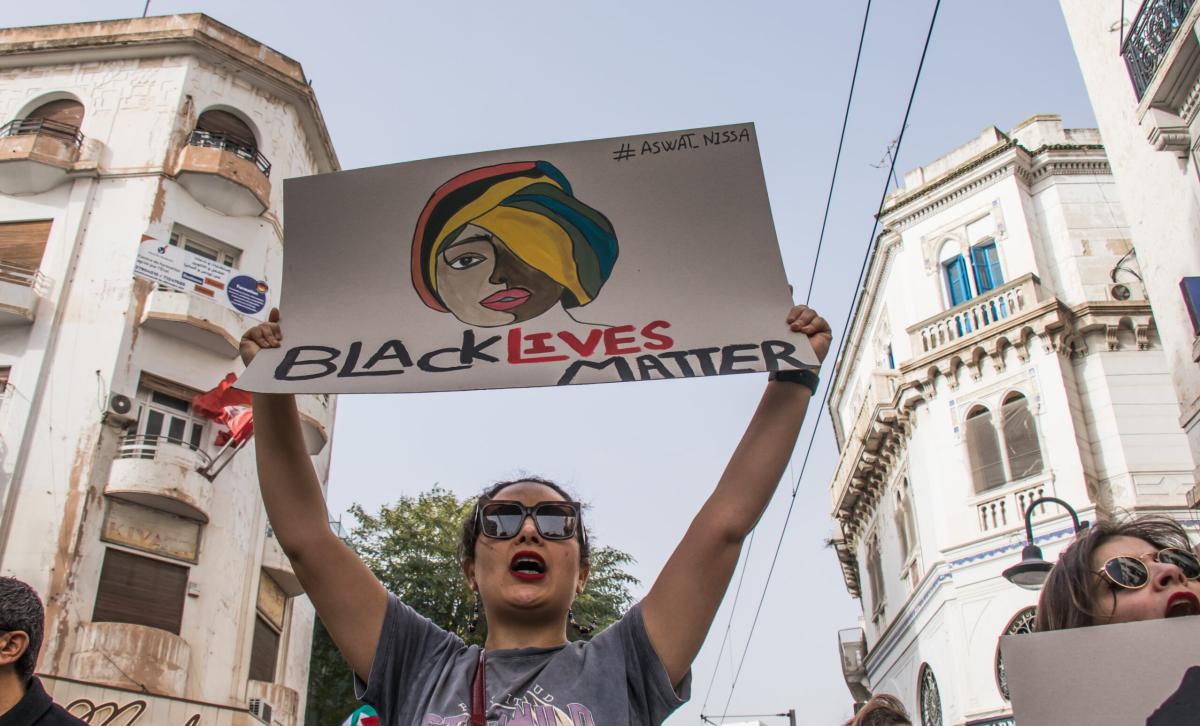
TunisAmnesty International called on Tunisia to put an immediate end to racist and xenophobic attacks targeting Black African migrants. The wave of violence began in early February and was exacerbated by a racially-charged speech by President Kais Saied at a National Security Council meeting. President Saied's statements sparked street protests in Tunis, in defiance of an official ban on demonstrations. Activists also opposed a widening crackdown on dissent since Saied seized near-total powers in July 2021. The Tunisian National Salvation Front has vowed continued weekly protests. (Photo: Chahd Lina Belhadj/Meshkal)

Planet Watch
countervortex

Podcast: the countervortex of global resistance II

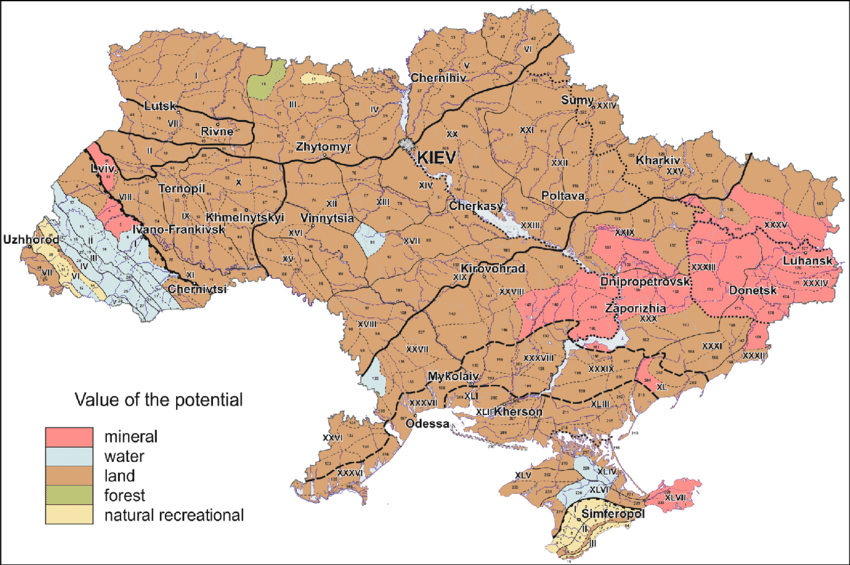
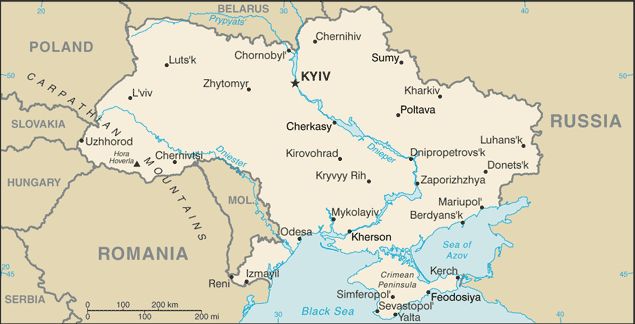
mineralsAs Trump and Hegseth explicitly broach the surrender of Ukrainian territory to Russia, a poorly positioned Zelensky is acceding to demands that he turn a large portion of his country's strategic mineral wealth over to the US in compensation for military aid. Especially at issue are Ukraine's significant reserves of lithium—critical to de facto "co-president" Elon Musk's e-vehicle interests. In announcing a new lithium refinery in Texas, Musk called the mineral "the new oil." The premium on Ukraine's strategic minerals is elevated by China's perceived design to establish control over the planet's rare earth elements. However, as Zelensky is quick to emphasize, nearly 20% of Ukraine's mineral resources are in areas under Russian occupation. (Map: ResearchGate)