

The Amazon
Ato Pela Terra

Brazil: high court nixes ‘time limit’ on native land claims

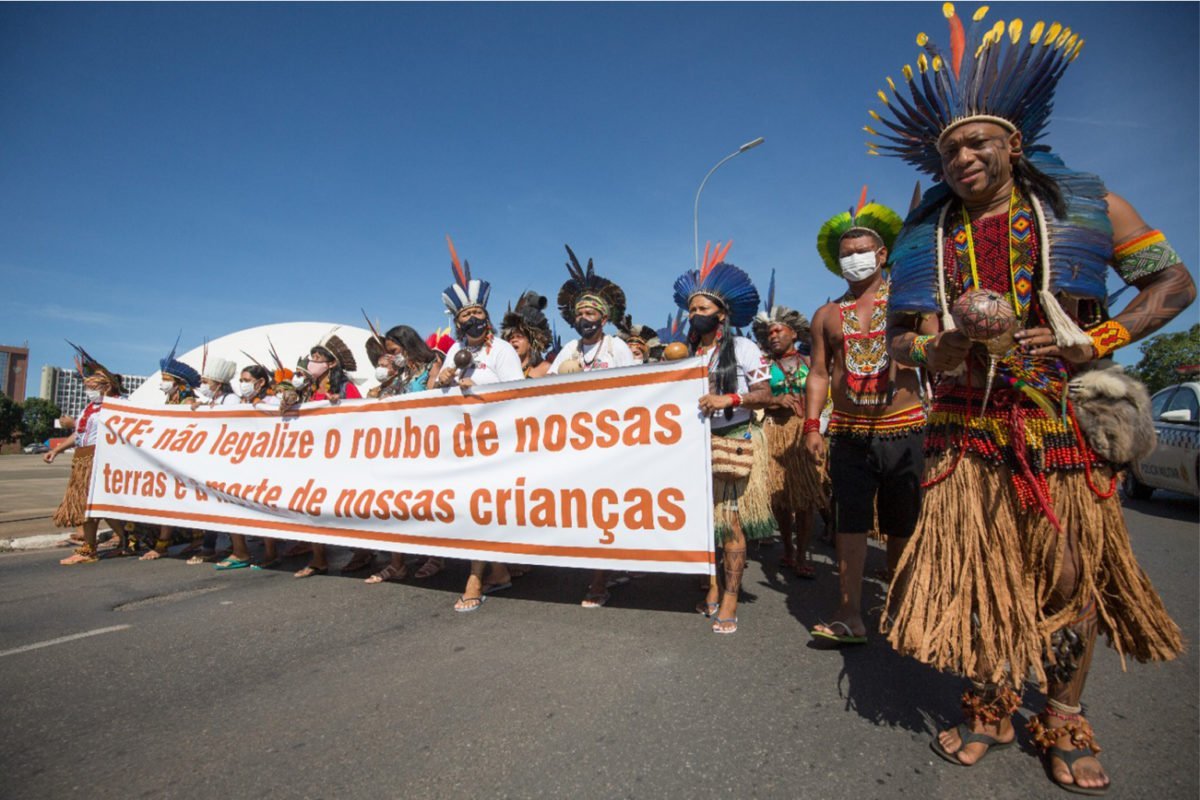
Brazil’s Supreme Federal Tribunal struck down the spurious thesis behind a legislative proposal advancing in the country’s Congress, which would impose a marco temporal or “time limit” on indigenous land recovery claims. The marco temporal law would nullify any indigenous group’s claim to traditional lands that they weren’t physically occupying on Oct. 5, 1988, the day of the enactment of Brazil’s Constitution, which for the first time recognized native peoples’ territorial rights. Instead, these lands would be considered the property of those currently in occupancy, or of the state. The thesis ignores the forced displacements that occurred during Brazil’s dictatorship in the generation before 1988, as well as the nomadic lifeways of some indigenous groups. Environment Minister Marina Silva declared the high court’s annulment of the marco temporal thesis an “act of justice.” (Photo via Twitter)

Southern Cone
Chile coup

Chilean state launches search for ‘disappeared’

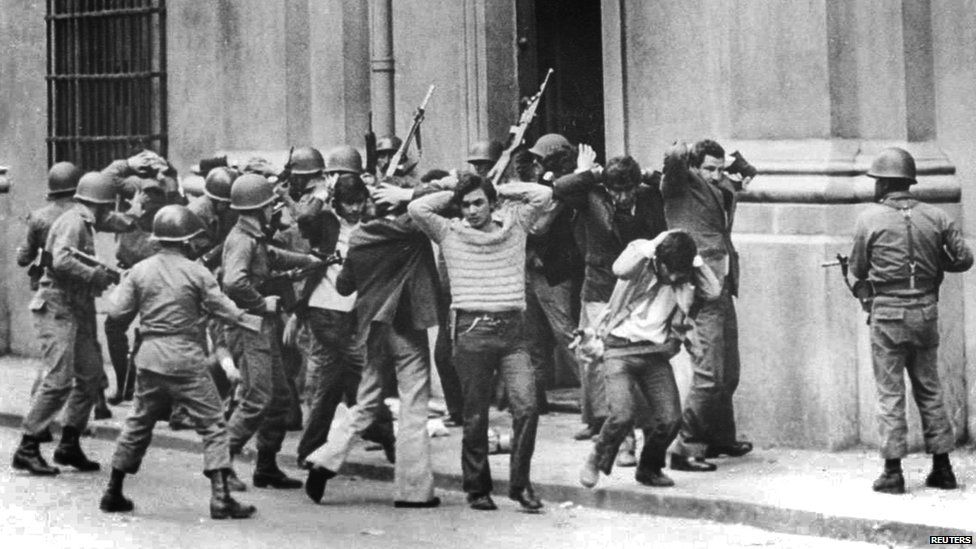
The families of the men, women and children killed or disappeared during the 1973-1990 dictatorship of Gen. Augusto Pinochet will finally have the official support of the state in their search for their missing kin. As Chile prepared to commemorate the 50th anniversary of the military coup on Sept. 11, President Gabriel Boric presented the country’s first National Search Plan, aimed at finding and identifying the remains of those who are still missing. So far only 307 sets of remains have been found and identified out of 1,469 officially listed as having been “disappeared” or murdered by the dictatorship. (Photo via BBC News)

Africa
Mali

Mali: air-strikes on Tuareg rebels reported

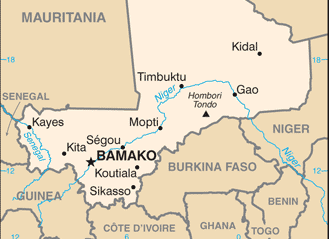
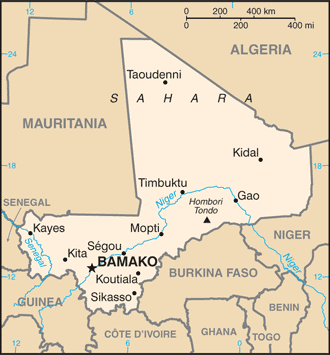
Mali’s military reportedly carried out air-strikes against Tuareg militants in the desert north—an escalation that risks opening up another conflict front in the country, which is already embroiled in a long counterinsurgency war with jihadist rebels. The accusation was made by the Coordinating Body of Azawad Movements (CMA), a coalition of Tuareg rebel groups that signed a peace deal with the Malian government in 2015. The government claims to have struck jihadist positions in the Kidal region, but the CMA rebels charge that they were targeted. Two weeks earlier, the CMA also accused Malian forces and Russian Wagner Groupmercenaries of attacking its followers in the Timbuktu region. (Map: PCL)

Africa
Kivu

Anti-UN protesters massacred in DR Congo

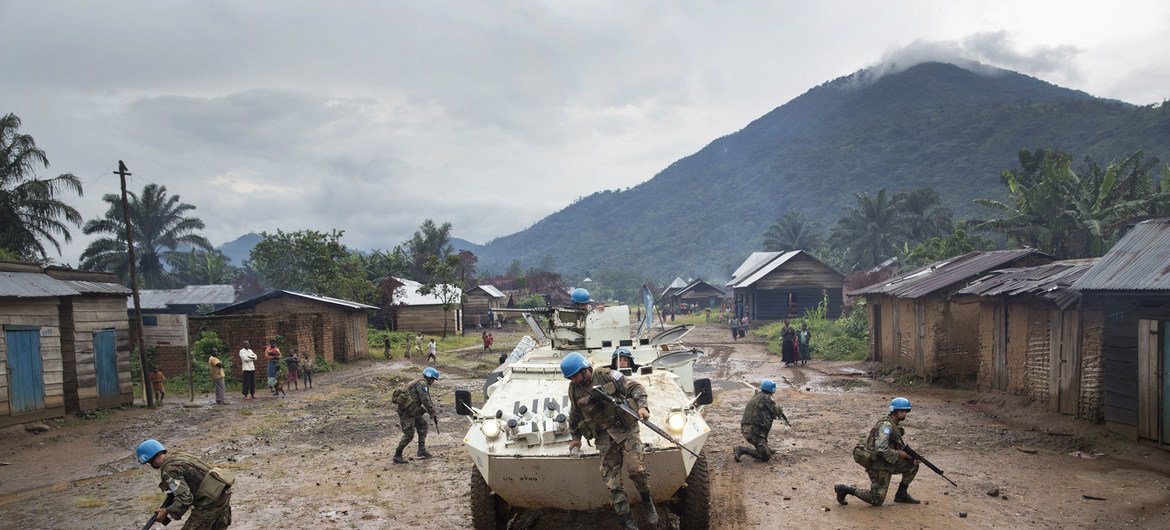
At least 43 people were killed as government troops fired on protesters in Goma, capital of conflicted North Kivu province in the eastern Democratic Republic of Congo. The protest against the the UN Stabilization Mission in the DRC (MONUSCO) was organized by a religious sect, the Natural Judaic & Messianic Faith Towards the Nations, also known as Wazalendo. MONUSCO “peacekeepers” have faced repeated protests from local residents over their failure to protect civilians amid ongoing inter-factional fighting. The UN is demanding an investigation into the Goma incident, which Human Rights Watch called an “apparent massacre.” (Photo: Sylvain Liechti via UN News)

Africa
Niger

Podcast: flashpoint Niger

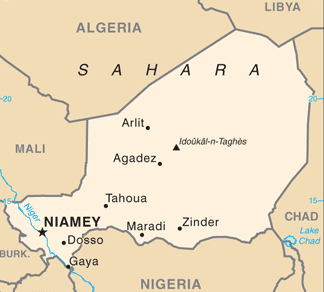
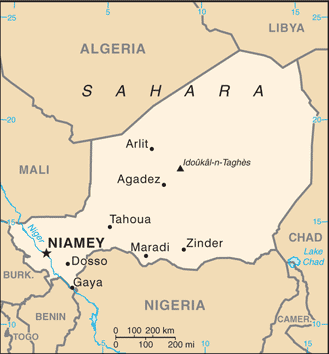
In Episode 186 of the CounterVortex podcast, Bill Weinberg examines the coup d’etat in Niger, which now threatens to plunge West Africa into regional war—with potential for escalation involving the Great Powers. Lines are drawn, with the Western-backed ECOWAS demanding the junta cede power, and Russian-backed Mali and Burkina Faso backing the junta up. Pro-junta demonstrators in Niger’s capital, Niamey, wave the Russian flag—probably to express displeasure at US and French neo-colonialism. The Wagner Group, which already has troops in Mali and Burkina Faso, has expressed its support for the junta, and offered fighters to help stabilize the regime. Elements of the tankie pseudo-left in the West are similarly rallying around the junta. Amid this, leaders of the Tuareg resistance in Niger have returned to arms to resist the new regime, and the country’s mine workers union is also demanding a return to democratic rule. Listen on SoundCloud or via Patreon. (Map: PCL)

Europe
Ukraine

Ukraine: ‘forced citizenship’ in Russian-held territory

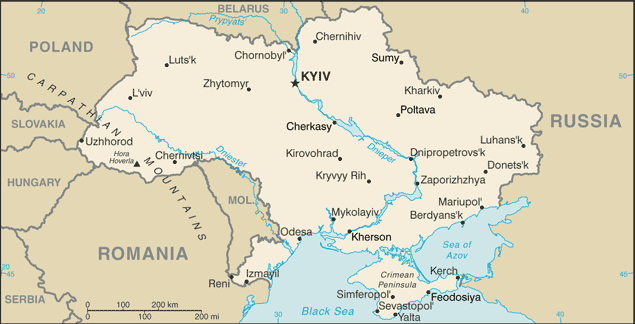
Russia has launched a systematic effort to force residents of occupied areas of Ukraine to accept Russian citizenship as part of its program of consolidating authority, according to a new report. Residents of Luhansk, Donetsk, Kherson and Zaporizhzhya oblasts are subjected to threats, intimidation, restrictions on humanitarian aid and basic necessities, and possible detention or deportation—all designed to force them to become Russian citizens. Based on a comprehensive review of open source material, Yale Humanitarian Research Lab (HRL) has identified the laws and tactics used to make it impossible for residents to survive in their homes unless they accept Russian citizenship. These laws and tactics violate international law, including the prohibition on discrimination against people living under occupation based on nationality, and forcing people to declare allegiance to an occupying power, both illegal under the Hague Convention and the Geneva Conventions. (Map: PCL)

Africa
Ambazonia

Fulani pitted against rebels in Cameroon conflict

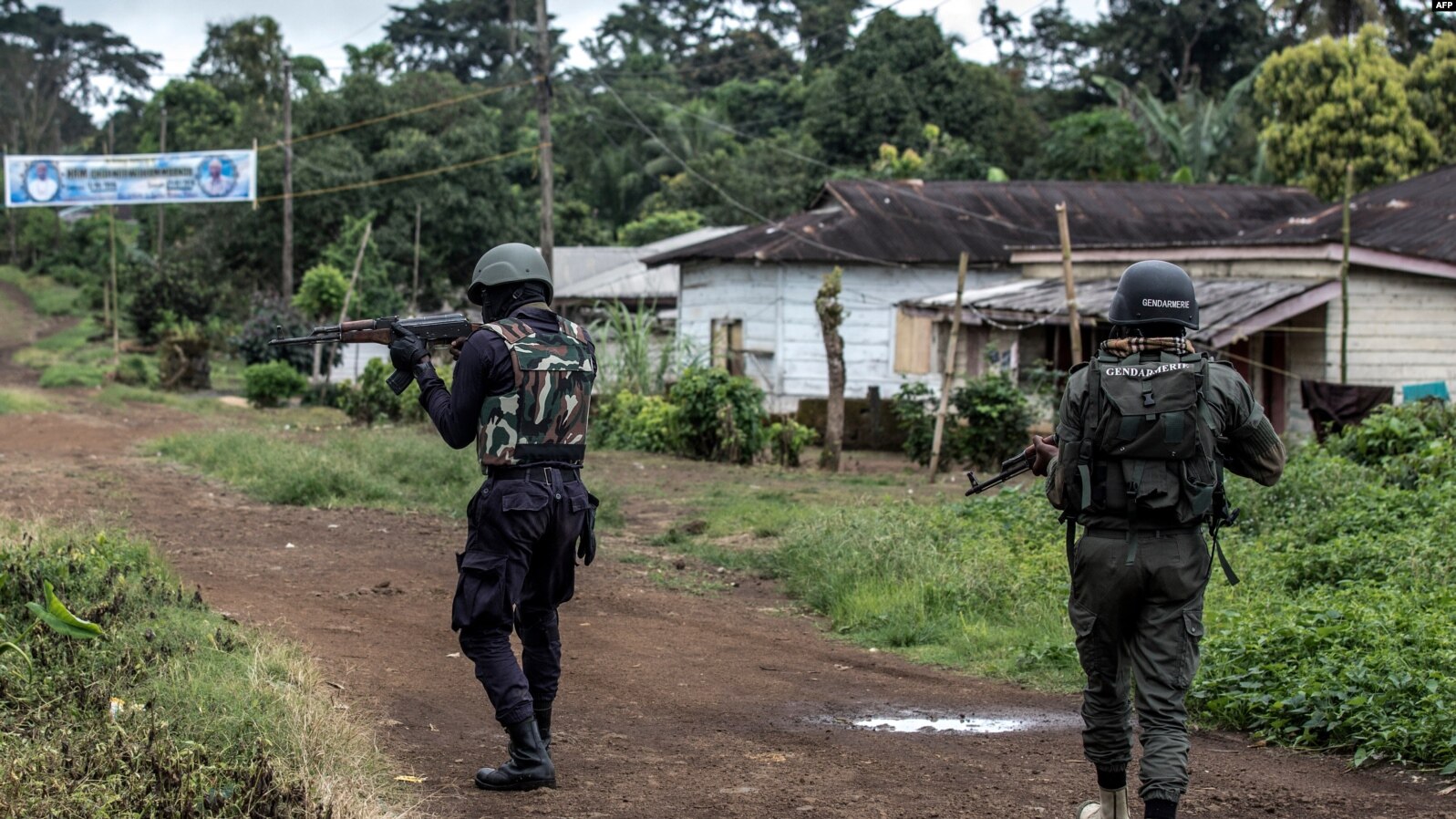
Amnesty International urged Cameroon’s authorities to investigate human rights violations committed in the country’s conflicted Anglophone regions, the North-West and South-West. According to a new report, armed separatists and the military alike are responsible for killings, torture, rape and destruction of property. In the North-West in particular, long-standing conflicts between Mbororo Fulani herders and sedentary farmers have been fuelling armed violence. As the situation has deteriorated over the past years, militias, mainly composed of Mbororo Fulani and supported or tolerated by the authorities, have committed atrocities against civil populations. The official security forces have responded to this situation with further rights violations. (Photo: Moki Edwin Kindzeka/VOA via Wikimedia Commons)

South Asia
Kuki

Manipur tribal leaders reject ‘dialogue’

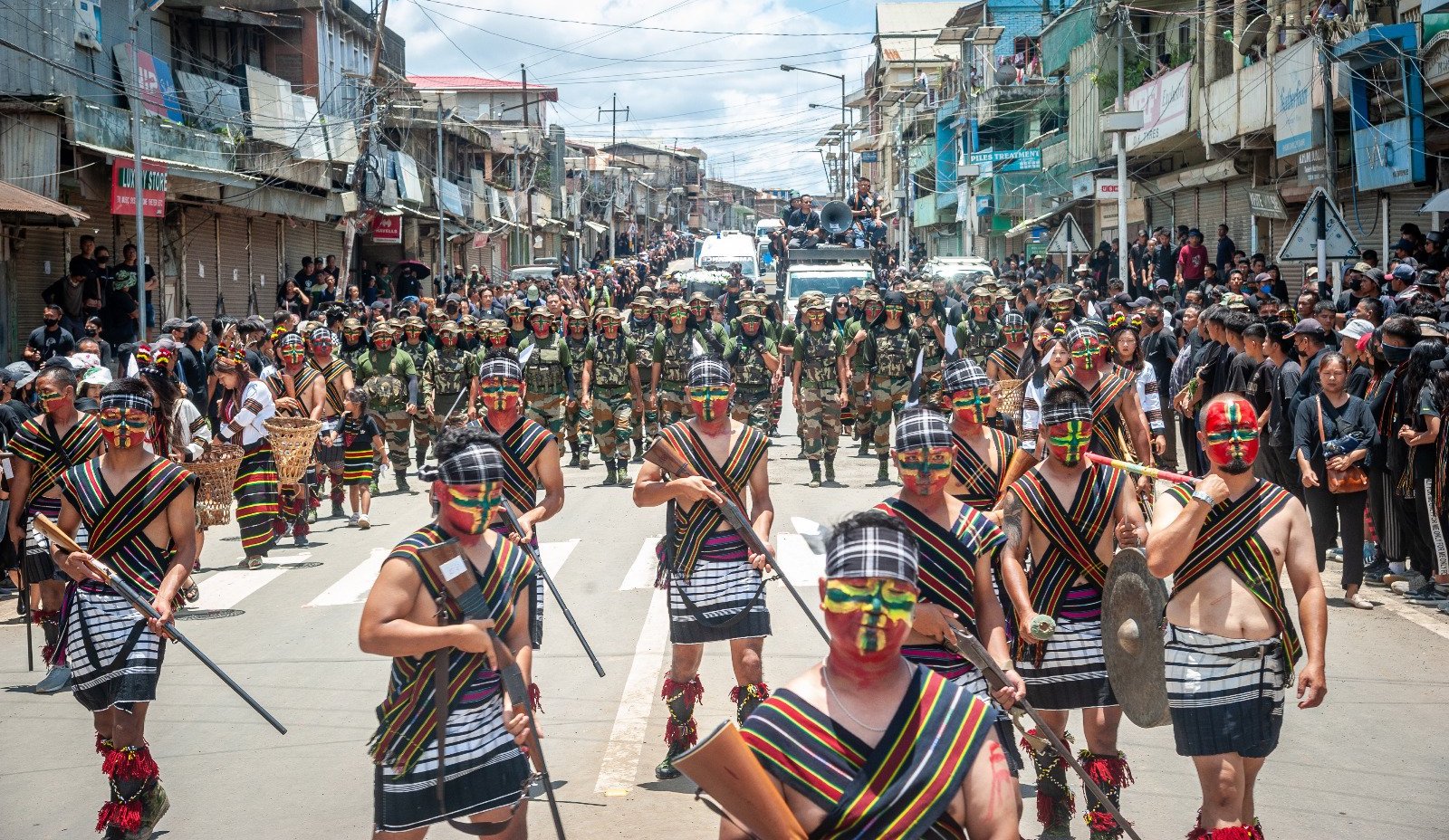
The Indigenous Tribal Leaders Forum in India’s northeast state of Manipur announced that it has rejected “any offer of dialogue” with the state’s Chief Minister N. Biren Singh. The ITLF said the chief minister’s stated intention of reaching out to stakeholders following a meeting with India’s Home Minister Amit Shah “comes too late after the loss of so many innocent lives and properties and the untold hardships faced by the Kuki-Zo tribals; there is no point in talking about peace without a political solution.” Singh, of India’s ruling Hindu-nationalist BJP, is accused of inaction or outright collaboration in attacks during weeks of violence between the Hindu Meitei community and the mostly Christian and animist Kuki and Naga peoples. (Photo: Kuki-Zo warriors march in Lamka (Churachandpur), via Twitter)

Africa
Masalit

Thousands killed in new Darfur ‘genocide’

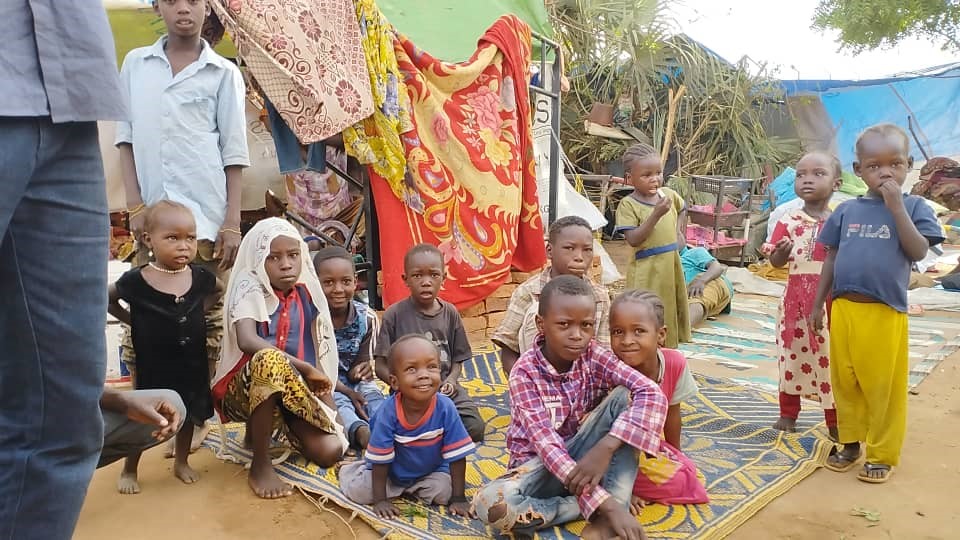
Clashes, artillery fire and air-strikes rock Sudan’s capital, as the conflict between rival factions that has displaced 2.5 million people and caused a humanitarian crisis enters its 11th week. But with world media focusing on the fighting in Khartoum, the UN High Commissioner for Human Rights is raising the alarm about a dramatic escalation in western Darfur region, where members of the Masalit ethnic group are targeted by Arab militias aligned with the Rapid Support Forces (RSF). Authorities from the autonomous Sultanate of Dar Masalit report that more than 5,000 have been killed in such attacks in and around West Darfur state capital El Geneina over the past weeks. The Sultanate describes the continuing attacks as “ethnic cleansing” and “genocide.” (Photo of displaced Masalit children: Radio Dabanga)

South Asia
Manipur

Podcast: from Manipur to the West Bank

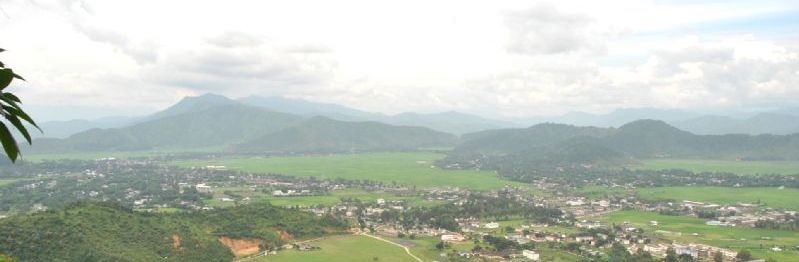
In Episode 179 of the CounterVortex podcast, Bill Weinberg compares the military and settler attacks on Palestinian towns in the West Bank with the eruption of ethnic violence in Northeast India’s state of Manipur—and uncovers the unlikely connection between the two. The Kuki indigenous people now targeted in Manipur includes a sub-group, the Bnei Menashe, who claim descent from one of the Lost Tribes of Israel, and practice an ancient form of Judaism. Israeli NGOs are raising the alarm about the violence in Manipur, but also exploiting it, luring Bnei Menashe to emigrate to Israel—with some settled on the West Bank, serving as demographic cannon fodder for the Zionist project. The Kuki and Palestinians, both land-rooted peoples usurped of their traditional territory, are pitted against each other—despite the convergence of their enemies in a Hindutva-Zionist alliance. Listen on SoundCloud or via Patreon. (Photo: E-PAO)

South Asia
Nagas

Podcast: the struggle in Northeast India

In Episode 178 of the CounterVortex podcast, Bill Weinberg notes the new eruption of ethnic violence in Northeast India’s state of Manipur, which was the scene of far deadlier inter-communal clashes last month. The spark was the current bid by the Meitei people to become a “scheduled tribe,” granting them access to resource-rich forestlands. This is opposed by the Kuki and Naga peoples, whose tribes are already “scheduled”—but are nonetheless being targeted for eviction from Manipur’s forestlands under the guise of a crackdown on opium cultivation. The Kuki and Naga leadership perceive a land-grab for their ancestral forest territory by the Meitei—the dominant group in Manipur, who already control the best agricultural land in the state’s central Imphal Valley. The Kuki (including their Jewish sub-group, the Bnei Menashe) and Naga have long waged insurgencies seeking territorial autonomy, or even independence from India. And both their traditional territories extend across the border into Burma (where the Kuki are known as the Chin), pointing to potential convergence of the armed conflicts either side of the international line. Listen on SoundCloud or via Patreon. (Photo of Naga festival: Yves Picq via Wikimedia Commons)

Europe
Ukraine

Kakhovka: ‘ecocide’ as war crime in Ukraine

In Episode 177 of the CounterVortex podcast, Bill Weinberg examines the unfolding Kakhovka dam disaster in Ukraine, an evident design by Russia to forestall a Ukrainian counter-offensive into the occupied southeast of the country. Massive flooding has been unleashed downstream, imperiling some of the world’s most important farmland. Upstream, coolant water to the Zaporizhzhia power plant is threatened, escalating Russia’s “reckless nuclear gamble” at the facility. It is true that the disaster gravely impacts much Russian-held territory, including the Crimea Peninsula. However, despite Moscow’s official denials of responsibility, Russia’s online internal propaganda organs are bragging about it. The Wagner Group mercenary outfit calls the disaster “beautiful” and boasts that the destruction of dams on the Dnipro River is a “trump card” against Ukraine. The cataclysm on the Dnipro provides a grim test case as the International Criminal Court moves to adopt “ecocide” as a recognized international crime. Listen on SoundCloud or via Patreon. (Map: PCL)