Southeast Asia
burma coup

Military re-seizes power in Burma

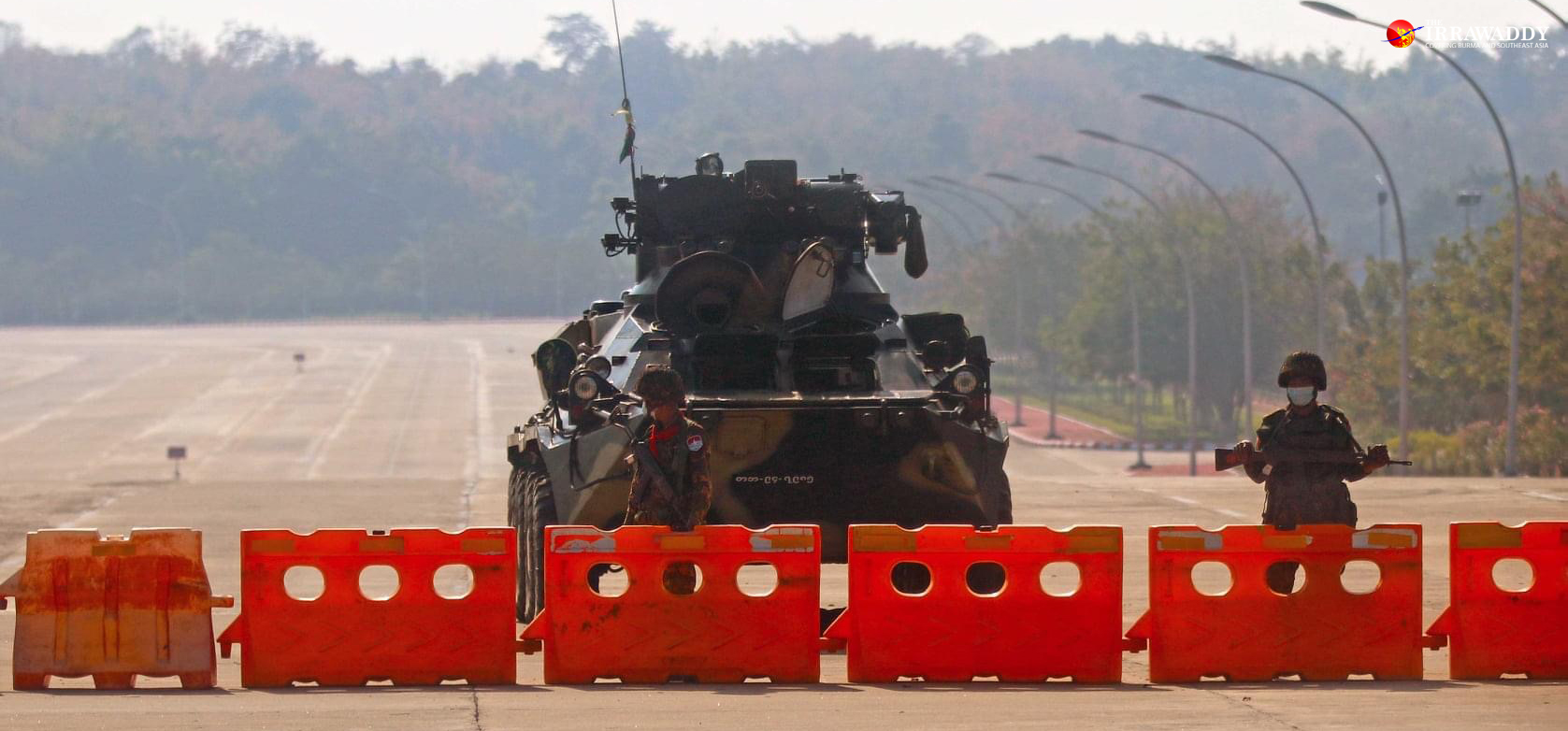
Burma’s military announced that it has taken control of the country and imposed a state of emergency. The country’s civilian leader Aung San Suu Kyi was detained in an early morning raid along with President U Win Myint and other figures associated with the ruling National League for Democracy (NLD). Although the internet was cut off by the military, Suu Kyi managed to get out a statement to social media calling on Burma’s people to “protest against the coup.” The military, officially known as the Tatmadaw, said the state of emergency will last for a year, during which time armed forces chief Gen. Min Aung Hlaing will rule. The Tatmadaw is justifying the move by asserting that there was voter fraud in the November parliamentary elections, in which the military-linked Union Solidarity Development Party (USDP) suffered a crushing defeat to the NLD. No official election observers had made any claims of fraud. (Photo: The Irrawaddy)

Inner Asia
Uighurs

Huawei ethnicity-recognition tech tracks Uighurs

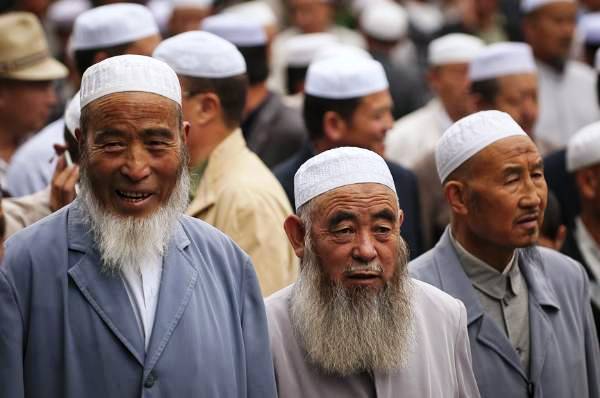
Top Chinese technology firms have registered patents for tools apparently designed to detect, track and monitor Uighurs, according to research by the Pennsylvania-based video surveillance watchdog group IPVM. A 2018 patent filed by Shenzhen-based tech giant Huaweiwith the State Intellectual Property Office lists attributes by which an individual may be targeted, including “race (Han, Uighur).” IPVM also released details of a document issued by Huawei and its Beijing-based corporate partner Megvii, dubbed an “Interoperability Test Report,” which boasted of a “Uighur alarm” among the “basic functions of Megvii’s facial recognition system.” Said Rushan Abbas, executive director of the DC-based Campaign for Uyghurs: “We cannot ignore the fact that these technologies have been developed in order to be able to efficiently carry out…brutal oppression.”  (Photo: Mvslim.com)

South Asia
hazara

Pakistan: Hazara massacre sparks hunger strike

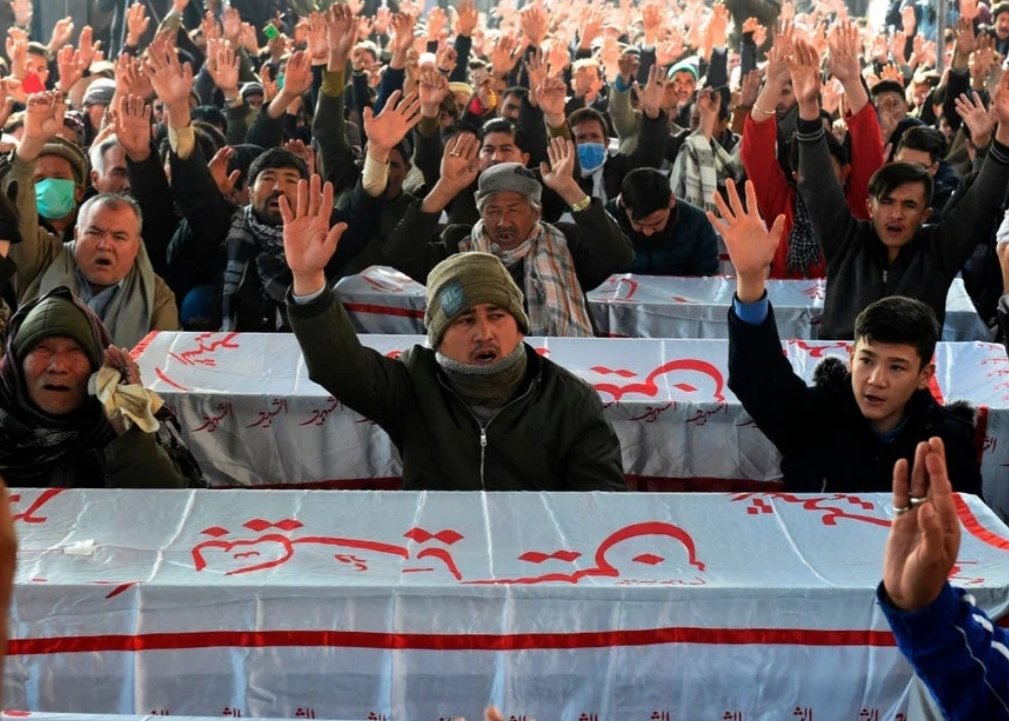
Members of Pakistan’s Hazara people have launched a sit-in and public hunger strike after a massacre targeted the Shi’ite minority at a coal-field in a remote area of Balochistan province. Hundreds have been blocking a major thoroughfare through the provincial capital, Quetta. Interior Minister Sheikh Rashid was sent in to meet with a delegation of the Majlis-e-Wahdatul Muslimeen, the organization leading the sit-in, but his offer of compensation to victims’ families was rebuffed. In the attack, armed men rounded up miners from worker housing at the coal-field. Those determined to be Hazara, 11 in all, were marched into the hills and summarily shot. Many had their throats slit or were otherwise mutilated. The local franchise of the “Islamic State” claimed responsibility for the massacre. Families of the victims are refusing to bury their loved ones, but have brought the bodies to the site of the sit-in, demanding the Balochistan government either arrest the killers or resign. (Photo via Twitter)

Africa
Mali

UN to investigate ‘crimes against humanity’ in Mali

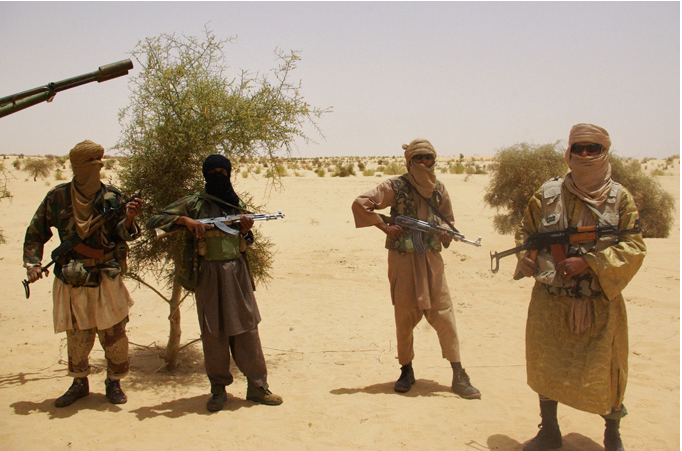
UN investigators into political violence in Mali reported to the Security Council that they found evidence that government forces have committed “war crimes,” while jihadists and other armed groups perpetrated “crimes against humanity.” The allegations are made in a 338-page report compiled by the International Commission of Inquiry, a panel examining events in Mali over the six years after it spiralled into conflict in 2012. The report, which has not yet been made public, recommends establishing a special court to try accused perpetrators. But the recommendations are being met with some wariness in Mali. The opposition Rally of Patriotic Forces demands that foreign militaries operating in the country be covered in the scope of the investigation—including France. (Photo via Andy Morgan Writes)

Watching the Shadows

Podcast: Rule of the Strongmen

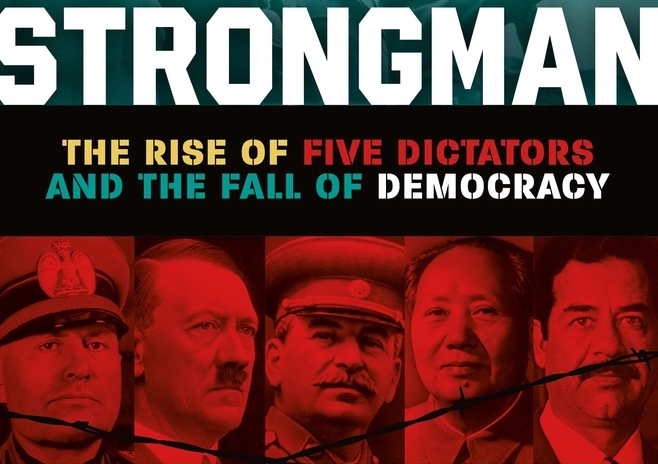
In Episode 59 of the CounterVortex podcast, Bill Weinberg takes stock of Trump’s evident preparation for a coup d’etat and what could be a culminating moment for the current crisis of American democracy. In the context of this dilemma, he discusses two very timely new books with similar titles that both examine the mechanics by which dictators seize and maintain power: Strongman: The Rise of Five Dictators and the Fall of Democracy by Kenneth C. Davis and Strongmen: Mussolini to the Present by Ruth Ben-Ghiat. Listen on SoundCloud or via Patreon. (Image via Macmillan)

Inner Asia
ET-Gulag-Archipelago

ICC prosecutor rejects Uighur genocide complaint

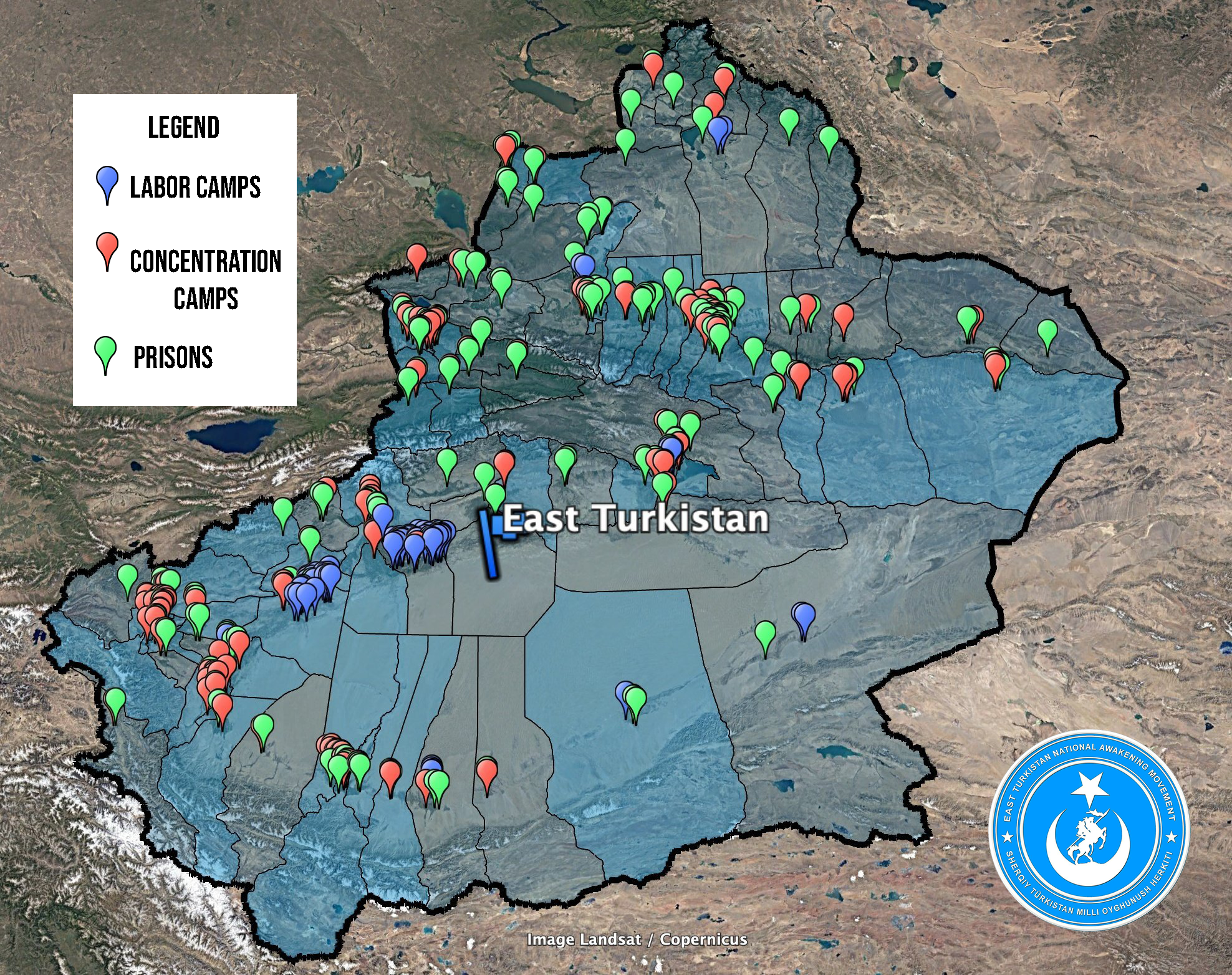
International Criminal Court (ICC) prosecutors rejected a complaint filed by exiled Uighurs calling for an investigation of China on charges of genocide and crimes against humanity. The complaint was dismissed on jurisdictional grounds; the People’s Republic of China, like the United States, does not recognize the ICC. But on the question of forcible removal from countries where the ICC does have jurisdiction, the text of the rejection parsed definitions very closely. While acknowledging forced deportations of Uighurs from Tajikistan and Cambodia back to China to face potential internment and persecution, the ICC stated: “Not all conduct which involves the forcible removal of persons from a location necessarily constitutes the crime of forcible transfer or deportation.” (Photo: ETNAM)

Africa
Liberia

Liberian warlord goes on trial in Switzerland

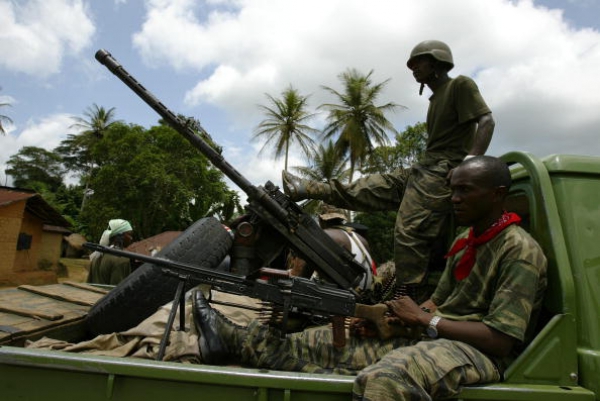
A trial opened in Switzerland for the first Liberian to face war crimes charges over atrocities during the country’s brutal internal conflict in the 1990s. Former warlord Alieu Kosiah stands accused of murder, rape, recruiting child soldiers, and numerous other crimes during the first of Liberia’s two civil wars, which together killed some 250,000 people between 1989 and 2003. Kosiah, who had been living in Switzerland since 1999, was arrested in November 2014 for atrocities he allegedly committed as a commander of the United Liberation Movement of Liberia (ULIMO) between 1993 and 1995. A group of Liberian victims is being represented by the Swiss human rights group Civitas Maxima. The case is being heard under the principle of universal jurisdiction. (Photo: IRIN via JusticeInfo)

The Caucasus
Nagorno-Karabakh

Campaign to recognize Republic of Artsakh

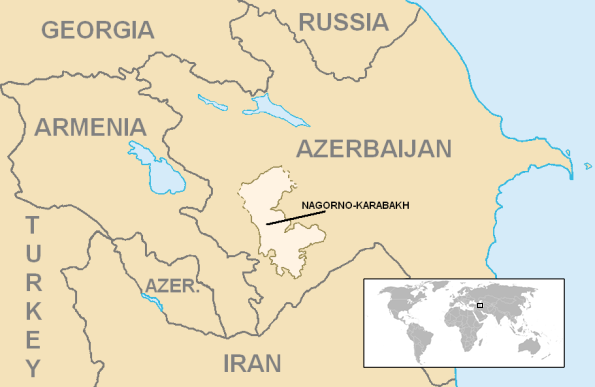
Amid renewed heavy fighting over the contested territory of Nagorno-Karabakh, the enclave’s capital, Stepanakert, is coming under heavy shelling by Azerbaijan. The self-governing enclave within Azerbaijan has since 1994 been under the control of ethnic Armenians, who constitute the majority there, and have declared the de facto Republic of Artsakh. The National Assembly of Artsakh issued a statement accusing Azerbaijan of intentionally targeting civilians and using banned weaponry such as cluster munitions. The statement also accused Turkey of directing the offensive, and backing it up with mercenary fighters. The National Assembly called upon the international community to formally recognize the Republic of Artsakh as “the most effective way to put an end to the ongoing grave crimes against the peaceful population of Artsakh, and to protect their rights.” (Map: Wikipedia)

Iraq
Yazidis

Yazidis call Middle East indigenous alliance

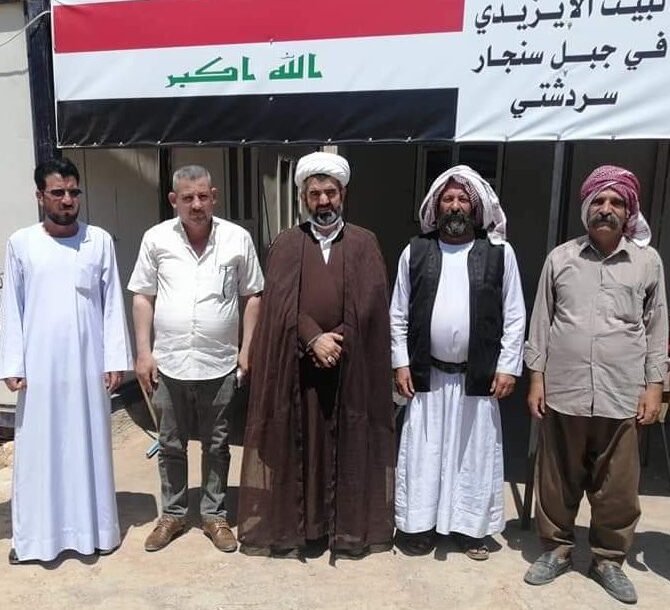
In a meeting hosted by the Yazidi autonomous territory of Ezidikhan in northern Iraq, representatives of tribal peoples and ethnic minorities from across the Middle East and North Africa agreed on a framework for a region-wide alliance of stateless nations struggling for self-determination and autonomy. The meeting at the Ezidikhan seat of Shingal was attended by representatives of the Mandaeans and Zoroastrians as well as Yazidis. Messages of support were also sent by the Shabaks of Iraq, Ahwazi Arabs of Iran, Berbers of Libya, and Palestinian Bedouins residing in the state of Israel. Delegates announced formation of a Confederation of Indigenous Nations of the Middle East open to all stateless peoples of the region. The Confederation pledges to seek greater recognition for stateless peoples of the Middle East at the UN Permanent Forum on Indigenous Issues, and to seek redress for persecution, exclusion and genocide. (Photo of Yazidi delegates: Ezidikhan.net)

Syria
Khan Sheikhoun

Syrian opposition marks seven years of chemical terror

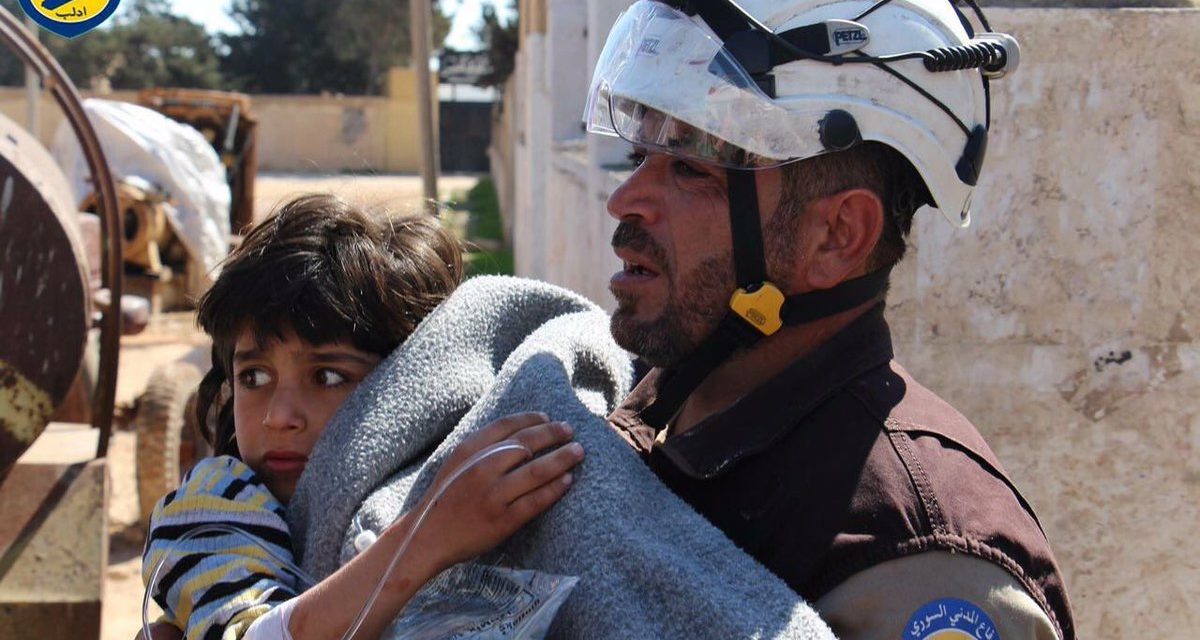
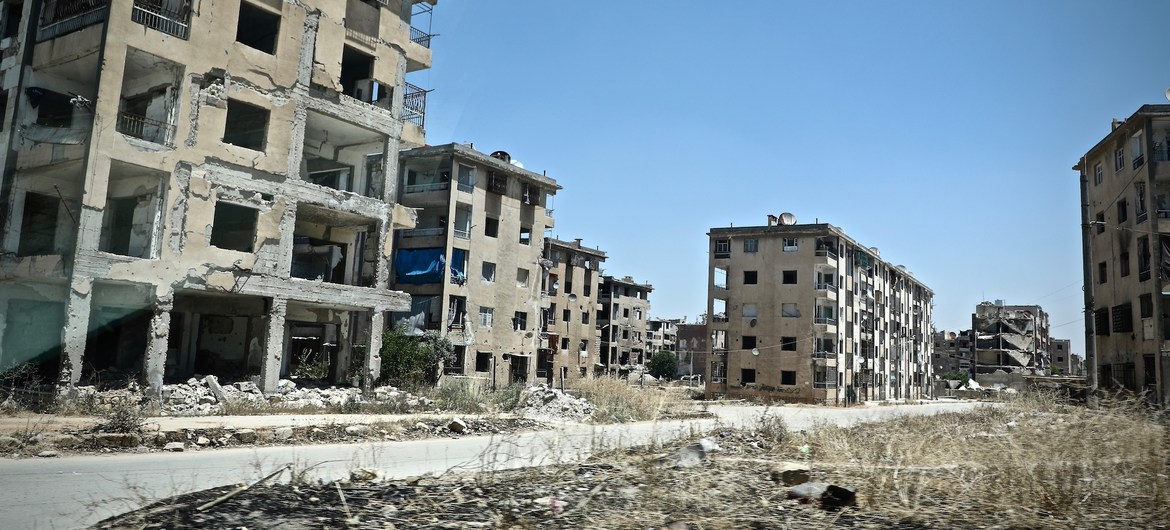
On the seventh anniversary of the chemical weapon attack on the Damascus suburb of Ghouta, which left 1,400 civilians dead, the Syrian opposition issued a statement protesting that the responsible parties are still yet to be held accountable—while gas attacks have continued in Syria. The National Coalition of Syrian Revolutionary & Opposition Forcesdemanded that the perpetrators of the attack be tried by the International Criminal Court. “The collapsed international system is the one that allowed this massacre to happen and left those responsible unjudged,” the statement said. The regime of Syrian dictator Bashar Assad has carried out hundreds of chemical attacks since 2013. (Photo from April 2017 Khan Sheikhoun attack via EA Worldview)

The Andes
Mamani

US court rules against Bolivian ex-prez in rights case

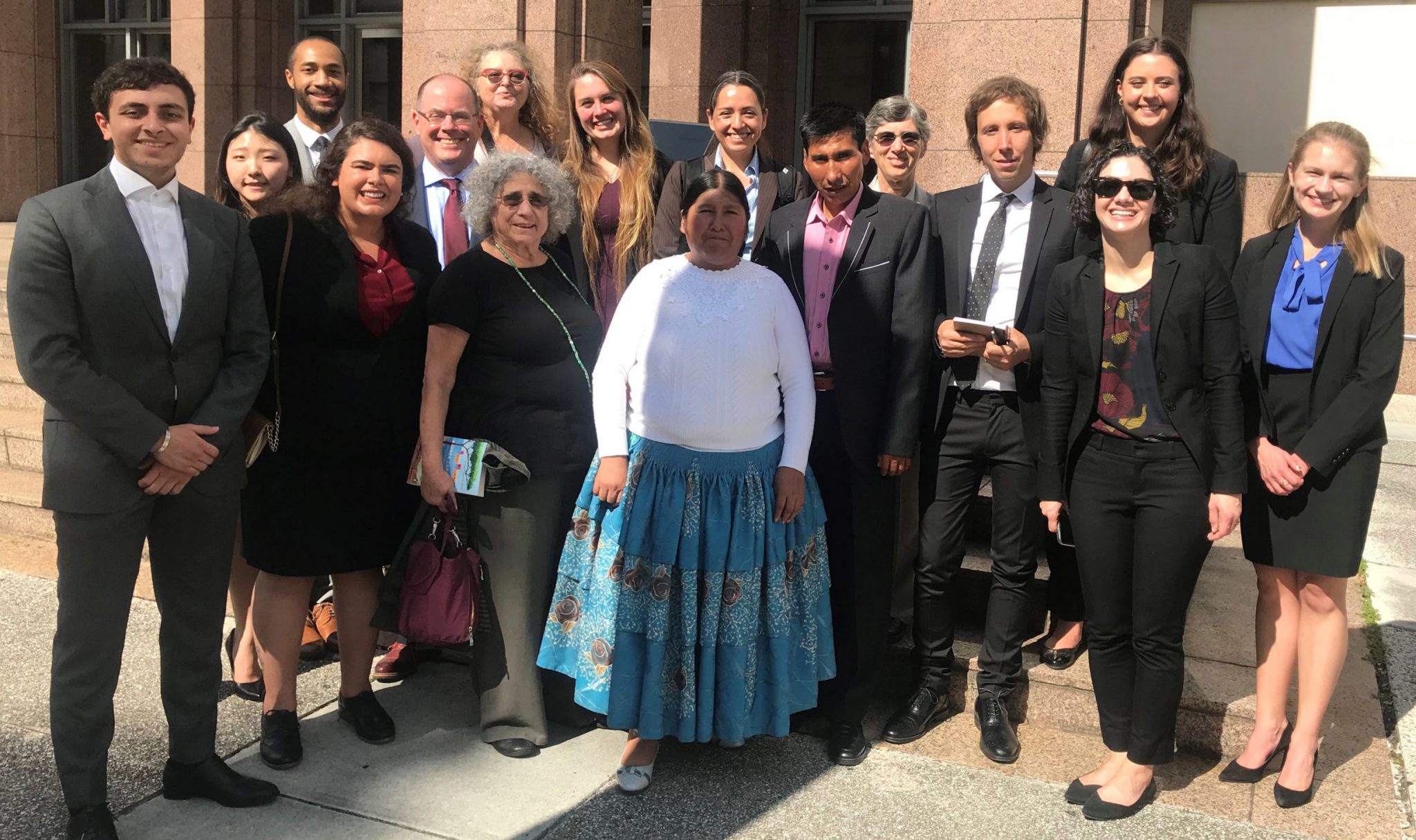
The US Court of Appeals of the Eleventh Circuit in Miami vacated a lower court judgment that had exonerated former Bolivian president Gonzalo Sánchez de Lozada and his defense minister Carlos Sánchez Berzaín of responsibility for the killing of protesters during the 2003 “Gas War.” The pair fled to exile in the United States after repression failed to put down the protests. In 2018, surviving relatives of eight killed in the repression brought suit against the two exiled leaders in a US district court under the Torture Victims Protection Act. The case, Mamani et. al v. Sánchez de Lozada, marked the first time a former head of state was brought to trial for human rights violations in a US court. The jury found the two liable under the TVPA and awarded plaintiffs $10 million in damages. But in an unusual move, Judge James I. Cohn set aside the jury verdict and entered its own judgment, holding the defendants not liable based on insufficient evidence. The Eleventh Circuit has now reversed Cohn’s ruling, and remanded the case to the district court. The lower court is instructed to weigh whether the jury verdict should be reinstated or if a new trial should be held. (Photo of plaintiffs Eloy and Etelvina Mamani, center, and legal team via Harvard Law Today)

Africa
Central African Republic

CAR: accused war criminal runs for president

Amid rising tensions and insecurity in the Central African Republic, deposed former president François Bozizé has announced his candidacy for the upcoming presidential elections, scheduled for December. Bozizé is currently under UN sanctions and subject to an arrest warrant issued by the government for “crimes against humanity and incitement to genocide.” He is accused of having backed a brutal rebel movement after his ouster in 2013, fueling a civil war that has left millions displaced. However, authorities show little sign of moving to execute the warrant, and Bozizé has been openly working for a political comeback since returning to the country last year. (Map via Perry-Castañeda Library Map Collection)