


Oceania

New Caledonia voters reject independence —for now
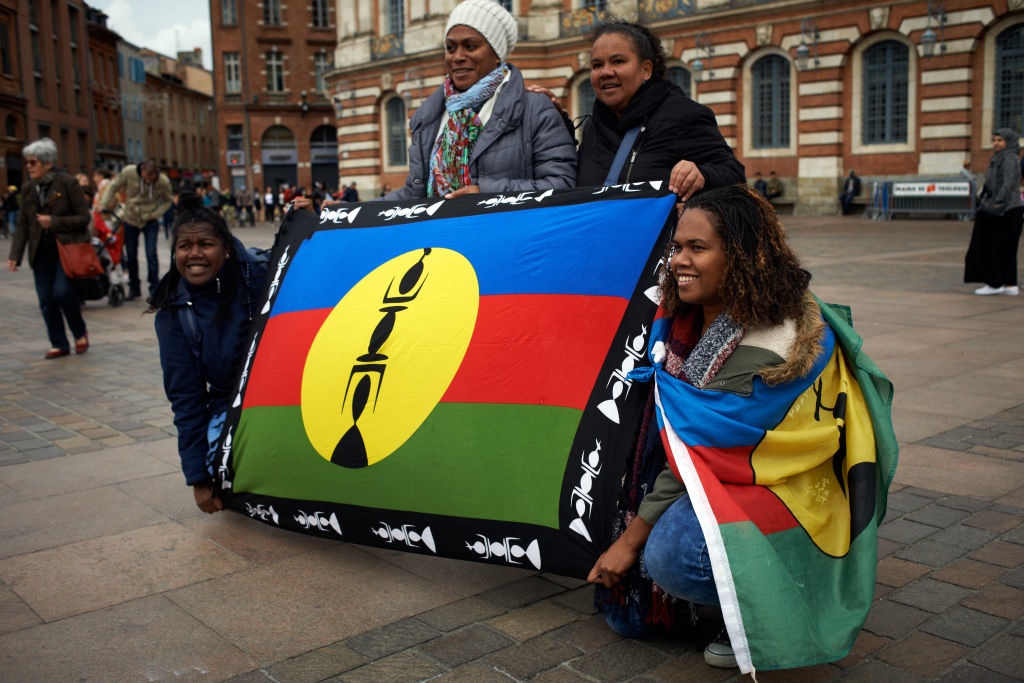
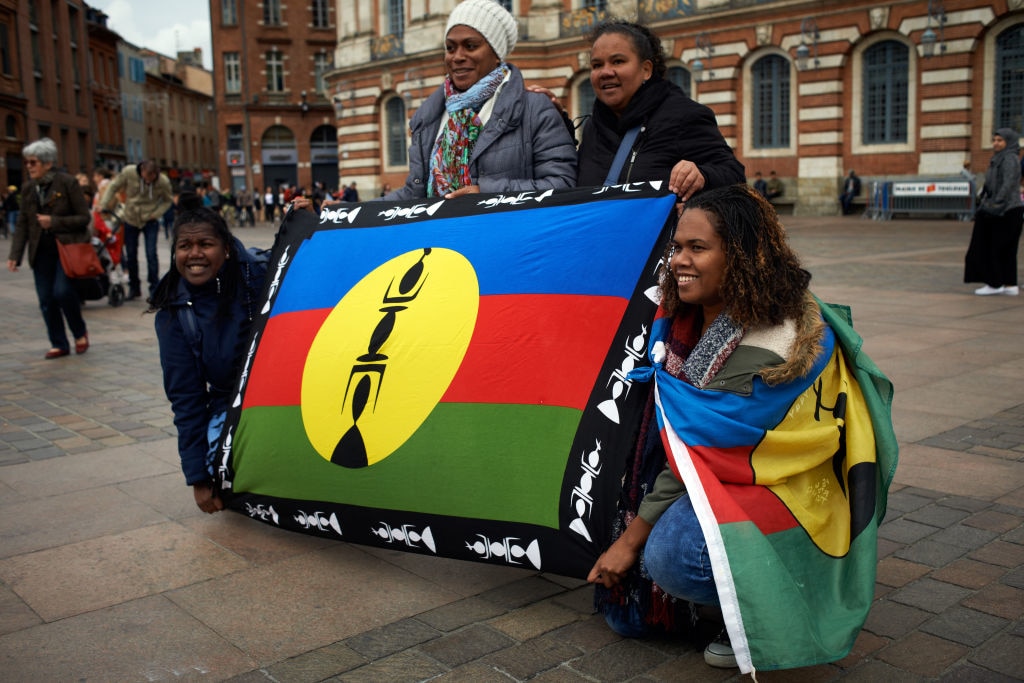
New CaledoniaIn an independence referendum that drew record numbers to the polls, voters in the South Pacific archipelago of New Caledonia voted 56 to 44 percent to remain a French territory. The referendum was the fruit of a 1988 peace accord with the armed Kanak Socialist National Liberation Front (FLNKS). However, the referendum was repeatedly postponed amid controversies over whether only native residents or also French colonists and their descendants would get to vote. Under terms of the 1998 Noumea Accord, only French colonists and descendants already in the territory by that point would be eligible. The indigenous Kanaks now represent only 40% of the territory's population. However, the future of the archipelago is still uncertain. French law allows for a possible second or third vote if the first goes against independence. (Photo: NurPhoto/Getty via SBS News)
South Asia

China expands Indian Ocean military footprint

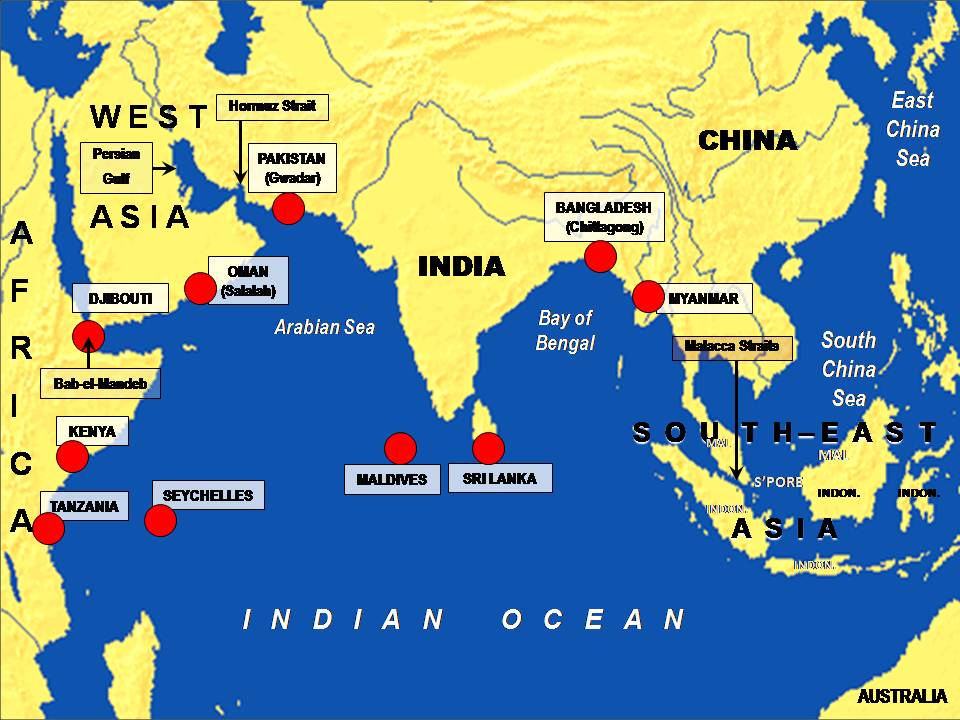
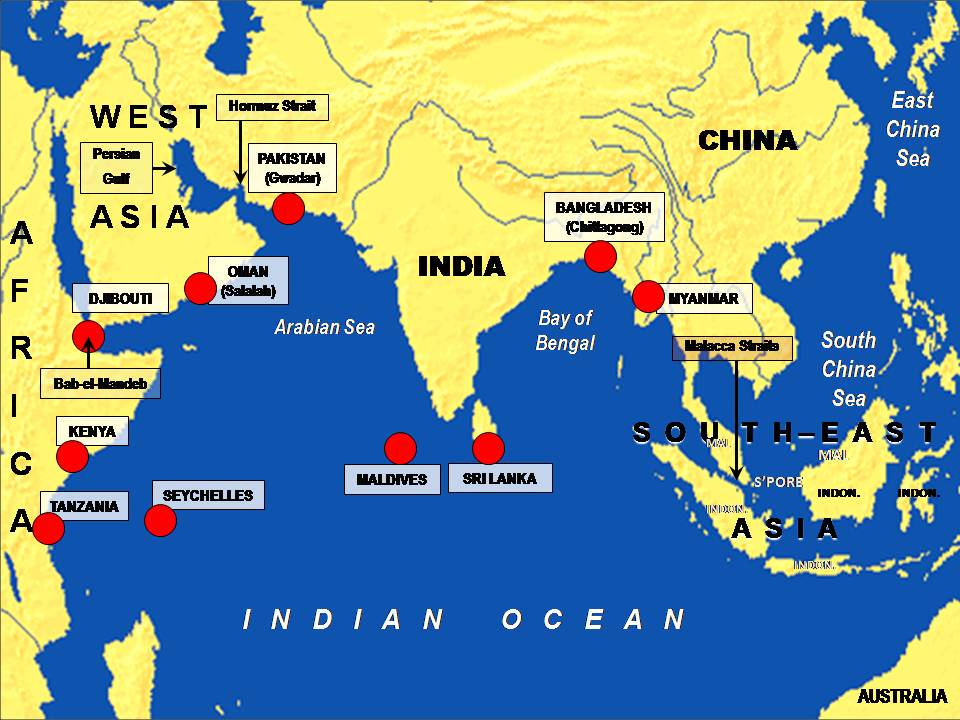
string of pearlsIn addition to stationing troops on the disputed islands it claims in the South China Sea, Beijing is rapidly expanding its network of commercial ports across the Indian Ocean. This comes as China is sending warships into the Ocean with growing frequency, leading to fears that the commercial ports could presage military bases, The latest addition is the port of Hambantota in Sri Lanka, acquired in a debt swap deal—the Colombo government was forgiven $1 billion in debt to Beijing in exchange for the Hambantota facility. China has also gained access to facilities in Burma, Bangladesh, Pakistan, the Maldives, Seychelles and Oman as part of the maritime component of its Silk Road trade and infrastructure initiative. While the Silk Road is an ostensibly civilian project, China has also established its first foreign military base at Djibouti, leading Western wonks to warn that Beijing is seeking a "string of pearls" network of bases across the Indian Ocean.  (Map via CIMSEC)