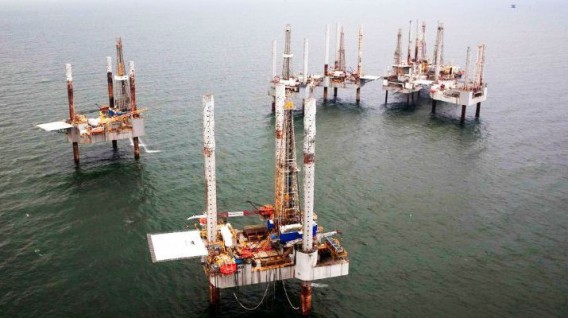


Iraq

Econo-protests rock Iraq’s oil-rich south
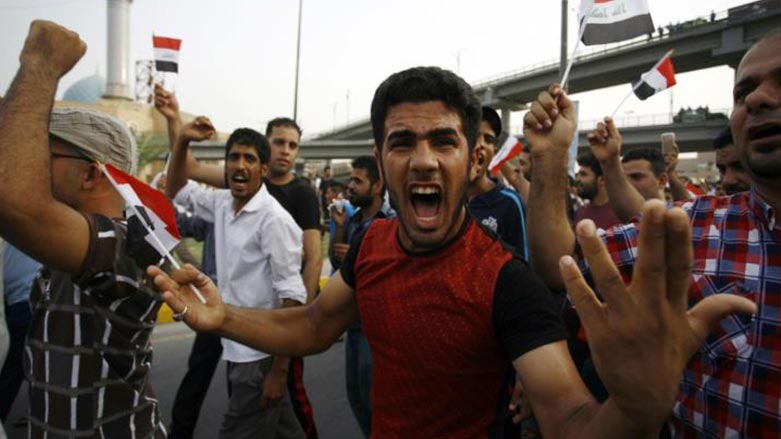
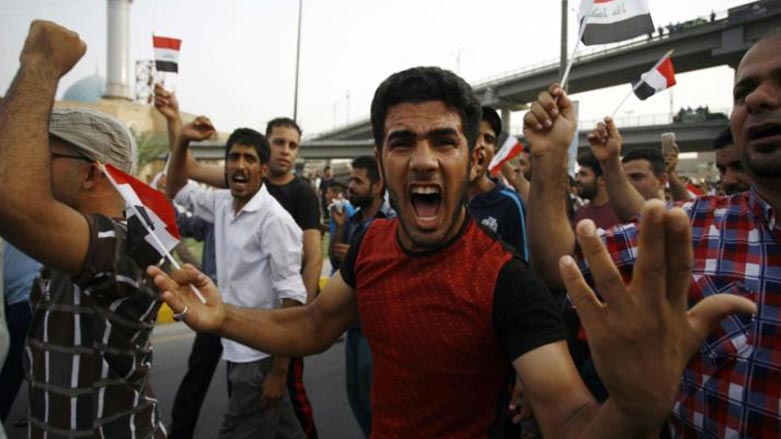
Basra protestProtests against unemployment, poor government services and corruption that began in Iraq's southern oil hub of Basra have spread to several other cities, including Najaf, Amara, Nasiriya and even Baghdad. At least three have been killed since the protests erupted a week ago. Prime Minister Haidar al-Abadi arrived in Barsa to try to calm the situation July 13, flying straight into the city from the NATO summit in Brussels. But the next day he convened a meeting of Iraq's National Security Council, where the decision was taken to cut Internet access in Basra and mobilize army troops to the city. Units from the elite Counter-Terrorism Service and the Army’s Ninth Division have now arrived in Basra. (Photo: Kurdistan24)
South Asia

ISIS terror targets restive Baluchistan

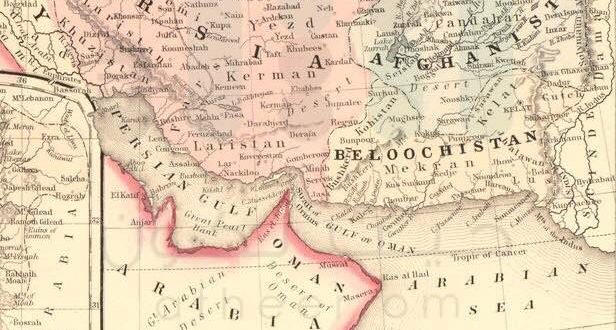
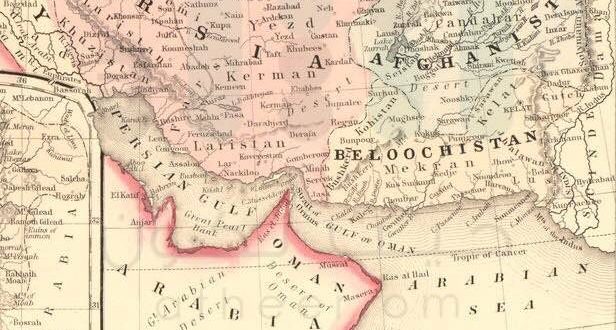
BaluchistanA suicide bomber killed at least 130 at a campaign rally in Pakistan's Balochistan province— the deadliest attack in the country since 2014. A local candidate with the Balochistan Awami Party was among the dead. The local franchise of the Islamic State took credit for the attack. Radio Free Europe portrays the BAP as part of the Pakistani military establishment’s plan to undermine Baluch ethno-nationalist groups. Balochistan province is part of the larger region of Baluchistan, homeland of the Baluch people, long divided between Iran, Pakistan and Afghanistan. There are movements for Baluch independence in each of these countries, but they have been unable to unite across the nation-state boundaries. The attack may point to an ISIS strategy to disrupt electoral ethno-nationalist initiatives, and co-opt the Baluch struggle across all three borders, wedding it to Sunni extremism. (Map via Atheer)

North Africa

Crisis resolved at Libyan oil terminals —for now

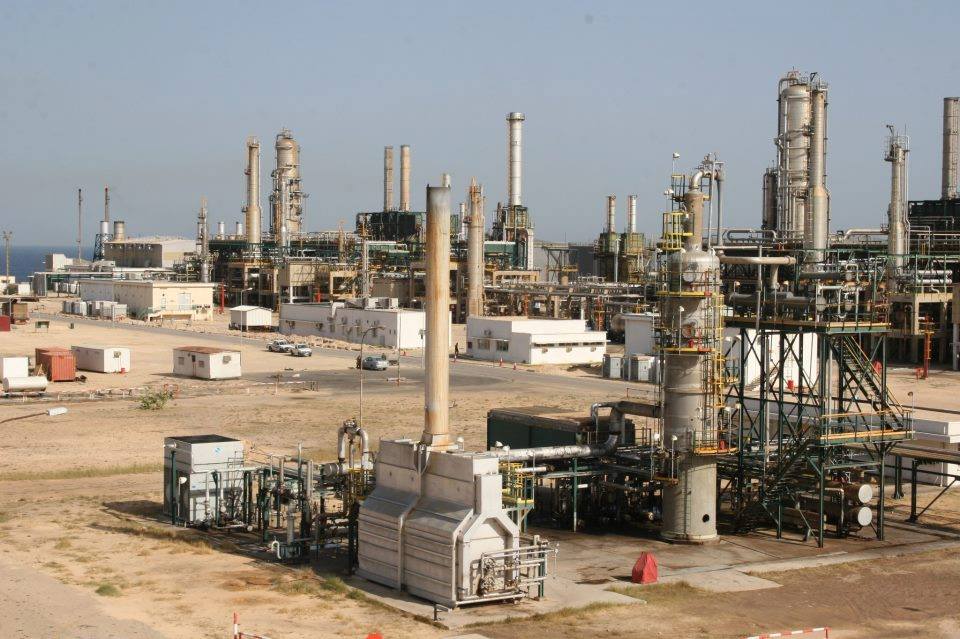
ShararaLibya’s Tripoli-based National Oil Corporation (NOC) lifted the state of force majeure it had declared at four export terminals in the country's eastern "oil crescent," after the forces of eastern warlord Khalifa Haftar agreed to withdraw from the facilities. Exports are set to resume, and global oil prices began to fall as the news broke. The ports were all handed back to NOC control without any obvious concession being made to Haftar. The Guardian reports that Haftar had been pressing privately for Saddek Elkaber, the governor of the Libyan central bank, to step down, claiming that Elkaber was funnelling monies from the oil industry to militias opposed to him. A warning from Donald Trump that he would take legal action against those responsible for the impasse may have prompted Haftar's capitulation. (Photo: Libya Observer)

North America

Bay of Fundy flashpoint for US-Canada war?

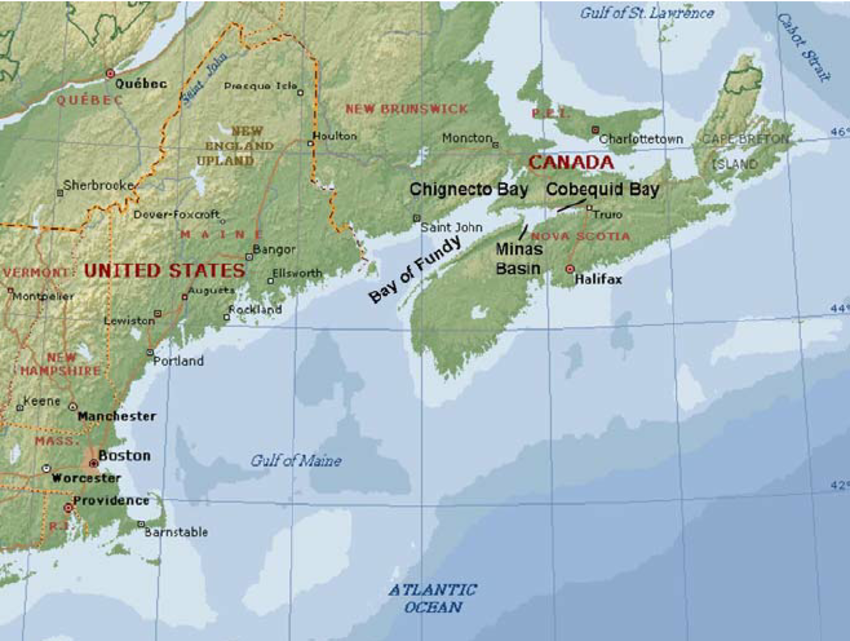
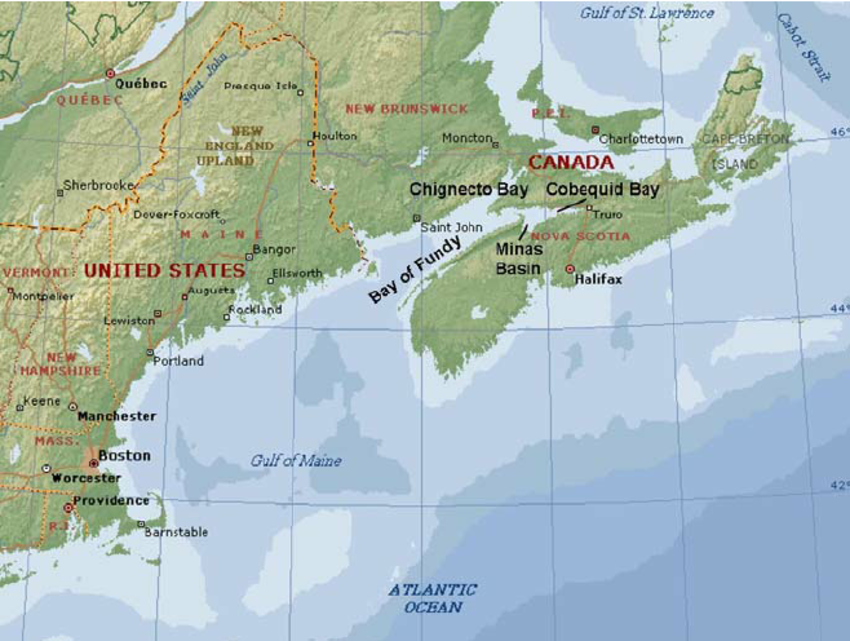
Bay of FundyIn what the New York Times somewhat hyperbolically calls a "clash," US Border Patrol vessels have over the past two weeks stopped at least 10 Canadian fishing boats in the Bay of Fundy between Maine and New Brunswick. Canada has responded by beefing up its Coast Guard patrols in what is being termed a "disputed gray zone" between the two countries' territories. The maritime dispute dates back to the 1783 Treaty of Paris that ended the American Revolution, and is one of several between the US and Canada—including fishing waters at Dixon Entrance between Alaska and British Columbia, and areas of the petroleum-rich Beaufort Sea, near the Arctic Ocean. (Map: ResearchGate)

North Africa

Paralysis at Libya oil ports jacks up global price

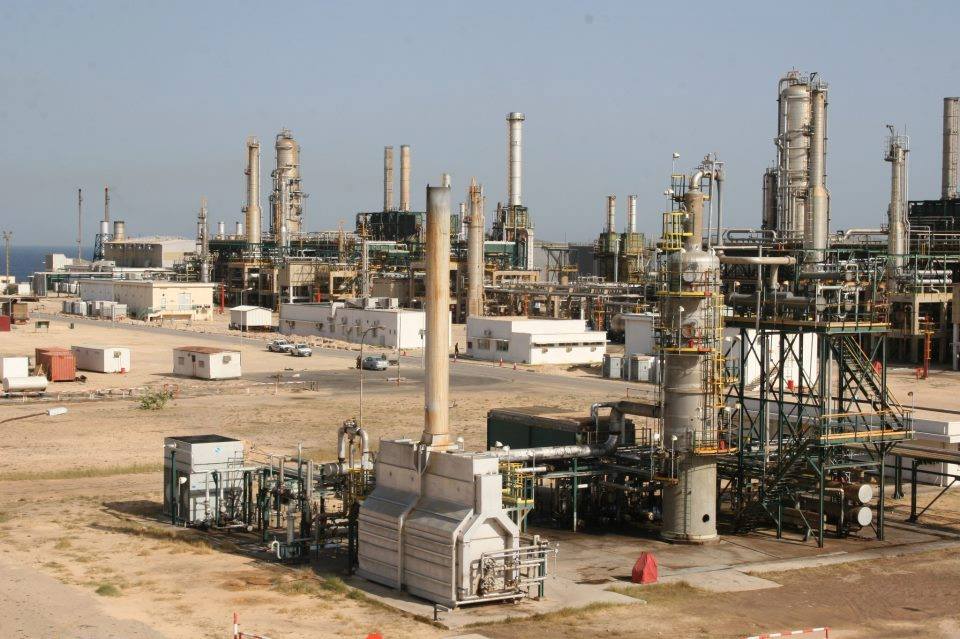
Ras LanufOil prices rose above $75 a barrel for the first time since November 2014, as Libya's National Oil Corporation declared force majeure at its principal oil ports, which continue to be battled over by rival armed factions. Prices for West Texas Intermediate crude rose to $75.27 a barrel before dropping back down to $72.73. After years of depressed global oil prices, analysts are again talking of a possible new "oil shock." Growing tensions between the US and Iran, and other factors, were also cited. Libya's Union of Oil and Gas Workers meanwhile issued a statement saying that the country's oil is the collective property of all Libyans, and should be removed from all political, regional and tribal disputes. (Photo: Libya Observer)

Africa

South Sudan: will ‘permanent’ ceasefire hold?

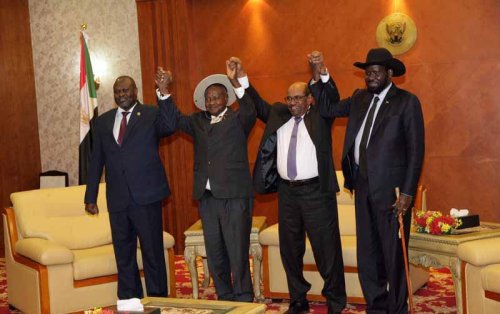
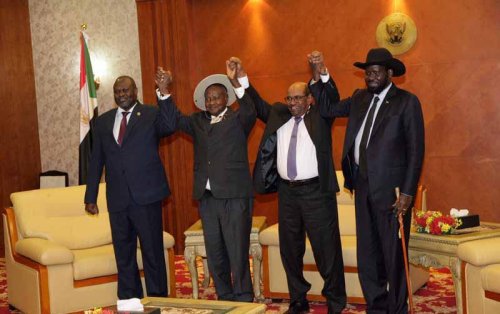
South Sudan peace dealSouth Sudanese President Salva Kiir and his bitter rival and former vice president Riek Machar, now leader of the SPLM-IO rebels, met in the Sudanese capital Khartoum to sign a "permanent" ceasefire agreement, pledging to form an inclusive transitional government. The parties agreed to open humanitarian corridors, release detainees, withdraw troops and militarily disengage. The transitional government is to form a national army and security forces not linked to tribalism. However, the challenges for the 36-month transition period are great. Millions in South Sudan are on the brink of famine, and more than 2.5 million have fled the country. Hundreds of thousands more—mostly members of minority ethnic groups—are internally displaced, with many sheltering in camps administered by the United Nations. Previous efforts at a negotiated peace have broken down. (Photo: Sudan Tribune)

North Africa

‘Disaster’ seen as Libyan oil facility burns

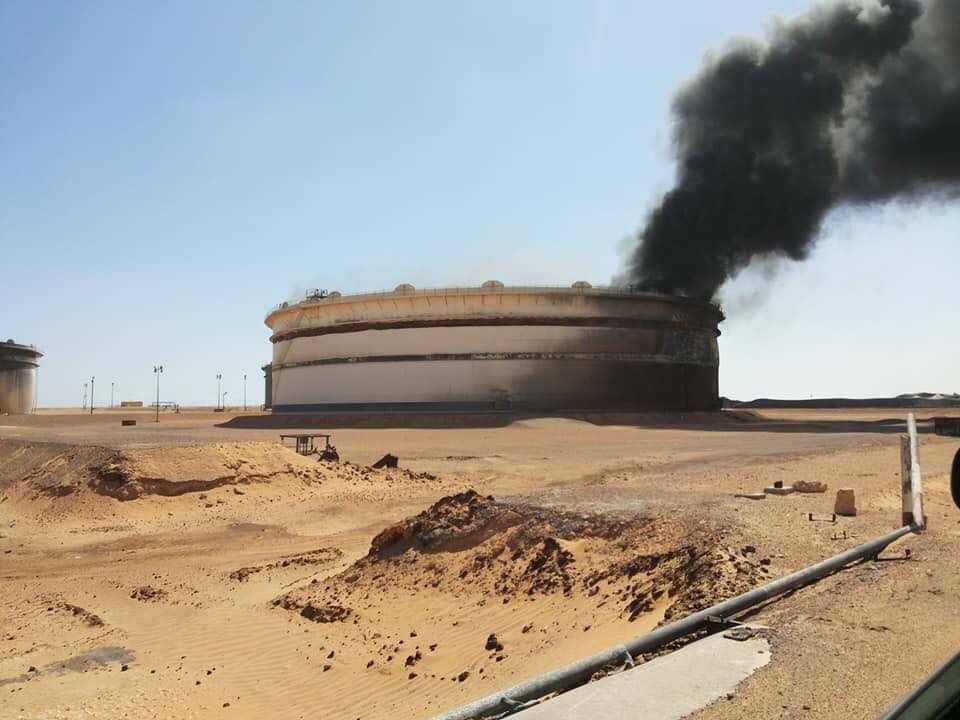
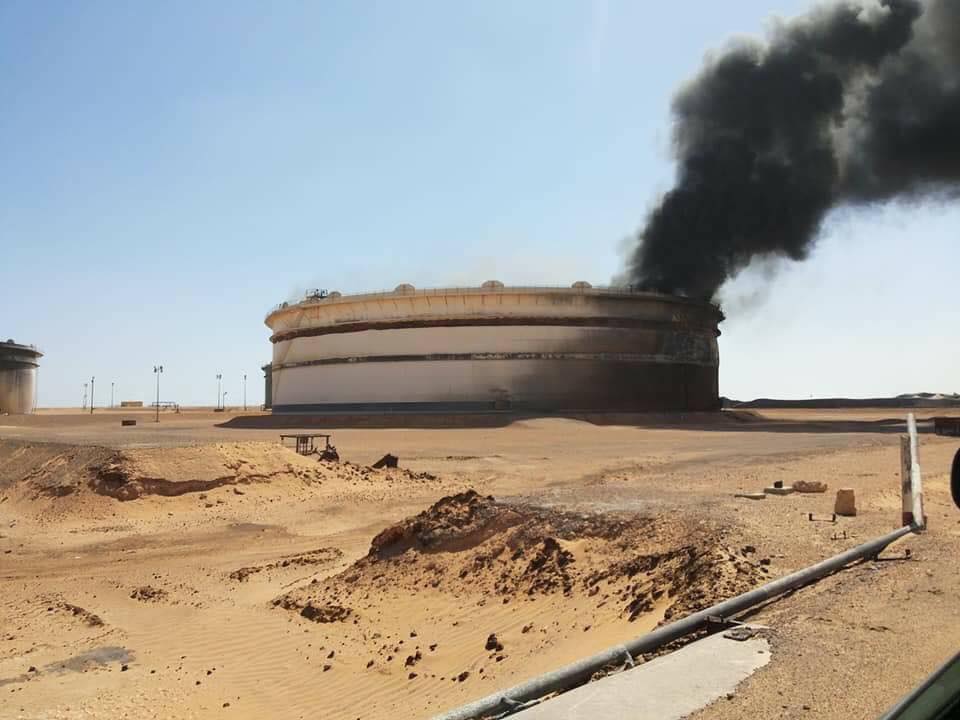
Ras LanufLibya's National Oil Corporation is warning of an "environmental disaster" following clashes at the country's Ras Lanuf oil terminal that set storage tanks on fire. “Further damage to these oil sites could have a huge impact on the Libyan oil sector and the national economy.," the statement said. The Petroleum Facilities Guard launched an operation in Libya's "oil crescent" last week to take the Ras Lanuf and Sidra terminals from the Operation Dignity militia alliance, which they termed a “a terrorist entity.” Operation Dignity and the affiliated "Libyan National Army," led by commander Khalifa Haftar, are loyal to Libya's unrecognized eastern government. (Photo: Libya Observer)

The Andes

‘Gasolinazo’ protests rock Peru

gasolinazoHundreds marched on Peru's Congress building, in a rally that ended in clashes with the riot police in Lima's central Plaza San Martín, and a police car set on fire. The "Shut Down Congress" (Cierren el Congreso) mobilization was called to protest both economic austerity and official corruption, and came amid new revelations of vote-buying. It was the second such march since May 31, which saw a similar mobilization in downtown Lima. The press has dubbed the protest wave the "gasolinazo," as the high price of petrol (despite depressed global oil prices) is a key grievance. (Photo: @dbedoya08 via Debate)

Syria

Assad turns oil over to Putin for military protection

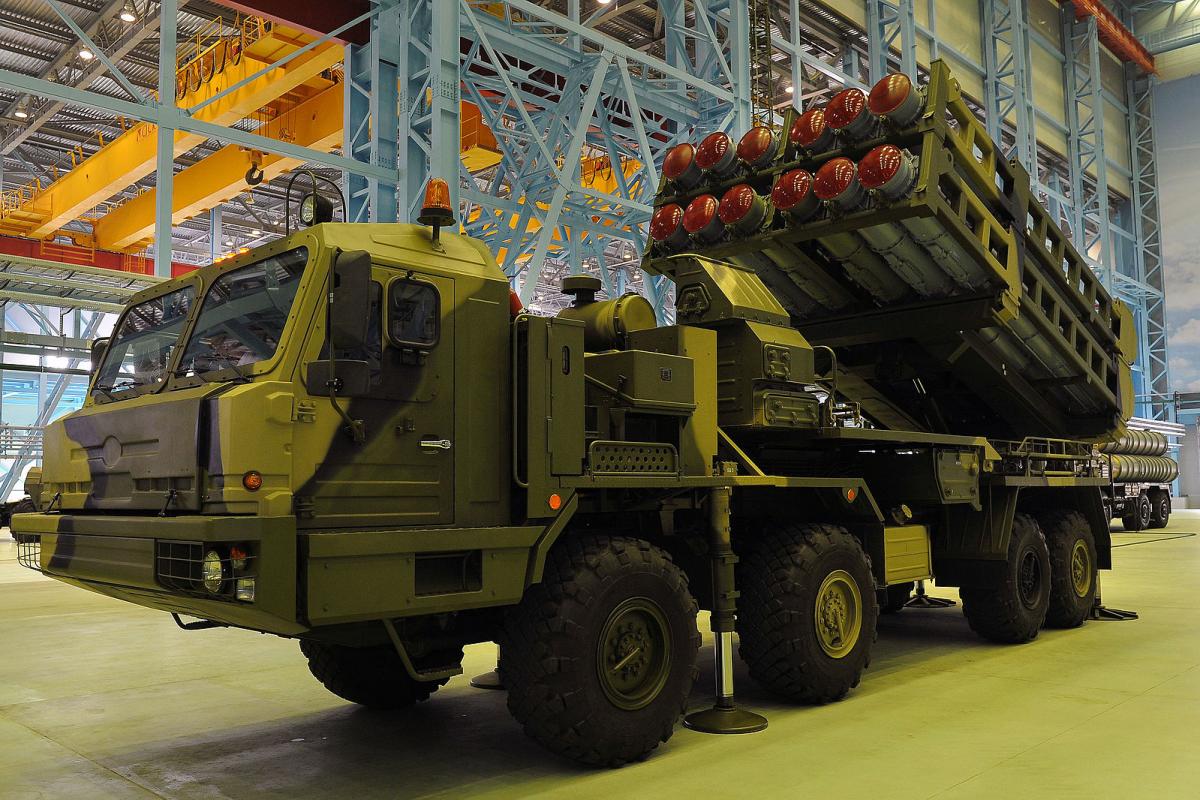
VityazBashar Assad arrived in Russia to publicly thank Vladimir Putin for his military support in the ongoing re-conquest of Syria—prominently including the deployment of new missile systems. Undoubtedly discussed behind closed doors was the  new "energy cooperation framework agreement" between Moscow and Damascus, under which Russia is to have exclusive rights to exploit oil and gas in Syria. (Photo of Vityaz missile launcher via Wikipedia)

Iran

New oil shock feared in wake of Iran debacle

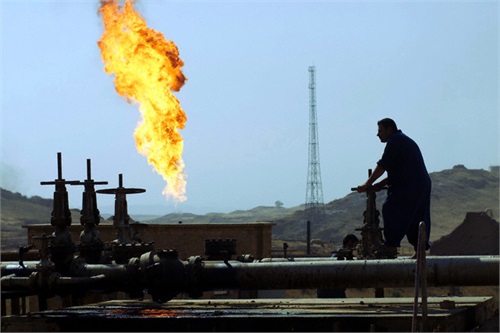
Iran oilAfter all the talk we've heard in recent years about how depressed oil prices are now permanent, in the wake of Trump's announced withdrawal from the Iran nuclear deal Bank of America is predicting that the price of Brent crude could go as high as the once-dreaded $100 per barrel in 2019. The report also cited collapsing production in Venezuela due to the crisis there. Brent prices have risen above $77 per barrel since Trump's announcement. Prices have jumped more than 8% over the past month and 15% since the beginning of the year. According to the analysis, investors fear that renewed sanctions on Iran could lead to supply disruptions. Although the report failed to mention it, the Israeli air-strikes on Iranian targets in Syria have doubtless contributed to the jitters.  (Photo: Shana)

The Andes

Oil contracts at issue in Peru political scandal

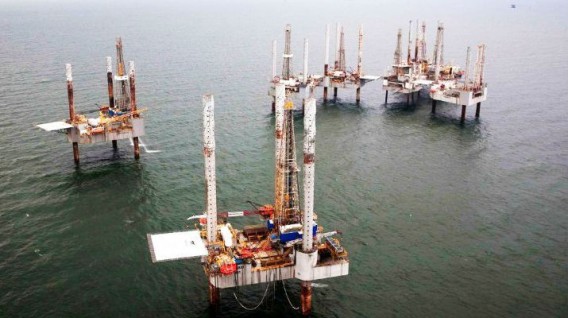
offshore PeruSeemingly irregular oil contracts have emerged as a factor in the ongoing political scandal that last week brought down Peru's president Pedro Pablo Kuczynski. Following accusations from left-opposition congressmembers, state agency PeruPetro admitted that hours before leaving office, Kuczynski had issued a Supreme Decree initiating the process of approving five offshore oil concessions with a private company—but without the involvement of PeruPetro in vetting the contracts, as required by law. Calling the deals "lobista," Dammert is demanding that new President Martín Vizcarra declare the contracts void. (Photo: Gestión)

North Africa

Environmental protester shuts Libyan oil-field

ShararaThe company operating Libya's biggest oilfield, Sharara, announced that it had been shut down after a citizen closed the pipeline that pumps the field's oil. The field is run by a joint venture between Libya's National Oil Corporation and several multinationals. The individual claimed the pipeline caused environmental damage to his lands, and had also closed the pipeline last year to press his demands for a clean-up. With this latest closure, Libya's oil output dropped to a six-month low of 750,000 barrels per day. National Oil Corporation chairman Mustafa Sanallah described those who shut down oil-fields as "terrorists." (Photo: Libya Observer)