Syria
Suwayda

Fighting again erupts in Syria’s Suwayda
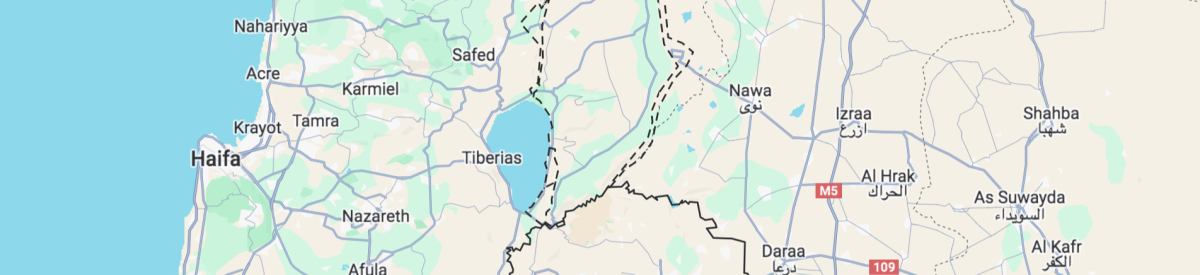
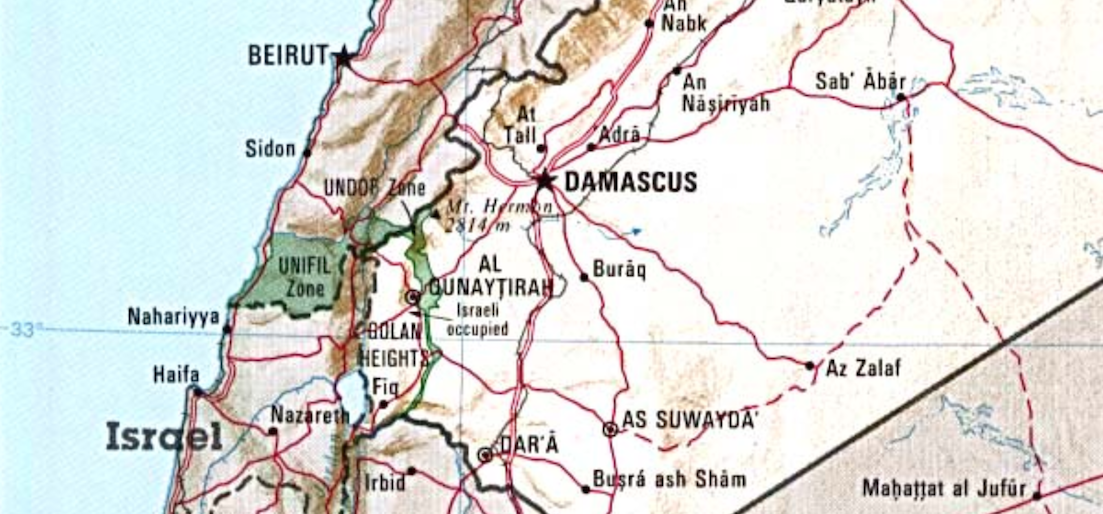
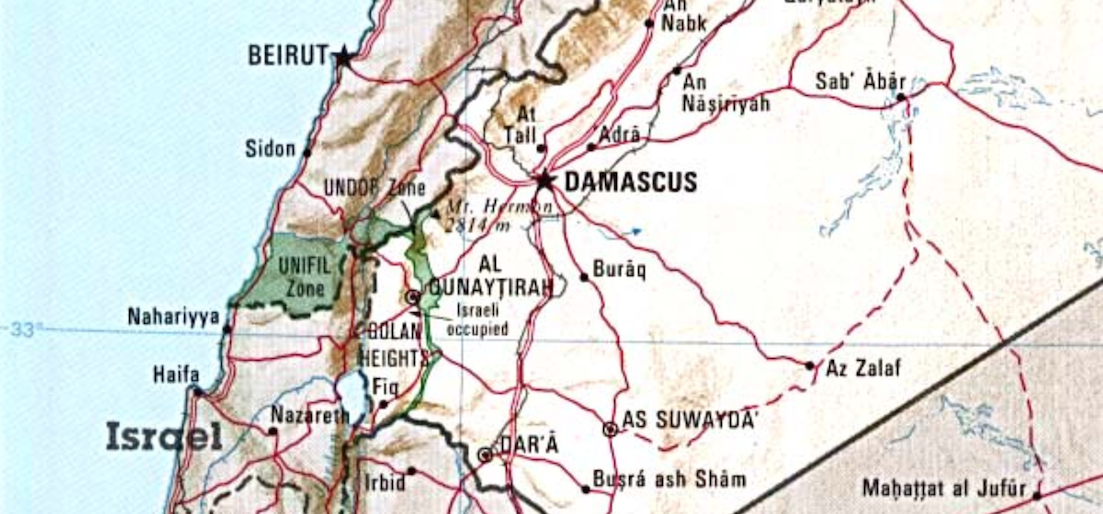
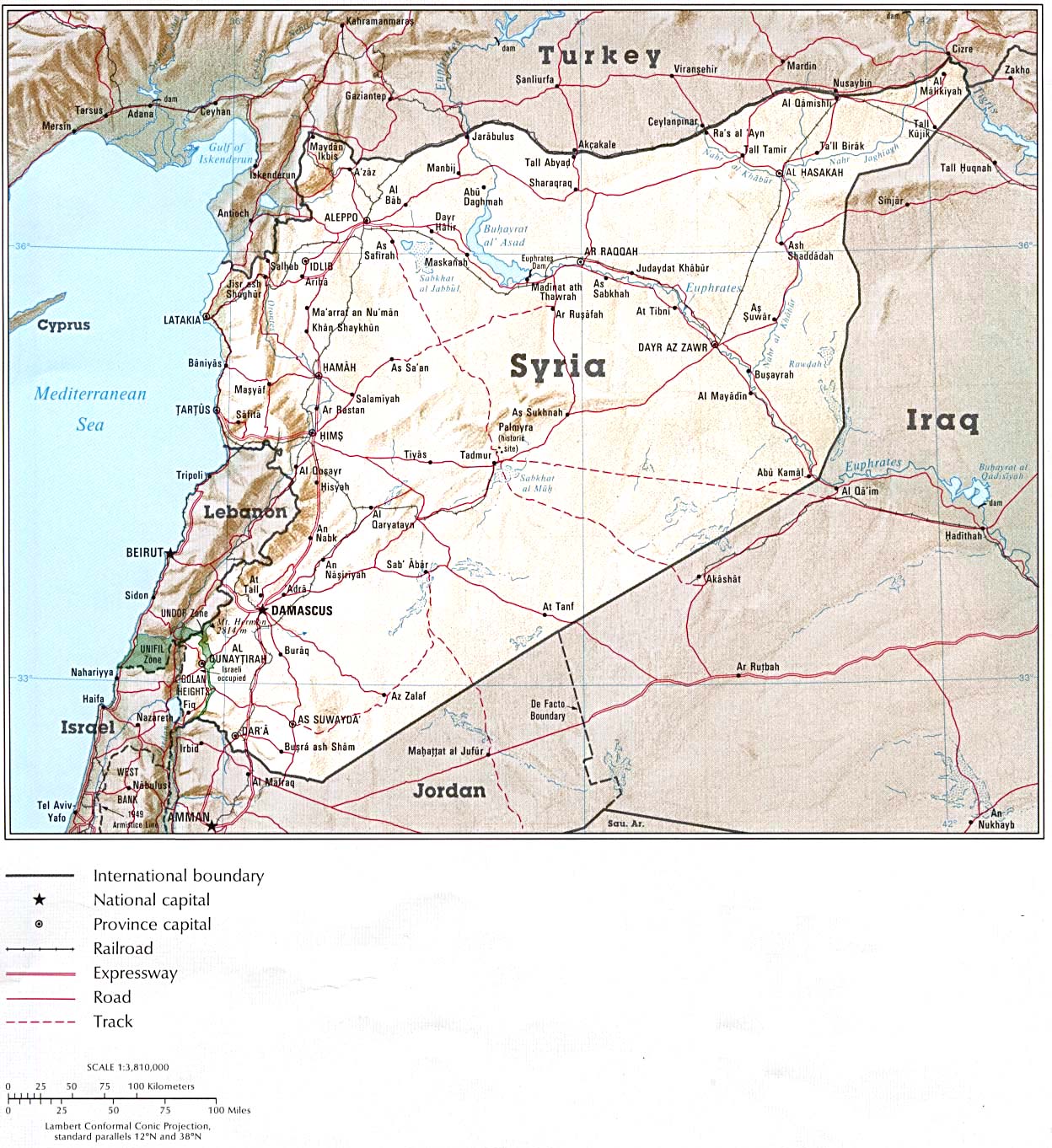
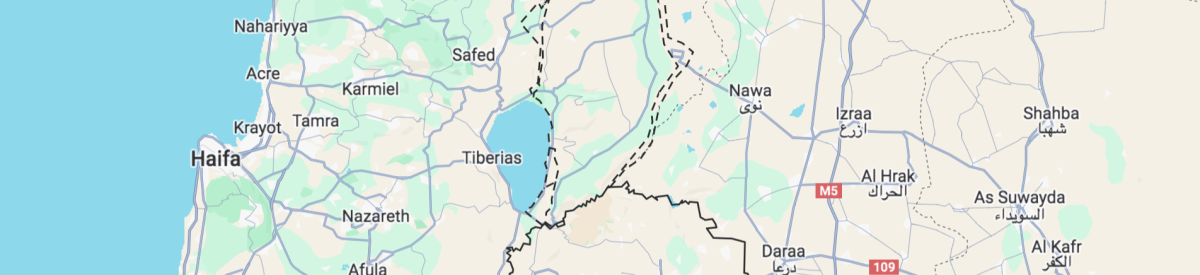
Clashes broke out in Syria’s southern as-Suwayda province between the central government’s Internal Security Forces and Druze armed groups affiliated with the region’s self-declared “National Guard.” Fighters from the Guard’s “501 Knights of Hamza” battalion attempted to advance toward government lines in the governorate’s western countryside under heavy cover fire, including from truck-mounted machine-guns and rocket-launchers. Government forces responded with mortar fire. Since the fall of the Bashar Assad dictatorship in December 2024, Israel has occupied large areas of eastern as-Suwayda, and is believed to have dropped arms to Druze fighters in the region. The province has been effectively divided since fighting broke out last year between Druze militia and central government forces and their local Bedouin allies. (Map: Google)
Syria
Iran

Podcast: the new Syria in the Great Game

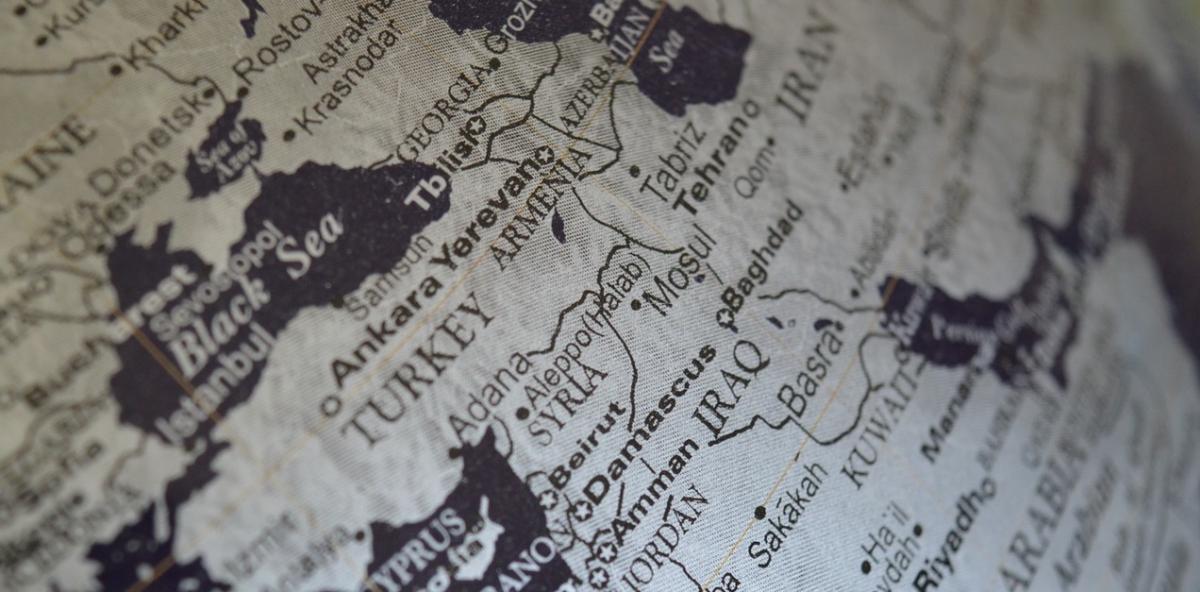
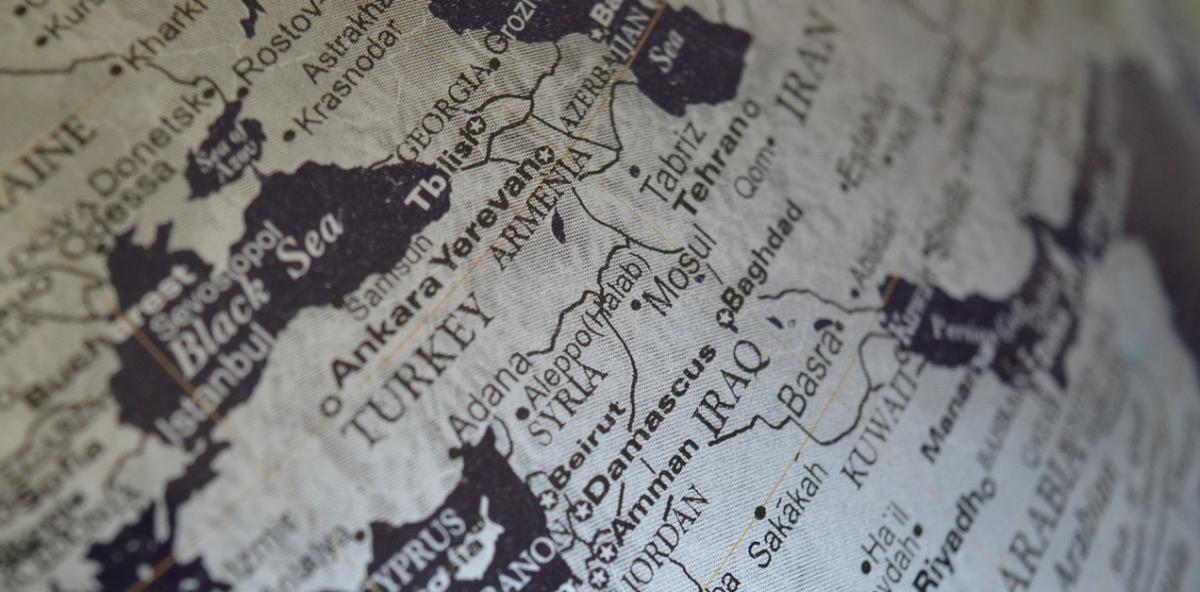
Syrian interim president Ahmed al-Sharaa’s White House meeting with Donald Trump followed the removal of his Hayat Tahrir al-Sham (HTS) from the list of designated “terrorist organizations” both at the State Department and at the UN. It also coincided with raids against ISIS by his security forces, raising the prospect of his government being invited to join the US-led Global Coalition to Defeat ISIS. The Washington visit also came just a month after al-Sharaa’s similar trip to meet Vladimir Putin in Moscow, where a deal was brokered allowing Russia to keep its military bases in Syria. Amid all this, Syria continues to see forced disappearances and other abuses targetting Druze, Alawites and Kurds—pointing to the looming threat of an ethnic or sectarian internal war. The US troop presence in Syria is largely embedded among the Kurdish forces in the east. As al-Sharaa becomes a new “anti-terrorist” partner (or proxy) for the Great Powers, will these troops be withdrawn—providing a “green light” for Damascus to attack the Kurdish autonomous zone? In Episode 305 of the CounterVortex podcast, Bill Weinberg weighs the risks at this critical moment in Syria’s transition process, nearly one year after the fall of the Assad dictatorship. (Image: Pixabay)

Planet Watch
Wiphala

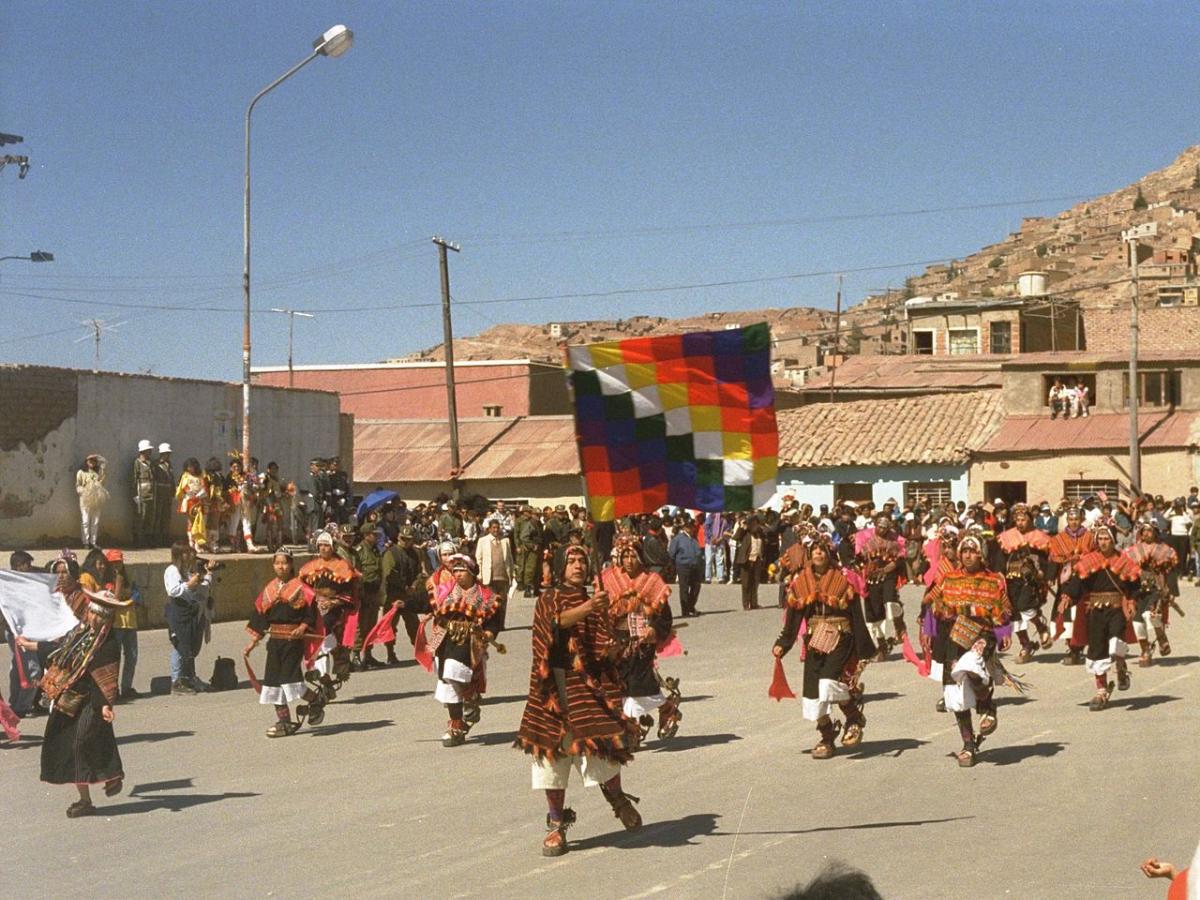
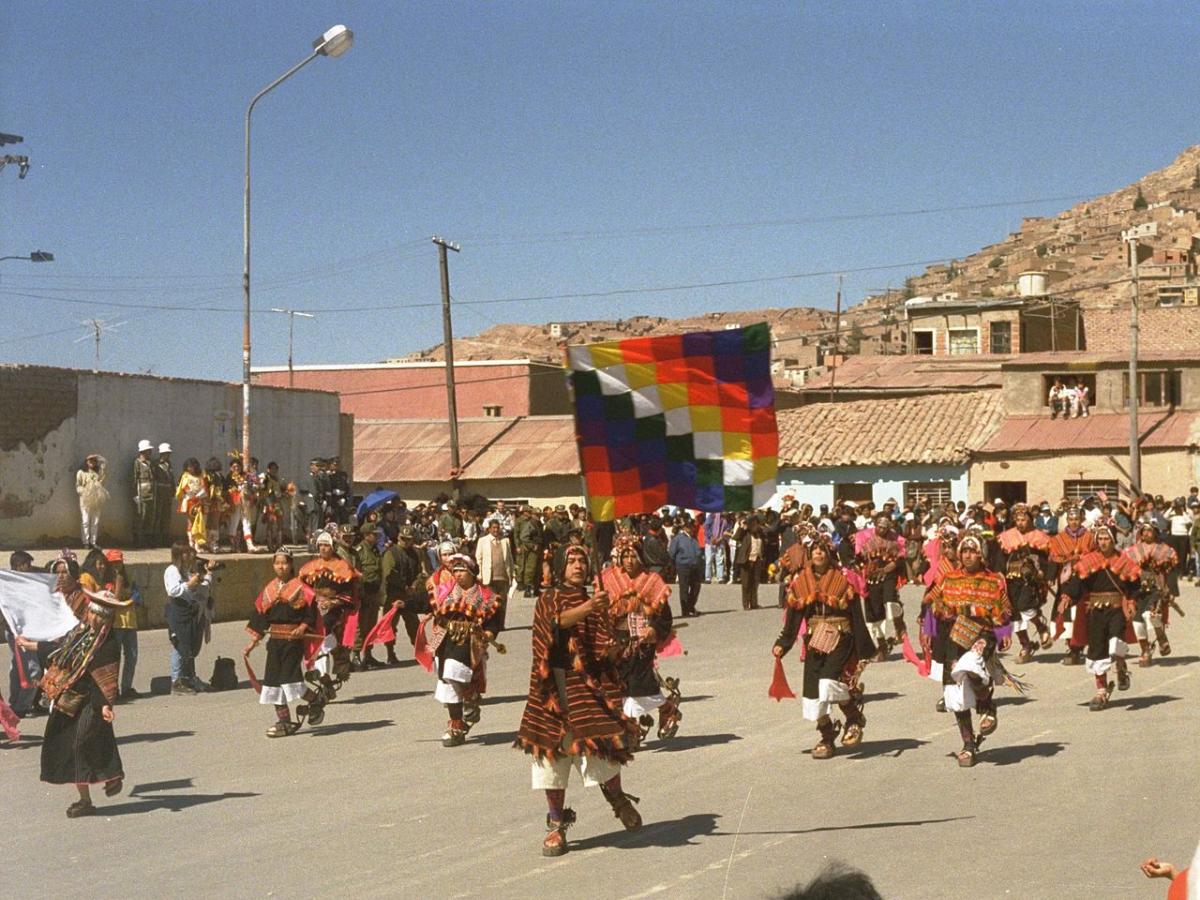
Bolivia, Syria & the challenge of plurinationalism

The recent political reversal in Bolivia raises the question of whether the advances of nearly 20 years of rule by the indigenist left will survive—including a constitution that refounded the state as a “plurinational” republic. In Episode 299 of the CounterVortex podcast, Bill Weinberg explores how the lessons of the Bolivian experience can be applied to Syria, where the new revolutionary government faces a challenge in Kurdish and Druze demands for regional autonomy. (Photo: Aymara march in Oruro, Bolivia. Via Wikipedia)

Syria
Syria

Syria: perilous ‘roadmap’ to reconciliation with Druze

Syria, Jordan and the United States jointly announced a “roadmap” to resolve the ongoing crisis in the southern Syrian province of as-Suwayda, where July clashes between Druze and Bedouin forces escalated to sectarian killings and mass displacement. The plan seeks to strengthen a fragile ceasefire, let UN investigators look into the July events while holding perpetrators accountable under Syrian law, allow aid deliveries, and facilitate the return of some 160,000 people who remain displaced. However, some Druze leaders have rejected the plan. Sheikh Hikmat al-Hijri ruled out negotiations with the government, while adding: “I thanked Israel because it defended us and provided us with protection.” His followers have announced the creation of a “National Guard” for as-Suwayda region, which according to regional media reports has received thousands of light arms from Israel. (Map: PCL)

Palestine
Gaza

UN decries ‘weaponized hunger’ in Gaza —again

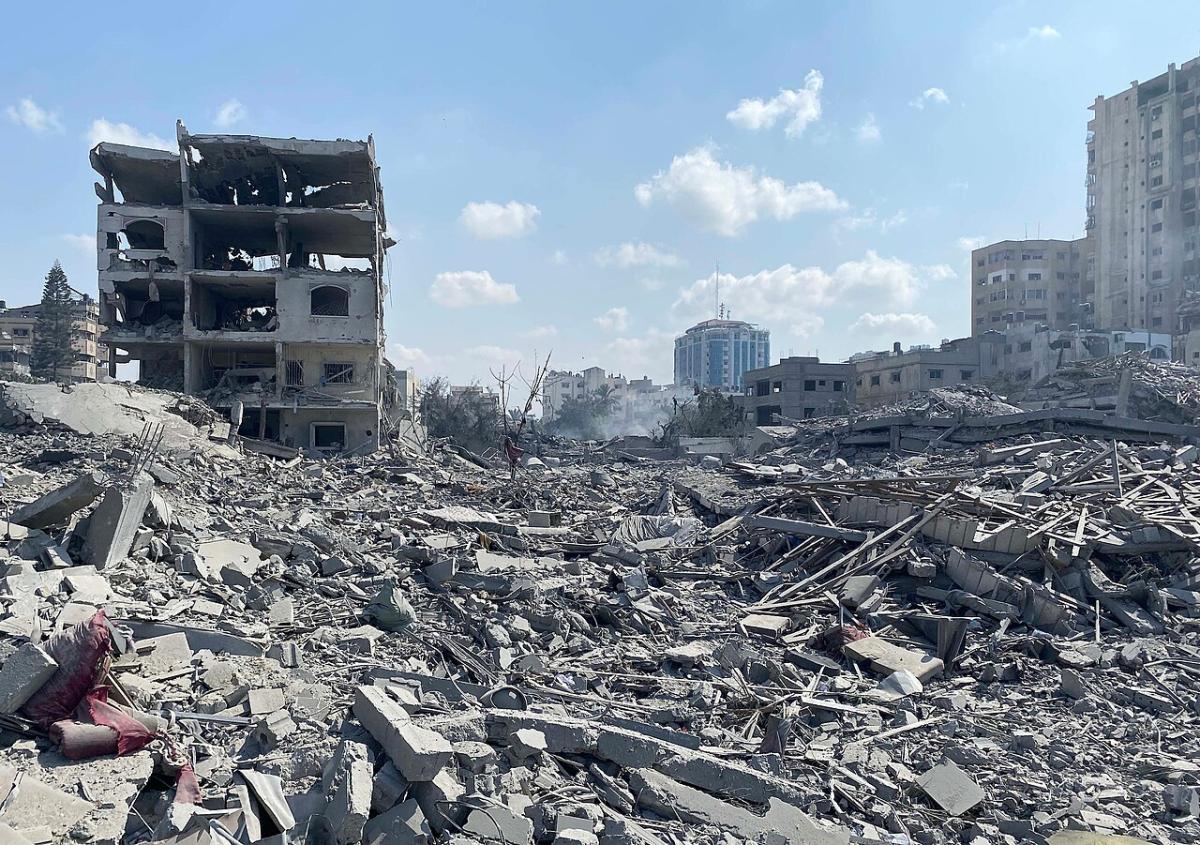
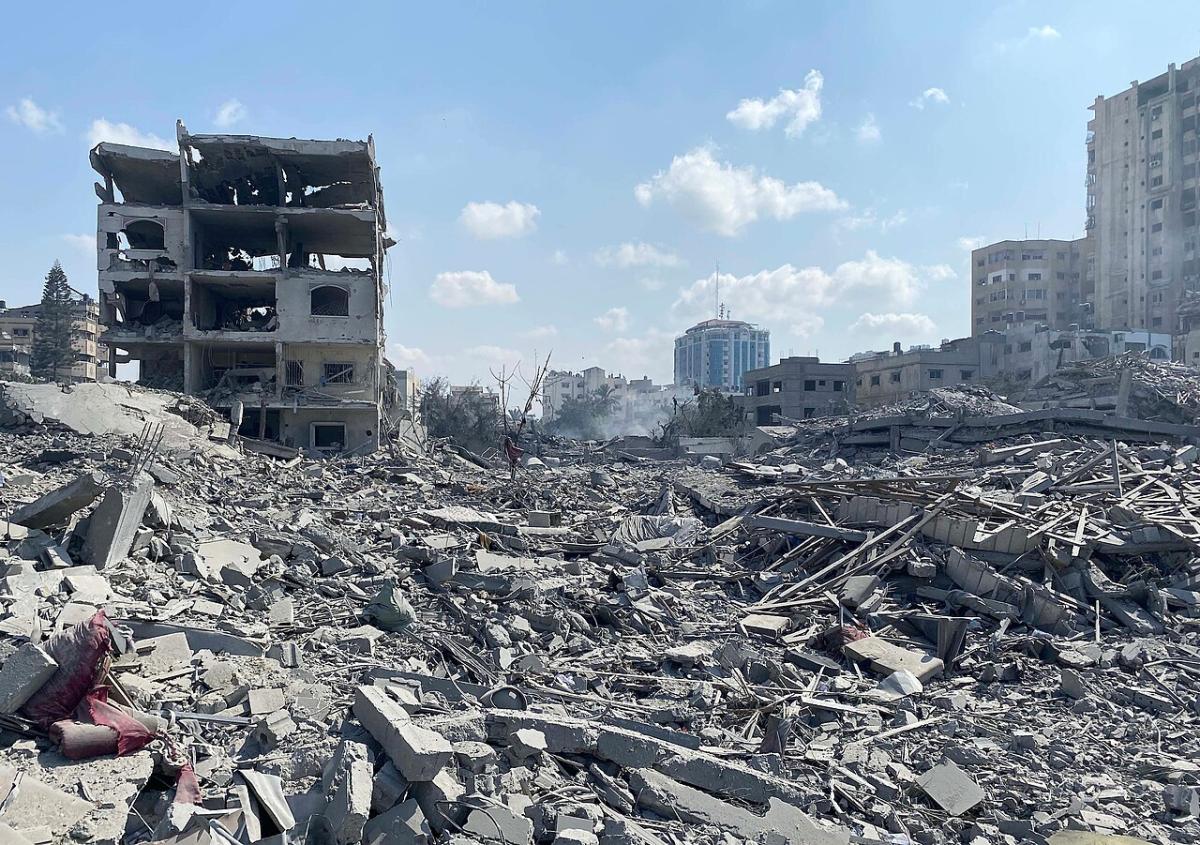
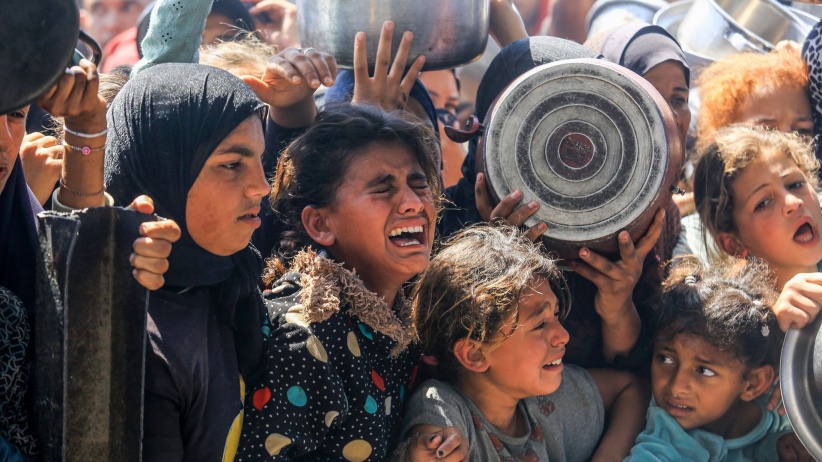
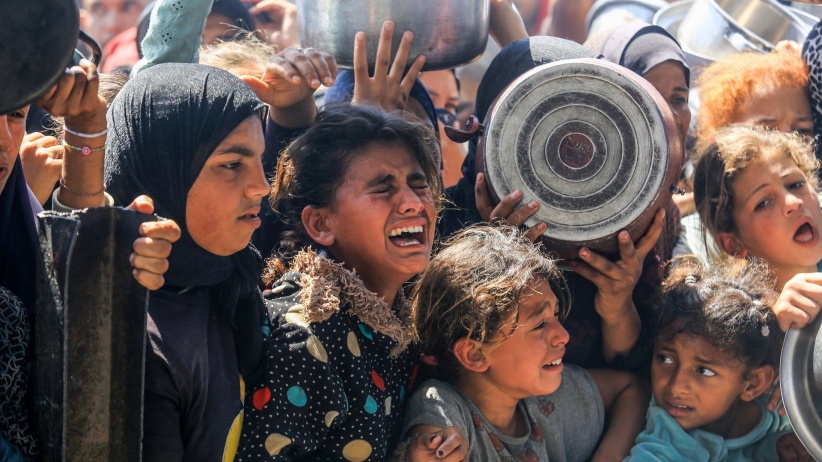
Several United Nations agencies condemned the use of starvation as a weapon of war, as malnutrition rates in Gaza spike under Israeli siege. During the UN Food Systems Summit Stocktake taking place in Addis Ababa, Ethiopia, Secretary-General António Guterres stressed: “Hunger fuels instability and undermines peace. We must never accept hunger as a weapon of war.” Guterres’ statement follows Israel’s decision to permit a one-week scale-up of humanitarian aid into the Gaza Strip, where famine conditions now prevail. UN agencies welcomed the easing of aid restrictions and so-called “humanitarian pauses” in the ongoing bombardment; however, as emphasized by UN Emergency Relief Coordinator Tom Fletcher: “This is progress, but vast amounts of aid are needed to stave off famine and a catastrophic health crisis.” (Photo: Maan News Agency)

Syria
Damascus

Syria: revolution on the razor’s edge

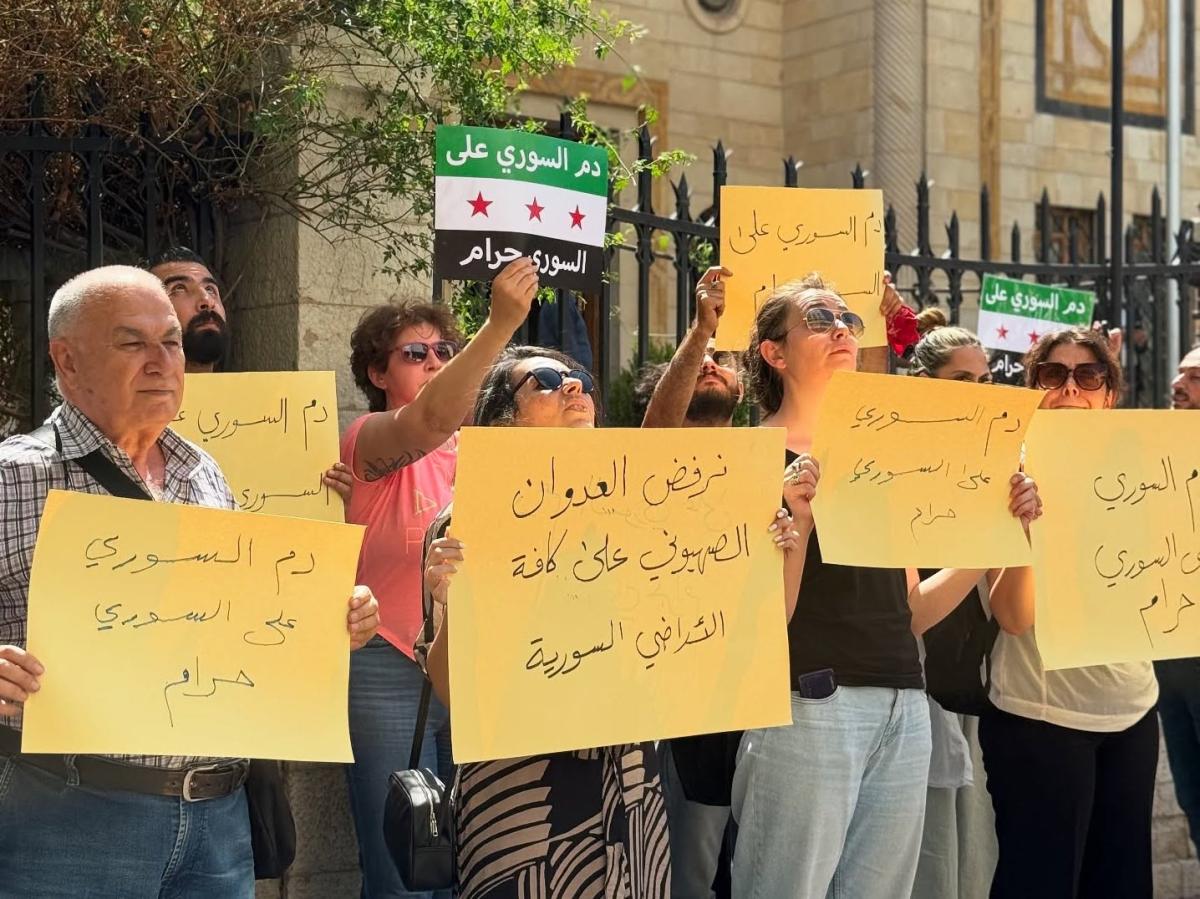
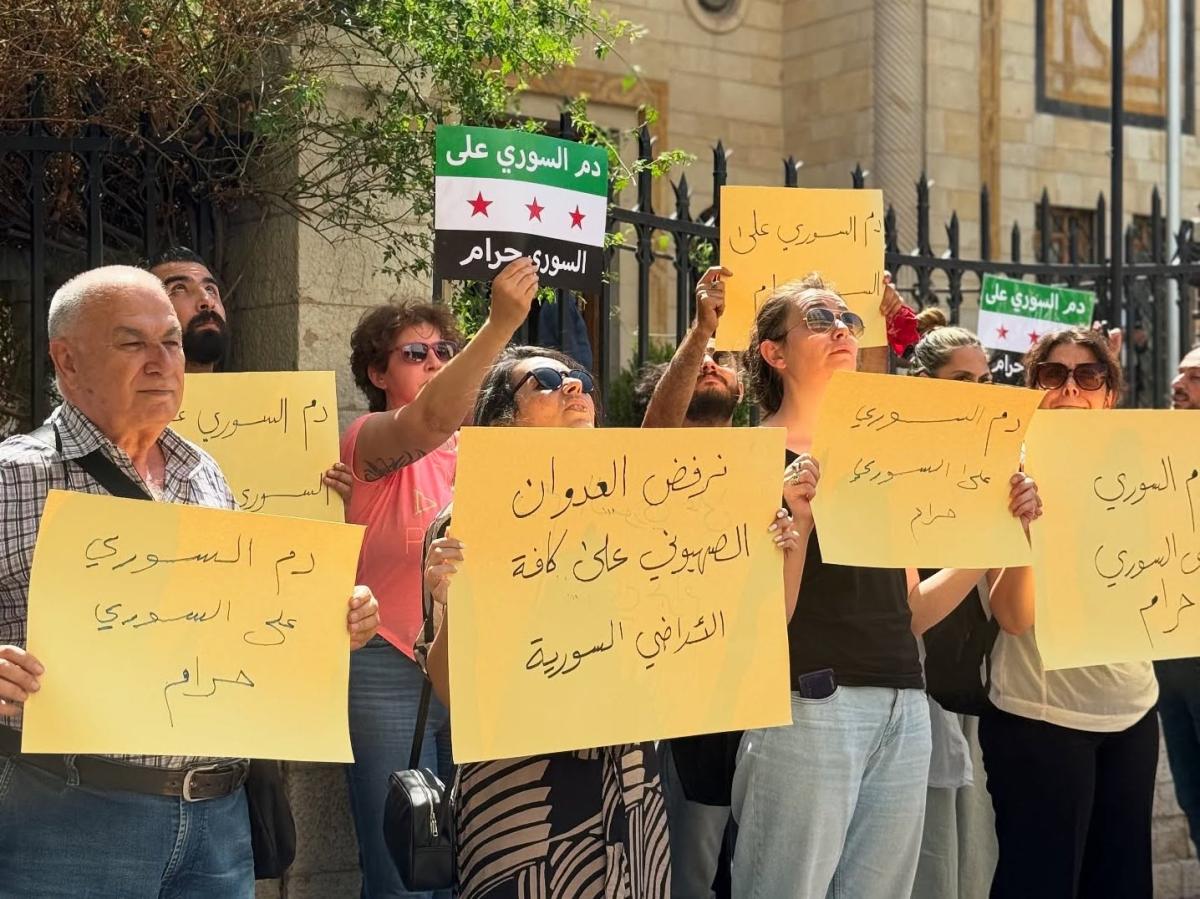
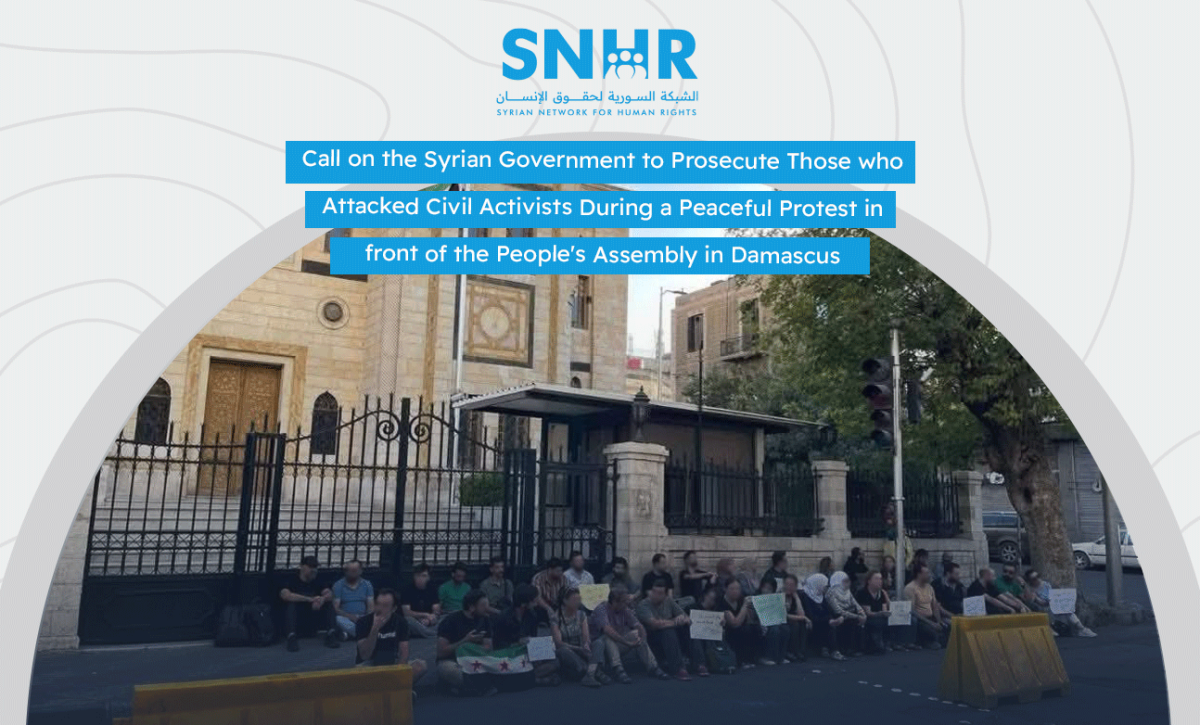
The investigation by the Syrian transition government into the March violence against the Alawites in Latakia province has been submitted—but the full findings have not been made public, and it apparently exonerates the government of involvement. Meanwhile southern Suwayda province has seen a perhaps even deadlier eruption of violence—this time pitting Druze against Bedouin, with the role of the government similarly the source of much contestation (and fodder for Internet partisans). And a Damascus protest against the violence and for co-existence was attacked by goons. Amid all this, Israel is militarily intervening, the government looks to Turkey for military aid, and both the US and Russia still have forces on the ground—treating the country as a Greet Power chessboard. In Episode 288 of the CounterVortex podcast, Bill Weinberg warns that the Syrian Revolution is poised on a razor’s edge, ready to descend into ethno-sectarian war and authoritarianism unless political space can be kept open for the secular-democratic civil resistance that began the revolution 14 years ago. (Image: Banners read “Syrians must not shed Syrian blood” and “We reject Israeli aggression against Syria.” Credit: The Syria Campaign via Facebook)

Syria
Suwayda

Syria: Israel intervenes amid Druze-Bedouin fighting

Days of clashes between Bedouin tribes and local fighters in the predominantly Druze city of Suwayda in southern Syria left some 300 dead before a ceasefire was brokered by the government. Amid the fighting, Israeli warplanes bombed Syrian government tanks as they advanced on Suwayda, and also struck military targets around Damascus. Some 1,000 Israeli Druze also amassed on the Purple Line, separating Israeli-controlled and Syrian-controlled territory in the Golan Heights, saying they were prepared to cross over to protect their brethren in Suwayda. IDF Brig. Gen. (res.) Amal As’ad, a prominent member of Israel’s Druze community, accused Syrian transitional president Ahmed al-Sharaa of seeking to “eliminate the Druze,” and criticized Israel for seeking peace with Damascus even amid the attacks. (Map: Google)

Palestine
settlement

Annexation agenda escalates West Bank conflict

The Israel Defense Forces killed four Palestinians in an air-strike on the village of Siir, in Jenindistrict of the occupied West Bank. The Palestinian Red Crescent reported that Israeli forces “prevented our teams from reaching the bombing site,” declaring it a “closed military zone.” Two days later, an IDF drone strike near the village of Aqaba in the Jordan Valley left two dead. The IDF again reportedly prevented ambulances from reaching the site. Two days after that, fire-fights erupted in Jenin as Palestinian Authority security forces responded to the theft of military equipment. A PA statement said “a group of outlaws opened fire on the headquarters of the security services” and stole two vehicles. Despite the designation of “outlaws,” the vehicles were reportedly paraded through the streets by a band flying the flags of Islamic Jihad and Hamas. Sen. Tom Cotton (R-AR) has meanwhile introduced legislation to bar use of the term “West Bank” by the US government in favor of the official Israeli designation “Judea & Samaria.” (Photo: delayed gratification via New Jewish Resistance)

Greater Middle East
Palestine

From Palestine to Iran: free the land

In Episode 160 of the CounterVortex podcast, Bill Weinberg notes hideous ironies in the current horrific headlines. Russia was excluded from the official commemorations of Holocaust Day at Auschwitz-Birkenau as it pursues its war of aggression and extermination in Ukraine in the perverse name of “de-nazification.” But Israeli flags were of course displayed at the commemoration—even as Israel escalates toward a genocidal solution to the Palestinian question. The fundamental contradiction driving the conflict is the expropriation of the Palestinian people of their lands, and the denial of their self-determination by Israel. The emergence of an explicitly anti-Zionist bloc in the protests against the new far-right government in Israel is a sign of hope. The US, however, is undertaking its biggest joint military exercises ever with the new Israeli regime, despite Biden’s supposed rejection of its extremist policies of settlement expansion and annexation—viewing the Jewish State as a strategic ally against the Islamic Republic of Iran. Meanwhile, the oppressive regime in Iran treats minority peoples such as the Kurds, Baluch, Ahwazi and Baha’i much as Israel treats the Palestinians. Listen on SoundCloud or via Patreon. (Photo: B’Tselem)

Palestine
bedouin protest

Bedouin land protests rock the Negev

As part of a “forestation” plan, Israel’s Jewish National Fund began clearing cultivated lands at the “unrecognized” Bedouin village of Sawa in the Negev desert, sparking angry protests by the villagers. The protests started as villagers and Bedouin leaders expressed their objections the JNF plan to plant trees on an area of 5,000 dunums (1,250 acres), much of which had been planted with wheat only a few months ago. Things escalated as tractors arrived at the area to begin clearing the fields, and villagers physically resisted. Police detained 18 local youth for throwing stones. Protests continued for the following two days, with the security forces firing rubber-coated bullets, tear-gas and malodorous “skunk water,” causing several injuries. (Photo: WAFA)

Iraq
Yazidis

Yazidis call Middle East indigenous alliance

In a meeting hosted by the Yazidi autonomous territory of Ezidikhan in northern Iraq, representatives of tribal peoples and ethnic minorities from across the Middle East and North Africa agreed on a framework for a region-wide alliance of stateless nations struggling for self-determination and autonomy. The meeting at the Ezidikhan seat of Shingal was attended by representatives of the Mandaeans and Zoroastrians as well as Yazidis. Messages of support were also sent by the Shabaks of Iraq, Ahwazi Arabs of Iran, Berbers of Libya, and Palestinian Bedouins residing in the state of Israel. Delegates announced formation of a Confederation of Indigenous Nations of the Middle East open to all stateless peoples of the region. The Confederation pledges to seek greater recognition for stateless peoples of the Middle East at the UN Permanent Forum on Indigenous Issues, and to seek redress for persecution, exclusion and genocide. (Photo of Yazidi delegates: Ezidikhan.net)

Palestine

Israeli forces demolish Bedouin village —again

Israeli forces demolished the "unrecognized" Bedouin village of al-Araqib in the Negev for the 113th time since 2010 and for the fifth time this year—as residents persist in rebuilding.