Watching the Shadows
internet ban protest

Internet censorship laws advance worldwide

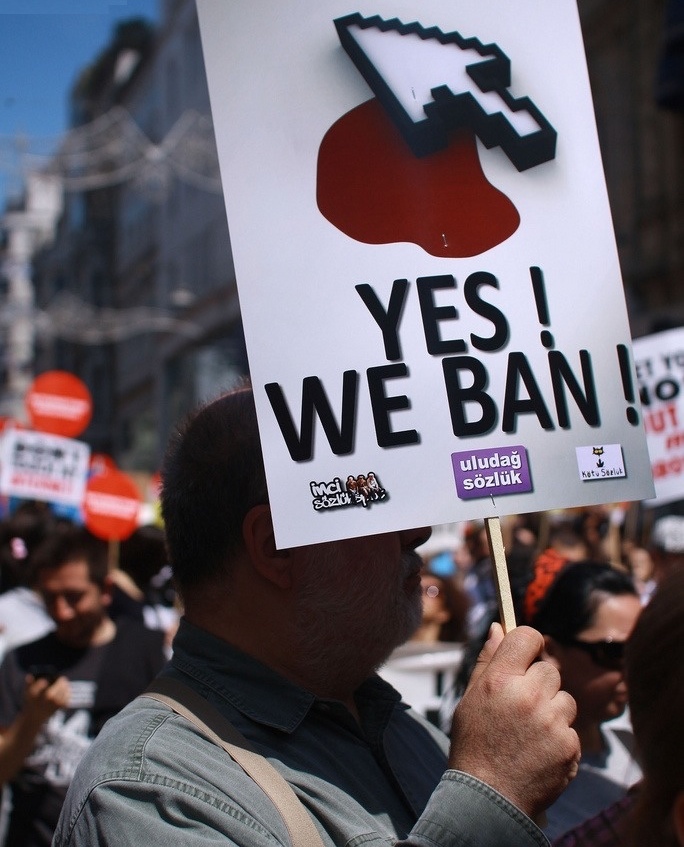
The United Nations Human Rights Office expressed concern over Turkey’s adoption of legal measures “that risk substantially curtailing freedom of expression in the country.” A package of laws passed by the Turkish parliament could see journalists and activists imprisoned for up to three years for spreading “disinformation.” Ugandan President Yoweri Museveni meanwhile signed the Computer Misuse (Amendment) Act into law, which advocacy group Unwanted Witness called a “looming nightmare to the freedom of expression and speech.” Last month, Tunisian authorities promulgated Decree No. 54 on Combating Crimes Related to Information & Communication Systems, imposing five years imprisonment for spreading “fake news.” (Photo of Turkish free-speech demonstration via Wikimedia Commons)
Africa
Somalia

Somalia: clan militia takes on al-Shabab

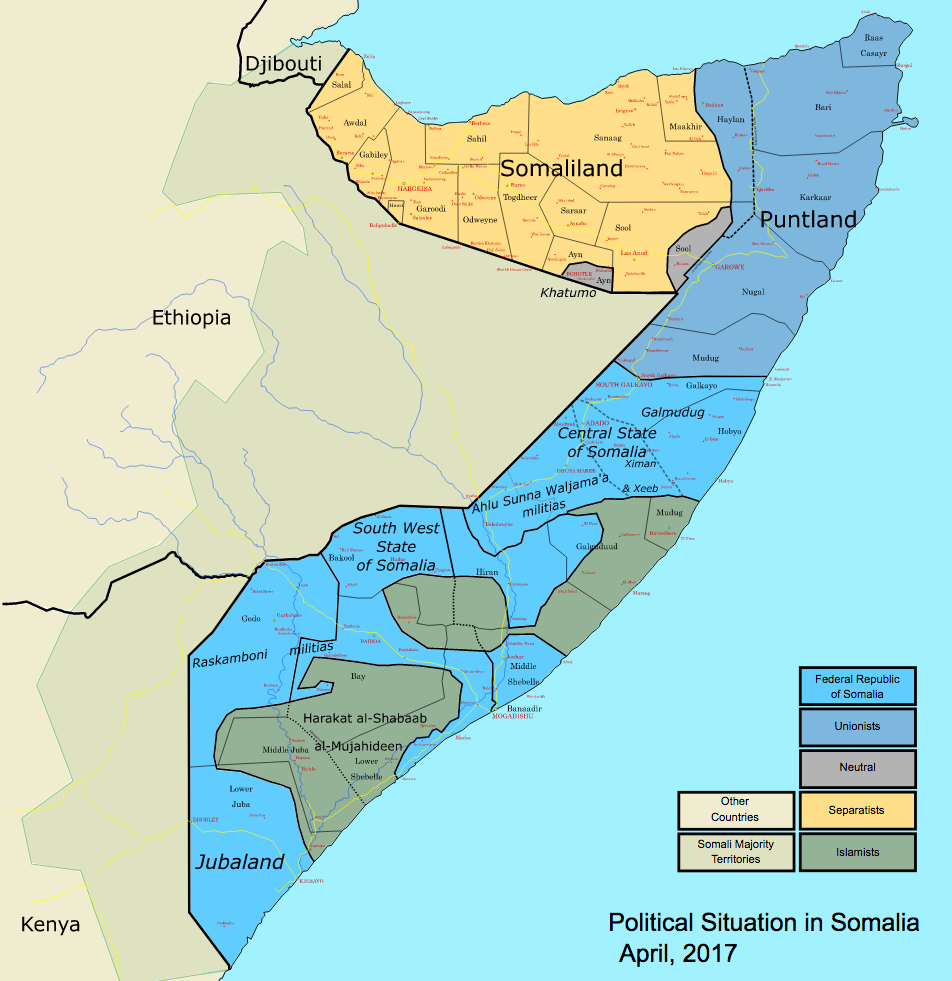
The jihadist group al-Shabab is facing a local clan-based rebellion in central Somalia—one the embattled Mogadishu government hopes might spread throughout its zones of control. As resistance to the insurgent group has grown, lawmakers and clan elders have been backing the self-organized militia in pitched battles against al-Shabab. The militia—known as Ma’awisley, a reference to the traditional sarong worn in Somalia’s rural areas—is strongest in Middle Shabelle, Hiran and Galmudug regions of Hirshabelle and Central states. (Map via Wikimedia Commons)

Africa
Senegal

Senegal: peace process with Casamance rebels

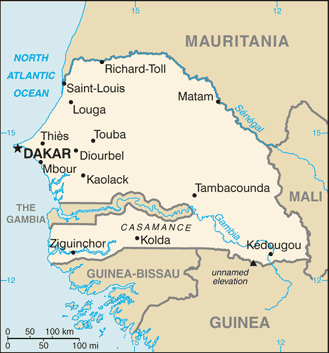
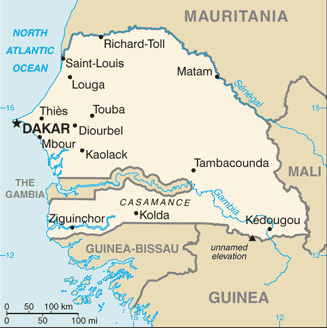
The concluding of a peace agreement between Senegal and separatist rebels in Casamance is being hailed by the government as “an important step” toward ending the 40-year conflict in the southern region. The deal was signed in neighboring Guinea-Bissau by a delegate from President Macky Sall’s administration and Cesar Atoute Badiate, leader of the Movement of Democratic Forces of Casamance (MFDC). The long-simmering conflict was re-ignited in 2021 when the Senegalese army launched a major offensive against the rebels. But Seydi Gassama, director of Amnesty International Senegal, noted that the MFDC is now but one of several rebel factions. “The negotiations must expand to include these factions so that a peace deal can be quickly signed with all the factions and peace can be established throughout all of Casamance,” Gassama said. (Map: PCL Map Collection)

Africa
freetown

Econo-protests rock Sierra Leone

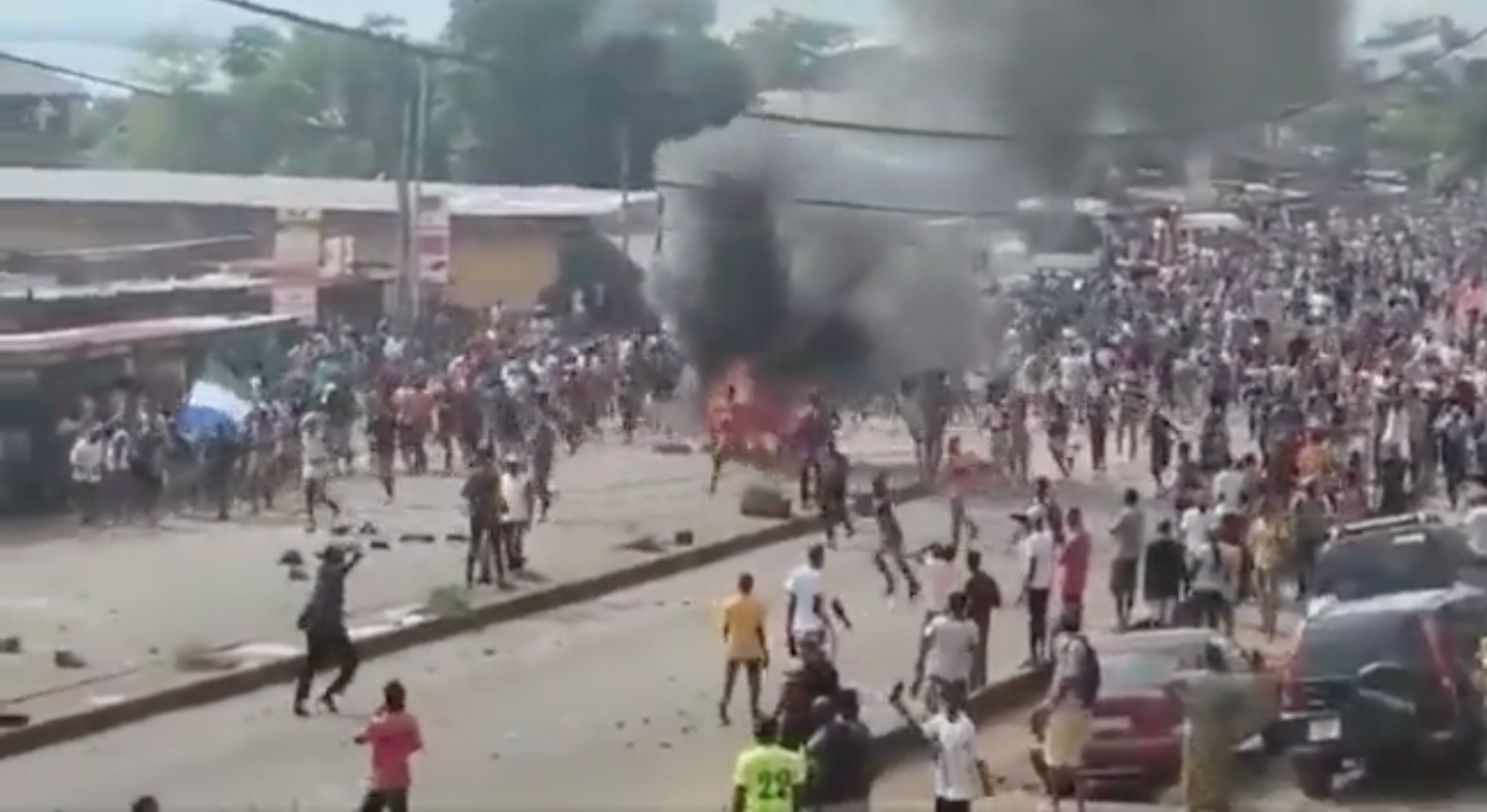
Authorities in Sierra Leone imposed a nationwide curfew amid anti-government protests, in which a still undetermined number of people have been killed, apparently including at least four police officers. In the capital Freetown, protesters barricaded the streets and clashed with security forces, enraged at a 40% spike in the cost of living. A key demand is the resignation of President Julius Maada Bio, who is on a month-long vacation with his family in London—a trip apparently paid for with misappropriated public funds. The government has shut down internet access in the country to prevent activists from issuing calls to protest and spreading images of the repression. President Bio has long been accused of rampant corruption and human rights abuses. (Image: Africa Facts Zone via Twitter)

Africa
Kivu

Mounting crisis, resource sale in DRC’s east

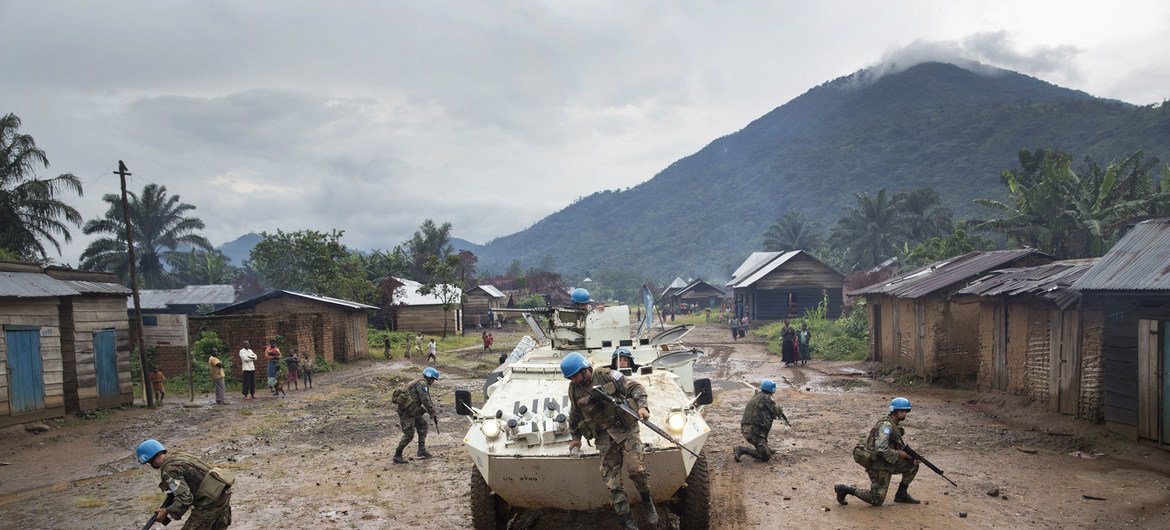
Two people were killed and several others injured when UN peacekeepers opened fire during an incident in the eastern Democratic Republic of the Congo. The incident, in Kasindi, North Kivu province, appears to have started in a confrontation between soldiers of the peacekeeping force, MONUSCO, and Congolese troops. It followed several days of anti-MONUSCO protests, in which some 20 people were killed, including three peacekeepers. Demonstrators attacked MONUSCO bases in Goma and other eastern cities, calling on the mission to leave the country, as it has failed to protect civilians amid a resurgence of fighting between security forces and the M23 rebels. The North Kivu violence comes just as the DRC government is auctioning off vast amounts of land in the country’s east in a push to become “the new destination for oil investments”—to the alarm of the country’s environmentalists. (Photo: Sylvain Liechti via UN News)

Africa
Sudan

Sudan: regime spurring ethnic violence?

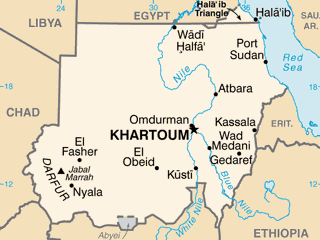
Fighting between Hausa and Berta tribespeople broke out in Sudan’s Blue Nile state, leaving dozens dead. While the clashes apparently began in a land dispute, tensions were elevated following calls to recognize a chiefdom for the Hausa people, who originate from Nigeria but have been settling lands in the region for generations. Authorities have imposed a curfew and mobilized the army and paramilitary Rapid Support Forces to the state, ostensibly to restore calm. But the Forces for Freedom & Changes (FFC) opposition coalition accused the military of instigating the conflict by encouraging Hausa demands to establish a chiefdom in territory traditionally inhabited by the Hamaj, a clan of the Berta people. Before a 2020 peace deal, many Hausa served in paramilitary forces to help the regime fight the SPLM-N rebels. “The FFC hold the coup authority fully responsible for the successive renewal of these events,” the opposition group said in a statement. (Map: Perry-Castañeda Library Map Collection)

Planet Watch
#ariseghana

Ghana to Peru: more ripples from Ukraine storm

Governments around the world are scrambling to shore up economies hard hit by rising oil and wheat prices as a resut of the Ukraine war. Ghana has opened talks with the International Monetary Fund (IMF) for emergency relief after angry protesters flooded the streets of the capital Accra, clashing with police. Protests were called under the slogan “Arise Ghana” to pressure President Nana Akufo-Ad to address a dramatic spike in the cost of food and fuel. Meanwhile, the Central Reserve Bank of Peru is to raise its key interest rate in a bid to quell inflation, after freight shipping was briefly paralyzed across the country. The truckers’ union, the National Council of Terrestrial Transport, announced an “indefinite” strike, although it was suspended following a pledge by the government of President Pedro Castillo to bring soaring fuel prices under control. (Image via Twitter)

Africa
Sudan

Wagner Group named in massacres on Sudan-CAR borderlands

Russian mercenaries are accused of carrying out a series of deadly attacks on artisanal miners in the lawless border zone between Sudan and the Central African Republic, in an apparent effort to establish dominance over outlaw gold mining operations with allied paramilitary factions. Dozens are said to have been killed in attacks on mining camps this year, allegedly involving mercenaries working for the Kremlin-linked Wagner Group. Witnesses interviewed by The Guardian described “massacres” and looting by Wagner gunmen. The “Troika” diplomatic group that helps oversee the Sudan peace process released a report in March charging that the Wagner Group is engaged in illegal gold mining in collaboration with the Rapid Support Forces (RSF), a paramilitary group backed by the Sudanese regime. Sudan’s Ministry of Foreign Affairs responded with a statement denying the presence of the Wagner Group in the country. (Map: Perry-Castañeda Library Map Collection)

Africa
OLA

Massacres escalate in Ethiopia’s Oromia state

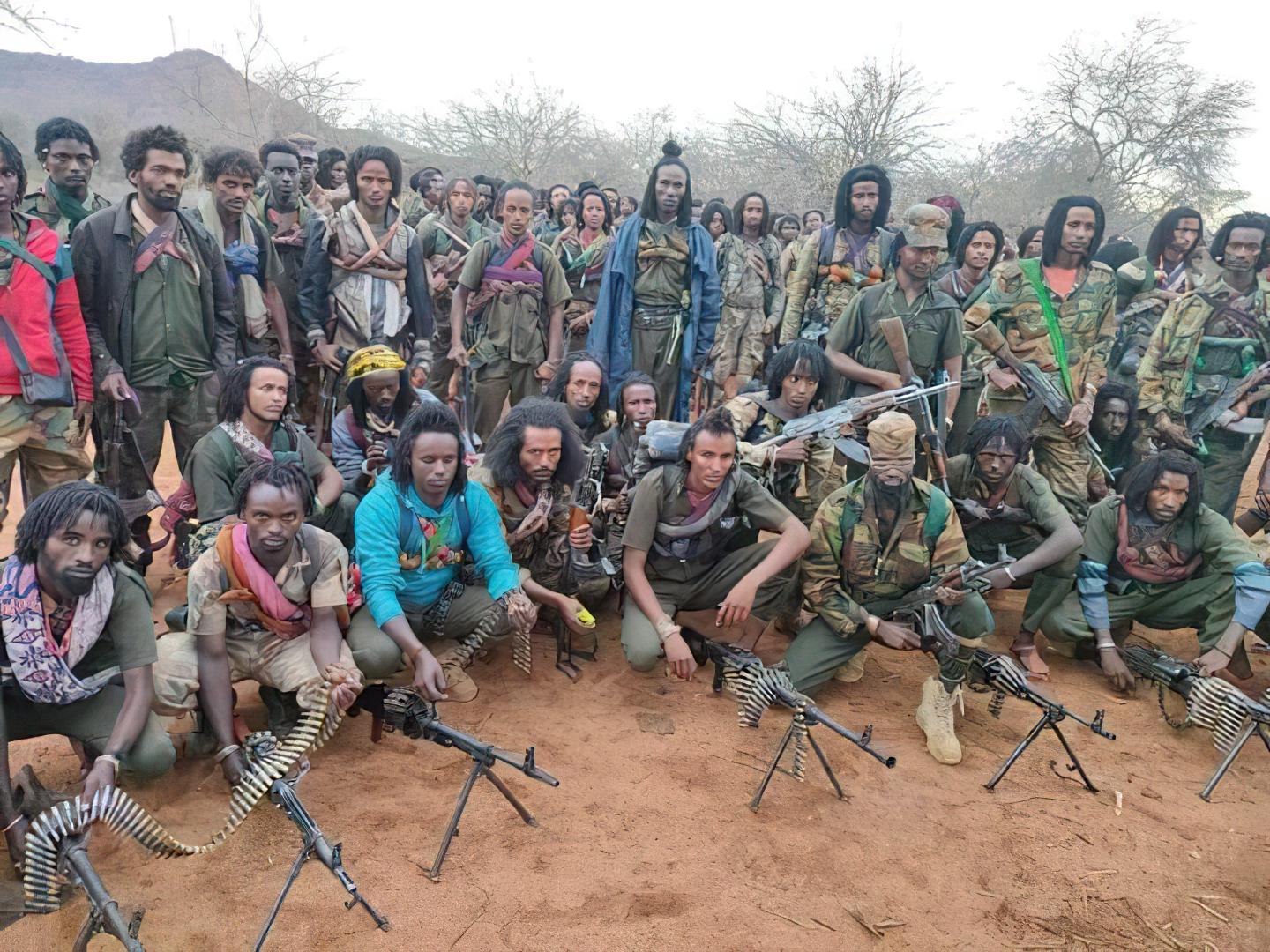
More than 200 civilians were killed at the village of Tole Kebele in the West Wollega zone of Ethiopia’s Oromia regional state. The massacre, which targeted members of the Amhara ethnicity, is being blamed by authorities on the rebel Oromo Liberation Army (OLA). Amhara militias in the region have been cooperating with the official security forces in counterinsurgency operations against the OLA, resulting in reprisal attacks on villages. However, OLA commander Kumsa Dirriba denies that his forces carry out attacks on civilians, claiming that the national army is “solely responsible” for the killings of Amhara civilians in Oromia. Whatever the truth of the matter may be, the dynamic is spreading into neighboring Gambella regional state, which has seen heavy fighting between the army and joint rebel forces of the OLA and Gambella Liberation Front (GLF), with dozens of civilians among the slain over the past days. (Photo: Ethiopia Insight)

Africa
Mali

Mali massacre: jihadism or ethnic war?

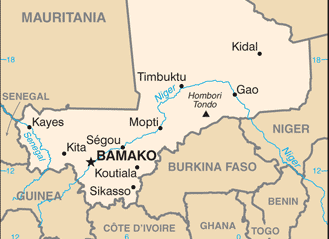
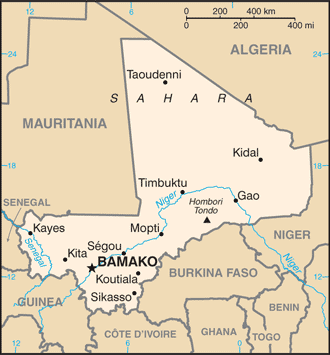
Scores of Malians demonstrated in the town of Bankass, in central Mopti region, to demand state protection after more than 130 civilians were killed by presumed jihadist militants in three villages over the past days. The massacres in the localities are said to have been carried out by the Katiba Macina, a militant group led by Fulani preacher Amadou Kouffa. The gunmen burned huts and stole cattle in addition to killing villagers. The Katiba Macina is apparently an offshoot of the Qaeda-aligned Group for Support of Islam & Muslims (JNIM). However, in Mopti region, traditionally known to the Fulani as Macina, the violence appears to have taken on an ethnic cast. In March 2019, more than 160 Fulani civilians were massacred at the village of Ogossagou. Fulani were also targeted in an April 2022 massacre attributed to Russian mercenaries from the Wagner Group. (Map: PCL)Afri

Africa
maasai

Tanzania: troops fire on Maasai herders

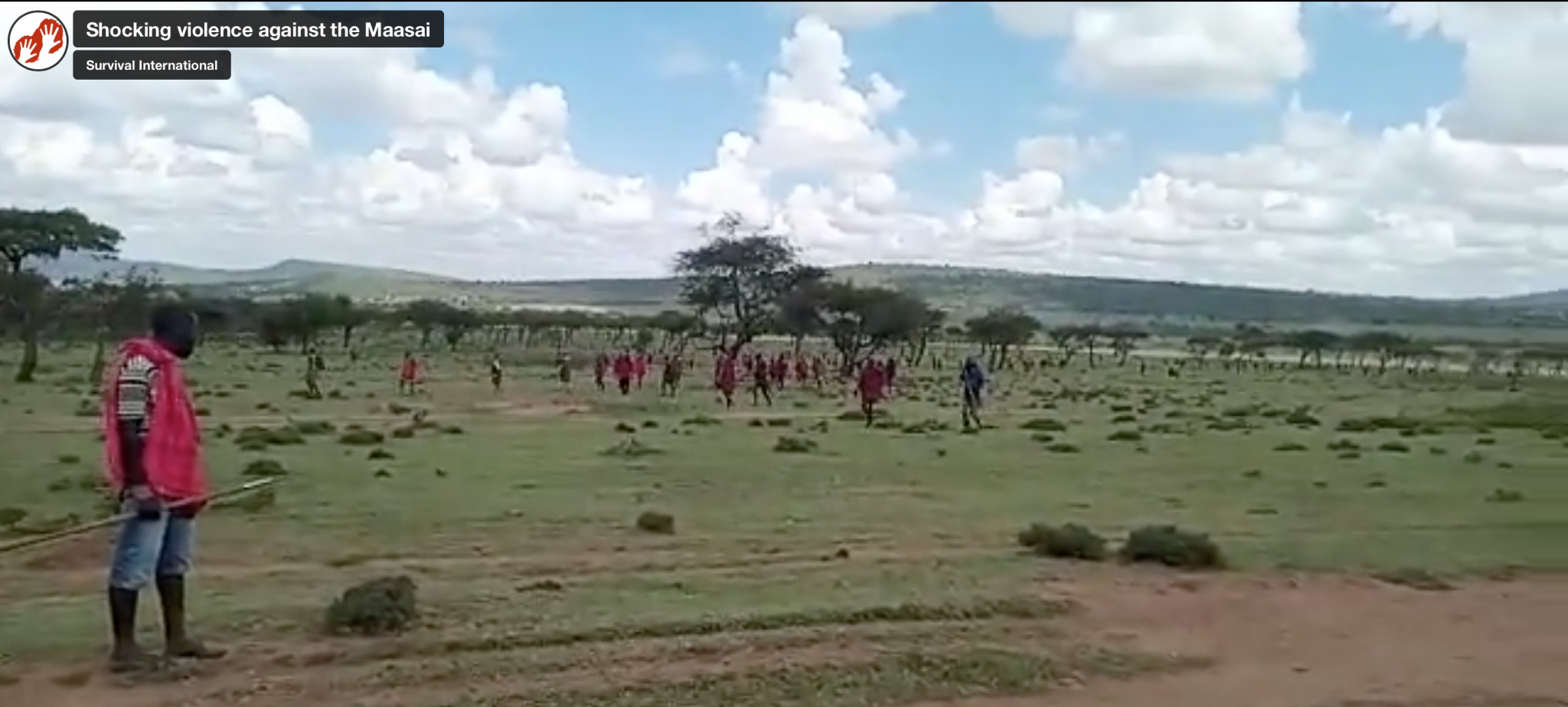
Tanzanian security forces fired on Maasai herders in a dispute over seizure of traditional grazing lands for a new game reserve. The trouble started when hundreds of troops of the Field Force Unit arrived at the village of Wasso, to demarcate a 1,500 square-kilometer area for the new reserve. Maasai gathered to protest, and were met with bullets. Some 30 were reportedly shot, and two killed. Afterwards, troops went house-to-house in Maasai villages, beating and arresting those they believed took part in the protests or distributed images of the violence on social media. Thousands of Maasai fled their homes into the bush following the raids. UAE-based Otterlo Business Company, which runs hunting excursions for the Emirates’ royal family, is reportedly to operate trophy-hunting concessions in the new reserve. (Photo: Survival International)

Africa
Sahel

Sahel: deadly violence in mining sector

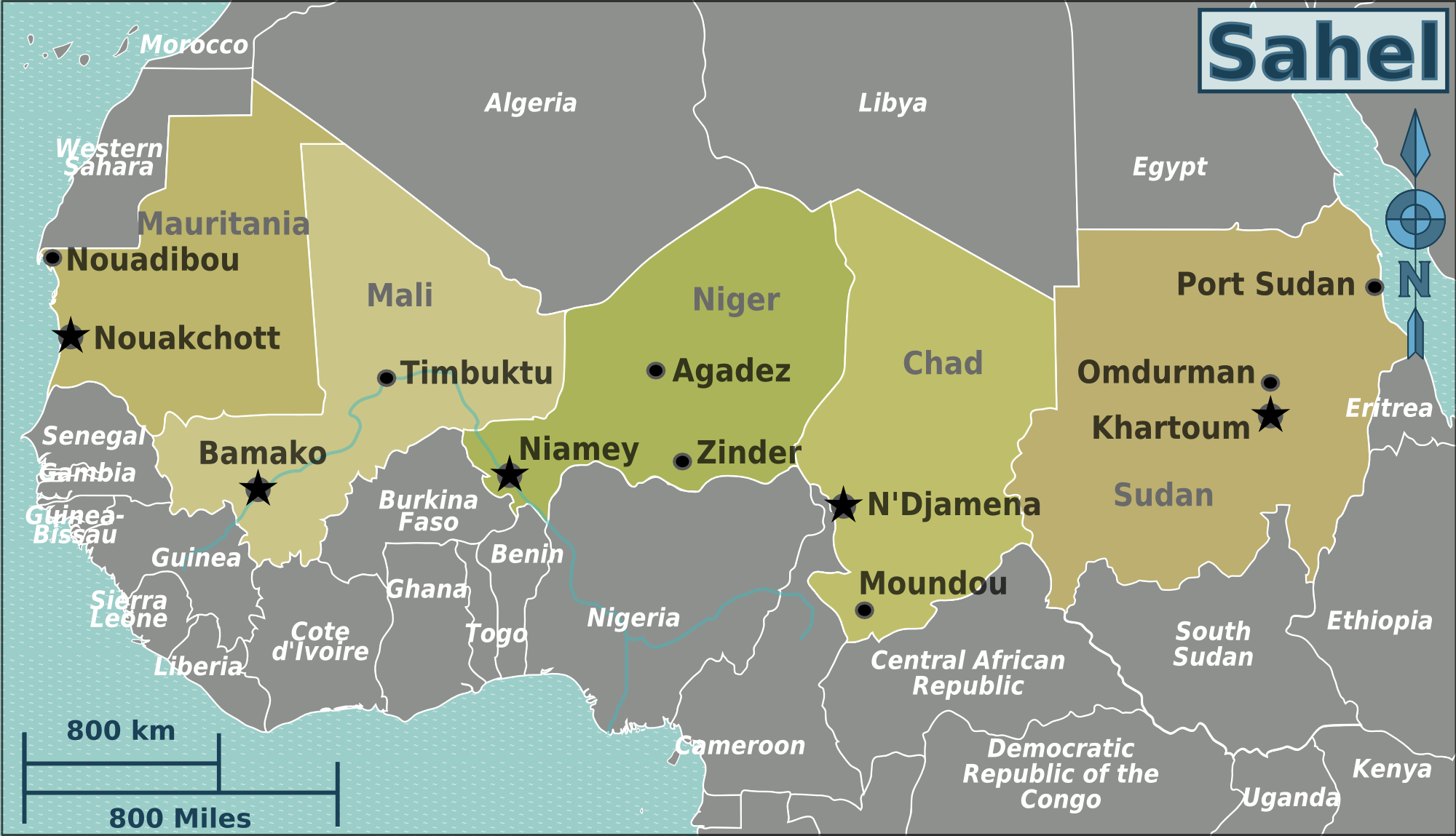
At least two were killed as security forces attacked protesting gold miners at Burkina Faso’s western Houndé commune. The protesters were demanding release of 12 of their comrades who had been arrested a week earlier, when informal miners angered by government moves to expel their camps overran and ransacked the facilities of Houndé Gold Operation, a subsidiary of UK-based multinational Endeavour Mining. In far greater violence, fighting between rival groups of informal gold miners in the remote north of Chad left an estimated 200 dead. The clashes at Kouri Bougoudi, in the Tibesti mountains on the Libyan border, apparently pitted ethnic Arabs against members of the Tama community. (Map: Wikivoyage)