
Africa
Niger

Niger: jihadis score deadly blow against junta

Authorities in Niger declared three days of national mourning after an ambush on security forces near the village of Tassia resulted in the deaths of at least 20 soldiers and one civilian. Tassia lies in the western Tillabéri region bordering Mali and Burkina Faso, long a stronghold of jihadist​ insurgents. The incident highlights the growing challenges facing the ruling junta one year after it came to power in a July 2023 coup, overthrowing the civilian government led by Mohamed Bazoum. (Map: PCL)

Africa
Mali

War crimes seen in Mali conflict

An Islamist armed group linked to al-Qaeda killed at least 32 civilians, including three children, and set fire to over 350 homes in central Mali in January, forcing about 2,000 villagers to flee, Human Rights Watch reports. Earlier in January, a Bambara ethnic militia formed to oppose the jihadists killed at least 13 civilians, including two children, abducted 24 other civilians, and looted property and livestock in central Mali. These attacks, which HRW said are apparent war crimes, occurred amid a cycle of reprisal killings and communal violence in central Mali, pitting the Dogon and Bambara against the Fulani. (Map: PCL)

Africa
Chad

Political violence erupts in Chad

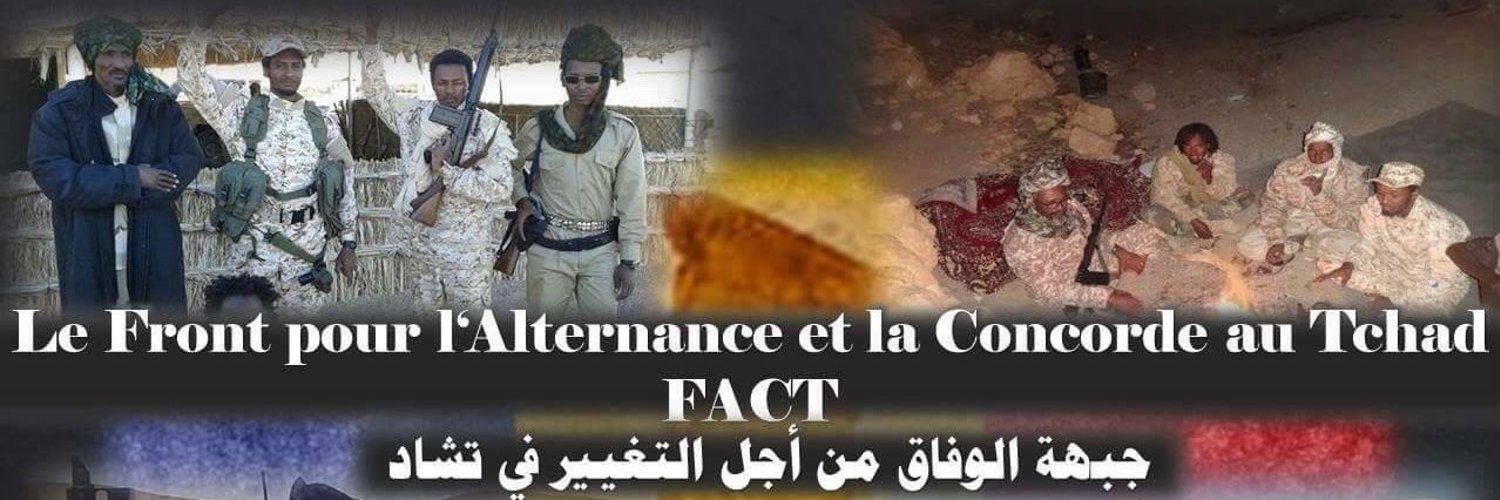
Violence erupted in Chad shortly after the country’s elections agency confirmed dates for a May presidential poll, which is supposed to restore democracy after three years of junta rule. The outbreak began with an armed attack on the headquarters of the National Security Agency, which the government blamed on followers of the Socialist Party Without Borders (PSF), the main opposition party in Chad. The PSF denied the charge. But the following day party leader Yaya Dillo—a vocal critic of ruler Gen. Mahamat Idriss Déby—was killed alongside dozens of the others in a shoot-out with security forces at the PSF headquarters in the capital, N’Djamena. (Photo: Chadian gendarmerie in N’Djamena. Credit: Bagassi Koura/VOA via Wikimedia Commons)

Planet Watch
Daouda Diallo

Frontline fighters (and martyrs) for free speech

In Burma, the mutilated body of independent journalist Myat Thu Tan was found at the military base where he had been detained, after the camp was overrun by rebels of the pro-democratic resistance. In Kazakhstan, detained activist Aqylbek Muratbai is fighting extradition to Uzbekistan, where he had been speaking out against bloody repression faced by his Karakalpak ethnic minority. And in Burkina Faso, human rights defender Daouda Dialloremains missing months after he was “disappeared,” presumably at the hands of the ruling military junta. Yet neither the mainstream media nor “progressives” in the West pay heed to these cases—while the reactionary and Kremlin-coopted Julian Assange is a cause célèbre. In Episode 214 of the CounterVortex podcast, Bill Weinberg asks: Why is that? Listen on SoundCloud or via Patreon. (Image: CISC via OHCR)

Africa
Wagner

Russia creates new Africa Corps

Following the death of Wagner Group leader Yevgeny Prigozhin, the Russian ministries of defense and foreign affairs quickly moved to reassure African client states that business as usual would continue—meaning that Moscow’s unofficial boots on the ground would keep operating in these countries. Now reports indicate a transformation, with Wagner’s estimated force of 5,000 troops—deployed from the Sahel to Libya to Sudan—to be brought under Defense Ministry command as a new Africa Corps. (Photo: Russian mercenaries in the Central African Republic. Credit: Corbeau News Centrafrique via Wikipedia)

Africa
Sahel

Sahel states defect from ECOWAS

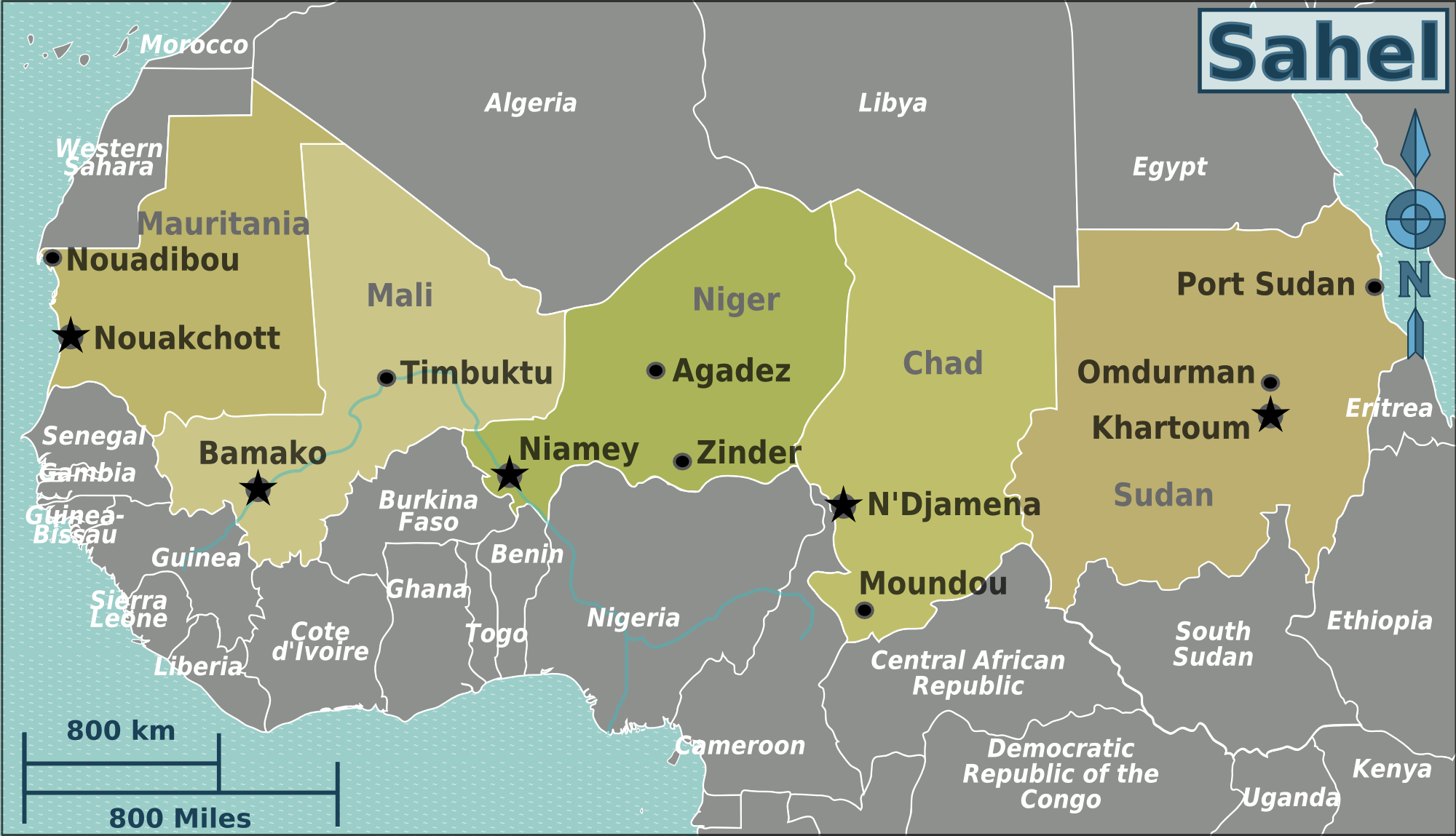
Niger, Mali and Burkina Faso announced they are withdrawing from the Economic Community of West African States (ECOWAS), issuing a joint statement saying they had taken a “sovereign decision” to abandon the regional bloc of which they were founding members in 1975. The statement charges that ECOWAS has “drifted from the ideals of its founding fathers and the spirit of Pan-Africanism,” and is now “under the influence of foreign powers.” All three countries are led by military juntas after undergoing coups d’etat, which resulted in their suspension from the bloc. All three countries have also moved closer under their respective military regimes to Russia, whose Wagner Group mercenary force is backing up a new Malian government offensive against Tuareg separatist rebels. (Map: Wikivoyage)

Planet Watch
climate

2023 hottest year on record —by ‘alarming’ margin

The year 2023 is officially the warmest on record—overtaking 2016, the previous warmest year, by an alarming margin. According to new data from the European Union’s Copernicus Climate Change Service, Earth was 1.48 degrees Celsius hotter last year compared with pre-industrial levels—dangerously close to the 1.5-degree threshold set by the Paris climate deal. 2023 also marked the first year in which each day was over one degree warmer than the pre-industrial average. Temperatures over 2023 likely exceeded those of any year over the past 100,000 years. This was partially due to the year’s El Niño climate phenomenon, but those impacts only began in June—and every subsequent month last year was the warmest on record for that particular month. September represented the largest climatological departure since record-keeping began over 170 years ago. (Image: blende12/Pixabay)

Africa
wagner group

‘Blood gold,’ diamonds behind Russian war effort

Gold-mining operations in Africa under the control of the paramilitary Wagner Group are funneling money to the Kremlin for the Russian war effort in Ukraine, according to a new report by watchdog organizations. “The Blood Gold Report,” prepared by the Consumer Choice Center and Democracy 21, finds that Wagner has laundered some $2.5 billion in proceeds from its African operations since Russia’s full-scale invasion of Ukraine in 2022, helping Moscow to ride out international sanctions. In the Central African Republic, Wagner is said to have exclusive operational control over the country’s largest gold mine at Ndassima in return for its services in propping up the regime. The European Union meanwhile announced  sanctions on Russia’s state-owned diamond giant Alrosa and its CEO, citing their “long-standing partnership with the Russian Armed Forces.” (Photo of CAR army troops wearing the Wagner Group insignia via Corbeau News Centrafrique)

Africa
Russia in Africa

Russia in Africa: imperialist or pretender?

In Episode 194 of the CounterVortex podcast, Bill Weinberg reviews Russia in Africa: Resurgent Great Power or Bellicose Pretender? by Samuel Ramani. Oxford scholar Ramani traces the history from Imperial Russia’s Cossack adventures in Djibouti to the contemporary Wagner Group operations in Sudan, the Sahel nations, and across the African continent. Is Russia truly a Great Power that can challenge the traditional colonial and neo-colonial powers on the continent, or is it a “pretender” which is at this moment assuming a particularly bellicose posture to compensate for its lack of structural imperial power? And does it make a difference? Listen on SoundCloud or via Patreon. (Image: OUP)

Africa
Mali

Mali: Tuareg rebels call for ‘fall of the junta’

The ruling military junta in Mali announced the indefinite postponement of presidential elections that had been scheduled for February 2024. The announcement comes as one of the Tuareg rebel groups in the country’s north, which have observed a ceasefire since 2015, called for renewed armed struggle to remove the junta from power. Fahad Ag Almahmoud, a leader of the Imghad Tuareg Self-Defense Group (GATIA), said in a statement: “We are in a war that the junta in Bamako wants. We will continue this war until all of Mali that has been taken hostage by the five colonels is liberated.” (Map: PCL)

Planet Watch
uranium

Podcast: Niger, Siberia and the global uranium wars

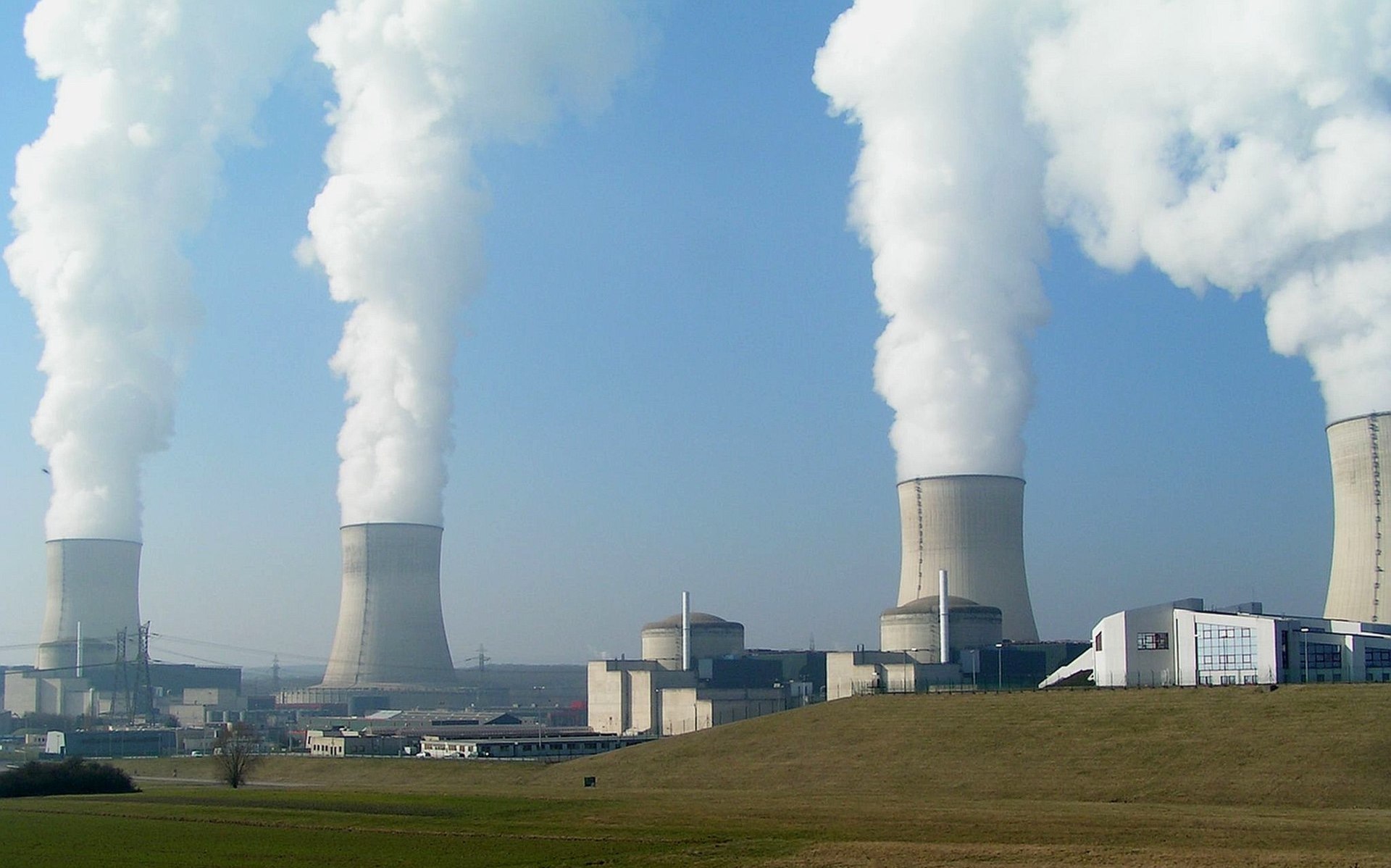
The Tuaregs of Niger and Buryat of Siberia, like the Navajo of the US Southwest, have had their territories usurped and destroyed by uranium mining for the nuclear-industrial complex, and it makes little difference from their perspective whether the extractivist bosses were French, Russian or American. While the Great Powers wage a neo-colonial game for control of this strategic resource, the indigenous peoples on the ground pay with their lands and lives—and are fighting back for autonomy or outright independence, and ecological and cultural survival. Bill Weinberg breaks it down in Episode 192 of the CounterVortex podcast. (Photo: Russian uranium mine in Buryatia, via Moscow Times)

Africa
Mali

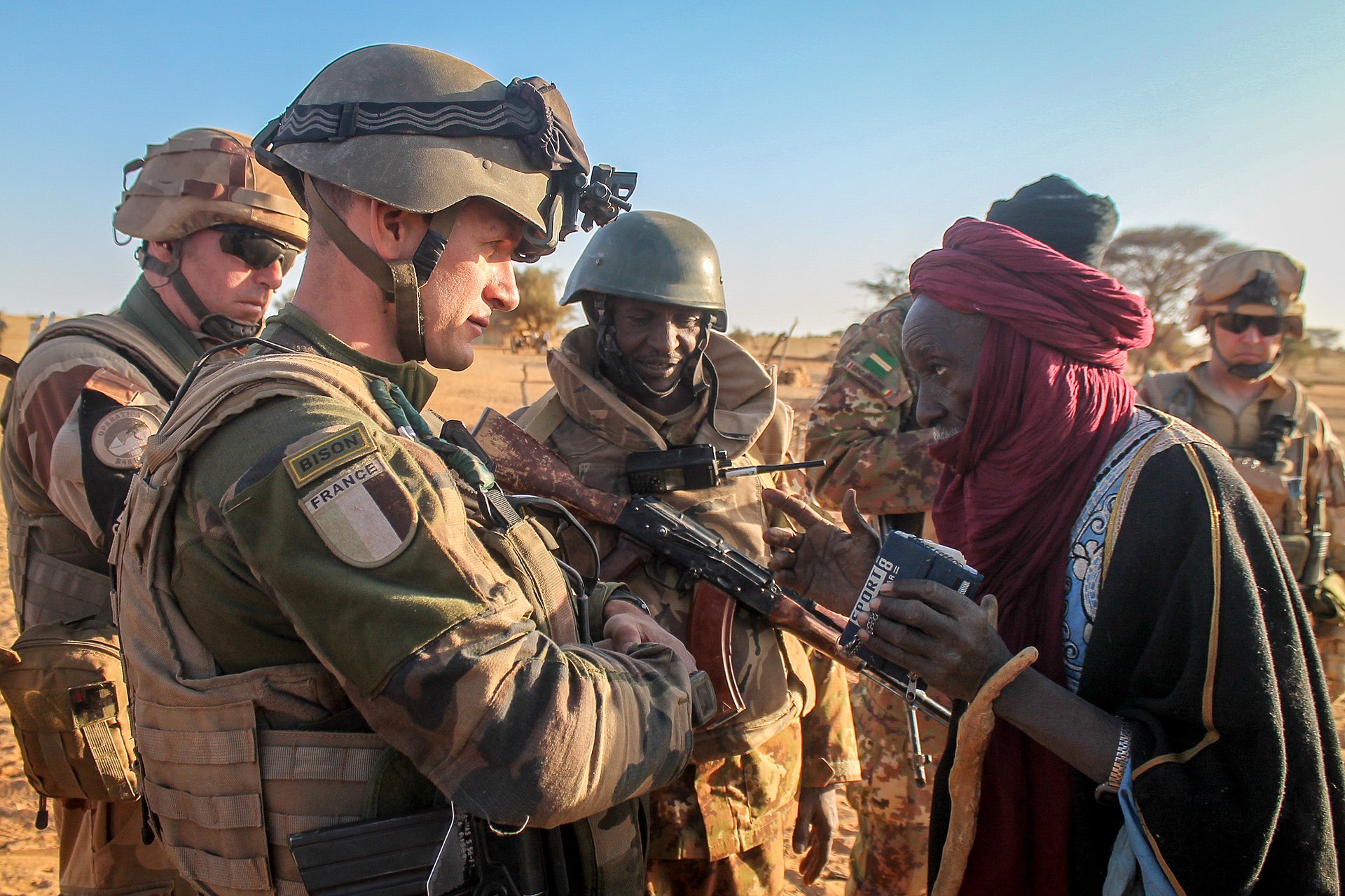
Mali: air-strikes on Tuareg rebels reported

Mali’s military reportedly carried out air-strikes against Tuareg militants in the desert north—an escalation that risks opening up another conflict front in the country, which is already embroiled in a long counterinsurgency war with jihadist rebels. The accusation was made by the Coordinating Body of Azawad Movements (CMA), a coalition of Tuareg rebel groups that signed a peace deal with the Malian government in 2015. The government claims to have struck jihadist positions in the Kidal region, but the CMA rebels charge that they were targeted. Two weeks earlier, the CMA also accused Malian forces and Russian Wagner Groupmercenaries of attacking its followers in the Timbuktu region. (Map: PCL)