

Central America

Honduras: halt evictions of indigenous communities
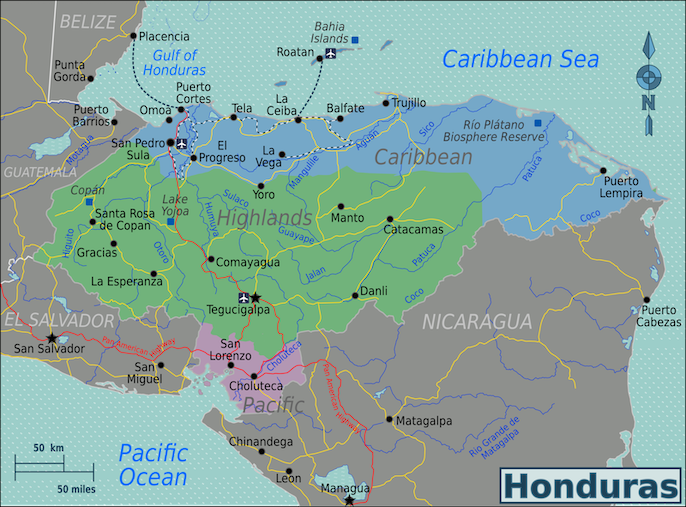
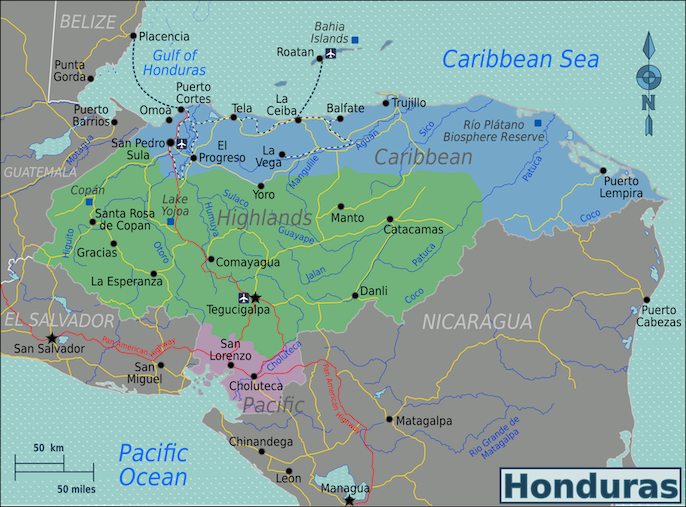
HondurasA group of UN experts called on Honduras to halt evictions of campesino, indigenous and Afro-descendant communities taking place under Decree No. 107-2026, also known as the Law for the Strengthening & Protection of the Agro-Industrial Sector. The experts wrote: "We cannot stand by and watch the deliberate closing of every legal door through which a peasant, Indigenous or Afro-descendant family in Honduras can challenge dispossession." They especially condemned evictions at the Garífuna community of San Juan in Tela municipality on the Caribbean coast. Five members of the Black Fraternal Organization of Honduras (OFRANEH) were arrested in the operation, and now face charges of "aggravated usurpation" related to their defense of the community’s ancestral territory. (Map: Wikitravel)
Southeast Asia

Philippines: drop charges against indigenous protesters

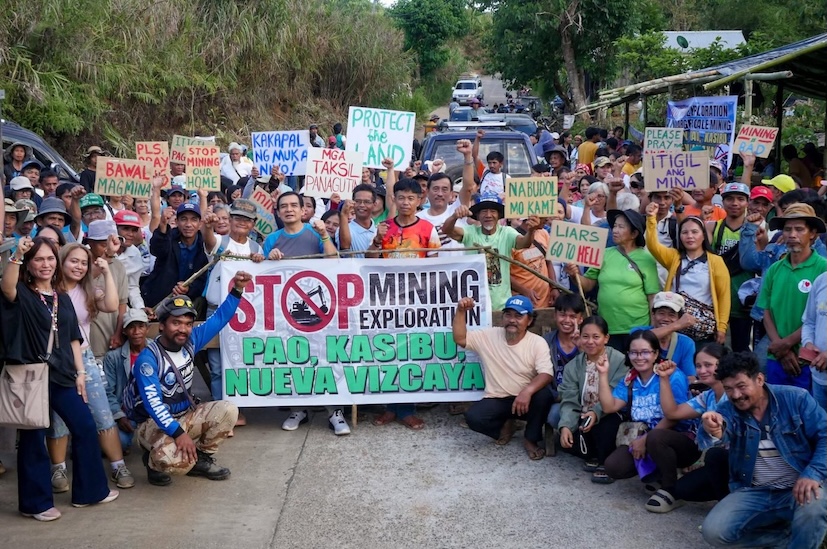
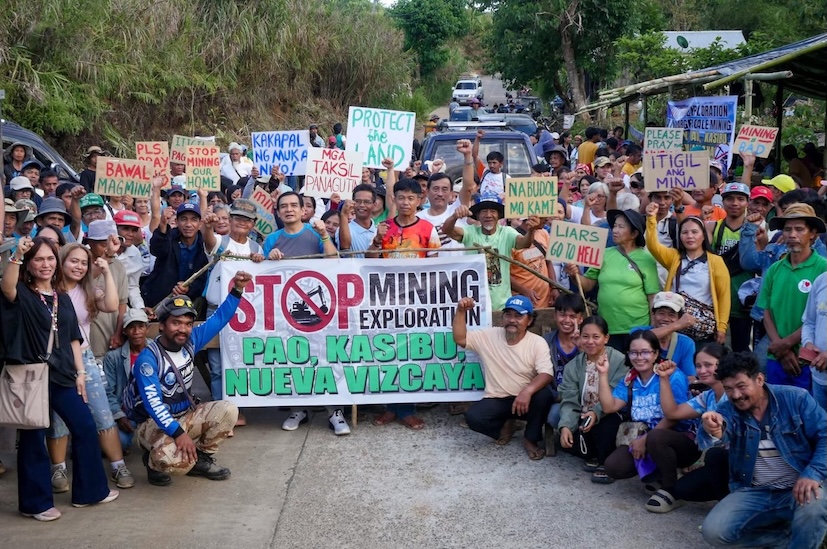
KasibuHuman Rights Watch urged Philippine authorities to drop charges against 11 indigenous rights protesters arrested during a police operation to clear an anti-mining blockade in Kasibu, Nueva Vizcaya province. At the center of the dispute is an exploration permit by the North Luzon Mineral Resources Corp (NLMRC) and competing claims concerning land rights and consultation. Members of the Bugkalot and other indigenous communities erected barricades in May to block NLMRC's activities, before being cleared by the National Police. Prosecutors charged the protesters with "resistance and disobedience," offenses that carry potential prison terms of up to six months. (Photo: Altermidya Network via LicasNews)

Africa

UN Mission: foreign support fuels Sudan war

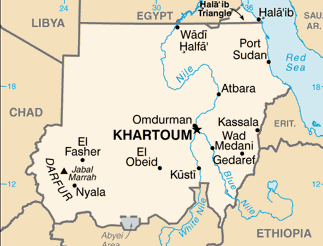
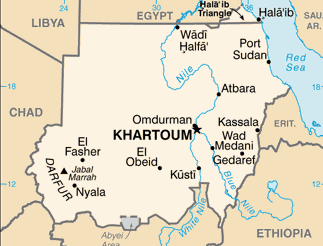
SudanThe UN Independent International Fact-Finding Mission on Sudan released a new report detailing how external support networks fuel the conflict and escalate civilian harm in the country. The Mission found that foreign-sourced weapons and personnel have significantly expanded the military capabilities of both the Sudanese Armed Forces (SAF) and the Rapid Support Forces (RSF), intensifying the conflict's scale and lethality. Although the UN Security Council has long imposed an arms embargo on Sudan, the Mission believes the RSF sources artillery, air-defense systems, drones, and other military equipment from individuals and entities in the United Arab Emirates, Chad, Libya and Somalia. The report stated that arms suppliers who violate the embargo contribute to crimes under international law. (Map: PCL)

North Africa

Algeria sends troops to Niger

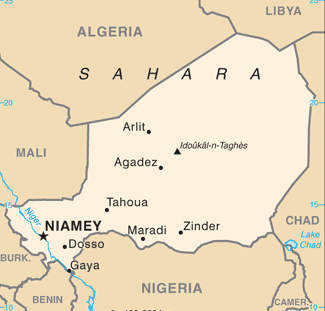
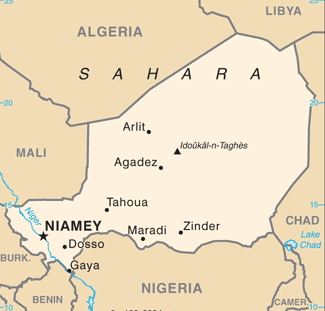
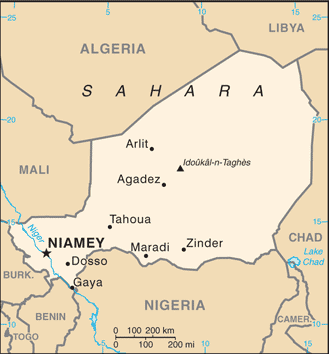
NigerA surprising outcome of the failed coup against Niger's military junta was the arrival, a day later, of an Algerian air detachment, including four SU-30 fighter jets. The deployment was a clear signal that Algeria is breaking from its non-interventionist stance and wants its troubled southern neighbors in the Alliance of Sahel States (AES)—Burkina Faso, Mali and Niger—to take note. Algeria was not involved in the quashing of the putsch against Gen. Abdourahamane Tchiani. That was down to the presidential guard, backed by Russia's paramilitary force, the Africa Corps. But Algeria does fear state collapse in the Sahel amid Islamist insurgencies that have their roots in its own internal violence of the 1990s. Algeria's new-found interest also coincides with the start of construction on a Trans-Saharan Gas Pipeline that will stretch from Nigeria to the Mediterranean coast. (Map: PCL)

Palestine

Israeli leaders announce plan to cleanse Gaza

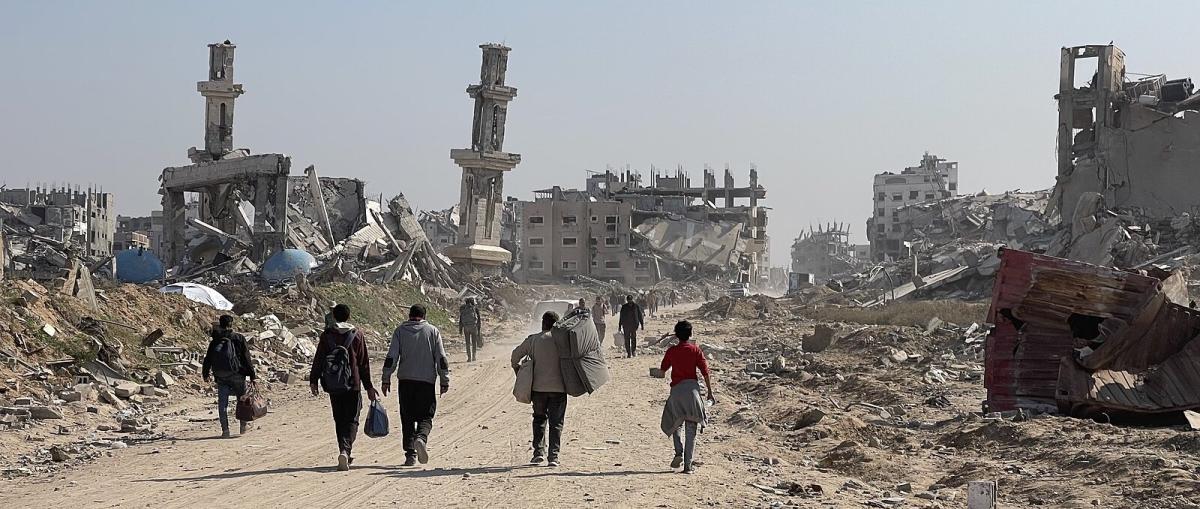
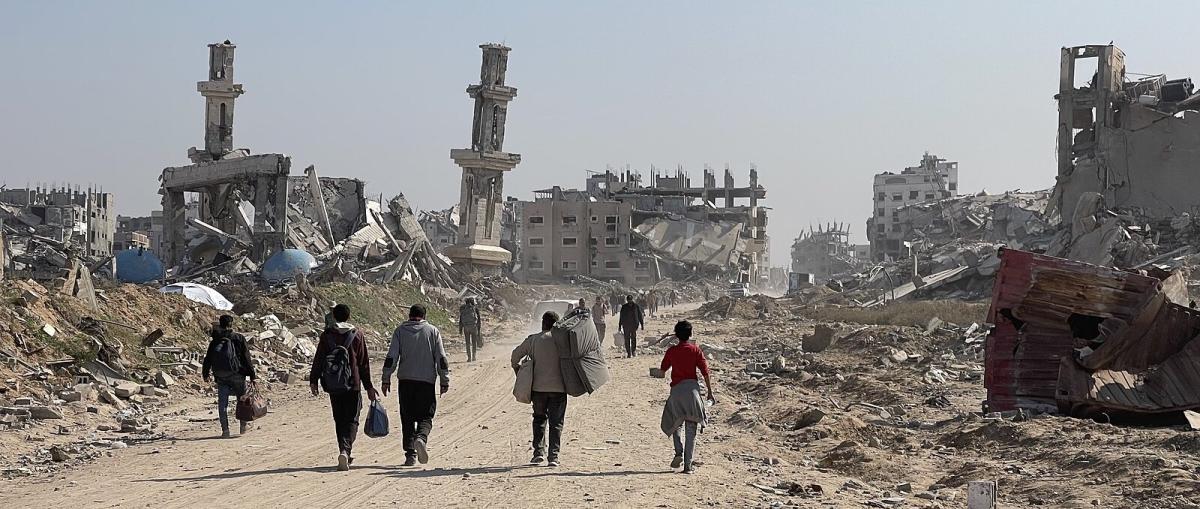
GazaThe foreign ministers of eight Muslim countries issued a joint condemnation of remarks by Israeli cabinet ministers announcing plans for the mass displacement of Palestinians from the Gaza Strip. Defense Minister Israel Katz said that Israel is seeking the support of Donald Trump for the scheme, adding that there is "no real solution for Gaza without migration" and that the Israeli government is "organized and ready to get them out." National Security Minister Itamar Ben-Gvir followed up by saying that Israel has a plan to expel all 2.1 million Palestinians from Gaza over the next six years, starting with 250,000 people in the first year. Ben-Gvir is alternately calling his plan "Disengagement 7-10," a reference to the October 7 attacks, or the more euphemistic "National Work Plan for Voluntary Emigration from the Gaza Strip." (Photo: Jaber Jehad Badwan via Wikimedia Commons)

New York City

Hindutva, Zionism and the Brad Lander incident

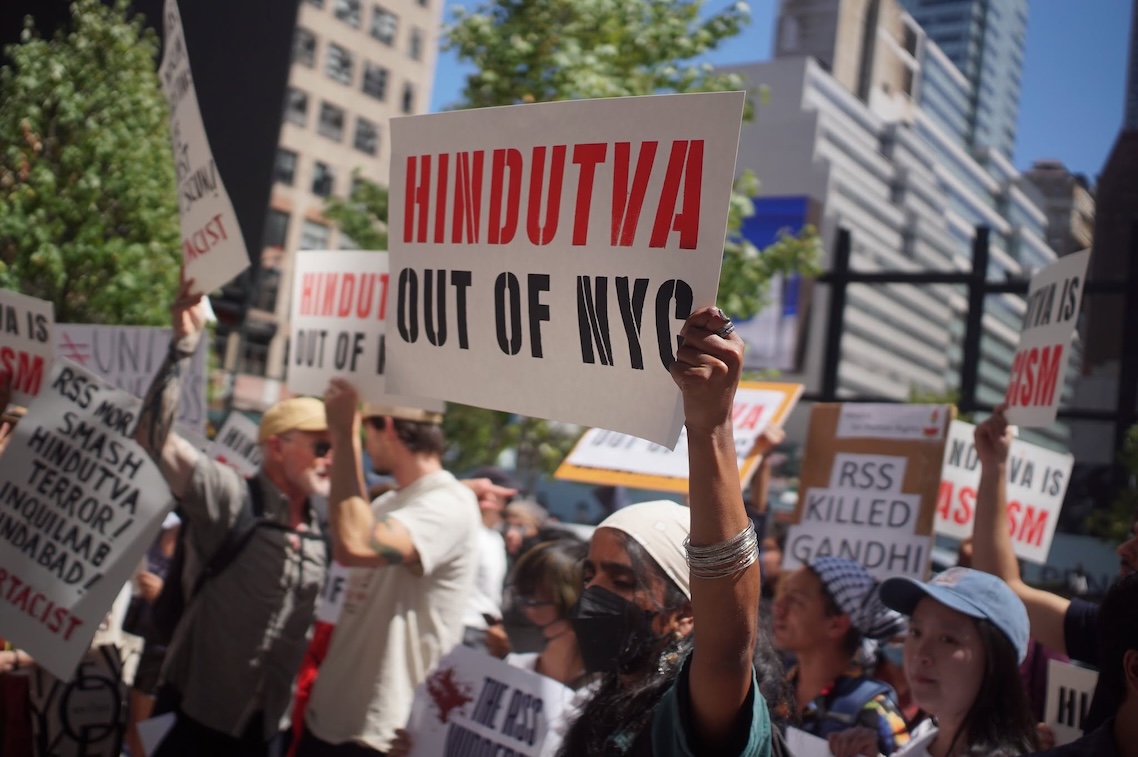
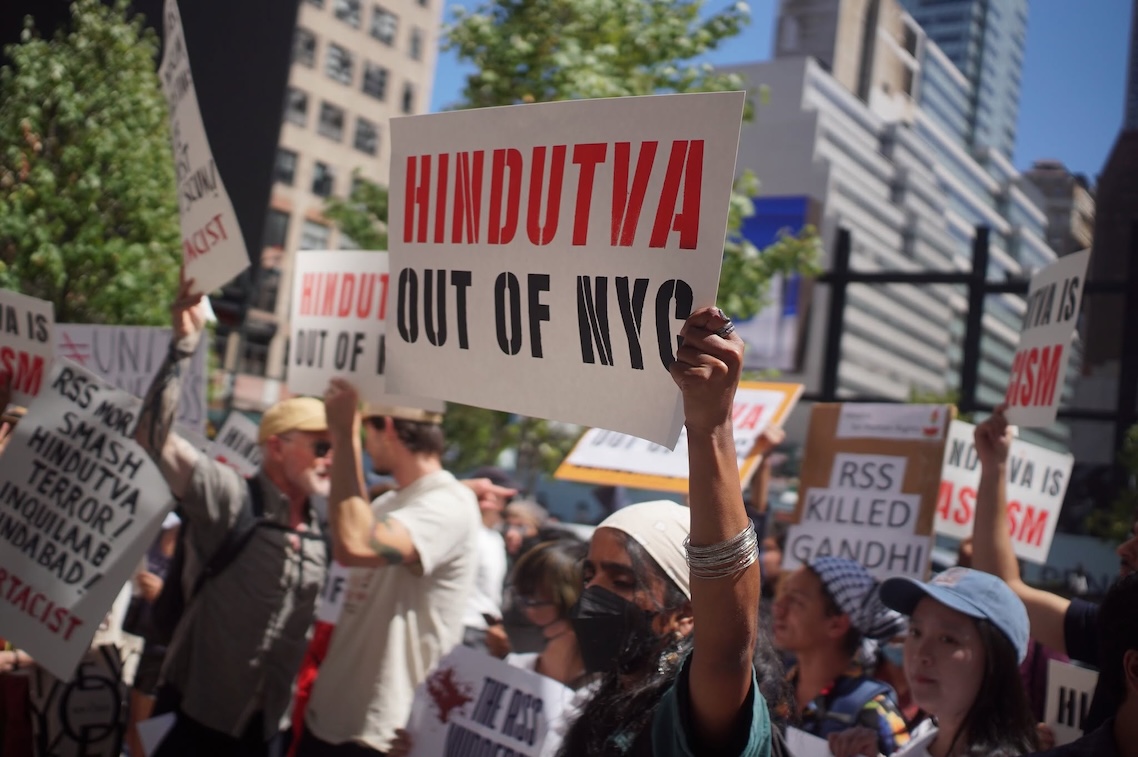
anti-HindutvaThe Rashtriya Swayamsevak Sangh (RSS), pillar of India's ruling fascistic ideology of Hindutva, held a rally in New York City—which was happily met with a large protest outside Madison Square Garden. Some protesters drew a parallel between Kashmir and Palestine, an obvious connection given the Zionist-Hindutva anti-Muslim axis. However, progressive Congressional candidate Brad Lander—an opponent of military aid to Israel and a supporter of Israel's anti-war opposition—was accosted at the protest for being a "Zionist." This is mirrored in a similar incident in San Francisco, when another Jewish Democratic candidate, Scott Wiener, was driven from a Trans Pride event in Dolores Park. In Episode 344 of the CounterVortex podcast, Bill Weinberg attempts to cut through the propaganda and provide some clarity on the issues at play here. (Photo: Yashica Dutt via Facebook)

HK court upholds conviction of activist fund organizers

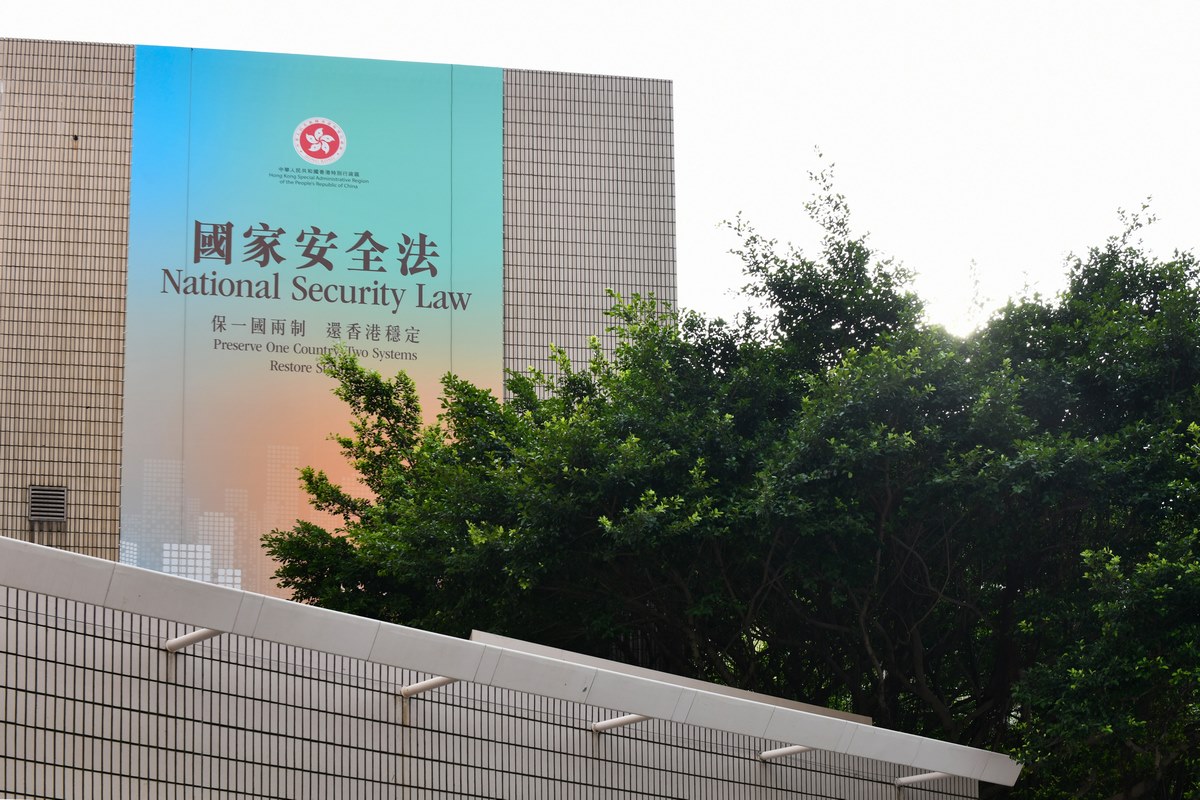
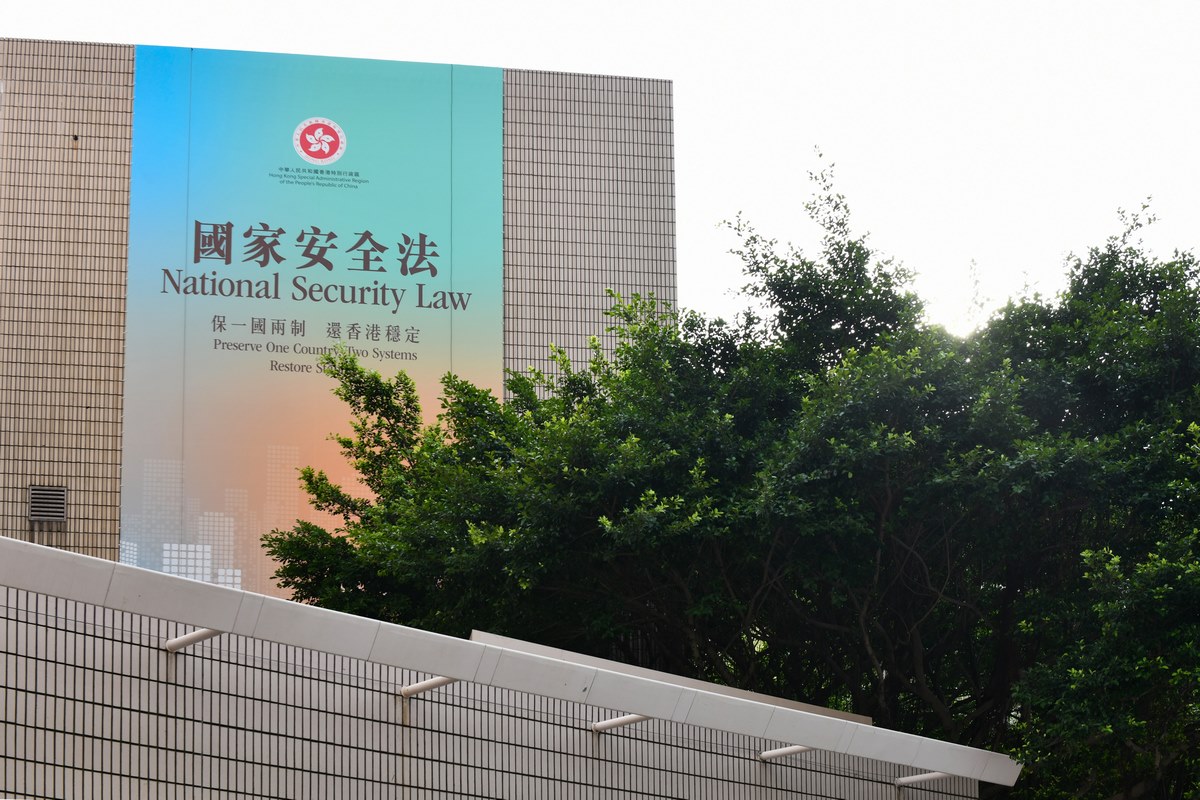
Hong KongA Hong Kong appellate court upheld the conviction of five pro-democracy activists for their failure to register the 612 Humanitarian Relief Fund, created to support detained or injured demonstrators during the 2019 Hong Kong protests, under the Societies Ordinance. The appellants, among 10 initially arrested in 2023, were retired Roman Catholic Cardinal Joseph Zen, Lingnan University professor Hui Po Keung, Cantopop singer-turned-activist Denise Ho, and former Legislative Council members Margaret Ng and Cyd Ho. The Fund was named for the "612 Incident," in which protesters were attacked by the police outside the Hong Kong government headquarters on June 12, 2019. The decision exemplifies concerns about the rule of law and growing restrictions on civil society in Hong Kong. (Photo: HKFP)

Europe

EU migrant ‘return hub’ plans risk rights abuses

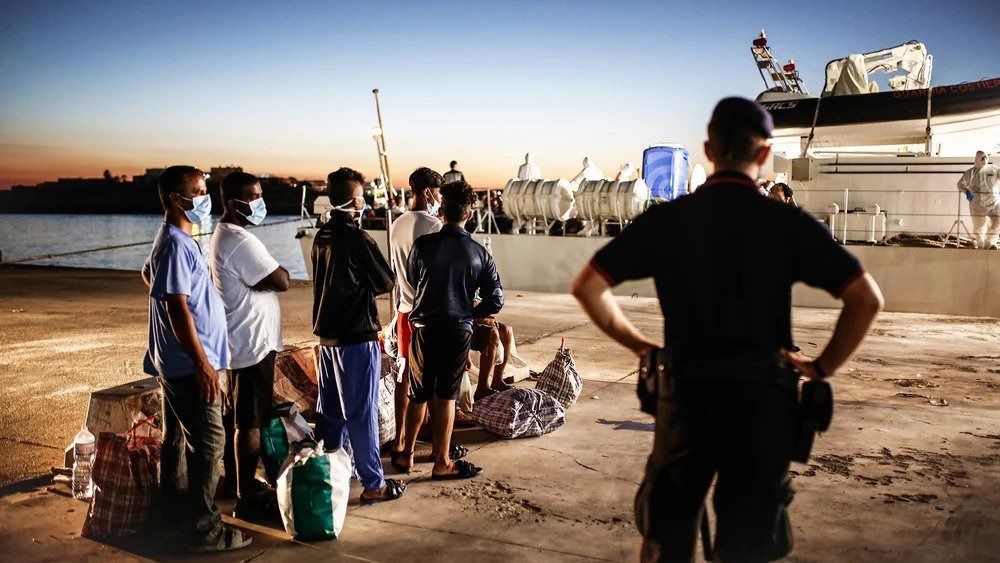
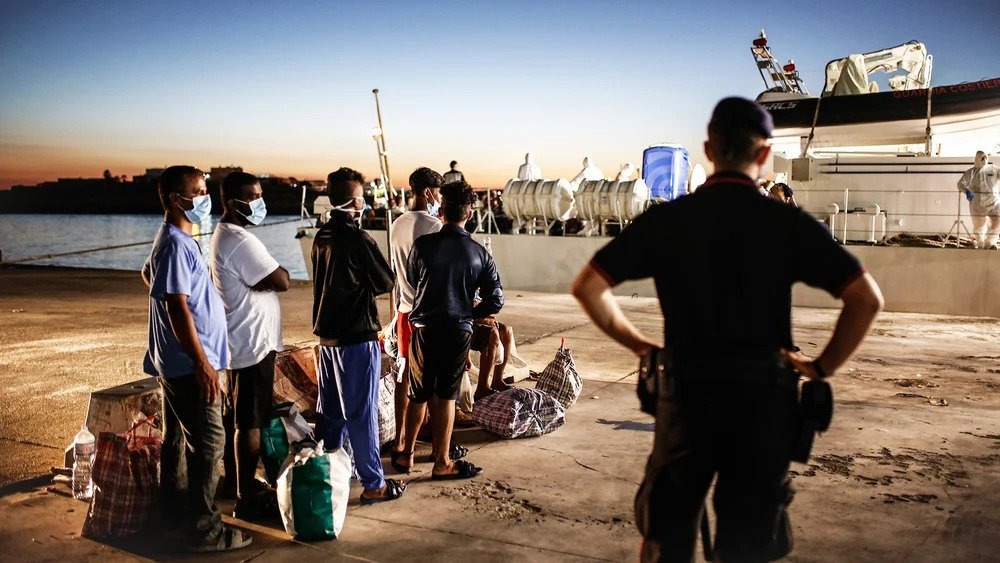
LampedusaAmnesty International warned that plans by five European Union member-state governments for migrant “return hubs” in Rwanda and Uganda risk creating “cruel black holes for human rights.” The warning comes as the EU Return Regulation, approved by the European Parliament in June but still awaiting final approval by the European Council, is set to provide the legal basis for such hubs. (Photo: Sara Creta/TNH)

Southern Cone

Chile: ’emergency’ constitutional reform pending

ChileHuman Rights Watch called for the Chilean National Congress to reject a proposed package of constitutional amendments addressing "national security" questions being pushed by President José Antonio Kast. HRW charged that the amendments, supposedly aimed at fighting organized crime, would undermine due process and human rights protections. Terms of the amendments would allow the president to instate a 240-day state of emergency without legislative approval, suspending the right of assembly and other personal freedoms. Additionally, measures would allow for the seizure of personal property without normal due process. (Image: Nicolas Raymond via Flickr)

The Caribbean

UN experts demand end to US strikes on ‘drug boats’

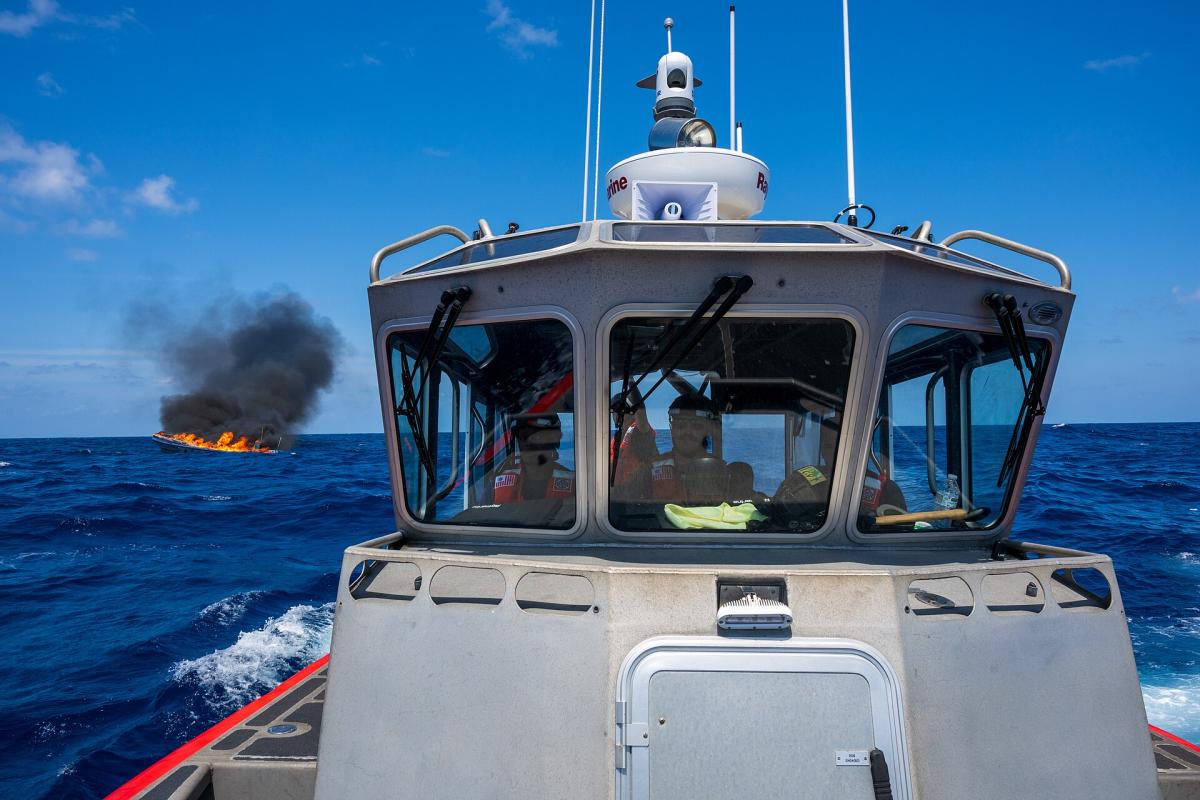
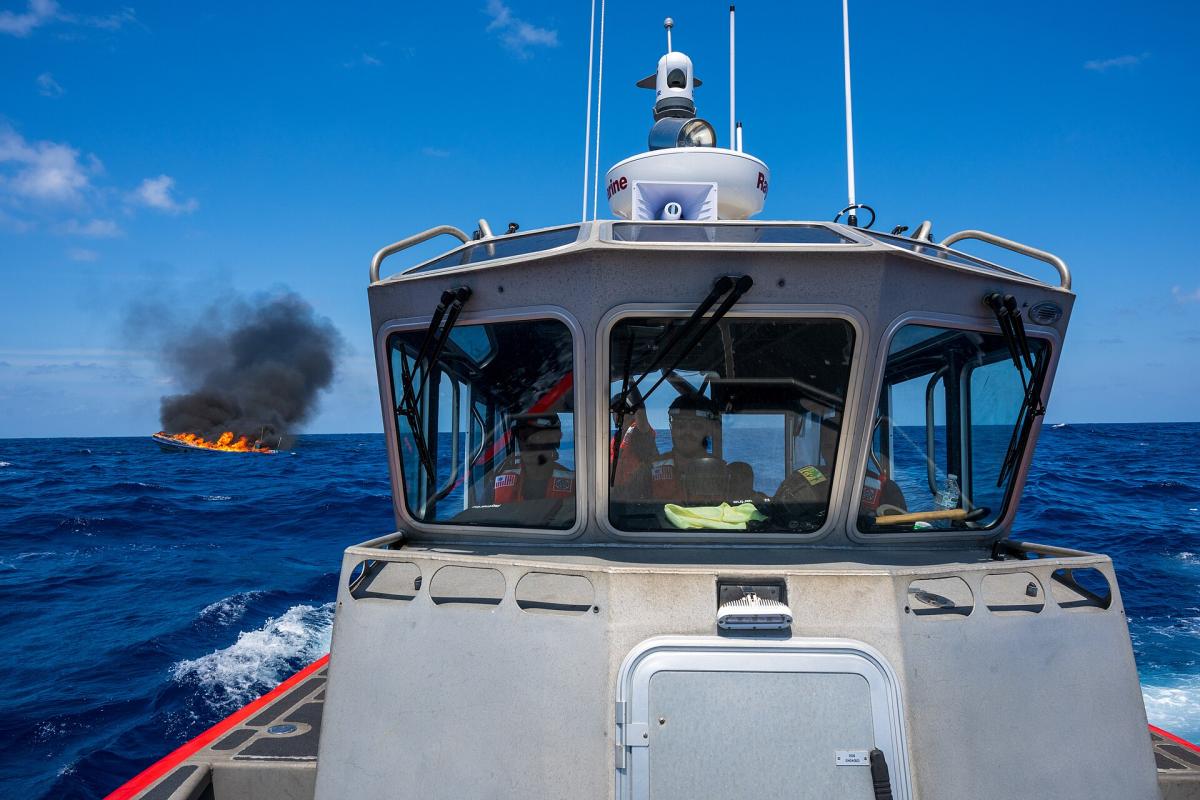
Coast GuardUnited Nations experts issued a statement demanding an end to the unlawful attacks and killings carried out by the United States military on suspected drug-trafficking boats in the Caribbean and Pacific. The experts indicated that these attacks—which began a year ago and resumed in August after a months-long hiatus—are not justifiable under international humanitarian law. In the year since the first attack, an estimated 227 individuals have been killed in the strikes, none of whom were formally charged with a crime or had been previously detained. (US Coast Guard via Wikimedia Commons) 

South Asia

Victory for Pakistan in Indus waters dispute

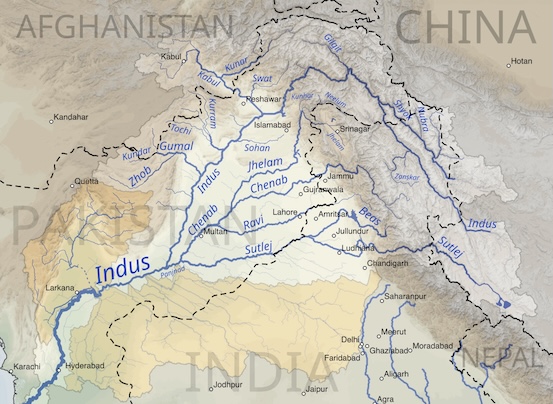
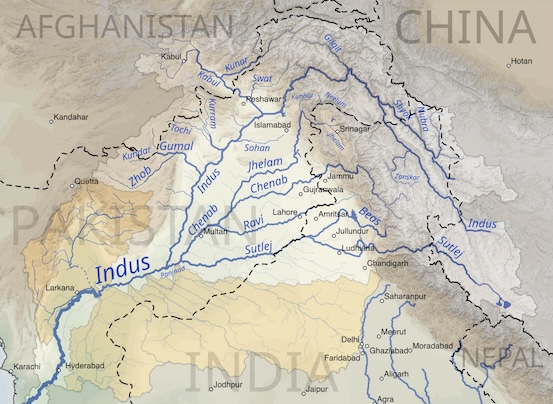
IndusIn a monumental win for Pakistan, a panel of the Permanent Court of Arbitration (PCA) held that India must honor a nearly 70-year-old water treaty between the two nations. The court said that the 1960 Indus Waters Treaty remains legally binding and that no party may unilaterally suspend or terminate it, despite the armed conflict that broke out between India and Pakistan last year. The treaty places limits on hydro-electric development by India on Indus tributaries designated for use by Pakistan, and the panel ordered one such project halted. However, India has explicitly rejected the authority of the PCA in the matter. India and Pakistan have long been at odds over the territory of Kashmir, through which the Indus flows from its Himalayan headwaters. (Map: Keenan Pepper via Wikimedia Commons)

North Africa

Libya: roadmap to resolve division of country

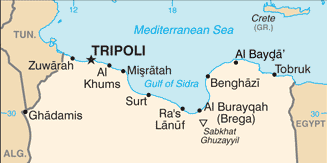
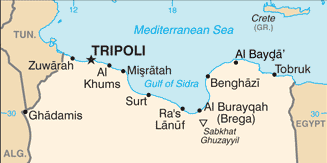
LibyaLibya's rival governments agreed to hold national elections within the next two years with a view to re-unifying the country. After months of UN-sponsored talks, representatives from the country's eastern and western administrations—known as the 4+4 Committee—signed an pact on terms to restructure the electoral commission and address disputes over the process. However, representatives of Libya's Amazigh (Berber), Tuareg and Tebu (Toubou) communities have issued a declaration stating they have lost confidence in the UN Support Mission in Libya, rejecting the legitimacy of the 4+4 Committee and threatening to boycott any elections held under the current framework. (Map: Perry-Castañeda Library)