

Africa

Who’s arming who in Sudan?
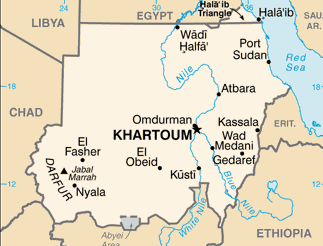
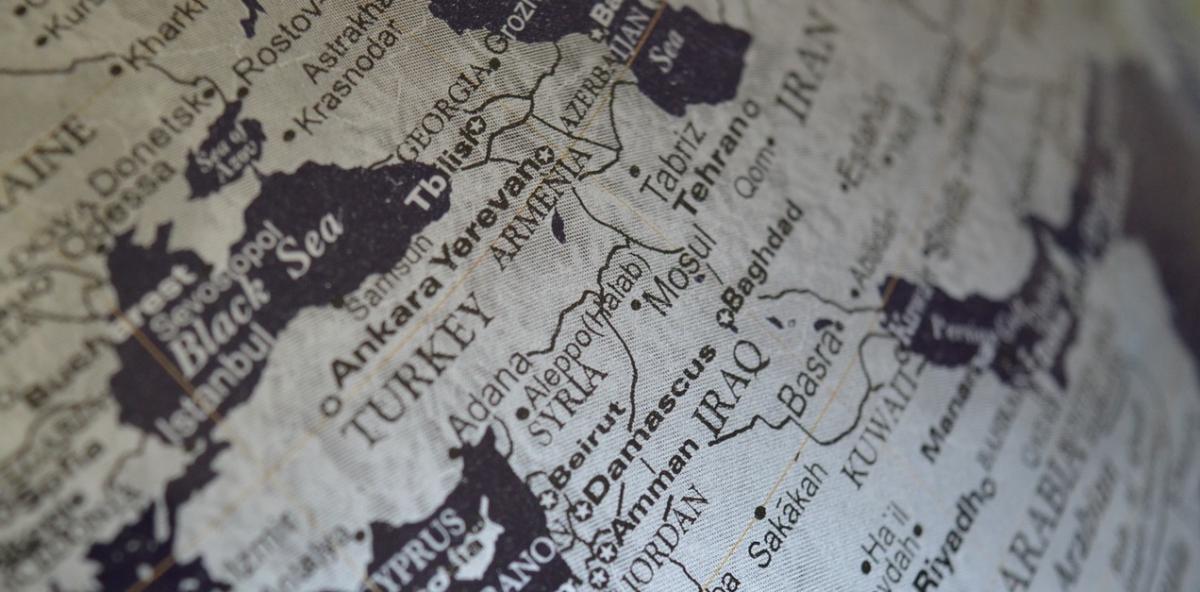
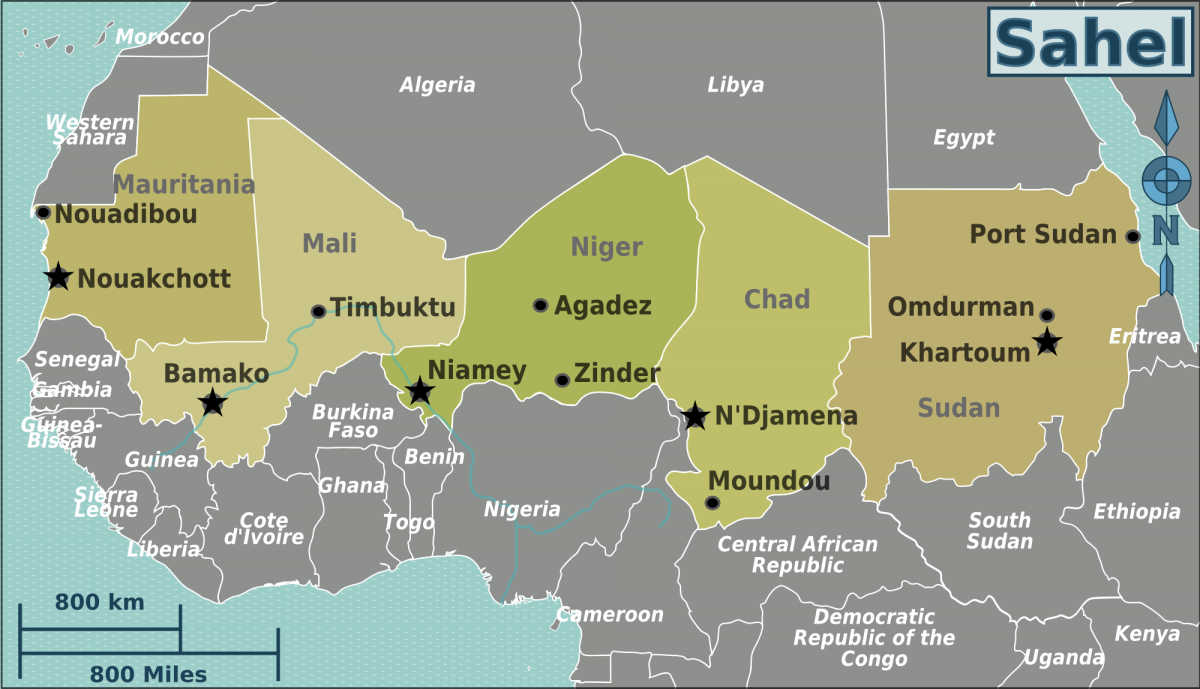
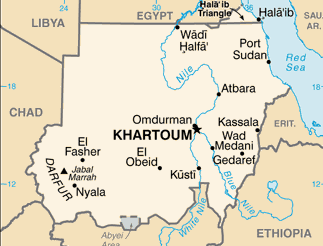
SudanThe United Arab Emirates denied arming the paramilitary Rapid Support Forces fighting Sudan's army, despite a leaked UN document alleging "credible" evidence. The UN report said arms shipments are unloaded each week from cargo planes at an airport in Chad, and handed to the RSF at the Sudanese border. The UAE has also been accused of funnelling weapons through the Central African Republic, part of a regional supply network that has allowed the RSF to "punch above its weight" in the nine-month conflict. But the Gulf State—with business and political interests across Africa—said it has taken no side in the war. Sudan's strategic position on the Red Sea has attracted the involvement of several regional powers. Egypt is backing the army, as is, reportedly, Iran. The multiplicity of actors has complicated resolution of a conflict that has displaced 10 million people. (Map: PCL)
Palestine

What UNRWA funding suspensions mean for Gaza

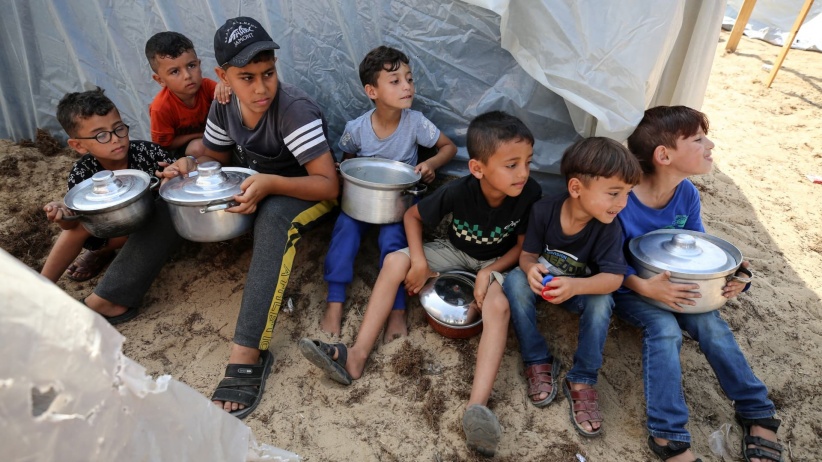
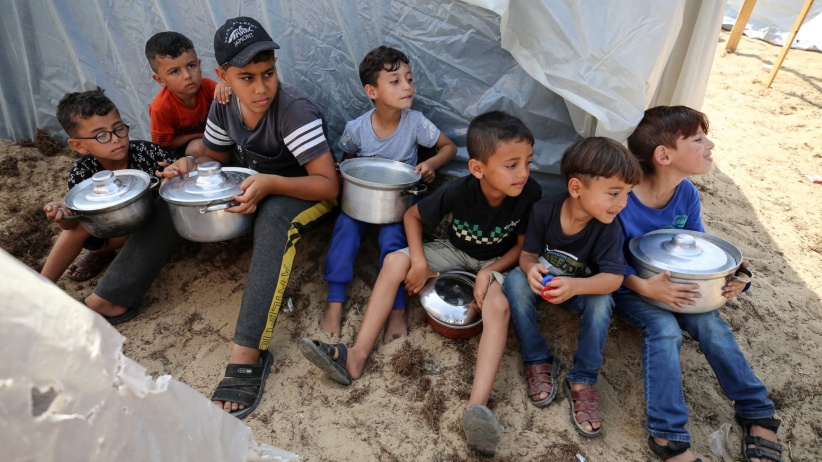
GazaUNRWA, the UN agency for Palestinian refugees, was plunged into crisis when Israel accused 12 of its Gaza employees of involvement in Hamas' deadly Oct. 7 attack on Israel. In response to the Israeli allegations, the US, UK, Germany, and other top donor countries suspended funding to UNRWA. In a statement, nearly two dozen aid organizations said they are "deeply concerned and outraged" by the suspension of funding, as some 2.3 million people in Gaza face "starvation, looming famine and an outbreak of disease under Israel's continued indiscriminate bombardment and deliberate deprivation of aid." (Photo: Maan News Agency)

Greater Middle East

Was drone strike on US forces in Jordan or Syria?

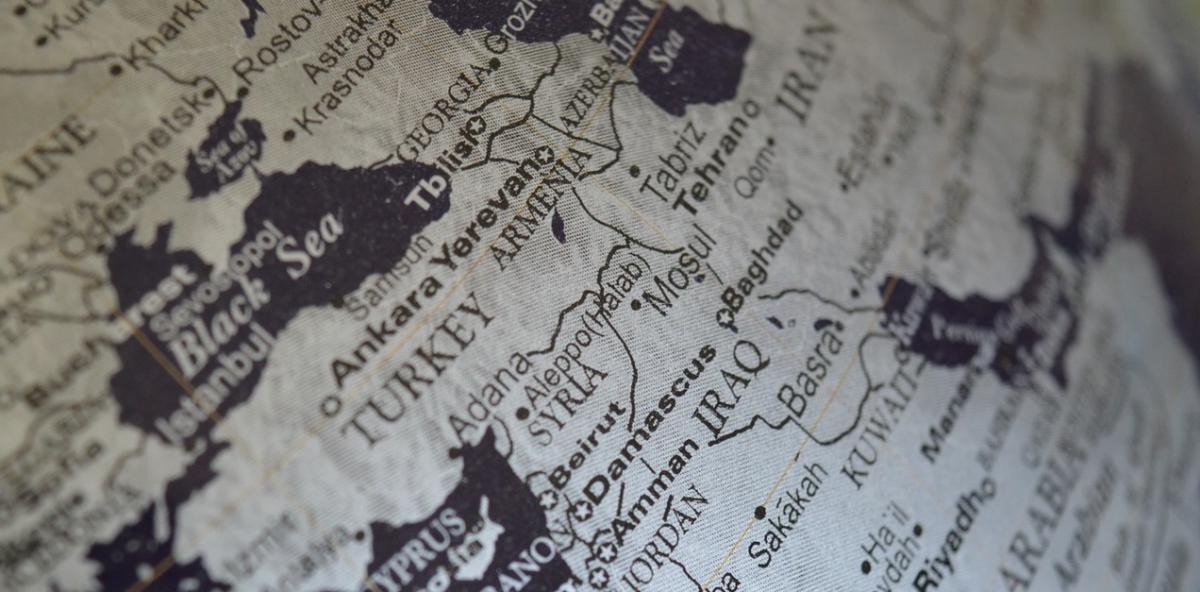
SyriaPresident Biden is pledging undefined retaliation after three US troops were killed and dozens injured in a drone strike being blamed on one of the Iran-backed militias that have been harassing US-led coalition forces in Iraq and Syria. It is widely reported that the target was a site in Jordan known as Tower 22, which provides logistical support for the US outpost across the border at al-Tanf, Syria—near where the borders of Jordan, Syria and Iraq intersect. However, a communique from the umbrella group for Iran-backed factions known as the Islamic Resistance in Iraq did not mention Tower 22, but claimed responsibility for drone strikes on three sites within Syria. These are al-Tanf, the nearby border outpost of Rukban, and Shaddadi—over 200 kilometers away in Hasakah governorate, in Syria's northeast corner, near oil fields that are under the control of US-backed Kurdish forces. (Image: Pixabay)

Africa

Burkina Faso: drone strikes on civilian targets

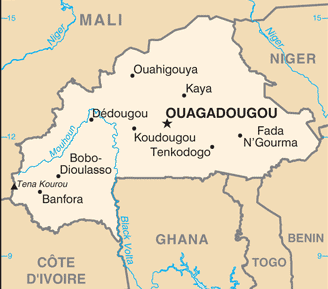
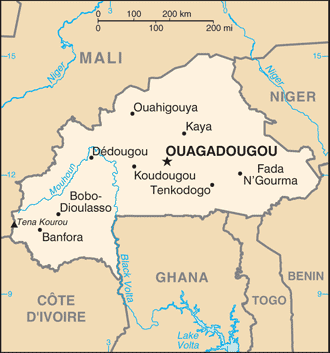
Burkina FasoHuman Rights Watch released a report bringing attention to three military drone strikes conducted by Burkina Faso’s government, supposedly targeting Islamist fighters. The strikes took place between August and November 2023 and resulted in significant civilian casualties at crowded markets and a funeral, according to the report. A minimum of 60 civilians are found to have lost their lives, with numerous others injured. (Map: Perry-Castañeda Library)

Africa

Sahel states defect from ECOWAS

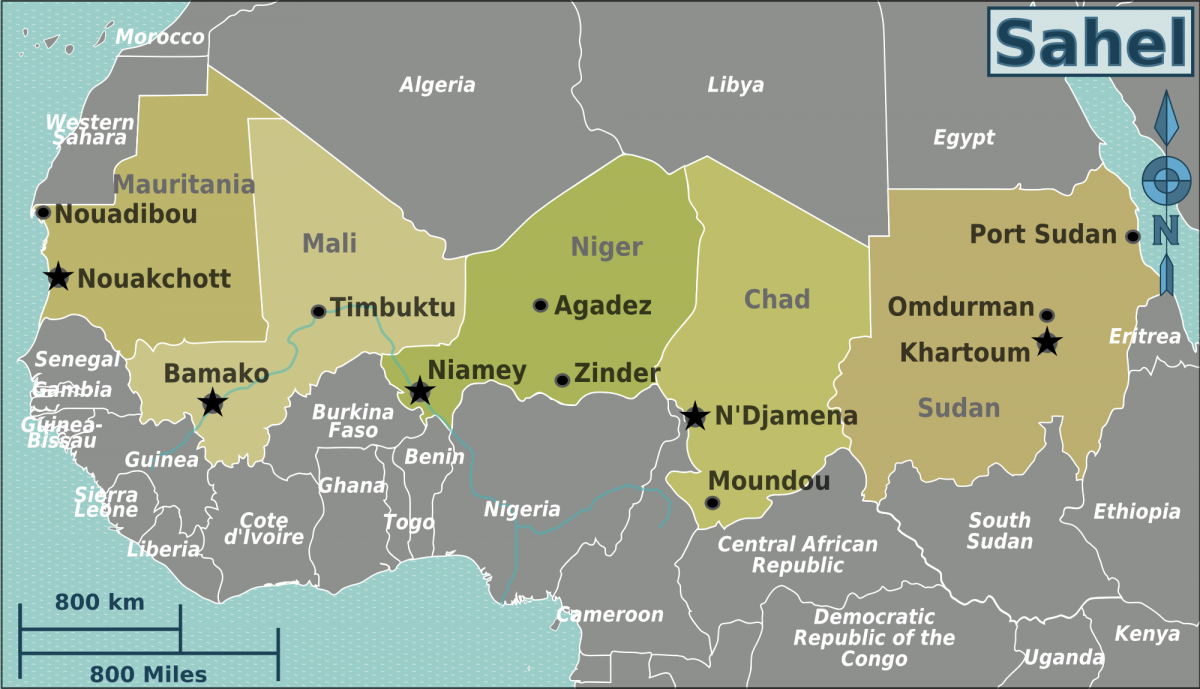
NigerNiger, Mali and Burkina Faso announced they are withdrawing from the Economic Community of West African States (ECOWAS), issuing a joint statement saying they had taken a "sovereign decision" to abandon the regional bloc of which they were founding members in 1975. The statement charges that ECOWAS has "drifted from the ideals of its founding fathers and the spirit of Pan-Africanism," and is now "under the influence of foreign powers." All three countries are led by military juntas after undergoing coups d'etat, which resulted in their suspension from the bloc. All three countries have also moved closer under their respective military regimes to Russia, whose Wagner Group mercenary force is backing up a new Malian government offensive against Tuareg separatist rebels. (Map: Wikivoyage)

Watching the Shadows

Podcast: Reformation, Remonstrance, Reaction

FlushingIn Episode 210 of the CounterVortex podcast, Bill Weinberg traces the paradoxical trajectory from medieval heresies to the Protestant Reformation, proto-anarchist movements of the English Civil War, fights for religious freedom in colonial America (with an emphasis on the Flushing Remonstrance of 1657), Abolitionism and the Underground Railroad (e.g. at the Quaker homestead of Bowne House in Flushing, NY)—to evangelical Protestantism as a pillar of Christian fascism in the impending MAGA order. How did we get here, and what elements of American political culture can we look to as a source of resistance today? Listen on SoundCloud or via Patreon. (Image: 1957 postage stamp commemorating Flushing Remonstrance via Wikipedia)

Palestine

ICJ issues interim ruling in Gaza genocide case

ICJThe International Court of Justice ordered Israel to "take all measures within its power" to prevent breaches of the Genocide Convention in the Gaza Strip, but declined to order a ceasefire, following proceedings instituted by South Africa. The court also directed Israel to punish calls for genocide against Palestinians in Gaza, to enable the provision of "basic services and humanitarian assistance" to residents of Gaza, to preserve evidence relating to potential Genocide Convention breaches, and to submit a report regarding its compliance with the court's order within one month. In its interim ruling, the court stressed that it is not yet determining whether Israel breached the Genocide Convention but is acting to protect the rights of Palestinians ahead of a final decision. (Photo: ICJ)

The Amazon

Brazil to back indigenous group in deadly land dispute

BahiaBrazil's President Luiz Inacio "Lula" da Silva vowed to provide the indigenous Pataxó Hã Hã Hãe people of Bahia state with federal support in a land dispute with farmers who are encroaching on their territory. The dispute led to the death of an indigenous leader in a confrontation with armed farmers; her brother, a traditional indigenous chief, was also shot but survived after undergoing surgery. Others suffered non-deadly injuries in the clash at Itapetinga municipality, including a broken arm. (Photo: Povos Indigenas no Brasil)

East Asia

Wildcat labor actions spread in China

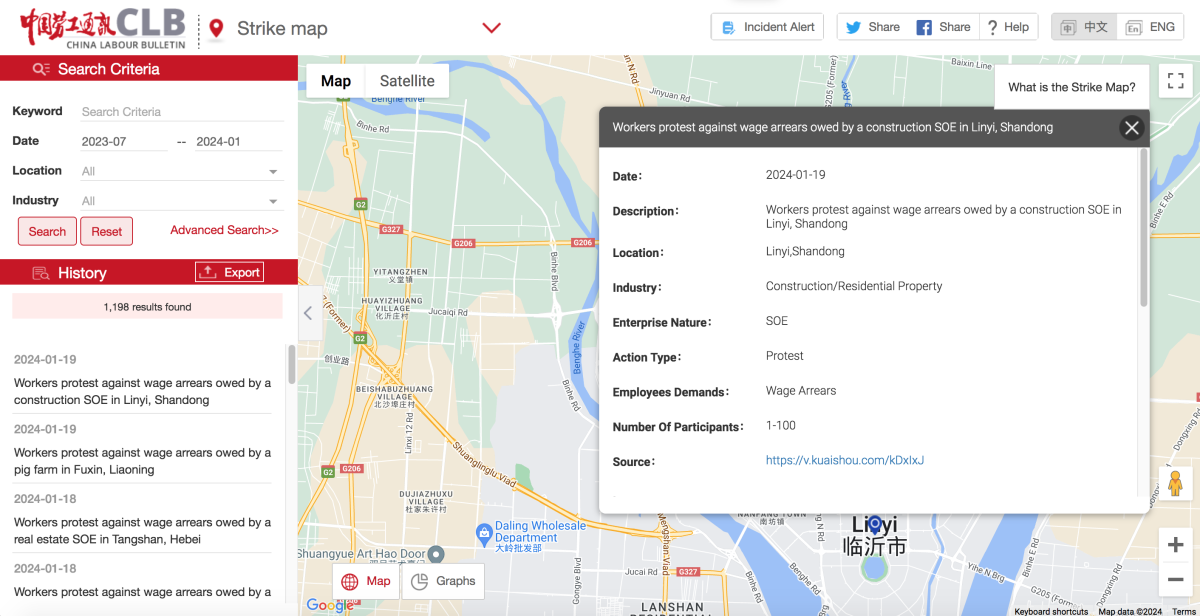
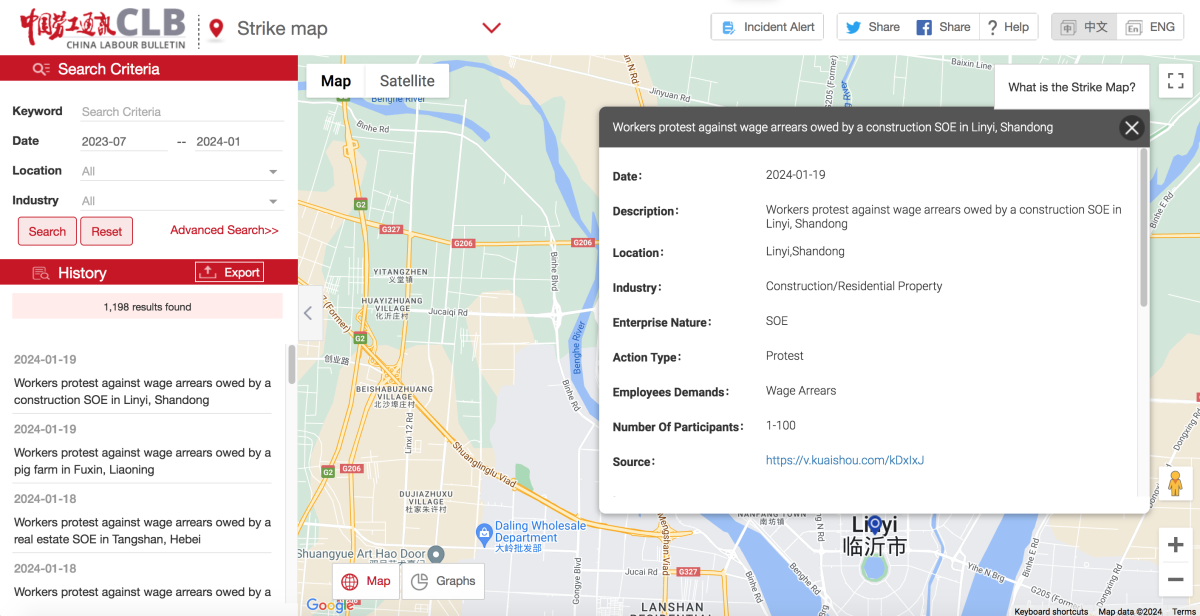
China laborAlthough winning no coverage in English-language media, labor actions are spreading across China in the current economic downturn in the People's Republic. This week, workers hung banners outside the headquarters of the Guilin No. 3 Construction Company in Guangxi province to demand payment of outstanding wages owed to hundreds of employees. On the same day, migrant workers in Jinan, Shandong province, raised banners in the city's central business district demanding payment of backlogged wages by the China Railway Construction Corporation. By definition, such actions are not authorized by the state-controlled All-China Federation of Trade Unions (ACFTU). Numerous such recent actions were described at the symposium "Non-violent Resistance, High-Tech Totalitarianism and China's Future," held last weekend in Washington DC. (Image: China Labour Bulletin)

Europe

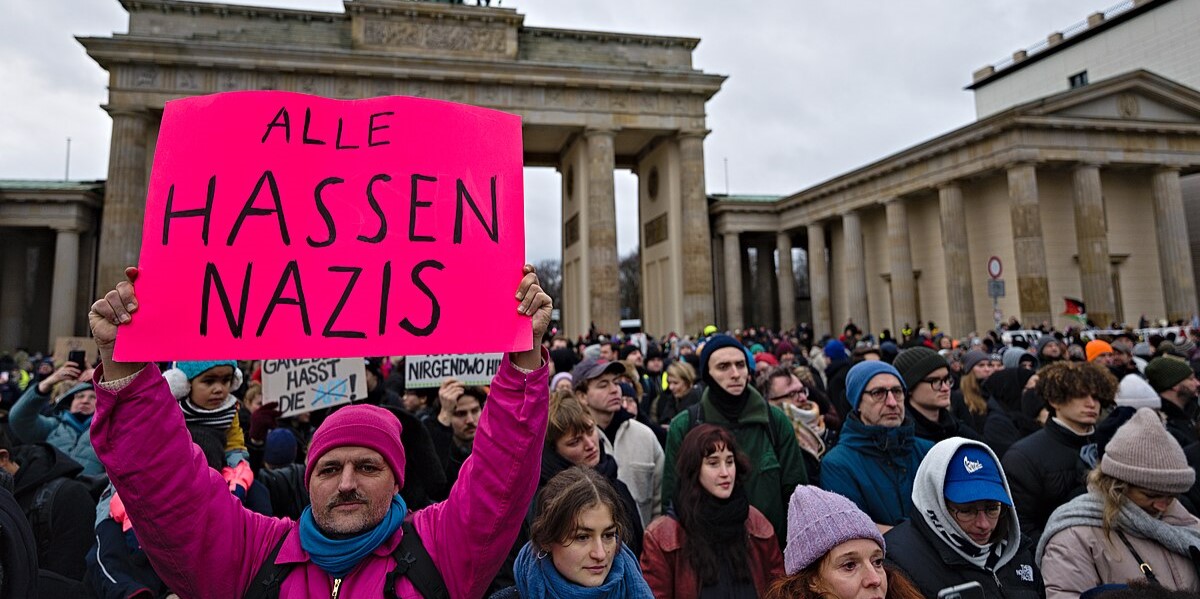
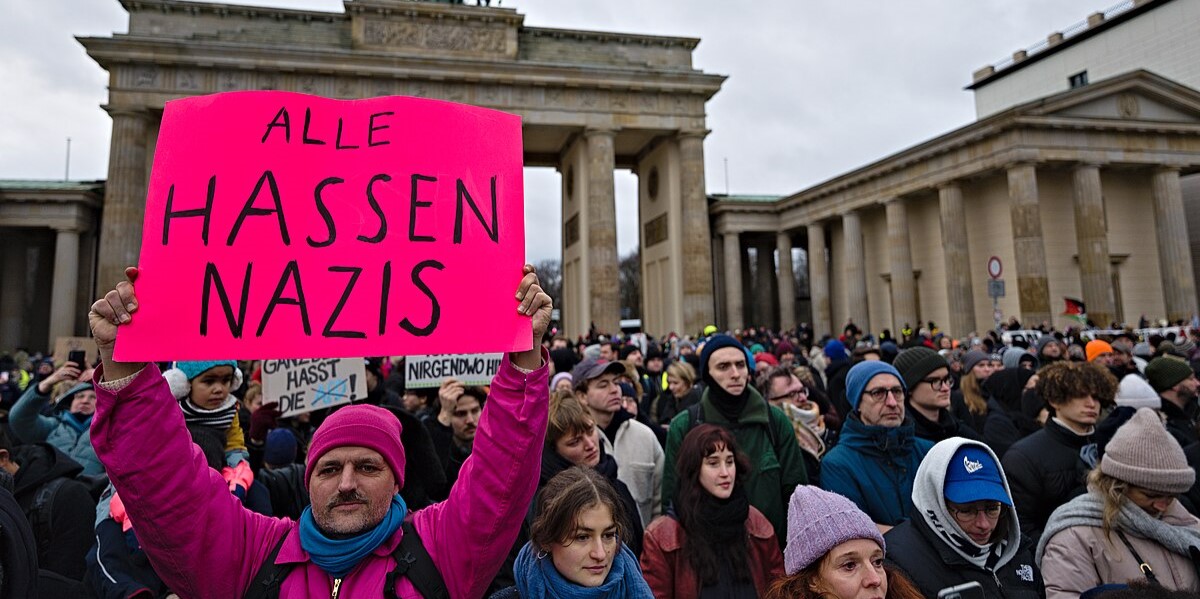
Thousands protest far-right party in Germany

antifaMass protests took place across 114 cities in Germany against the far-right political party Alternative für Deutschland (AfD). The demonstrations came in response to revelations that party leaders held a national meeting of extremist figures to discuss mass deportations, including of "non-assimilated citizens." According to activist group Together Against the Right, the weekend demonstrations brought out over 1.5 million attendees across the country, under slogans such as "DEFEND DEMOCRACY," "IT FEELS LIKE 1933," and "NEVER AGAIN IS NOW." (Photo: Leonhard Lenz via Wikimedia Commons)

Palestine

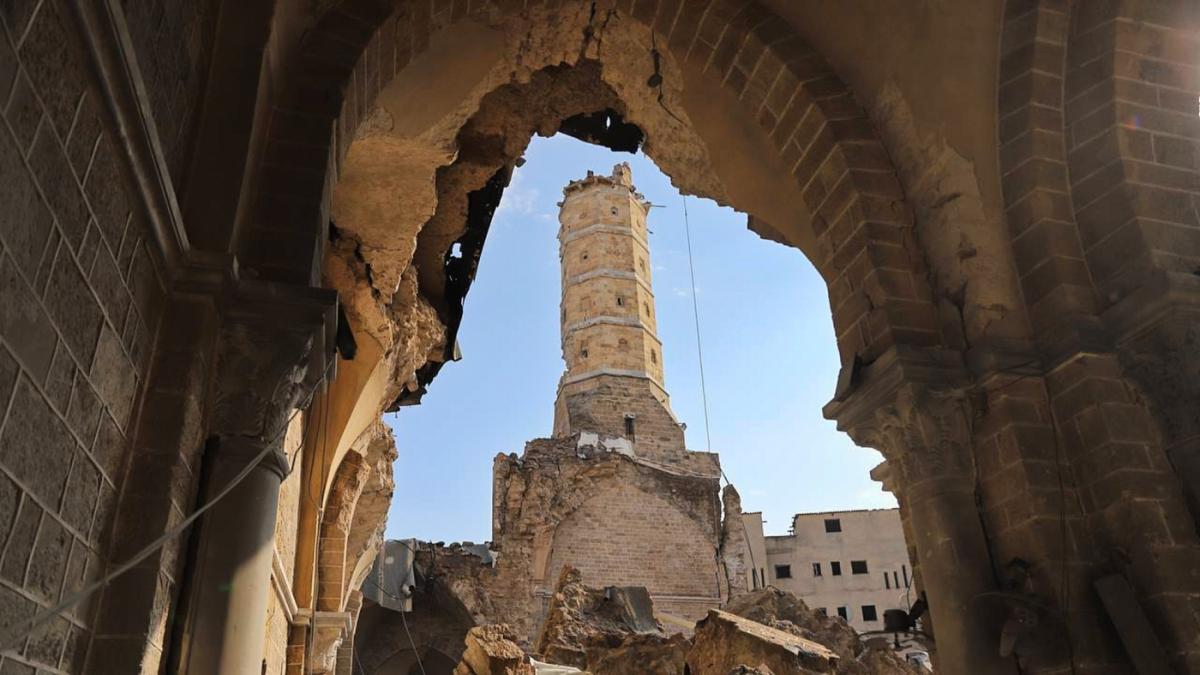
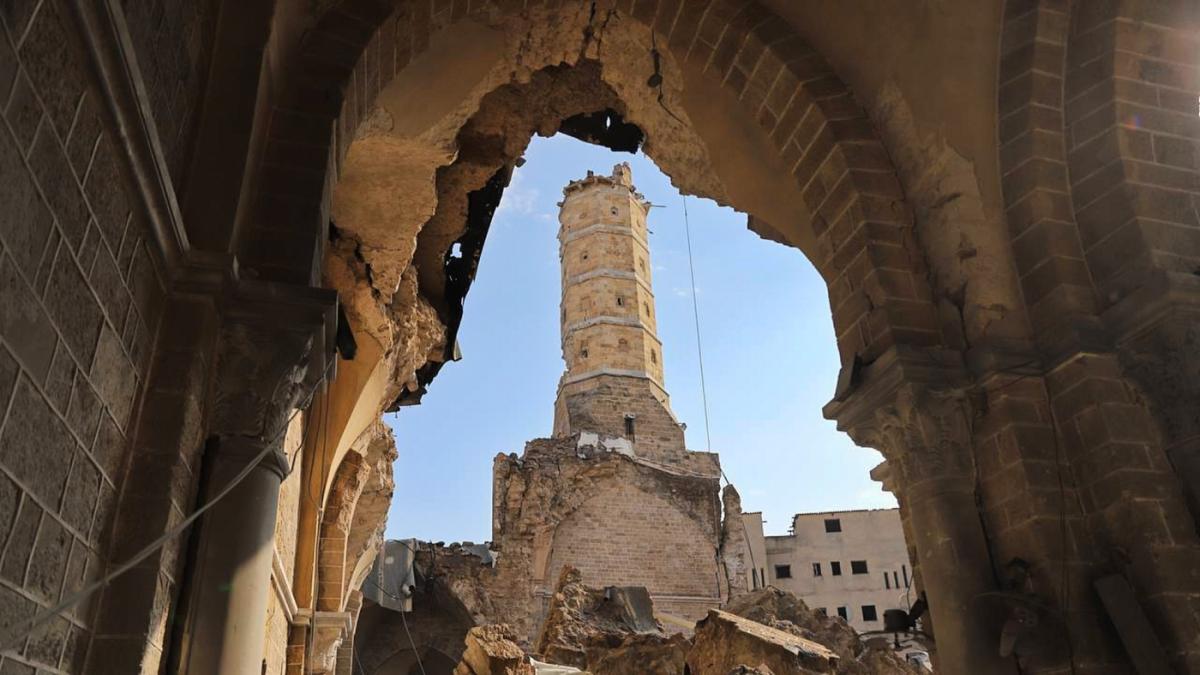
Cultural heritage under attack in Gaza

Omar MosqueThe genocide case brought against Israel at the International Court of Justice charges that "Israel has damaged and destroyed numerous centres of Palestinian learning and culture" in the Gaza Strip, including schools, libraries, religious sites and places of historical importance. The United Nations Educational, Scientific & Cultural Organization (UNESCO) reports that in the two-and-a-half months of bombardment, more than 200 schools have been damaged—around 40% of the total number in the Strip, about 40 of them seriously. UNESCO is also attempting to monitor damage to heritage sites using satellite data and sources on the ground. The agency has especially expressed concern over the ruins of fourth-century Saint Hilarion Monastery, which has been placed under "provisional enhanced protection." (Photo: The oldest mosque in Gaza, the Omari Mosque, severely damaged in Israeli bombardment, Jan. 2. Credit: Mohammed al-Hajjar/Middle East Eye. Published with permission.)