
Algeria: Kabylie independence at issue in press freedom case
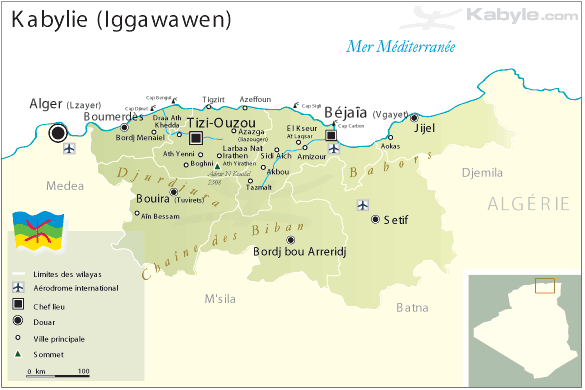
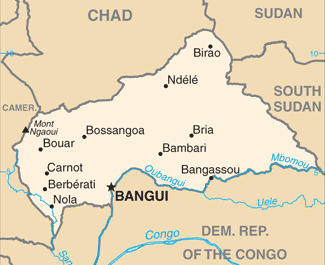
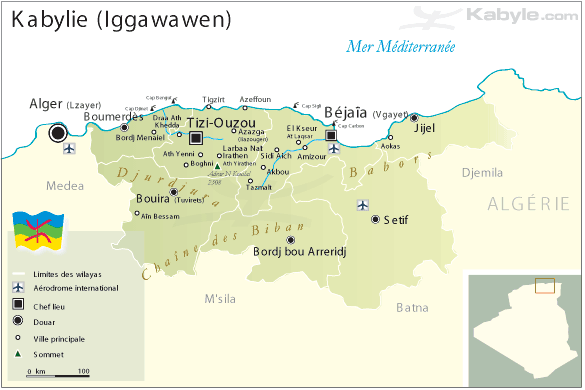
KabyleA court in Algeria sentenced French sports journalist Christophe Gleizes to seven years in prison on charges of "glorifying terrorism" and "possessing propaganda harmful to the national interest." Gleizes was arrested in Tizi Ouzou, in the restive Kabylie region, after interviewing the president of football club JS Kabylie. Authorities alleged the interviewee had ties to the Movement for the Self-Determination of Kabylie (MAK), which Algeria designated a "terrorist group" in 2021. The Committee to Protect Journalists (CPJ) said the sentence "is a clear indication of the government's intolerance of press freedom." (Map: Kabyle.com)
Syria

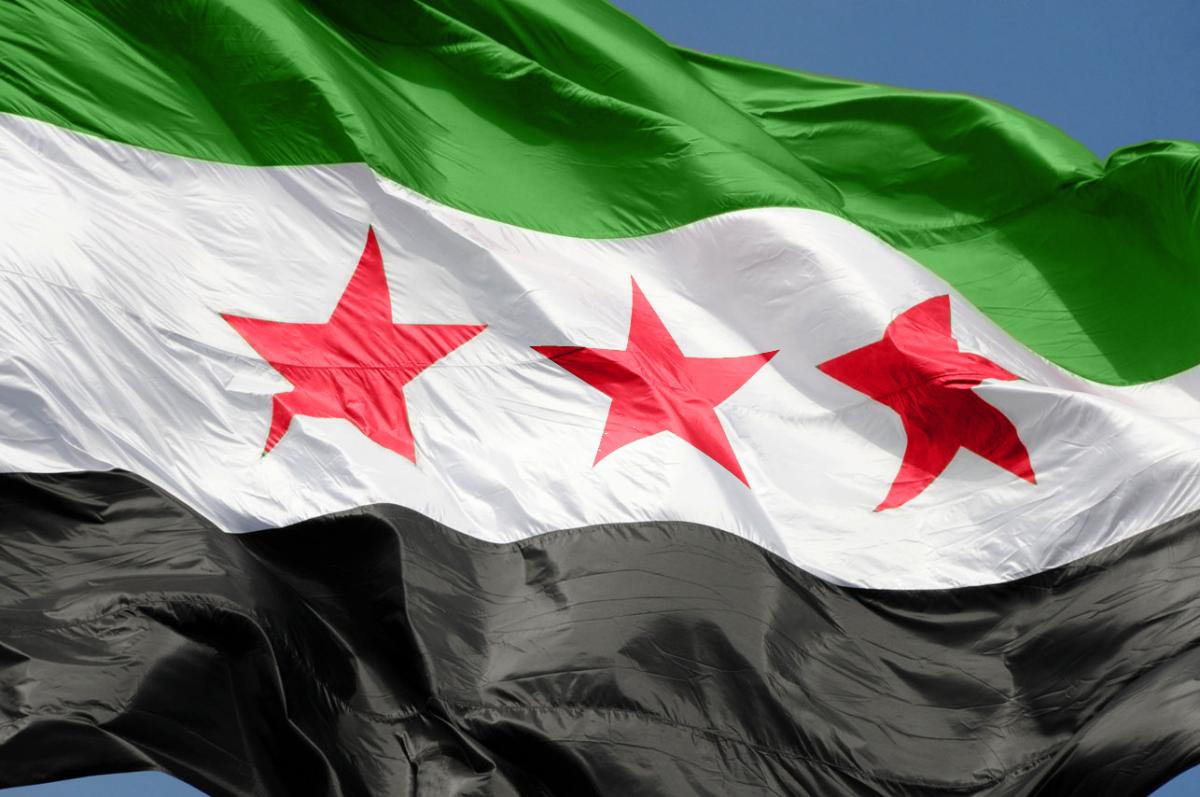
US removes sanctions amid Syria transition

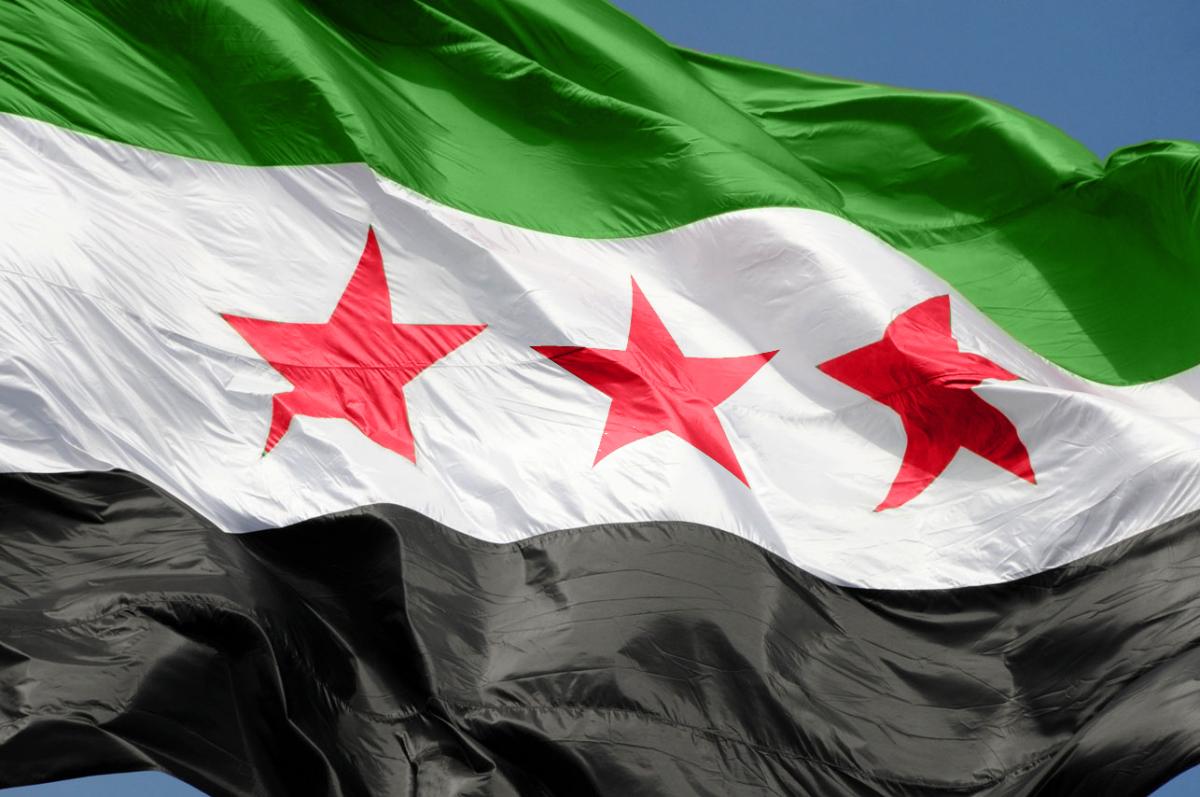
SyriaPresident Donald Trump signed an executive order that terminates the majority of US sanctions imposed on Syria and associated designated persons. Lifting of the sanctions will represent a significant opportunity for the ravaged Syrian economy. Sanctions against people and entities tied to the ousted Bashar Assad regime, terrorist organizations, and human rights abusers will remain in place. While the Syrian government welcomed the relief, the United Nations expressed the need for "genuine political inclusion" during Syria’s political transition. Critics have recently questioned the "promise of real change" in the country after the establishment of an electoral process that does not allow for a direct public vote to seat the new People’s Assembly. (Image of Free Syria flag via Wikimedia Commons)

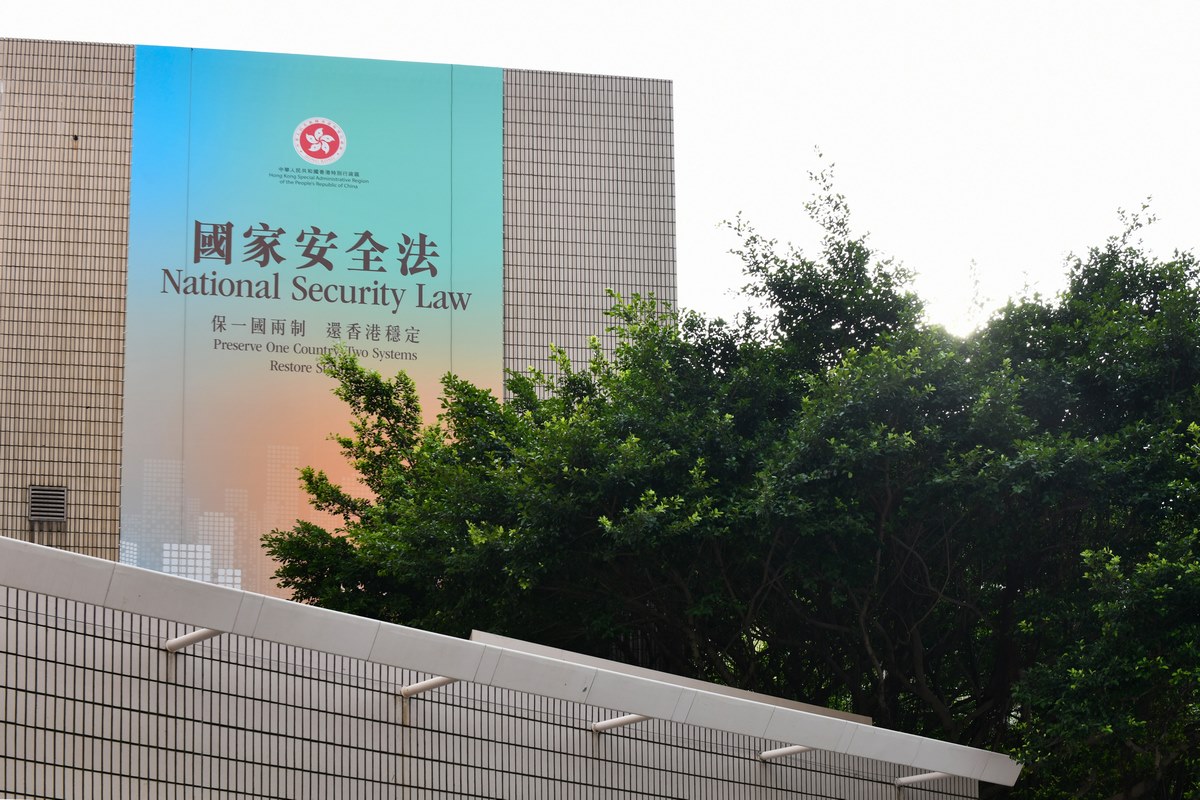
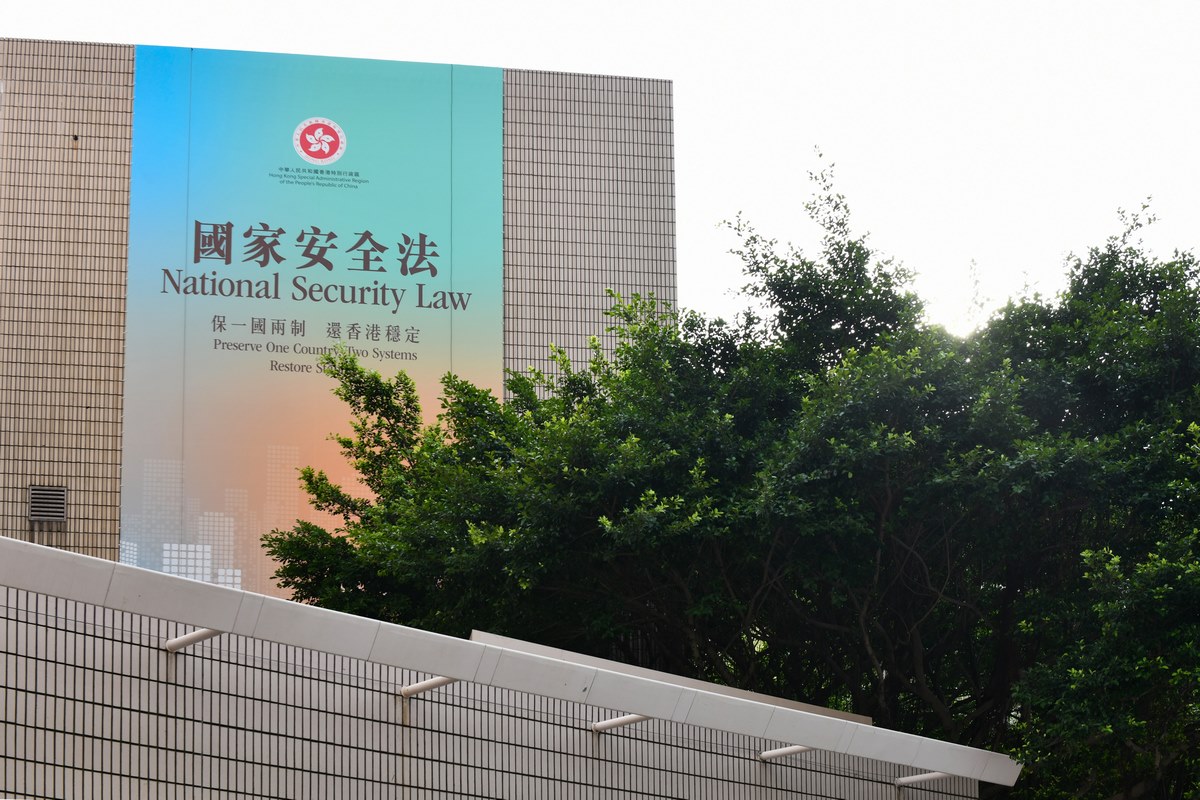
Hong Kong bars ‘national security’ offenders from union organizing

Hong KongThe Hong Kong Legislative Council passed a law that bans anyone convicted of a "national security" offense from forming or holding a leadership position within a union. The new law amends the Trade Union Ordinance, introducing a lifetime ban on union organizing for such offenders. The move comes just as Hong Kong's last remaining active pro-democracy party, the League of Social Democrats, announced that it is disbanding, citing fear of prosecution under the National Security Law. The territory's largest labor confederation, the Hong Kong Confederation of Trade Unions (HKCTU), was forced to disband in 2021. (Photo: HKFP)

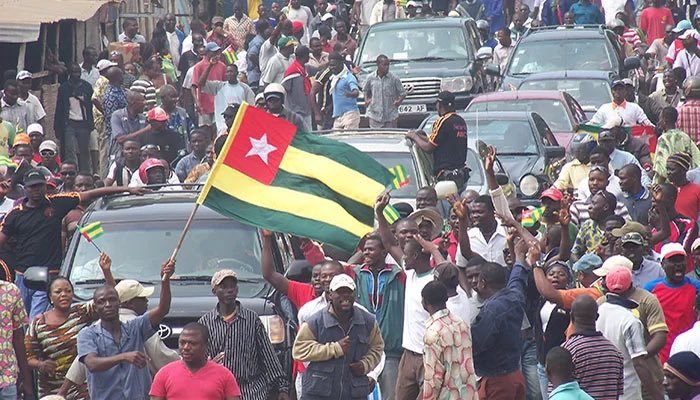
Protests rock Togo after ‘constitutional coup’

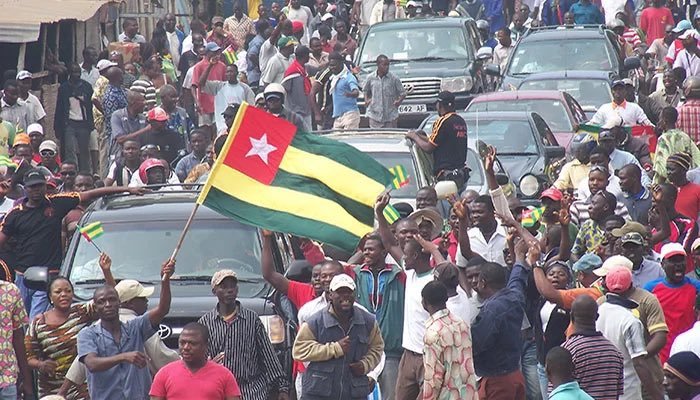
TogoAt least seven have been killed and many more injured in anti-government protests that broke out in Togo's capital, Lomé. The demonstrations were called over recent constitutional reforms that could cement President Faure Gnassingbé's long hold on power. Gnassingbé, who has ruled since his father's death in 2005, was sworn in last month as president of the Council of Ministers, a powerful new post without term limits, allowing him to be re-elected by Parliament indefinitely. Gnassingbé's family has ruled Togo since 1967, and the new "Hands Off My Constitution" movement denounces the government reform as a "constitutional coup." (Photo via Twitter)

Europe, Ukraine to establish tribunal for crime of aggression

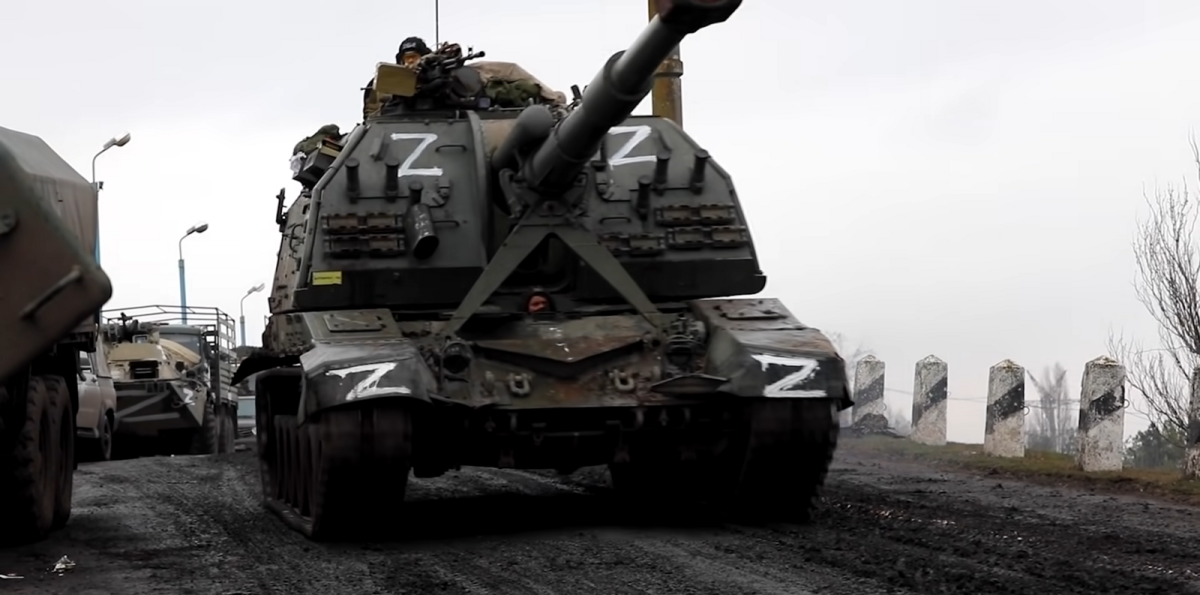
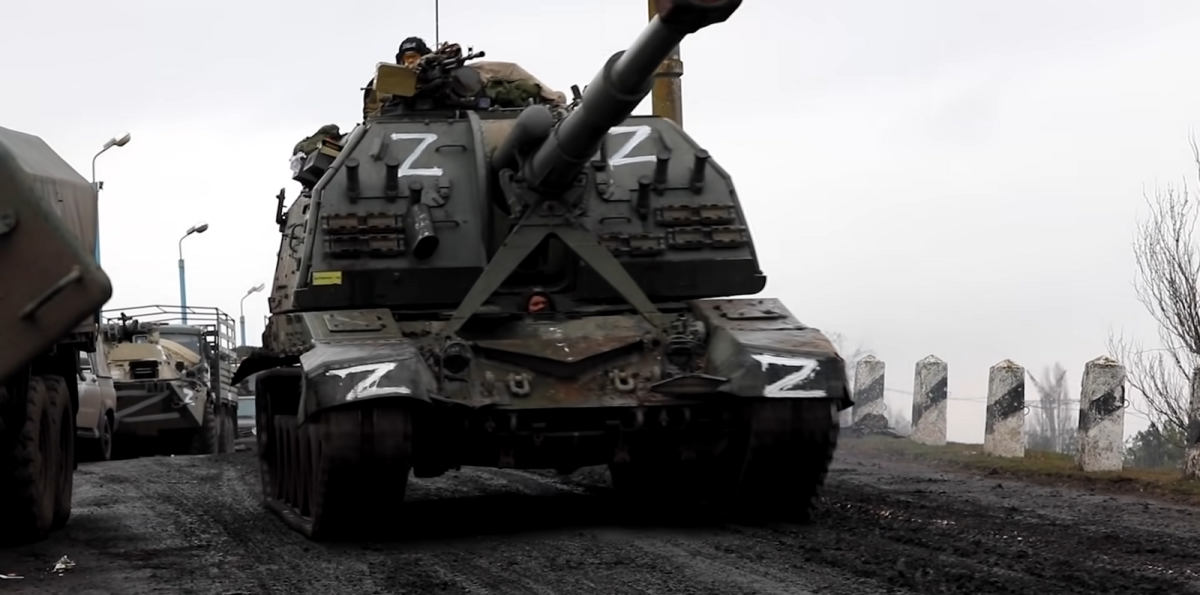
tankUkrainian President Volodymyr Zelensky and Secretary General of the Council of Europe Alain Berset agreed to establish a Special Tribunal for the Crime of Aggression against Ukraine. The agreement, supported by all 46 Council of Europe member states, will establish a tribunal to address crimes of aggression in response to Russia's ongoing invasion. The crime of aggression refers to the decision by a state leader to wage a war that may violate Article 2(4) of the UN Charter, which prohibits the threat or use of force against the territorial integrity or political independence of any state. The tribunal's jurisdiction may also extend to Russian allies participating in the conflict. (Photo: Wikimedia Commons)

UN warns of ‘weaponized hunger’ in Gaza

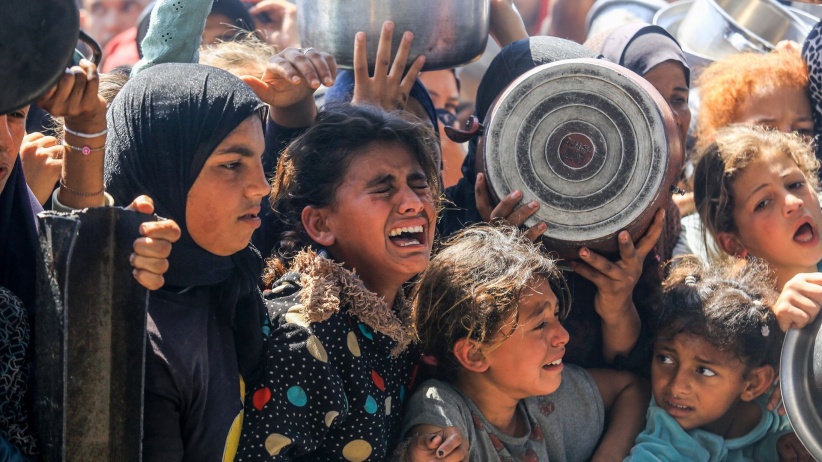
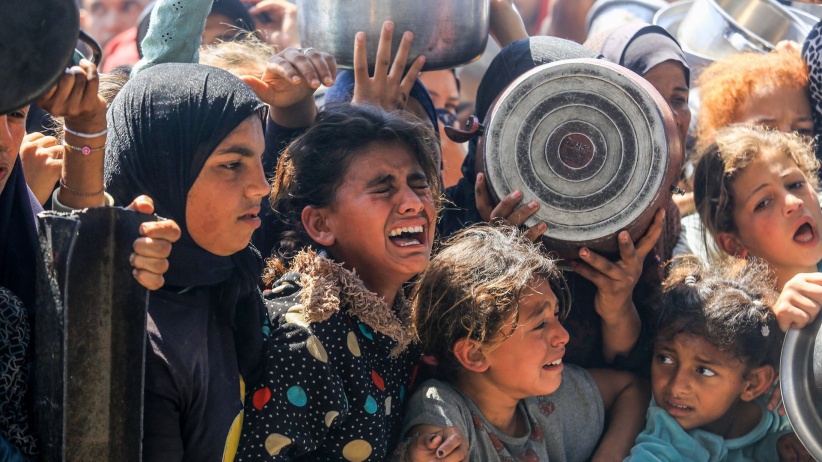
GazaThe Office of the United Nations High Commissioner for Human Rights (OHCHR) announced that the recent killing of Palestinians trying to receive food from aid hubs may constitute a war crime, warning of a policy of "weaponized hunger" in the Gaza Strip. Jonathan Whittall, the head of the United Nations Office for the Coordination of Humanitarian Affairs (OCHA) in Gaza and the West Bank, reported that more than 400 people have now died in the process of trying to reach food distribution points. "We see a chilling pattern of Israeli forces opening fire on crowds gathering to get food," Whittall said, adding that "Israel's militarized humanitarian assistance mechanism is in contradiction with international standards on aid distribution." (Photo: Maan News Agency)

Drone terror in Khyber Pakhtunkhwa

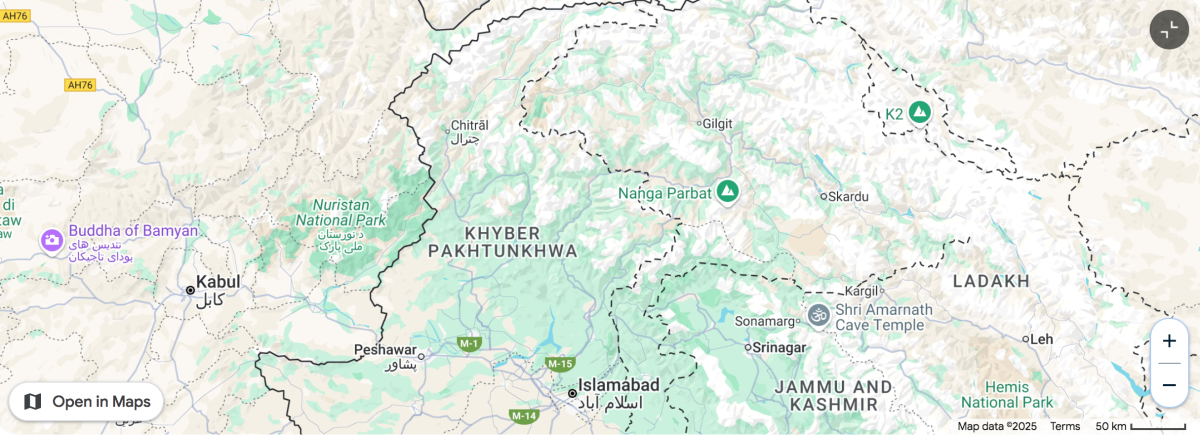
KhyberAmnesty International expressed concern over recurrent drone strikes conducted by Pakistan's military, which have caused unlawful loss of civilian lives. The rights group stated that the strikes in the province of Khyber Pakhtunkhwa have resulted in the deaths of 17 people this year, hitting homes and even, in one case, a volleyball game. The statement urged authorities to investigate these incidents and hold those responsible accountable. (Map: Google)

Iran: wave of repression in wake of bombardment

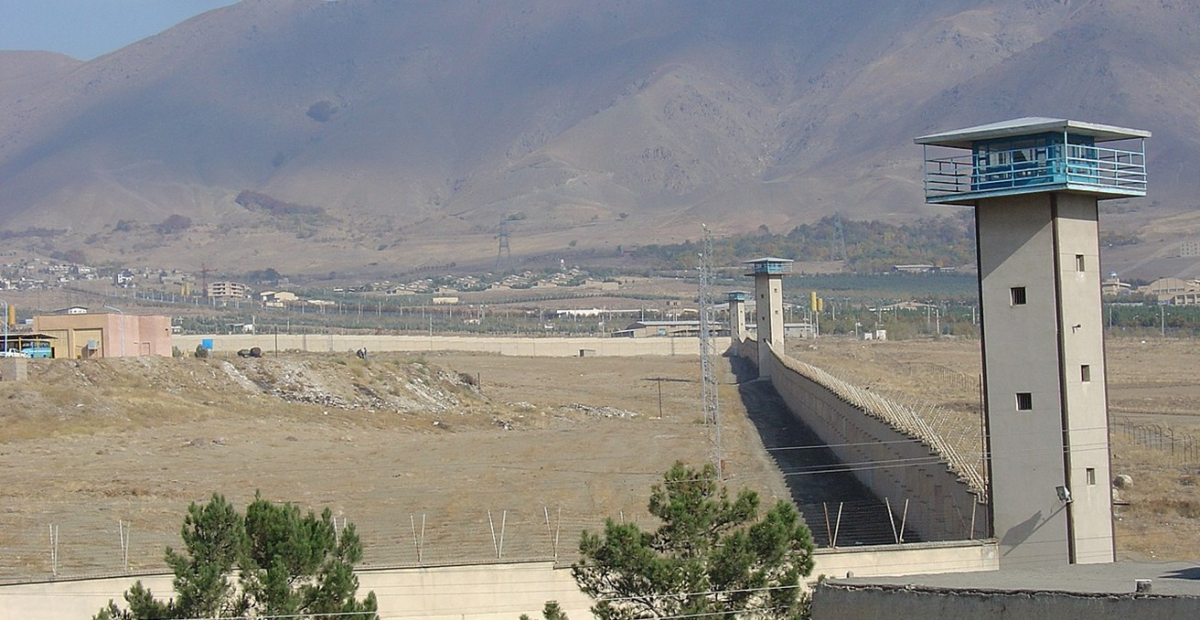
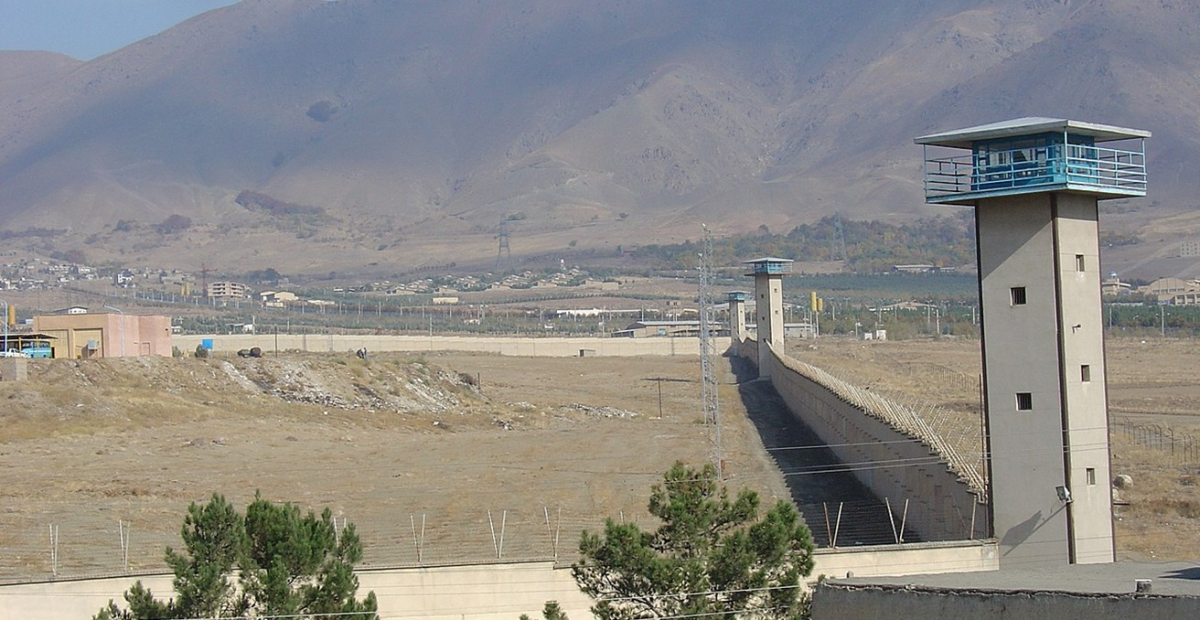
GohardashtOne result of the 12 days of war has been the intensification of repression inside Iran under the name of "defending the homeland" or "fighting espionage." According to reports, at least 700 people have been arrested on accusations of cooperating with Israel. Six political prisoners (all with serious legal irregularities in their cases) have already been executed, labeled as "spies." And this could be only the beginning. The "Islamic Gestapo" (Basij) have turned urban areas like Tehran into militarized zones. They roam the streets, hunting for "suspicious agents." (Photo: Wikipedia)

Podcast interview: Iranian-American activist Frieda Afary

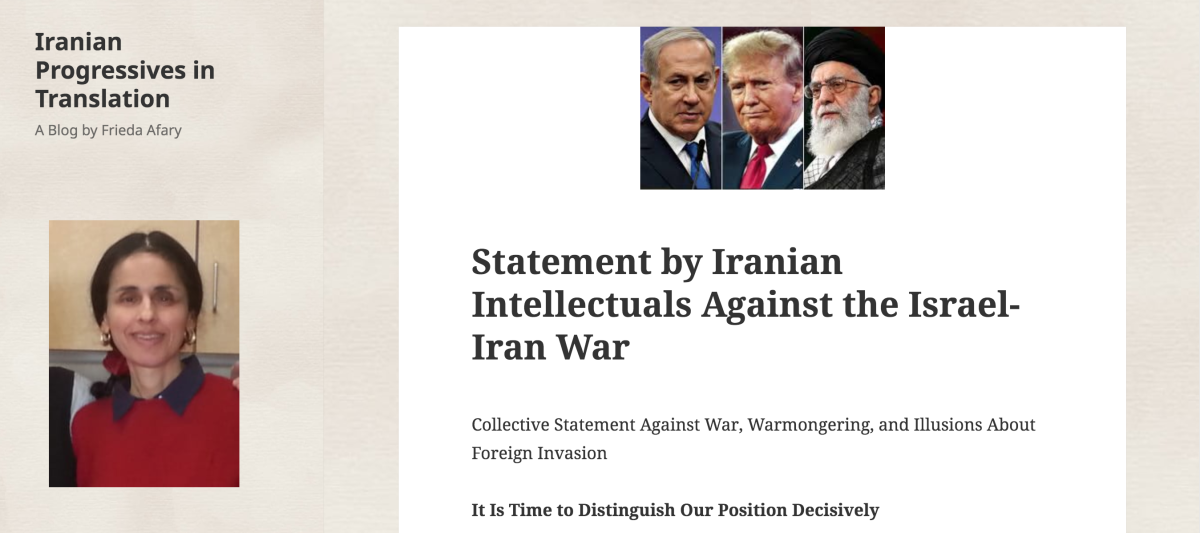
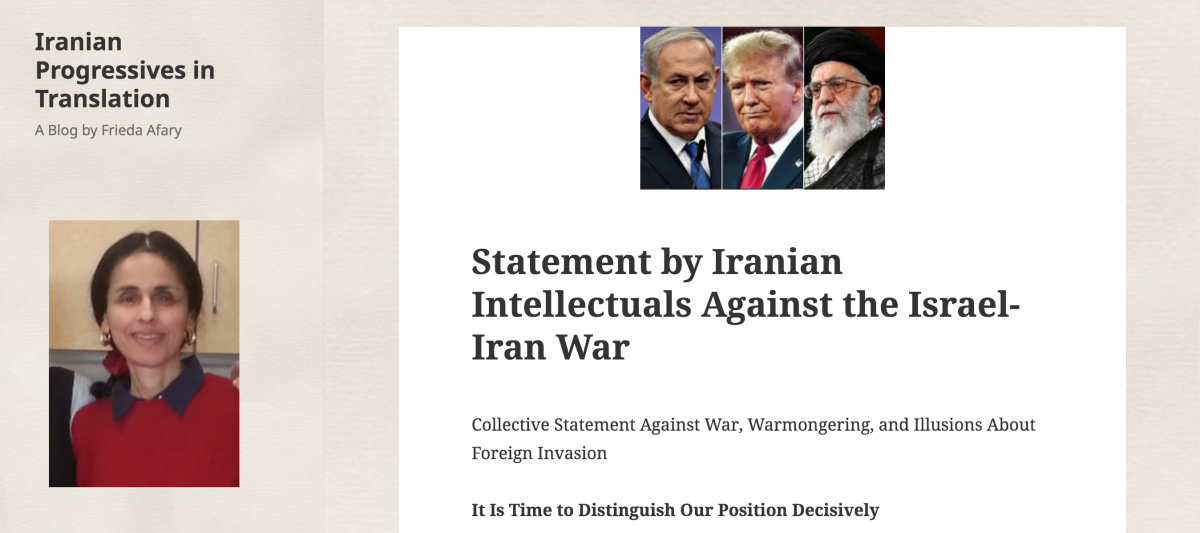
Frieda AfaryIn Episode 284 of the CounterVortex podcast, Bill Weinberg interviews Frieda Afary of the blog Iranian Progressives in Translation, author (most recently) of Socialist Feminism: A New Approach, and a longtime voice for democratic-secular opposition movements in Iran. How is the situation of Iran's civil resistance complicated by the US-Israeli air-strikes on the country, and how should progressives in the West respond? Listen on SoundCloud or via Patreon.

Iran’s retaliation: choreographed charade?

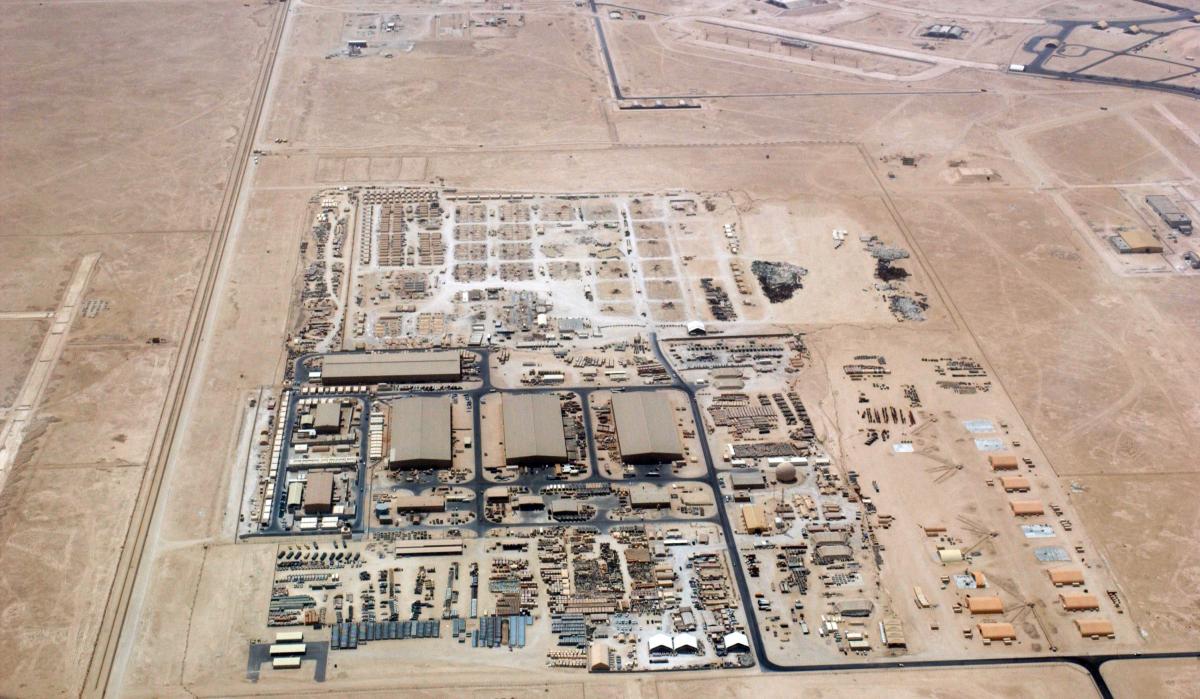
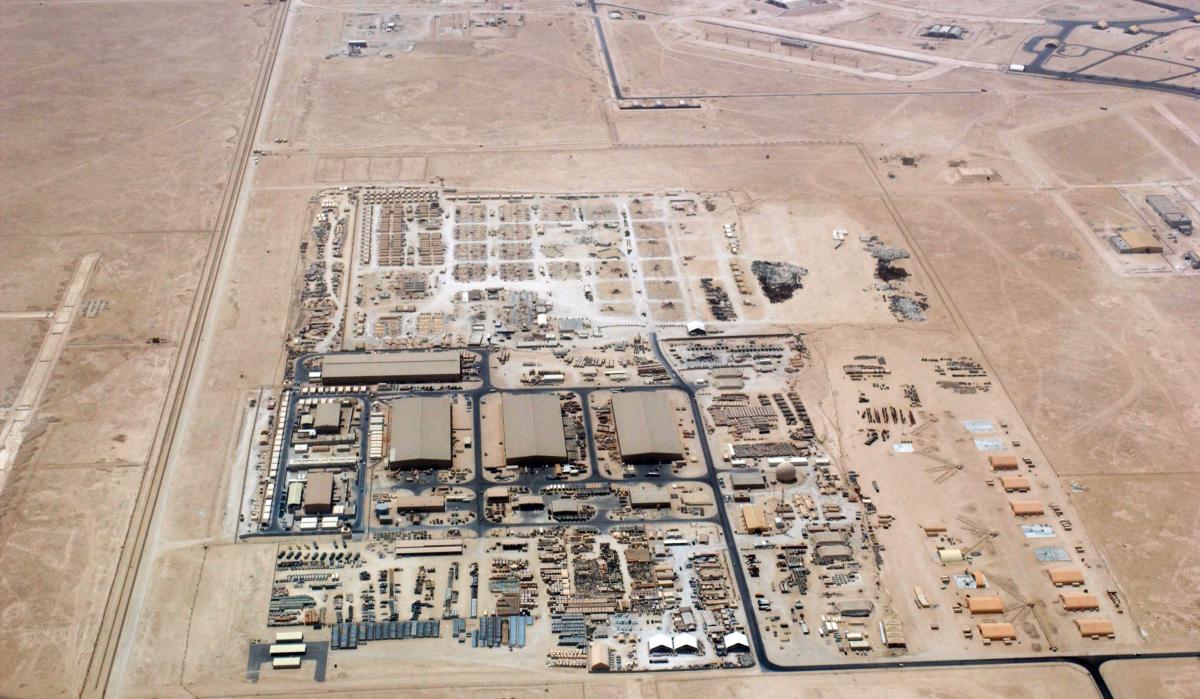
qatarTwo days after the US carried out air-strikes against Iran's nuclear sites in what is being dubbed Operation Midnight Hammer, Iran launched missiles at al-Udeid air base in Qatar, headquarters for US Central Command's regional operations and host to some 8,000 US troops. The US said nearly all the missiles were intercepted and there were no casualties. In a post on TruthSocial, President Trump shortly later claimed a ceasefire between Israel and Iran has been reached, with Israeli media reporting that the truce was brokered by Qatar. Sources also told Reuters that Iran had tipped off Qatar authorities before the attack, who then warned the US—accounting for the light damage and raising the possibility that, as in US-Iran brinkmanship of early 2020, the supposed Iranian retaliation was choreographed to allow Tehran to save face. The US, Israel and Iran alike are now all claiming victory, and it remains unclear how seriously Tehran's nuclear capabilities have in fact been degraded. (Image of al-Udeid air base: Wikimedia Commons)

Iran vows retaliation after US strikes nuclear sites

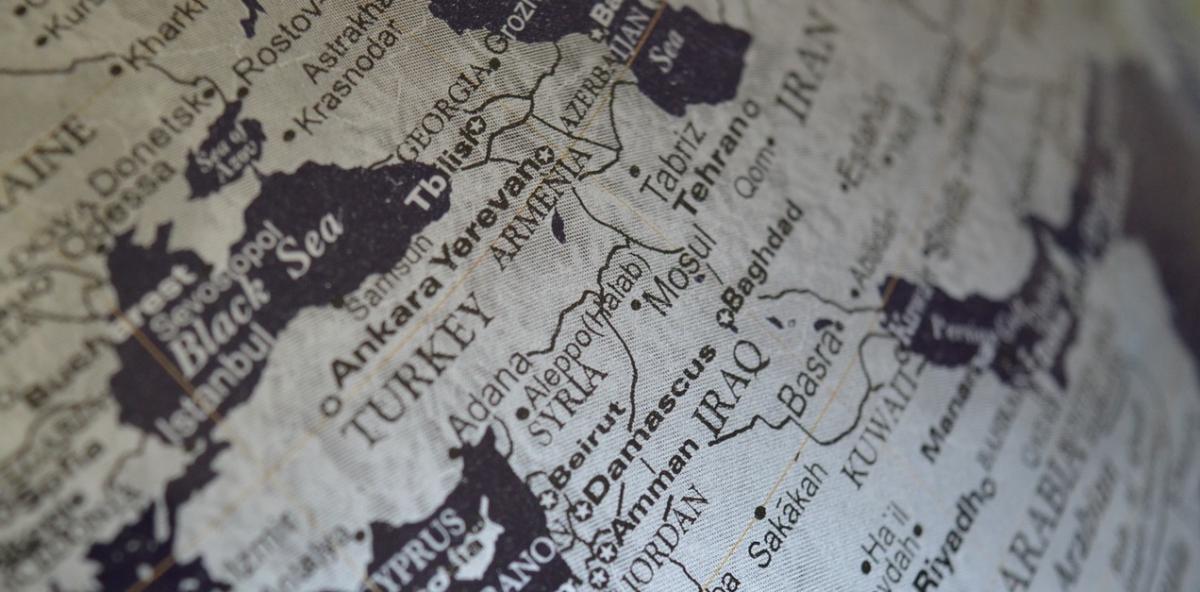
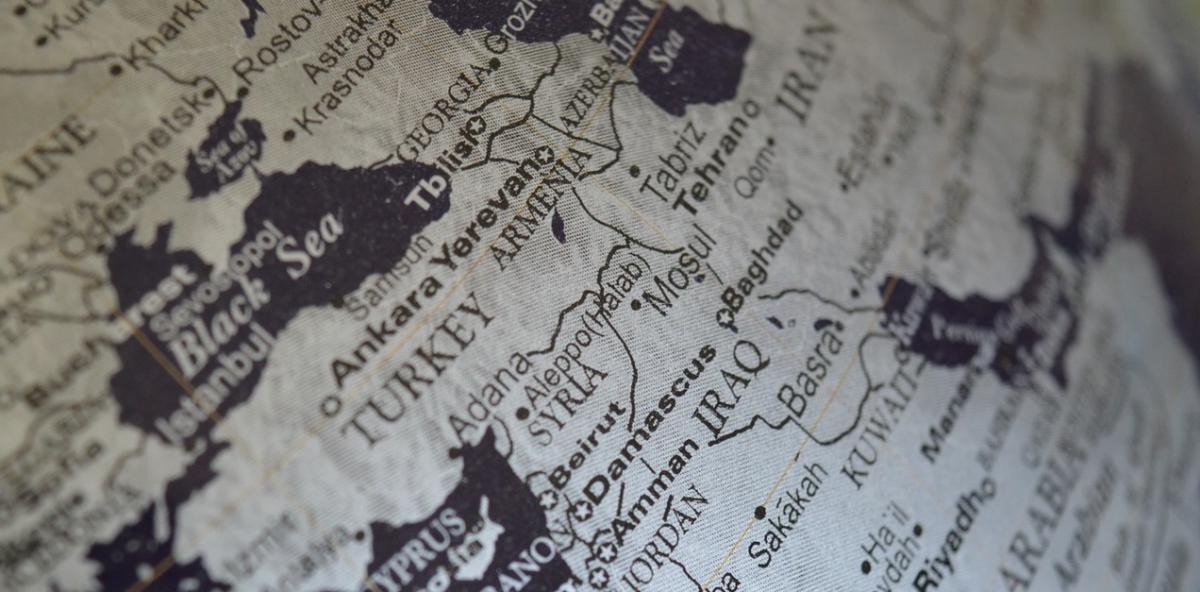
SyriaThe Islamic Revolutionary Guard Corps (IRGC) vowed retaliation against US and Israeli targets following American strikes on Iran's nuclear facilities. "Operation True Promise 3 continues, and the aggressors must await responses that will make them regret and will go beyond their calculations," the IRGC said in a statement, adding that "American bases in the region are not points of strength but rather factors of their greater vulnerability." (Image: Pixabay)