cislunar orbit

ORBITAL DATA CENTERS IN LEGAL VACUUM

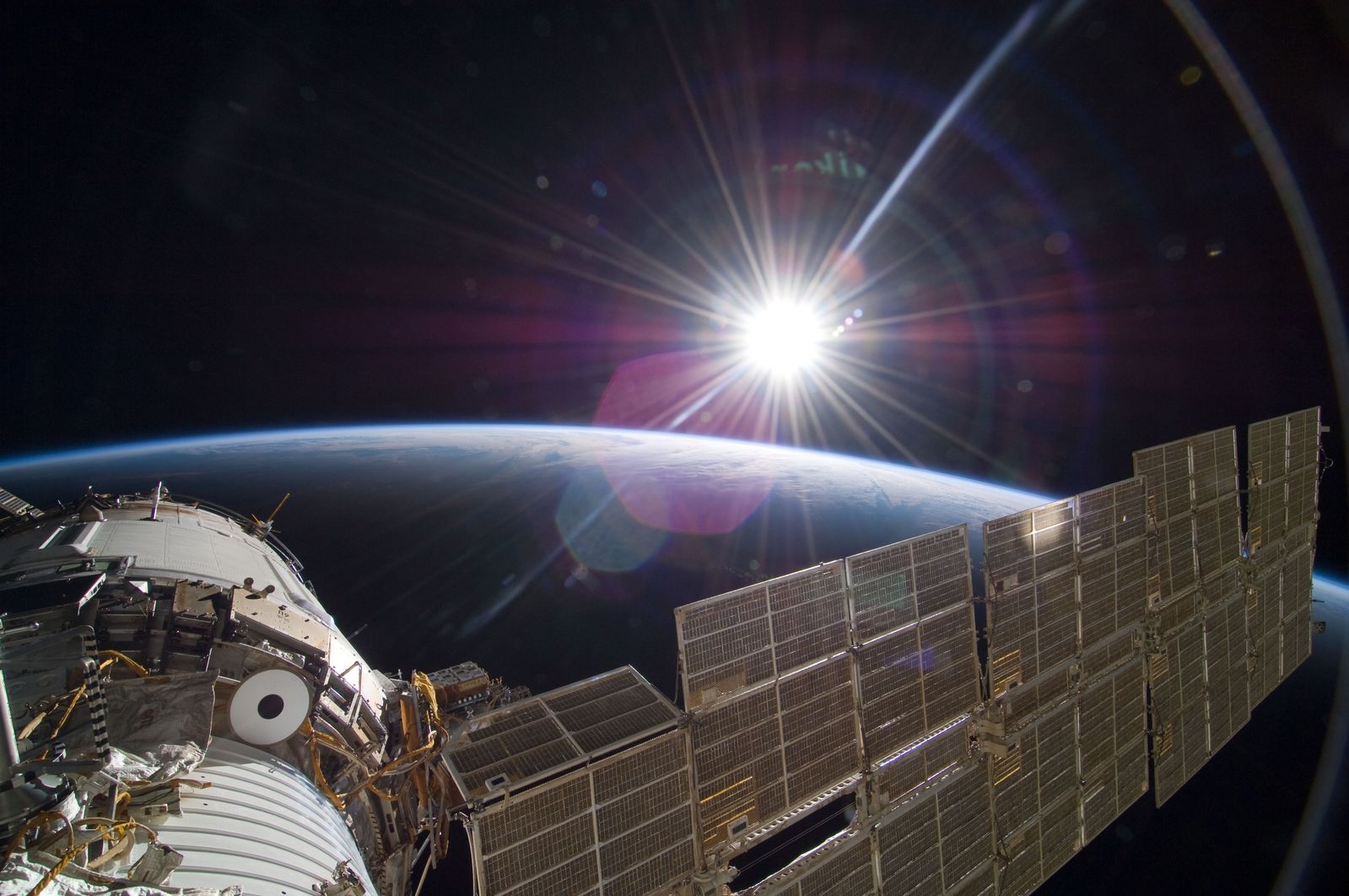
With a landmark filing to the Federal Communications Commission, SpaceX proposed a network of one million solar-powered satellites designed not for communication, but for computation. This “Orbital Data Center” system, bolstered by the recent SpaceX-xAI merger, aims to place massive AI server farms into outer space—opening a jurisdictional dilemma. We are witnessing the birth of “Digital Soil,” a new form of territory where power is exercised not by planting flags, but by controlling space-based data processing. For emerging economies and Global South democracies, the implications are severe. If orbital infrastructure becomes the backbone of global AI, exclusion from its governance will translate directly into a new form of digital dependency. In a commentary for JURIST website, Vishal Sharma of NALSAR University in Hyderabad argues that the United Nations must designate orbital strata as “International Data Commons” to ensure that the “Digital Soil” of our future remains a global public good.

Continue ReadingORBITAL DATA CENTERS IN LEGAL VACUUM 
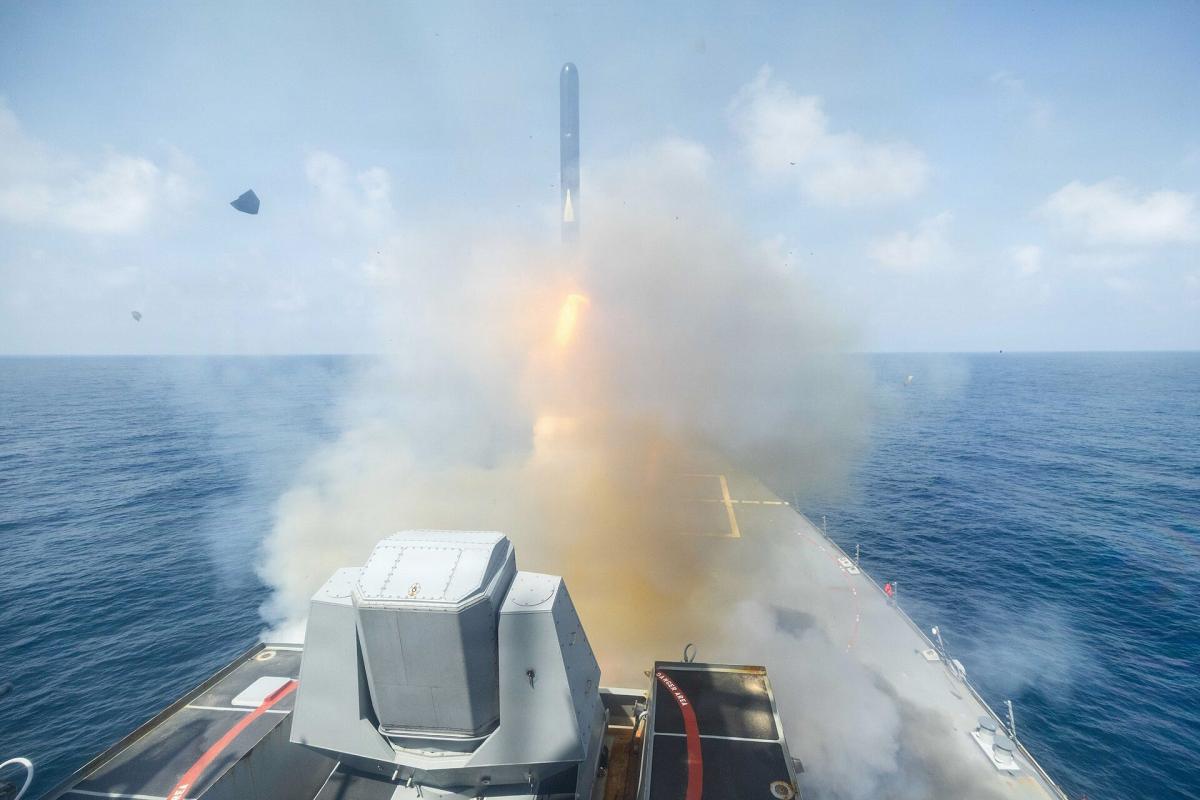
USS Spruance

TRUMP’S IRAN WAR: NO AUTHORIZATION, NO IMMINENCE, NO PLAN

Given the absence of congressional authorization, UN Security Council approval, or any credible showing of imminence, the Trump administration’s strikes on Iran constitute violations of both US constitutional law and foundational international norms, setting a dangerous precedent for unchecked executive war-making. Mohamed Arafa, professor of law at Egypt’s Alexandria University, makes the case in a commentary for JURIST.

Continue ReadingTRUMP’S IRAN WAR: NO AUTHORIZATION, NO IMMINENCE, NO PLAN 
Africa
Sudan

Ethiopia accused of backing Sudan’s RSF

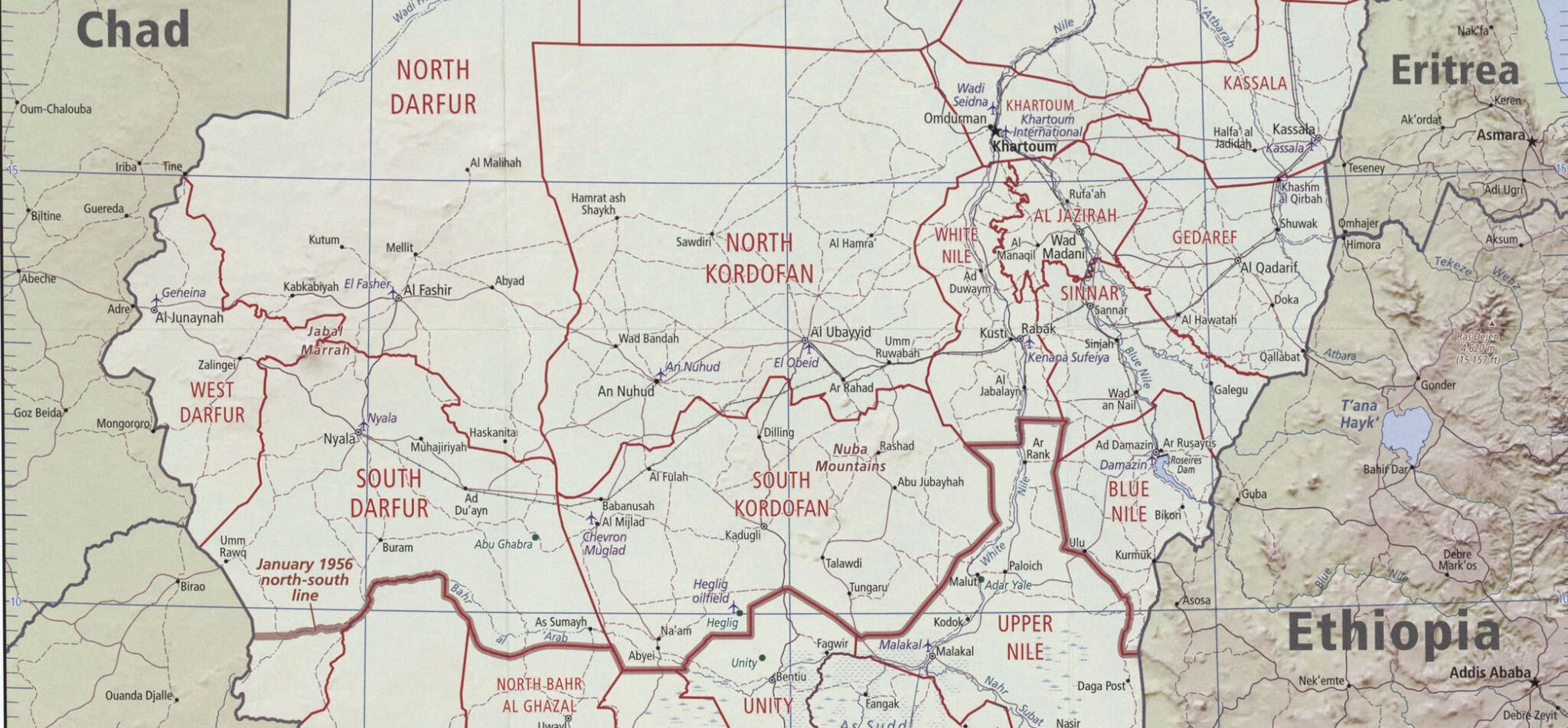
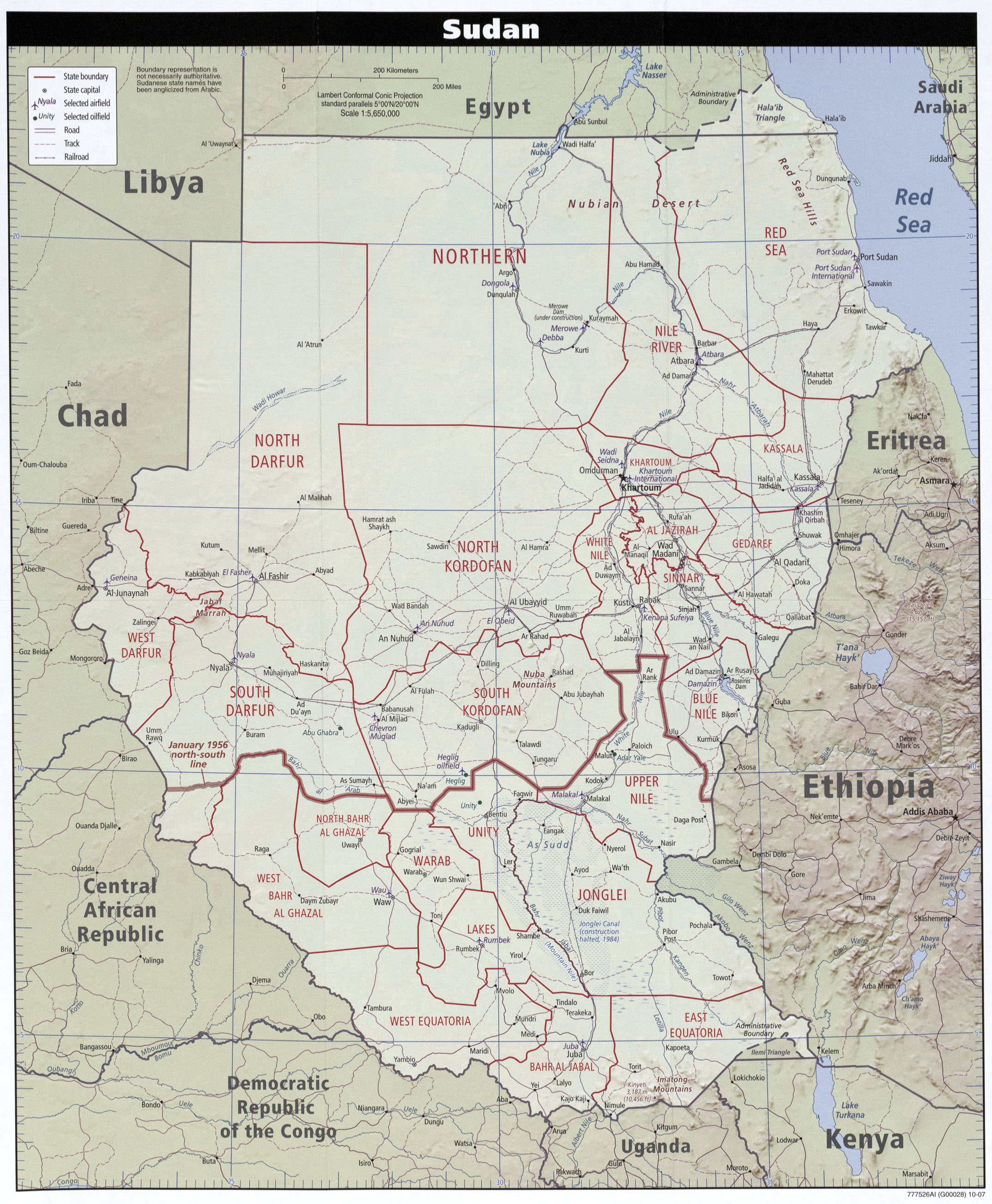
Sudan has accused Ethiopia of allowing drones to be launched from its territory to carry out attacks against Sudanese government forces. This marks the first time Sudan has directly accused its neighbor of involvement in the three-year civil war against the paramilitary Rapid Support Forces (RSF). In a statement, Sudan’s Foreign Ministry warned of unspecified consequences. The drone accusation follows reports of the construction of an RSF training base in northwest Ethiopia, paid for by the United Arab Emirates. (Map: PCL)

Southern Cone
Ushuaia

Argentina: Milei offers Trump part of Tierra del Fuego?

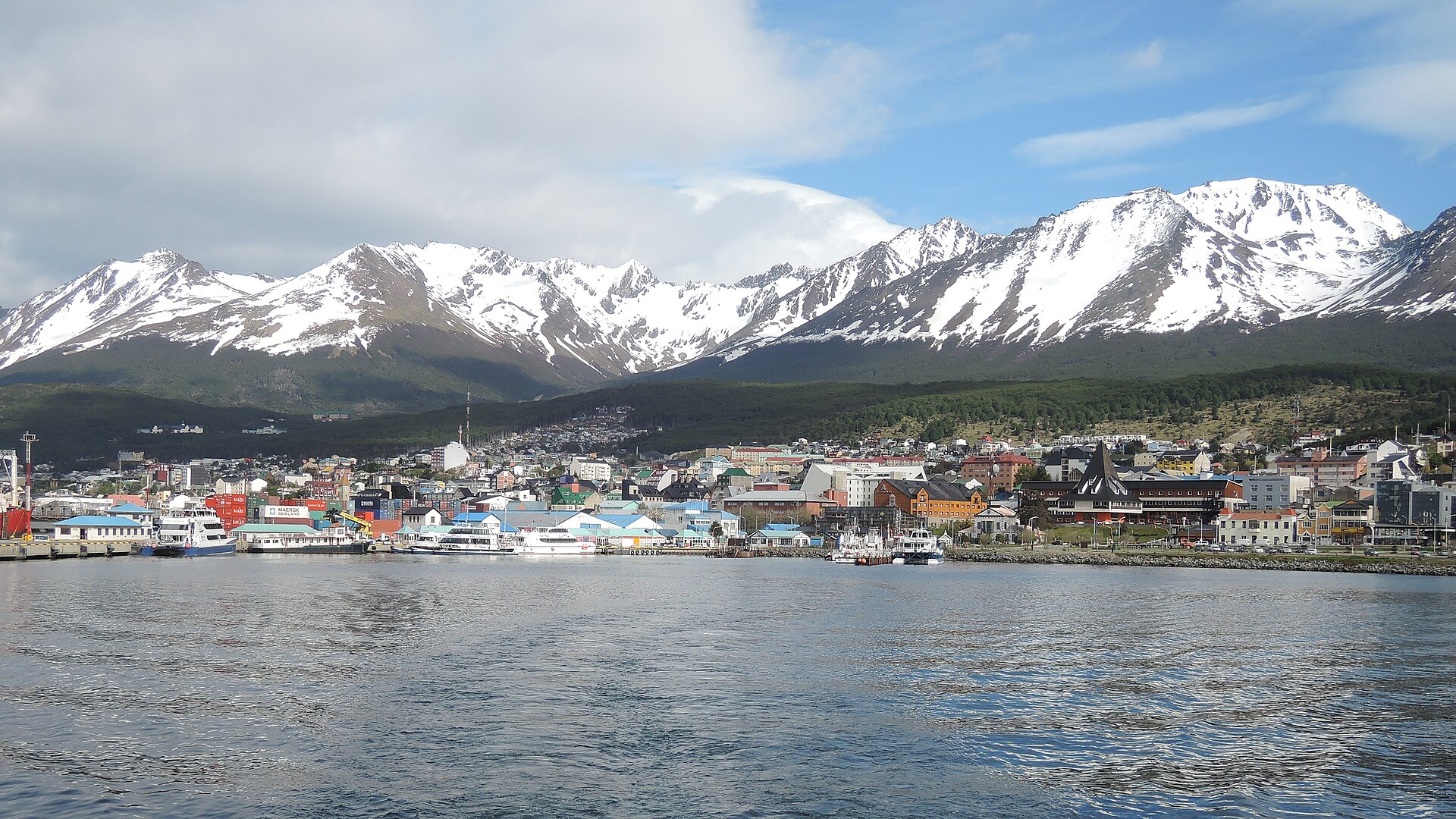
In a move sparking outrage from the country’s opposition, Argentina’s central government under President Javier Milei has taken control of the port of Ushuaia—the country’s southernmost seaport and a key gateway to Antarctica. Milei’s move places operation and administration of the port under his executive control for one year—over the objections of the Tierra del Fuego provincial government. The takeover came just days before a US Air Force jet landed at Ushuaia, bringing in a delegation of US lawmakers from the House of Representatives’ Energy & Commerce Committee. Milei, in power since December 2023, has already received two heads of the US Southern Command in Ushuaia. Both visited the Ushuaia Integrated Naval Base, which Argentina has been building since 2022. While Milei insists the base will be under full Argentine control, the country’s opposition press is full of speculation that on the sidelines of the Davos summit, Milei offered the base and all of Ushuaia to the US in exchange for an invitation to join the “Board of Peace” being touted by Trump as an alternative to the United Nations. (Photo: Wikipedia)

Central America
Costa Rica

Costa Rica emulates Salvador police state model

The right-wing populist Laura Fernández will be Costa Rica’s next president, securing nearly 50% of the vote in last week’s election. She is the first candidate in more than a decade to clear the threshold needed to win outright in the first round. She did so by promising to respond forcefully to the country’s exaggerated yet real insecurity crisis linked to the drug trade—the overwhelming concern for most voters. On the campaign trail, Fernández drew openly from the playbook of Salvadoran President Nayib Bukele, whose brutal anti-gang crackdown has inspired conservatives across the region. She called for a “state of exception” to combat crime, promised to complete the construction of a massive Bukele-inspired prison, and spoke with Bukele before any other foreign leader after her win. (Image: Grunge Love)

moon

THE LUNAR JURISDICTIONAL TRAP

The recent unveiling of Russia’s Selena project, a nuclear power plant slated for the lunar surface by 2035 under the joint Russo-Chinese International Lunar Research Station program, has been hailed as an unprecedented ambition of engineering. But beneath the proposed cooling towers lies a volatile reality. We are about to place the highest-stakes technologies of the 21st century—autonomous artificial intelligence (AI) and nuclear fission—on a legal foundation that has been frozen since the Cold War. In a commentary for JURIST website, Vishal Sharma of NALSAR University in Hyderabad argues that we need a new Lex Spacialis to fill the vacuum of space before it is filled by the strongest unaccountable power, with no human oversight.

Continue ReadingTHE LUNAR JURISDICTIONAL TRAP 
Planet Watch
doomsday

Doomsday Clock moves: 85 seconds to midnight

The Science & Security Board of the The Bulletin of the Atomic Scientists moved the symbolic hands of the Doomsday Clock to an unprecedented 85 seconds to midnight. The decision came a year after the clock was set to an also unprecedented 89 seconds to midnight—and three years after it was moved to 90 seconds to midnight. Each increment since 2017, when it was set at 2.5 minutes of midnight, has brought the Clock closer to doomsday than ever before. This year’s statement reads: “A year ago, we warned that the world was perilously close to global disaster and that any delay in reversing course increased the probability of catastrophe. Rather than heed this warning, Russia, China, the United States, and other major countries have instead become increasingly aggressive, adversarial, and nationalistic. Hard-won global understandings are collapsing, accelerating a winner-takes-all great power competition and undermining the international cooperation critical to reducing the risks of nuclear war, climate change, the misuse of biotechnology, the potential threat of artificial intelligence, and other apocalyptic dangers.” (Image: misucell.com)

Syria
al-Sharaa

Syria: can new integration pact avert war on Rojava?

The Syrian interim government and the Kurdish-led Syrian Democratic Forces (SDF) reached an agreement to immediately halt fighting and integrate SDF-held areas into state institutions. The deal follows days of renewed clashes, in which government forces routed SDF strongholds in the city of Aleppo and then pushed east, taking several towns that had been under the control of the Kurdish-led autonomous administration. Just hours before the agreement was reached, autonomous authorities in the Kurdish region, known as Rojava, had announced a “general mobilization” in support of the SDF, citing an “existential war” launched by Damascus against their territory. (Photo: Rudaw)

Syria
Iran

Multiple foreign powers still bombing Syria

The Pentagon said US and allied forces carried out a wave of air-strikes against ISIS targets across Syria, although accounts were unclear as to which other countries were involved or what casualties resulted. The raids came as part of Operation Hawkeye Strike, launched in response to the deadly ISIS attack on US and Syrian forces in Palmyra last month. The past week also saw joint British and French strikes on supposed ISIS targets near Palmyra. And Jordan carried out strikes supposedly targeting drug traffickers in Syrian territory. Turkey’s Defense Ministry meanwhile said it stands ready to help Syria’s interim government in its ongoing “counter-terrorism” operation against Kurdish fighters in Aleppo. (Image: Pixabay)

Syria
Aleppo

Syria: army shells Kurdish enclaves in Aleppo

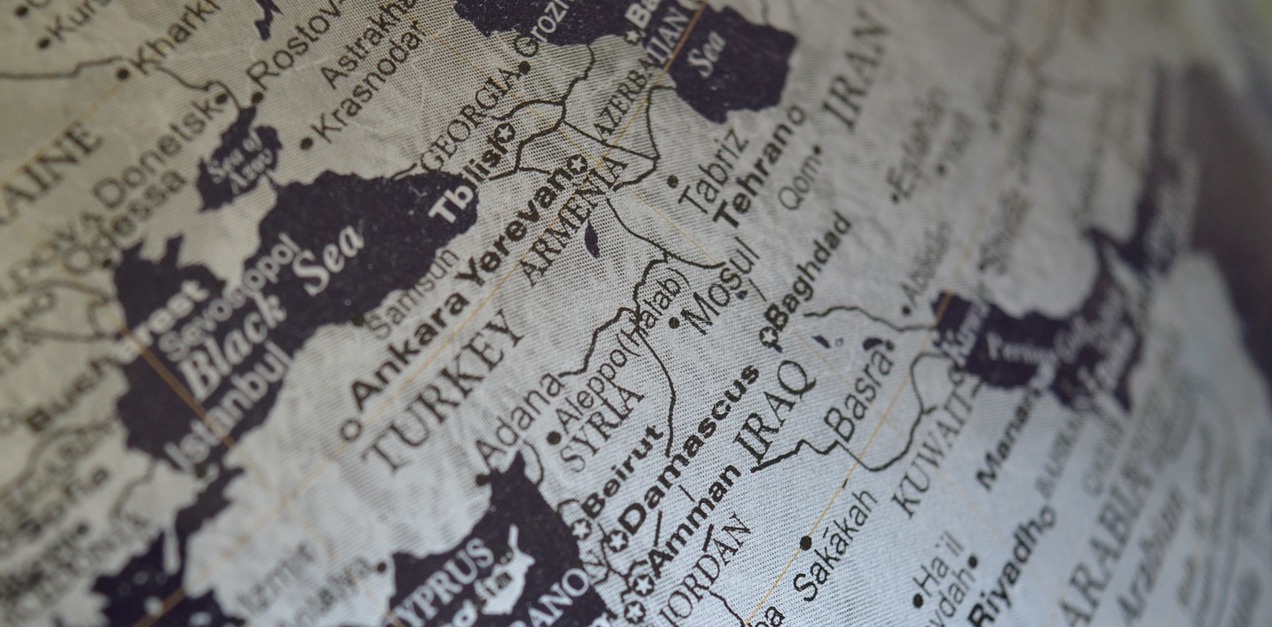
Civilians fled Kurdish-majority neighborhoods of Aleppo after the Syrian army declared them “closed military zones” and began shelling the areas. Some 300 homes are reported destroyed in the neighborhoods of Sheikh Maqsud and Ashrafiyeh, which have long been under the control of the Kurdish Asayish militia. The Asayish and the interim government’s army blamed each other for initiating the clashes. Thousands have fled through “humanitarian crossings” the army established for residents to evacuate. But the fighting is spreading into the Kurdish heartland. The town of Deir Hafer, east of Aleppo, is also coming under shelling from government forces. The town is held by the Syrian Democratic Forces (SDF), main military wing of the Kurdish-led autonomous administration that controls much of the country’s east. The clashes mark the worst outbreak of fighting since an agreement last March to merge the SDF and autonomous administration into Syria’s new government. The deal has still not been implemented, with both sides at odds over the terms. (Map: Google)

Watching the Shadows
Aegis

‘Donroe Doctrine’ threatens hemisphere

As Nicolás Maduro appeared in federal court in New York, Trump made explicit military threats against Colombia, Mexico, Cuba and Greenland—prompting protests from those countries’ leaders. In defense of his bellicosity, Trump invoked the notion of Latin America as a US influence sphere that was articulated in his recent National Security Strategy, calling it the “Donroe Doctrine.” (Photo: US Navy via Latin America Reports)

Africa
Sahel summit

Sahel states launch new joint counter-insurgency force

At an air base in Bamako, Mali’s military ruler Gen. Assimi Goita presided over a ceremony marking the launch of a unified force for three Sahel states to fight the rising tide of jihadist insurgency across their borders. The move comes after the three countries—Mali, Niger and Burkina Faso, all now ruled by military juntas—collectively withdrew from the West African regional bloc ECOWAS to form their own Alliance of Sahel States (AES). This new body has deepening ties to Russia, which has maintained paramilitary forces in the AES countries under the rubric of the Wagner Group or Africa Corps. These forces are increasingly accused of atrocities, with Malian refugees in Mauritania reporting rapes, beheadings and mutilation of civilians at the hands of Russian mercenaries. (Photo: Présidence de la République du Mali)