From our Daily Report:

Palestine
Jerusalem

UN rights chief urges Israel to drop death penalty bill

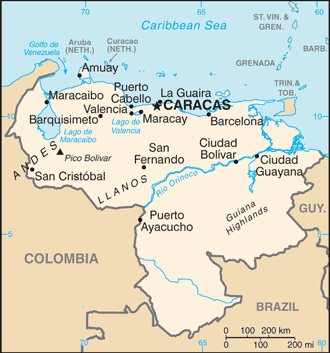
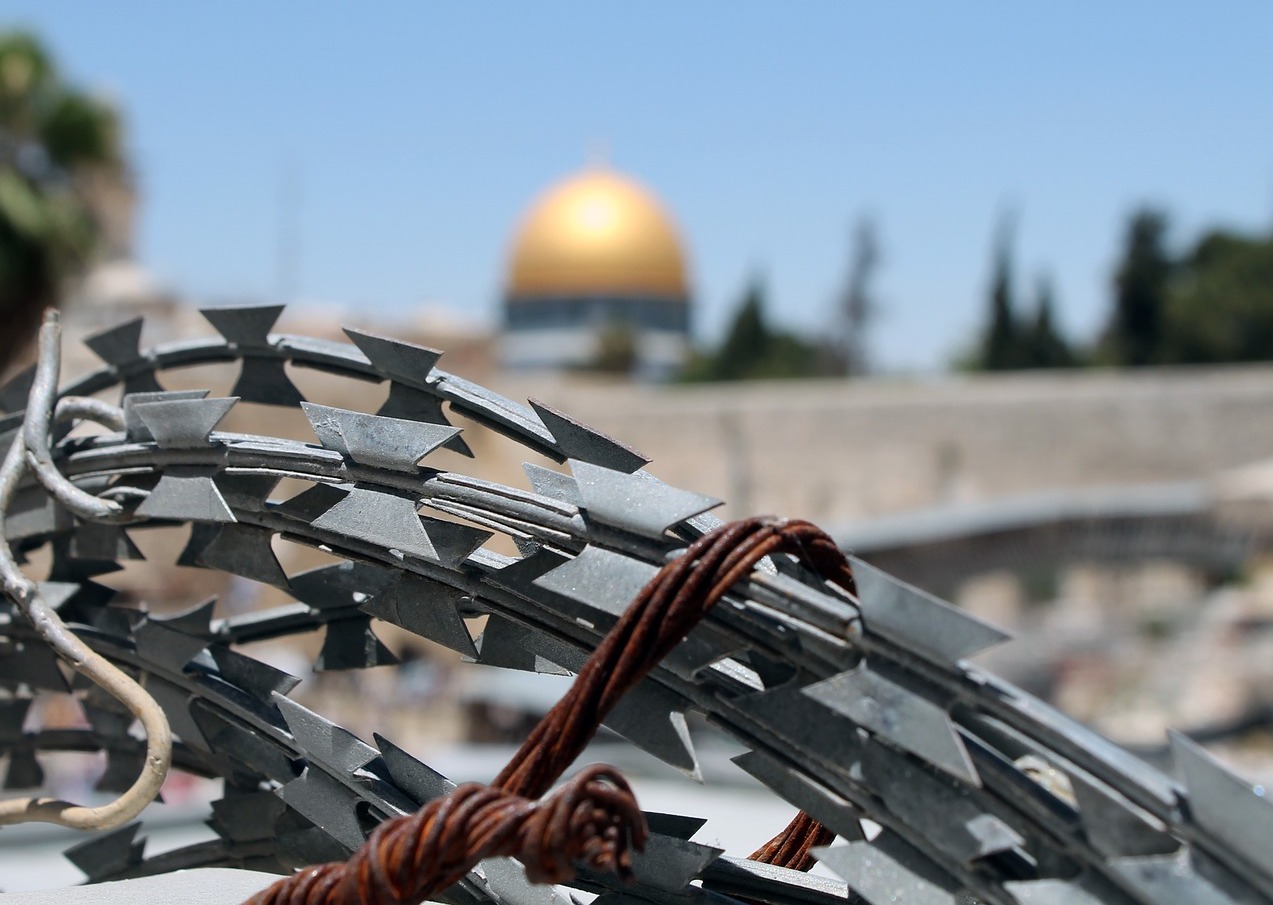
UN High Commissioner for Human Rights Volker TĂĽrk urged the Israeli government to abandon proposed legislation that would mandate death sentences exclusively for Palestinians in specific cases—for crimes committed both in Israel and the Occupied Palestinian Territory. TĂĽrk stated that the legislation is “inconsistent with Israel’s obligations'” under the International Covenant on Civil & Political Rights. He also raised concerns over the “introduction of mandatory death sentences, which leave no discretion to the courts, and violate the right to life.” The rights chief asserted that Israel has frequently violated the fair trial protections enshrined in the Fourth Geneva Convention for Palestinians in the West Bank or Gaza, adding that this “amounts to a war crime.” (Photo: RJA1988 via Jurist)
The Andes
Venezuela

Trump announces plan to ‘run’ Venezuela

Trump announced that the US would “run” Venezuela, following a strike on the country that led to the capture and transfer to the US of President Nicolás Maduro and his wife, First Lady Cilia Flores. In a press conference at his Mar-a-Lago estate, Trump emphasized the recent decline of Venezuela’s oil industry, stating that US oil companies would spend billions to repair the country’s infrastructure and bring in foreign exchange. Claiming to be acting in the interest of bringing “peace, liberty and justice for the great people of Venezuela,” he added that the US would be prepared to “stage a second and larger attack” if necessary. Maduro’s vice president Delcy Rodriguez, now sworn in as interim president, has offered no indication of acquiescence in Trump’s plans. (Map: Perry-Castañeda Library)

Africa
Somaliland

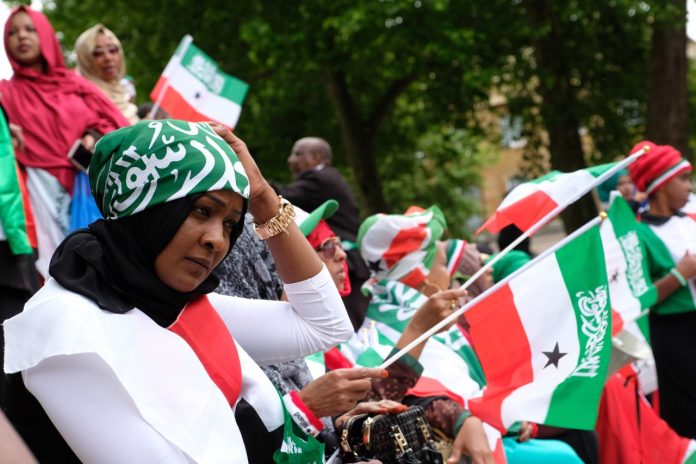
Somaliland and Western Sahara: forbidden symmetry

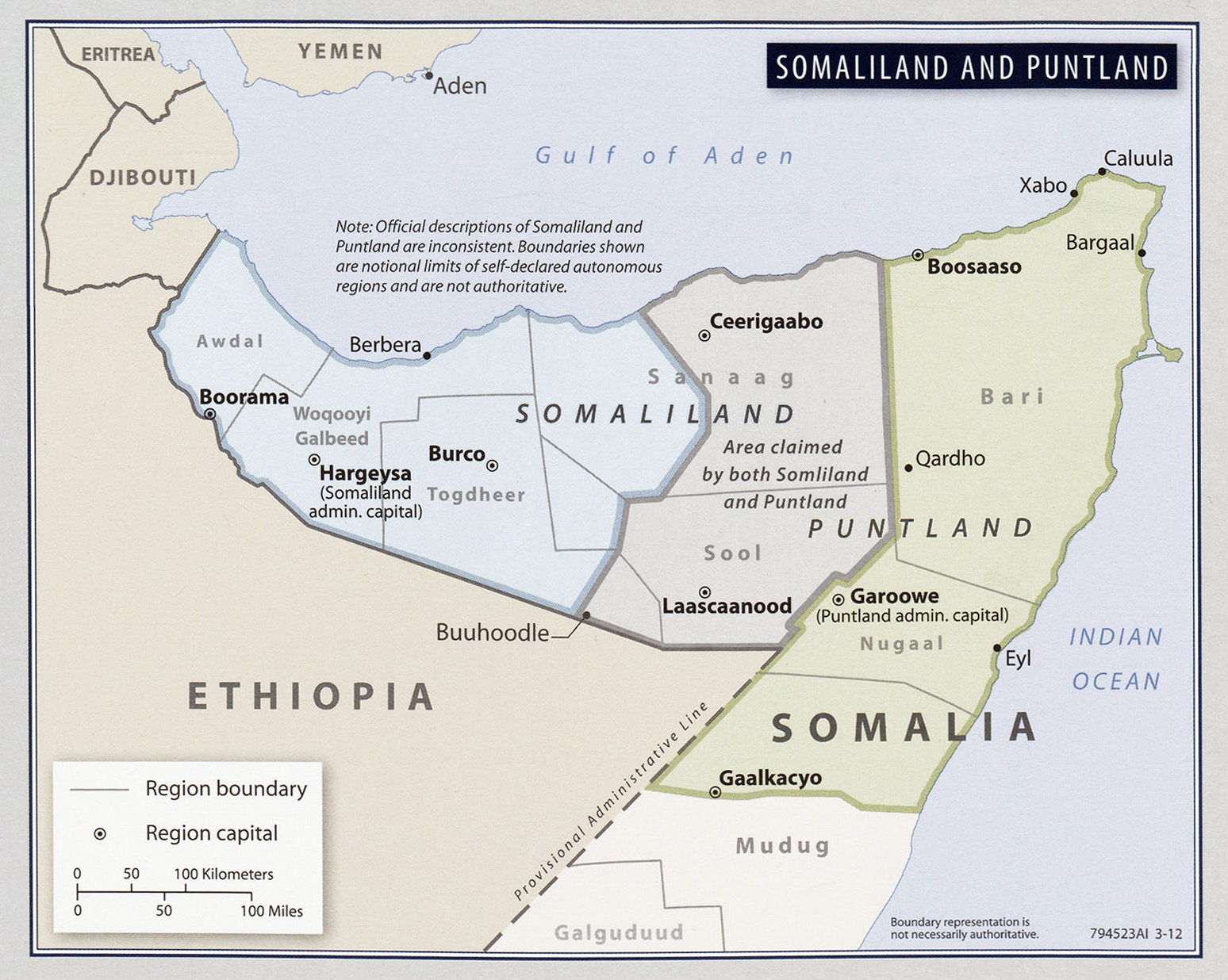
Israel has become the first country on Earth to recognize the de facto independent Republic of Somaliland, in exchange for a commitment from Somaliland to join the Abraham Accordsand recognize Israel. However, not three years ago, Israel joined the US as the only two countries on Earth to recognize Morocco’s claim to sovereignty over the disputed territory of Western Sahara—a betrayal of the occupied Sahrawi Arab people who seek an independent state. And of course both these deals constitute a betrayal of the Palestinians. Somaliland and the Sahrawi Arab Democratic Republic should be natural allies, and instead they are being pitted against each other in the Great Power game. Yet another example of how a global divide-and-rule racket is the essence of the state system. In Episode 311 of the CounterVortex podcast, Bill Weinberg breaks it down. (Photo: Horn Diplomat via Wikipedia)

Europe
Gulf of Finland

Finland seizes ‘shadow’ vessel in cable caper

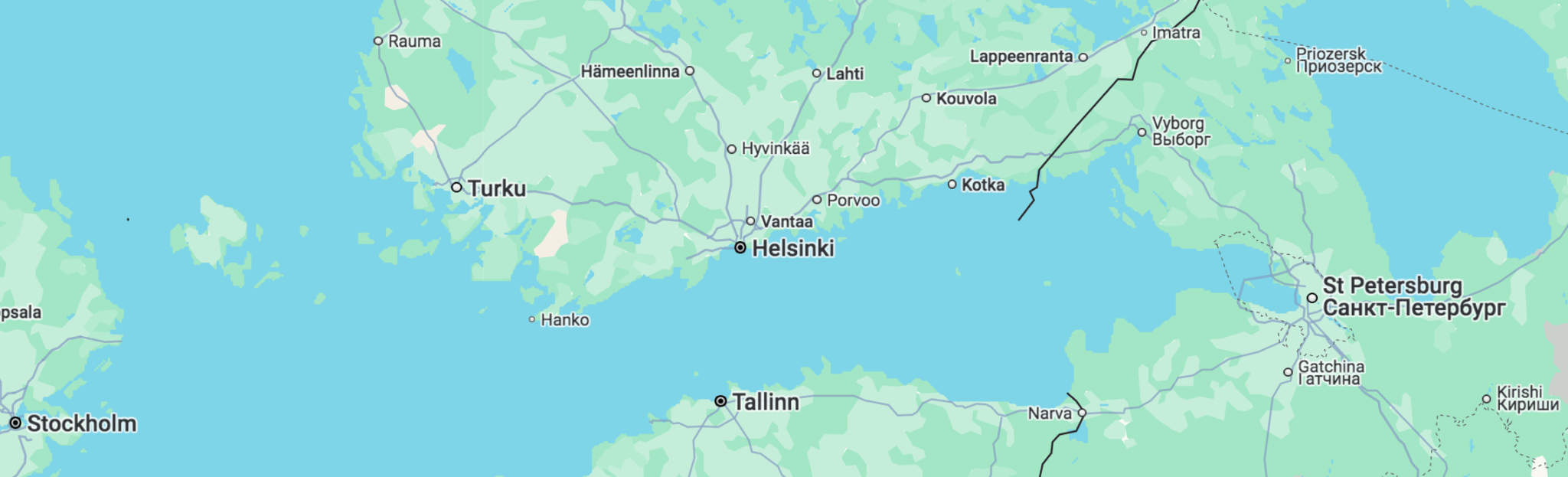
Finnish authorities announced that they are investigating damage to an undersea telecommunications cable in the Gulf of Finland after seizing a vessel suspected of sabotage in the incident. After telecommunications authorities detected a fault in the undersea cable linking Helsinki and Tallinn, Estonia’s capital, Finland’s Border Guard was mobilized, and located a suspicious vessel within the country’s exclusive economic zone. After taking control of the vessel, Border Guard officials told reporters that the cargo ship had been sailing from the Russian port of St. Petersburg to Israel. Officials linked it to Russia’s “shadow fleet” allegedly used to circumvent Western sanctions, describing the incident as part of a broader pattern of “hybrid threats” targeting critical infrastructure in the Baltic Sea. (Map: Google)

Africa
Sahel summit

Sahel states launch new joint counter-insurgency force

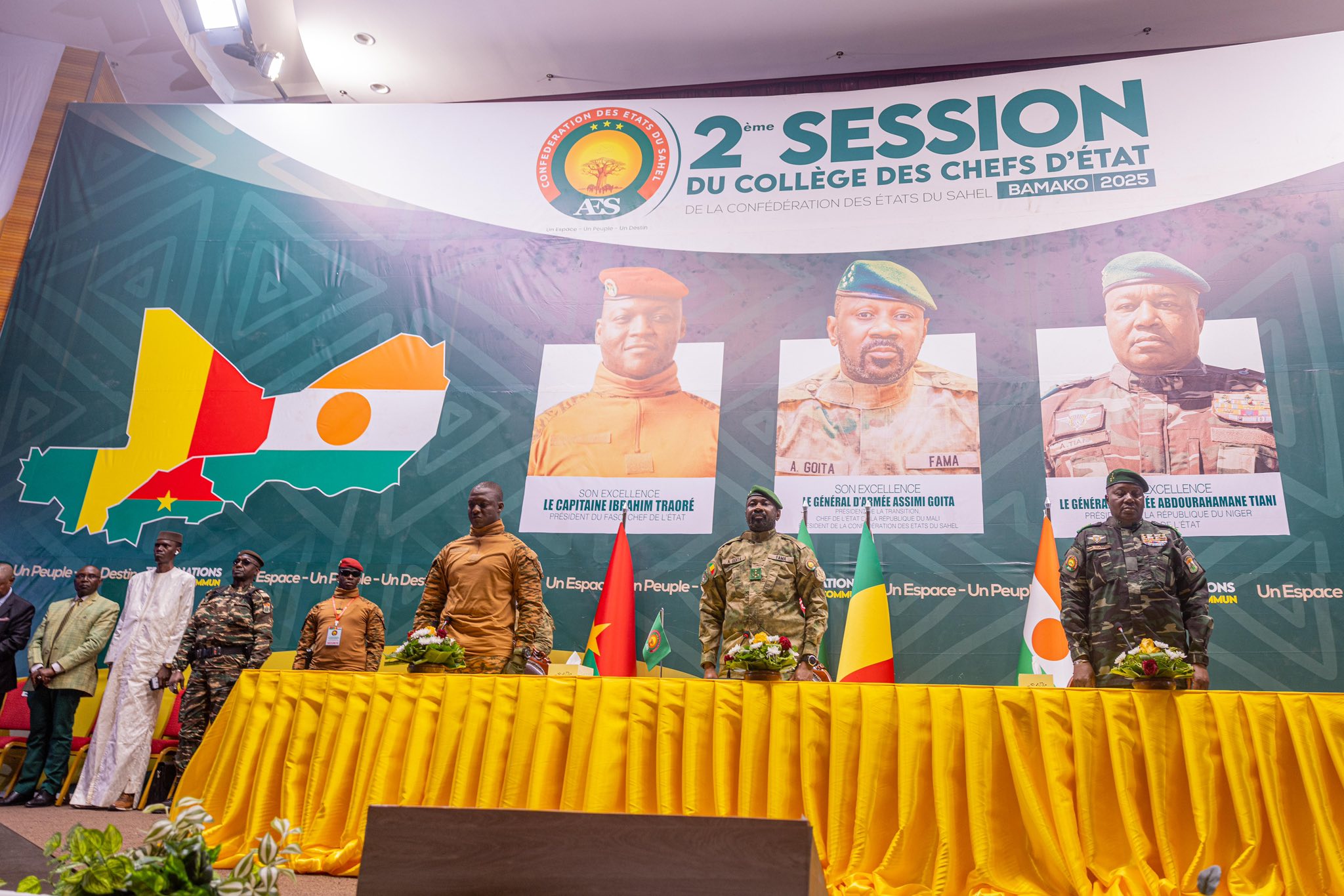
At an air base in Bamako, Mali’s military ruler Gen. Assimi Goita presided over a ceremony marking the launch of a unified force for three Sahel states to fight the rising tide of jihadist insurgency across their borders. The move comes after the three countries—Mali, Niger and Burkina Faso, all now ruled by military juntas—collectively withdrew from the West African regional bloc ECOWAS to form their own Alliance of Sahel States (AES). This new body has deepening ties to Russia, which has maintained paramilitary forces in the AES countries under the rubric of the Wagner Group or Africa Corps. These forces are increasingly accused of atrocities, with Malian refugees in Mauritania reporting rapes, beheadings and mutilation of civilians at the hands of Russian mercenaries. (Photo: PrĂ©sidence de la RĂ©publique du Mali)

Greater Middle East
Turkey

Turkey detains ISIS suspects in nationwide raids

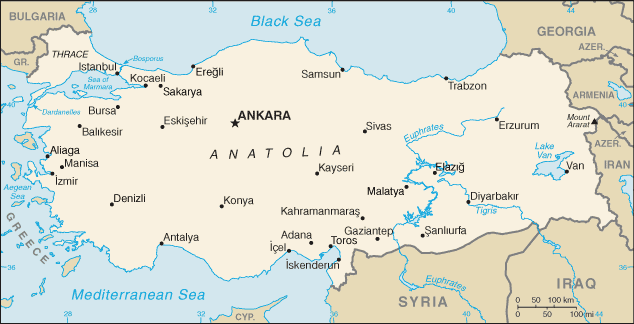
Turkish police detained 357 people in large-scale, coordinated operations targeting the Islamic State group one day after a deadly clash between police and ISIS militants in Yalova, a small city south of Istanbul on the Sea of Marmara, amid heightened security ahead of New Year’s celebrations. Three police officers and six presumed ISIS militants, all Turkish nationals, were killed in the shoot-out in Yalova, sparked by a raid on suspected safe-house. The subsequent nationwide raids were carried out simultaneously by provincial police units, working with the national counterterrorism and intelligence departments. The raids took place in major cities including Istanbul and Ankara, as well as in Yalova and several border and interior provinces. (Map: CIA)

Iran
Tehran

Protest wave spreads across Iran

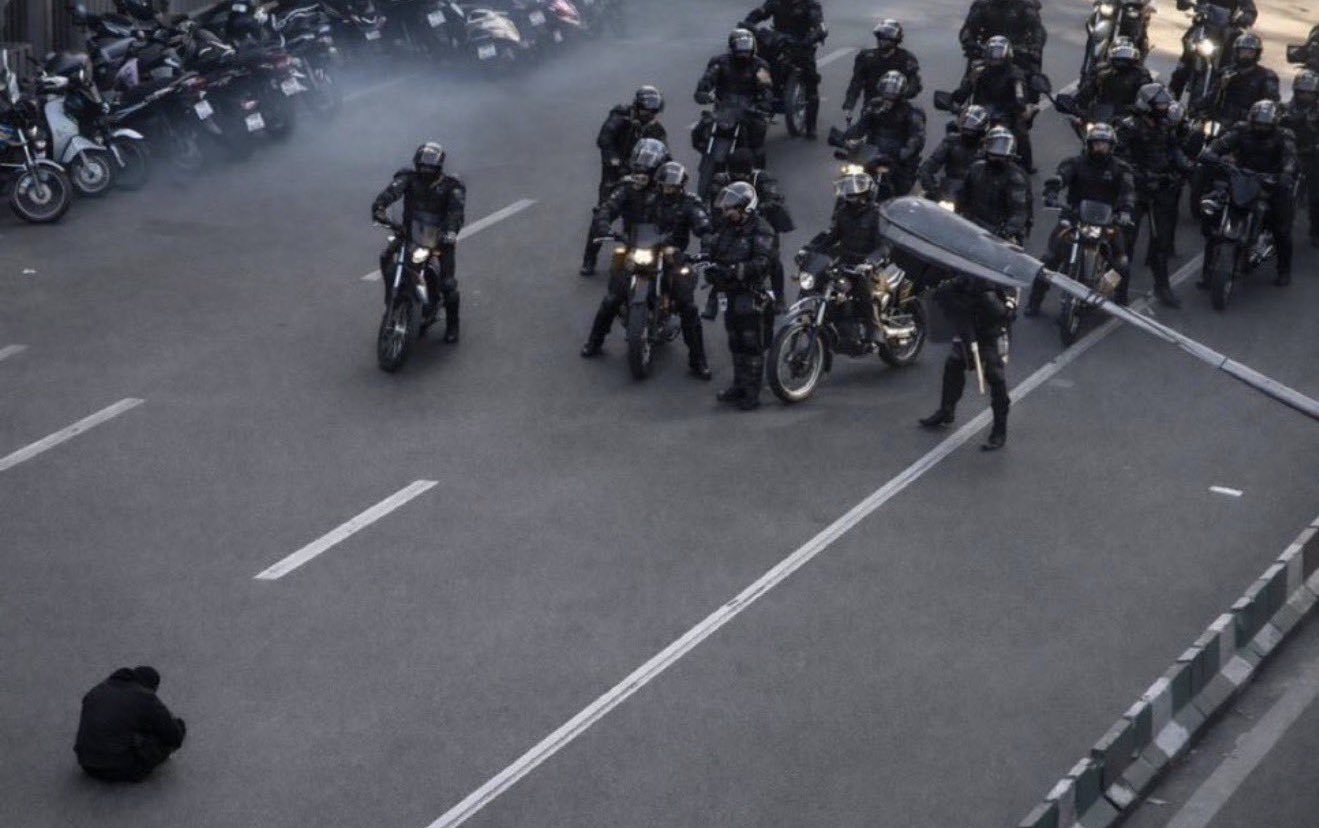
On the third day of protests by Tehran bazaar merchants in response to the dire economic situation in Iran, the strike started to spread across the country. Shopkeepers in Isfahan, Ahvaz, Shiraz, Kermanshah and Najafabad closed their stalls and held protest gatherings, where they were joined by students who walked off university campuses. Security forces responded with multiple arrests and the use of live fire and tear-gas, with one student reported severely injured in Tehran. Protest slogans escalated beyond economic grievances, openly targeting clerical rule and Supreme Leader Ayatollah Ali Khamenei. A photo of a lone protester blocking a column of police motorcycles on a Tehran freeway has gone viral, drawing comparisons to the iconic “tank man” photo from Tiananmen Square in June 1989. (Photo via Twitter)

Africa
Somaliland

World leaders reject Israeli recognition of Somaliland

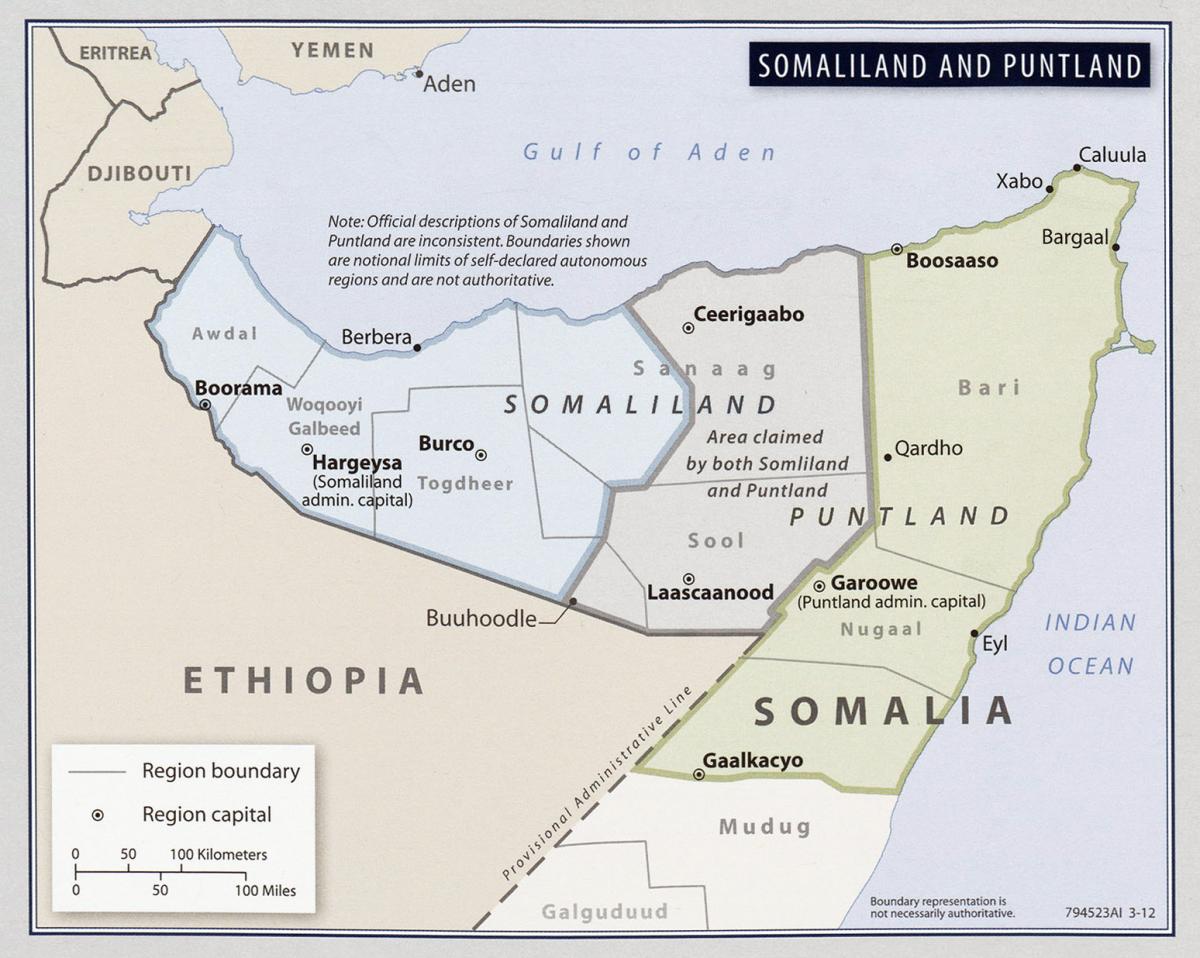
A group of 21 Arab, African and Islamic nations issued a joint statement formally rejecting Israel’s recognition of Somaliland as an independent state. The statement asserted that recognizing Somaliland as a nation independent of Somalia constitutes a grave violation of international law, emphasizing the “serious repercussions of such [an] unprecedented measure on peace and security in the Horn of Africa, the Red Sea, and its serious effects on international peace and security as a whole.” This statement followed a declaration signed by Israeli President Benjamin Netanyahu and Somaliland President Abdirahman Mohamed Abdullahi, making Israel the first country on earth to recognize Somaliland. As part of the deal, Somaliland is expected to recognize Israel under the Abraham Accords. President Donald Trump brokered the Abraham Accords in his first term, seeking to establish diplomatic ties between Israel and Arab nations. However, despite the Trump administration’s failed proposition earlier this year for Somaliland to take in Palestinians from Gaza, the US State Department announced that Washington will continue to recognize the territorial integrity of Somalia, “which includes the territory of Somaliland.” (Map: Somalia Country Profile)

Syria
Homs

UN condemns deadly mosque bombing in Syria

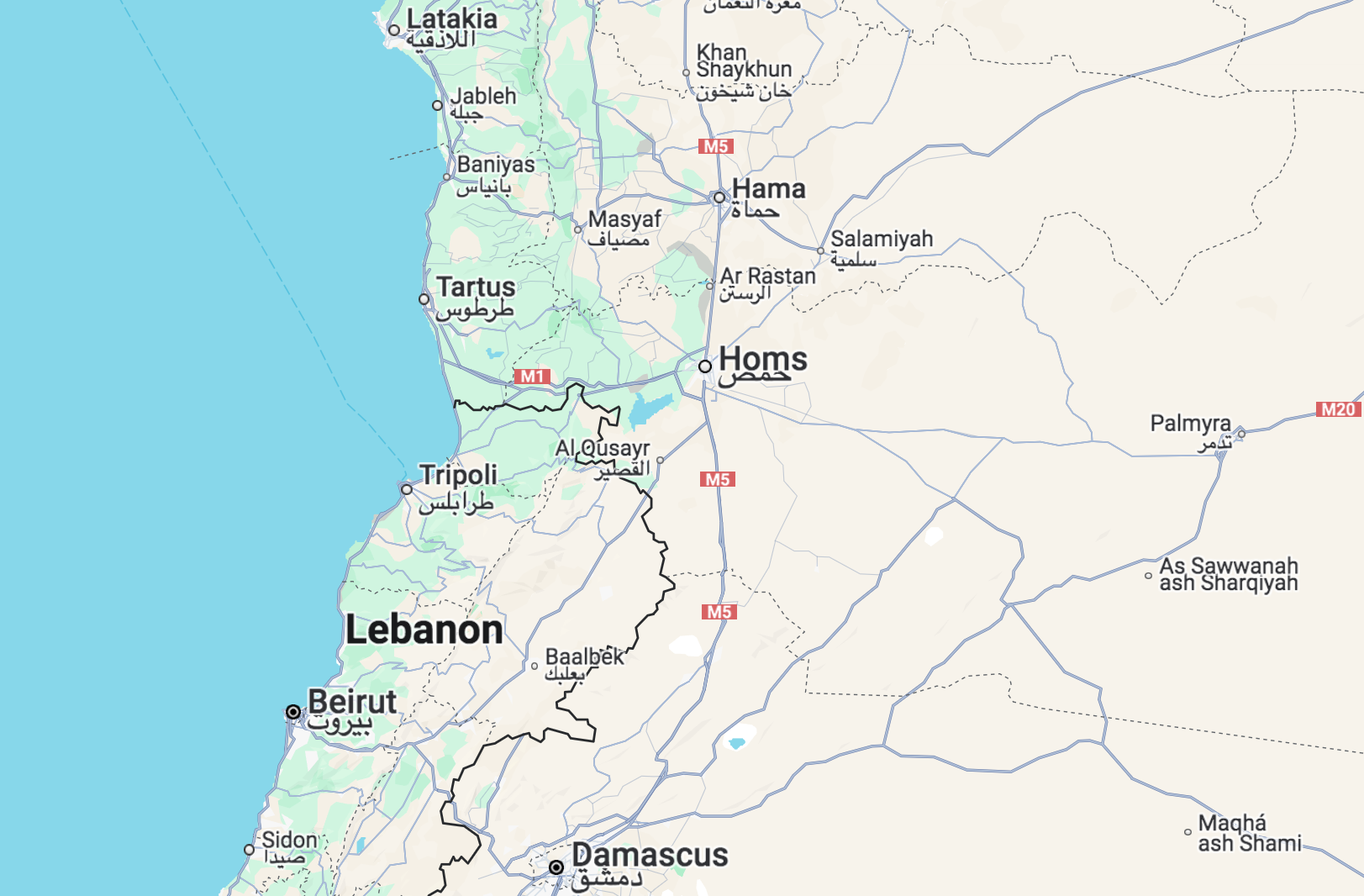
UN Secretary-General AntĂłnio Guterres condemned the deadly mosque bombing in Syria, urging that those responsible be swiftly identified and brought to justice. The explosion tore through the Ali Bin Abi Talib mosque in the city of Homs during Friday prayers, killing at least eight people and injuring around 20, according to Syrian authorities. The mosque serves members of the Alawite minority, which has faced violent reprisals since the fall of the Bashar Assad dictatorship last December. A group calling itself Ansar al-Sunna, said to be a splinter of the Islamic State (ISIS), claimed responsibility for the attack. The group had previously claimed responsibility for the June suicide bombing at Mar Elias church in Damascus that left 25 people dead, raising concerns about a pattern of attacks on religious sites. The bombing in Homs sparked angry protests and street clashes in the Alawite heartland of Latakia and Tartous provinces on Syria’s coast. (Map: Google)

Africa
Tomahawk

Podcast: MAGA-fascism and the struggle in Nigeria

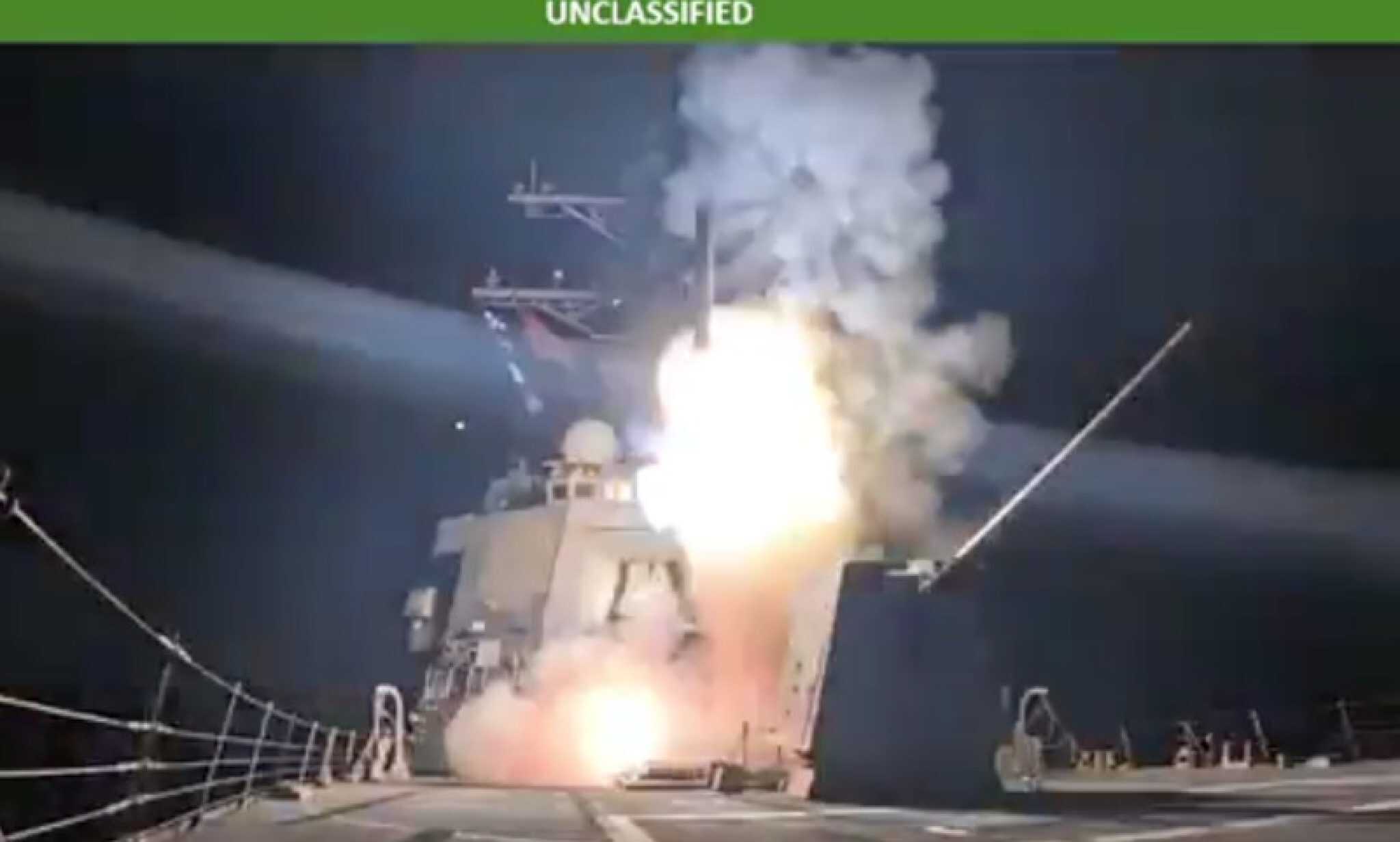
With his Christmas air-strikes on Nigeria, Trump is blundering into a conflict fundamentally driven by desertification related to the very climate change that he denies, and which now threatens democratic rule throughout the West African region. And while the Muslim-Christian sectarian strife that Trump hypes is a large element of the situation, the violence has gone both ways. Furthermore, making Christians the perceived beneficiaries of imperialist intervention is only likely to exacerbate the tensions and make Christians more of a target. In Episode 310 of the CounterVortex podcast, Bill Weinberg takes an in-depth and unsparing look. (Photo: AFRICOM via Long War Journal)

Africa
Sokoto

US strikes supposed ISIS targets in Nigeria

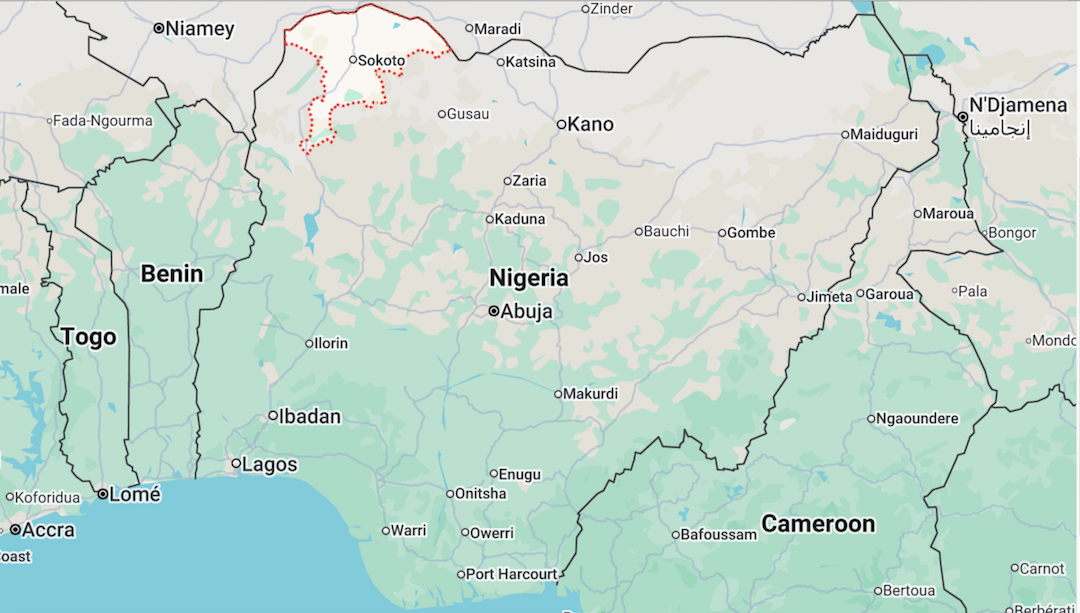
Following through on threats made last month, President Donald Trump announced on social media Christmas Day that he had ordered air-strikes against Islamic State targets in Nigeria, ostensibly in retaliation for the group’s targeting of Christian communities. Trump’s post did not specify where the military action took place, though the Pentagon’s Africa Command later stated that the strikes were in “Soboto State” —an obvious misspelling of Sokoto state, in Nigeria’s northwest. The Nigerian government confirmed the bombings, stating that they were conducted in a “joint operation” —but added that the strikes had “nothing to do with a particular religion.” (Map: Google)

Iran
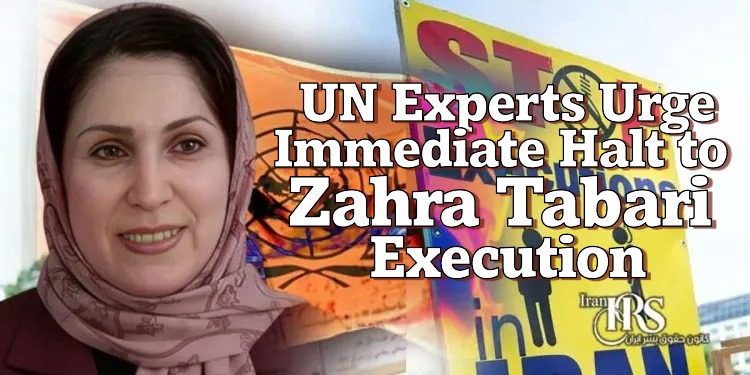
Zahra Tabari

Iran: halt execution of women’s rights activist

United Nations experts urged Iran to immediately halt the execution of Zahra Shahbaz Tabari, a 67-year-old electrical engineer detained at Lakan Prison in Rasht. In their statement, the experts detailed severe procedural violations, including arrest without a warrant, prolonged solitary confinement, a trial lasting less than ten minutes via video conference, and denial of access to a chosen lawyer. The experts emphasized that the International Covenant on Civil and Political Rights (ICCPR), which Iran ratified in 1975, restricts the death penalty to the “most serious crimes,” involving intentional killing. Experts noted that Tabari’s case—involving the possession of a banner with a protest slogan and an unpublished audio message—did not meet this threshold. The banner bore the words “Woman, Resistance, Freedom” —a popular slogan from the 2022 protests in Iran. (Photo: Iran Human Rights Society)

More Headlines

Featured Stories

Burma

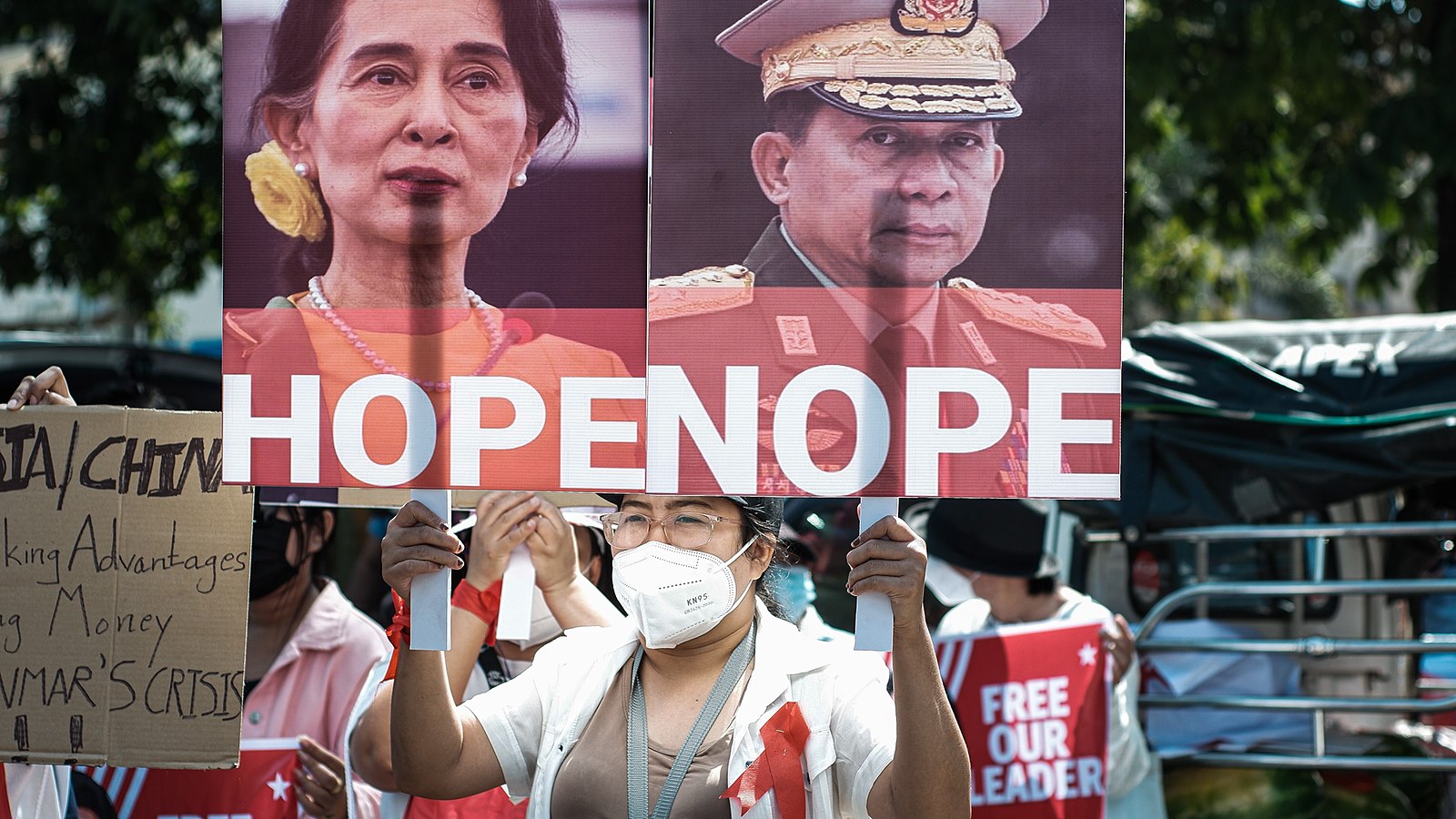
BURMA: JUNTA-CONTROLLED ELECTORAL ‘SHAM’

Trouble-torn Burma is heading for the first general elections since the military coup of February 2021 that ousted a democratically elected government. The seating of a new parliament will mark the re-opening of the bicameral body which was suspended when the military junta seized power. However, several prominent political parties will be barred from the three-phase polling to start on December 28—including Aung San Suu Kyi’s National League for Democracy, which won the last general elections held in November 2020. The new elections, with only parties approved by the military junta participating, are rejected by the opposition as a “sham.” And there will be no voting in the nearly half of the country now under the control of the armed resistance loyal to the rebel parallel government, CounterVortex correspondent Nava Thakuria speaks to opposition activists in clandestinity, who demand that the world reject the junta’s controlled elections.

Continue ReadingBURMA: JUNTA-CONTROLLED ELECTORAL ‘SHAM’ 
Fourteenth Amendment

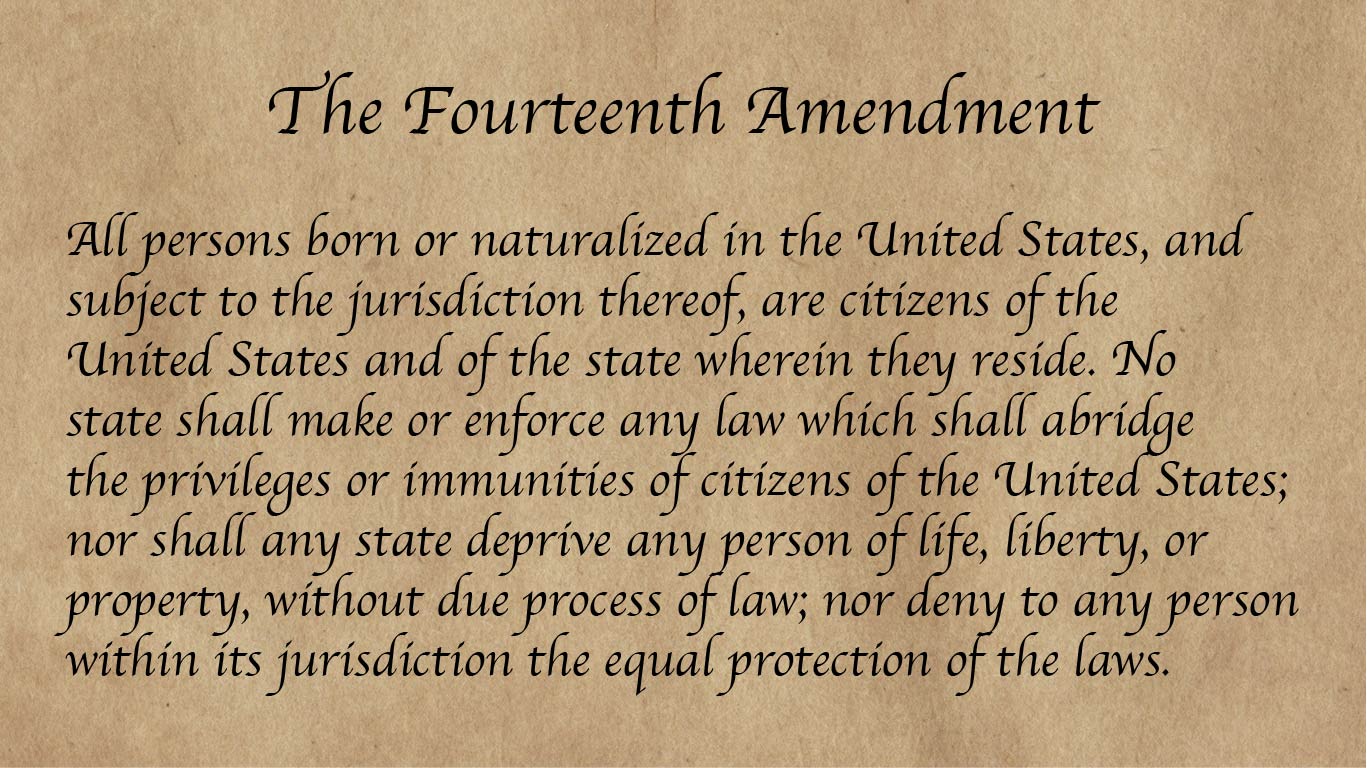
WHEN CITIZENSHIP BECOMES CASTE

Birthright citizenship in the United States was never a bureaucratic detail or an immigration loophole. It was a direct assault on white supremacy’s original theory of the nation—that Black presence was permissible only as labor, never as belonging. The framers of the Fourteenth Amendment sought to end that theory for good. That amendment did not just welcome formerly enslaved Black people into the civic body; it attempted to inoculate the Constitution itself against the return of caste. Yet white supremacy, in every generation, finds new ways to renegotiate the boundaries of who counts as fully American. The Supreme Court has agreed to hear the consolidated case challenging lower-court rulings that struck down Trump’s attempt to repeal birthright citizenship. This signals that the highest court in the land is willing to consider whether whiteness may once again serve as the gatekeeper of America’s future. Timothy Benston of The Black Eye Substack writes that if this administration and this Court seek to restore whiteness as the measure of full belonging, they must face resistance equal to the enormity of that threat.

Continue ReadingWHEN CITIZENSHIP BECOMES CASTE 
Operation Southern Spear

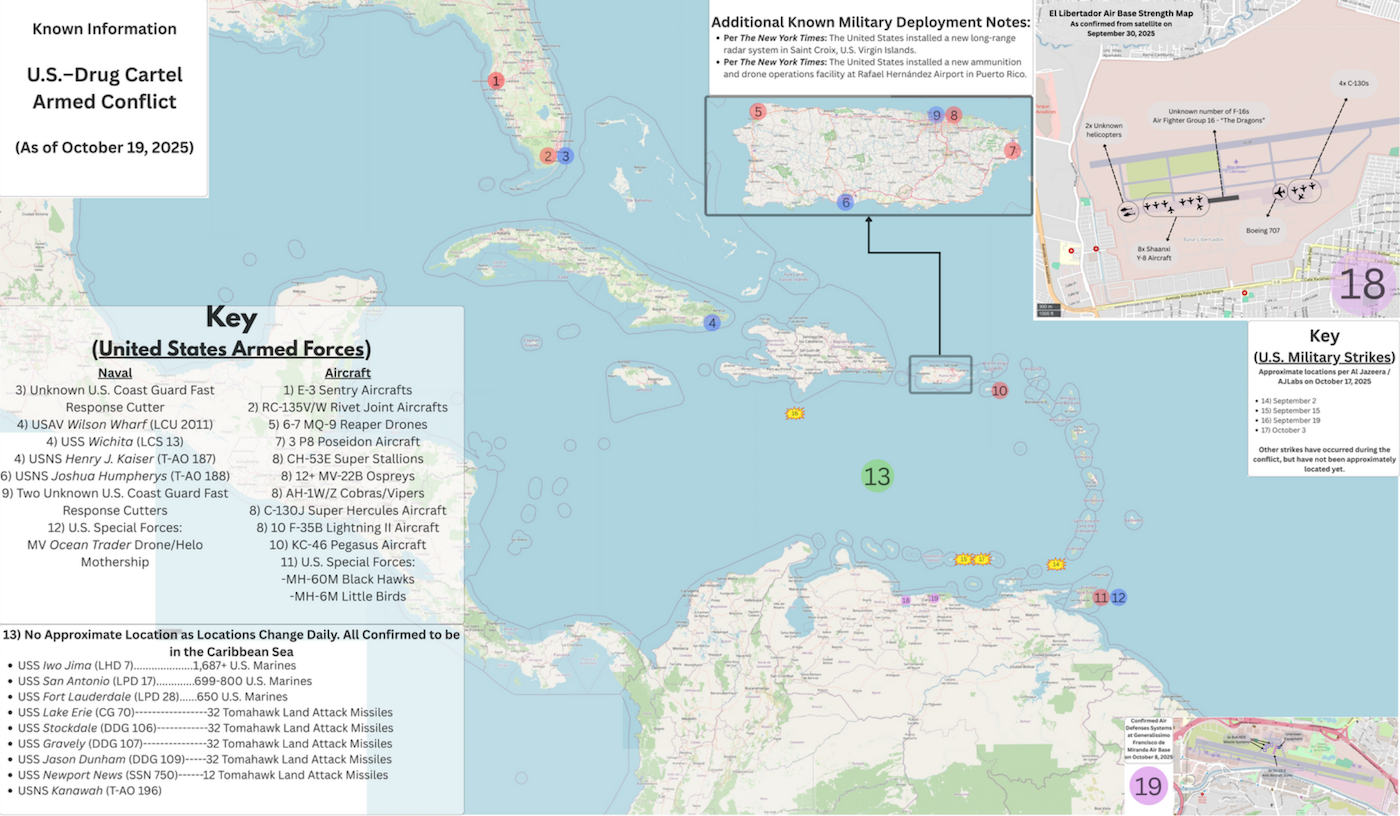
THE PARADOX OF TRUMP’S DRUG WAR

This week, President Donald Trump pardoned a man federal prosecutors described as the architect of a “narco-state” who moved 400 tons of cocaine to United States shores. In September, the US military began killing people on Caribbean vessels based on unproven suspicions they were doing the same thing on a far smaller scale. The strikes have drawn allegations of war crimes; the contradiction has drawn bipartisan scrutiny. In an explainer for JURIST, Ingrid Burke Friedman examines the White House legal justifications for the air-strikes, and the response from international law experts. She also dissects the politics behind the divergent approaches to the pardoned Honduran ex-president Juan Orlando Hernández and the incumbent Venezuelan leader Nicolás Maduro—who faces trafficking charges in the US, and a destabilization campaign.

Continue ReadingTHE PARADOX OF TRUMP’S DRUG WAR 
Yarlung Tsangpo

CHINA’S MEGA-HYDRO SCHEME SPARKS OUTCRY IN INDIA

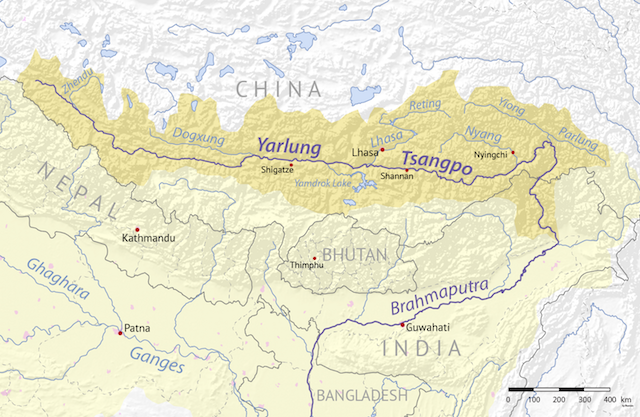
The Chinese state’s hydro-electric activities on Tibet’s Yarlung Tsangpo River—known in India as the Brahmaputra—have long been a source of tension with the downstream countries of India and Bangladesh, which cite a risk of ecological disaster. Now Beijing has started building a colossal dam at the Tsangpo’s great bend in southeastern Tibet, close to the border with the Indian state of Arunachal Pradesh. Chinese Premier Li Qiang just attended the groundbreaking ceremony for the Medog Hydropower Station in Nyingchi, Tibet Autonomous Region, and hailed it as the “project of the century.” But the $168 billion hydro-dam, which will be the world’s largest when it is completed, is described by Arunachal Pradesh leaders as an “existential threat.” CounterVortex correspondent Nava Thakuria reports from Northeast India.

Continue ReadingCHINA’S MEGA-HYDRO SCHEME SPARKS OUTCRY IN INDIA 
Rojava

PKK DISSOLUTION: THE LONG FAREWELL TO VANGUARDISM

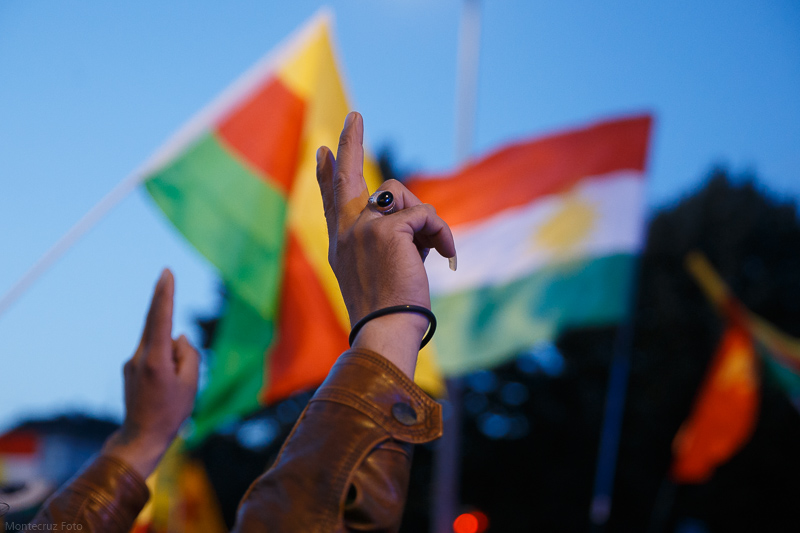
The formal dissolution of the Kurdistan Workers’ Party (PKK), which had waged an armed insurgency against the Turkish state since 1984, has implications beyond the borders of Turkey, as the ideology of imprisoned leader Abdullah Ă–calan has won a following among militant Kurds in Syria, Iraq, Iran and the greater diaspora. In an analysis for Britain’s anarchist-oriented Freedom News, writer Blade Runner argues that the PKK dissolution does not necessarily represent a retreat, but is the culmination of a long rethinking of the precepts of vanguardism, ethno-nationalism and separatism in favor of a broader strategic vision emphasizing gender liberation, pluralism and local democracy.

Continue ReadingPKK DISSOLUTION: THE LONG FAREWELL TO VANGUARDISM 
#Damascus4Palestine

FREE SYRIANS STAND UP FOR PALESTINE

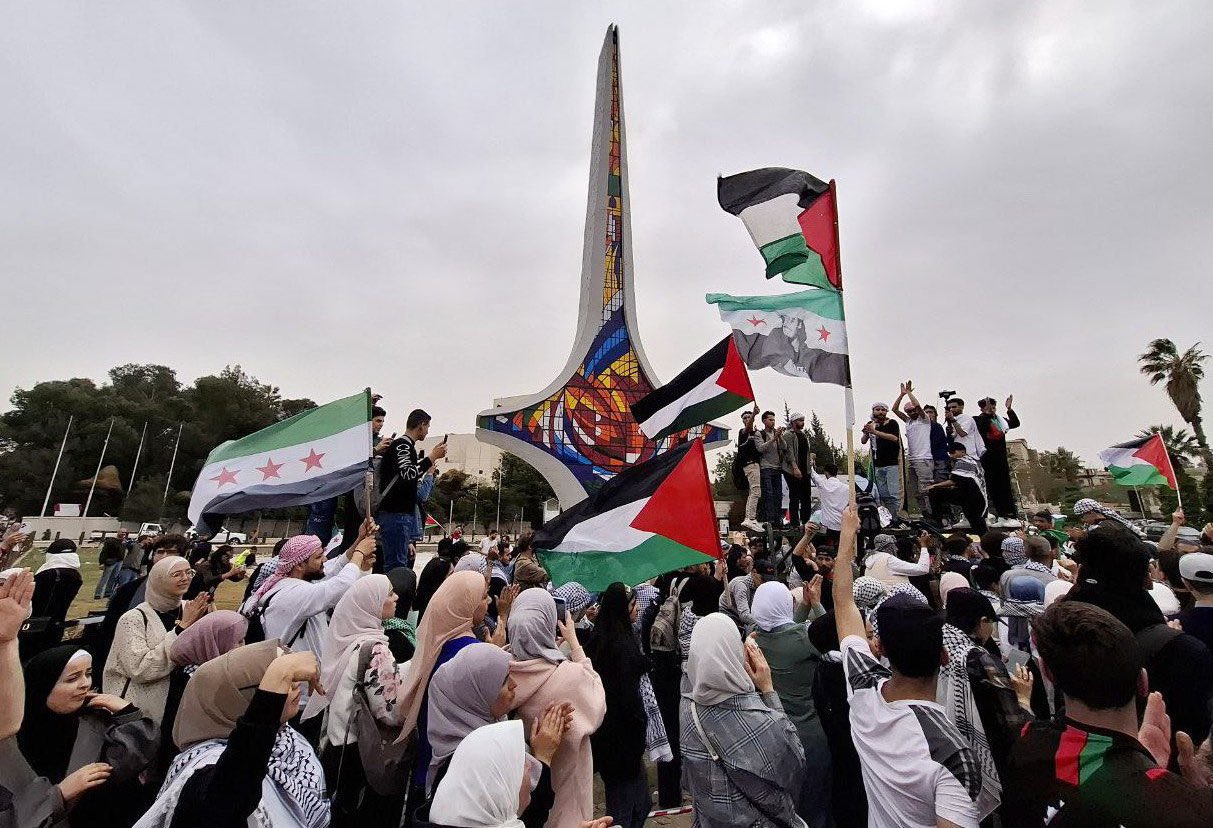
In an unprecedented wave of demonstrations across government-held territory, the Syrian people have taken to the streets not to challenge their own leadership, but to protest Israel’s ongoing human rights atrocities in Gaza and its repeated military strikes on Syrian soil. An explainer by JURIST breaks down what’s fueling the anger, what it signals about a country emerging from decades of harsh internal rule, and why Syrians are rallying around a cause that reaches well beyond their own country’s borders.

Continue ReadingFREE SYRIANS STAND UP FOR PALESTINE 
Leonard Peltier,

LEONARD PELTIER HEADS HOME —AT LAST

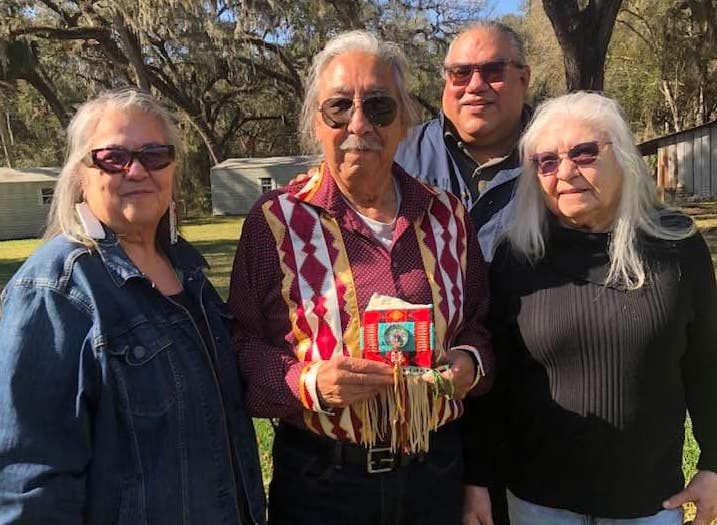
Native American activist Leonard Peltier, one of the longest-serving federal prisoners in US history, has been released to home confinement after spending nearly five decades behind bars. His imprisonment stems from a controversial 1977 conviction in the shooting deaths of two FBI agents on South Dakota’s Pine Ridge Indian Reservation, a case that has been harshly contested between activists and law enforcement for generations. As Peltier returns to his birthplace on North Dakota’s Turtle Mountain Indian Reservation, his case continues to raise questions about justice, reconciliation, and the relationship between the federal government and Native American nations. In an explainer for JURIST, Ingrid Burke Friedman looks back on his case and its legacy.

Continue ReadingLEONARD PELTIER HEADS HOME —AT LAST 

REVOLUTION 9

In a brief memoir written for Canada’s Skunk magazine, CounterVortex editor Bill Weinberg recalls his days as a young neo-Yippie in the 1980s. A remnant faction of the 1960s counterculture group adopted a punk aesthetic for the Reagan era, launched the US branch of the Rock Against Racism movement, brought chaos to the streets at Republican and Democratic political conventions, defied the police in open cannabis “smoke-ins” —and won a landmark Supreme Court ruling for free speech. The Yippie clubhouse at 9 Bleecker Street, the hub for all these activities, has long since succumbed to the gentrification of the East Village, but it survived long enough to provide inspiration to a new generation of radical youth during Occupy Wall Street.

Continue ReadingREVOLUTION 9 
paramilitaries

CHIQUITA TO PAY FOR PARAMILITARY TERROR IN COLOMBIA

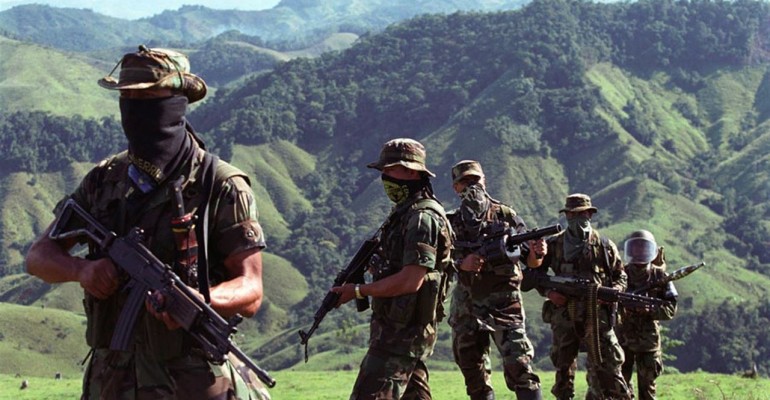
In 2007, Chiquita—one of the world’s largest banana producers—admitted that for years it had been knowingly paying a Colombian terrorist organization to protect its operations in the country. The consequence was predictably violent, resulting in thousands of murders, disappearances, and acts of torture. This week, nearly two decades later, a federal jury in South Florida ordered the company to pay upwards of $38 million in damages in the first of multiple waves of wrongful death and disappearance lawsuits. In an explainer for JURIST, Ingrid Burke Friedman explores the factors that drove the multinational to make these payments, the consequences, and the legal impact.

Continue ReadingCHIQUITA TO PAY FOR PARAMILITARY TERROR IN COLOMBIA 
EZLN

THE NEW ZAPATISTA AUTONOMY

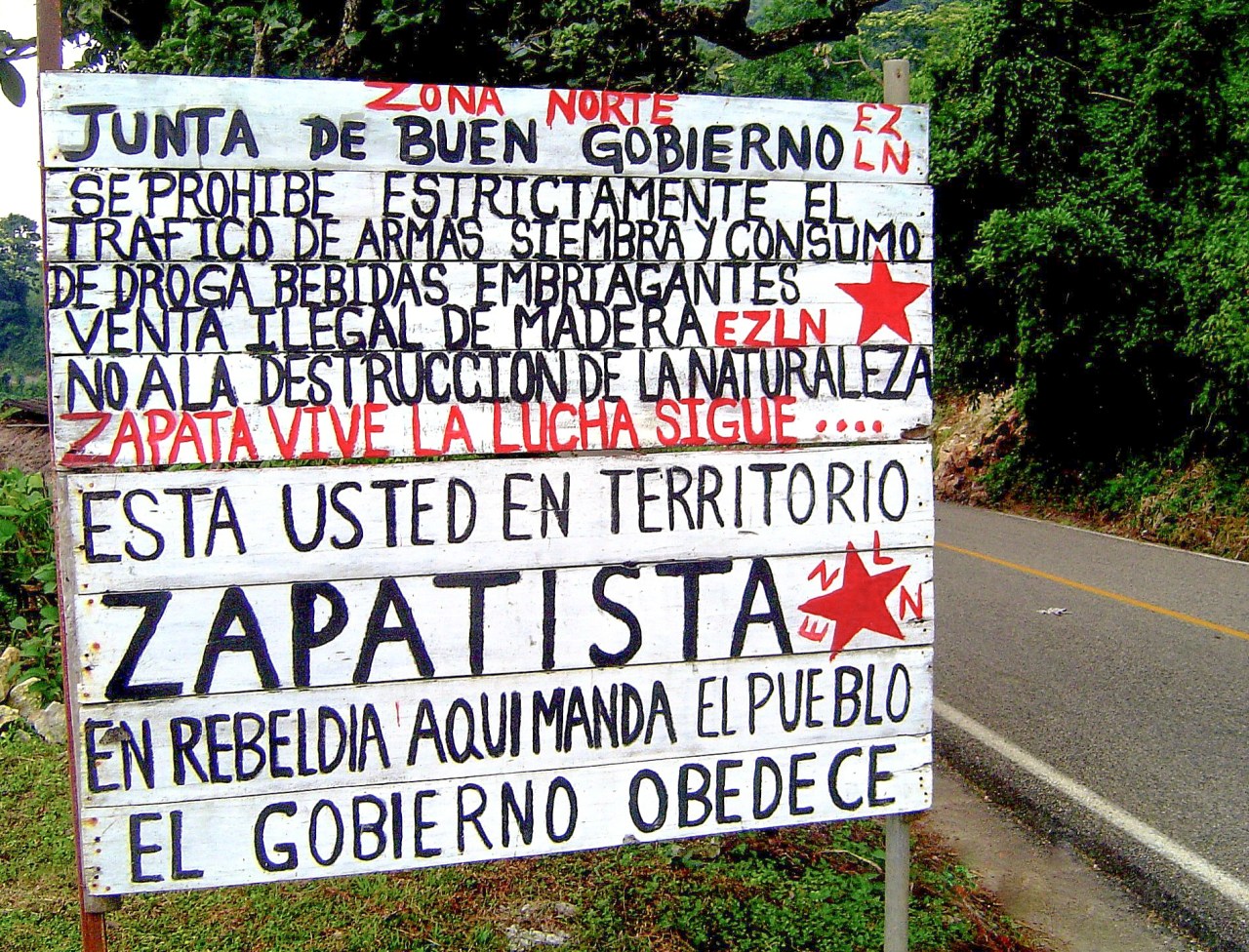
Last week the Zapatista National Liberation Army (EZLN) released a declaration, setting out a new structure for the autonomous indigenous communities in Mexico’s southern state of Chiapas. Uri Gordon of the British anarchist journal Freedom spoke to Bill Weinberg, a longtime radical journalist in New York City, for insight into this change and its significance. Weinberg’s book about the Zapatistas, Homage to Chiapas: The New Indigenous Struggles in Mexico, was published by Verso in 2000. He spent much time in Chiapas and elsewhere in Mexico during the 1990s, covering the indigenous movements there, prominently including the Zapatistas. In recent decades he has reported widely from South America and is now completing a book about indigenous struggles in the Andes, particularly Peru. He continues to follow the Zapatistas and Chiapas closely, and covers world autonomy movements on his website CounterVortex. In this interview, he explores new pressures in the encroachment of narco-paramilitaries on their territories as a factor prompting the Zapatistas’ current re-organization, and how it actually represents a further localization and decentralization of the movement.

Continue ReadingTHE NEW ZAPATISTA AUTONOMY 
Siberia Pipeline

GAS INTRIGUES, ECOLOGY AND THE UKRAINE WAR

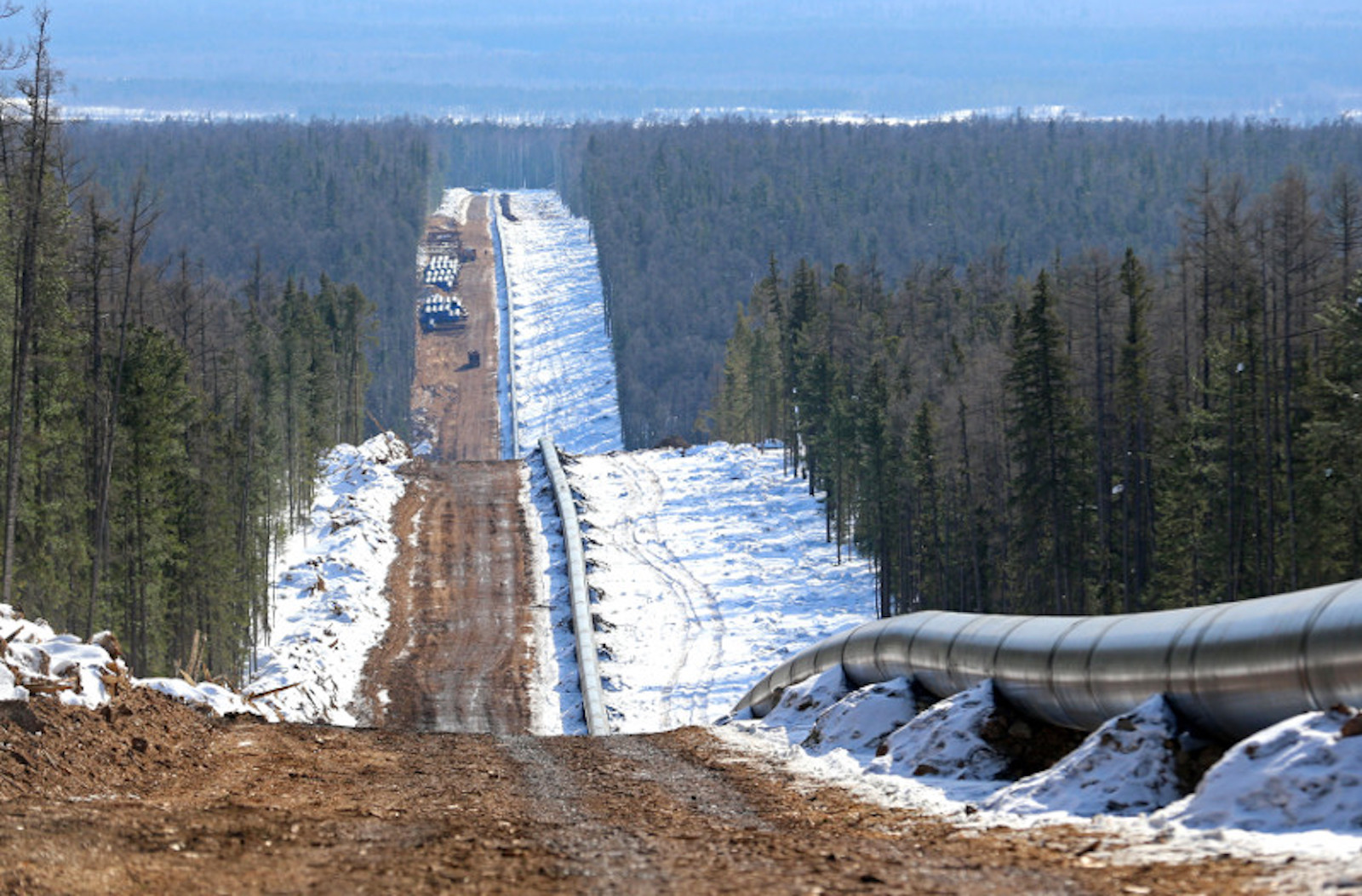
Over the past decades, Russia has sought to expand natural gas exports, necessitating construction of pipelines to Europe and China. In addition to profits for the Russian state, fossil fuel exports are a valuable tool for Moscow’s geopolitical ambitions. Since the start of the war in Ukraine in 2014 and the full-scale invasion in 2022, the economic and political stakes have skyrocketed. Russia”s green movements had previously been able to mobilize effective campaigns, winning concessions on pipeline routes through natural areas. Since 2014, however, they have come under increasingly harsh scrutiny from the Russian government, with organizations branded “undesirable” or declared “foreign agents.” Control of pipelines routes through Ukraine itself are also a goad of the Russian war effort. Eugene Simonov and Jennifer Castner of the Ukraine War Environmental Consequences Work Group demonstrate how war fever and militarization threaten resources and ecology across the Russian Federation as well as in Ukraine.

Continue ReadingGAS INTRIGUES, ECOLOGY AND THE UKRAINE WAR 
Ukraine tribunal

UKRAINE’S DIFFICULT PATH TO JUSTICE

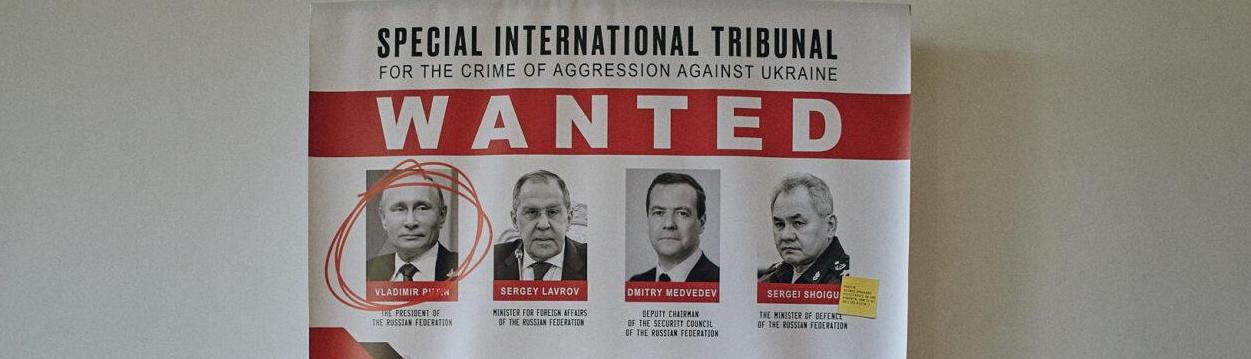
This August, Ukraine’s capital of Kyiv hosted a large international conference entitled “Special Tribunal for the Crime of Aggression against Ukraine: Justice to be Served.” The conference was aimed at reinvigorating global efforts to prosecute the crime of aggression against Ukraine—a crime which cannot be prosecuted under the current jurisdictional regime of the International Criminal Court. Many in Ukraine believe that justice can be served only when a fully-fledged international special tribunal for the crime of aggression is created. However, some of Ukraine’s most powerful allies endorse a “hybrid” tribunal, such as those created for Sierra Leone and Cambodia—which would rely in large part on Ukrainian national law and raise questions about the reach of jurisdiction. Despite optimistic expectations at the beginning of the year, disagreements between Ukraine and its allies have left some wondering: in the end, will justice indeed be served? International law scholars Mariia Lazareva of Ukraine’s Taras Shevchenko National University and Erik Kucherenko of Oxford provide an analysis for Jurist.

Continue ReadingUKRAINE’S DIFFICULT PATH TO JUSTICE