


Iraq
tehran 0

tehr

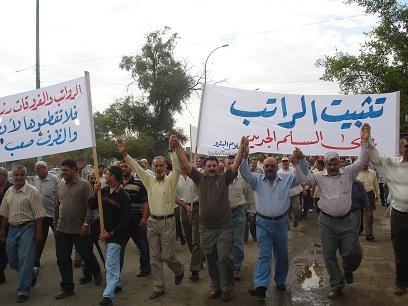
Protests against unemployment, poor government services and corruption that began in Iraq's southern oil hub of Basra have spread to several other cities, including Najaf, Amara, Nasiriya and even Baghdad. At least three have been killed since the protests erupted a week ago. Prime Minister Haidar al-Abadi arrived in Barsa to try to calm the situation July 13, flying straight into the city from the NATO summit in Brussels. But the next day he convened a meeting of Iraq's National Security Council, where the decision was taken to cut Internet access in Basra and mobilize army troops to the city. Units from the elite Counter-Terrorism Service and the Army’s Ninth Division have now arrived in Basra. (Photo: Kurdistan24)
Greater Middle East
basra2

basra2

The elections that handed a victory to incumbent President Recep Tayyip Erdogan were carried out under a state of emergency that has been in place since the attempted coup of 2016, with some 160,000 political opponents imprisoned—including party leaders. The hegemonic state media outlets overwhelmingly devoted their election coverage to Erdogan's campaign, while access to social media was intermittently restricted by decree. The Organization for Security and Cooperation in Europe (OSCE) said Erdogan had benefited from this excessive coverage, and raised questions about the transparency of the vote. It did not challenge the results, however. Erdogan will re-enter office with sweeping new powers following a narrowly-won constitutional referendum last year. Opposition leader Muharrem Ince conceded defeat, but warned that Turkey is headed toward "one-man rule." (Map: CIA)