Inner Asia
Xinjiang

Podcast: state capitalism and the Uyghur genocide

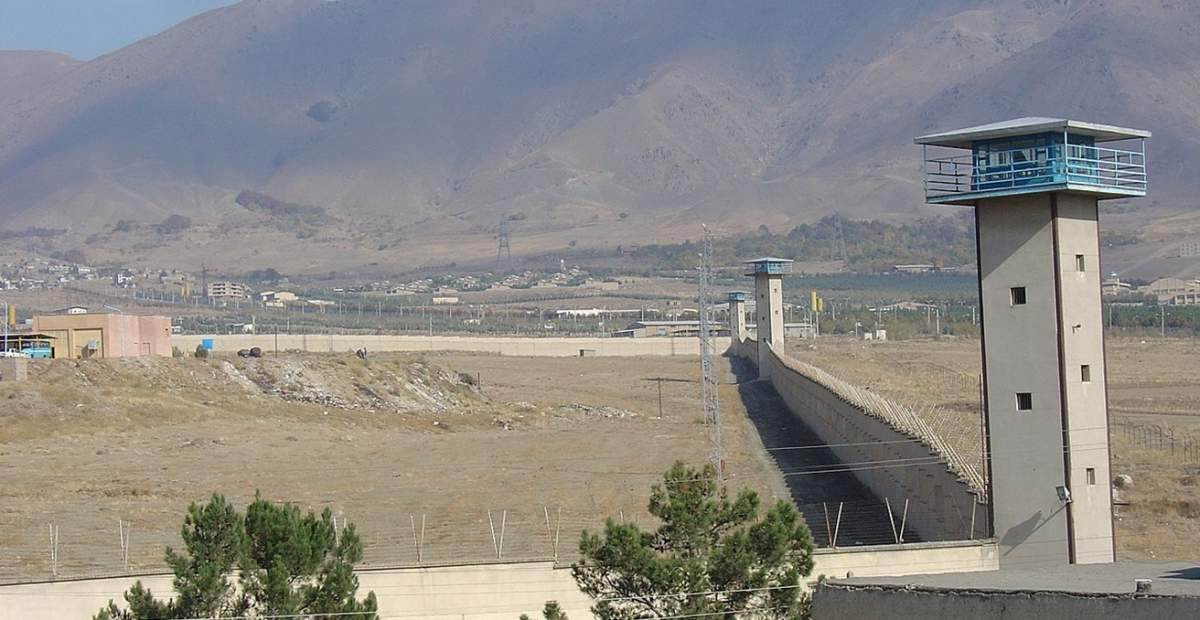
In Episode 149 of the CounterVortex podcast, Bill Weinberg notes that the UN Human Rights Office determination that China may be guilty of “crimes against humanity” in its mass detention of Uyghurs in Xinjiang province is dismissed by the tankie-left ANSWER Coalition as “propagandistic.” Meanwhile, it falls to Radio Free Asia, media arm of the US State Department, to aggressively cover the very real conditions of forced labor faced by the Uyghurs and other Turkic peoples of Xinjiang—and how Western corporations benefit from it. While the Western pseudo-left betrays the Uyghurs, US imperialism exploits their suffering for propaganda against a rising China in the Great Game for the Asia-Pacific region. Figures such as Australia’s Kevin Rudd incorrectly portray a “Return of Red China,” blaming the PRC’s increasingly totalitarian direction on a supposed neo-Marxism. Fortunately, the new anthology Xinjiang Year Zero offers a corrective perspective, placing the industrial-detention complex and techno-security state in the context of global capitalism and settler colonialism. Listen on SoundCloud or via Patreon. (Photo: Xinjiang Judicial Administration via The Diplomat)

North America
Tohono O'odham

GOP lawmaker threatens new Indian war

In a little-noted interview on the right-wing online video show “In The Trenches with Teddy Daniels,” Arizona Republican Rep. Paul Gosar suggested that his party’s gubernatorial candidate, Kari Lake, could order the state’s National Guard to surround and blockade the Tohono O’odham Nation, a Native American reservation that borders Mexico, ensuring that “no one passes.” Gosar also offered the notion that Lake could go to the US Supreme Court to seek state authority over the reservation. The Tohono O’odham tribal government cooperates with the Border Patrol, but has long opposed plans for a border wall that would cut through their traditional territory. (Map via Google)

Planet Watch
cop27

Egypt: COP27 opens amid repression

The 27th UN Climate Change Conference (COP27) opened in Egypt’s Red Sea resort of Sharm el-Sheikh—in an atmosphere of censorship and repression. In the weeks prior to the summit, Egyptian authorities arrested hundreds of people for allegedly planning protests, with at least 151 currently detained by the Supreme State Security Prosecution (SSSP), according to Amnesty International. The Egyptian Front for Human Rights (EFHR) reported that in the final days of October, the SSSP ordered at least 65 people detained for 15 days on charges including publishing “fake news” and misusing social media platforms. (Image via Twitter)

East Asia
Bridge Man

Xi Jinping consolidates self-coup —amid repression

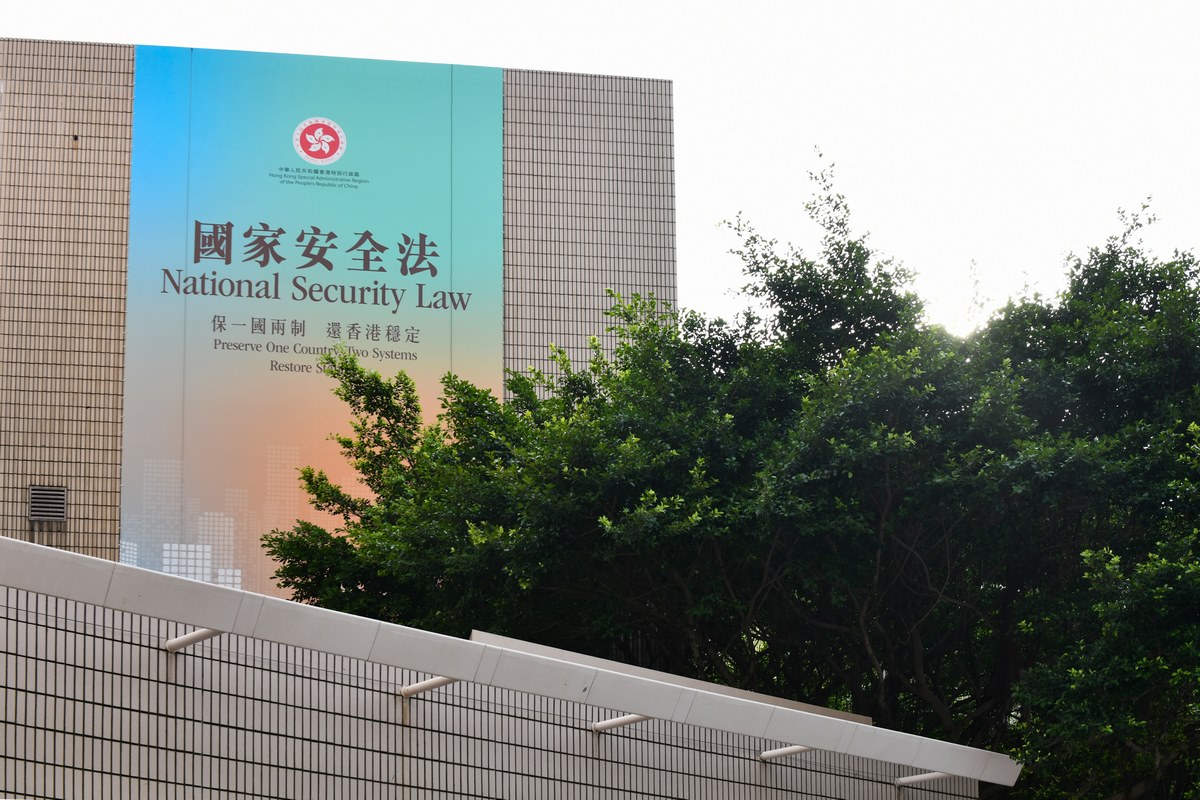
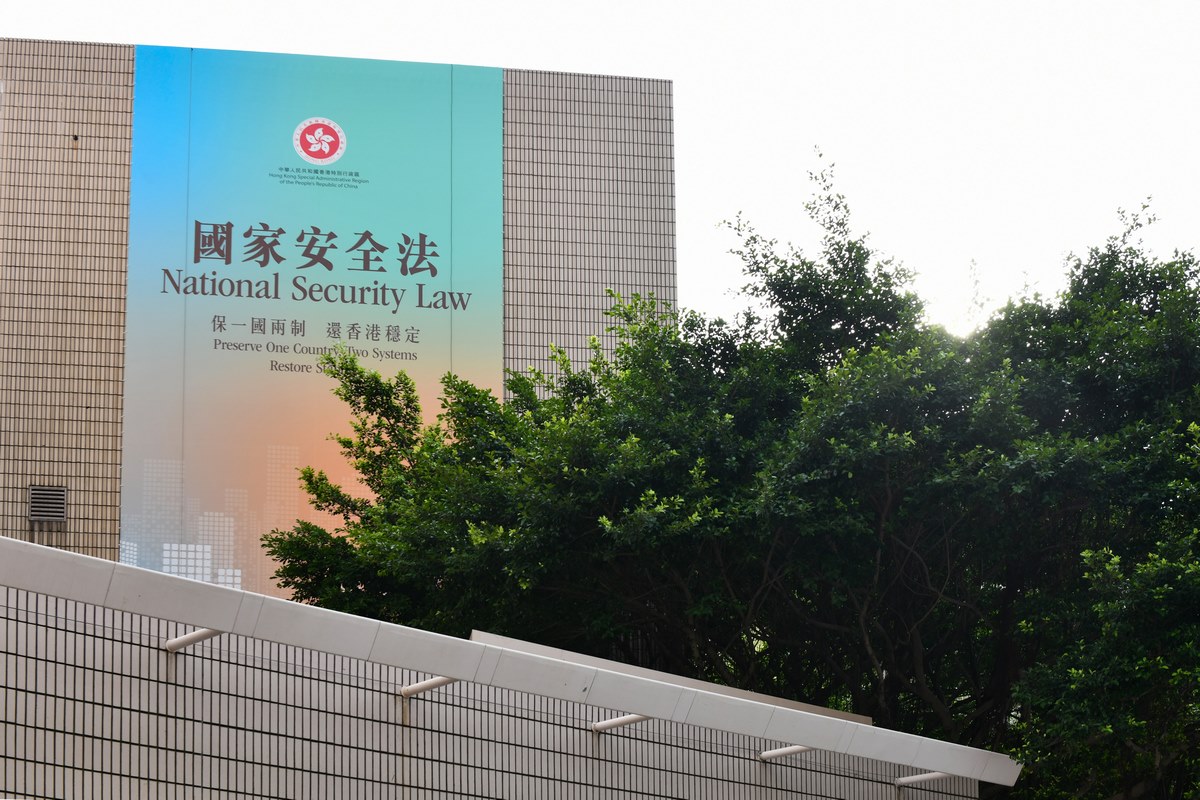
After years of centralizing power in his own person, China’s president and party secretary Xi Jinping secured a third leadership term at the 20th National Congress of the Chinese Communist Party. The new seven-member Politburo Standing Committee is stacked with loyalists, abandoning the practice of balancing rival tendencies within the body. This cements Xi’s place as China’s “paramount leader” in the autocratic tradition of Mao Zedong. On the eve of the Congress, a lone protester draped a banner from a Beijing overpass calling for strikes to bring down “dictator” Xi. He was immediately arrested, but his brief action quickly became a sensation on Chinese social media—before all such content was censored by authorities. Some who expressed support online for “Bridge Man” have been harassed by the police. The lead-up to the National Congress saw another wave of arrests and “pretrial detention” of dissidents and human rights defenders. (Photo via China Change)

Watching the Shadows
internet ban protest

Internet censorship laws advance worldwide

The United Nations Human Rights Office expressed concern over Turkey’s adoption of legal measures “that risk substantially curtailing freedom of expression in the country.” A package of laws passed by the Turkish parliament could see journalists and activists imprisoned for up to three years for spreading “disinformation.” Ugandan President Yoweri Museveni meanwhile signed the Computer Misuse (Amendment) Act into law, which advocacy group Unwanted Witness called a “looming nightmare to the freedom of expression and speech.” Last month, Tunisian authorities promulgated Decree No. 54 on Combating Crimes Related to Information & Communication Systems, imposing five years imprisonment for spreading “fake news.” (Photo of Turkish free-speech demonstration via Wikimedia Commons)

Iran
Zahedan

Iran: uprising spreads to Baluchistan

The nationwide uprising in Iran spread to the restive eastern province of Sistan & Baluchistan as residents gathered in provincial capital Zahedan to protest the reported rape of a 15-year-old Baluch girl by the police chief of the nearby town of Chabahar. Security forces opened fire, and at least 41 protesters were killed, local rights monitors report. According to Iran Human Rights, this brings the total dead since the uprising began two weeks earlier to 133. Iran Human Rights director Mahmood Amiry-Moghaddam said: “The killing of protesters in Iran, especially in Zahedan, amounts to crimes against humanity. The international community has a duty to investigate this crime and prevent further crimes from being committed by the Islamic Republic.” (Image: Iran Human Rights)

Europe
Crimea

Crackdown on civil society widens in Crimea

Drone strikes and unexplained explosions on the Russian-annexed Criman Peninsula have prompted the Moscow-controlled administration to urge citizens to hunt for possible saboteurs. This comes amid widening repression on civil society, especially targeting the Tatar people. A local court jailed four people involved in a Tatar wedding in Bakhchysarai for performing a Ukrainian patriotic song. Officers of the FSB security agency raided the home of Vilen Temeryanov, an independent journalist working with the rights group Crimean Solidarity, in the village of Vilne. Temeryanov was detained on charges of collaborating with a “terrorist organization.” In New York, the Committee to Protect Journalists said: “Authorities must drop all charges against Temeryanov, release him immediately, and stop cracking down on Crimean Tatar journalists.” (Map via Wikimedia Commons)

Iran
hijab protest

Iran: high-tech crackdown on hijab resistance

An Iranian government entity enforcing Islamic rules says the Intelligence Ministry has arrested 300 anti-hijab activist “ringleaders” working “for the enemy.” A spokesman of the Enjoining Good & Forbidding Evil Headquarters said that the activists were arrested in accordance with the new Hijab & Chastity Regulations, which officially extend the mandatory hijab to social media posts. This is to be monitored by the government’s facial recognition software that was used during the pandemic to track if people were wearing face masks. (Image: Iran International)

Europe
St Petersburg

Russia: municipal revolt against Putin

Dozens of municipal deputies from Moscow and St. Petersburg issued a public statement calling on Russian President Vladimir Putin to resign. “President Putin’s actions are detrimental to the future of Russia and its citizens,” reads the petition shared on Twitter by Xenia Torstrem, a deputy for St. Petersburg. The call comes amid claims of vote-rigging in local and regional elections—as well as a dramatic advance by Kyiv’s forces that marks the most significant setback yet in Moscow’s invasion of Ukraine. The call’s signatories, numbering some 30, are at risk of long prison terms under laws passed shortly after the invasion was launched, which have facilitated a harsh crackdown on dissent. (Photo of St. Petersburg via FW)

North America
blackhammer

FBI raids Russian-backed Black Nationalists?

A federal indictment names three “US Political Groups” as cultivated for propaganda purposes by Aleksandr Viktorovich Ionov of the Anti-Globalization Movement of Russia (AGMR), which is said to operate “in conjunction with” the Russian Federal Security Service (FSB, successor agency to the KGB). Ionov faces criminal charges, although he remains at large in Russia. The three groups are the Uhuru Movement, whose Florida offices were raided by the FBI, the Atlanta-based Black Hammer Party, and proponents of the “CalExit” plan for California secession. The first two are Black nationalist groups, and all three have adopted leftist rhetoric. However, AGMR has also cultivated overtly white supremacist and neo-Confederate groups—revealing an evident Moscow design to enflame social strife in the United States. (Photo of Black Hammer protest at Meta offices in San Francisco: YouTube via AJC)

North America
SCOTUS

Podcast: Trumpism must be smashed

In Episode 134 of the CounterVortex podcast, Bill Weinberg documents the increasingly real threat of a right-wing authoritarian takeover of the United States within the next two years. The recent alarming Supreme Court decisions on reproductive rights, migrant detention and environmental regulation could be a mere prelude to a decision that could effectively mean the end of democracy. In Moore v. Harper, ostensibly about North Carolina’s congressional map, the state’s legislators hope to upend 200 years of election law and give statehouses unfettered authority to make rules and seat electors. This comes as Trump’s scheme to use “fake electors” to throw the 2020 elections has come to light. After the failed coup of 2021, the Republicans are laying the groundwork to do it again in 2024—and this time more methodically. Trumpism needs to be defeated—by any and all means necessary. This includes pressure for a criminal indictment of Donald Trump, readiness to contend with MAGA fascism for control of the streets if it comes down to a physical stand-off—but also voting for the Democrats, however odious it may be. Listen on SoundCloud or via Patreon. (Photo: Wikimedia Commons)

East Asia
Zhengzhou

China: can authorities contain unrest after Henan protests?

China’s banking regulator announced that it has opened an investigation into officials at its bureau in Henan province, which this month saw protests by depositors unable to withdraw funds. The China Banking & Insurance Regulatory Commission said a local inspector is suspected of “serious disciplinary violations” concerning fraud and embezzlement at five rural lenders. Several members of a “criminal gang” accused of taking control of the banks have been arrested. The situation turned violent after some 1,000 depositors protested in Zhengzhou, demanding access to their savings in frozen accounts. The protesters were assaulted by a group of unidentified men in matching white outfits, as police held back and did not intervene. Video of the incident went viral on social media. In addition to the banking imbroglio, China’s central government faces a growing mortgage payment boycott across the country—and it is all happening in a politically sensitive year. President Xi Jinping is widely expected to secure a third leadership term at the upcoming 20th National Congress of the Communist Party of China. (Photo via Twitter)