Africa
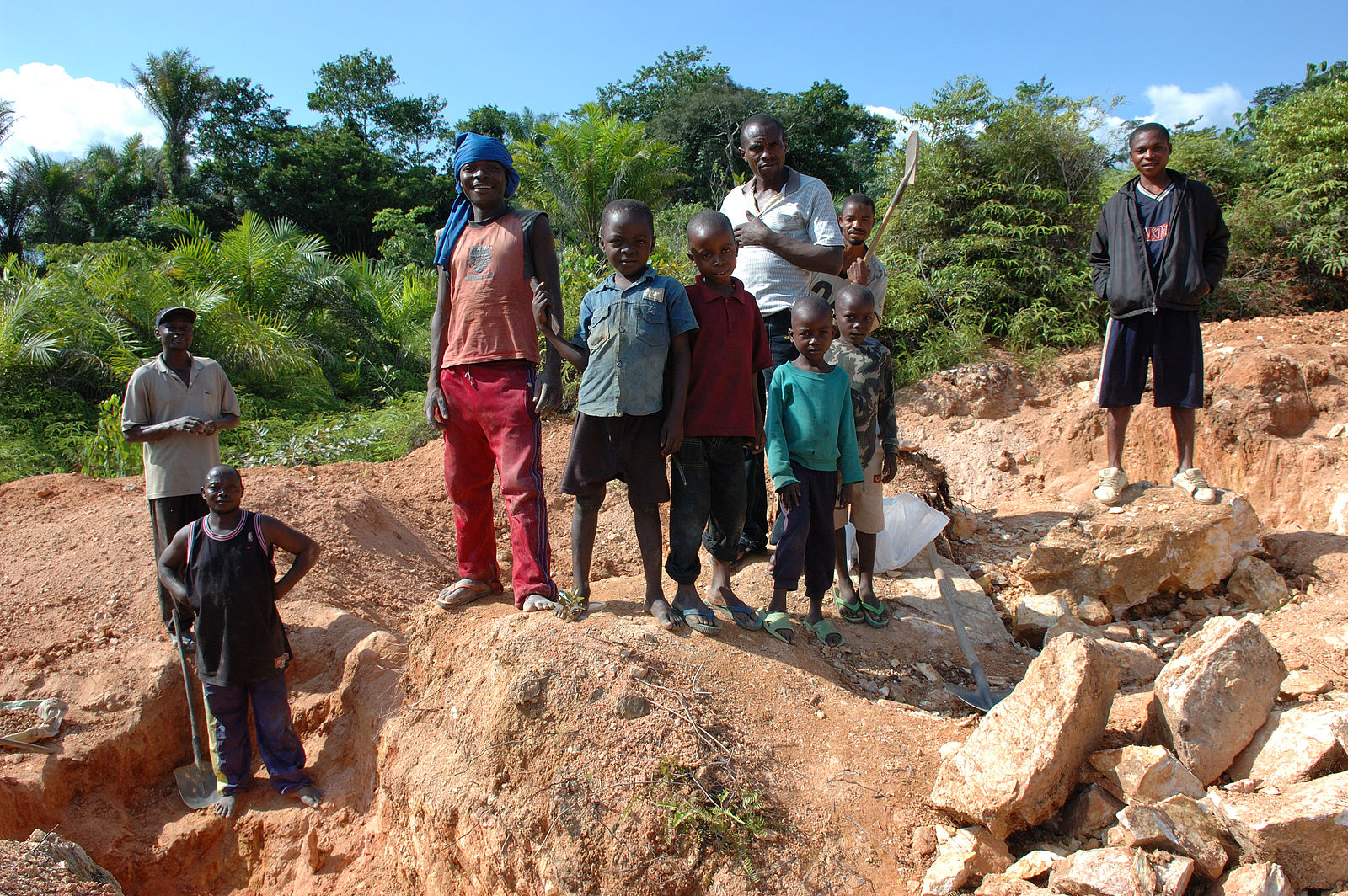
Congo mining

Congolese survivors sue US tech companies

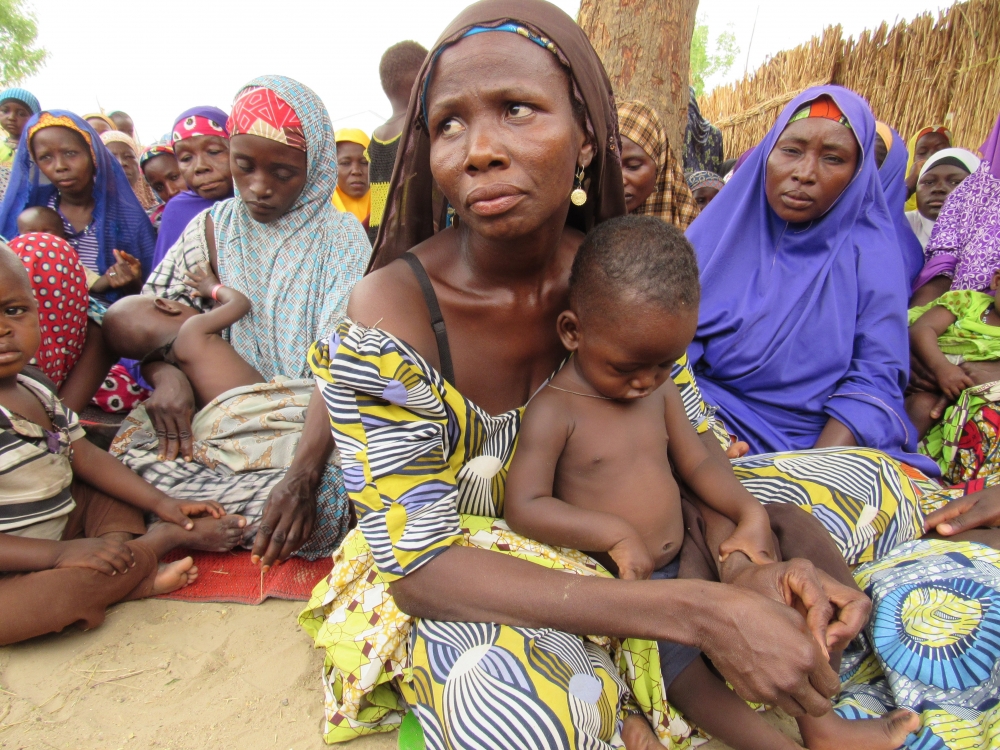
ChibokUN rights experts condemned Nigerian authorities in response to ongoing reports that mass killings, kidnappings, forced conversion, sexual violence, and enforced disappearances are disproportionately targeting women and girls in Christian and minority religious communities. (Photo: Hilary Matfess/IRIN)

Africa
Nuba protest

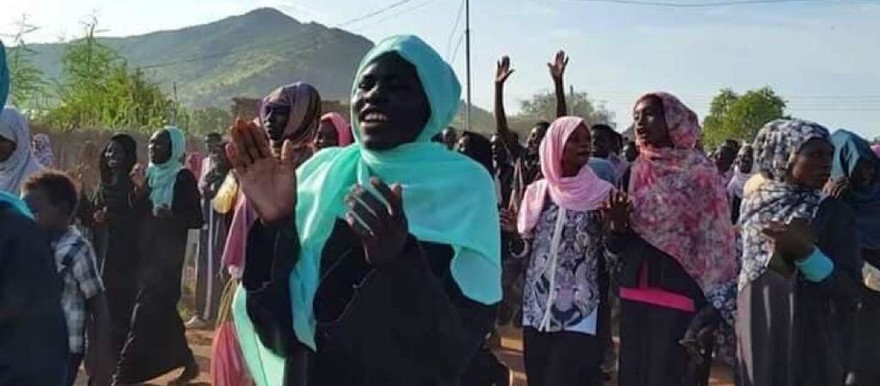
Anti-mining protests in Sudan’s Nuba Mountains

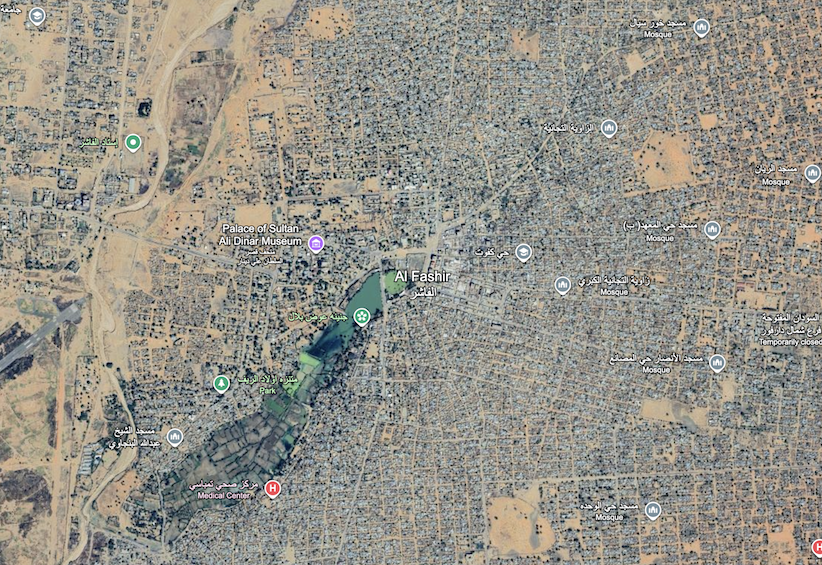
El FasherSatellite imagery analysis reveals widespread evidence of systematic mass killings and body disposal by the Rapid Support Forces (RSF) in El Fasher, Sudan, following the paramilitary group's capture of the North Darfur state capital in late October, according to a report released by Yale University researchers. The Yale School of Public Health's Humanitarian Research Lab (HRL) identified at least 150 "clusters of objects consistent with human remains" in and around El-Fasher between Oct. 26, when the RSF claimed to have taken full control of El-Fasher, and Nov. 28. They identified the clusters as likely human remains, based on their size, the timing of their appearance, and proximity to reddish ground discoloration that later turned brown, consistent with blood oxidation. In some cases, the RSF's own social media posts corroborated the presence of human remains at the locations. By late November, 38% of the identified body clusters were no longer visible in satellite imagery, suggesting systematic disposal operations, the researchers said. (Photo: Google/Airbus via JURIST)

The Amazon
amazon

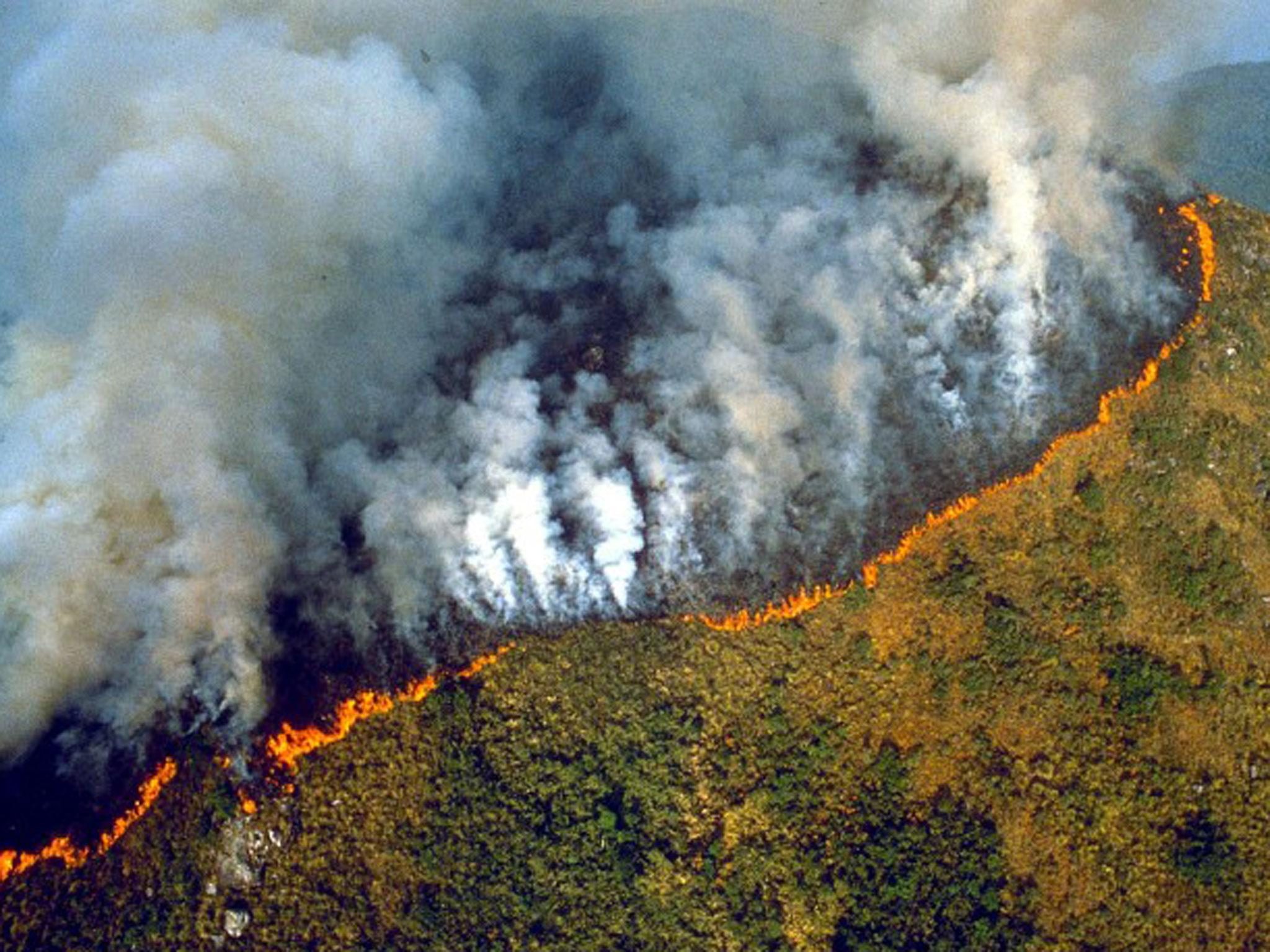
‘Development’ deal to ‘protect’ (=destroy) Amazon

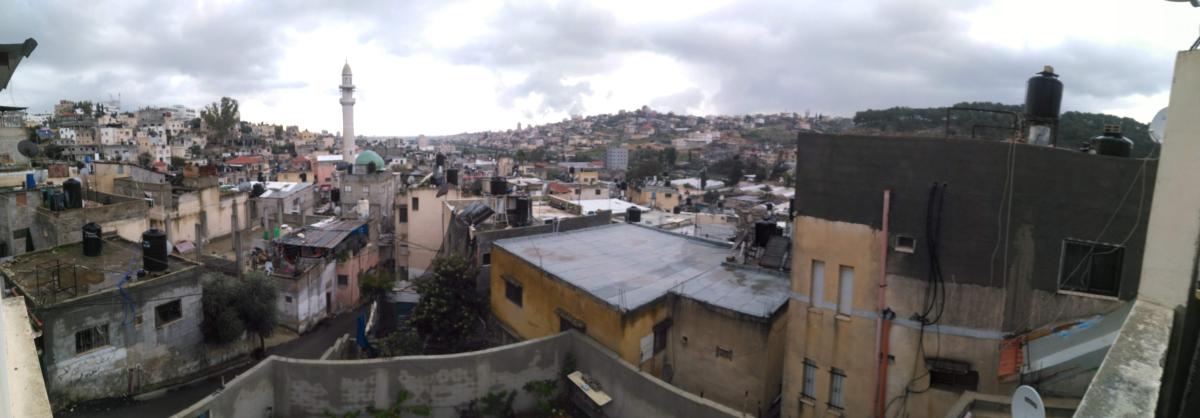
NurIsraeli military operations in the northern West Bank constitute war crimes and crimes against humanity, Human Rights Watch said in a report documenting the forced displacement of approximately 32,000 Palestinians from three refugee camps beginning in January 2025. The report charges that Israeli forces carried out mass forcible displacements as part of a widespread attack on civilians, accusations that, if substantiated, would constitute crimes against humanity under international law. "The organized, forced displacement of Palestinians in the refugee camps has removed nearly the entire Palestinian population from these areas," the report stated, noting that residents of Jenin, Tulkarm and Nur Shams camps have been denied the right to return nearly a year after the operations commenced. (Photo: Wikipedia)

The Amazon

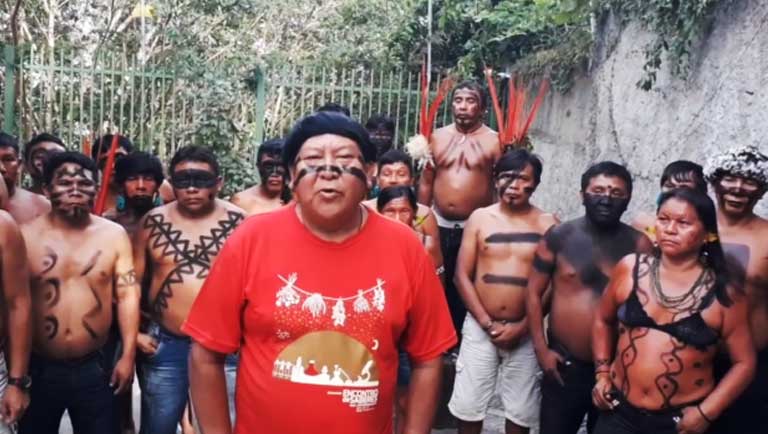
Brazil: garimpeiros kill indigenous leader

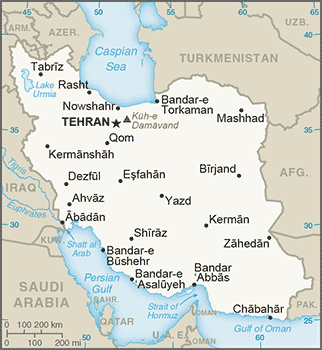
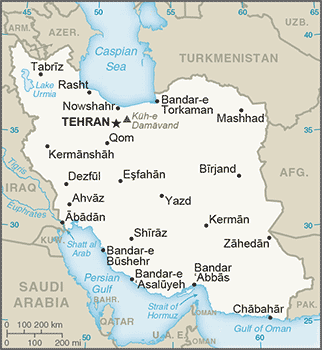
IranUN Secretary-General António Guterres urged both Iran and Israel to exercise "maximum restraint" amid a sudden escalation between the two states following Israeli attacks on Iran's nuclear installations. Condemning the Israeli strikes, the statement from the secretary-general's office expressed concerns about a wider conflagration throughout the Middle East, warning that "a descent into deeper conflict" would be "a situation that the region can hardly afford." (Map: PCL)

The Amazon

Brazil: Yanomami lands overrun by illegal miners

TogolandThe Court of Justice of the West African regional bloc ECOWAS ordered the government of Ghana to pay $75,000 in damages to 30 members of the Homeland Study Group Foundation (HSGF) over their prolonged unlawful detention. The court, based in Nigeria, found that Ghanaian authorities violated the applicants' human rights by detaining them for extended periods—some for over a year—without trial or due process. The HSGF members were arrested in May 2019 under Ghana's Prohibited Organizations Decree, which outlaws groups deemed a threat to national security. The HSGF advocates for the independence of Western Togoland, an ethnically distinct region that was separated from what became the adjoining nation of Togo at the end of the colonial era and attached to Ghana. (Photo: ISS Africa) 

The Amazon

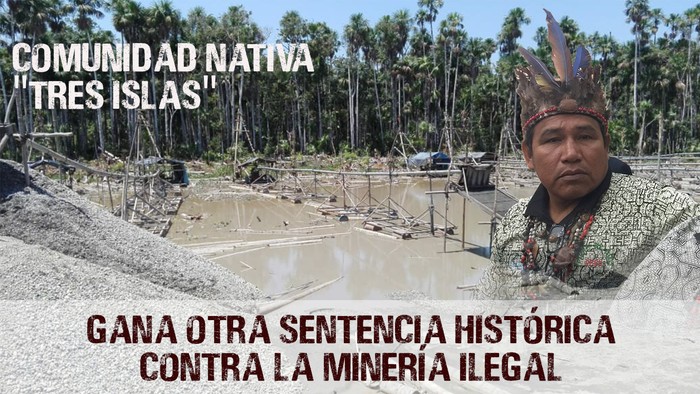
‘Historic’ win against illegal mining in Peru

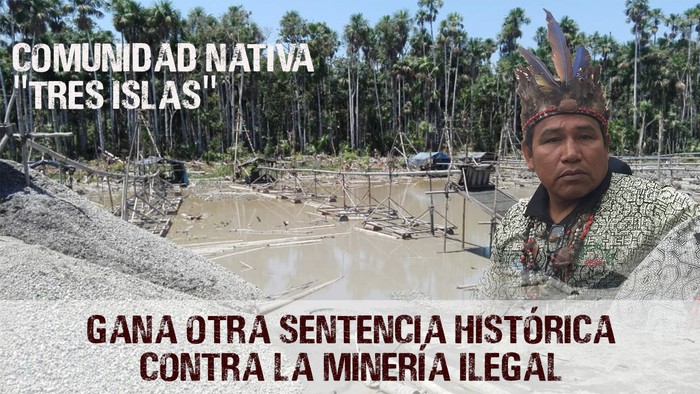
Tres IslasThe Supreior Court of Justice for Peru's rainforest region of Madre de Dios upheld a lower court ruling that nullified mining concessions as well as the titling of agricultural properties and granting of water rights to third parties on the territory of the indigenous community of Tres Islas, without prior consultation with that community. The regional government of Madre de Dios is ordered to comply with the ruling, as is the National Water Authority and the Ministry of Agriculture and Irrigation. The National Police are called upon to enforce the ruling if necessary. Peru's International Institute of Law and Society, which represented Tres Islas in the case, hailed the ruling as "historic." (Photo: La Mula)

The Amazon

Peru: ‘Operation Mercury’ militarizes Amazon

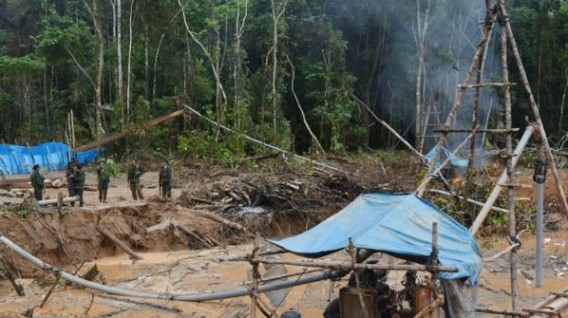
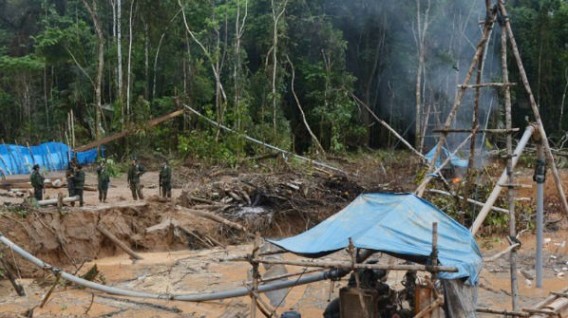
Madre de DiosPeru's central government is pouring troops into the rainforest region of Madre de Dios in an all-out effort against thousands of illegal gold-miners operating in remote areas. Under "Operation Mercury"—named for the mercury poisoning caused to local waters by the mining—three High Mobility Temporary Mixed Bases, manned by military and National Police personnel, are to be established within the buffer zone of Tambopata National Reserve. Cabinet officials were flown into the remote area to inaugurate the first base, dubbed "Alpha." Peru is the top gold producer in Latin America and the sixth worldwide, but experts estimate that up to 25% of annual gold production in the country comes from illegal mining. The Andean Amazon Monitoring Project estimates that gold mining has deforested more than 18,000 hectares of Madre de Dios in recent years. (Photo: Andina via Gestión)

The Andes

Colombia: UN concern over political assassinations

Gilberto ValenciaGilberto Valencia, a young Afro-Colombian cultural worker, became 2019's first casualty of political violence in Colombia, when a gunman opened fire on a New Years party he was attending in his village in Cauca region. As the death toll from around the country mounted over the following weeks, the UN Mission to Colombia  warned President Iván Duque that he must address "the issue of the assassinations of social leaders and human rights defenders." Colombia's official rights watchdog, the Defensoría del Pueblo, acknowledges that there was an assassination on average every two days in the country last year—a total of 172, and a rise of more than 35% over 2017.  (Photo via Caracol Radio)

The Andes

Forgotten voices in Venezuela crisis

PemonTrump, the great enthusiast for dictators, suddenly develops a touching concern with democracy in Venezuela, grasping at the opportunity for long-sought regime change. Predictably overlooked in the world media's Manichean view of the crisis are voices of Venezuela's dissident left that takes a neither/nor position opposed to both the regime and the right-wing leadership of the opposition. Also unheard are voices of indigenous dissent and resistance. In an episode that received little coverage, December saw protests in the remote Orinoco Basin after a leader of the Pemón indigenous people was killed in a confrontation with elite Military Counterintelligence troops. The military operation was ostensibly aimed at clearing the region of illegal mining—while the Pemón themselves had been protesting the mining. The indigenous leaders view the militarization of the region as intended to make way for corporate exploitation under the Orinoco Mineral Arc plan. (Photo: EcoPolitica Venezuela)

Central Asia

Tibetans clash with police in mine protest

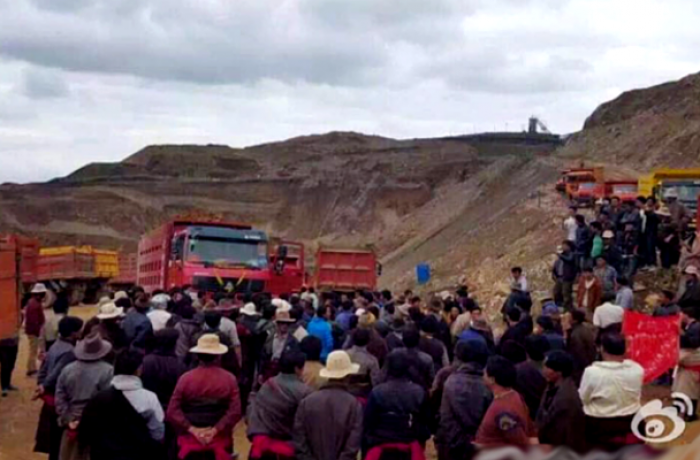
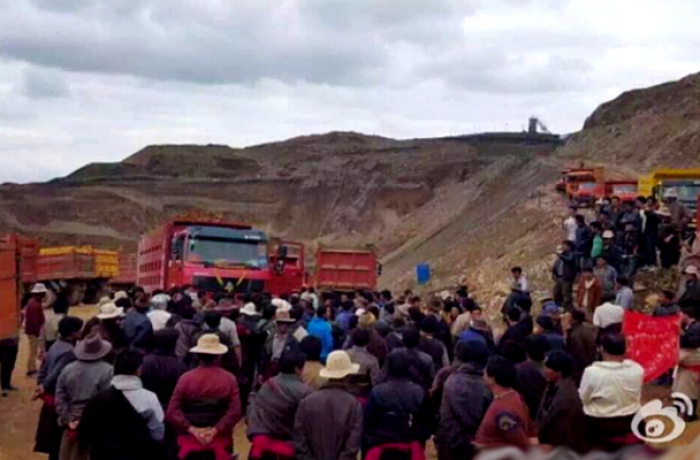
Tibetan protestChinese police used tear-gas and baton charges to disperse Tibetan villagers protesting a mine project in Qinghai's Yulshul Tibetan Autonomous Prefecture, following two months of demonstrations at the site. Rsidents said the project at a site called Upper Dechung was undertaken without informing the local inhabitants. Several were hospitalized following the police assault, including a 70-year-old man. There are also concerns for the whereabouts of a delegation of some 50 villagers who went to complain to provincial authorities about the mine, and have not been heard from since. The mine was seeminlgy initiated by private interests with little or no government oversight. "Local people suspect corruption is involved in connection with this joint venture," a source told Radio Free Asia. (Photo: AsiaNews)

The Andes

Colombia: river defenders assassinated —again

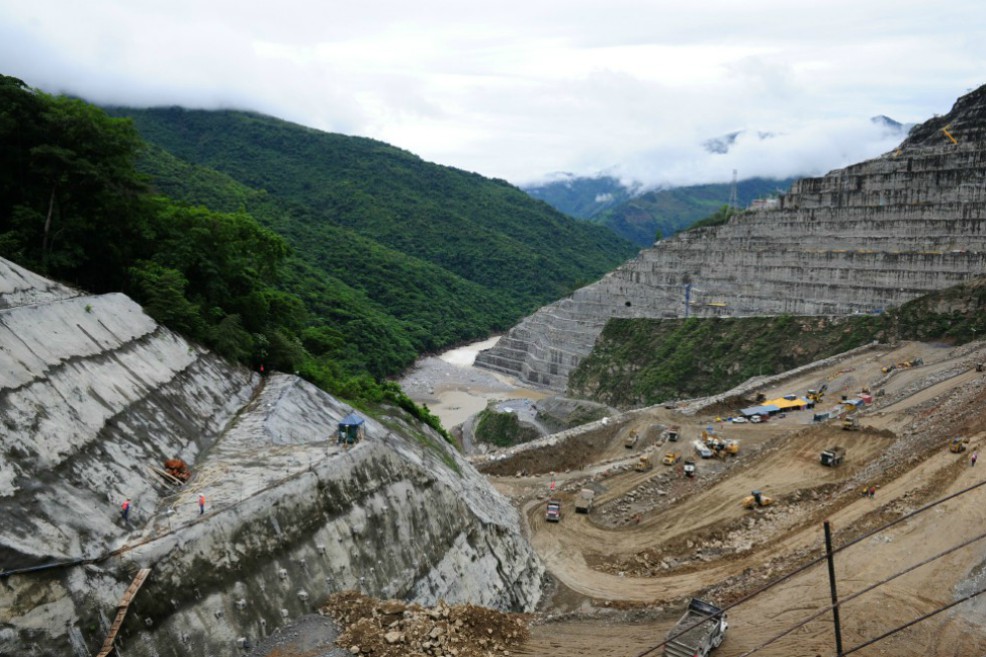
HidroituangoAmid growing protests against the controversial Hidroituango dam on Colombia's Río Cauca, three opponents of the project were slain by unknown assailants—weeks before a tunnel in the complex collapsed due to a landslide, backing up water behind the dam to dangerous levels and causing cracks to emerge in its facade. Authorities now fear an imminent disaster, posing a grave threat to downstream communities. Several opponents of the project have been assassinated over the years of its construction, leading to demands for an investigation of possible paramilitary collusion by the dam's builders. (Photo via El Espectador) 

The Amazon

Peru moves to protect new swath of Amazon

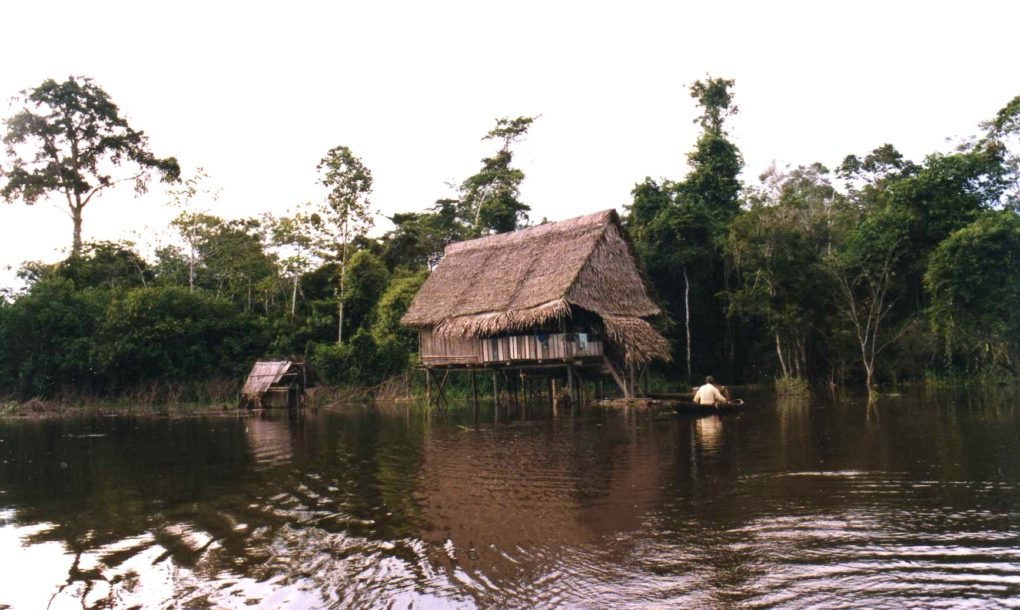
AmazonPeru's creation of Yaguas National Park—covering nearly 870,000 hectares of rainforest along the remote border with Colombia—is being hailed as a critical advance for protection of global biodiversity. The territory in the Putumayo river basin is roughly the size of Yellowstone National Park, but with more than 10 times the diversity of flora and fauna. Despite new areas brought under protection, forest is still being rapidly lost in Peru. A recent analysis of satellite images by th Andean Amazon Monitoring Project (MAAP) found 143,425 hectares of forest were lost across the Peruvian Amazon during 2017. (Image: Inhabit.com)