The Amazon
P1000121

mosque121

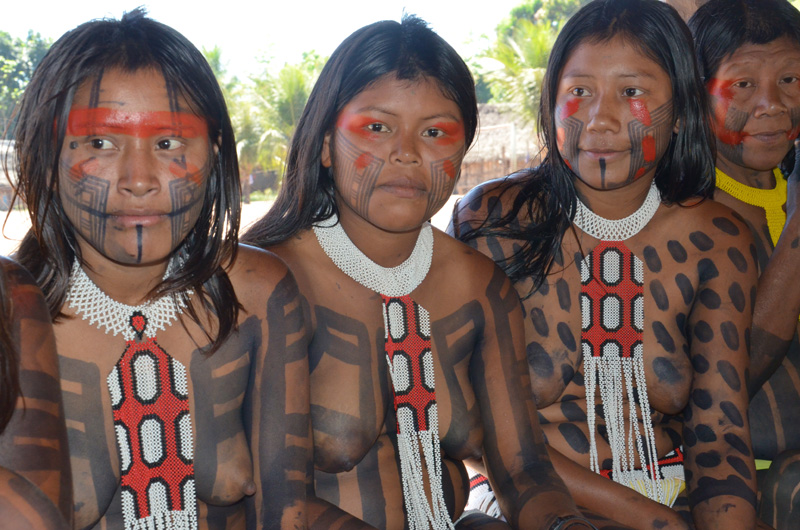
kayapoOn his first day in office, President Jair Bolsonaro issued a measure taking away responsibility for indigenous land demarcation from the indigenous affairs agency, FUNAI, and handing it over to the Agriculture Ministry. In the same decree, Bolsonaro shifted authority over regularization of quilombos (Afro-Brazilian collective lands) from the agrarian reform institute, INCRA, to the Agriculture Ministry. The measure greatly weakens FUNAI, taking away its most important function. In practice, key areas of indigenous and quilombo policy will now be in the hands of agribusiness advocates—a long-time demand of the Bancada Ruralista (agribusiness lobby) in Congress. Bolsonaro is openly calling for abolition of Brazil's large indigenous reserves, a move with grave implications for the Amazon rainforest and global climate. (Photo: Kayapo women in Brazilian Amazon, via FUNAI)

Planet Watch
Neda Agha Soltan

neda

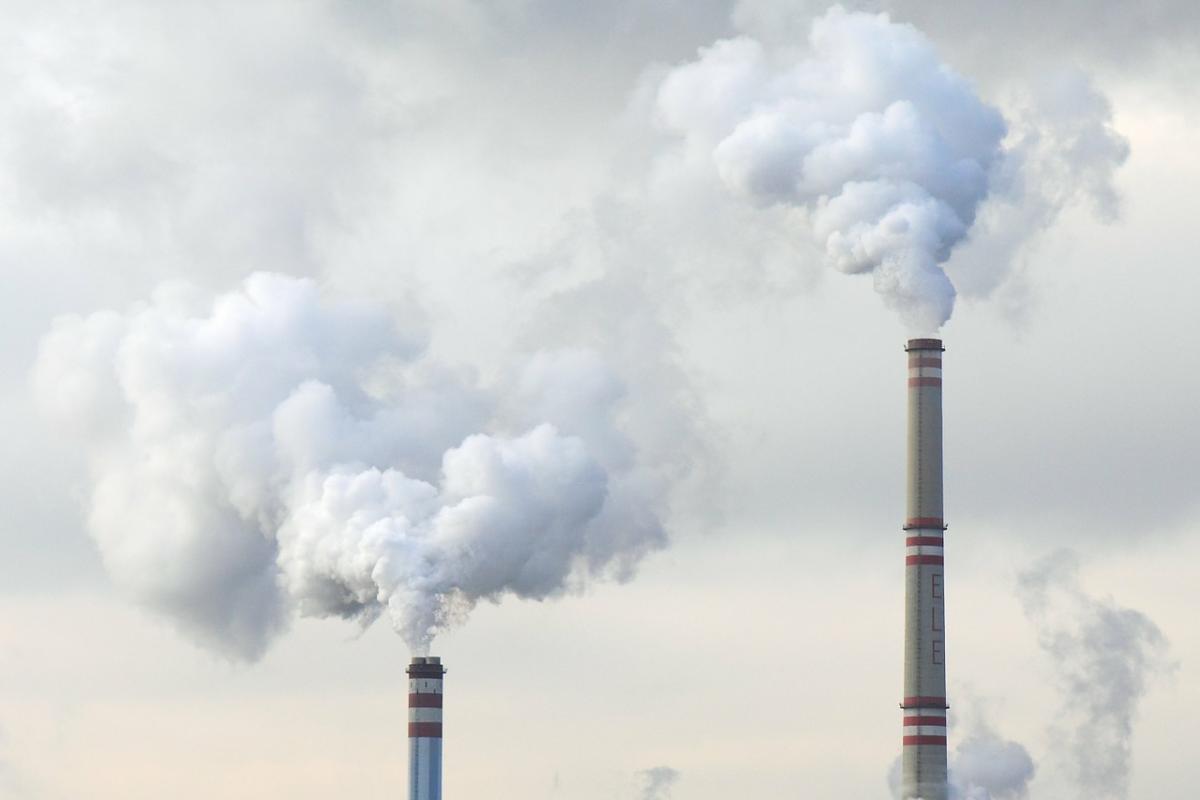
carbonUN Special Rapporteur on human rights and the environment David Boyd issued an urgent call for accelerated action to combat climate change. The statement comes after the Intergovernmental Panel on Climate Change (IPCC) released a report on the impacts of global warming of 2°C—the increase permitted under the Paris Accord. Boyd said that climate change is "one of the greatest threats to human rights" and will have devastating effects on the "rights to life, health, food, housing, and water, as well as the right to a healthy environment." In order to meet human rights obligations, Boyd called on counties to exceed their Paris Agreement obligations. If the temperature increase is allowed to increase to 2.0°C, it would result in "human rights violations upon millions of people." (Photo via Jurist)

Europe
FIRE9

FIRE9

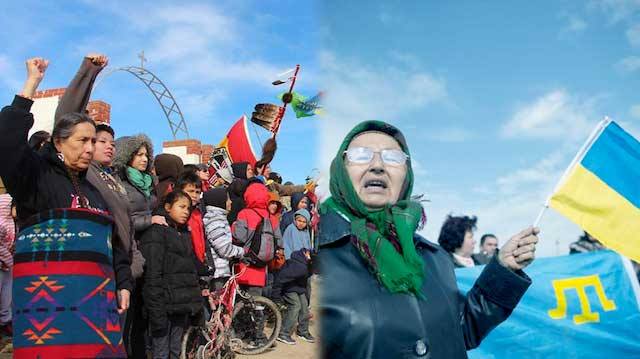
Lakota TatarIn Episode 17 of the CounterVortex podcast, Bill Weinberg discusses growing repression against the Tatar people of the Crimea, and the abrogation of their autonomous government by the Russian authorities since Moscow's illegal annexation of the peninsula. This is a clear parallel to violation of the territorial rights of the Lakota people in the United States through construction of the Dakota Access Pipeline, and the legal persecution of indigenous leaders who stood against it. The parallel is even clearer in the cases of the Evenks and Telengit, indigenous peoples of Siberia, resisting Russian construction of pipelines through their traditional lands. Yet the US State Department's Radio Free Europe aggressively covers the Tatar struggle, while Kremlin propaganda organ Russia Today (RT) aggressively covered the Dakota Access protests. Indigenous struggles are exploited in the propaganda game played by the rival superpowers. It is imperative that indigenous peoples and their allies overcome the divide-and-rule game and build solidarity across borders and influence spheres. Listen on SoundCloud, and support our podcast via Patreon.

Mexico
fire5

FIRE5

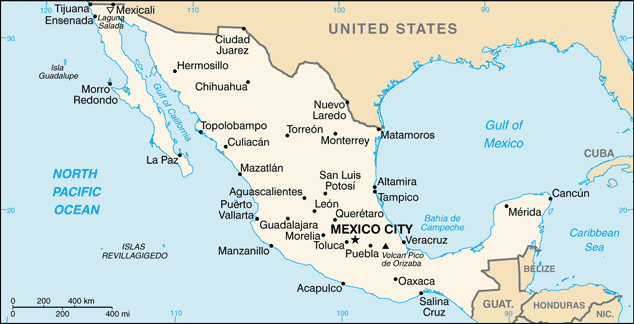
MexicoPresident Trump announced that the US and Mexico have reached an agreement on a new trade deal called the United States-Mexico Trade Agreement, which will ultimately terminate the North American Free Trade Agreement (NAFTA). Trump called Mexican President Enrique Peña Nieto from the White House to announce the new deal. Among a number of changes to NAFTA, both parties agreed to a provision that would require a significant portion of vehicles to be made in high-wage factories, a measure aimed to discourage factory jobs from leaving the US. Trump said he is in communication with Canada about a new trade deal, but is unsure if it will be part of the US-Mexico Trade Agreement. The Trump administration expects the new pact to be signed by the end of November. (Map: CIA)