


HK court upholds conviction of activist fund organizers

Hong KongA Hong Kong appellate court upheld the conviction of five pro-democracy activists for their failure to register the 612 Humanitarian Relief Fund, created to support detained or injured demonstrators during the 2019 Hong Kong protests, under the Societies Ordinance. The appellants, among 10 initially arrested in 2023, were retired Roman Catholic Cardinal Joseph Zen, Lingnan University professor Hui Po Keung, Cantopop singer-turned-activist Denise Ho, and former Legislative Council members Margaret Ng and Cyd Ho. The Fund was named for the "612 Incident," in which protesters were attacked by the police outside the Hong Kong government headquarters on June 12, 2019. The decision exemplifies concerns about the rule of law and growing restrictions on civil society in Hong Kong. (Photo: HKFP)
Europe

EU migrant ‘return hub’ plans risk rights abuses

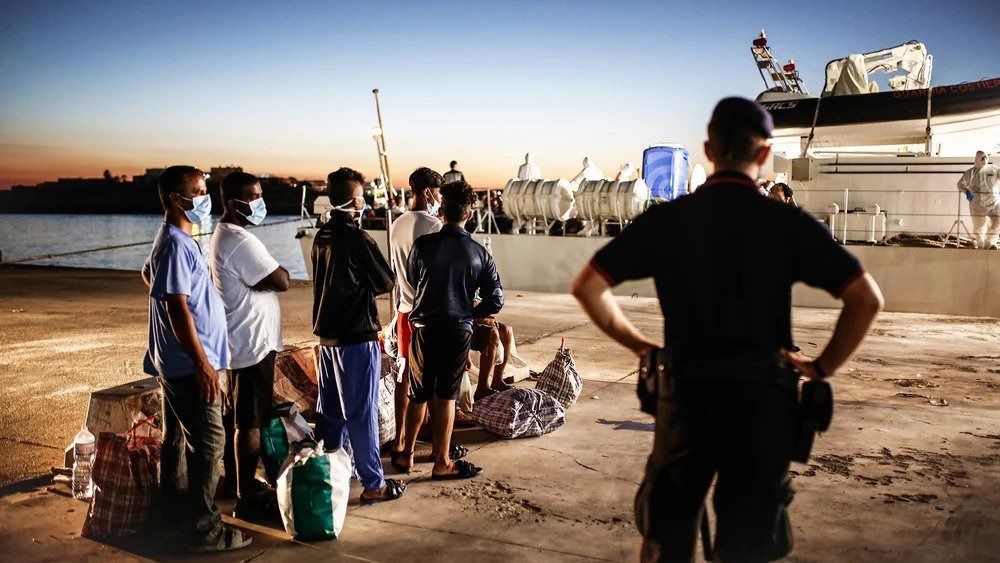
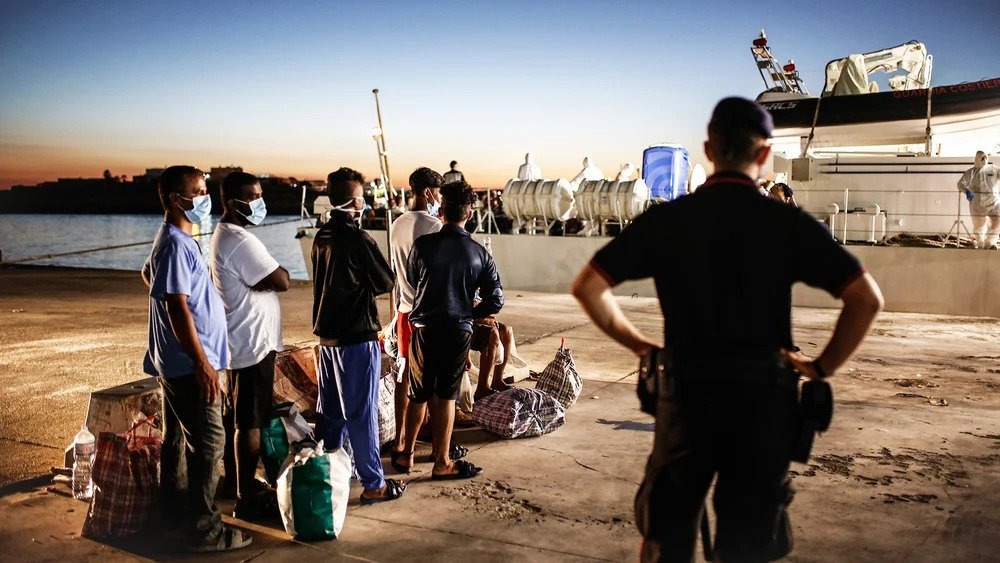
LampedusaAmnesty International warned that plans by five European Union member-state governments for migrant “return hubs” in Rwanda and Uganda risk creating “cruel black holes for human rights.” The warning comes as the EU Return Regulation, approved by the European Parliament in June but still awaiting final approval by the European Council, is set to provide the legal basis for such hubs. (Photo: Sara Creta/TNH)

Southern Cone

Chile: ’emergency’ constitutional reform pending

ChileHuman Rights Watch called for the Chilean National Congress to reject a proposed package of constitutional amendments addressing "national security" questions being pushed by President José Antonio Kast. HRW charged that the amendments, supposedly aimed at fighting organized crime, would undermine due process and human rights protections. Terms of the amendments would allow the president to instate a 240-day state of emergency without legislative approval, suspending the right of assembly and other personal freedoms. Additionally, measures would allow for the seizure of personal property without normal due process. (Image: Nicolas Raymond via Flickr)

The Caribbean

UN experts demand end to US strikes on ‘drug boats’

Coast GuardUnited Nations experts issued a statement demanding an end to the unlawful attacks and killings carried out by the United States military on suspected drug-trafficking boats in the Caribbean and Pacific. The experts indicated that these attacks—which began a year ago and resumed in August after a months-long hiatus—are not justifiable under international humanitarian law. In the year since the first attack, an estimated 227 individuals have been killed in the strikes, none of whom were formally charged with a crime or had been previously detained. (US Coast Guard via Wikimedia Commons) 

South Asia

Victory for Pakistan in Indus waters dispute

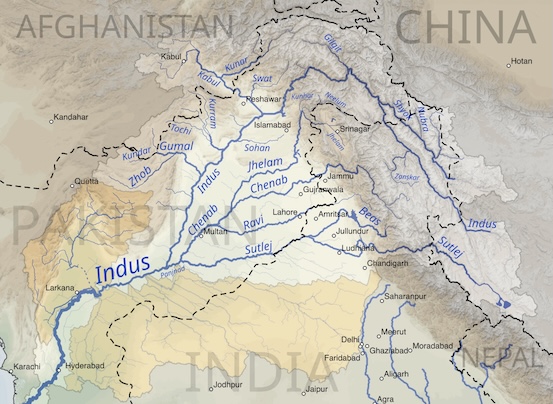
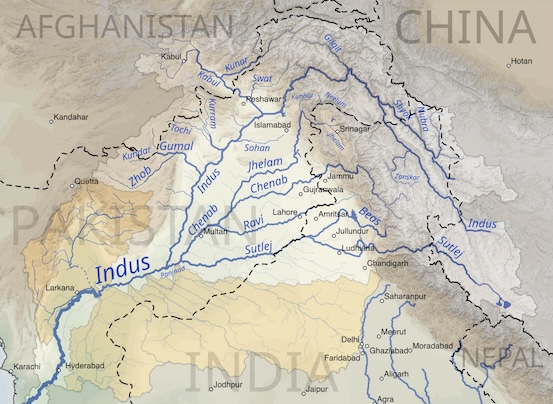
IndusIn a monumental win for Pakistan, a panel of the Permanent Court of Arbitration (PCA) held that India must honor a nearly 70-year-old water treaty between the two nations. The court said that the 1960 Indus Waters Treaty remains legally binding and that no party may unilaterally suspend or terminate it, despite the armed conflict that broke out between India and Pakistan last year. The treaty places limits on hydro-electric development by India on Indus tributaries designated for use by Pakistan, and the panel ordered one such project halted. However, India has explicitly rejected the authority of the PCA in the matter. India and Pakistan have long been at odds over the territory of Kashmir, through which the Indus flows from its Himalayan headwaters. (Map: Keenan Pepper via Wikimedia Commons)

North Africa

Libya: roadmap to resolve division of country

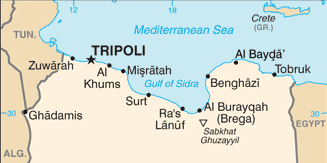
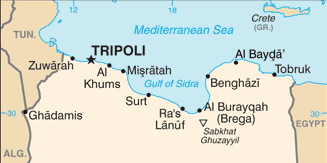
LibyaLibya's rival governments agreed to hold national elections within the next two years with a view to re-unifying the country. After months of UN-sponsored talks, representatives from the country's eastern and western administrations—known as the 4+4 Committee—signed an pact on terms to restructure the electoral commission and address disputes over the process. However, representatives of Libya's Amazigh (Berber), Tuareg and Tebu (Toubou) communities have issued a declaration stating they have lost confidence in the UN Support Mission in Libya, rejecting the legitimacy of the 4+4 Committee and threatening to boycott any elections held under the current framework. (Map: Perry-Castañeda Library)

New York City

Podcast: In defense of real life

Summer of LuddWith the CounterVortex website debilitated by Chinese state-sponsored hackers, chief blogger and ranter Bill Weinberg takes heart in the vibrant scene unfolding this summer in the Lower East Side's Tompkins Square Park—which was kicked off with the anti-tech fest Summer of Ludd. In an historical comparison, Weinberg reads from the December 1966 issue of Paul Krassner's The Realist, in which Robert Anton Wilson wrote on the "cybercultural revolution," and from the Winter 2025 issue of Berkeley anarchist zine Slingshot, in which Anthony Moser rants against Artificial Intelligence. Moser notes how Japanese animator Hayao Miyazaki dissed AI-generated anime as "an insult to life itself"—only to have ChatGPT retaliate by targeting his Studio Ghibli for appropriation. In Episode 343, the CounterVortex podcast offers a vigorous defense of authentic human culture, the material world, and real life. (Photo: CounterVortex)

New York City

NYC: ‘die-in’ against automotive terror

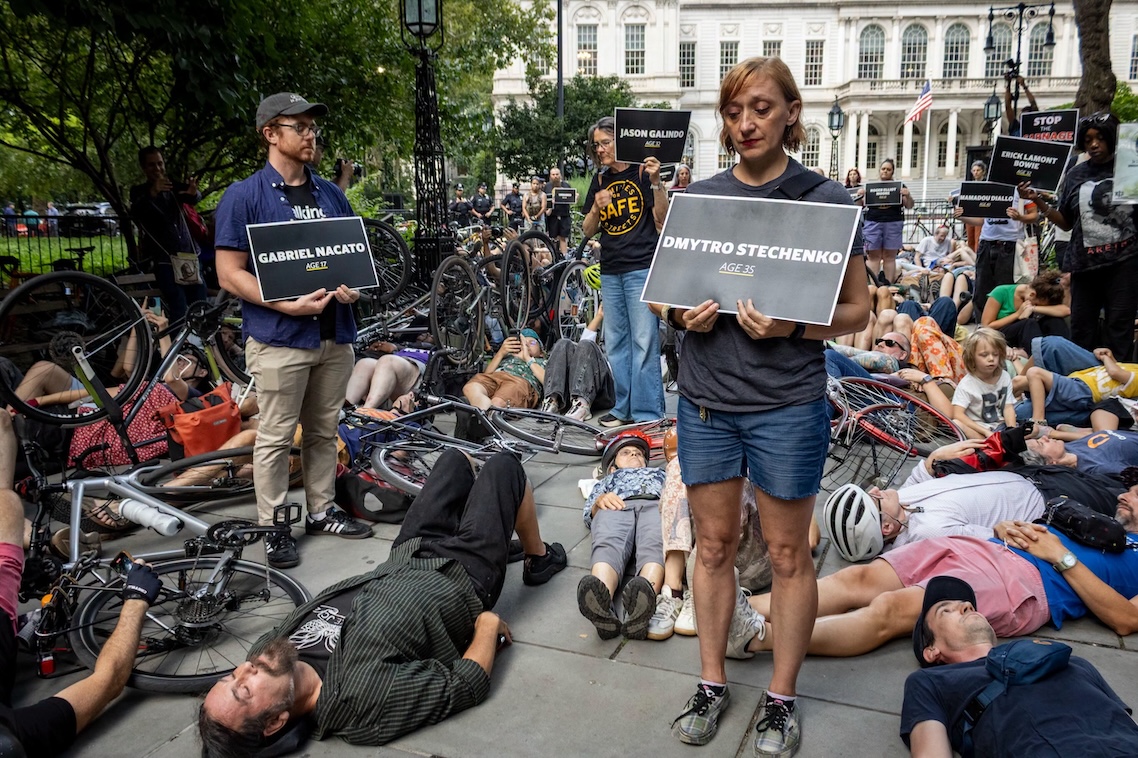
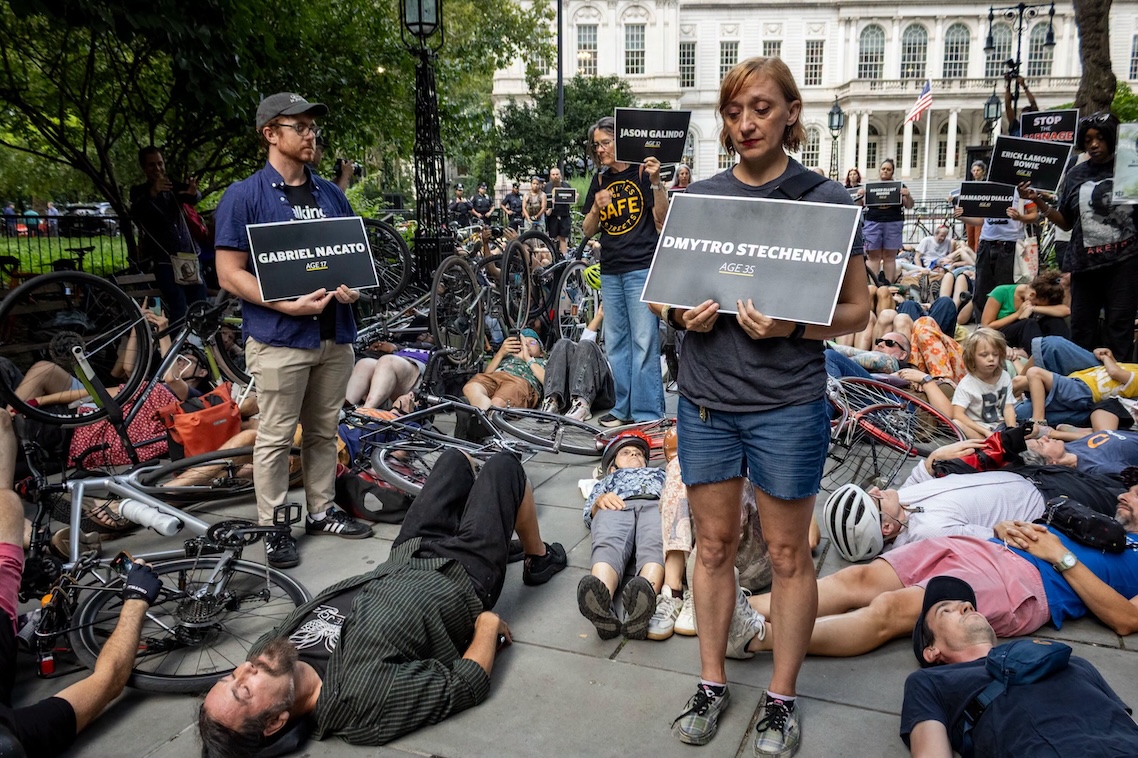
die-inNew York City street safety advocates staged a "die-in" outside City Hall, demanding that the city take action amid a spike in bicyclist and pedestrian deaths. Transportation Alternatives and Families for Safe Streets are calling for a plan to protect New Yorkers from reckless motorists. The protest was called after four people were killed in hit-and-run "collisions" (sic) in the span of five days, three of them on bikes. (Photo: NYC Public Advocate via Facebook)

North America

US sanctions Palestine Action over ‘terrorism’ ties

Palestine ActionThe US Department of the Treasury's Office of Foreign Assets Control (OFAC) sanctioned three organizations and two individuals, accusing UK-based Palestine Action, the Italy-based Autistici Inventati, and the Masar Badil network of ties to "violent far-left extremism." The designations were made under Executive Order 13224, the post-9-11 authority allowing the US to block the property of designated "terrorists" and of those who support or are linked to them. US Treasury Secretary Scott Bessent said "far-left extremists, their fronts, and their enablers should be on notice" that the Department "will bring the full weight of our economic tools to bear." He added that "we will continue to cut the financial lifelines of these groups until they are eliminated." (Photo: Cary Bass-Deschênes via Good Law Project)
Greater Middle East

Syria: SDF absorbed into national army

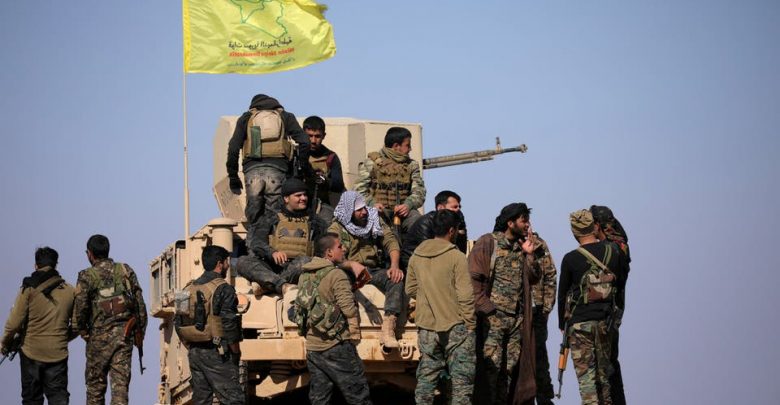
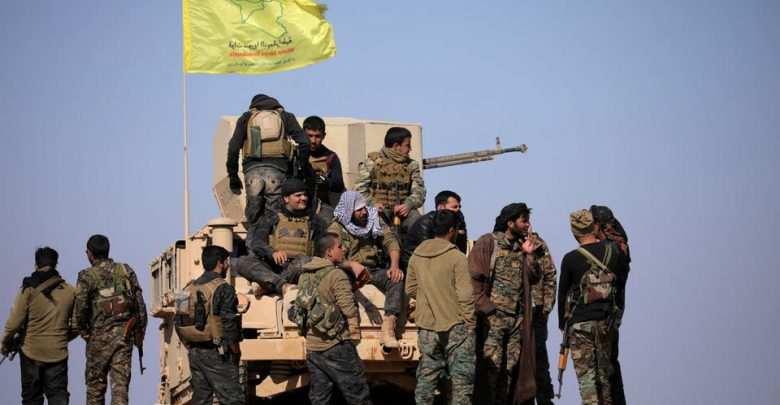
SDFThe Syrian Democratic Forces (SDF) formally dissolved, as the commander announced completion of the regional Kurdish-led army's integration into the Syrian national army. The move ends the existence of the force that served as Washington's main partner against ISIS in Syria and once controlled a large autonomous zone in the country's northeast. "We announce today the end of the mission of the Syrian Democratic Forces and declare, with full responsibility, their dissolution as an independent military force," Mazloum Abdi said in a televized speech at the presidential palace in Damascus, following meetings with President Ahmad al-Sharaa. (Photo: SOHR)

Southern Cone

Argentina: ‘techno-authoritarian’ surveillance state

surveillanceAmnesty International accused Argentina of putting in place a "techno-authoritarian" surveillance infrastructure without adequate legal safeguards, as the government's newly created AI security unit expands state monitoring powers over citizens' online communications and physical movements. In a new report, the rights group stated that Argentina's Ministry of Security spent at least $1.2 million on surveillance technology between 2024 and 2025, including social media monitoring tools, facial recognition software, and thermal-sensing camera-equipped drones with automatic tracking of targets and capacity to transmit images in real time. (Image: Celina Hilbert)

Europe

UN: drone warfare threatens Ukraine aid response

droneUN humanitarian chief Tom Fletcher warned that the recent rise in the use of drones poses a risk for aid operations in multiple conflicts around the world. He emphasized that international humanitarian law, which prohibits attacks on humanitarian workers and civilians, continues to apply to drone warfare regardless of how sophisticated or autonomous the weapons become. Fletcher spoke during a visit to Ukraine for World Humanitarian Day. After two days in Kherson, he described the city as "saturated by the use of drones against civilian areas." He said that humanitarian workers as well as civilian residents live under the constant peril of these weapons. Fletcher observed that as remote pilots move farther from their victims, so do accountability and justice. (Photo: Bahareh Asadi via Wikimedia Commons)